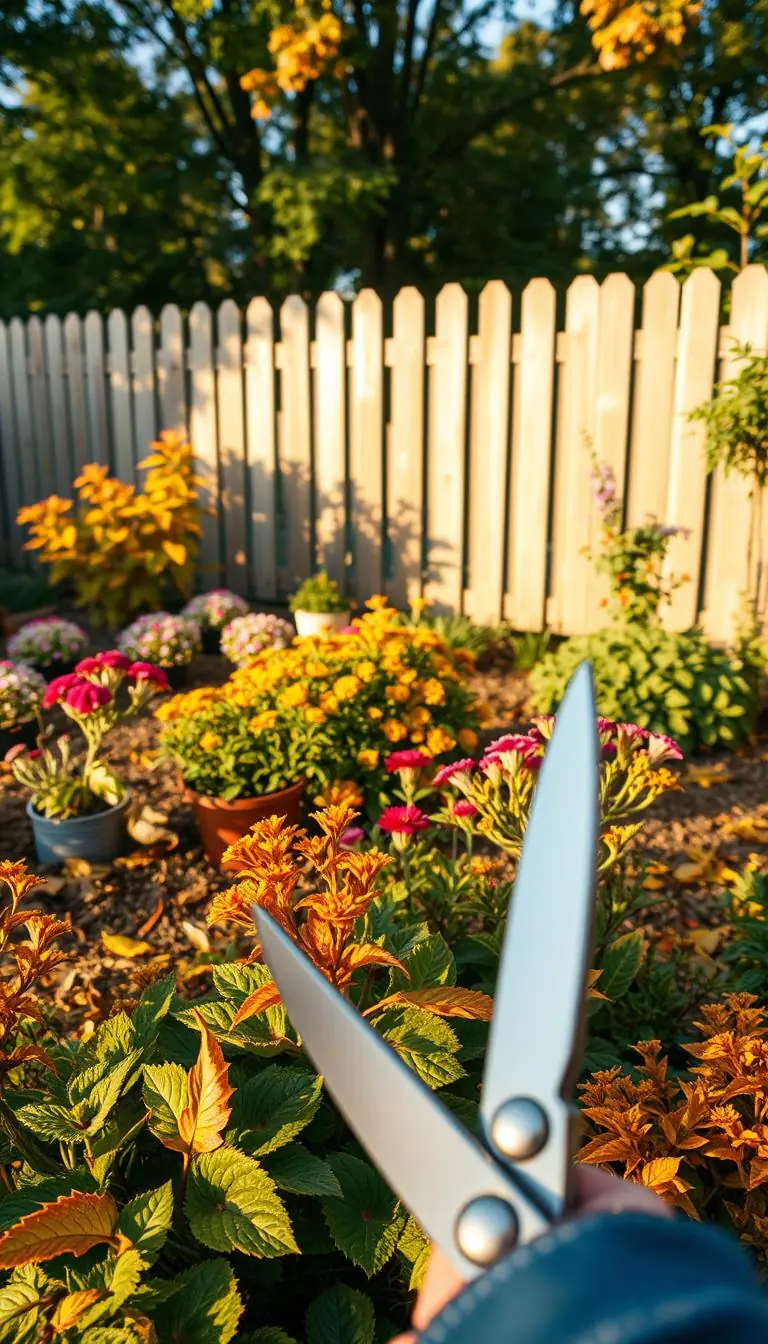
Have you ever stepped outside at midday and felt the air shimmer over your beds? You want a lush, thriving garden that keeps its color and calm through hot hours. In this guide, we chat like a helpful neighbor and share simple steps you can use right away.
You’ll learn gentle, practical ways to keep blooms comfortable — from quick shading moves to smarter watering and soil choices. We mention resilient picks you can trust, including Proven Winners LUSCIOUS Lantana, Suncredible Yellow Helianthus, and Whirlwind Scaevola.
We’ll also point to perennials that stand up to intense light: Denim ’n Lace Russian sage and COLOR CODED Echinacea. Small design shifts, mulch upgrades, and container tips save time and keep plants looking vivid.
Key Takeaways
- Learn to read signs of stress so you know when to shade or water.
- Use targeted shade and mulch to keep roots cool and moist.
- Choose heat-tolerant plants like lantana, coneflower, and scaevola for steady color.
- Small container changes and timely moves protect foliage and roots.
- Layered bed design helps gardens shelter themselves through hot periods.
Start with a calm check-in: are your plants actually sun-stressed?
Before you reach for the hose, pause and see whether your plants are simply tired from heat or truly in trouble. A quick, calm inspection saves water and worry.
Check in early afternoon when the sun and heat peak. Many heat-ready selections like Whirlwind Scaevola and Diamond Snow Euphorbia stay composed, while Sunstar pentas and LUSCIOUS Lantana keep blooming if the soil has moisture.
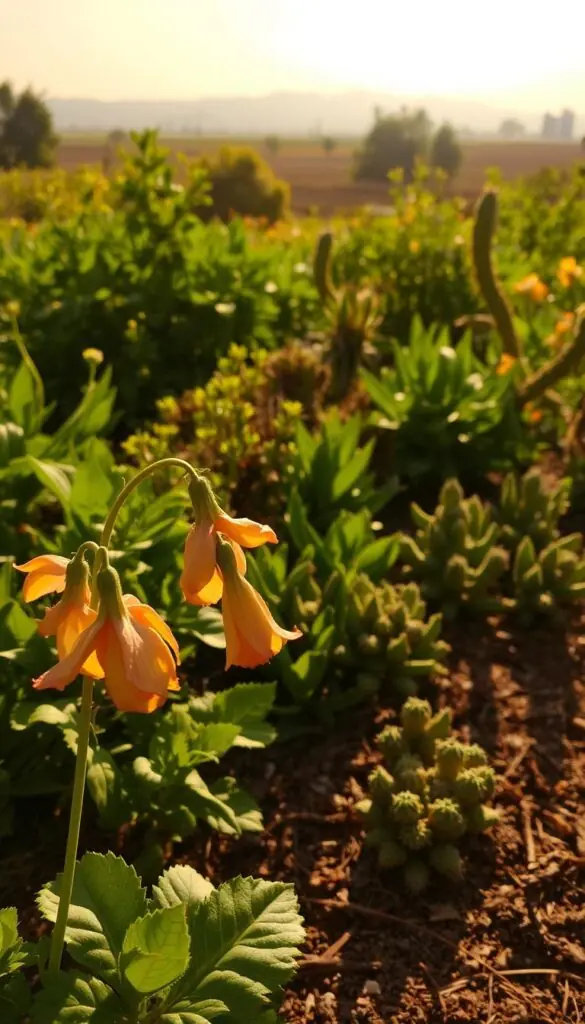
Look at leaves and foliage closely. Crisp brown patches or silvery bleaching mean scorch. Limp, cool-to-touch foliage points to thirst or wind stress.
- Test soil with your finger about 2 inches down: dry and crumbly needs a deep drink; cool and moist needs time.
- Compare a struggling plant to a nearby thriving one—placement or maturity often explains the difference.
- Watch buds and petals: many faded blooms bounce back when temps fall, so wait before repotting or moving.
Note patterns over several days. Short heat spikes need temporary shade; a long, bright stretch may call for a more lasting plan. Keep a simple garden journal—small notes make future checks quicker and calmer.
Give your garden soft shade where it counts
Create soft, movable shade that lets beds breathe while easing the midday heat. Start with light solutions you can shift as the day changes. A patio umbrella or pop-up canopy gives instant relief without heavy work.
Temporary cloths and anchors work well. Use a 30–40% shade cloth, tie it to stakes or a fence corner, and raise or lower it with the sun angle. Aim the shield for midday to late-afternoon so plants get bright mornings and gentler afternoons.
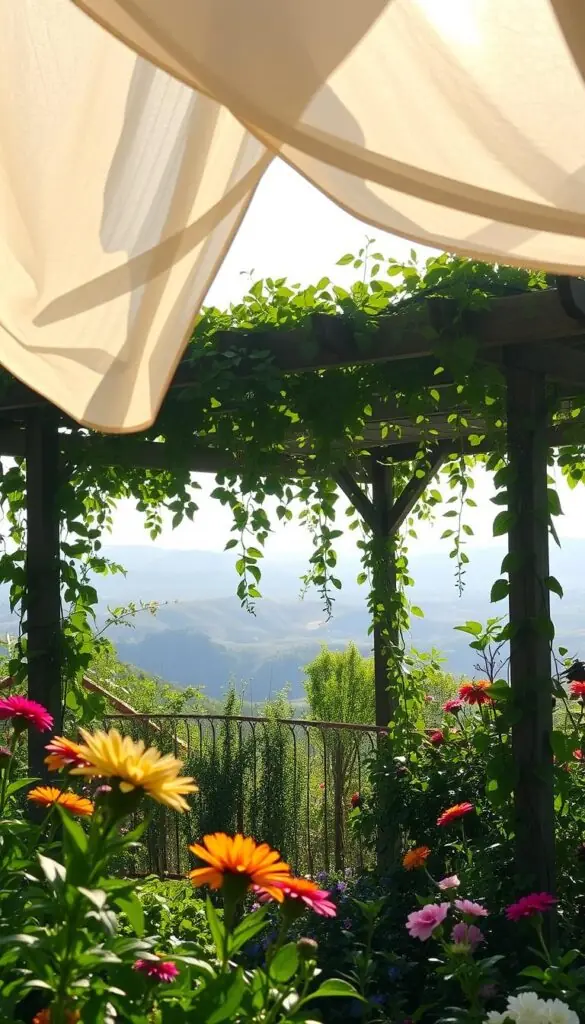
Living screens and portable plant shade
Plant-powered screens add color and habitat. Suncredible Yellow (Proven Winners) reaches 24–36 inches and blooms freely as a back-row anchor. Center Stage crapemyrtle grows 6–12 feet tall with about an 8-foot spread for long-term canopy.
“Keep sizes and positions flexible—movable pots and trellised vines let you nudge shade exactly where plants need it.”
- Use tall containers or upright grasses as portable shields.
- Stagger rows of suncredible sunflowers for dappled light.
- Combine partial shade cloth with living screens for balanced colors and foliage.
| Option | Typical size | Best use |
|---|---|---|
| 30–40% shade cloth | DIY panels | Afternoon filtering for beds |
| Suncredible Yellow Helianthus | 24–36 inches | Back-row annual screen, pollinators |
| Center Stage crapemyrtle | 6–12 feet tall; ~8 ft spread | Long-term canopy in landscape |
Water wisely: cooling roots without wasting a drop
A smart watering routine keeps roots cool and prevents waste when temperatures climb. Start with calm timing and slow delivery. That gives your beds a steady moisture reserve and protects blooms.
Morning deep soaks, not frequent sprinkles
Water early so soil soaks down before the day warms. Aim to wet the root zone about 6-8 inches, then let the surface dry a bit between sessions.
Drip lines and soaker hoses to keep foliage dry
Use drip lines or soaker hoses in full sun to send water straight to roots. This cuts evaporation and lowers leaf disease risk for Whirlwind Scaevola, Diamond Snow Euphorbia, Sunstar pentas, and LUSCIOUS lantana.
Moisture cues: wilt vs. permanent scorch
Watch plants, not the clock. If petals and leaves droop at midday but recover by evening, it's temporary heat wilt. Brown, crispy patches that don’t bounce back point to scorch.
- Check soil a couple inches down—dry there means it’s time to water.
- Group thirstier plant types so one longer soak meets their needs.
- Track how long a deep soak takes with your system; once you know the time, watering becomes easier and more reliable.
Mulch and soil: create a cool, steady root zone
Give roots a calm, cool place to live with mulch and smarter soil choices. Small tweaks cut evaporation, ease daily care, and keep blooms steadier when temperatures rise.
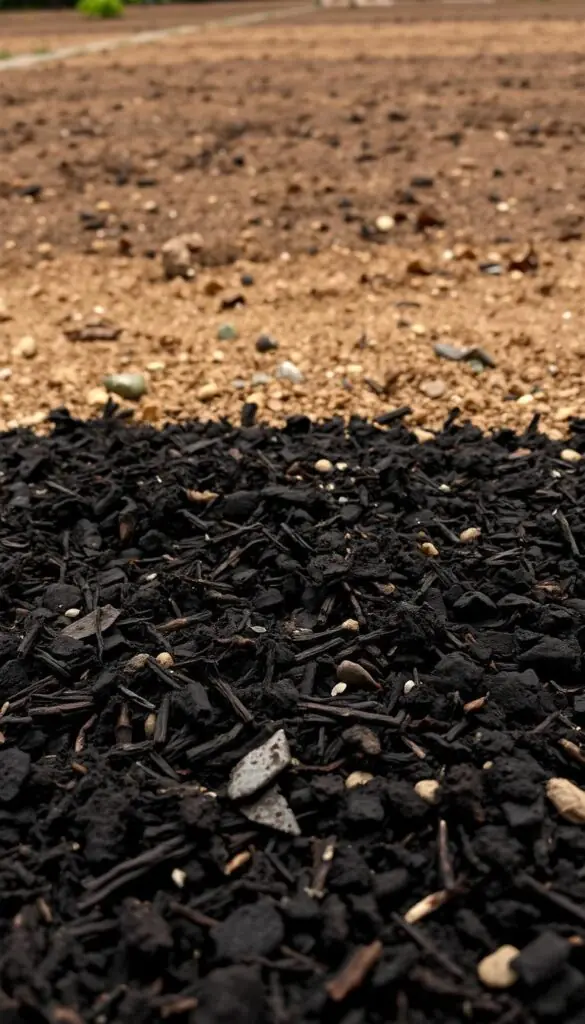
Organic mulch layers to reduce evaporation
Add a 2–3 inch layer of organic mulch around your flowers to slow moisture loss and curb weeds. Pull mulch back slightly from stems so leaves stay dry and air flows at the crown.
Light-colored gravels for heat-tolerant beds
For Rock ’N Low sedum, Rock ’N Grow upright sedums, and Sweet Romance lavender, swap in light gravel. The stone reflects heat and sheds extra moisture, matching these drought tolerant perennials’ needs.
Well-drained soil for full-sun perennials that dislike “wet feet”
Loosen compacted patches and mix in mineral grit or compost where needed. Keep compost lean in beds that get full sun so roots don’t sit in soggy soil.
- Mulch still helps drought-prone plants by stretching time between deep soaks.
- Watch leaves at the soil line; yellowing or dampness means fluff the mulch for more air.
- Refresh mulch in spring for steady coverage without piling it high.
Container strategies for full sun and heat
A few practical tweaks to pots and placement make a big difference on hot afternoons.
Pick pots that buffer root temperature. Larger, breathable containers like terra‑cotta or fiberstone hold moisture and cut quick swings in soil warmth. Aim for pots a few inches wider than the root ball to give roots room to breathe.
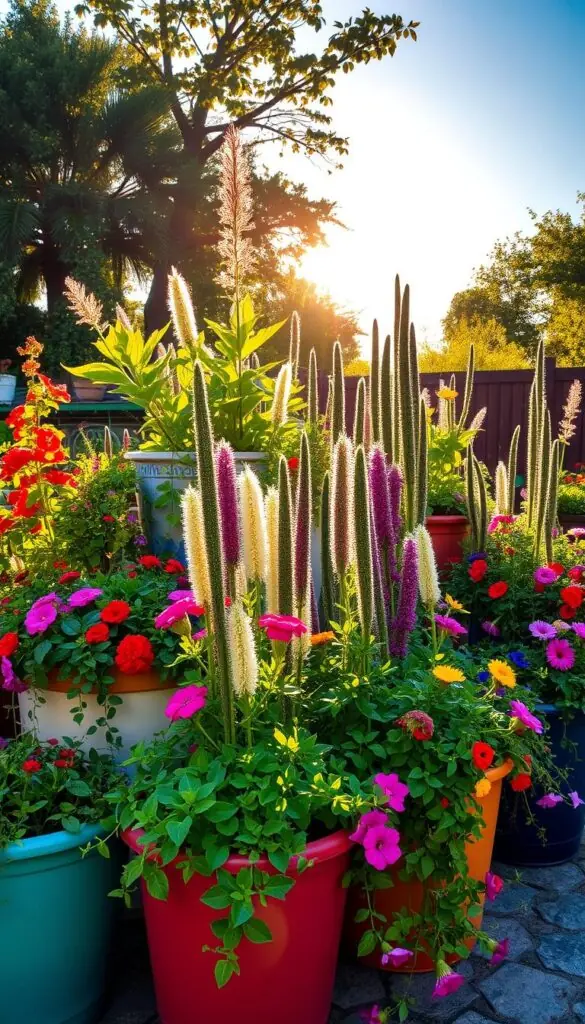
Right-sized pots, breathable materials, and midday moves
Plant a reliable combination in each pot. Use an upright like Unplugged SO BLUE salvia with a spiller such as Sweet Caroline sweet potato vine. Add a tough filler like scaevola or Sunstar pentas for steady color and pollinator visits.
Water deeply until water runs from the drain. Let the top inch dry before you soak again. This keeps roots cool without overwatering drought‑tolerant varieties like Diamond Snow Euphorbia.
- Move containers a few feet into afternoon shade on very bright days.
- Lift pots on risers to improve airflow and stop patios from baking roots.
- Top the soil with light-colored gravel to reflect heat and calm foliage temperature.
“Small, regular snips and light feeding keep containers compact and full of color without extra fuss.”
| Tip | Why it helps | Quick how-to |
|---|---|---|
| Use larger, breathable pots | Buffers heat swings and holds moisture | Choose terra‑cotta or fiberstone one size up |
| Match water needs | Avoid overwatering drought‑tolerant plants | Pair thirsty with thirsty; drought with drought |
| Midday repositioning | Reduces harsh afternoon light on foliage | Slide pots behind benches or into dappled shade |
| Risers and gravel topdress | Improves airflow and reflects heat | Use block risers and light stones on soil |
Plant choices that love heat: your low-stress summer allies
Select hardy varieties that hold their color and welcome pollinators day after day. Start with a mix of reliable annuals, steady perennials, and useful groundcover so beds look full with less fuss.
Drought-tolerant annuals like LUSCIOUS lantana (20–30 inches), angelonia, Whirlwind scaevola (8–14 inches tall, 18–24 inch spread), and Diamond Snow euphorbia keep blooms coming even in long bright stretches.
Perennials that perform include COLOR CODED echinacea (18–24 inches), ‘Denim ’n Lace’ Russian sage (2–4 feet) and salvias and coreopsis for weeks of color. Daylilies add reliable daily bloom and easy care into fall.
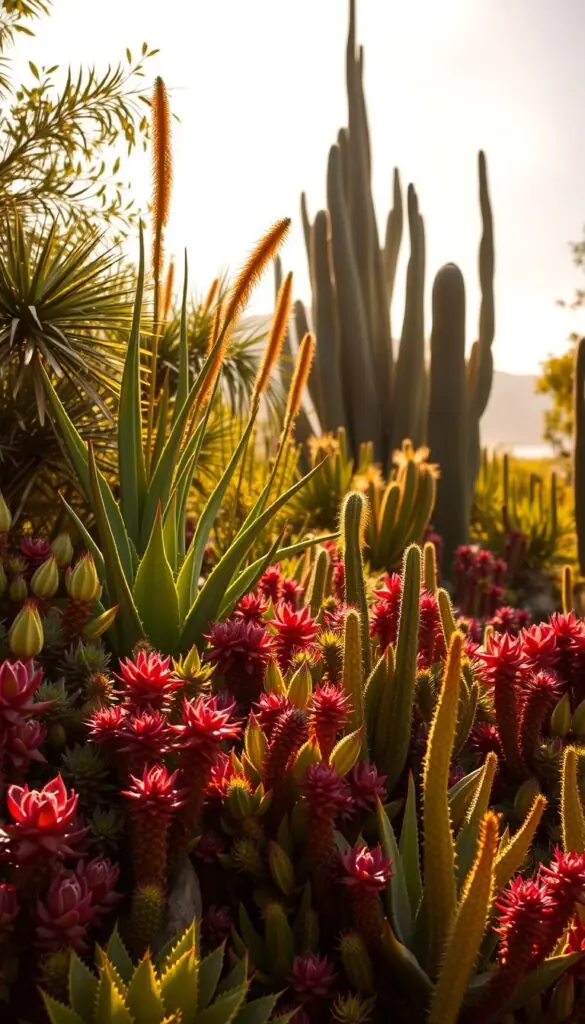
Groundcover and foliage choices such as Sweet Caroline sweet potato vine and Rock ’N Low sedum fill gaps and cool the root zone. Montana Moss juniper gives low, year-round structure at 2–4 feet tall.
“Pick Proven Winners varieties when you want predictable size and steady blooms with little fuss.”
| Plant | Height | Best use |
|---|---|---|
| LUSCIOUS Lantana | 20–30 inches | Mass color; attracts butterflies |
| Whirlwind Scaevola | 8–14 inches; 18–24 in spread | Edge planting and containers |
| COLOR CODED Echinacea | 18–24 inches | Mid-border perennial bloom |
| Rock ’N Low sedum / Montana Moss juniper | Groundcover to 3–5 feet spread | Fill gaps and steady foliage |
- Plant in spring for easier establishment, or mid-season with careful watering.
- Layer taller at the back, medium in the middle, and groundcover at the front for an easy, full look.
- Most prefer well-drained soil; raise beds where water pools.
Design the bed to handle heat
Designing a layered bed makes heat easier on plants and more pleasant for you.
Start with height and spacing. Put taller perennials like Russian sage (2–4 feet) and coneflower (18–24 inches) at the back so their airy foliage casts dappled shade. Add mid-height bloomers in the center and low domes, such as Rock ’N Round ‘Popstar’ sedum (10–12 inches), at the front.
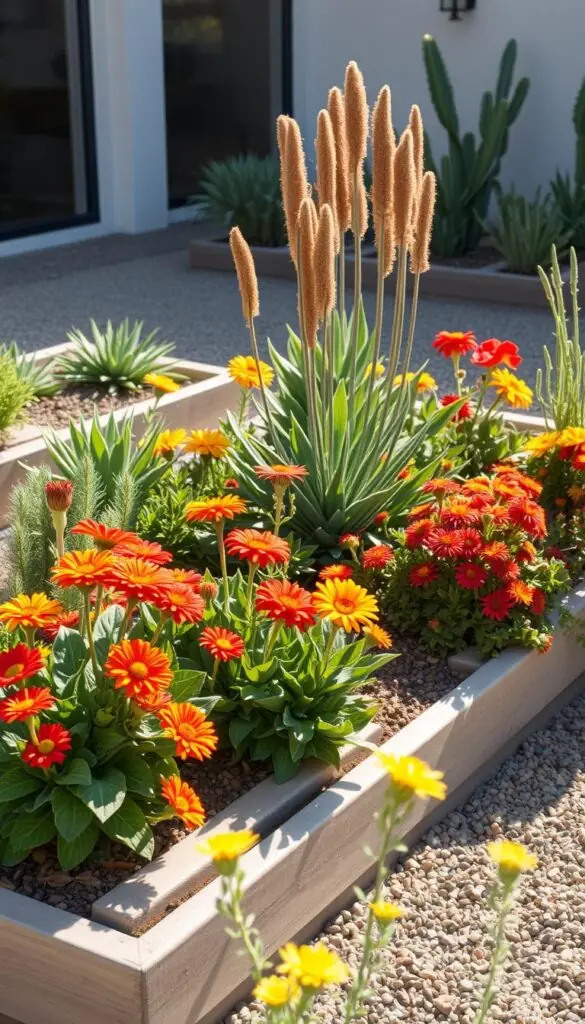
Give each plant room—aim for 6 to 12 inches between crowns. That gap lets air flow, cools leaves, and still lets foliage touch lightly for shared shade.
- Place heat-lovers on the sunniest edge and tuck tender ones where afternoon light softens.
- Mix textures: airy plumes filter light; broader leaves catch and soften it.
- Use fences, trellises, or light screens in the landscape to shade the hottest hours.
In borders, mirror soil needs: reflective gravel near sedum and lavender, richer mulch by thirstier plants. A tidy inch or two of mulch finishes the look, keeps roots cool, and stretches watering intervals.
“A simple range of heights and steady bloom timing means parts of the bed rest while others shine.”
Summer flowers, sun protection made simple
Nudging plants a few feet and matching watering needs saves time and stress. Small, tidy moves make a big difference in how beds perform on the hottest afternoons.
Place tender plants where they get afternoon shade
Slide your most fragile choices a few feet toward dappled or late-day shade. They still get bright mornings but avoid the harshest light.
Air movement matters. A light breeze cools leaves and reduces wilting for delicate blooms like some annuals and young perennials.
Group by water needs to keep care easy
Keep thirstier and drought-tolerant plants in separate zones. That way one deep soak suits each group without waste.
Use a single drip line per zone and place containers near thirsty beds so you save rounds and stay consistent.
“Simple grouping and tiny shifts in placement let your garden hold more color with less fuss.”
| Action | Why it helps | Quick tip |
|---|---|---|
| Move tender plants | Reduces midday stress | Shift pots or plant a few feet back |
| Group by thirst | Saves water and time | One drip zone per group |
| Use movable shades | Flexible, low-effort cover | Chair, trellis, or small screen |
Seasonal timing: spring prep, summer care, and fall resets
A simple seasonal checklist keeps chores light and results consistent across the months. Take small steps early and you save time later.
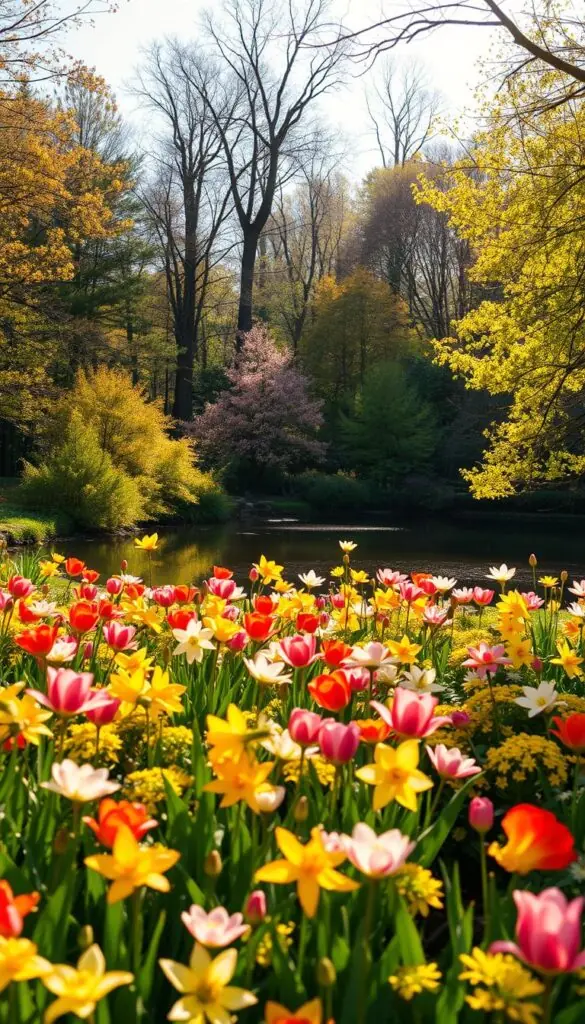
Spring: set the stage before heat arrives
In spring, loosen compacted soil gently and add compost where plants need a boost.
Install drip or soaker lines now so water reaches roots when it matters. Plant sun‑strong perennials like Denim ’n Lace Russian sage and COLOR CODED Echinacea so they root in before hot days come.
Aim mulch to an even 2–3 inches; it keeps soil cooler and watering easier all season.
Through the high season: light upkeep that pays
Do light pruning, regular deadheading, and touch up mulch only where it thins. Trim salvias lightly to encourage rebloom and deadhead coreopsis or Shasta daisy for steady color.
If drought stretches on, add a pre‑heat deep soak and a bit of afternoon shade for tender pots.
Fall: note winners and prepare next year
In fall, walk your gardens and jot what worked. Expand Proven Winners varieties that stood out, like LUSCIOUS Lantana or Sunstar Pentas.
Divide or move perennials where winters allow, and store or refresh drip parts and timers so next spring planting is quick and calm.
“Spring sets the stage, summer maintains, and fall fine‑tunes the mix for next year.”
Quick TLC moves on extreme-heat days
When heat spikes, a few calm steps can steady your bed in less than an hour. You don’t need heavy work — just targeted care at the right time.

Temporary shade cloth and a targeted deep soak
Use a 30–40% shade cloth over the brightest zone in the afternoon so light softens but air still moves. This eases the hottest hours without darkening the whole bed.
- On mornings before a forecasted spike, give a slow deep soak so moisture reaches 6-8 inches down.
- Clip or drape a light cloth panel where leaves bake; tender blooms and new transplants benefit most.
- Move containers a few feet into dappled shade for the afternoon, then return them to morning light.
- During a long drought, add a second deep soak two days later instead of many small sprinkles.
- Avoid heavy feeding during peak heat; let water and shade do the work first.
- Snip spent petals so the plant can focus energy on steady foliage and new buds.
- Check leaves in the evening—cool, perky foliage means you’ve done enough for the day.
Little moves, right on time, help your plants ride out the harshest hours.
Wildlife-friendly sun gardens that still stay resilient
Invite wildlife into your bright beds while keeping the layout simple and resilient. You can welcome butterflies and still limit browsing with a few smart plant choices and tidy placement.
Butterfly favorites for hot beds
Plant clusters of Sunstar Pentas (18–22 inches) and LUSCIOUS Lantana (20–30 inches). Big clusters and bold colors draw butterflies from across the yard.
Mix in nectar-rich salvias like Color Spires or Rockin’ series for long bloom spikes. Grouping helps pollinators find food fast and keeps upkeep simple.
Deer‑resistant, tough picks
Edge beds with Diamond Snow Euphorbia (12–18 inches), ‘Denim ’n Lace’ Russian sage (2–4 feet), and Sweet Romance lavender. These perennials resist deer and hold their shape in full sun.
Add sedum collections (Rock ’N Low, Rock ’N Round) for low groundcover that feeds pollinators and remains tidy during drought.
“Choose a couple of Proven Winners varieties in complementary colors so beds feel cohesive and buzz with life.”
- Cluster like plants together—butterflies find large patches faster.
- Place lavender near paths so you enjoy scent while pollinators work the blooms.
- Tuck deer‑resistant anchors at borders to help guard tender centers.
Little planning, big reward: With a few proven varieties and simple grouping, your landscape welcomes butterflies, stays resilient in heat, and needs only light care.
Conclusion
You can shape a low‑work garden that stays bright and healthy with a few simple steps.
Pair soft shade, smart watering, and cooling mulch with a thoughtful plant mix from a Proven Winners collection and others. Across a wide range of choices—compact sedums to taller Russian sage and crapemyrtle—you’ll find plants for every patch and sizes that fit your beds.
Design with a clear center of structure, add supportive bloomers around it, and let small moves guide what stays or gets moved. Enjoy your gardens in the morning and evening; steady, simple care makes a big difference.
Take a breath, try a few varieties, and repeat what thrives. Your garden will grow kinder to heat, and your flowers will reward you with lasting color.
FAQ
How can I tell if my plants are actually sun-stressed or just thirsty?
Look for quick, reversible signs like limp or folded leaves in the heat of the day — that usually means they need water and will perk up by evening. Permanent scorched edges, bleached or crispy foliage, or slowed growth are signs of true sun damage. Check soil moisture a few inches down: dry soil plus wilting points to thirst; damp soil with burned leaf tips suggests too much light or reflected heat.
What temporary shade options work best for young or tender plants?
Use lightweight shade cloth, patio umbrellas, or a pop-up canopy to cut harsh rays during peak afternoon hours. Cloth rated for 30–50% shade gives protection without blocking all light. Move pot groupings under a lattice or porch overhang mid-afternoon for quick relief. These solutions are inexpensive and let you protect plants through heat waves without permanent changes to the bed.
Can other plants provide natural shade for my garden?
Yes. Taller, fast-growing plants like sunflowers, ornamental grasses, or small trees such as crapemyrtle can act as living screens to shelter lower-growing beds. Position them on the west or southwest side of delicate plants so they block intense afternoon rays. This layered approach also adds height, texture, and habitat for pollinators.
When is the best time to water to help plants withstand high temperatures?
Water deeply in the early morning so roots stay cool and foliage dries before evening. Morning soaks encourage deeper root growth and reduce evaporation. Avoid light, frequent sprinkling — that keeps roots near the surface and stresses plants when real heat arrives.
Should I use drip irrigation or soaker hoses in hot beds?
Yes — drip lines and soaker hoses deliver water to the root zone with minimal waste and keep foliage dry, lowering disease risk. They’re ideal for grouped plantings with similar needs. Place emitters near the root flare and run longer, slower cycles to encourage deep roots that tolerate heat better.
How do I know the difference between temporary wilt and permanent scorch?
Temporary wilting will reverse after a deep morning watering or cooler evening. Scorch shows as brown, hard leaf margins or bleached patches that don’t recover. Remove badly damaged foliage to conserve energy, but wait to prune until you’re sure the plant is past immediate stress.
What mulch should I use to keep roots cool and conserve moisture?
Organic mulches like shredded bark, leaf compost, or wood chips are excellent — a 2–3 inch layer reduces evaporation, moderates soil temperature, and improves structure over time. Keep mulch a few inches away from stems to prevent rot. For heat-tolerant beds, you can mix in light-colored gravels to reflect heat while still using organic matter in planting holes.
Are light-colored gravels a good choice for heat-prone planting areas?
Light gravels can reflect heat and brighten a bed, which benefits drought-tolerant plants such as sedum or lavender. Use them selectively in well-drained sites; avoid gravel directly against plants that prefer richer, cooler soils. Gravel pairs well with succulents, rock garden mixes, and Mediterranean perennials.
How important is well-drained soil for full-sun perennials?
Very important. Many sun-loving perennials dislike “wet feet.” Amend heavy clay with compost and coarse sand or grit to improve drainage. Raised beds are an easy fix for persistently wet spots and let you plant heat-loving varieties like Russian sage and salvia with confidence.
What pot features keep containers from overheating?
Choose breathable materials like unglazed clay or lightweight fabric grow bags for good airflow. Pick slightly larger pots so roots don’t crowd and dry out too fast. For extreme afternoons, move containers to partial shade or group them to create microclimates. A layer of mulch or reflective wrap on the outer surface can also reduce heat gain.
Which annuals give reliable color without high water needs?
Look for drought-tolerant annuals such as lantana, angelonia, scaevola, and Euphorbia. They hold color in bright conditions and bounce back from brief dry spells. Group these in beds and containers where they can share irrigation and soil conditions.
What perennials are best for hot, bright beds?
Tough choices include coneflower (Echinacea), Russian sage, salvia, coreopsis, and daylily. They form a long season of blooms, tolerate heat, and demand minimal fuss once established. Mix a few for staggered bloom times and varied texture.
How can groundcovers help cool a planting area?
Low-growing groundcovers like sweet potato vine, Rock ’N Low sedum, and juniper shade the soil, reduce evaporation, and create a cooler root zone for nearby plants. They also suppress weeds and add visual continuity in borders and between larger perennials.
Which pollinator-friendly plants keep working in hot conditions?
Plants like pentas, blazing star (Liatris), and Shasta daisy attract butterflies and bees and remain reliable in bright, hot beds. They provide forage when many other sources are scarce and lend long-lasting color to the landscape.
How should I design a bed to handle sustained heat?
Create layers: taller shrubs or grasses on the west side for afternoon relief, mid-height perennials in the centre, and heat-tolerant groundcovers in front. Group plants by water needs and soil preferences. Use mulches and a well-planned irrigation layout so each zone gets appropriate care.
Where should tender plants be placed to reduce midday stress?
Place the most sensitive specimens where they receive morning light and afternoon shade — east-facing spots or under taller plants work well. In mixed beds, tuck tender types near structural elements like fences or pergolas that cast predictable shade.
How do I simplify care by grouping plants?
Group by water and sun needs so you can irrigate and mulch efficiently. Put drought-tolerant species together and moisture-loving ones in another zone. This reduces overwatering and keeps maintenance predictable.
What spring tasks set a garden up to survive hot months?
In spring, amend soil with compost, install or check irrigation, and set mulch before the heat arrives. Plant heat-tolerant varieties early enough for roots to establish. Good spring preparation reduces stress when higher temperatures come.
What mid-season care helps plants stay healthy through heat spells?
Do light pruning, deadheading, and mulch top-ups to conserve moisture and encourage continued blooms. Check irrigation emitters for clogs and adjust schedules for hotter stretches. Avoid heavy fertilizing mid-summer, which can push tender new growth into stress.
How should I evaluate beds in the fall?
In fall, note which varieties thrived and which struggled. Cut back spent perennials, refresh mulch, and expand heat-tolerant collections based on winners. Fall is the time to plant shrubs or perennials so roots establish in cooler weather.
What quick moves help on extreme-heat days?
Put up temporary shade cloth over vulnerable plants, give a targeted deep soak to the root zones early in the morning, and move containers to protected spots. These simple steps can prevent irreversible damage during short heat spikes.
How can I keep a garden wildlife-friendly while managing intense heat?
Choose nectar-rich, heat-tolerant plants like pentas, lantana, and salvia to support butterflies and bees. Plant deer-resistant options such as Euphorbia, Russian sage, and lavender along borders to reduce browsing. Provide shallow water sources and clustered plantings to offer shelter and microclimates for wildlife.