Early morning, you cup your hands and smell the faint, earthy steam rising from a compost bucket. That small scent can mean richer leaves on your tomato and sweeter peppers on the patio.
You’re about to learn a calm, simple way to make homemade fertilizer using scraps you already have at home.
This guide gives neighborly, step-by-step tips—dry banana peels, crush eggshells, and brew a mild compost tea (about 1:10 dilution) to feed your plants gently.
We focus on what your soil actually needs so you avoid waste and support steady growth. Expect quick tools—a bucket, sieve, and an old cookie sheet—and practical timing: feed in spring, with a light follow-up in fall for poor soils.
Along the way, we’ll point out small mistakes to avoid, like adding raw food waste directly to active beds, and show real examples for tomatoes, peppers, and leafy greens.
Key Takeaways
- You can make homemade fertilizer at home from common kitchen and yard scraps.
- Use simple tools and short steps so your gardening routine stays calm and doable.
- Compost tea diluted to about 1:10 offers gentle nutrients for most plants.
- Feed in spring; add a light fall follow-up if your soil is poor.
- Watch plant color and vigor to fine-tune timing and amounts.
Start Smart: What Your Soil and Plants Really Need
A quick check of your garden's soil saves time and helps you feed plants with confidence.
Think N-P-K first. Nitrogen nudges lush leaves. Phosphorus supports strong roots and blooms. Potassium helps overall resilience. Add calcium and magnesium for firmer cell walls and steady chlorophyll.
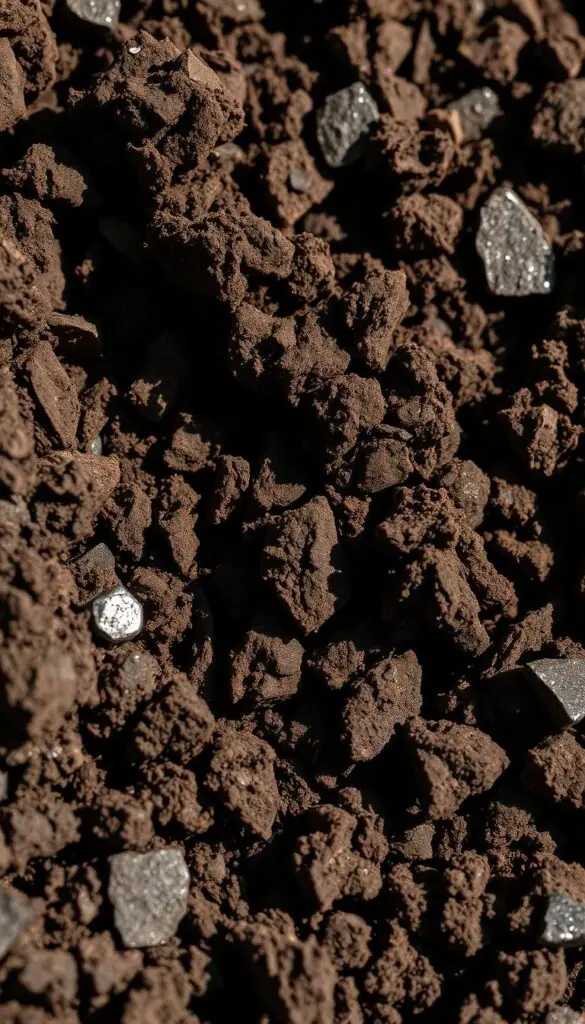
Do a five-minute soil test with a simple pH kit and a clear bucket. Collect a small sample, use water to moisten it, and note texture—gritty, loamy, or sticky. That tells you how nutrients move and how roots breathe.
Quick cues and safe ways
- If leaves turn pale or growth stalls, low nitrogen is likely—dried, crumbled coffee grounds mixed in can help slowly.
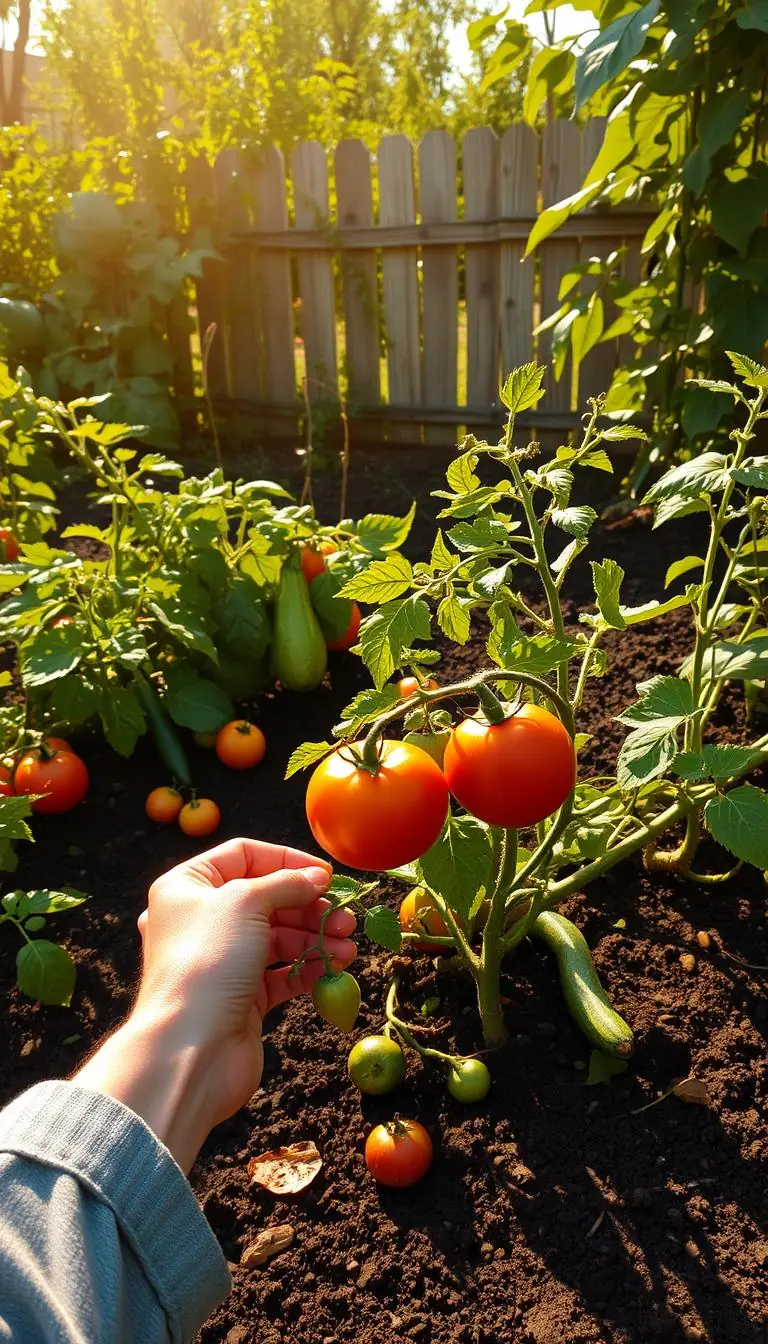
- Tomatoes often need extra calcium to prevent blossom end rot; crushed eggshells add a gentle, long-term boost.
- Avoid heavy alkaline inputs like wood ash unless your test shows a need—ash raises pH and adds potassium and calcium.
- Apply in spring; in very poor beds, a light fall top-up can help steady nutrients before winter.
| Element | Plant cue | Easy source |
|---|---|---|
| Nitrogen | Yellowing leaves | Dried coffee grounds |
| Phosphorus | Poor root or bloom | Bone meal or compost |
| Potassium | Weak stems, stress | Wood ash (test first) |
| Calcium & Magnesium | Blossom issues, pale leaves | Crushed eggshells, dolomitic lime |
Homemade fertilizer you can make from everyday kitchen and yard scraps
With a cookie sheet and a few simple steps, common kitchen and yard bits become helpful garden boosters.
Eggshell calcium boost: Save shells after breakfast, rinse if you like, then sun-dry them on a tray until they feel crisp. Crush with a mortar and pestle or grind in a small coffee grinder to a soft, chalky powder. Sprinkle a thin ring around tomatoes or peppers to help stronger cell walls and reduce blossom end rot.
Banana peel potassium: Slice banana peels into thin strips and lay them on a cookie sheet to dry for a couple of days until dark and brittle. Grind to a light, fragrant powder and add a pinch near the root zone for steady growth and resilience. If sun is scarce, use the oven on the lowest setting—dry, not toasted.

Coffee grounds nitrogen: Spread used coffee on a baking sheet to dry fully. Once crumbly and pleasantly roasted, mix a small handful into the top inch of soil for leafy greens. Drying prevents unwanted bacteria and keeps your beds tidy.
Wood ash for alkaline-loving plants: Collect ash only from untreated wood. Sift to remove charcoal and dust a very light sprinkle around thyme, lavender, or other alkaline-preferring plants. The warm, woodsy scent and fine ash add potassium and calcium but can raise pH, so use sparingly.
- Use a small bucket to stage scraps for a day of drying.
- Scratch amendments gently into soil with a hand fork.
- Work in small amounts first—these things are concentrated.
Simple liquid fertilizer methods for fast uptake
Liquid methods let plants drink nutrients quickly, so you see results in weeks rather than months. These gentle brews use a few common tools: a 5-gallon bucket, a mesh bag, and a stirring stick. They’re quick, low-cost, and kind to soil life when used correctly.

Compost tea in a bucket
Fill a 5-gallon bucket with tap water and let it sit 24 hours to dissipate chlorine.
Drop a mesh bag of mature compost in and stir every few hours for 24–48 hours until the water turns light brown and smells earthy and clean.
Strain and dilute 1:10 (one part tea to ten parts water). Apply at the base of plants every 4–6 weeks in cool morning hours.
Banana peel water and coffee steep
For a potassium lift, soak a few small banana peel pieces in a jar of water for 2–3 days, then strain and use around flowering plants once a month.
For a quick kitchen shortcut, steep two cups of spent coffee grounds in a gallon of water for several hours, strain, and use the clear liquid as a mild feed for leafy plants.
Freshwater aquarium water
When you clean a freshwater tank (no meds or salts), pour that water around outdoor containers or beds. It adds gentle nitrogen and micronutrients instantly.
"If a brew smells sour or sulfurous, discard it on the compost pile and start again with better aeration."
- Always dilute and apply to moist soil so roots aren’t shocked.
- Label jugs with date and ratio; rotate methods: tea in spring, banana water near flowering.
- Avoid over-concentration and medicated aquarium water—those are common mistakes.
When and how to use your fertilizers for best results
A little timing goes a long way when you feed garden beds and pots. Plan a first pass in early spring once daytime warmth steadies. This gives new roots a gentle boost without shocking tender shoots.
Seasonal timing: Kick off in spring and, if your soil has been poor, add one light follow-up in fall after harvest. Keep applications on mild days and water them in so nutrients move to the root zone.

Match to the plant
For fruiting crops like tomatoes and peppers, add a pinch of eggshell calcium at planting and again a few weeks later. Scratch it lightly into the top half inch of soil with a hand scoop.
Leafy plants prefer mild nitrogen. Use diluted compost tea (1:10) in a 1-gallon watering can every 4–6 weeks to encourage steady, emerald growth.
Simple schedule and gentle reminders
- Early spring: first feed to nudge growth; avoid heavy doses for young roots.
- Every 4–6 weeks: liquid fertilizer like compost tea for quick uptake.
- Fall (optional): one light application in poor beds to support soil life over winter.
- Watch plants for a week or two after feeding; start small to avoid burn or pH shifts.
"If blossom end rot appears on tomatoes, focus on steady moisture and calcium support rather than more frequent feeds."
Practical tips, tools, and mistakes to avoid
Small rituals—drying, labeling, and gentle doses—keep your beds healthy without fuss.
Prep step-by-step: Spread peels and shells on sheet pans and dry until brittle. Dry coffee grounds until airy and crumbly. Use a mortar and pestle or a small coffee grinder to make powders feel silky.
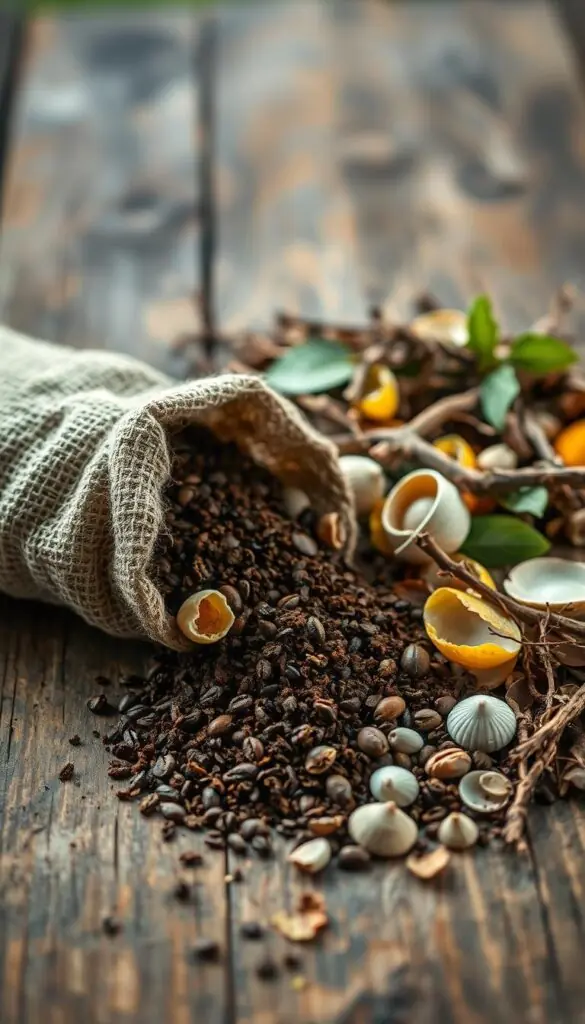
Tools, timing, and tidy storage
Keep a dedicated bucket at home to collect scraps for a few hours before prepping. Store finished powders in airtight containers and label with a date.
- Peels should snap; shells crush to a fine grit; grounds should feel light.
- Use small jars or containers for powders; liquids go in marked jars and used within days.
- Give yourself a couple of hours on a weekend to dry and grind—less rush, better results.
Common mistakes and quick fixes
Avoid over-application. Too much powder or ash can swing soil pH and stress plants.
"If a mix seems too strong, blend in more finished compost to buffer nutrients and protect soil life."
Balance matters: Rotate nitrogen, phosphorus, and magnesium sources rather than stacking one input. When in doubt, choose diluted teas or thin top-dressings and watch leaves for steady, healthy change.
Conclusion
Take a quiet moment in the garden and notice how small acts add up to steady growth.
You now have what you need to make simple, homemade fertilizer from eggshells, coffee grounds, banana peels, leaves, and gentle teas. Apply mostly in spring and give a light follow-up in fall for poor beds.
Mix powders sparingly, dilute liquids about 1:10 with water, and avoid adding raw food waste directly to active beds to reduce risk. Your plants will tell you what they prefer by greener leaves and firmer stems.
Enjoy the small pleasures—the scent of good soil, the soft clink of jars, and the calm rhythm of watering. We’re rooting for you: may your garden be lush and your time outside peaceful.
FAQ
How do I know which nutrients my soil actually needs?
Start with a quick soil test kit or a lab test to check N-P-K plus pH, calcium, and magnesium. These results tell you whether to boost nitrogen for leafy growth, phosphorus for roots and blooms, or potassium for overall vigor. A basic pH check helps prevent nutrient lockup.
What is N-P-K and why do calcium and magnesium matter?
N-P-K stands for nitrogen, phosphorus, and potassium — the primary nutrients plants use. Calcium strengthens cell walls and prevents blossom end rot in tomatoes. Magnesium is central to chlorophyll and green growth. Together they keep plants balanced and thriving.
Can I use eggshells to add calcium, and how do I prepare them?
Yes. Rinse shells, dry them completely, then grind to a fine powder. Work the powder into the topsoil or sprinkle around plant bases. Crushed shells are slow-release, so they’re ideal for improving calcium over weeks and months.
How should I prepare banana peels for potassium boost?
Chop peels and air-dry or sun-dry them, then crush into chips or powder. You can mix the powder into potting soil or steep peels in water for several days to make a liquid feed. Use diluted peel water monthly for a gentle potassium lift.
Are coffee grounds safe for my garden, and what do they add?
Used, dried coffee grounds add modest nitrogen and improve soil texture and drainage. Mix small amounts into compost or lightly work into topsoil. Avoid thick layers that can repel water; gardeners often use grounds for acidic-loving plants like blueberries.
When is the best time to apply these amendments?
Apply granular or powdered amendments in spring as you prepare beds, and top-dress again in late summer or fall if the soil is poor. Liquid feeds, like compost tea or banana water, work well during active growth and flowering—use them every 4–6 weeks.
How do I make a safe compost tea at home?
Fill a bucket with finished compost, steep in non-chlorinated water for 24–48 hours, stir occasionally, then strain. Dilute the brew about 1:10 with water before foliar spraying or root watering to avoid burning plants.
Can aquarium water be used directly on plants?
Yes—fresh tank water from routine changes contains dissolved nitrogen and beneficial microbes. Use it for watering houseplants or garden beds. Avoid water from tanks treated with medication unless you know it’s safe for plants.
How much wood ash should I add, and which plants benefit?
Sprinkle a light dusting of cooled, sifted wood ash into soil or compost—too much raises pH. Ash supplies potassium and calcium and suits alkaline-loving plants like lavender and asparagus. Test soil pH before regular use.
How do I avoid over-fertilizing and pH swings?
Follow test recommendations, use small doses, and prefer slow-release or diluted liquid feeds. Avoid applying concentrated scraps like fresh citrus or large amounts of ash directly to roots. Re-test soil annually to monitor pH and nutrient balance.
What storage tips help preserve nutrient value of crushed shells and dried peels?
Store dried powders and grounds in sealed, dry containers away from sunlight to keep them stable. Label jars with the date and contents. Kept dry, these additions stay useful for many months.
Which plants benefit most from nitrogen-rich coffee grounds?
Leafy greens, herbs, and fast-growing annuals welcome modest nitrogen boosts. Mix grounds into compost rather than applying raw; that keeps nutrient release steady and prevents root irritation.
How long until I see results after applying these natural amendments?
Liquid feeds can show effects in a week or two, especially in leaves and blooms. Granular or mineral boosts like crushed shells and ash act slowly; expect improvements over several weeks to months as they break down.
Related: if you want our guide to making organic fertilizer at home, check out “How to Make Organic Fertilizer at Home.”