You step outside and the air smells like damp earth, sunlight soft on the shoulders. Have you noticed tired beds or early shoots cracking through the soil? A calm, simple plan makes all the difference.
We’ll help you build a short, doable checklist so your plot wakes up gently and on schedule. Start with a quick inspection: check beds, hardscape, and supports before plants leaf out.
Run a soil test every three to five years, tidy beds when the ground is workable, and pace your time so early chores happen while the air still feels cool. Plant cool-season crops first, then wait until after the last frost for warm-season seedlings.
Along the way you’ll learn simple pruning rules — roses and panicle hydrangeas on new wood; lilac and forsythia on old wood — and note local frost dates like April 20–30 and the May 15 warning in many NYC microclimates.
Key Takeaways
- Make a brief checklist to guide weekly chores and save energy.
- Inspect beds, hardscape, and supports before leaf‑out.
- Soil testing every 3–5 years keeps your soil healthy.
- Stagger planting: cool‑season first, warm‑season after frost.
- Use simple pruning rules to protect blooms and shape shrubs.
- Watch local frost dates and microclimates for timing.
Early Spring Walkthrough: Inspect, Plan, and Tackle Hardscape Before the Ground Warms
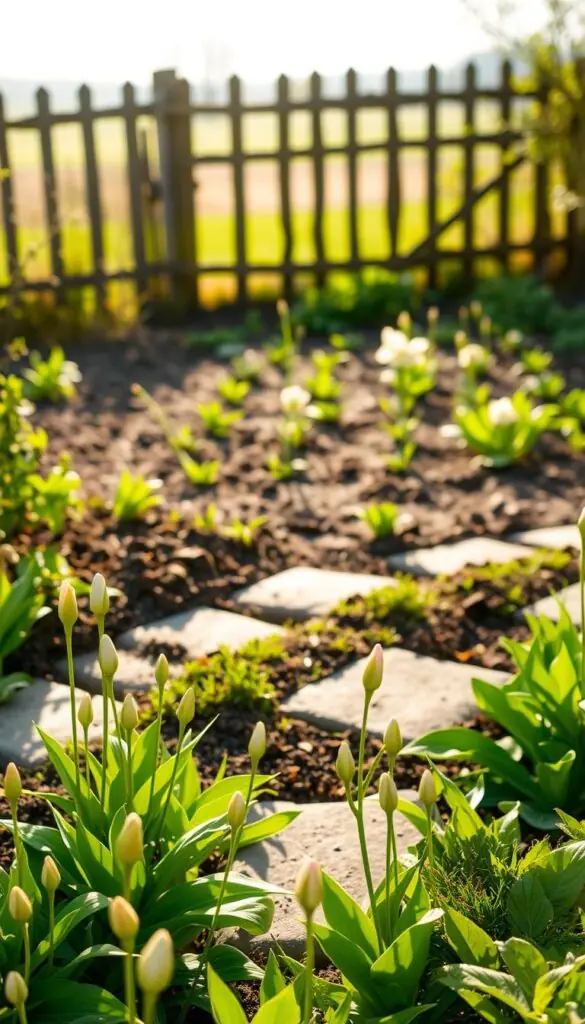
Put on gloves and grab a notepad. Take a slow loop through your yard on a mild morning. Note visible winter damage, animal burrows, and any stones or edging that shifted over cold months.
Put on your inspector’s hat
Scan beds and borders for winter burn, cracked limbs on trees, and scuffed bark on shrubs. Mark areas with fresh soil mounds or tunnels so you can protect roots and young plantings.
Fix first: hardscape and supports
Repair fencing, level stepping stones, and tighten raised beds while plants are dormant. Bring simple tools: pruners, a small level, a wheelbarrow, pencil, and a rubber mallet. Sand and seal trellises or repaint window boxes when temperatures allow.
Weather-wise timing
Never dig when the ground is wet; compaction hurts soil structure and future roots. Lay planting boards over damp spots to spread your weight. Set small target dates for each fix so you spend a couple of focused hours at a time.
Quick tip: Keep pruners handy but hold off major cuts until you confirm bloom dates—this protects spring flowers and avoids mistakes.
Clean Up Without Stress: Clear Debris, Protect Emerging Shoots, and Refresh Containers
Begin by easing away debris from open soil, staying mindful of bulbs and fragile emerging growth. Move slowly so you don’t nick new tips. Use a soft rake to lift papery leaves and listen for that dry rustle as you work.
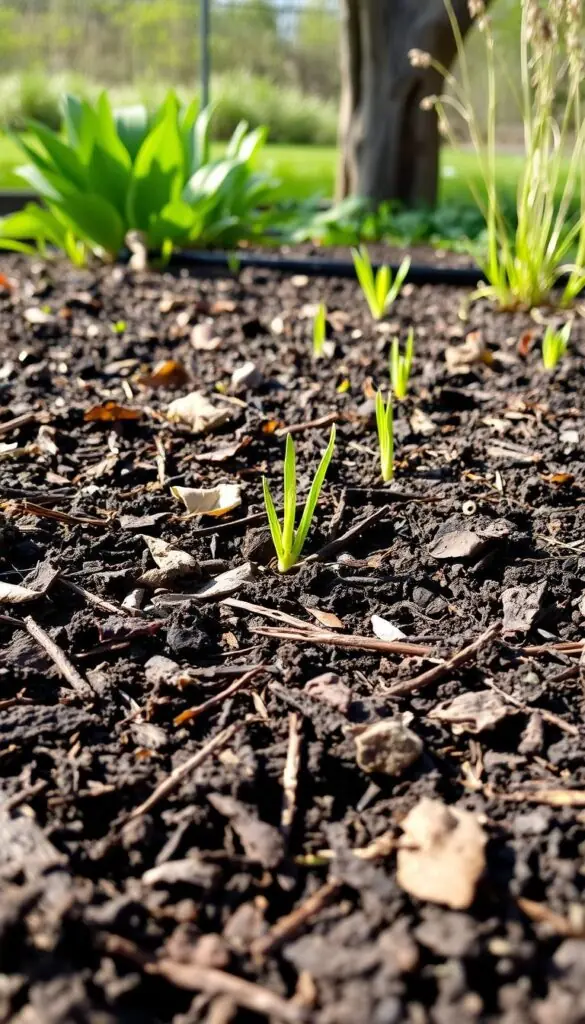
Gentle bed cleanup
Remove fallen branches, matted leaves, and last year’s perennial foliage to improve hygiene and let soil warm. Cut back ornamental grasses and spent annuals with hedge trimmers or hand pruners, and bundle debris onto a tarp for easy hauling.
Watch for bulbs and new growth: leave a cushion of leaves over known bulb spots until lime‑green tips show. Do not rake aggressively where bulbs might hide—slow, careful work prevents broken shoots.
Scrub birdbaths and pots
Refresh water features and containers with a scrub brush and a 1:5 bleach‑to‑water solution to reduce diseases and insect eggs. Rinse thoroughly and let surfaces dry before refilling so visiting birds find fresh water.
- Snip old soggy stems at the base with clean pruners to improve air flow for plants and flowers.
- Wash containers and saucers before you plant cool annuals to lower disease risk.
- Keep mulch pulled back while you tidy so soil can warm; replace a neat layer later where it helps most.
Wear gloves around prickly stems and take your time around winter‑damaged patches. A patient hand now protects new green tips and sets your beds up for a calm, healthy season.
Stronger Starts Begin in the Soil: Test, Amend, and Mulch for a Thriving Growing Season
Start by learning what your soil truly needs—pH, nutrients, and texture tell the story beneath your beds. A simple test guides every other move so you spend time and money wisely.
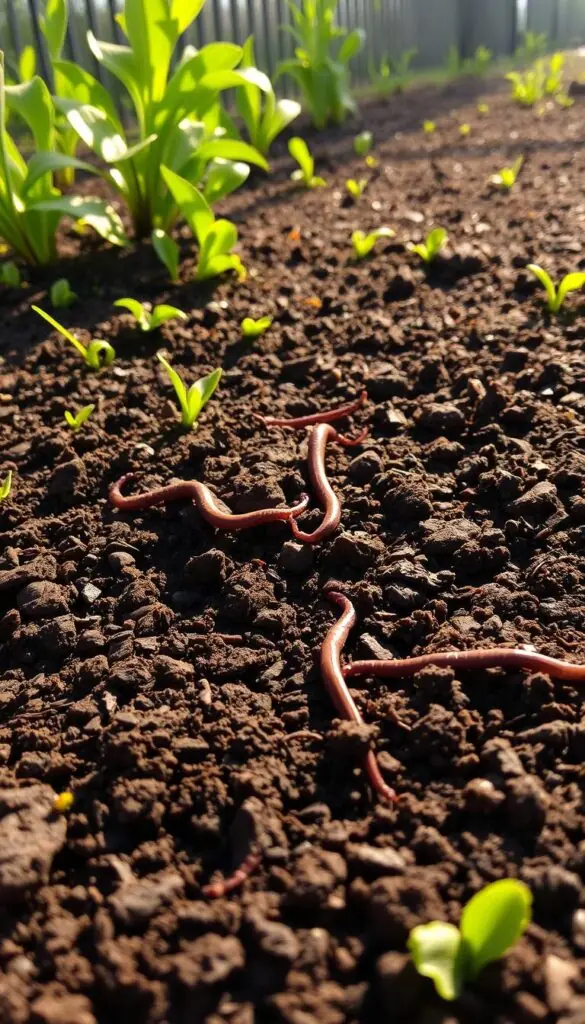
Test every 3–5 years using a kit or your state Extension service. Read pH and nutrient numbers like a map. If phosphorus is already high, skip added P. Adjust acidity only for plants that need it.
Topdress beds with 1–2 inches of compost or well‑composted manure. The earthy aroma and crumbly texture mean life is returning. Lightly scratch amendments into the top inch so earthworms can pull them deeper and protect delicate roots.
- Turn new beds 6–8 inches, then rake to a crumbly finish and tamp lightly.
- Use an organic slow‑release fertilizer like Espoma Plant‑tone per label for steady feeding.
- Lay mulch in an even 2–3 inch layer and keep a neat space around stems and trunks.
- Where downspouts wash mulch away, use smooth river rock for stability.
Set a reminder to retest in a few years. Good soil sets your plants up for a calm, productive growing season and makes the whole garden easier to care for.
Shape and Shift with Care: Prune, Divide Perennials, and Transplant Shrubs at the Right Time
Start by removing winter‑broken branches and honestly assessing each shrub before you make a single pruning cut. Take safety cuts first so light and air can return to crowns and beds.
Pruning order matters. Remove dead, damaged, or crossing wood before shaping. Focus spring pruning on new‑wood bloomers such as roses, panicle and smooth hydrangeas, butterfly bush, rose of Sharon, and potentilla so flowers set on fresh shoots.
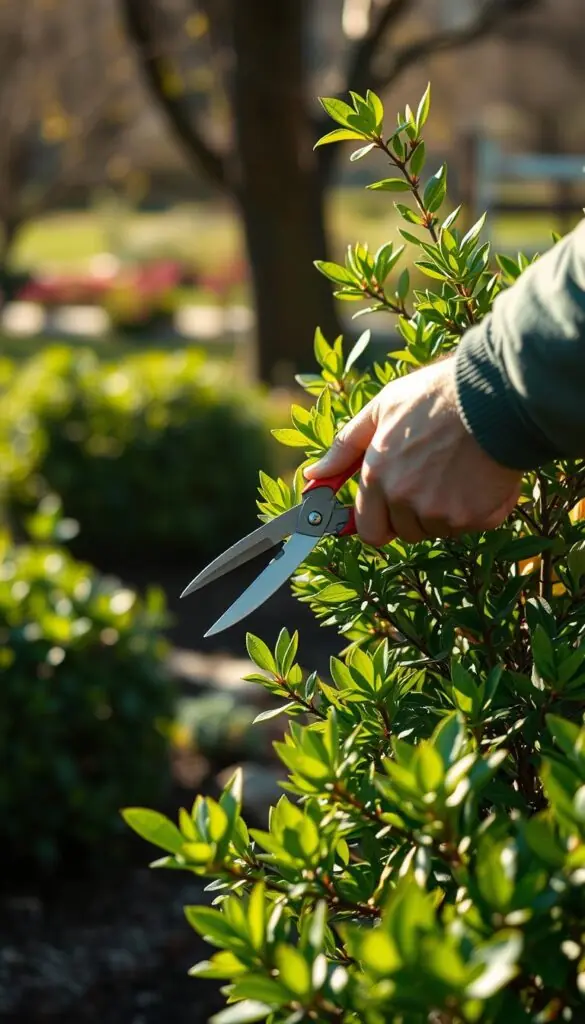
Resist trimming old‑wood bloomers—azalea, lilac, forsythia, quince, ninebark, and weigela—until after they finish their show. A crisp, snappy cut with sharp bypass pruners or loppers heals faster and looks tidier.
Divide and move with gentle timing
Lift crowded clumps of hosta, daylily, and sedum before vigorous new growth starts. Replant divisions at the same depth to keep vigor and balance.
- Transplant evergreens on a cool, overcast day before the first soft flush of new tips.
- Move deciduous shrubs during mild, non‑bloom periods; trim lightly to reduce stress.
- Use a saw for thick limbs, a spade for root balls, and always water well after moving.
Step back between cuts. A thoughtful hand now saves work in the fall and helps trees, shrubs, and perennials thrive for years.
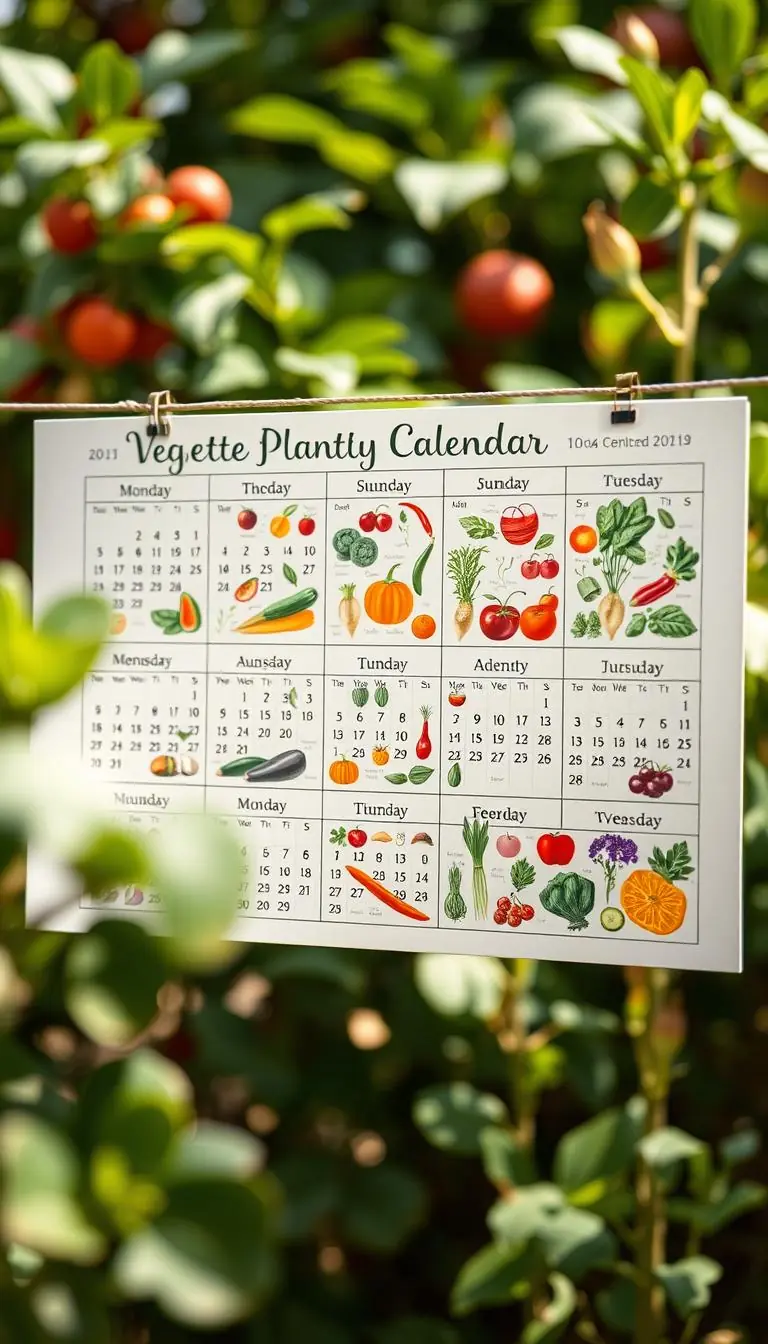
Planting by the Calendar: Early, Mid, and Late Spring Garden Moves
Use hands-on cues—crumbly soil, steady nights above freezing—to decide when to sow or set out starts. This helps you match each plant to the right window and avoid common mistakes like rushing warm crops.
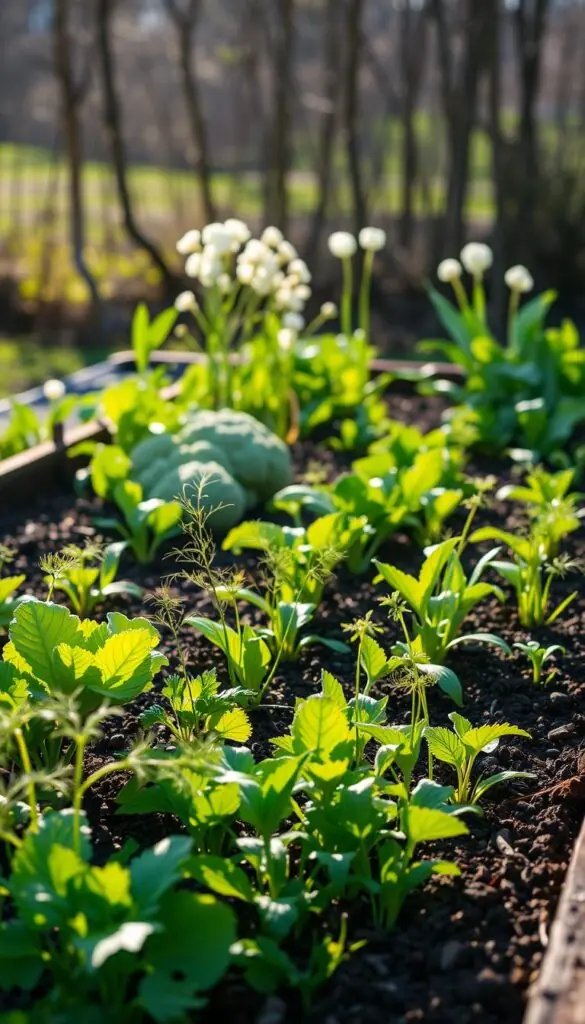
Early season vegetables and succession
When soil crumbles under a palm, sow peas, potatoes, lettuces, and artichokes. For steady bowls, sow seeds in two-week waves rather than all at once.
Cool-color annuals and edges
Refresh containers with pansies, snapdragons, sweet alyssum, and lobelia. These annuals tolerate crisp mornings and cheer borders while early crops mature.
Mid- and late-season timing
In mid time, set trees and shrubs once the shovel slides in easily; mulch immediately to curb weeds. Wait until after your local last frost date to plant tomatoes, peppers, and most herbs.
Bulbs and planting cues
Enjoy spring bulbs now and save dahlias and gladiolus for after frost danger passes. Orient rows north–south, rotate crops yearly, and keep a hoe and row cover handy for chilly nights.
Stay Ready: Supports, Frost Protection, and Quick Weeding Wins
Set supports now so vines and perennials grow into them, not around them. Slip peony rings over tight early shoots and sink trellis posts before stems elongate.
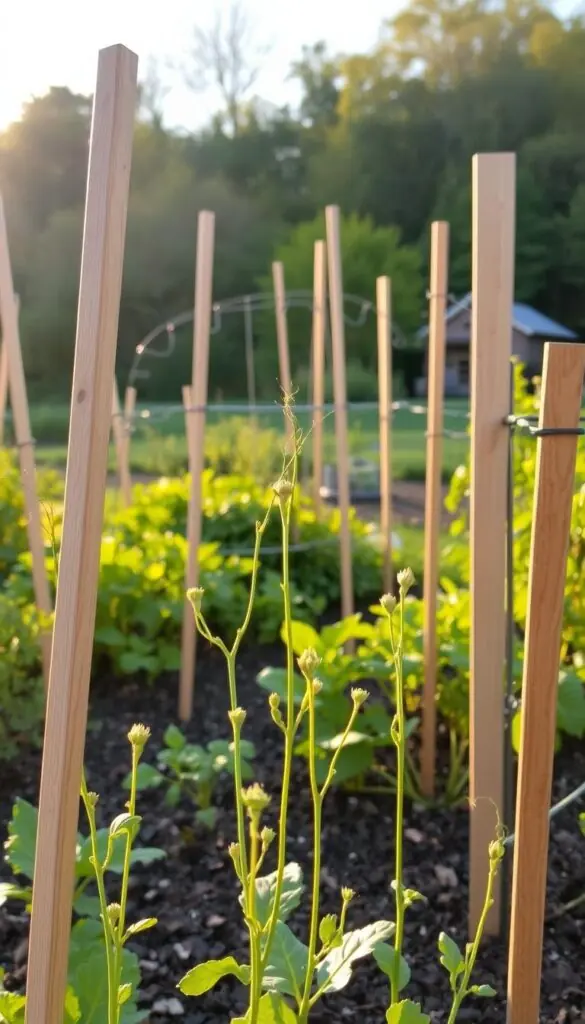
Keep a small caddy of stakes, soft ties, twine, and clothespins near your potting area. That way you can tie in young vines as they unfurl and steady shrubs or small trees that wobble in wind.
Simple frost and weeding tips
Fold a breathable row cover or old sheets by the door. On a frost night, cover tender plants at dusk and remove coverings in the morning.
Avoid plastic sheeting for frost protection. Plastic can trap cold where it touches leaves and harm new buds.
- Walk beds with a hoe two or three times a week and shave baby weeds; quick sessions stop seed set.
- Pull any weed that blooms before it drops seeds so the year’s seed bank stays small.
- Work from paths or boards after rain to avoid compacting the ground you just cared for.
These five-minute rituals—supporting, covering, and light weeding—keep your beds calm and productive through the season. Jot a few tips on a stake near the potting bench so readiness feels simple and steady.
Conclusion
Take a final loop through beds and borders to enjoy what settled and spot any small needs before warm weather deepens.
When you work with the season rather than race it, your garden rewards you. You’ve inspected beds, refreshed garden soil with compost, applied mulch where it helps most, and set supports so vines and perennials grow into place.
Good timing—testing soil, pruning at the right time, and planting after your local last frost—means less work in summer and healthier growth all year. A few steady habits, like quick weeding and covers for chilly nights, keep things calm and resilient.
Most of all, enjoy the small moments: the scent of compost after rain, sun on your shoulders, and the soft rustle of new growth. These are the reasons we plant, care, and stay curious through every season.
FAQ
When should I start inspecting beds and hardscape for winter damage?
Aim to walk your outdoor areas as soon as the ground is workable and not waterlogged. Look for shifted stonework, loose edging, damaged trellises, and signs of animal activity. Early checks let you plan repairs before roots and shoots push up, and they prevent compaction by avoiding wet soil.
How do I clean beds without harming bulbs and new shoots?
Do a gentle cleanup: remove matted leaves and dead foliage by hand or with light raking, keeping an eye for emerging bulbs and fresh shoots. Lift ornamental grasses carefully and avoid aggressive shredding near perennials to protect crowns and small bulbs.
What’s a safe way to sanitize birdbaths and pots?
Use a mild bleach solution (one part household bleach to nine parts water), scrub, rinse thoroughly, and let items dry in the sun. For pots, empty old soil, brush residue away, and refill with fresh mix to reduce disease carryover.
How often should I test soil and what should I look for?
Test every 2–3 years or before major planting. A basic kit or lab test checks pH and key nutrients. Use results to choose lime, sulfur, or balanced fertilizers so amendments match your vegetables, perennials, and shrubs.
When and how much compost or manure should I add?
Topdress beds in early spring with a light layer (about 1/2 to 1 inch) of compost or well-aged manure. Work it into the topsoil gently or let it sit to wash in with spring rains. This boosts structure and fertility without burying crowns.
How do I mulch correctly to benefit plants and prevent problems?
Apply an even 2–3 inch layer of organic mulch, keeping it pulled back a few inches from stems and trunks to avoid rot. Use heavier material like river rock around downspouts, but stick to organic choices in planting beds to improve soil over time.
Which shrubs and perennials should I prune now and which should wait?
Remove dead and damaged wood anytime. Hold off on pruning spring bloomers that flower on old wood until after they bloom. Prune new-wood bloomers, roses, and hydrangeas in early spring to shape and encourage healthy shoots.
When is the best time to divide perennials or transplant shrubs?
Divide overcrowded perennials just before growth surges, when crowns are visible but not fully leafed out. Transplant evergreens before their new flush; move deciduous shrubs during a mild, non-bloom period to reduce stress.
What vegetables can I plant in early cool soil and how do I succession sow?
Cool-season crops like peas, potatoes, lettuces, and artichokes go in early. Succession sowing means planting small amounts every 2–3 weeks to ensure a steady harvest rather than one large crop all at once.
How do I know when to set out tomatoes and peppers?
Wait until after your local last frost date and when soil and nighttime temperatures stay consistently warm. Harden seedlings off for a week—start by giving them a few hours outdoors each day—before transplanting.
Any tips for protecting tender plants from late frosts?
Keep row covers, frost cloths, and even old sheets on hand. Drape covers at night and remove them by day. For small plants, use cloches or inverted buckets; for larger areas, secured fabric is easiest and gentlest on foliage.
How early should I set supports like trellises and pea netting?
Install trellises, peony rings, and pea supports early—before vigorous growth begins. It’s easier on you and kinder to plants, preventing root disturbance and giving vines a structure to climb from the start.
What should I do about weeds as the season begins?
Pull weeds while they’re small and before they set seed. A light hoeing or mulching will reduce new seedlings. Avoid working wet soil; use boards to walk on damp ground and prevent compaction around roots.
Are there bulbs I should plant now versus later?
Spring bulbs that need chilling are already in bloom or soon will be; bulbs like dahlias and gladiolus belong in the ground after frost danger passes. Check each bulb’s needs and your local climate for precise timing.
How can I refresh containers for the season without replanting everything?
Remove spent material, trim back leggy growth, topdress with fresh potting mix, and feed with a balanced fertilizer. Replace a few annuals for color, or add seedlings of herbs for function and fragrance.