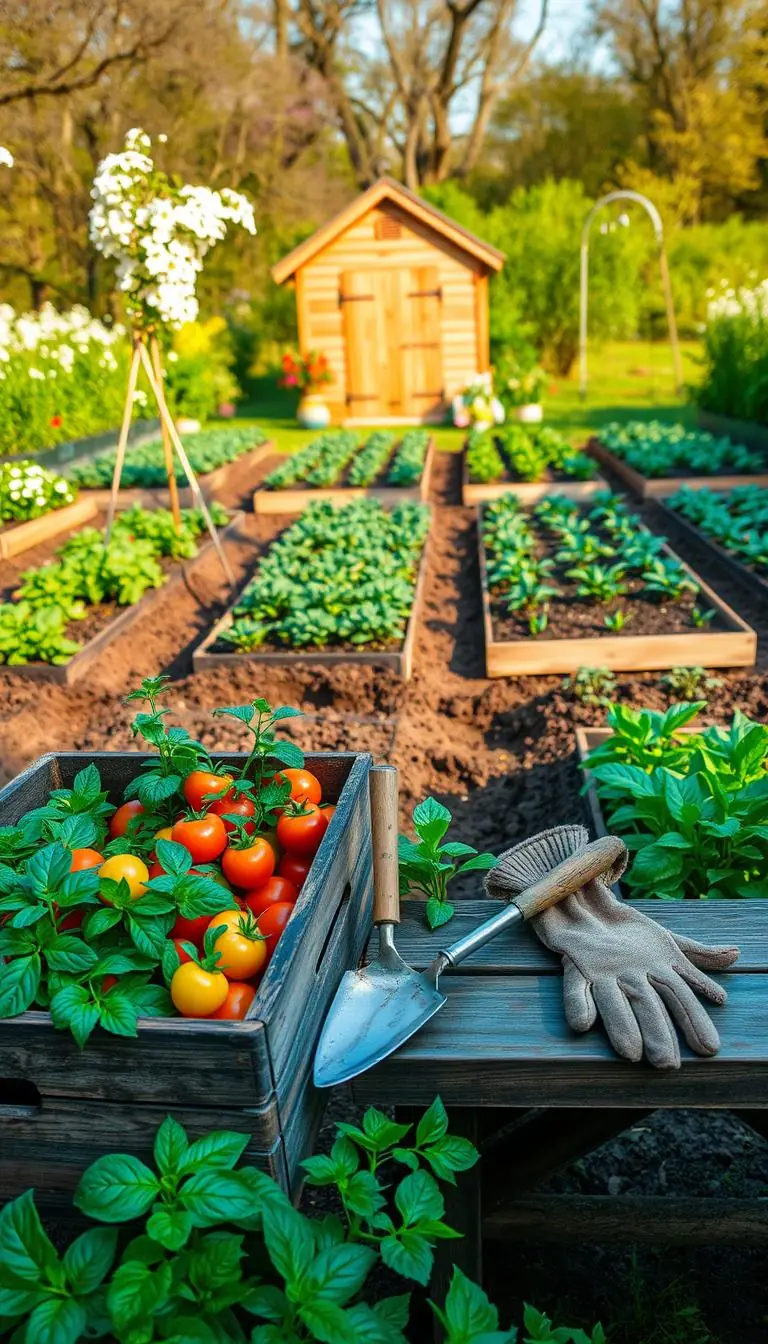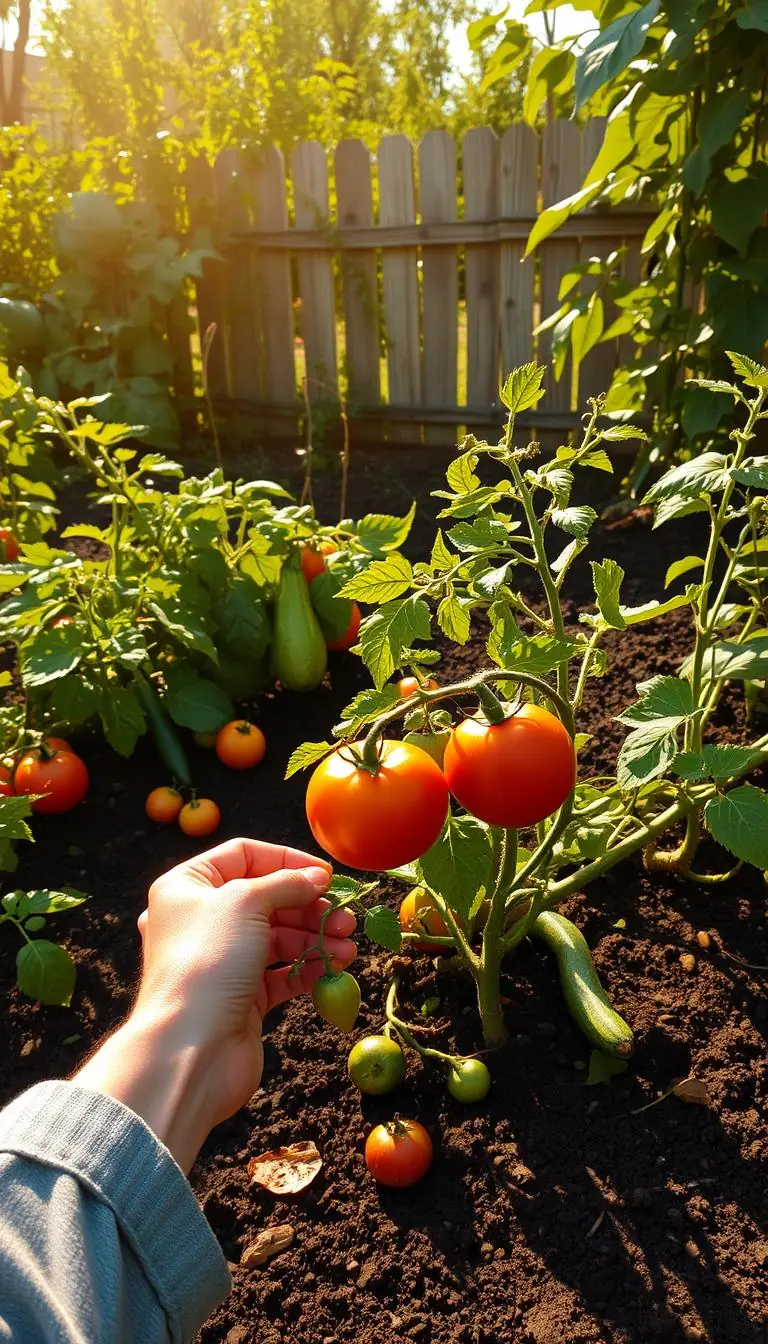
You step outside and breathe the warm scent of tomato vines as a cool breeze brushes the pea tendrils. Have you ever wished your garden felt that easy every season?
On this page, we offer calm, neighborly guidance to match your hardiness zone and local frost date. You’ll get a clear calendar and a simple planting schedule that fits your month-by-month rhythm.
We use real data to personalize dates by ZIP, explain which vegetables enjoy cool soil and which need warm ground, and show how days to harvest link to your frost window.
Simple tools like a soil thermometer and a row cover keep timing decisions easy. Think of this as friendly, trusted help so your beds or pots reward you with steady, tasty harvests.
Key Takeaways
- Match your hardiness zone and frost date to a practical calendar for best results.
- Cool crops like peas and lettuce need lower soil temps; warm crops need 60–70°F soil.
- Use a soil thermometer and simple tools to avoid seed rot or slow transplants.
- Plan successions so vegetables arrive in waves, not all at once.
- Personalized dates by ZIP help time spring and fall plantings around frost.
- This page gives friendly, data-driven information to make gardening feel manageable.
Start Here: Find Your Hardiness Zone, Frost Dates, and Tools You’ll Use
Begin by finding the USDA hardiness zone for your ZIP and noting your last spring and first fall frost dates. Write those dates on a small chart so planning by weeks becomes clear and calm.
Gather a few essentials: a soil thermometer, seed-starting trays, heat mats, and a row cover. These items help germination and protect young starts on cool nights.
Look up your USDA hardiness zone and local last/first frost dates
Use your ZIP to personalize frost windows. A couple of weeks’ difference in zone shifts when to sow or move crops outdoors.
Gather essentials: soil thermometer, row cover, trays, heat mats, and a chart
Label trays and keep a simple chart with your dates and days to harvest. This makes counting back from first frost easy.
Understand days to harvest and why timing shifts by weeks in each zone
Days to maturity change with temperature. Raised beds and containers warm faster and can move your start time forward with light cover or tarps.
| Crop Group | Min Soil Temperature (°F) | Use |
|---|---|---|
| Cool greens (lettuce, peas) | 45 | Direct sow or cool-start trays |
| Brassicas (broccoli, cabbage) | 50 | Transplant when soil steady |
| Warm crops (tomato, corn) | 60–65 | Start indoors or wait for warm beds |
- Keep notes for questions as the season unfolds; small observations save time later.
- If you use extension office resources, they can refine your local dates and advice.
Build a Planting Schedule from Late Winter to Early Spring
Late winter is where your spring success begins—small indoor trays give you a warm, confident head start. Start with gentle light and a low-heat mat so germination is steady and calm.
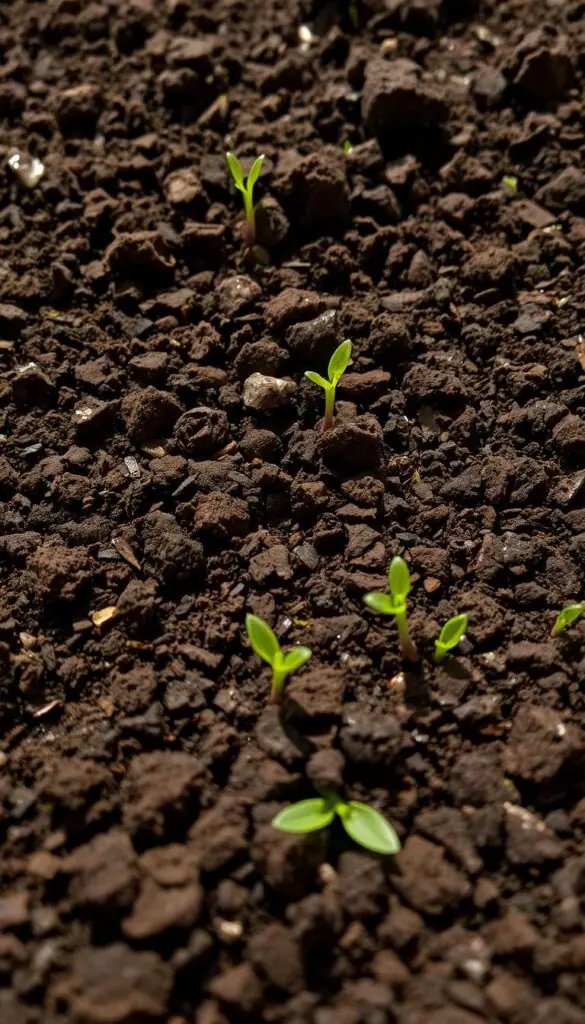
Late winter tasks for indoor seed care
Begin seeds for brassicas and lettuce in early February in Zone 6B: arugula, fennel, kale, parsley, and lettuce. Use labeled trays and write expected weeks to transplant on each tag.
Early spring moves at safe soil temps
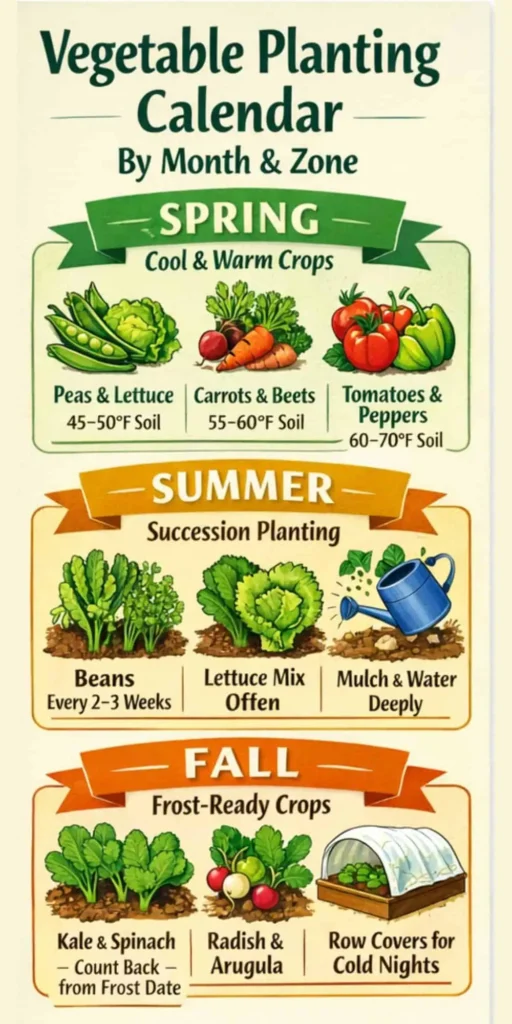
Watch soil temperature with a thermometer. Direct-sow peas, radish, spinach, and arugula when beds reach about 45–50°F. Plant onion sets and sow more fast greens in early March.
- Use small waves: space early sowings two-week apart to dodge cold snaps.
- Hardening off: give young plants a few hours outside on calm days before permanent planting.
- If you have a greenhouse or cold frame, use it to bridge chilly times and ease seedlings into outdoor light.
Keep warm-loving tomatoes and peppers under lights until soil holds near 60°F. Count days from sowing so you hit the right outdoor windows and avoid rushing warm crops into cold ground.
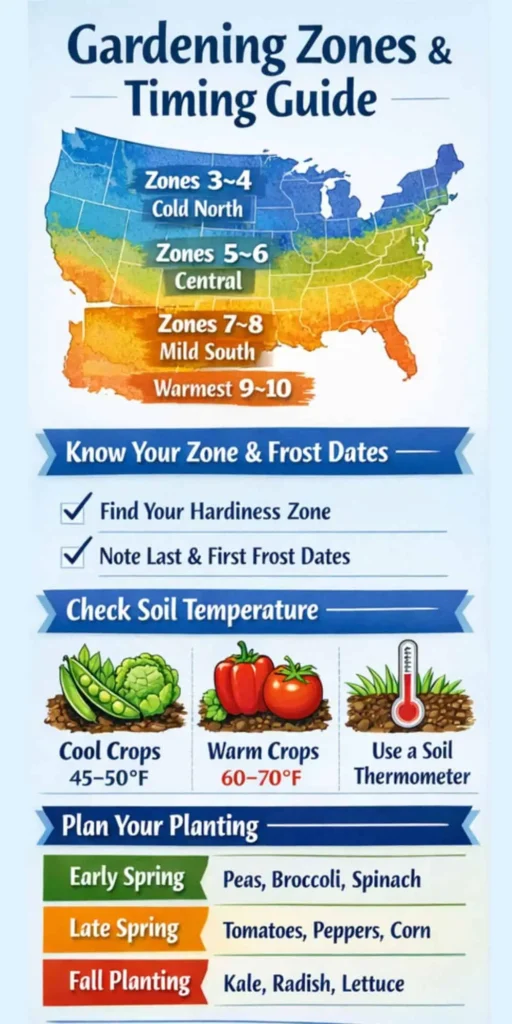
Spring Planting by Zone: Cool-Season to Warm-Season Vegetables
Spring unfolds in stages: cool greens first, then root crops, and finally warm lovers once nights and beds have warmed. You’ll move through spring with confidence by using simple soil cues and clear date windows for your zone.
Cool-season anchors
Start cool crops when soil reads about 45–50°F. Sow peas, lettuce, spinach, and set out brassicas like cabbage and broccoli as soon as beds are moist but not sticky.
Zones 5–6 often direct-sow peas late March to mid-April and sow lettuce from early April into June. These greens prefer cool, damp soil for steady germination.
Transition period
As soil warms toward 55–60°F, move to potatoes, beets, carrots, and chard. These root crops like gradual warmth and steady moisture for good development.
Warm-up threshold
Hold tomatoes, peppers, eggplant, corn, squash, and cucumbers until soil nears 60°F on sunny afternoons and frost risk has passed. In Zones 5–6 that often means mid to late May for transplants (tomatoes May 15–30).
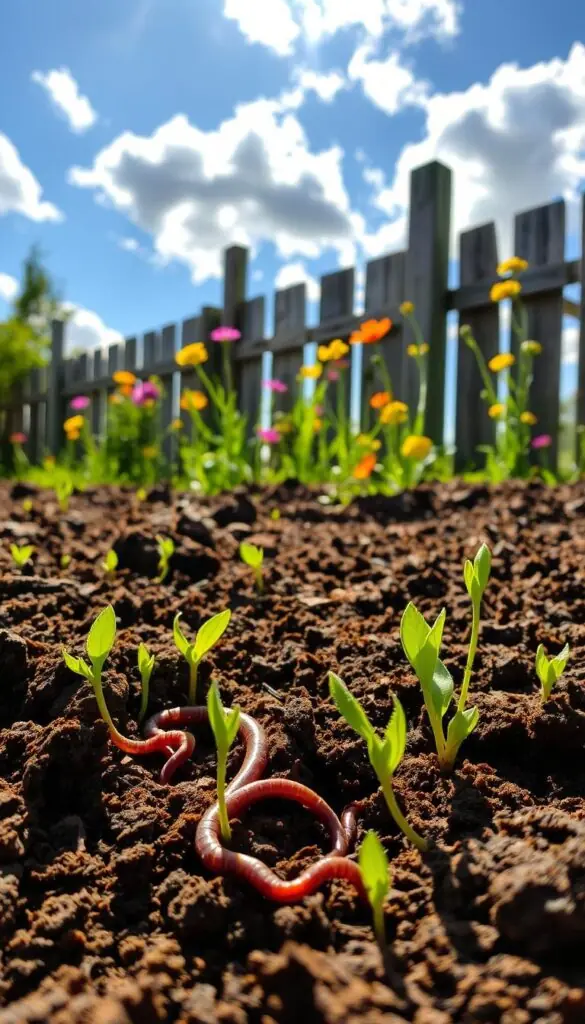
- Use a short table of local date windows to pace sowing by weeks and avoid rushing warm crops into cool soil.
- Keep a light row cover ready for surprise cold nights; it protects blossoms and tender growth.
- Sow a short row of beans only when the soil feels reliably warm to the touch.
Summer Successions and Heat-Smart Care
Keep your beds lively all summer by sowing in short waves and tending heat-wise. You’ll enjoy steady harvests and fewer bitter leaves when you space actions into small, repeatable steps.
Succession tips for beans, lettuce, and fast greens
Plant short rows every two to three weeks so you always have a fresh wave coming. Lettuce can be sown repeatedly; mix varieties to extend tasty, cool harvests over many weeks.
Heat management: watering, mulch, and shade
Water in the cool of morning. Deep, even moisture keeps soil steady through hot afternoons.
"Cool morning watering and a layer of mulch will often stop bolting before it starts."
- Mulch holds moisture and cools roots.
- Shade cloth eases afternoon stress on tender greens.
- Skip a sowing during heat waves; resume the next week for stronger seedlings.
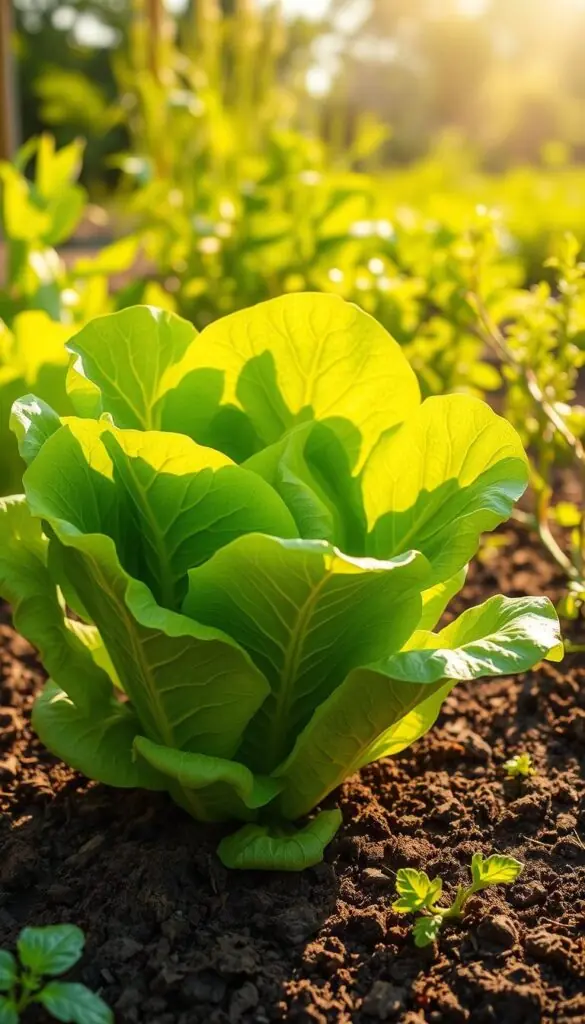
| Crop | Stagger interval | Heat tip |
|---|---|---|
| Lettuce (mix) | 2 weeks | Use shade and choose heat-tolerant types |
| Snap beans | 2–3 weeks | Plant after soil warms; mulch to retain moisture |
| Baby greens | 1–2 weeks | Harvest lightly to encourage regrowth |
Fall Planting Dates and Frost Readiness by Zone
A little counting back from your frost date will turn late sowings into reliable fall meals and late-season color.
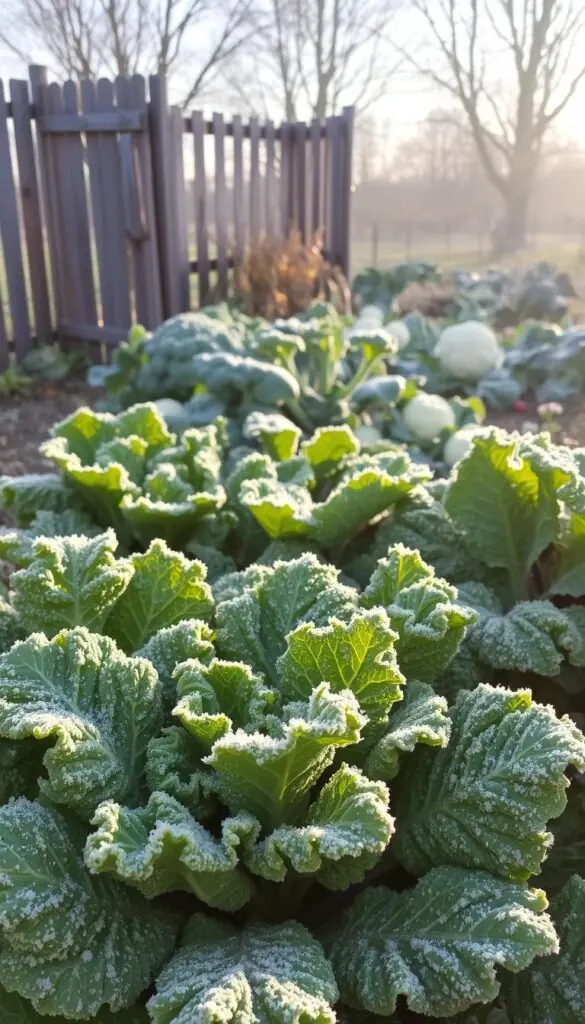
Choose cool-weather crops like arugula, Asian greens, kale, radish, spinach, and petite cabbage. They thrive as days shorten and nights cool.
Count back from first frost
Find your first frost date, then add a one- to two-week buffer to the packet's days to maturity. This gives room for slow germination and an unexpected cold snap.
Extend the season with simple covers
Light row cover, low tunnels, or a small greenhouse add warmth and reduce frost chance. Use them on predicted cold nights to save young leaves.
Quick zone examples
Zones 5–6: sow most fall greens in August–early September. Zones 7–8: slide later into September–October. Zones 9–10: many cool crops grow well into winter.
| Zone area | Typical sow windows | Best quick crops |
|---|---|---|
| 5–6 | Aug–early Sep | Arugula, radish, kale |
| 7–8 | Late Aug–Oct | Spinach, Asian greens, cabbage |
| 9–10 | Sep–Jan | Leaf greens, beets, chard |
"Watch the forecast's frost chance as you near late October and harvest tender crops a day early if needed."
Conclusion
Take a deep, happy breath. Imagine a year where your garden's timing feels simple and reliable, from first seed to fall harvest.
You have a clear planting schedule that ties local frost dates and soil temperature targets to real days in the garden. Use a small chart, a soil thermometer, and extension tables to set your dates and waves of sowing.
Keep brief notes on seeds, beds, and harvests. Plant in gentle waves every few weeks and mix lettuce, beans, brassicas, and steady staples for variety.
When in doubt, ask local gardeners or your county extension. Enjoy the season—sunlit pots, cool spring soil, and crisp fall mornings will follow.
FAQ
What is a vegetable planting calendar and how do I use it?
A vegetable calendar lays out the best months to start seeds, transplant, and direct-sow for your region. You match crop days-to-maturity and frost dates to decide when to begin indoors or sow outdoors. Start by finding your USDA hardiness zone and local last/first frost dates, then consult seed packet timing and a simple chart to plan each crop.
How do I find my hardiness zone and local frost dates?
Look up your USDA hardiness zone using your ZIP code on sites like the National Gardening Association or the USDA Plant Hardiness Zone Map. For frost dates, check your county extension office website or NOAA climate tools. Those two pieces of data guide when to start cool-season seeds indoors and when warm-season crops can safely go outside.
What tools should I gather before starting seeds?
Keep it simple: seed-starting trays, a soil thermometer, good seed-start mix, heat mats for slow-warming seeds, labels, and row cover or cloches for young plants. A basic chart or calendar helps track sow dates, transplant dates, and days to harvest so you don’t over- or under-sow.
What does “days to maturity” mean and why does it matter?
Days to maturity is the average time from sowing (or transplant) until harvest. It matters because you count backward from your first expected frost for fall crops and forward from your last frost for spring crops. Add a buffer of one to two weeks for cool, wet springs or hot spells that stress seedlings.
When should I start seeds indoors in late winter?
Start cool-season crops like lettuce, kale, and brassicas about 6–8 weeks before your last frost. Start tomatoes and peppers 6–10 weeks before last frost in a warm, bright spot or under grow lights. Use a soil thermometer and seed packet guidance to time each sowing.
How do I know when to direct-sow early spring crops?
Direct-sow peas, radishes, carrots, and beets once soil is workable and near safe temperatures listed on seed packets — often slightly before your last frost for hardy crops. Use a soil thermometer: many cool-season seeds germinate around 40–50°F, while others need warmer ground.
Which vegetables are cool-season versus warm-season?
Cool-season favorites include peas, lettuce, spinach, onions, and brassicas like cabbage and broccoli. Warm-season crops are tomatoes, peppers, eggplant, corn, squash, and cucumbers. Cool-season crops tolerate light frost; warm-season crops need consistent warmth after the last frost.
How do I transition from cool-season to warm-season planting?
Stagger plantings: sow a middle group (potatoes, beets, carrots, chard) as soil warms, then transplant heat-loving crops after the danger of frost has passed and soil temperatures rise to recommended levels. Harden off seedlings outdoors for a week before planting to reduce shock.
What is succession planting and how can it extend harvests?
Succession planting means sowing small batches of fast-maturing crops — like lettuce, beans, or radishes — every 2–3 weeks. This keeps your beds producing steadily rather than all at once and helps you harvest fresh greens through spring, summer, and fall.
How do I protect plants during hot summer weather?
Manage heat with morning watering, a layer of organic mulch to hold soil moisture, and temporary shade cloth to reduce midday sun on tender greens. Timely irrigation and good soil structure prevent bolting and keep crops thriving through heat waves.
What should I plant for a fall harvest and when do I start?
Fall cool-weather crops include arugula, Asian greens, kale, radish, and spinach. Count back from your average first frost using each crop’s days-to-maturity, then sow outdoors or start indoors with a buffer for slow growth. Use row covers or low tunnels to push that first frost date and harvest later.
How can I extend the growing season with covers and greenhouse space?
Row covers, low tunnels, and small greenhouses trap heat and slow frost damage. Use them for late fall greens or early spring seedlings. Floating row cover works for minor freezes; a greenhouse or cold frame gives more control and can shift your planting windows by weeks.
How do planting windows change across hardiness zones?
Cooler zones (5–6) have shorter growing seasons and earlier last/first frost boundaries — plan earlier sow dates for cool crops and later for warm ones. Zones 7–8 and 9–10 offer longer windows for multiple successions and winter greens. Adjust timing by several weeks per zone and consult local extension calendars for exact dates.
What are quick tips for planning a simple yearly vegetable calendar?
Find your zone and frost dates, list crops you want, note days-to-maturity, and map sow/transplant/harvest windows on a monthly calendar. Keep a soil thermometer, stagger sowings, and use season extenders like row covers. Track what worked each year so your personal calendar improves season by season.