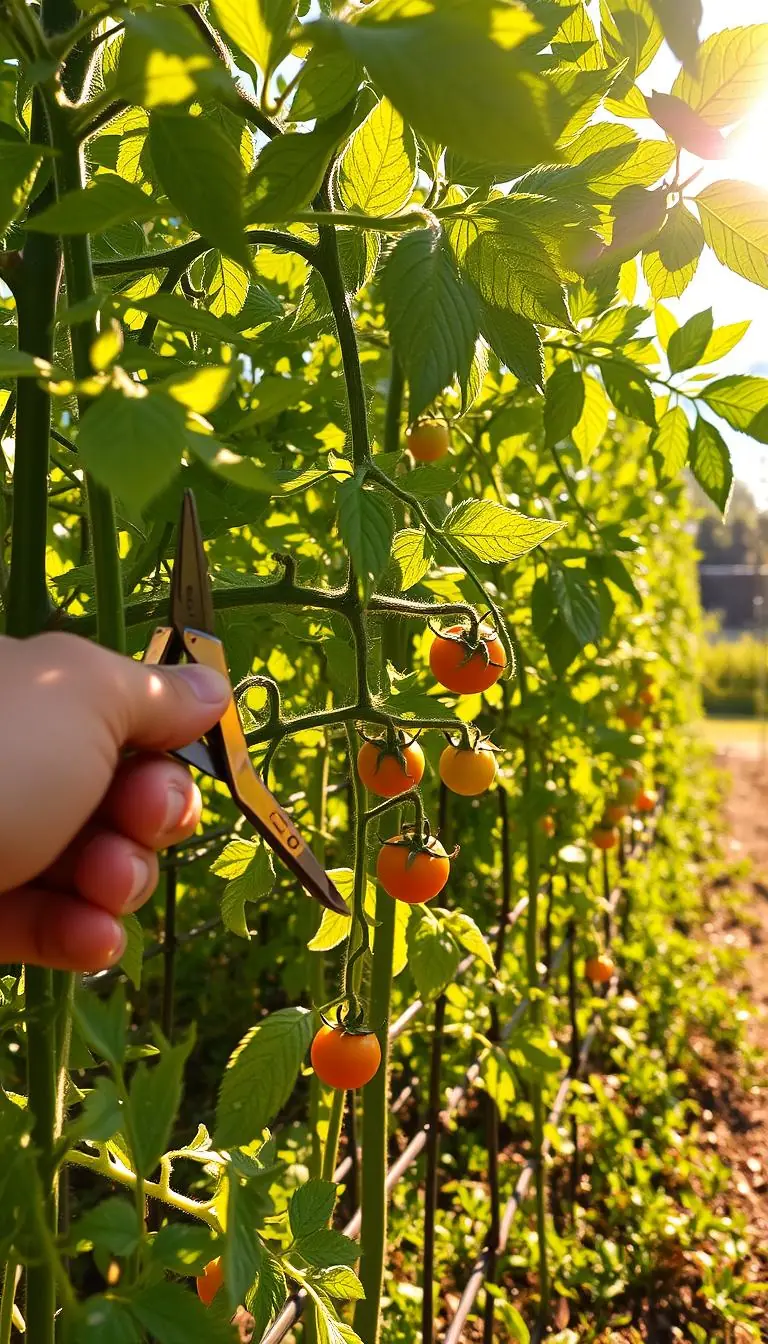
Imagine the smell of dark, crumbly compost as you lift a small pot and see fresh, deep-green leaves. Have you noticed thin patches on your lawn or a planter that could use a boost? You’re in the right place.
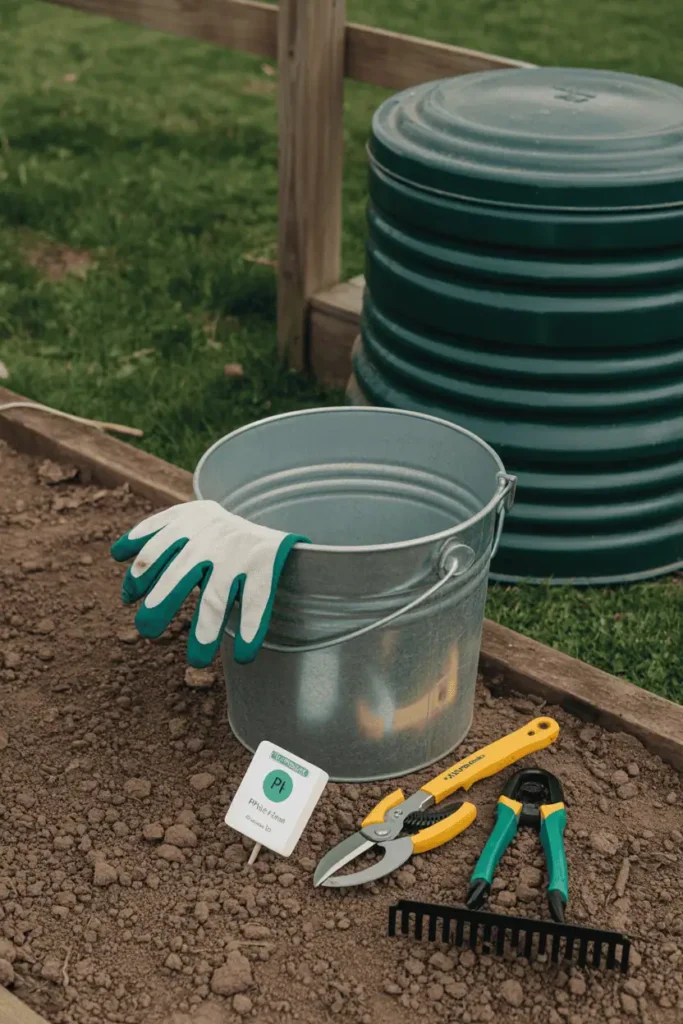
This friendly guide shows a simple, step-by-step way to make homemade plant food from everyday scraps and yard trimmings. We’ll list the few tools you need—a 5-gallon bucket, a compost bin, pruning shears, gloves, and a pH test kit—and offer seasonal tips for U.S. gardens.
You’ll learn quick wins first, then deeper methods, so you can start today without fancy gear. Expect real measures (tablespoons per gallon, 20:1 dilutions) and clear safety notes about avoiding raw food waste in active beds.
Along the way, we share sensory cues to track progress: soil that feels springy, an earthy scent, and plants showing steady growth. Experts like Erik Stefferud and Dan Kemper back the benefits—compost adds nutrients and helps soil health while cutting waste.
Key Takeaways
- You can turn common food scraps and leaves into rich soil amendments at home.
- Start small with a bucket and compost bin; scale methods for beds, planters, or lawns.
- Use simple measurements and dilute mixtures to keep water mixes safe for plants.
- Apply in spring for a boost; consider fall applications for poor soils.
- Look for dark, springy soil and deep-green leaves as signs of success.
Why Make Homemade Fertilizer: Benefits, Safety, and When to Use It
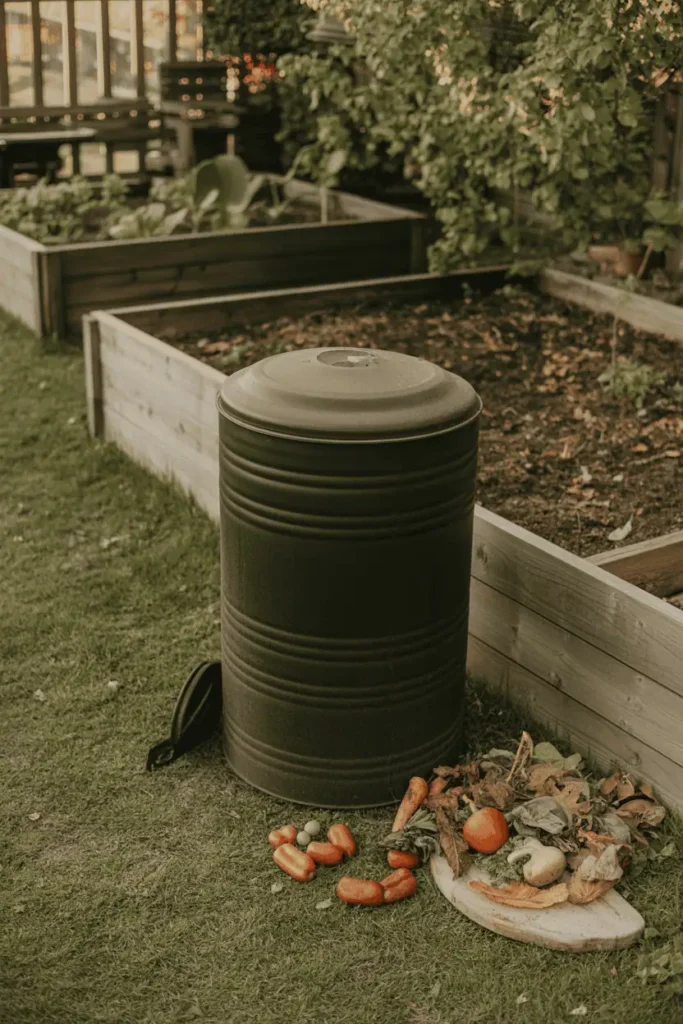
You can build rich, living soil at home by reusing food and yard waste in simple, safe steps.
Long-term soil health and savings. Natural choices recycle scraps into slow-release nutrients that feed microbes and hold moisture. That gentle release improves structure, so your plants need fewer store-bought products over time. Composting also cuts landfill waste and helps lock carbon into the soil.
Natural vs. synthetic
Synthetic options give a fast nutrient hit. Homemade options feed the soil community, which supports steady plant growth season after season. This is a cost-effective way to build resilience in lawn, beds, and containers.
| Feature | Natural (homemade) | Synthetic |
|---|---|---|
| Release speed | Slow, steady | Fast |
| Soil structure | Improves organic matter | Little benefit |
| Cost | Low (recycles waste) | Higher over time |
| Sustainability | Reduces landfill waste | Manufactured inputs |
Safety basics and timing
Keep safe with simple routines. Store scraps in a sealed countertop pail and empty it weekly into an outdoor bin. Dry coffee grounds before use and boil or dry peels to lower pathogen risk.
Avoid placing raw food on active beds to reduce pathogen crossover. Fence off beds if pets like to dig, and compost weeds hot or make proper weed teas so you do not reseed beds.
Apply outdoors in spring for a growth boost. If your soil is poor, add a light fall application. A weekly “scrap day” is a tidy, reliable way to process materials and keep your garden thriving with less expense and a bit of care.
Understand Your Soil and Plant Needs Before You Mix
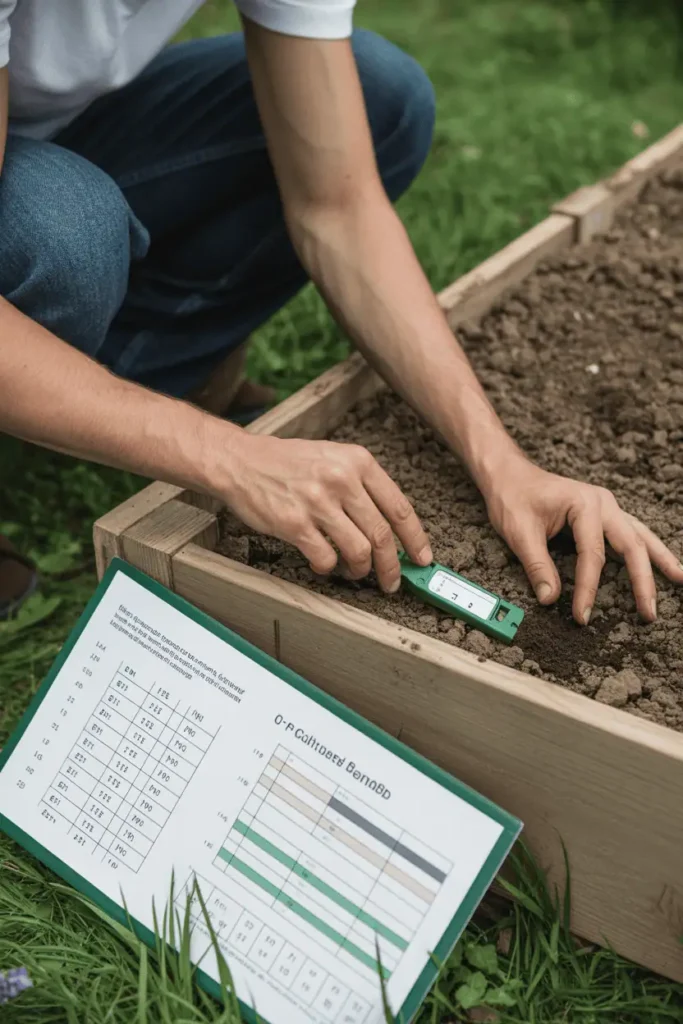
Start by checking your soil—knowing pH and nutrient levels saves time and protects plant health.
Soil test first: pH and N-P-K targets
Use a simple home pH/N-P-K kit for a quick snapshot, then send a sample to your county extension lab for a full report and personalized targets.
- Collect soil from 4–6 spots in the bed, 4–6 inches deep, mix in a clean bucket.
- Follow kit directions to read pH and basic N-P-K numbers.
- Mail a sample to the extension lab for detailed nutrient and amendment advice.
Match nutrients to plants
Aim for ranges: most vegetables like pH 6.0–7.0; blueberries prefer 4.5–5.5; lawns thrive near 6.0–7.0.
Leafy crops such as spinach and lettuce need steady nitrogen for lush leaves and fast growth. Tomatoes and peppers do best with a balanced N-P-K to support roots, blooms, and fruit. Root crops and many ornamentals benefit from extra phosphorus and potassium.
| Plant Type | Primary Need | Example |
|---|---|---|
| Leafy greens | High nitrogen | Spinach, lettuce |
| Fruiting/veggies | Balanced N-P-K | Tomatoes, peppers |
| Roots & blooms | Higher phosphorus & potassium | Beets, carrots, roses |
| Lawns & beds | Moderate nitrogen + organic matter | Grass, ornamental beds |
Use grass clippings and leaves in thin layers to build organic matter. Track what you add and how plants respond—small, targeted changes often work best.
DIY fertilizer
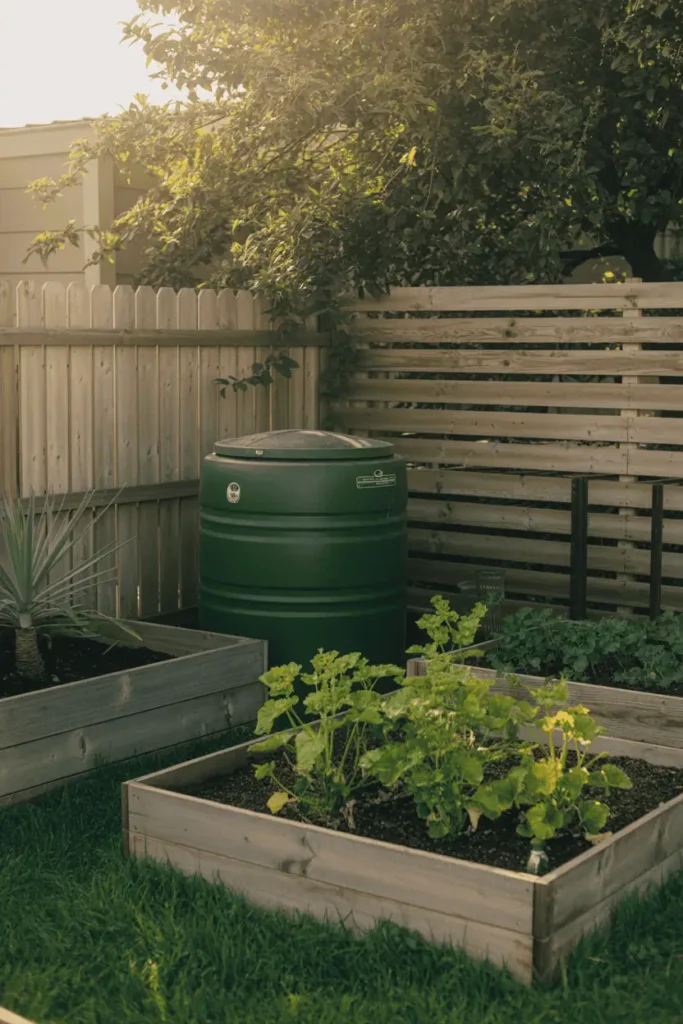
Turn simple kitchen scraps and yard trimmings into gentle plant boosters you can use all season. Start small with a covered bucket and a compost bin, then scale as needed.
Kitchen-scrap compost
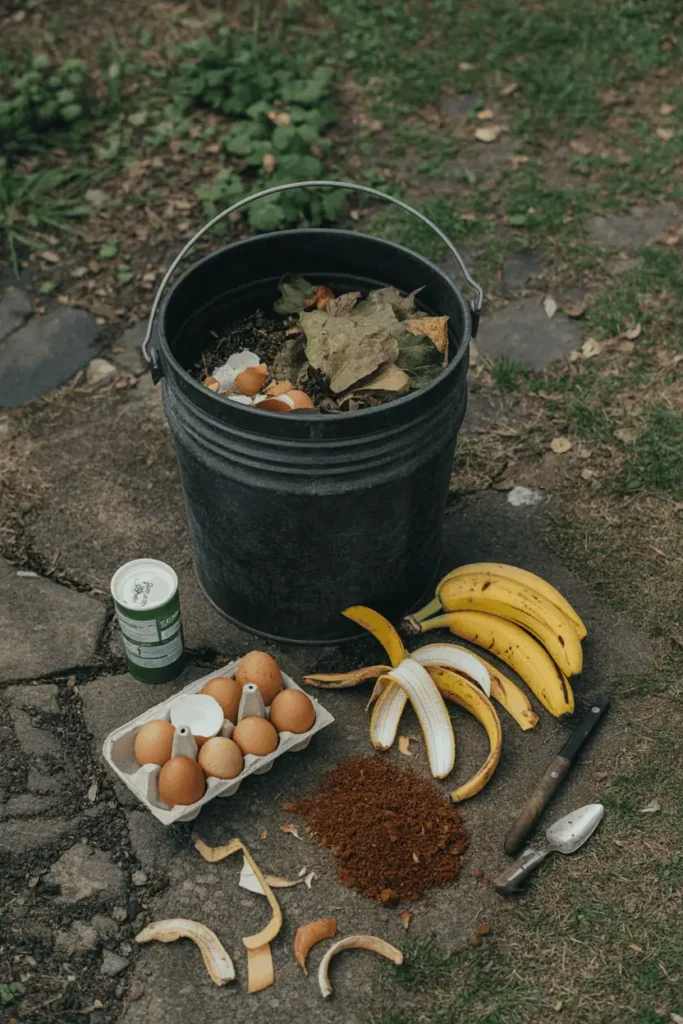
Mix eggshells, used coffee grounds, banana peels, and tea bags with dry leaves or shredded cardboard. Keep the pile as damp as a wrung-out sponge and turn every 2–3 weeks.
Sensory cue: When compost smells earthy and feels crumbly, it's ready.
Living teas: compost and weed tea
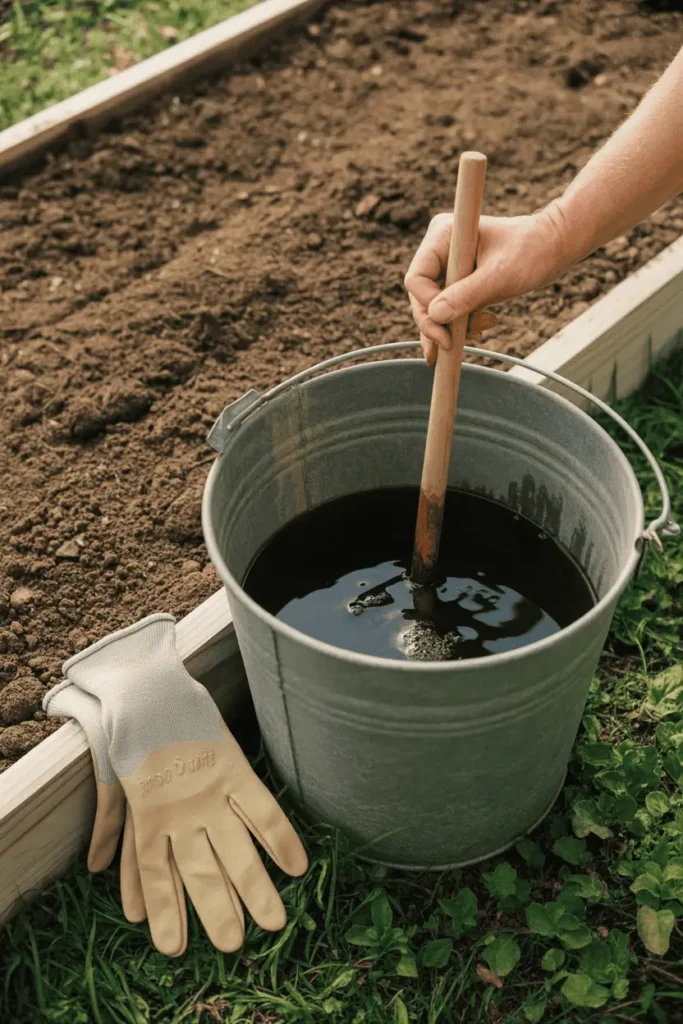
Compost tea: combine compost and water 1:10 in a bucket, shake daily for ~7 days, then strain and dilute 1:10 before use. Aerate with a small pump if you like.
Weed tea: pack a lidded bucket 1:4 with fresh weeds and water, stir every few days for 4–5 weeks, strain and dilute 1:10. Expect a strong odor during brewing.
Quick uses and measurements
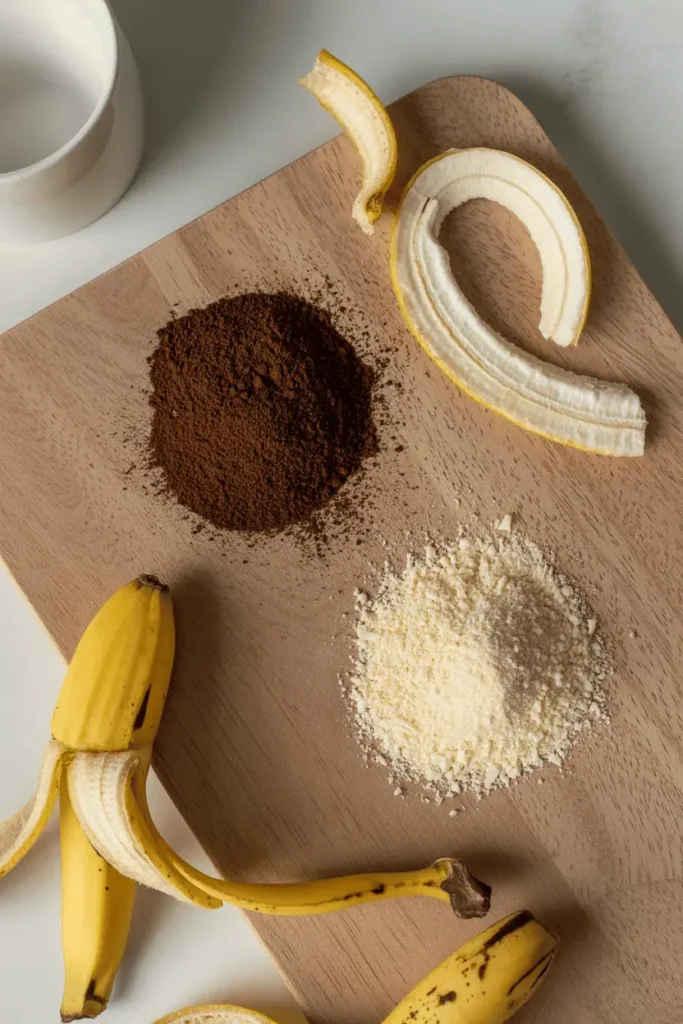
- Coffee grounds: dry on a tray 1–2 days, sprinkle lightly or make a 1:3 coffee-to-water spray for acid-loving plants.
- Banana peels: chop and bury, boil for a quick soak, or steep for up to 2 weeks; dilute before use around tomatoes and roses.
- Eggshells: rinse, sun-dry, grind to powder and top-dress sparingly to add calcium.
- Epsom salt spray: dissolve 2 tablespoons per gallon; spray on magnesium-hungry plants on cool mornings.
- Urine: dilute 20:1 with water; apply to soil zones and lawns only—never on leaves.
| Input | Method | Rate / Mix | Best for |
|---|---|---|---|
| Coffee grounds | Dry & top-dress or spray | Light dusting or 1:3 brew | Azaleas, rhododendrons, blueberries |
| Banana peels | Chop & bury or steep | Bury pieces or dilute soak 1:10 | Tomatoes, roses |
| Eggshells | Dry & grind; top-dress | Small sprinkle around plants | Cabbage family, clematis |
| Compost/Weed tea | Bucket brew, strain | 1:10 brew, then dilute 1:10 | General soil drench for plants |
Tools: covered bucket, mesh sieve, spray bottle, hand rake, optional aeration pump. Avoid thick layers of grounds, raw scraps on active beds, and over-strong teas.
How to Apply Homemade Fertilizers: Seasons, Steps, and Mistakes to Avoid
A small, calm routine in spring gives your beds and lawn the steady boost they need. Follow simple timing and gentle methods to help plants steady into a season of growth.
Seasonal timing
Spring: apply when soil warms—this is the primary time to feed plants. Use a light application of compost or a diluted tea after soil thaws.
Fall: in poor soils add a light top-up after harvest to build organic matter for winter.
Pause applications during heat waves and hard freezes to protect roots and microbes.
Application methods and mixes
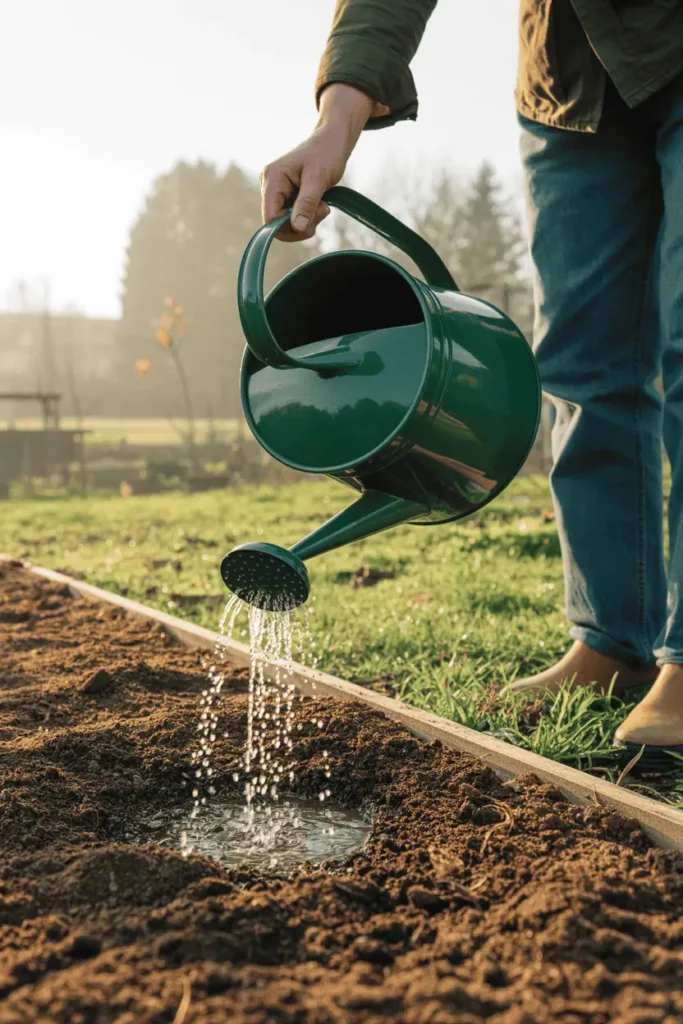
- Top-dress: sift finished compost 0.5–1 inch around plants, keep compost off stems and leaves, then water gently to settle it into soil.
- Side-dress: dig a shallow trench a few inches from stems, add compost or diluted tea, cover lightly and water. Repeat every few weeks for heavy feeders.
- Soil drench: brew compost or weed tea 1:10, then dilute 1:10 for application. Apply to moist soil in the morning and avoid spraying leaves to prevent scorch.
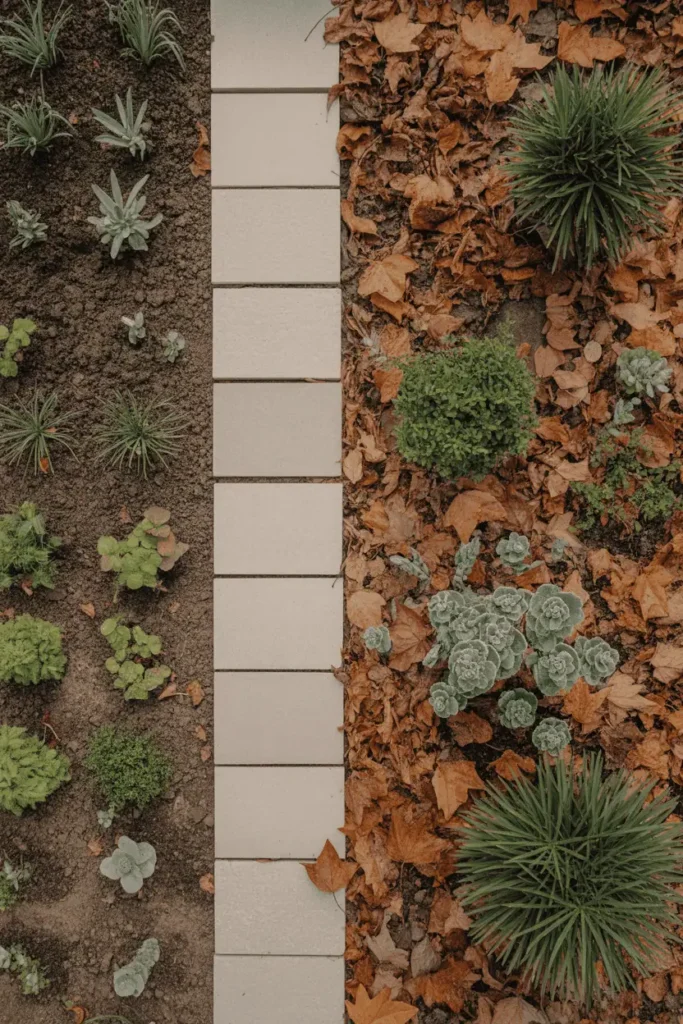
- Mulch layering: alternate thin layers of leaves and grass clippings; keep mulch 2–3 inches deep and pull back a couple inches from stems for airflow.
Common mistakes to avoid
- Over-concentrated teas can burn roots—always dilute and test on a small area.
- Thick layers of coffee grounds form mats and repel water; dry grounds and mix with compost.
- Raw food waste on active beds can invite pests and pathogens—compost or bury properly instead.
- Using clippings treated with chemicals can harm plants; only use untreated grass clippings.
Sensory cues of success
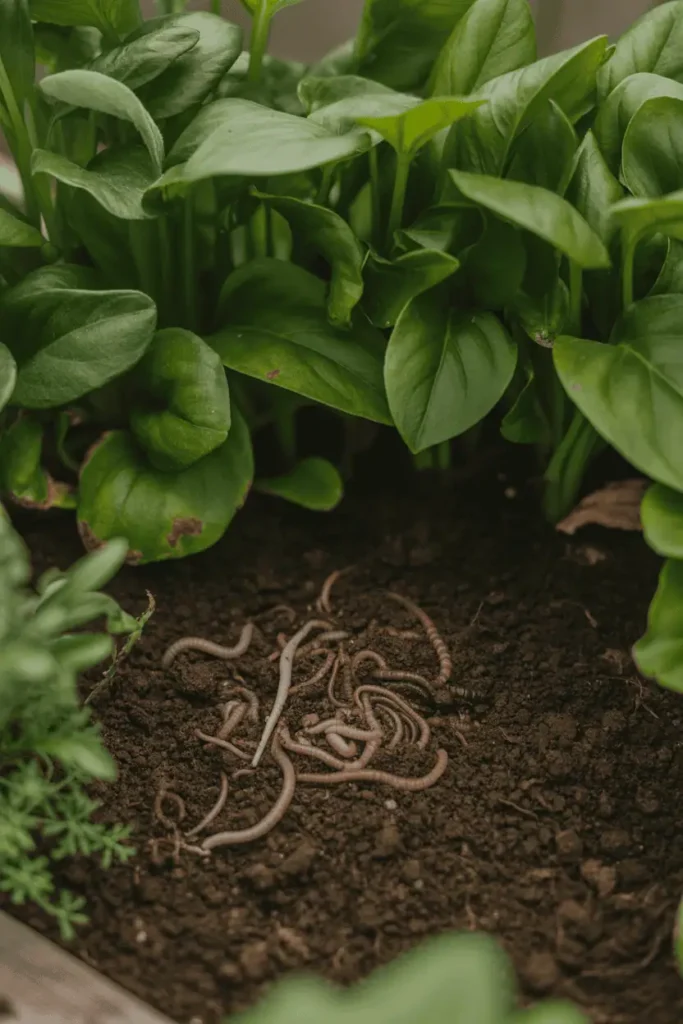
Check every few weeks: compost should be dark and crumbly and soil should smell earthy. Leaves often show a deep green sheen without tip burn.
Use water smartly—apply solutions to moist soil and follow with a light watering to move nutrients into root zones without waterlogging.
Conclusion
Small, steady habits turn kitchen scraps into reliable plant boosters you can trust.
You now have a simple system to make homemade fertilizer at home: collect food and shells in a lidded bucket, turn compost for a few weeks, and brew gentle teas to water in. Rotate sources of nitrogen, phosphorus, and potassium—coffee, banana peels, and balanced compost—and add a bit of calcium where needed.
Watch for the earthy scent, crumbly texture, and deep green leaves. A light, weekly rhythm is all it takes to keep soil full of nutrients and your plants calm, thriving, and fruitful.
FAQ
What are the benefits of making homemade fertilizer from kitchen scraps and yard waste?
Making your own garden feed saves money, reduces landfill waste, and builds healthy soil life. Things like coffee grounds, banana peels, eggshells, grass clippings, and leaves return nutrients such as nitrogen, phosphorus, potassium, calcium, and magnesium to the soil. Home-made recipes boost water retention and encourage a lush, thriving garden without relying on synthetic additives.
How do I know what nutrients my plants need before I mix a home blend?
Start with a soil test to check pH and N-P-K levels for vegetables, flowers, or lawns. Leafy greens usually want more nitrogen; root crops and bloomers benefit from extra phosphorus and potassium. Match ingredients—coffee grounds for mild nitrogen, banana peels for potassium, and eggshells for calcium—so you feed specific needs instead of guessing.
Can I use coffee grounds directly on soil or should I make a spray or tea?
You can lightly top-dress with dried coffee grounds or brew a weak coffee spray (about 1 part grounds to 3 parts water). Avoid thick layers that may repel water or create compaction. Grounds work well for acid-loving plants and to encourage earthworms when mixed into compost.
How do I prepare banana peels and what are they best for?
Chop, boil, or soak banana peels to release potassium and some phosphorus. Use the soaked water as a drink for tomatoes, roses, and other fruiting plants, or bury finely chopped peels near roots. Whole peels can attract pests if left on the surface, so incorporate them into compost or soil.
Are eggshells useful, and how should I apply them?
Yes. Rinse, dry, and grind shells into a powder for best results. This adds slow-release calcium that helps prevent blossom end rot in tomatoes and peppers. Work the powder into the topsoil or add to compost—large uncrushed shells take much longer to break down.
What is compost tea and how do I make a safe, effective brew?
Compost tea is a living solution made by steeping finished compost in water, often with aeration. Use a clean bucket, 1 part compost to 5–10 parts water, and aerate for 24–48 hours to encourage beneficial microbes. Strain and use as a soil drench or foliar feed. Avoid using raw food scraps in the mix to reduce pathogen risk.
How can I use grass clippings and leaves without creating problems?
Use grass clippings as a thin mulch layer or mix them into compost; avoid thick mats that block air and trap heat. Shredded leaves make excellent mulch or compost feedstock that improves soil structure. Keep layers loose and rotate or mix to speed decomposition and suppress weeds.
Is aquarium water really good for plants, and when should I avoid it?
Fish tank water is a mild source of nitrogen and trace elements and works well for houseplants and outdoor potted plants. Avoid using water from tanks with medications, high salt, or disease outbreaks. Use fresh, untreated aquarium water as part of regular watering for a gentle nutrient boost.
How do I use Epsom salt safely for a magnesium boost?
For foliar spray or soil drench, dissolve 2 tablespoons of Epsom salt per gallon of water. Apply sparingly—once every 4–6 weeks during the growing season—to correct magnesium deficiency. Overuse can lead to salt build-up and harm soil life, so always test before repeating applications.
Can I use diluted urine on my garden, and how should I apply it?
Yes—human urine is high in nitrogen and can be safe when diluted. A common ratio is 20 parts water to 1 part urine. Apply to soil (not foliage) around lawns and established non-leafy edible plants. Avoid using on young seedlings or directly on produce you eat raw, and never use if you are taking medications that pass into urine.
When is the best time to apply homemade feeds in U.S. seasons?
Apply most homemade amendments in spring to support new growth. Light top-ups in fall help in poor soils but avoid heavy feeding late in the season for plants that need to harden off. Match timing to plant cycles: feeding during active growth yields the most benefit.
What are common mistakes when using home-made teas and scrap-based feeds?
Common errors include over-concentrated teas, applying raw food scraps directly to active beds (which can attract pests), and piling thick layers of coffee or grass that suffocate soil. Always dilute strong brews, compost raw scraps first when possible, and monitor plant response to avoid burn or imbalance.
How do I spot success after feeding with homemade mixes?
Look for sensory cues: dark, crumbly compost with an earthy smell, increased earthworm activity, and plants with a deep green sheen and steady growth. Slower, sustained improvement over weeks is normal; sudden changes can indicate imbalance or over-application.
Are there safety tips for handling kitchen scraps, compost, and teas around pets and people?
Keep fresh food scraps contained and covered to limit pests. Wear gloves when handling compost or strong brews to avoid skin irritation. Store teas and compost away from pets and children. If using urine or other organic inputs, follow dilution and application guidelines to reduce pathogen risk.
How much of each ingredient should I use when making a balanced home mix?
There’s no one-size-fits-all recipe; aim for variety. Combine greens (coffee grounds, grass clippings) for nitrogen and browns (leaves, shredded paper, eggshells) for carbon and structure. For targeted feeds, use banana-peel water for potassium, powdered eggshells for calcium, and Epsom salt sparingly for magnesium. Start small, watch plants, and adjust over weeks.
Related: if you want another approach to making your own organic fertilizer, check out “How to Make Your Own Organic Fertilizer.”