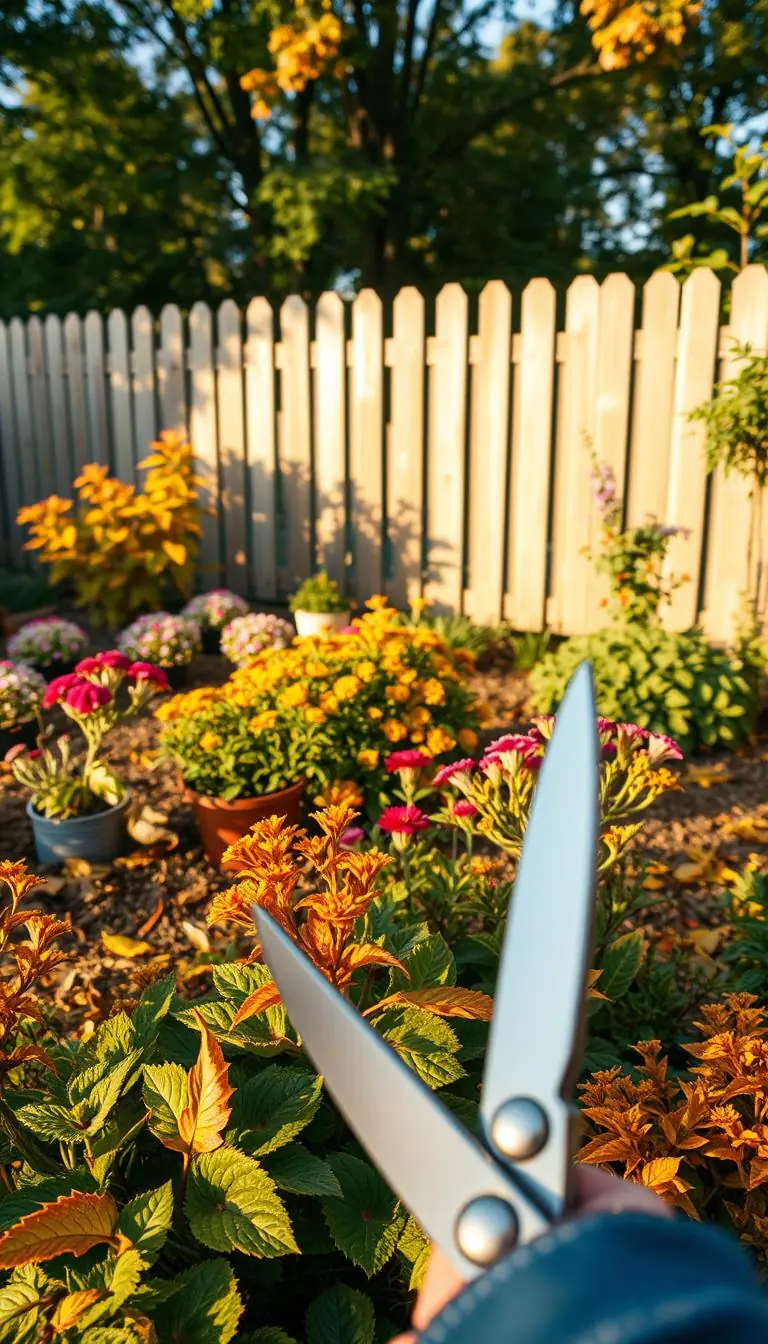
You step outside and feel sun‑warmed soil under your shoes, spotting a few bright yellow dandelion heads and soft white puffballs.
You want a yard that feels calm and cared for. Think of this as a friendly chat over the fence. We’ll show you a simple way to see your space like a pro and act before tiny seeds cause trouble.
This intro gives clear, step‑by‑step guidance—short habits, seasonal timing, and easy tools you can keep by the back door. You’ll learn the common types to watch for, how to tell one plant from another, and when to use pre‑emergent or a spot treatment for more stubborn patches.
Along the path, expect small, fast wins: hand‑pull after rain, mow at the right height, and feed lightly to keep turf dense and inviting. By the end, you’ll have a calm routine that fits your season and your goals for thriving gardens and a healthy lawn.
Key Takeaways
- See your yard as a living carpet and identify intruders early.
- Match actions to the season for easier, long‑lasting results.
- Use simple tools and quick checks to prevent spread.
- Learn common types and clues—leaf shape, stems, and flowers.
- Build a calm, repeatable routine that keeps your lawn lush.
Start here: how to recognize lawn weeds before they spread
Start with a slow walk around your yard—sight, touch, and a few close looks tell the story fast.
Visual cues: broadleaf, grassy, and sedge
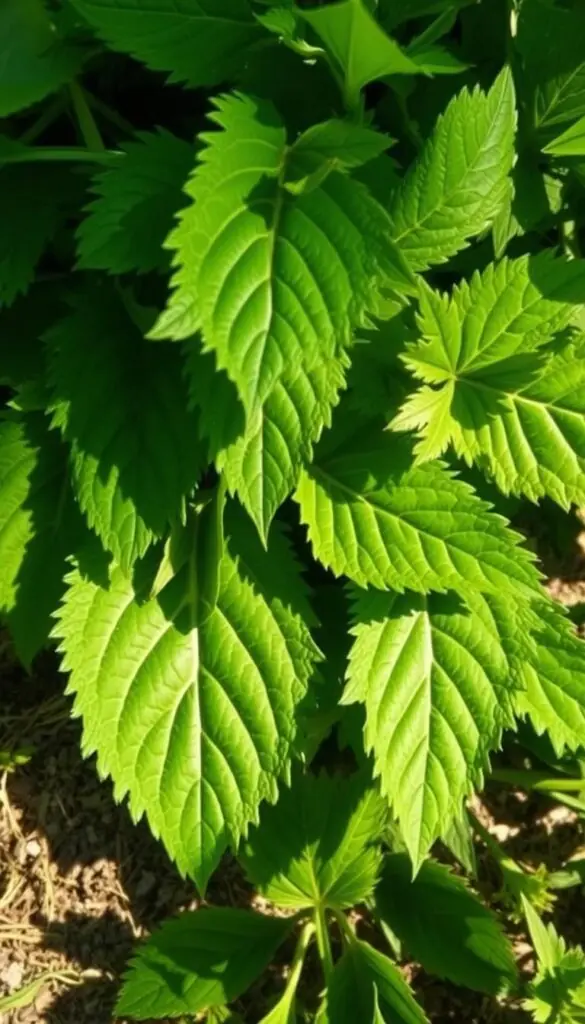
Check the leaves first. Broadleaf plants have wider leaves with branching, netted veins. Grassy invaders show narrow blades and parallel veins that mimic turf.
Roll stems gently between your fingers. Triangular stems point to sedges; round or flat stems usually mean grasses or other common plants.
Flower hints and seed heads
Watch for small, bright clues. Purple flowers in cool seasons often mark henbit or creeping Charlie.
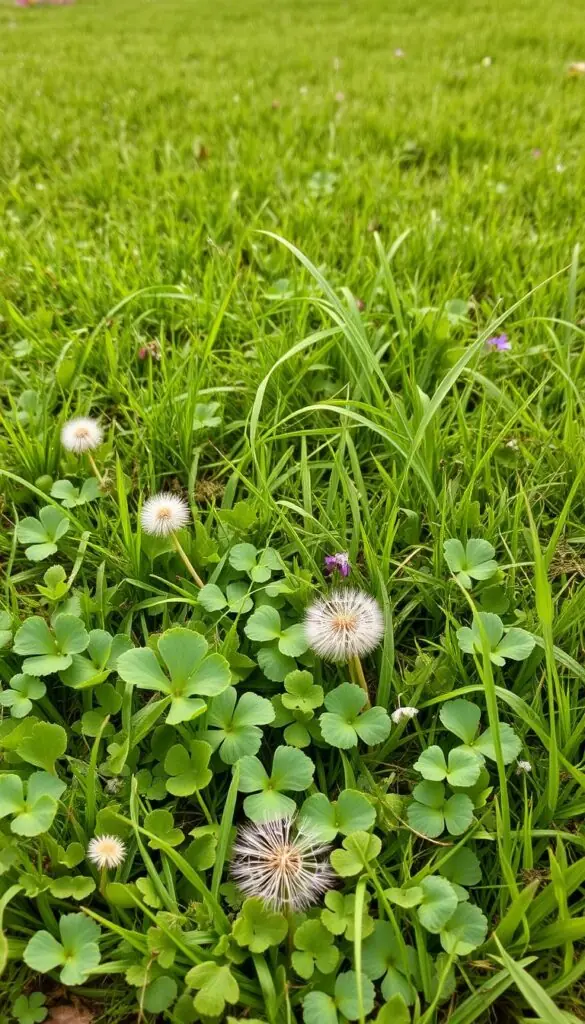
- Dandelions start as yellow blooms and become white, airy puffballs that send seeds across areas quickly.
- Heart-shaped leaves low in shade often belong to violets with purple blooms in late spring.
- Crabgrass and annual bluegrass show finger-like or pale seed heads above the turf.
"Move slowly after rain—the leaves feel supple and pulling is easier."
Quick actions: take phone photos of mystery plants, pull by hand when soil is soft, and mark problem spots to revisit. These small checks keep a single plant from becoming many.
Seasonal strategy at a glance: early spring, late spring, summer, and fall
A few timed steps each season keep small patches from turning into big problems.
Early spring: pre-emergent timing and first mow
Apply a pre-emergent before the soil warms—this blocks many annual seeds from sprouting. Set your first mow a touch higher to shade soil and help new grass fill in.
Late spring to summer: spot care and rainy-day pulling
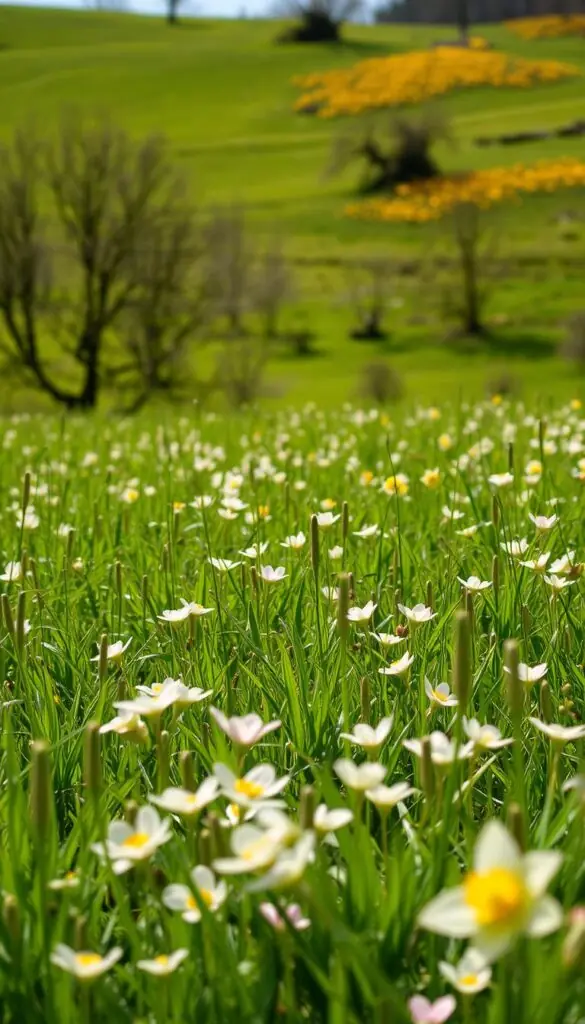
After a soaking rain, walk the yard with gloves and a bucket. Hand-pulling then removes roots more cleanly.
All summer, mow high and water deeply but less often. Spot-treat only stubborn patches so the rest of your grass stays strong through heat.
Fall reset: overseed, aerate, and broadleaf action
In fall, aerate compacted spots and overseed thin areas so new turf fills gaps where invaders could move in.
Use broadleaf control in fall for many tough perennials—plants send energy to roots and treatments work better.
"Keep a simple calendar: one pre-emergent in early spring, a walk after each heavy rain, and a fall reset."
- Avoid common mistakes: don’t apply treatments too late or scalp the grass.
- Set phone reminders to match local timing so these small tasks become habit.
Build a lawn that outcompetes weeds: soil, sun, and thick grass
Start by strengthening the soil so your grass can crowd out invaders.
Soil test, compost, and pH tuning for stronger roots
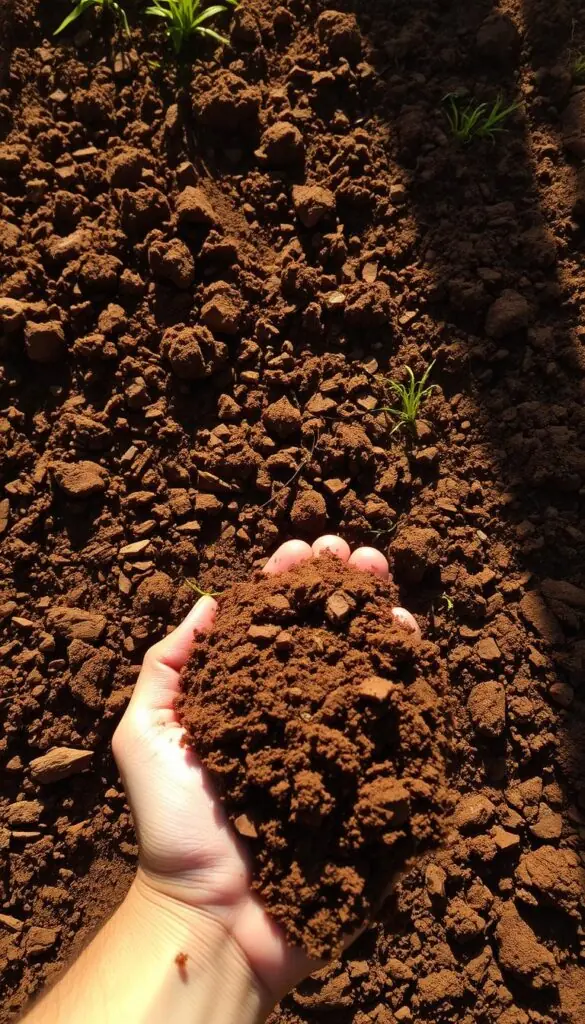
Begin with a simple soil test. Send a kit or visit your county extension. Adjust pH as needed and spread a thin layer of crumbly compost so the soil feels alive.
That loose texture helps roots dig deeper. Deeper roots mean tougher, more drought‑resistant plants and fewer open spots for cudweed or goosegrass to move in.
Mow high, water deep: simple habits that smother seedlings
Set your mower higher so sunlit blades shade the soil. Shade slows seed germination and protects tender new root growth.
Water deeply once or twice weekly so moisture sinks below the surface. Deep watering trains roots to grow down, not just stay near the top.
- Top‑dress thin areas with a fine compost layer in spring; it improves structure over the years.
- Overseed bare spots to close openings quickly; thick grass is your best control.
- Keep blades sharp and feed lightly with a slow‑release product for steady strength.
| Action | Benefit | Best Time |
|---|---|---|
| Soil test & pH tune | Stronger roots, better nutrient uptake | Early spring |
| Top‑dress with compost | Improves texture; feeds soil life | Spring or fall |
| Mow high & deep water | Shades soil; trains deep roots | All growing months |
"Healthy soil and steady habits beat quick fixes—small steps now save work later."
Identify fast: common lawn weeds you’ll see across the U.S.
Look for texture and color first — they tell the fastest stories about what’s growing.
Broadleaf troublemakers are easy to spot by their wide leaves and showy blooms.
- Dandelions start with bright yellow flowers and become white puffballs; use a fork to dig out the long taproot.
- Clover shows three‑lobed leaves and soft white flowers; it often marks low nitrogen in thin areas and benefits from light feeding.
- Chickweed forms low mats of stems with tiny white flowers; pull or rake before it roots where stems touch soil.
- Plantain sits in flat rosettes with parallel veins; tall seed spikes appear if mowing is skipped.
- Thistles have spiny leaves and purple flowers; protect your hands and dig to reach deep roots.
Grassy invaders and sedge look‑alikes often blend in until seed heads rise.
- Crabgrass sprawls with fingered seed heads—block germination in spring to stop its spread.
- Dallisgrass creates coarse clumps with heavy seed heads that rise above mowing height.
- Quackgrass shows wheatlike spikes; remove every creeping root when digging.
- Annual bluegrass peeks with pale seed heads in spring; it favors compacted, thin patches.
- Nutsedge and kyllinga like damp spots — look for triangular stems or dense mats and plan selective control in fall.
"Spot it early, act simply: dig, pull after rain, or note the season for targeted treatment."
Crabgrass and friends: stopping summer annuals before they sprout
Sunny cracks and compacted spots are the first places summer annuals make a home.
Timing matters: apply a pre-emergent weed treatment in early spring, before soil temps stay near 55°F. A simple cue is forsythia bloom; when those yellow flowers open, it’s often time to act.
Pre-emergent herbicides work on seeds sitting near the surface. They block germination and won’t hurt plants once green seedlings appear. That is why applying too late wastes product and time.
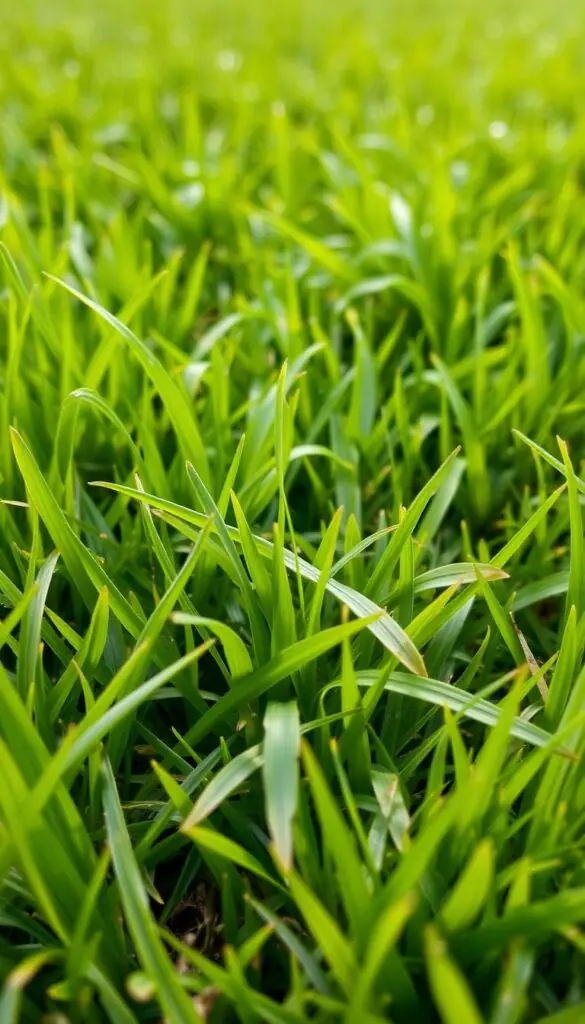
- Target sunny edges, driveways, and pavement cracks—hot spots where crabgrass and other annuals start.
- Water granules in per label so the barrier forms where seeds rest.
- If you missed the window, hand‑pull small patches or spot‑treat with selective herbicides to protect the rest of your lawn.
"Pre‑emergents stop a seed from sprouting; they won’t help much once green seedlings are up."
| Action | When | Why |
|---|---|---|
| Apply pre‑emergent | Early spring (soil ~55°F) | Blocks crabgrass and annual seeds from sprouting |
| Focus edges & cracks | At application | Heat builds there first; seeds germinate sooner |
| Hand‑pull or spot‑treat | After seedlings appear | Removes established plants without overusing herbicides |
Dandelions and other broadleaf perennials with deep taproots
Tackling taprooted invaders calls for the right season, the right tool, and calm patience.
When to dig vs. when to spray
Digging works best in moist soil after rain. Use a dandelion fork near the crown and lever the long taproot up. Try to remove as much root as possible to reduce regrowth.
Spray selectively when plants are scattered in a lawn. A selective broadleaf herbicides application in spring or in fall targets the plant without harming grass.
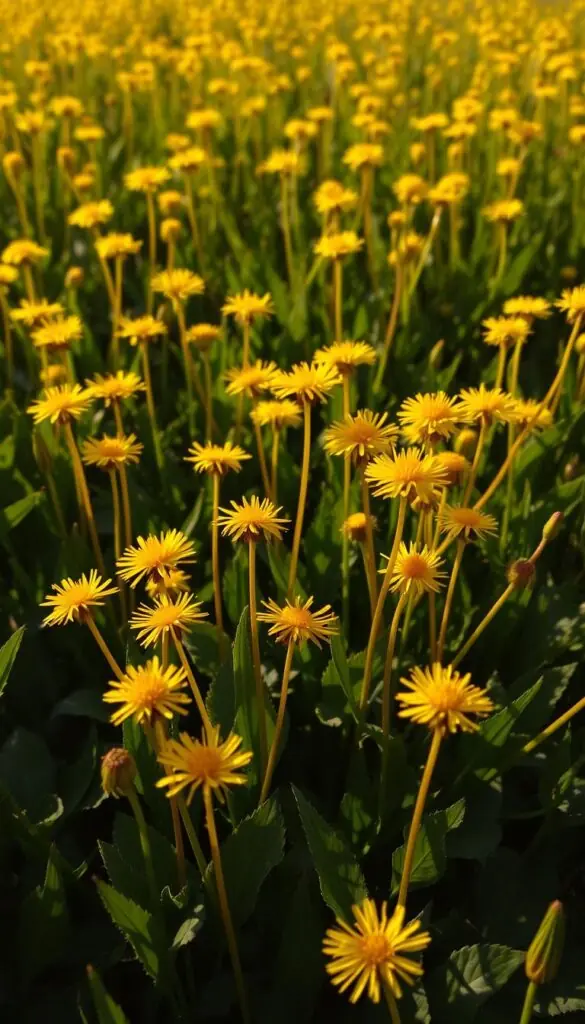
- If you see a yellow flower or fresh puffball, act quickly to get rid of seed spread.
- In beds, dig or spot‑spray single rosettes to protect nearby plants.
- If a taproot snaps, return next week and remove the remaining root—persistence pays.
- Dispose of seed heads in the trash, not compost, to avoid surprise sprouts.
| Method | Best time | Pros |
|---|---|---|
| Digging with fork | After rain (spring/fall) | Removes taproot; no chemicals |
| Spot spray | Spring or fall | Quick for scattered plants; protects turf |
| Return follow-up | 1 week after snap | Removes missed root pieces |
"A little patience and the right tool cut returns—thin turf and open soil invite trouble."
Shady, damp zones: creeping Charlie, violets, and henbit control
Where shade and moisture meet, the right steps make a big difference.
In cool, shady areas you’ll often see scalloped leaves and small clusters of purple flowers in late spring. Creeping Charlie gives a minty scent when crushed. Violets show heart‑shaped leaves and purple blooms. Henbit brings tubular purple flowers in cool seasons.
Calm fixes work best: prune low branches for dappled light so grass can dry between summer rains. In soggy pockets, top‑dress with compost and regrade gently so water moves away and the soil does not sit.
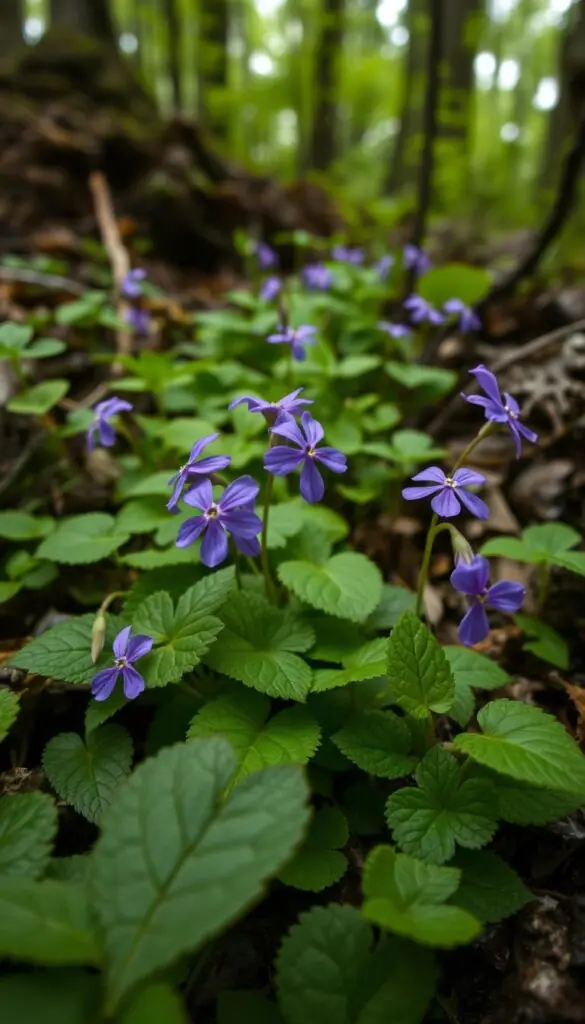
Hand‑pull small patches while the ground is moist; roots pull free more cleanly. For larger runs, plan selective control in spring or fall when these plants are actively growing.
- Trim low branches to add dappled light to shady areas.
- Top‑dress and regrade to fix soggy spots.
- Choose shade‑tolerant turf and add mulch rings under trees.
- Keep mower height up and collect heavy clippings in these corners.
"Feel the minty scent of creeping Charlie before you plan action; it’s a quick ID clue that guides how you treat the patch."
Nutsedge and kyllinga: what makes sedges different—and harder
Spotting rapid, triangle‑edged stems early saves hours later.
Simple ID: roll a blade between your fingers. If the stem feels triangular, you’re likely looking at nutsedge or a sister sedge.
Nutsedge grows faster than turf and forms nutlike tubers that hide under the soil. Kyllinga makes dense mats and spreads by rhizomes and seed, so it can return from small pieces.
Triangle stems, fast growth, and why selective herbicides matter
Hand removal helps when soil is wet. Lift long strands of roots and rhizome; missed bits will sprout again. Repeat pulls after a week if any pieces remain.
Match the product to the problem: general broadleaf sprays often won’t stop sedge. Use sedge‑labeled herbicides for reliable control, and plan follow‑up applications. Fall treatments work especially well on kyllinga.
- Roll stems to check shape — triangle means sedge.
- Expect a brighter, faster flush than surrounding grass.
- Improve drainage in low areas so sedges find less welcome ground.
- Overseed thin spots after control so turf fills gaps and resists return.
| Problem | Best time | Recommended action |
|---|---|---|
| Nutsedge (tubers) | Spring to early summer | Hand‑lift when wet; use sedge herbicides for persistent patches |
| Kyllinga (rhizomes & seed) | Fall preferred for herbicide work | Fall herbicide + improve drainage and overseed thin areas |
| Small patches | Any wet period | Lift roots and rhizomes; repeat pulls until gone |
| Large infestations | Fall or active growth | Targeted sedge herbicides with repeat treatments and reseeding |
"Treat consistently; multiple, well‑timed passes are normal for these stubborn plants."
Reading weed clues: heart-shaped leaves, purple flowers, white flowers
A quick close look tells you more than a long guess—tiny details reveal who’s moving in.
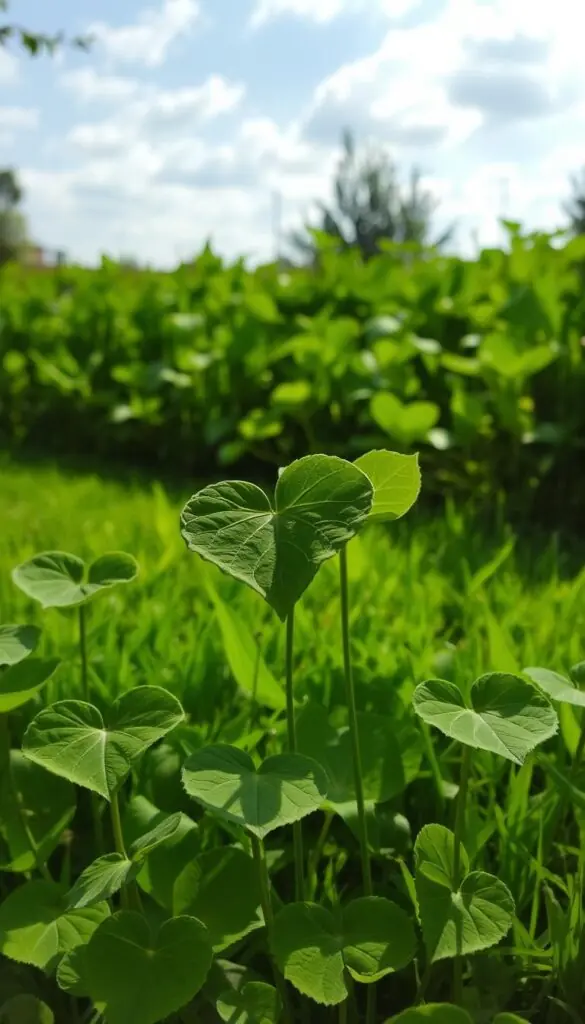
Heart-shaped leaves: violets and velvetleaf in late spring to summer
Look low and feel the texture. Glossy, heart-shaped leaves often point to violets in late spring. Their purple flowers appear near the crown and announce seed set.
Large, velvety heart-shaped leaves with soft fuzz suggest velvetleaf. That plant waits until warmer months and shows yellow blooms in summer.
Purple blooms in cool months
In the cool season, tiny purple flowers call out henbit and creeping Charlie. Henbit’s tube-like blooms sit on low stems.
Creeping Charlie gives clusters of purple flowers and a minty scent when crushed. Speedwell shows petite, purple-tinted flowers with white centers close to the ground.
White flowers and seedheads: clover and fleabane
White flowers may be clover’s round globes in turf or fleabane’s daisy-like rings in open soil.
Act when you see blooms: blossoms often become seedheads. Pull or dig before seeds drop to cut next season’s pressure in spring fall windows.
- Pinch a stem to check texture and scent; minty notes often confirm creeping Charlie.
- Note what you saw and when—simple records help you predict the next wave.
- Remove blooms promptly; a quick pull now saves work later.
| Clue | Typical season | Quick action |
|---|---|---|
| Heart-shaped leaves (glossy) | Late spring | Pull violets; dig to remove crowns |
| Velvety, large heart-shaped leaves | Summer | Monitor and remove before seed |
| Purple flowers on square stems | Cool season | Hand-pull when moist; note for spot treatment |
| White, daisy-like or globe flowers | Spring to early summer | Remove blooms; prevent seedhead formation |
"A small, steady scan and a quick note beat a big repair later."
Edge and crack patrol: sidewalks, driveways, and garden borders
Sidewalk lines and curb strips are the first place seeds take root — and the easiest to stop.
Make a five‑minute walk weekly along hard edges and borders. A narrow fishtail weeder or a small trowel lifts fresh seedlings from shallow soil. These short checks change how your whole yard looks.
Keep debris out of cracks so gritty dust doesn't become a seed nursery. For stubborn sprouts in pavement, a careful nonselective spot‑spray works — shield nearby plants and follow the label.
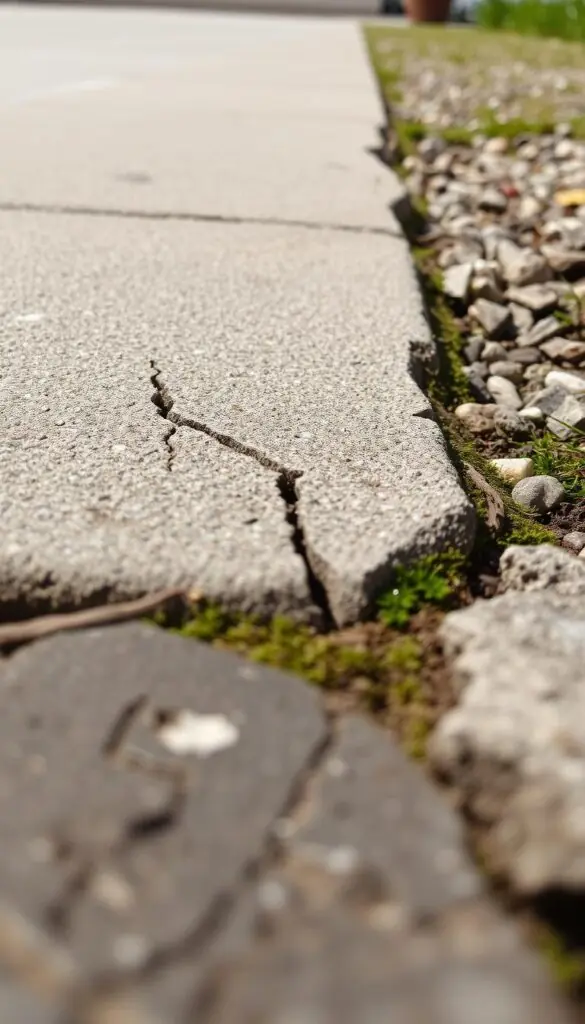
- Walk edges weekly with a narrow weeder; fresh seedlings near sidewalks lift easily.
- Sweep or blow debris from cracks so light and warmth don’t create tiny nurseries.
- Use pre‑emergent on gravel or curb strips early to stop seeds before they sprout.
- Install mulch borders to block light and simplify future control.
- Trim turf edges for a crisp line; sharp borders make lawns look cared for.
- Collect and trash seed heads you cut or pull; don’t return them to compost.
- Keep a bucket, gloves, and a fishtail weeder by the garage for quick patrols.
"A quick sweep of edges every week keeps small problems from growing into a big chore."
| Action | Where | Quick tip |
|---|---|---|
| Walk and pull | Sidewalks & borders | Two minutes per side; lift seedlings when soil is moist |
| Sweep cracks | Driveway & paving | Remove debris to deny seeds warm, gritty spots |
| Pre‑emergent | Gravel and curb strips | Apply early spring before seeds start |
| Spot‑spray | Hardscape cracks | Use nonselective product carefully; protect plants |
Pre‑emergent vs. post‑emergent, selective vs. nonselective herbicides
Matching product to plant and season saves time and protects nearby plants. Pre‑emergent stops seeds from sprouting; post‑emergent targets green growth. Use the right tool for the problem and you’ll get better control with fewer repeat treatments.
Match product to plant: broadleaf, grassy, or sedge targets
Selectivity matters. Broadleaf herbicides spare grasses and work well on common broadleaf targets. For nutsedge and kyllinga, choose a sedge‑labeled product — many general sprays won’t stop them.
Seasonal windows: spring and fall applications for best results
Apply a pre-emergent weed product in early spring before soil warms. Switch to post‑emergent once shoots appear. Many tough species also respond best to treatment in fall when they move energy to roots.
Label literacy: protecting desirable grass and nearby plants
- Always read the label — it tells you which turf types are safe and how to protect pets and plants.
- Reserve nonselective sprays for hardscape or exact spots in landscape areas; they kill any plant.
- Apply only what you need, on calm days, and follow water‑in or dry directions for reliable control.
- Store herbicides safely, out of sun, so the product works the way the label promises.
"The right product at the right time is the simplest way to keep your yard healthy and reduce repeat treatments."
Non-chemical tactics that work: mulch, hand tools, and timing
Simple, hands-on tactics often outwork a bottle of spray and feel better to do.
Mulch the right depth. Lay 2–3 inches of organic mulch in gardens and around tree rings. That clean edge of fresh mulch blocks light at the ground and stops many sprouts, from chickweed to bindweed.
Top up mulch each spring to keep that light‑blocking blanket in place. Compost healthy green pullings, but toss mature seed heads so you don’t replant what you just removed.
Pick the right tools. A dandelion fork slips beside a crown; rock it and you’ll feel the roots loosen and lift in one satisfying motion. A fishtail weeder reaches tight gaps between pavers where fingers can’t fit.
Pull after rain or right after a deep watering. Damp soil helps the whole plant release so you leave fewer bits behind.
- Edge beds once a season with a sharp spade to make a crisp trench that checks creeping plants.
- Keep a kneeling pad, sturdy gloves, and a small bucket by the door — five quiet minutes a day add up.
- Pre‑emergents can be applied in beds before seed germination if you want extra protection.
"The satisfying pop when a root slides free is proof that small, steady care wins."
Lawn weeds: a simple, annual calendar you can follow
A short, seasonal checklist keeps your green spaces tidy all year.
Spring
Early spring: spread pre‑emergent before soil warms so seeds don’t sprout. Feed lightly and overseed thin areas to give turf a head start.
Mid to late spring
Walk after rains and spot‑treat or hand‑pull while roots release easily. These quick rounds stop small patches from growing.
Summer
Mow high and water deeply once or twice weekly. Get rid of small flare‑ups quickly so they won’t set seed. Save broad treatments for targeted spots after a rain.
Late summer to fall
Patch bare areas so fall seedlings settle in as heat eases. In fall, aerate compacted spots, overseed generously, and time broadleaf control when plants move energy down.
Winter prep
Sharpen mower blades, clean tools, and note which areas need soil fixes next spring. A little planning now makes early spring work faster and easier.
Keep this calendar handy: repeat it each year and you’ll steadily get rid of recurring pressure with low stress.
| Season | Key task | Why it helps |
|---|---|---|
| Spring | Pre‑emergent, light feed, overseed | Blocks seeds; boosts new grass |
| Summer | Mow high, deep water, spot‑treat | Shades soil; removes small outbreaks |
| Fall | Aerate, overseed, broadleaf control | Repairs thin areas; targets perennials |
| Winter | Tool prep & plan | Saves time in early spring |
"A small, repeatable plan turns seasonal tasks into simple habits."
Conclusion
Step outside, breathe deep, and let small, steady actions shape your space. This simple way of checking edges, timing treatments, and overseeding builds lasting strength.
A healthy, thick lawn is your best defense. With a few seasonal habits, common dandelions, crabgrass, and nutsedge stay in check without stress.
Keep tools nearby, mow a touch higher, and take short weekly walks. Small moments add up and make your yard softer underfoot and greener across the years.
When something new pops up, you’ll spot the clues and know what to do next. Enjoy the sun on fresh blades and the quiet confidence of a cared‑for space.
FAQ
How can I recognize problem plants before they spread?
Start by looking at leaf shape, veins, and stem type. Broadleaf species have wider leaves and visible veins, grassy types form blades and seams, while sedges have triangular stems. Flowers give clues too — purple blooms often show in cool seasons, white clusters appear later, and seed heads mean it’s time to act. A quick visual sweep after rain helps you spot fresh seedlings early.
When should I apply a pre-emergent for summer annuals like crabgrass?
Time your pre-emergent when soil temperatures reach about 55°F for several days in spring. That prevents seeds from germinating. If you wait until seedlings are up, the product won’t work and you’ll need a post-emergent treatment instead.
What’s the best seasonal plan so I don’t get overwhelmed?
Keep it simple: early spring — apply pre-emergent and set your mower higher; late spring to summer — hand-pull or spot-spray after rain; fall — aerate, overseed, and treat broadleaf perennials. These steps reduce seedbanks and build a turf that outcompetes invaders.
How do I decide between digging and spraying for deep‑rooted perennials like dandelions?
Dig when the soil is moist and you can remove the full taproot with a fork. Spray selective broadleaf herbicides in spring or fall when weeds move nutrients to roots — that’s when herbicides work best. Combine methods for large or persistent patches.
What makes sedges like nutsedge so hard to control?
Sedges grow from underground tubers and have triangular stems that set them apart. They thrive in wet, compacted spots. Use selective sedge herbicides and fix drainage issues. Regularly reducing soil moisture and improving soil structure helps long-term.
How can I reduce shady, damp patches that favor creeping Charlie or violets?
Prune trees and shrubs to increase dappled light, improve drainage with organic matter, and choose shade-tolerant turf or groundcovers. Hand-pull small patches and use targeted herbicides only when necessary to protect nearby plants.
What mowing and watering habits help crowd out seedlings?
Mow high and leave clippings to shade the soil. Water deeply and infrequently so grass roots grow stronger and seedlings struggle. These simple cultural habits smother many annuals before they flower and seed.
Which common species should I learn to identify across the U.S.?
Know your broadleaf troublemakers like dandelion, clover, chickweed, plantain, and thistles; grassy invaders such as crabgrass, dallisgrass, and annual bluegrass; and sedge look‑alikes like nutsedge and kyllinga. Spotting them early saves time and reduces reliance on chemicals.
How do I match herbicides to the right target without harming desirable plants?
Read labels carefully and choose selective products for broadleaf, grassy, or sedge control. Apply during recommended seasonal windows — spring and fall for many perennials. When in doubt, test a small area and follow safety instructions to protect soil life and nearby ornamentals.
What non-chemical tactics actually work for persistent problems?
Mulch garden beds to block seed germination, use hand tools like a dandelion fork or fishtail weeder for roots, and maintain mulch at proper depth around trees. Regular manual removal right after rain is surprisingly effective and safe for pollinators.
How can I read floral clues like heart-shaped leaves or purple flowers to ID plants?
Heart-shaped leaves often point to violets or velvetleaf; purple flowers in cool seasons usually indicate henbit, creeping Charlie, or speedwell; white blooms could be clover or fleabane. Note bloom time and seedheads — that helps pick the right control method and timing.
What should I patrol at edges, cracks, and driveways?
Inspect sidewalks, driveways, and borders regularly. Pull seedlings before they set seed, seal wide cracks, and use targeted spot treatments on tough patches. Keeping edges tidy prevents reinfestation of planting beds and grass areas.
When is fall the best time for longer-term control?
Fall is excellent for overseeding, aerating, and treating broadleaf perennials because many plants move energy to roots then. A healthy turf established in fall competes better the following spring, reducing summer seeders like crabgrass.