
Imagine the cool air, a soft frost on grass, and a quiet bed of stems glowing in low light. Have you noticed spent blooms or slimy hosta leaves by the path and wondered what to do next?
You can make a few calm, helpful moves that tidy things now and set the stage for a lush spring. With a gentle approach, some plants benefit from a light tidy now, while others wait for the best time in late winter or early spring.
We’ll show you simple cues — first frost, yellowing foliage, or spent seedheads — so you know when to snip and when to leave stems for birds. Expect clear tips for peonies, hostas, iris, lavender, berries, hydrangeas, roses, and more, plus safe steps to reduce disease and help your beds rest easy for next year.
Key Takeaways
- One calm session can freshen beds and cut disease risk.
- Some perennials need a light tidy now; others wait until late winter.
- Use simple cues like frost, yellow leaves, or spent blooms to guide changes.
- Specific plants—peonies, hostas, iris, lavender, berries—have easy, distinct steps.
- Leave some seedheads and stems for wildlife and winter interest.
- A gentle approach protects roots and promises healthier spring growth.
Start here: a gentle plan for your fall garden
Begin with a slow walk through your beds, noticing which stems still shine and which are ready to rest. This calm step helps you choose small, right-sized tasks instead of rushing every bed at once.

What this season accomplishes for next year’s growth
Light tidying now reduces disease and keeps energy in roots for strong spring growth. Plants like peonies and iris often carry fungi into winter; cutting back affected foliage lowers that risk.
Woody herbs such as lavender and rosemary enjoy a soft shape now. Trim only new shoots and avoid cutting into old wood.
When tidying is enough and when cutting back matters
Ask: will a gentle tidy maintain shape and improve airflow, or does this clump need a deeper cut to protect future blooms? If a plant still holds color or seedheads for birds, leave part of it.
"A few thoughtful choices today can set up generous blooms and sturdier growth next year."
- Trim diseased material first; recycle clean debris.
- Leave sturdy seedheads for wildlife.
- Use frost as a nudge—wait until foliage yellows when possible.
Tools, safety, and simple prep before you cut
Start by gathering sharp tools and a calm plan so each cut helps more than it harms. A little setup protects you and your garden and makes every move more confident.
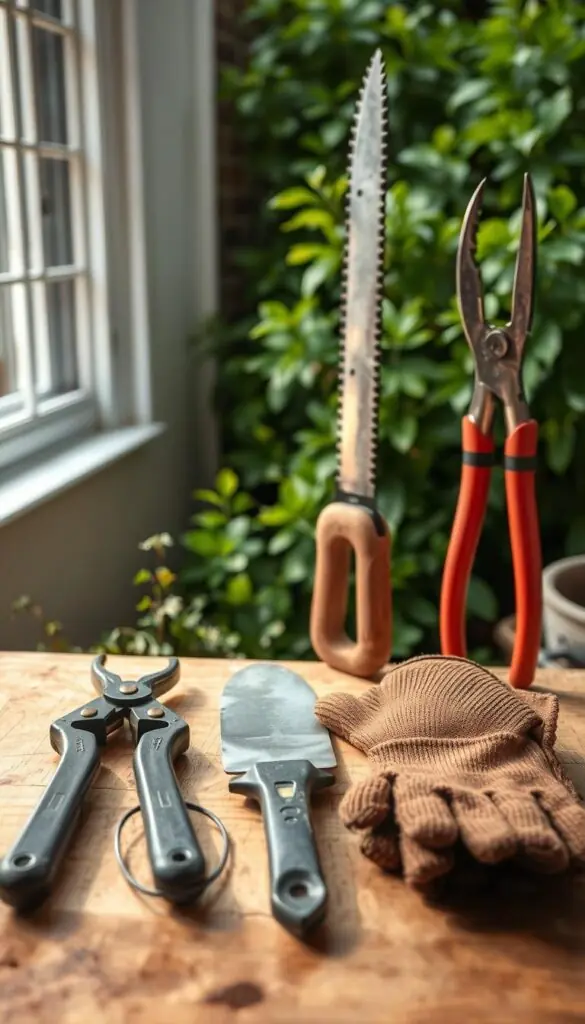
Sharp, clean pruners and gloves to prevent disease spread
Choose a reliable pair of bypass pruners (many gardeners trust the Felco F-2) and a clean lopper for thicker canes. Sharp tools make smooth cuts that close quickly and protect plants.
Slip on puncture-resistant gloves and wipe blades with alcohol between beds. This small habit limits diseases and keeps you safe.
Bagging diseased foliage vs. composting healthy material
Sort as you work: compost healthy trimmings, but bag any foliage with powdery mildew, blight, or rust. For plants like peony or aquilegia, send infected material to the trash rather than the compost bin.
How to make clean cuts that heal well
When removing dead or damaged branches, cut to the branch collar without leaving stubs. Angle cuts slightly to shed water and avoid crushing tissue.
For soft, fibrous stems such as dahlias and cannas, trim decisively at the base rather than shredding soggy material after a hard frost. Keep a bucket or lawn bag nearby and move slowly—check bases for slug eggs on hostas as you go.
Timing by climate: fall, late fall, and early spring
Let seasonal cues — not dates — guide when you tidy each bed. Look and listen to your garden and local weather to choose the right time. This calm approach keeps plants safe and your beds healthy.

Frost as your cue: what to cut after the first cold snap
After the first real frost, cut dahlias and cannas to the ground. Clear slimy hosta leaves before they rot and attract pests.
In exposed beds, trim roses lightly in late fall to reduce wind rock. Light shaping of lavender is fine now — avoid encouraging new shoots that winter will kill.
Late winter and early spring tasks you can safely save
In colder zones, reserve major structural work for late winter early or winter early spring when plants are fully dormant.
Waiting lets you see branches clearly and time prune without spurring tender growth.
Heavy snow and wind: shaping to prevent breakage
In areas prone to heavy snow, shorten tall, whippy stems so heavy loads won't rock plants loose. Shape lavender slightly conical so snow sheds off the top.
"Trust nature's cues and local weather — it's often the best guide for healthy, low-stress care."
- Let your climate set the pace; follow first frost to first thaw for sanitation cuts.
- Save heavier shaping for true dormancy to avoid stressing woody growth.
Guiding principles for pruning in autumn
Think of this as a calm checklist you can carry across beds. Small, careful moves now protect buds and reduce problems later. Follow simple rules so you tidy without encouraging tender changes that winter will harm.
Don’t stimulate tender new growth before winter
Avoid heavy cuts that prompt soft shoots. Those shoots are vulnerable to cold and can weaken next season's bloom.
Tip: Leave older wood on rosemary and lavender; cutting into it can spur weak new growth.
Prioritize removing dead, diseased, and damaged branches
Start with what is clearly dead or sick. Removing these parts often restores airflow and lowers disease pressure quickly.
Bag peony, geranium, and aquilegia foliage if it shows mildew or blight; don’t add infected material to the compost.
Maintain shape, improve air flow, and protect buds for spring
Work from the outside in and step back often. Light thinning opens the center and cuts down on wet pockets where fungi thrive.
Keep shapes tidy but natural. Leave some aster stems at about six inches for insect shelter while still reducing disease risk.
| Action | When | Why |
|---|---|---|
| Remove dead/diseased foliage | Immediately in cool weather | Reduces spread of diseases and pests |
| Light thinning | Autumn or late winter | Improves air flow and maintains shape |
| Avoid hard cuts on woody herbs | Now (conservative) | Prevents weak new growth and bud loss |
"Keep cuts calm and deliberate; one good snip often helps more than many unsure ones."
Perennials to cut back now to reduce disease pressure
Tidy attention to certain perennials will lower disease pressure and lighten your workload later. Focus first on plants showing spots, slime, or hollow stems where pests hide.

Peonies: cut stems to an inch or two above the soil. Bag any spotted foliage so powdery mildew or blight won’t overwinter and trouble you next year.
Hostas: trim to 2–3 inches above the crown and peek inside hollow stems. Remove slimy leaves and any hidden slug eggs before they hatch.
Iris and blackberry lily: wait until leaves yellow or after the first frost, then cut a few inches above the crown. This helps deter borers, fungi, and unwanted self-seeding.
- Daylilies: let foliage die back, then tidy clumps a couple inches above ground for a fresh reset.
- Asters: reduce flopped stems after seeding but consider leaving about six inches of clean stems for winter habitat.
- Hardy geraniums & aquilegia: if covered in mildew, cut to the base and discard the debris; healthy foliage can stay.
These simple, kind steps reduce disease now so your beds wake stronger in spring.
Woody herbs that love a light fall tidy
A small shaping session helps these aromatic shrubs shed snow and stay vigorous next season. Keep work gentle and focused on removing spent flowers, dead stems, and any obvious tangles.
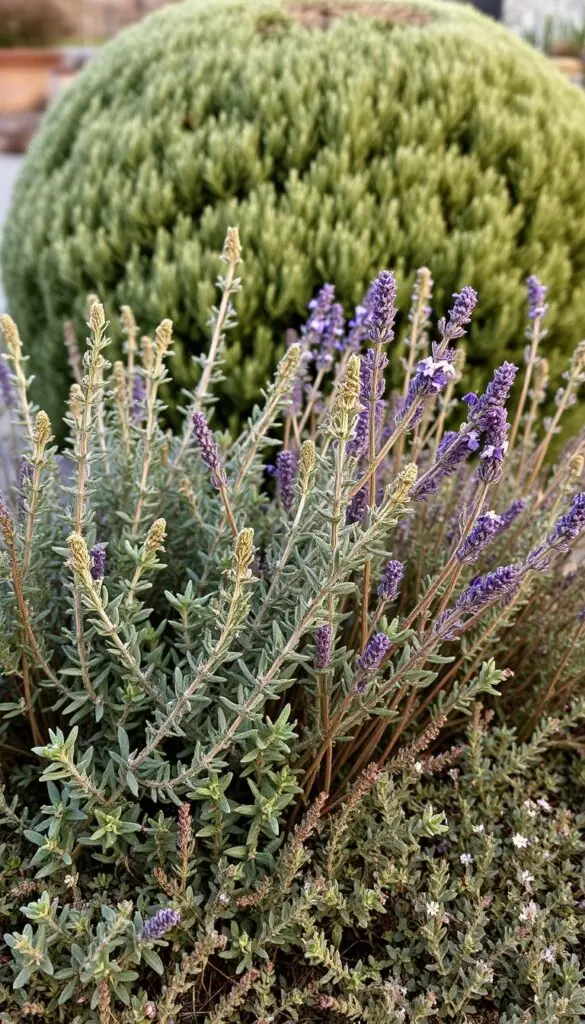
Lavender and rosemary: deadhead and shape, avoid cutting into old wood
With lavender and rosemary, snip spent flowerheads and remove clearly dead stems. Shape each shrub slightly rounded or conical to help heavy snow slide off.
Avoid cutting into old wood—that can spur weak shoots that won't survive winter. Light shaping now keeps the plant compact and helps it maintain shape without forcing new growth.
Savory, oregano, and marjoram: tidy to make room for new shoots
Trim savory by about one-third to two-thirds of this year’s growth. Leave enough mass to shelter the crown through cold spells.
For oregano and marjoram, cut away the tired canopy to the base when it looks worn. New shoots often appear low, so this small reset gives them room to emerge.
- Snip lightly—focus on spent blooms and dead stems.
- Keep cuts clean and minimal to maintain airflow and plant health.
- If seedheads feed birds, you can wait until early spring before a final tidy.
"A gentle hand now saves hard work later—small edits protect crowns and keep herbs cheerful."
These small moves help your aromatic plants stay neat and healthy. Think of this as simple care, not heavy pruning, so each herb greets spring strong.
Summer-fruiting berries: smart cuts for juicier harvests next year
Give your berry rows a focused tidy that rewards you with bigger, healthier fruit next summer. Summer-fruiting raspberries and blackberries ripen on last year’s canes, so a clear plan helps you know what to remove and what to keep.

- Look for the darker, woody canes that bore this year’s fruit — these are the two-year stems. Cut them right at the base to free space for new growth.
- Spot the greener, fresher canes: those are next year’s fruiting wood. Keep the healthiest ones about pencil-thick or thicker.
Thin crowded new canes so air and light reach the center. Remove weak, spindly, or crossing stems to reduce disease and improve berry size.
Work methodically along each clump. Tie the remaining canes neatly to supports so winter winds don’t whip bark and cause damage.
Why this helps: A small, regular cut back of spent canes focuses plant energy on vigorous wood. The result is simpler care now and plumper, juicier berries the next year.
Currants and blueberries: pruning during dormancy
Dormant season is the quiet time to shape fruiting bushes with simple, clear cuts. Wait until dormancy sets in—often from November through March—so stems are easy to read and you won't spur tender growth.
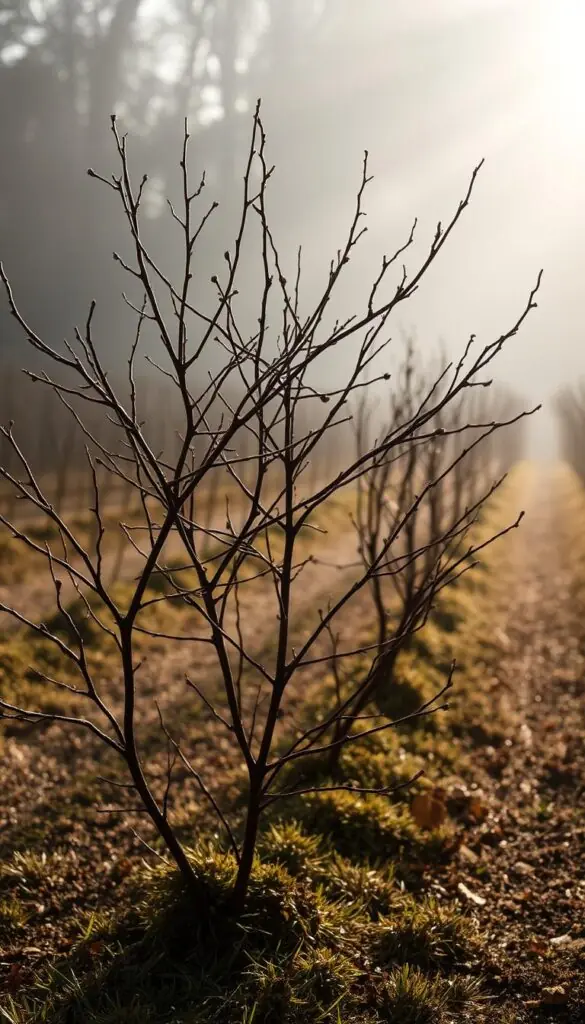
Blackcurrants: remove roughly one-third of the oldest, darkest stems at the base. Choose thick, dark canes that look woody and worn; cut them out to let younger shoots fill the space.
Red and white currents care
On red and white currants, take out branches older than three years. These limbs are usually thicker and duller than younger wood.
Tip side-shoots back to two buds to encourage tidy, vigorous short spurs that set the best fruit next season.
Blueberry basics
Open the center of the bush by removing weak, crossing, or dead wood. Productivity peaks on stems around two to three years; gently remove older branches past that peak.
Finish by clearing any dead or disease-marked pieces so the plant stays healthy through winter.
- Wait for dormancy (often November) before you start.
- Use color and thickness as visual cues for age and vigor.
- Work slowly so you keep a balanced framework of branches.
- Regular, gentle cuts each winter support steady fruit and easier harvests.
| Plant | When | Action | Why |
|---|---|---|---|
| Blackcurrant | Dormancy (Nov–Mar) | Remove ~1/3 oldest dark stems at base | Encourages young, productive shoots |
| Red & White Currant | Dormancy | Remove wood older than 3 years; tip side-shoots to 2 buds | Keeps bush neat and fruiting spurs healthy |
| Blueberry | Dormancy | Thin center; remove old or crossing stems | Improves light, air, and fruit set on best-age wood |
Steady, yearly attention during dormancy makes fruiting easier and more reliable each spring.
Hydrangeas on new wood, magnolias, and gardenias
Let’s tune how and when you shape these showy shrubs so they reward you with full, lasting blooms. A calm, small edit now helps without risking next spring’s display.

Smooth and panicle hydrangeas
Smooth (H. arborescens) and panicle (H. paniculata) hydrangeas set their flower on new growth. Deadhead spent heads and lightly refine shape in the fall.
Save harder cuts until late winter or early spring. Then you can reduce up to a third to encourage strong, tidy shoots without losing next season’s flowers.
Southern magnolia and gardenia care
With southern magnolia and gardenia, wait until blooms fade before you touch them. Avoid winter cuts that can cause sap bleed and stress young wood.
Keep tree work conservative. Remove only damaged or wayward pieces and step back often to preserve natural form and healthy buds for spring.
"Correct timing means more reliable blooms and a healthier rhythm for these fragrant, beautiful plants."
Roses: gentle fall trimming to prevent wind rock
A light, careful trim now will steady roses through winter winds without risking spring blooms.

In exposed sites, shorten long stems by about one-third to one-half after flowering. This helps prevent wind rock that can loosen the root ball and stress the plant.
Keep work minimal now and save major shaping for early spring when plants are fully dormant. Most varieties do best with only a light tidy now.
- Gently remove obviously damaged or rubbing canes.
- Clear fallen leaves and debris to limit disease carryover into winter.
- Note: Knock Out roses tolerate about a one-third reduction in the fall because they bloom on new growth.
- Finish by mulching the base to cushion roots and keep soil evenly moist through cold weather.
| Task | Timing | Reason |
|---|---|---|
| Shorten long stems | After flowering (now) | Reduces wind rock and root disturbance |
| Remove damaged/rubbing canes | Now | Improves air flow and lowers disease risk |
| Major shaping | Late winter / early spring | Best time for structural pruning and shaping |
| Mulch base | Before winter | Protects roots and maintains even moisture |
"A gentle tidy now protects roses through stormy months and lets you plan stronger cuts when dormancy arrives."
Suckers and crossed branches: a quick fall cleanup for shrubs and trees
A few decisive cuts at the root or collar can clear energy-sapping shoots and restore a plant’s shape in minutes. This short time pays off with healthier growth and less work later.
Where to cut suckers at the point of origin
Scan for thin shoots rising from the base or roots. Trace each sucker back to its true origin and cut it cleanly at that point.
Dig an inch or two if you must to find the collar on dogwood, lilac, and fruit trees. Cutting at the origin prevents regrowth and stops those shoots from stealing energy.
Why removing rubbing branches prevents disease
Look for crossing or rubbing limbs that chafe bark. Friction wounds invite infection and pests.
Remove the less healthy or awkward branch so the remaining framework is open and strong. Keep cuts smooth and stub-free so the plant seals rapidly.
- Scan for shoots at the base and thin root growth.
- Trace and cut at the origin, digging if needed.
- Remove rubbing branches to avoid wounds that invite disease and removing dead material.
- Work decisively—minutes now save hours later.
"A small, steady cleanup keeps shrubs and trees calm, neat, and ready for the season ahead."
Elderberry and grapes: productive cuts for the years ahead
A little seasonal shaping on elderberry and grapevines gives you reachable clusters and simpler care in future years. These vigorous growers respond well to calm, repeatable edits that keep canopies low and frameworks clear.
Elderberry: thin congested growth and lower the fruiting canopy
On elderberry, you can work in either autumn or during dormancy. Remove congested, crossing shoots and cut about a quarter to a third from some older branches.
Lowering the fruiting canopy makes berries easier to harvest and keeps stems from tangling. Remove intersecting branches to improve airflow and light, which helps fruit set and reduces disease.
Grapevines: prune during dormancy; reduce side shoots to two–three buds
Wait until dormancy—often beginning in November or into late winter—before you begin pruning. Start by removing diseased or damaged stems at their origin.
Shorten side shoots along the main canes to two or three strong buds. This focused work directs energy into productive new shoots and avoids a jumble of weak stems next season.
- Keep frameworks simple: repeatable cuts make annual care quick and predictable.
- Thin interiors: improve airflow and lower pest pressure.
- Train lower: lower fruiting branches so harvests are easy on your back.
"Small, steady edits now set the stage for generous, manageable harvests in the years ahead."
fall pruning
Small, steady edits at the right time keep plants healthy without risking new, tender growth.
Think of fall pruning as a calm reset: a little cleaning, a bit of shaping, and choices about what to leave for winter habitat.
Focus now on sanitation cuts for disease-prone perennials, light shaping of new-wood hydrangeas and woody herbs, and removing spent canes on summer-fruiting berries.
- Bag diseased debris; compost healthy trimmings.
- Keep cuts minimal so you don’t spur tender shoots.
- If you’re unsure, wait—this season favors clarity and care over heavy edits.
Begin dormancy-timed work in November for select fruiting shrubs and vines. These small steps reduce disease and free energy for strong spring growth.
"A light hand now, with deeper structural work left for winter, helps plants rest and wake ready in spring."
| Focus | When | Action |
|---|---|---|
| Sanitation cuts | Now | Remove diseased foliage; bag and discard |
| New-wood shrubs | Lightly now | Deadhead and shape, avoid cutting old wood |
| Summer-fruiting canes | After harvest | Cut spent canes to the base |
| Fruit shrubs/vines | Dormancy (Nov+) | Do structural thinning during dormancy |
Wildlife-friendly choices and what to leave for spring
A quiet winter garden can be a refuge for critters if you leave a few thoughtful structures standing.
Seedheads and hollow stems act like little apartments for beneficial insects and spiders. Birds also use seeds as a food source when snow covers other options.
Seedheads and hollow stems as winter habitat
Leave sturdy seedheads from asters and other perennials. Aim to keep about six inches of clean aster stems to hold insects and shelter small creatures.
Oregano and similar herbs can feed birds if you let seedheads remain until spring. Only clear stems that are diseased or looking dangerously floppy.
Mulch, compost, and leaf cover to protect crowns in cold snaps
Tuck crowns in with a soft blanket of compost and dry leaves. For tender tubers like dahlias and cannas, mulch in place where your climate allows in-ground overwintering.
Clear away any infected foliage, but save the tidy, dry structure that supports wildlife. In early spring you can gently tidy what you held back and reveal fresh shoots.
- Leave sturdy seedheads and hollow stems for shelter and food.
- Keep a few inches of clean aster stems for insect habitat.
- Mulch crowns with compost and leaves to guard tender tubers.
- Remove only diseased or dangerously floppy material.
- Gently tidy saved stems in spring when new growth appears.
| Choice | Why | When to adjust |
|---|---|---|
| Keep seedheads (asters, oregano) | Shelter insects; feed birds | Trim in early spring after thaw |
| Retain hollow stems | Overwinter nesting sites for beneficial bugs | Cut back when new shoots appear |
| Mulch crowns (dahlias, cannas) | Protect tubers from deep freeze | Apply before hard winter cold |
| Remove diseased debris | Limits disease carryover | Do immediately during cool weather |
"This balance—careful pruning, preserved habitat, and cozy mulch—keeps your garden both kind and beautiful all year."
Conclusion
Close the season with small, steady steps that protect crowns now and reward you next year.
A gentle fall routine — disease reduction for perennials, light shaping on shrubs, cane care for berries, and dormancy work for fruiting woody plants — sets up easier care in the coming year.
Your beds can rest mulched and peaceful while roots and buds quietly gather strength for spring. You focused on what mattered: healthy shapes, less disease, and leaving deep decisions for the right time.
With calm attention now, you’ll see clean growth and fuller blooms next year. Trust the rhythm, take one small step at a time, and remember: you’ve got this.
FAQ
How do I prune perennials in autumn without encouraging tender new growth?
Cut back foliage after the first hard frost removes color, leaving a short crown for plants that won’t sprout again until spring. Avoid heavy cutting on warm days that could trigger fresh shoots. For clumping types, remove only dead tops and thin crowded centers to keep plants healthy into winter.
What does a gentle plan for your garden do for next year’s growth?
A light tidy reduces disease and improves air circulation, so stems and buds survive winter better. Keeping any remaining structure helps protect crown buds and provides habitat for beneficial insects. The goal is to balance cleanliness with leaving enough cover for resilience.
When is tidying enough and when should I cut plants back hard?
Tidy when foliage is healthy but messy; cut back hard when plants show disease, dieback, or if dead wood risks pests. Also reduce size if stems flop and smother neighbors. If a plant blooms on new wood, you can wait until late winter for major shaping.
Which tools should I use and how do I stay safe?
Use sharp bypass pruners, loppers for thicker stems, and a pruning saw for large branches. Keep blades clean and wear gloves and eye protection. Clean cuts heal faster and lower disease risk.
When should I bag diseased foliage versus composting healthy material?
Bag and dispose of leaves with powdery mildew, rust, or blight to prevent spores from overwintering. Healthy, disease-free material can go into the compost or be shredded into mulch once dry and pest-free.
How do I make clean cuts that help plants heal?
Cut at a slight angle just above a bud or lateral branch. Remove any jagged edges and thin crowded stems back to a healthy union. Sterilize tools between plants when disease is present to avoid spreading pathogens.
How should timing change by climate — now, late season, or early spring?
In mild zones, do most tidying after the first frost. In colder areas, wait until plants are fully dormant to avoid damage. Save major structural pruning for late winter or early spring when dormant buds are visible and you can see the plant’s shape.
Is frost a good cue for what to cut after a first cold snap?
Yes. Frost-killed foliage can be removed to tidy beds and reduce disease. But delay heavy shaping until dormancy to avoid encouraging vulnerable new shoots during warm pockets.
What tasks can I safely save for late winter or early spring?
Leave major thinning, cutting back of shrubs that bloom on new wood, and any hard pruning that shapes size for late winter. That timing minimizes winter injury and shows which canes or branches to remove.
How do I prune to prevent breakage from heavy snow and wind?
Remove dead and weak branches and open the canopy to reduce snow load. Shorten long, floppy stems and thin crowded growth so wind passes through; that reduces the chance of breakage and winter damage.
How do I avoid stimulating tender new growth before cold weather?
Keep cuts minimal on warm days and don’t fertilize late in the season. Focus on removing dead and diseased material rather than shearing live wood that would otherwise send out soft shoots.
What should be removed first: dead, diseased, or damaged branches?
Remove diseased and dead material first, then damaged branches. This both limits pathogen spread and improves airflow around healthy stems, helping the rest of the plant overwinter safely.
How can pruning maintain shape, improve air flow, and protect buds?
Thin crowded centers and open the canopy to increase light and circulation. Cut back crossing branches and tuck in long shoots that could rub. Preserve winter buds by avoiding deep cuts near the crown.
Which perennials should be cut back now to reduce disease pressure?
Remove and dispose of peony foliage to limit mildew and blight, trim hosta leaves if slimy or infested, and cut back iris and blackberry lily foliage that hides borers. For aster and daylily stems that flop, tidy the bed and leave a few clean stems for birds if possible.
How should I treat peonies and other plants prone to powdery mildew?
Cut peonies to within an inch or two of the ground and remove leaves showing mildew. For geraniums and aquilegia with visible powdery mildew, remove affected foliage and discard; sterilize tools afterward.
What’s the right approach for woody herbs like lavender and rosemary?
Lightly deadhead and shape to maintain a neat form, avoiding cutting into old, woody growth where new shoots struggle to sprout. Save any harder reshaping for early spring on healthy wood.
How should I trim savory, oregano, and marjoram?
Trim back this season’s growth to keep plants compact and to encourage fresh shoots next year. Remove any diseased or frost-damaged tips and leave some structure for winter protection.
How do I prune summer-fruiting berries for a better harvest?
Remove spent two-year-old canes of raspberries and blackberries at the base; thin crowded new canes and keep the strongest, pencil-thick stems to focus the plant’s energy on next year’s fruit.
What’s the best way to handle currants and blueberries during dormancy?
For blackcurrants, take out a third of the oldest, darkest wood. For red and white currants, remove wood older than three years and tip side shoots to two buds. For blueberries, open the center and remove weak stems that are past peak fruiting.
When should I prune hydrangeas, magnolias, and gardenias?
Smooth and panicle hydrangeas can be trimmed now for neatness, but save harder cuts for late winter. Prune southern magnolia and gardenia after blooming to avoid winter bleeding and to retain spring buds.
How should I give roses a gentle trim to prevent wind rock?
Shorten long canes slightly and remove any diseased wood. Avoid heavy pruning that reduces weight near the base; instead, secure canes and leave enough structure to stabilize the plant through winter storms.
Where do I cut suckers and why remove crossed branches?
Cut suckers at their point of origin at the root or trunk base to stop energy loss. Remove crossed or rubbing branches to prevent wounds that invite disease and pests.
How do I prune elderberry and grape vines for long-term productivity?
Thin elderberry growth and lower the fruiting canopy for easier harvest and stronger wood. Prune grapevines in dormancy, reducing side shoots to two or three buds to concentrate vigor where you want fruit next season.
What should I leave for wildlife and how can mulch help plants over winter?
Leave some seedheads and hollow stems for birds and beneficial insects. Add mulch, compost, or leaf cover around crowns to moderate temperature swings and protect roots during cold snaps.