Imagine the cool air, a basket of crisp greens, and a small patch of soil warmed by late sun. Do you want a calm, reliable way to keep your kitchen full as days shorten?
Plan early and pick crops that love cooler weather. Choose varieties that mature in 60–90 days and sow from August to early September. This gives you a peaceful, abundant stretch during the cool growing season.
Start with three to five favorites—crisp carrots, buttery lettuce, sturdy kale, or tender broccoli—and sketch simple rows or containers in your garden. Water when the top inch feels dry and feed monthly with an organic vegetable fertilizer.
Most cool-season plants keep growing until soil temps drop near 55°F. If you want extra time, build a lightweight hoop house covered with thick clear plastic to soften night chills. Save a few seeds as you gain confidence and expand slowly.
Key Takeaways
- Pick cool-loving crops that mature in 60–90 days.
- Sow in late summer to start a strong autumn harvest.
- Keep care simple: water when dry and feed monthly.
- Protect late plants with an easy hoop house for extra time.
- Start small—beds or containers can be very productive.
Set Your Fall Garden Up for Success: Timing, Beds, and a Simple Plan
Mark the date of your first frost, then count back to set gentle sowing windows. This gives you a clear schedule and takes the guesswork out of planting.
Start small. Jot sowing dates on a calendar: carrots about 10–12 weeks, cauliflower transplants 8 weeks, and quick greens like spinach near 6 weeks before frost. Group crops by how long they need so you can plant in calm waves.
Ready the beds and soil
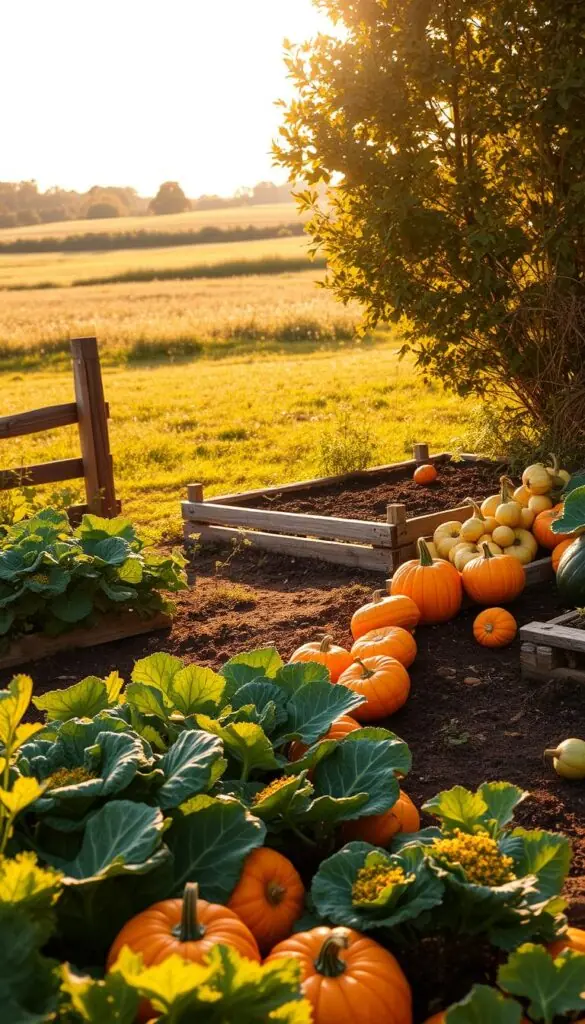
Clear spent roots and debris so new seedlings don't compete. Loosen the top few inches with a fork to improve drainage and root growth. A light refresh often gives a big boost.
Smart placement and small wins
Notice where you get soft afternoon shade. Leafy greens and tender transplants like a cool break from late heat.
| Task | When | Why it helps |
|---|---|---|
| Check first frost | Now | Sets your sowing time and reduces rush |
| Clear beds | As summer winds down | Removes competition and pests |
| Loosen soil | Before planting | Improves drainage and roots |
| Group crops | Plan stage | Plants mature in waves for steady harvest |
- Check leftover seeds from spring; test a few to confirm viability.
- Add herbs like oregano or parsley at bed edges; contain mint in pots.
- Set a simple watering plan: water when the top inch dries.
Give yourself grace. A cleared bed, a marked date, or a sketched layout are real wins. With small steps, your season will feel calm and productive.
Top fall vegetables to plant for a flavorful, steady harvest
See your garden shift into a steady rhythm of cool-weather greens and roots. Choose a mix you love so each bed gives you a little dinner-ready bounty every week.
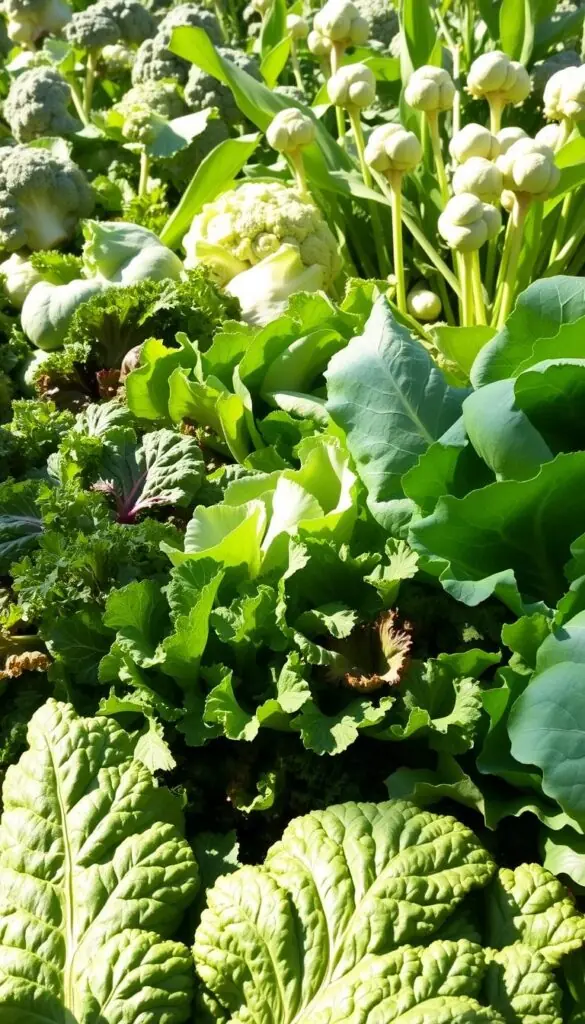
Leafy greens — sow spinach about six weeks before first frost, tuck in arugula in late summer, and scatter lettuce mixes for frequent snips. Kale stands up to chilly nights and often tastes sweeter after a frost.
Roots — plant carrots 10–12 weeks before frost so they size up in cool soil. Start beets in late summer with a bit of shade at planting, and add radishes or turnips for fast, crunchy rewards.
Brassicas — direct-sow broccoli mid-summer or set seedlings in late summer; put in cauliflower starts about eight weeks before frost and protect them from lingering heat. Add cabbage for slaws and warm sautés, and sow Brussels sprouts mid- to late summer to harvest from the bottom up.
Alliums and comfort crops — stagger scallions and green onions from late August for tender picks. Plant garlic about a month before first frost for a spring payoff. Slip in bush beans in early August and succession-plant for quick, late yields. If you plan long-term vines, remember pumpkins and winter squash need a long season, and a late zucchini may still fit where frost is late.
- Mix textures and colors for a lively harvest basket.
- Succession-plant fast crops to keep harvests steady.
- Tuck slow growers near quick pickings to make the most of space.
How to plant, care, and extend your growing season with ease
Give your beds a gentle routine so plants settle in and reward you all season.
Sow and transplant on time. Start mid to late summer so seedlings root in warm soil and are ready for cooler days. This timing helps steady growth and a reliable fall harvest.
Watering and feeding made simple. Use this cue: when the top inch of soil feels dry, give a deep soak. Feed monthly with an organic vegetable fertilizer to keep flavor and growth steady.
Shelter and steady temperatures
Offer afternoon shade for tender starts with a bit of cloth or taller plants. Build a small hoop house from flexible conduit and clear plastic to hold gentle overnight warmth and extend the season.
Stagger plantings and timely harvests
Plant small batches every 1–2 weeks for continuous greens and roots. Walk beds often and harvest in cool mornings. Pick ripe produce before a hard frost to enjoy peak flavor.
| Care task | When | How | Benefit |
|---|---|---|---|
| Sow/transplant | Mid–late summer | Root seedlings in warm soil | Steady growth into fall |
| Watering | As top inch dries | Deep, infrequent soak | Stronger roots, less splitting |
| Feeding | Monthly | Organic vegetable fertilizer | Better flavor and steady size |
| Protect | When nights cool | Hoop house or row cover | Extended season, fewer losses |
- Keep beds tidy: remove spent leaves and mulch paths.
- Mark garlic clearly so you don’t disturb its winter rest; it pays off in spring.
- Celebrate small wins—snips of fresh greens make busy days brighter.
Conclusion
A few steady steps now will give you a calm, abundant harvest through the cooler months.
Mark your calendar, clear a small bed, and sow or set transplants on time. With steady care, carrots, kale, broccoli, and cauliflower will reward you with weekly picks.
Use light covers when nights dip and harvest what’s ready before hard frosts. Add onions or cabbage for quick meals and squash for cozy roasts.
Planting garlic about a month before first frost gives you a spring gift—quiet cloves that wake early and taste wonderful. Keep notes, start small, and enjoy the simple rhythm. Your garden will repay the time with steady, tasty harvests.
FAQ
What are the best vegetables to plant in the cooler months?
Choose crops that tolerate cool weather and steady soils. Leafy greens like kale and lettuce, roots such as carrots and beets, and brassicas like broccoli and cabbage perform reliably. Alliums—scallions and garlic—also do well. For continuous harvests, include staggered sowings of spinach, arugula, and radishes.
When should I start planting to get a fall harvest?
Find your area's average first frost date, then count backward using each crop’s days-to-harvest. Sow quick crops—radishes and some lettuces—several weeks before frost. Start slower growers like broccoli and garlic earlier, often in mid to late summer for fall maturity. Local extension calendars can help fine-tune timing.
How do I prepare garden beds as summer ends?
Clear spent summer plants, loosen compacted soil, and add a couple inches of compost for nutrients. Create wide, shallow beds for roots and set up light afternoon shade for heat-sensitive greens. Good drainage and a tidy bed reduce pests and make planting easier.
Which root crops give the sweetest results for a fall harvest?
Carrots, beets, and turnips develop sweeter flavors as nights cool. Plant varieties labeled for fall or overwintering, thin seedlings so roots have room, and keep soil evenly moist to avoid splitting. Mulch lightly to moderate temperature swings.
How can I protect tender plants from early cold snaps?
Use row covers, cloches, or a simple hoop house to trap warmth and block wind. Floating row covers let light and water through while raising temperatures a few degrees—enough to extend harvest windows for lettuce and young brassicas.
What’s the easiest way to water and feed late-season crops?
Water when the top inch of soil feels dry, aiming for deep, infrequent soakings that encourage strong roots. Apply a balanced organic fertilizer or compost tea monthly. Avoid heavy nitrogen late in the season for crops meant to store, like carrots and cabbage.
Can I grow squash or pumpkins late in the season?
Yes, but plant heat-loving vines early enough to finish before frost. Winter squash and pumpkins need warm weeks to ripen fully; in cooler climates try fast-maturing varieties or protect vines with row covers during cool nights to lengthen the season.
How do I get a steady supply of greens through the season?
Stagger plantings every two to three weeks and use succession sowing for lettuce, arugula, and spinach. Plant in partial shade to slow bolting as temperatures drop or get hot. Harvest outer leaves regularly to encourage regrowth.
When should I plant garlic and onions for best results?
Plant garlic in late fall before the ground fully freezes so it establishes roots over winter and bulbs form in spring. Onions can be started from sets or seedlings in early fall in mild climates or very early spring elsewhere. Choose varieties suited to your day-length and chill hours.
How do I harvest and store brassicas for the longest shelf life?
Harvest broccoli and cauliflower when heads are firm and compact; pick cabbage when heads feel dense. Cool produce quickly after picking and store in a cool, humid spot—refrigerator drawers work well. Properly cured winter squash and pumpkins last months in a cool, dry place.