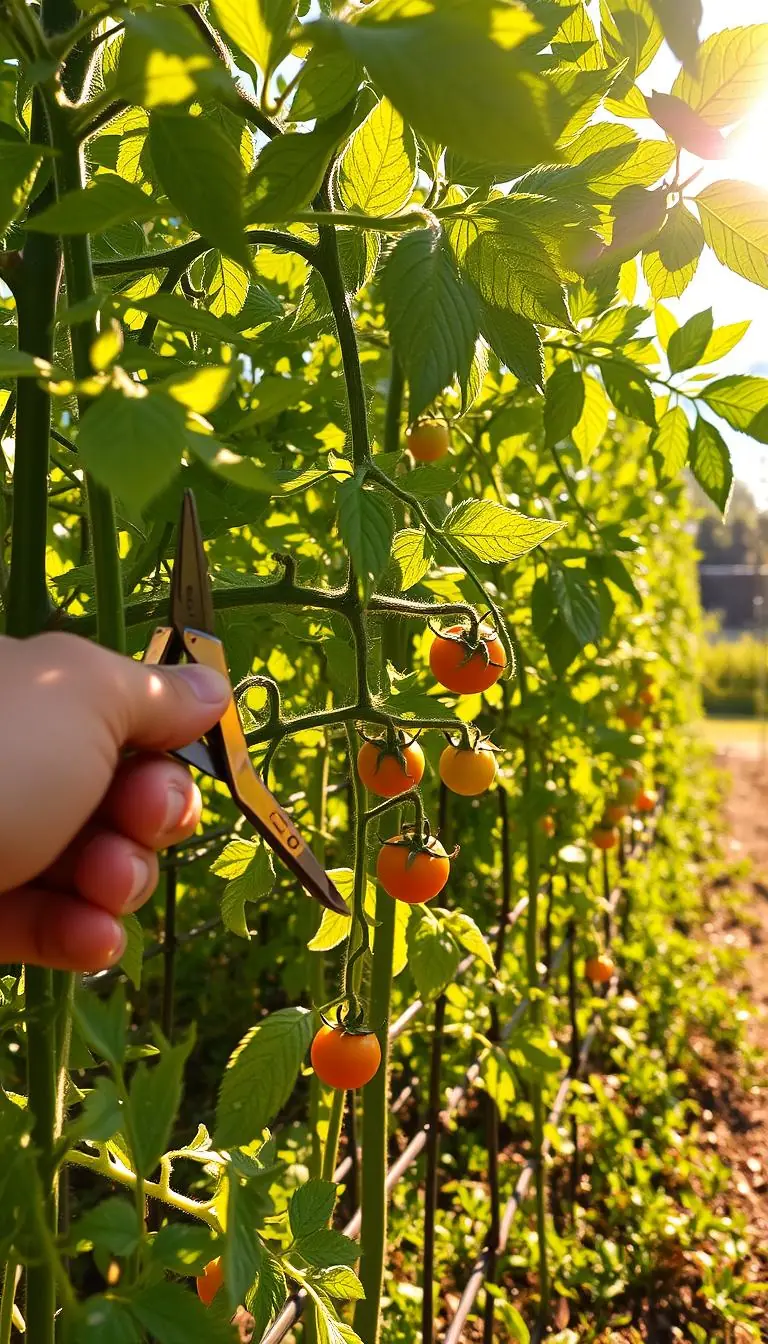
Warm sunlight on a cedar planter and the earthy scent of fresh compost can make you want to linger outdoors. Have you noticed flimsy plastic pots cracking after a season or a tangle of single-use ties in a shed?
You can keep a lush, easy-care garden while cutting plastic. In this short guide we offer clear, step-by-step choices—from swapping short-lived pots for wooden planters to using timed drip irrigation and sturdy pruners—that feel good in your hands and look beautiful in your beds.
Practical examples include cedar raised beds for zones 5–8, pollinator seed mixes for summer bloom, compost bins that replace plastic bags, and drip kits that save water in hot months. We point out common mistakes, like buying cheap containers or overwatering, and show simple fixes.
These suggestions help you choose durable products and tools, protect the environment, and support steady plant growth. You’ll get sensory cues—smooth cedar grain, the quiet click of quality pruners—and small routines that keep your space tidy and calm.
Key Takeaways
- Swap short-lived pots for longer-lasting planters like cedar or terracotta.
- Use timed drip irrigation and water-saving devices to reduce waste.
- Choose durable tools, compost bins, and storage to buy once and enjoy for years.
- Follow seasonal examples—raised beds in spring, seed mixes for summer, and winter tool care.
- Avoid common mistakes: flimsy containers, over-fertilizing, and late-day watering.
Why cutting plastic in the garden matters right now
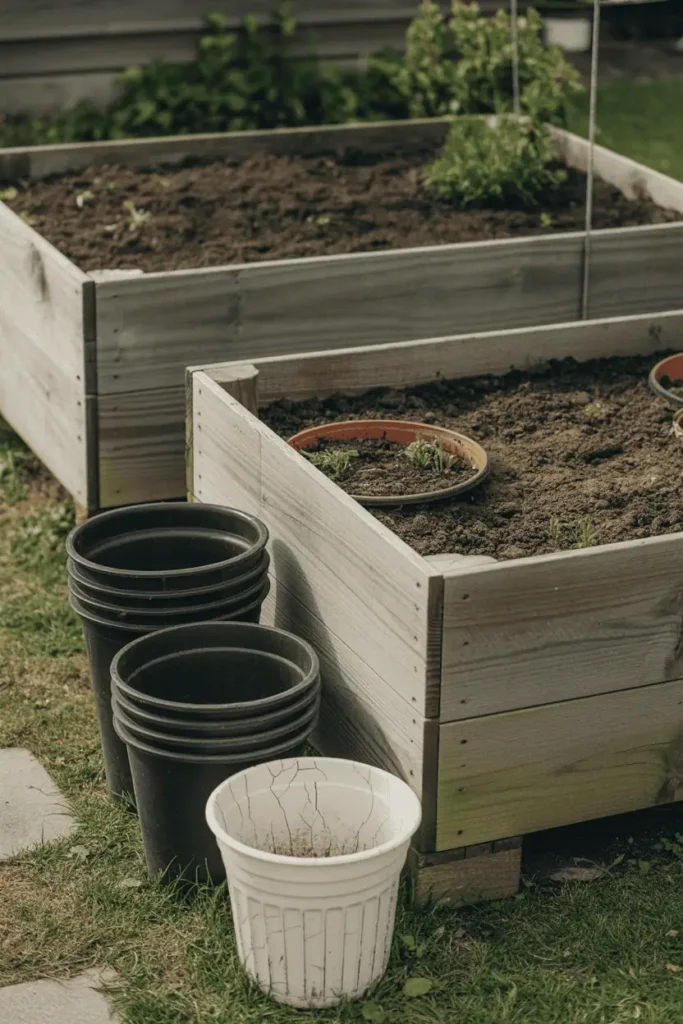
Start by spotting the everyday plastics that hide in plain sight around your beds and pots. A quick audit shows how seeds, soil, and water meet thin plastics that crack, fade, and shed tiny particles over time.
Where plastic sneaks in: seedling trays, pot liners, fertilizer bags, hose fittings, synthetic twine, and disposable labels. Sunlight and moisture weaken these items, sending fragments into soil where your plants grow.
How to do a fast plastic audit
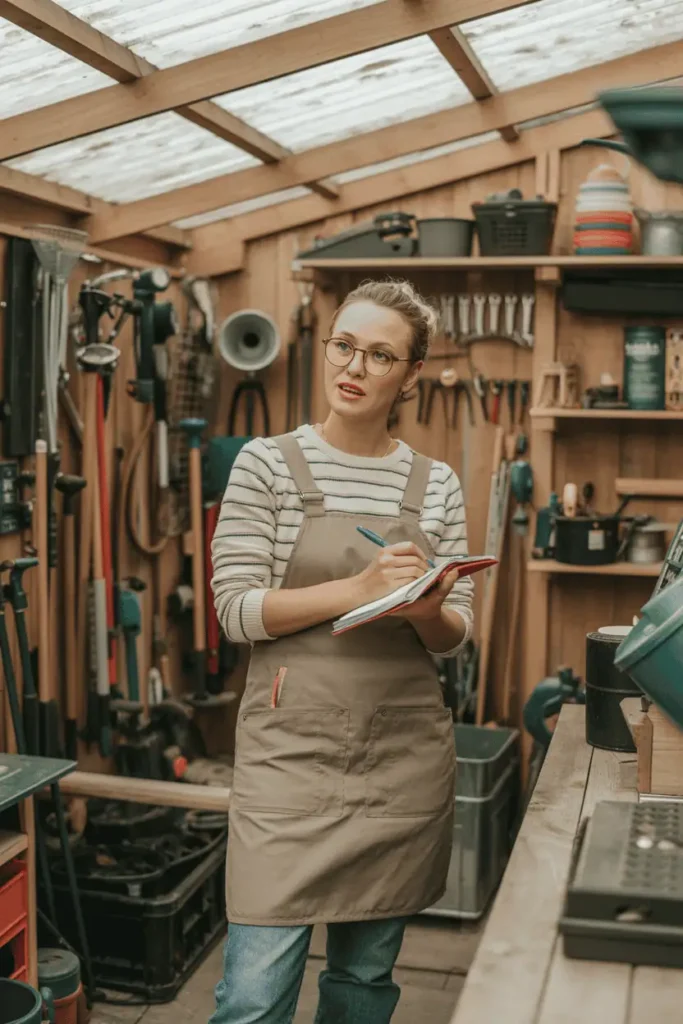
Walk each bed and storage area with a notebook. Mark brittle pots, torn soil bags, cracked tool handles, and single-use tags.
Pick one small swap per area. For example, trade flimsy pots for long-life planters, replace sealed hose fittings with repairable threads, and move bagged amendments to a home composter.
Shop smarter: practical tips for the gardener
- Prioritize items that touch soil and water: planters, raised beds, and watering systems.
- Choose tools with steel heads and wood or recycled handles—these feel solid and can be refinished.
- Look for replaceable parts, clear material specs, and warranties before buying.
"Set a simple number goal this season—replace five high‑impact plastic items—and track progress on a checklist."
Trust your senses: wood planters stay cool, quality tools feel balanced, and healthy soil smells sweet. These cues help you avoid cheap mistakes like oversized plastic pots that overheat roots.
Best eco garden supplies to buy today for a lower‑waste garden
Start with a shortlist of high-impact items that, when upgraded, cut waste and lift plant health. These picks focus on repairable parts, long life, and simple maintenance so your beds feel cared for year after year.
Hand tools and pruning
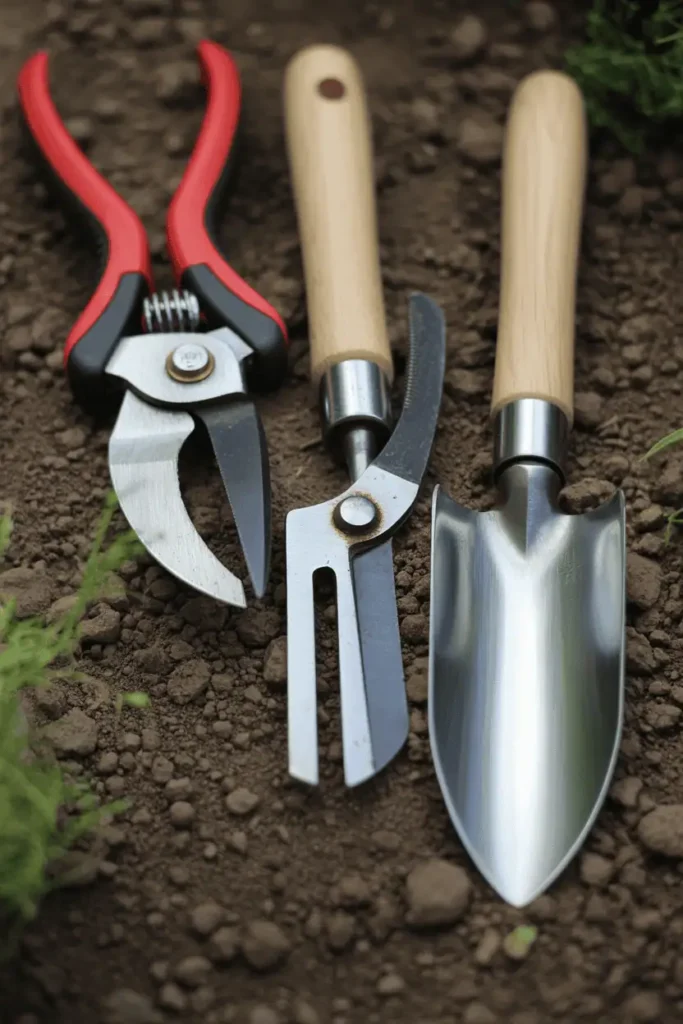
Pruning shears: choose bypass shears with forged steel blades and replaceable springs. Add a stainless hori-hori and a hand cultivator with ash or hickory handles that fit your palm.
Wipe sap with alcohol, oil pivots monthly, and sharpen at a 20–25° angle to keep cuts clean and tools lasting.
Soil, water, and planters
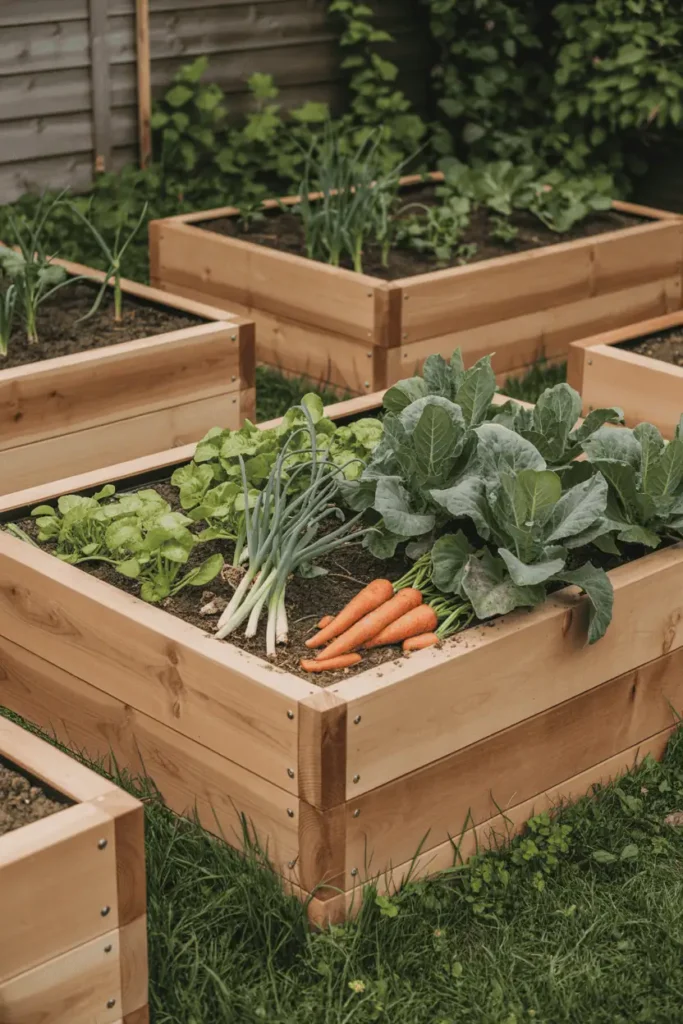
Use 1–2 inches of finished compost each spring and test pH with a digital soil kit before planting. For watering, run a 1/2-inch drip mainline with 0.5 gph emitters and a battery timer at dawn to save water and reduce disease.
Select 4x8 cedar beds (11–12" deep), galvanized metal frames, or recycled-composite planters to avoid heat buildup and frequent replacement.
- Seed options: microclover at 1–2 lbs/1,000 sq ft and pollinator mixes for continuous bloom.
- Lighting: warm-white (2700–3000K) solar or low-voltage LED with metal housings.
- Where to shop: local store at 800 Transfer Rd., Suite #3, St. Paul, MN 55114 (Mon–Sat 10–6; 651.647.1896).
"Choose products with parts, not landfill."
How to implement plastic-light gardening, season by season
A seasonal routine—measure, amend, mulch, and store—lets you reduce waste while supporting steady growth. Follow simple, measured steps each season to keep your space tidy and efficient.
Spring setup and planting
Sketch your plot and plan a 4x8 ft raised bed, or two 2x6 ft beds. Choose cedar or metal planters with minimal liners.
Add 1–2 inches of finished compost and run a digital soil test before planting. Tuck in cool-season plants like lettuce, peas, and kale.
Label with wood or metal markers and water at the base to settle roots without splashing soil.
Summer care and tool upkeep
Spread 2–3 inches of shredded leaves or arborist chips as mulch to hold moisture and lower light stress.
Install a timed drip irrigation kit and set it for dawn; check emitters weekly for clogs. This protects growth and saves water.
After each session, clean and dry your pruning shears, oil the pivot, and sand wooden handles—five minutes keeps tools reliable.
Fall harvest, compost, and storage
Use bypass pruners and sturdy garden bags to collect produce and spent vines. Chop disease‑free debris into the compost pile.
Balance browns and greens, turn when the pile cools, and keep moisture like a wrung‑out sponge so the pile smells earthy.
Store seeds and a small kit of spare parts in a weatherproof shed with labeled bins and a pegboard for tools.
Winter planning and sensory design
Evaluate beds, order seeds, and consider a small greenhouse kit or cold frame to start early greens.
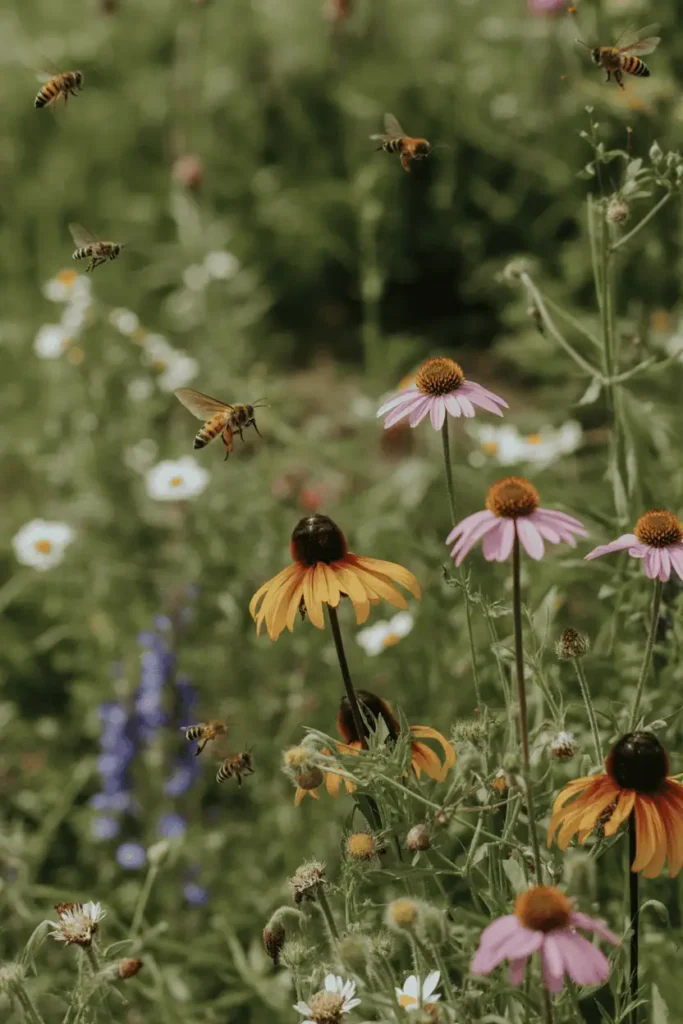
In zones 5–7, plant bee balm, lavender, and purple coneflower for scent, color, and texture. Group plants for movement and easy care.
"Keep it simple: a weekly walk‑through—touch mulch, feel soil moisture, check shears and drip lines—keeps your space calm and ready."
Common mistakes to avoid
- Avoid flimsy pots that crack in freeze–thaw; choose durable planters.
- Don't overuse fertilizer—follow soil test results to prevent root burn.
- Skip midday sprinklers; water at dawn and use timed solutions for consistent moisture.
Conclusion
A few mindful choices make daily care easier and bring more beauty to your beds.
Reduce plastic one step at a time: choose durable tools, set a simple watering routine, and add real compost. Pick one swap this week—an oak or cedar planter, a quality pair of shears, or a small composter—and notice how your work feels calmer.
When you buy, favor clear product specs and repairable parts. Support a trusted local store or a reputable online listing so your supplies last and your chores stay simple.
With steady seasonal steps, your gardening becomes lighter on waste, richer in texture, and wonderfully easy to maintain—calm, confident, and thriving.
FAQ
How can I start reducing plastic use in my gardening routine?
Begin small. Swap single-use plastic pots for long-life metal or natural wood planters and choose tools with steel heads and wooden or recycled handles. Use compostable seedling pots, buy soil amendments in bulk or paper bags, and store supplies in durable bins or a shed to cut disposable bags. These simple swaps save waste and improve the look and feel of your outdoor space.
Why does cutting plastic in the yard matter right now?
Plastic breaks down slowly, harms soil life, and can enter waterways through runoff. Reducing plastic protects pollinators, conserves soil health, and lowers long-term costs by favoring durable items that last. Choosing better materials—wood, metal, recycled-composite—helps your landscape thrive while supporting local ecosystems.
Where does plastic commonly hide in everyday gardening?
Plastic shows up in pots, plant bags, single-use fertilizer sacks, cheap tools, irrigation tubing, and storage containers. Even lighting fixtures and some hydroponic parts can contain lots of plastic. Spotting these items helps you shop smarter for alternatives that keep your outdoor space low-waste.
What are the best low-waste tools to buy now?
Look for pruning shears and hand tools with forged steel heads and wooden or recycled handles. Choose quality brands that offer replacement blades or sharpening services. A solid tool kit lasts years and reduces the need to replace flimsy plastic-handled items frequently.
How do I choose soil and fertilizer options that reduce waste?
Pick organic amendments and compost that come in paper or bulk options. Set up a backyard composter to close the loop on kitchen and yard waste. Digital soil test kits give precise data so you add only what your soil needs—cutting excess fertilizer and runoff.
What water-wise systems help conserve water and lower plastic use?
Install timed irrigation kits and micro‑irrigation hoses designed for longevity. Choose hoses with reinforced rubber or recycled-composite materials rather than thin PVC. Smart timers and drip lines save water and prevent the need for frequent replacement of cheap parts.
Which planters and raised beds are best for a lower-waste approach?
Natural wood and long-life metal raised beds are top choices. Recycled-composite planters give a plastic-free look with greater lifespan than thin plastic pots. For seedlings, use biodegradable pots or reusable trays that fit into a sturdy bench or shelf system.
Are there seed and lawn alternatives that support sustainability?
Yes. Choose pollinator mixes, native wildflower seeds, and microclover or low-mow turf substitutes for resilient, water-efficient groundcover. Buying seeds in paper packets or bulk reduces plastic packaging and supports biodiversity.
How should I handle storage and organization to avoid single-use plastics?
Invest in a weatherproof shed, durable storage bins, and canvas garden bags that you can reuse season after season. Label items clearly and keep tools dry and maintained to extend their life and reduce the need for replacements.
Can garden lighting and power choices reduce plastic waste?
Yes. Choose efficient LED lights with metal or glass housings and long service lives. Solar fixtures with replaceable batteries avoid excess wiring and plastic conduit. Prioritize products from brands with repair options or replaceable components.
Is indoor hydroponics a lower-waste option?
Hydroponics cuts soil-related mess and can boost yields, but check kit materials. Opt for systems with durable reservoirs and replaceable parts rather than single-use inserts. Reusable nutrient containers and careful recycling of plastic parts help keep waste down.
Where should I shop for durable, low-waste gardening products?
Shop local garden centers and independent nurseries for quality tools and natural materials. Online, look for reputable brands and marketplaces that list materials and repair policies. Buying locally reduces packaging and supports businesses that stand behind their products.
How do I set up a plastic-light garden in spring?
Measure beds, choose long-lasting planters, and amend soil with compost and organic nutrients. Start seedlings in biodegradable pots or reusable trays, and set up a durable irrigation plan to avoid quick-fix plastic solutions.
What summer care keeps tools and supplies long-lasting?
Mulch to reduce water needs, use smart watering to prevent waste, and clean and oil pruning shears after use. Proper maintenance prevents rust and wear, so you won’t need to replace tools often.
How should I handle fall harvest and storage to reduce waste?
Use garden bags made of canvas or recycled materials for harvests, and add plant waste to your composter. Store tools in a dry shed and replace worn parts rather than the whole tool whenever possible.
What winter tasks help me plan a low-waste year ahead?
Organize supplies, repair and sharpen tools, and choose seed varieties suited to your USDA zone. Consider greenhouse kits with sturdy frames and replaceable panels to extend your growing season without frequent plastic replacements.
How can I add sensory design without increasing plastic use?
Use native plants for rich textures, scented herbs, and seasonal color. Natural materials—stone, wood, and metal accents—create a layered, sunlit space that invites pollinators and lowers reliance on manufactured decor.
What are common mistakes that lead to more plastic waste?
Buying flimsy pots, over-fertilizing, and using cheap hoses are big ones. Also avoid single-season ornamental items and disposable decor. Investing in quality tools and thoughtful planning prevents frequent replacements and reduces waste over time.