There’s a certain kind of garden that feels easier the moment you step into it.
Nothing looks rushed. Nothing feels overly corrected. Plants lean where they want to lean. Edges blur instead of stopping abruptly. And somehow, the whole space feels calmer because of it.
Wilderkind gardens aren’t about neglect, and they’re not about chaos either. They sit somewhere in between — soft, untamed outdoor spaces that allow nature to take the lead while still feeling intentional and lived in.
This style speaks to gardeners who are tired of fighting their space. Who want beauty without constant adjustment. And who are starting to see the garden not as a project to manage, but as a place to be.
What “Wilderkind” Really Means in the Garden
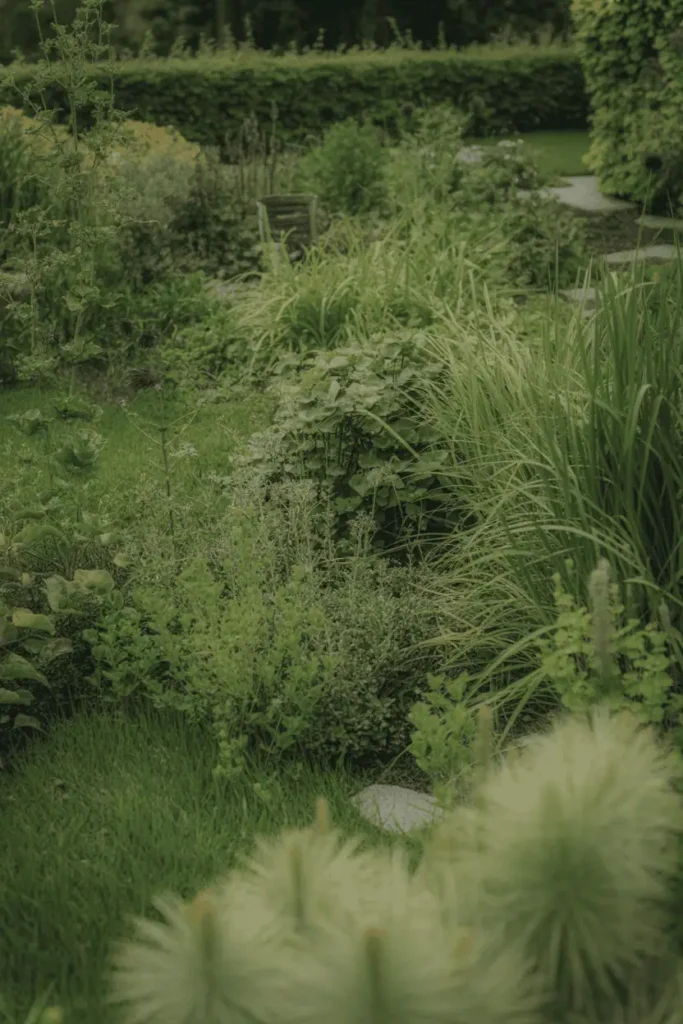
Wilderkind gardening isn’t a trend you need to follow perfectly. It’s more of a mindset.
At its core, it’s about:
- Letting plants grow a little more freely
- Designing with curves instead of strict lines
- Choosing layouts that soften over time, not sharpen
These gardens feel natural, but not accidental. There’s care behind them — just less control.
Instead of asking “How do I keep this in line?”
the question becomes:
“How can I work with what’s already happening here?”
That small shift changes everything.
The Feeling of a Wilderkind Garden
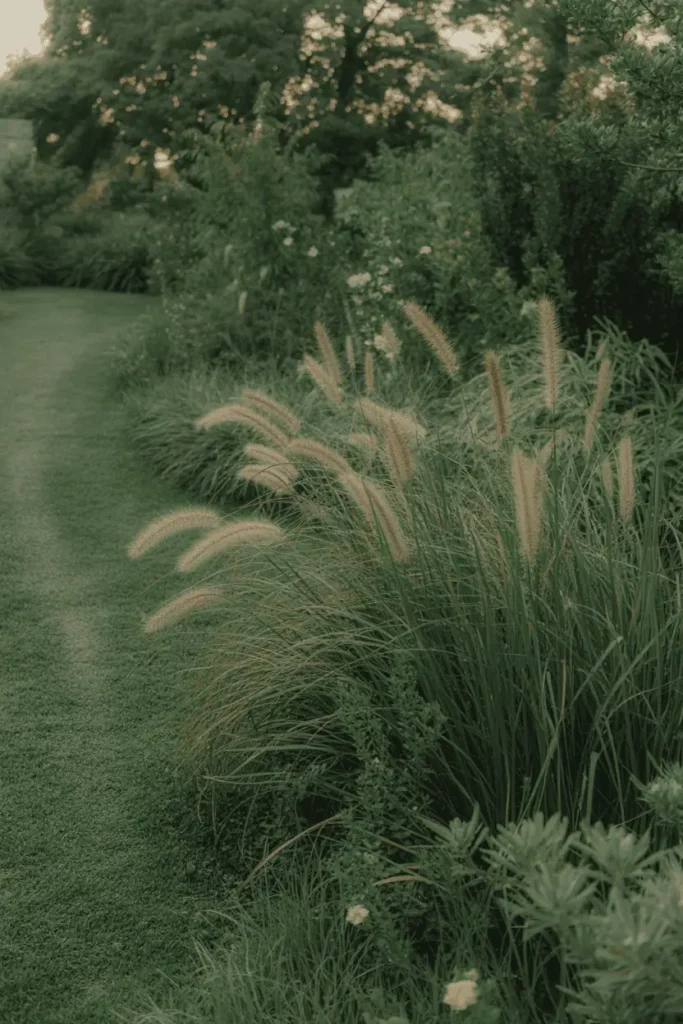
Before talking about plants or layouts, it helps to notice how these gardens feel.
You might notice:
- Movement from grasses and loose stems
- Borders that spill gently into paths
- Spaces that change slightly from season to season
Nothing is frozen in place. And that’s part of the comfort.
These gardens don’t punish you for stepping away for a week. They don’t unravel if you miss a task. They grow, adjust, and carry on.
For many people, that’s the appeal.
Designing Softer Layouts (Without Losing Structure)
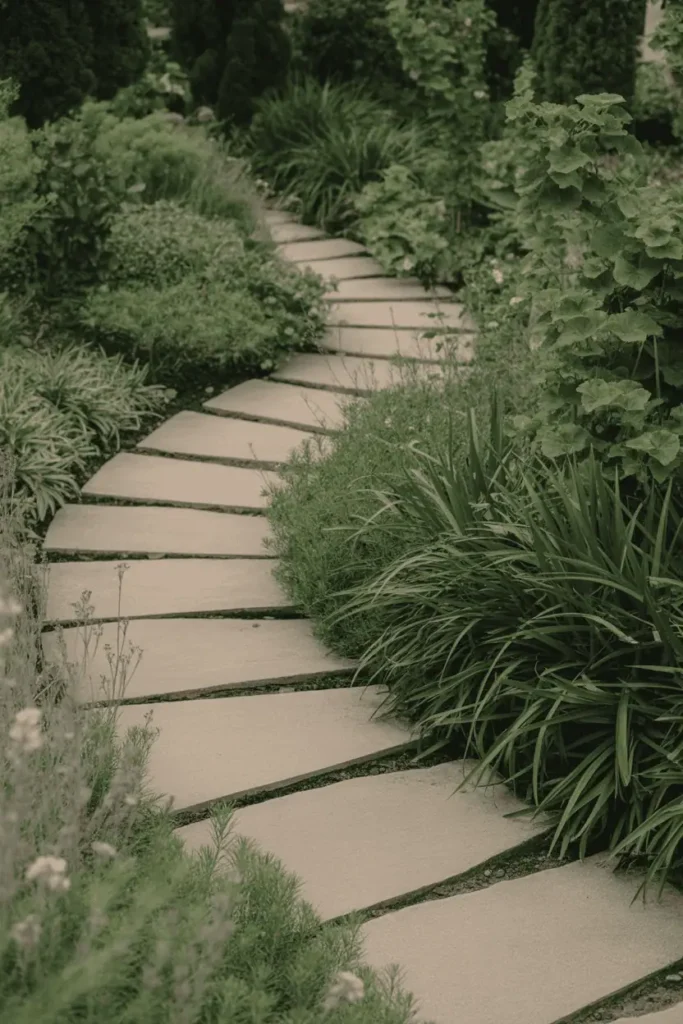
Wilderkind doesn’t mean removing all structure — it means softening it.
Instead of straight lines:
- Use curved paths that guide movement naturally
- Let beds widen and narrow instead of staying even
Instead of sharp edges:
- Allow plants to overlap slightly
- Use materials like gravel, mulch, or groundcover to blur boundaries
A good rule of thumb:
If something looks too perfect, it probably won’t stay that way — so design for flexibility instead.
Stone paths that accept a little moss. Beds that can expand. Spaces that adapt rather than resist.
Plant Choices That Support an Untamed Look
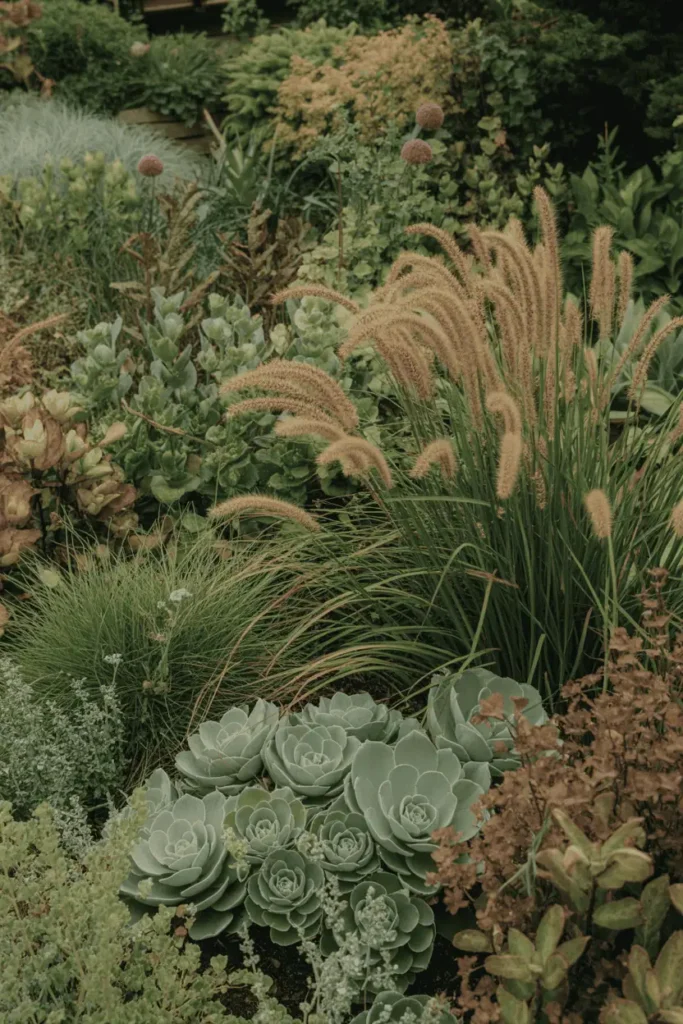
Plant selection matters, but not in a fussy way.
Wilderkind gardens rely on plants that are comfortable being themselves.
Look for plants that:
- Self-seed gently
- Tolerate variation in water and care
- Age gracefully rather than collapsing
Grasses, perennials, and naturalistic shrubs work especially well. They add movement, texture, and seasonal change without needing constant attention.
Instead of planting everything in neat rows, try:
- Grouping in loose clusters
- Mixing heights and textures
- Repeating a few plants rather than introducing too many
The goal isn’t abundance — it’s ease.
Letting Go of Constant Control
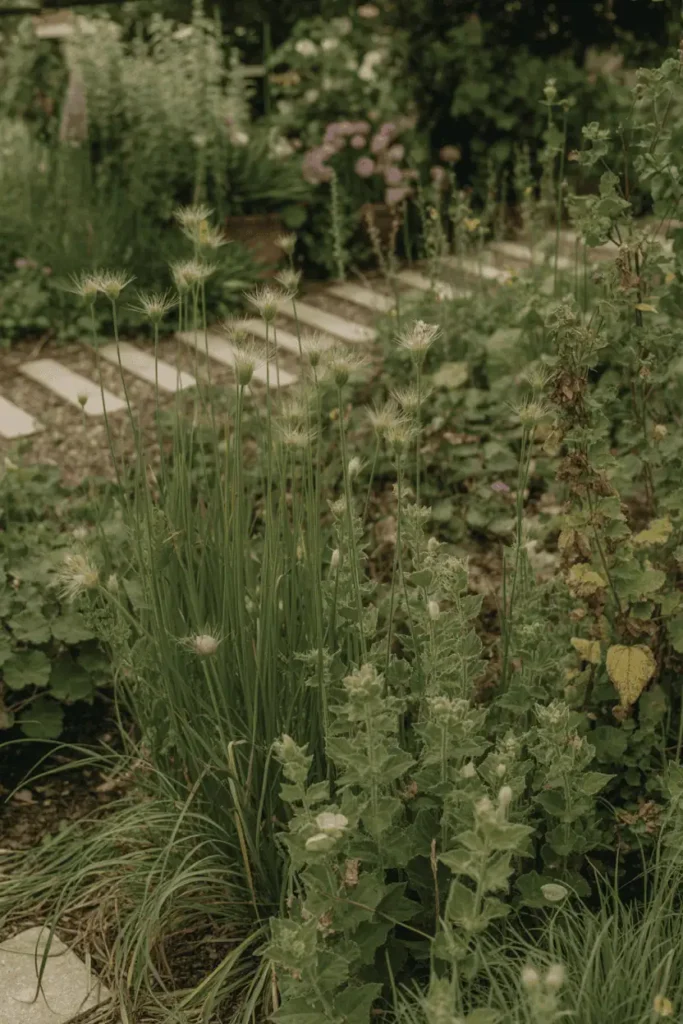
One of the hardest parts of wilderkind gardening isn’t design — it’s mindset.
It means:
- Not correcting every lean
- Not cutting everything back the moment it grows
- Allowing some plants to surprise you
At first, this can feel uncomfortable. Especially if you’re used to tidy borders and strict maintenance routines.
But over time, many gardeners notice something shift.
The garden stops asking for perfection.
And in return, it becomes more enjoyable to spend time in.
Small Changes That Make a Big Difference
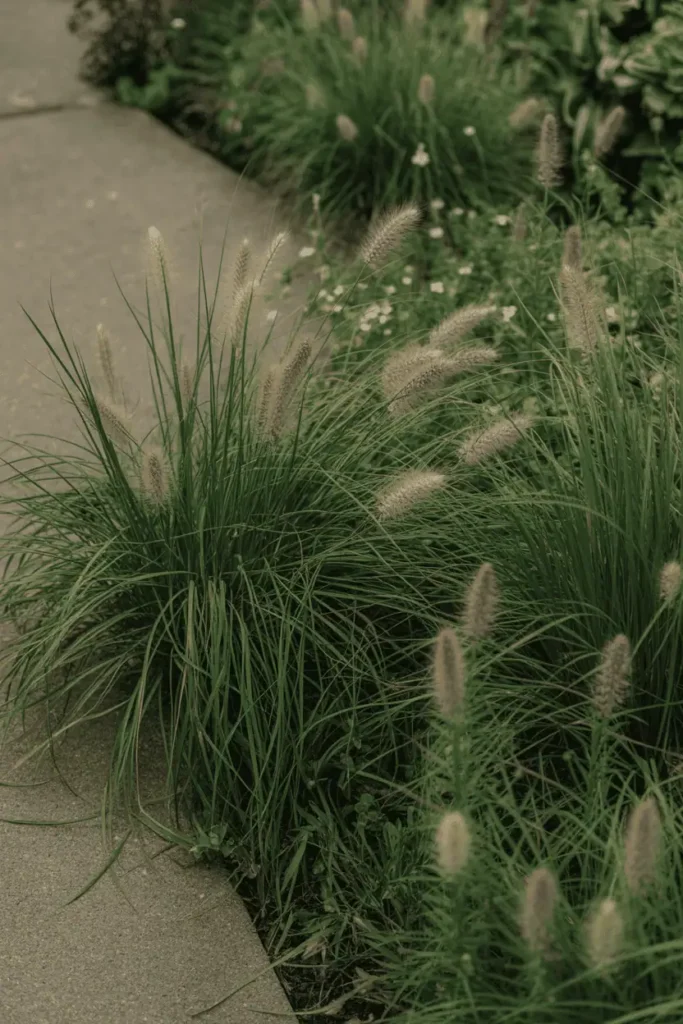
You don’t need to redesign your entire garden to move in this direction.
Try one small adjustment:
- Leave seed heads standing through the season
- Allow one border to grow a little looser
- Reduce edging in a low-traffic area
Observe what happens.
Often, these small choices are enough to change the mood of the space — and how you feel in it.
A Garden That Grows With You
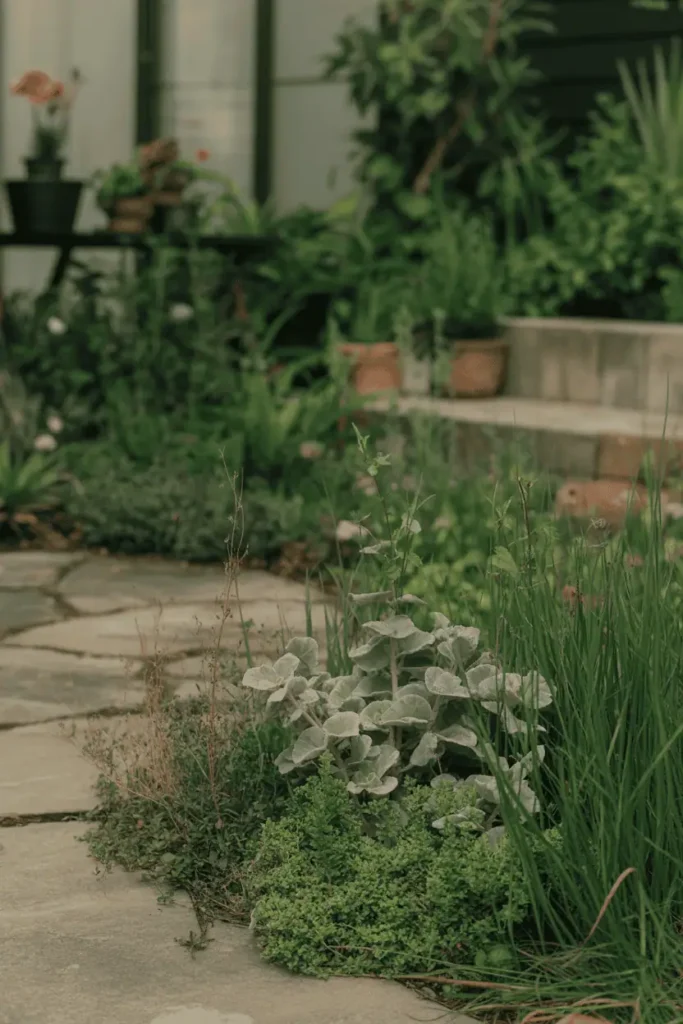
Wilderkind gardens aren’t finished all at once.
They evolve slowly.
They respond to weather, time, and attention.
They grow alongside the people who care for them.
And that’s what makes them feel so grounding.
Instead of asking the garden to perform, you let it live.
Instead of managing every detail, you allow space for softness.
In the end, a wilderkind garden isn’t about giving up control completely.
It’s about choosing connection over correction — and letting the outdoors feel a little more human.