Some gardens make you feel like you’re behind.
There’s always something to trim, straighten, improve, or redo. Even when they look beautiful, they can quietly add pressure — another place where things are never quite finished.
But there’s a different kind of garden that’s been quietly gaining ground.
One that feels softer. Slower. Less demanding. A space where nothing needs to be perfect to feel right.
Pinterest Predicts 2026 reflects this shift clearly. Across home, travel, and lifestyle, people are moving away from rigid aesthetics and toward spaces that feel calming, grounding, and emotionally supportive. In the garden, that change shows up not as a single style, but as a shared mindset.
Gardens are becoming places of refuge again.
Below are four nature-led garden directions shaping 2026 — not as trends to chase, but as ways of thinking about outdoor spaces that feel easier to live with and more meaningful to spend time in.
Wilderkind Gardens
Soft, untamed spaces that don’t need constant fixing
There’s a quiet relief in a garden that isn’t trying so hard.
No sharp edges to maintain.
No perfect lines to protect.
Nothing that falls apart if you skip a week.
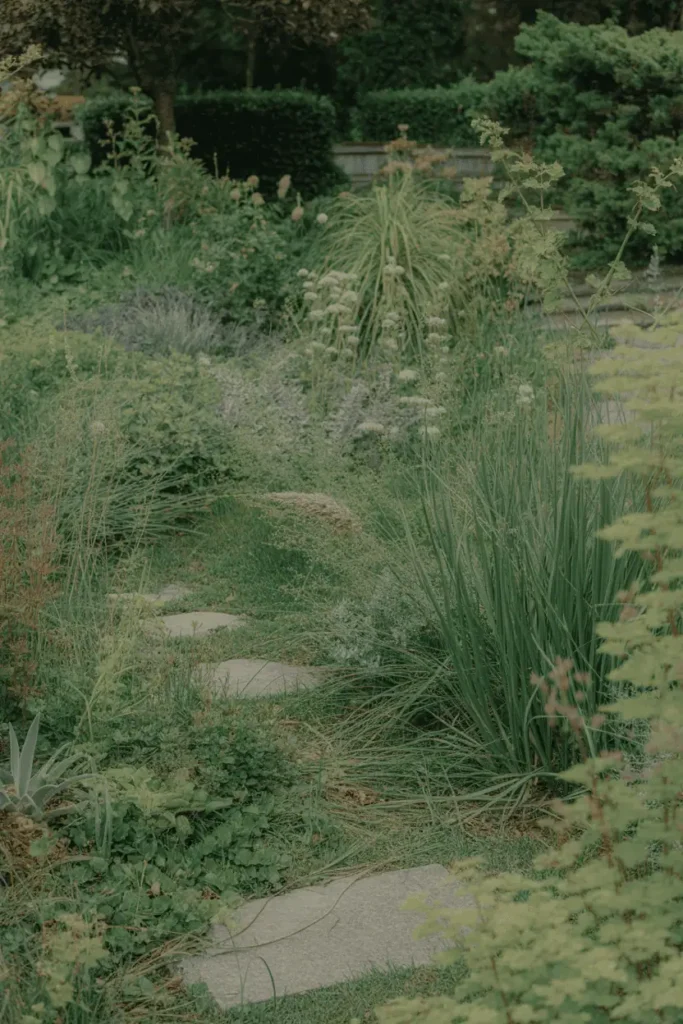
Wilderkind gardens grow in a way that feels natural and forgiving. Plants lean instead of standing at attention. Borders blur into paths. Grasses sway, seed heads linger, and growth feels guided rather than controlled.
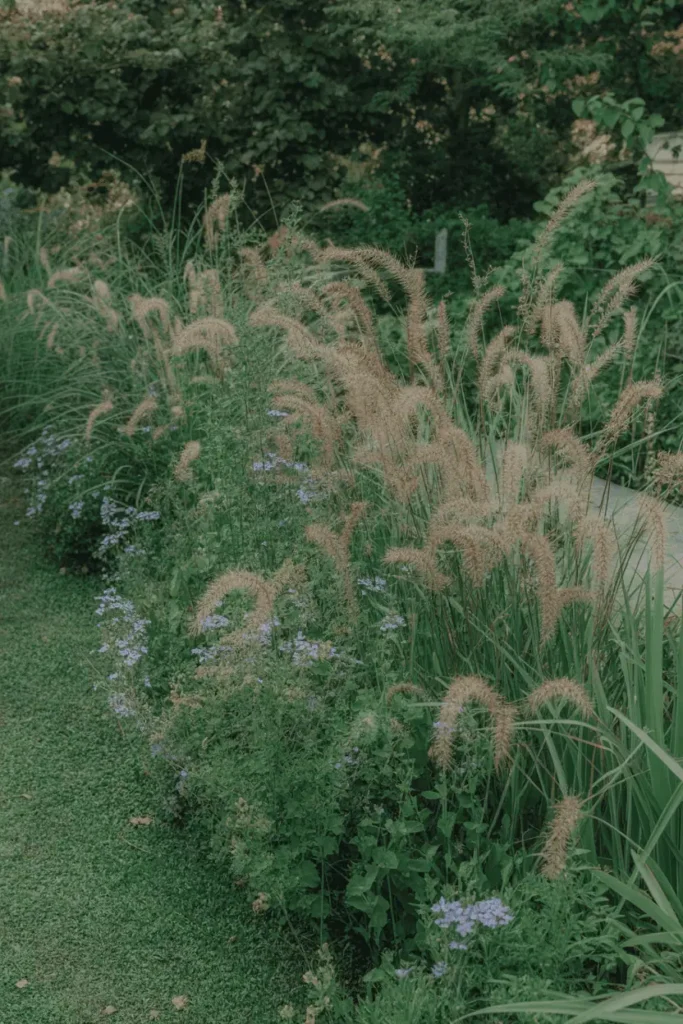
What you’ll notice in these gardens
- Paths that curve instead of running straight
- Plants that overlap and mingle
- Edges that feel soft, not defined
- Spaces that change gently with the seasons
Nothing looks rushed. And nothing feels fragile.
Why this approach feels different
For many people, this style removes pressure.
You’re no longer managing the garden — you’re sharing space with it.
Instead of asking, “What needs fixing?”
the garden invites a different question:
“What’s already working here?”
That shift alone can change how often you step outside — and how long you stay.
Mystic Outlands
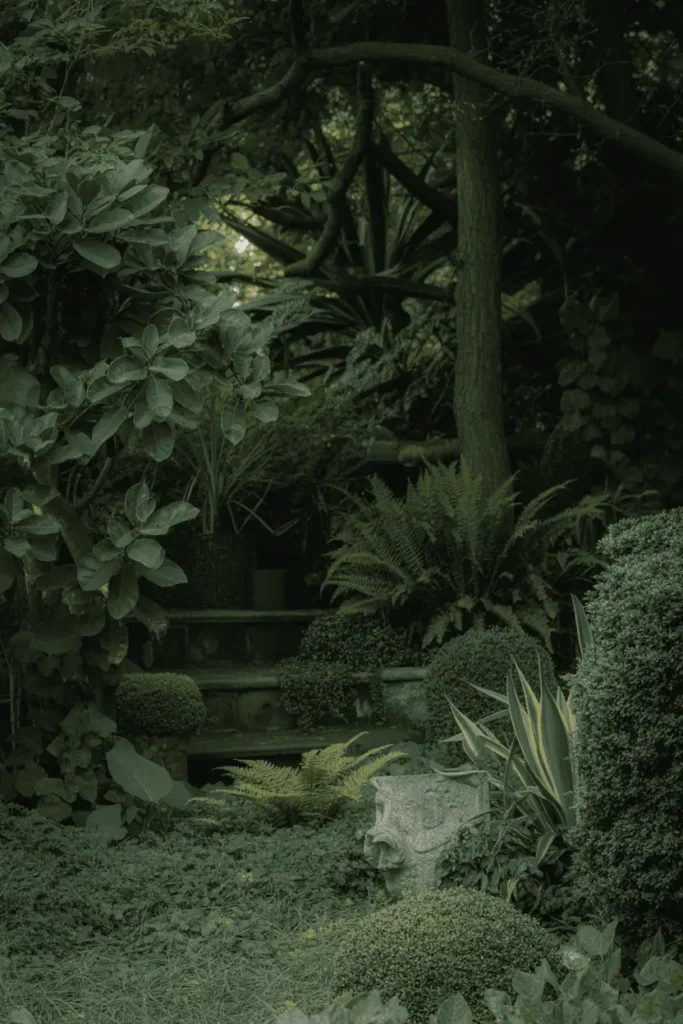
Quiet, atmospheric gardens built around shade and depth
Some parts of a garden naturally feel quieter than others.
Light is lower.
Sounds carry differently.
You slow down without meaning to.
Mystic, atmospheric gardens lean into that feeling instead of fighting it. They use shadow, layered planting, and texture to create spaces that feel calm and slightly removed from the rest of the world.
These gardens don’t reveal everything at once. They unfold slowly.
Common elements you’ll see
- Darker foliage mixed with soft greens
- Ferns, moss, and woodland plants
- Stone, gravel, and natural materials
- Filtered light rather than full sun
They often look best in the early morning, late afternoon, or just after rain — when everything feels a little more still.
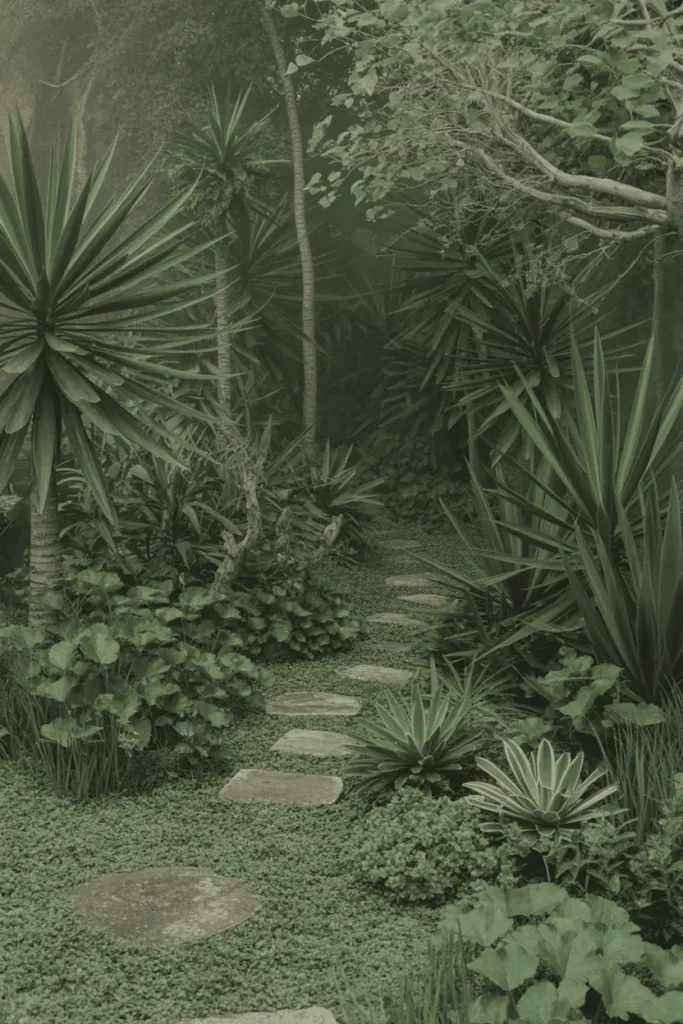
Why this style resonates now
Not every garden needs to be bright or cheerful.
For shaded yards, north-facing corners, or enclosed spaces, this approach feels honest. Instead of forcing light and color where they don’t belong, the garden works with what’s already there.
The result is a space that feels calm, reflective, and quietly grounding — especially for people who find peace in stillness rather than stimulation.
Soft Animal Gardens
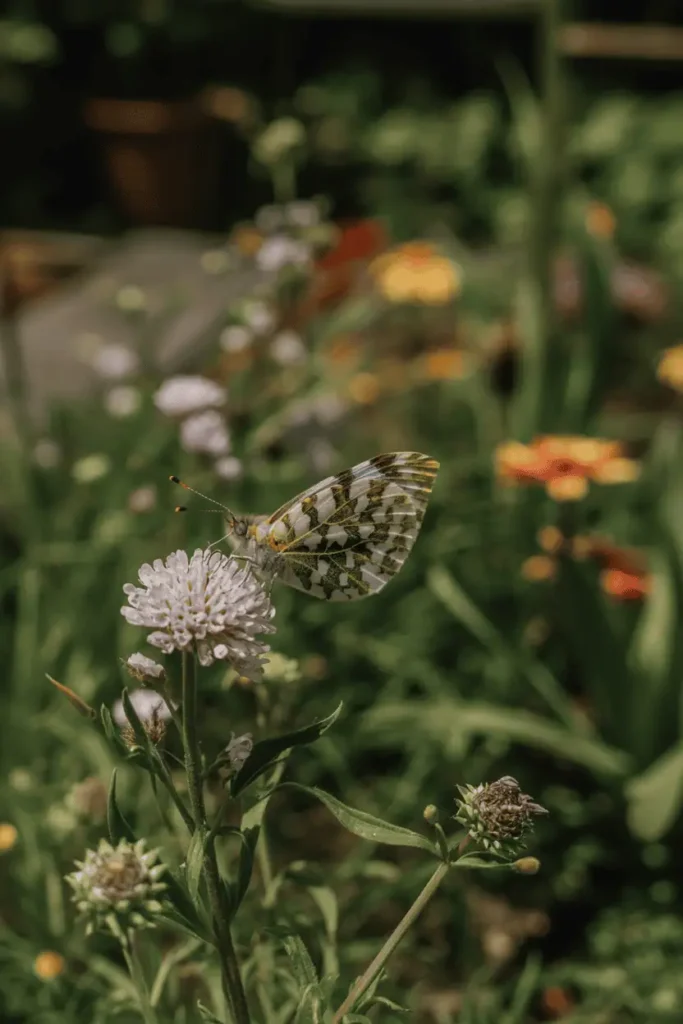
Designing with wildlife as part of the experience
In these gardens, you notice movement before you notice design.
A butterfly settling on a flower.
Birds lifting from a hedge.
Bees working low to the ground.
Soft animal gardens are designed to welcome wildlife — not as decoration, but as an essential part of how the space feels.
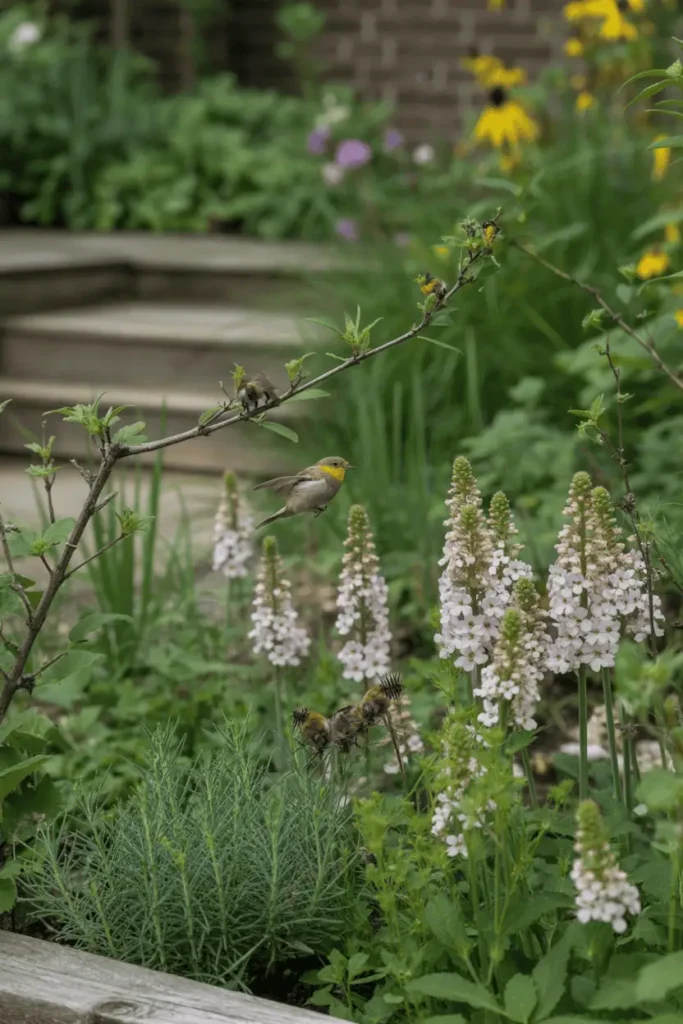
What makes a garden feel wildlife-friendly
- Plants chosen for nectar, seeds, and shelter
- Layered planting instead of open gaps
- Gentle transitions between spaces
- Water sources that are accessible and safe
The beauty here is subtle. It’s not about showy blooms or perfect layouts. It’s about life moving through the space in quiet, everyday ways.
The emotional difference
A garden shared with wildlife feels alive — even when you’re doing nothing at all.
There’s comfort in that.
A sense that the garden has purpose beyond appearance.
And often, once wildlife feels welcome, the gardener does too.
Gardening as Self-Preservation
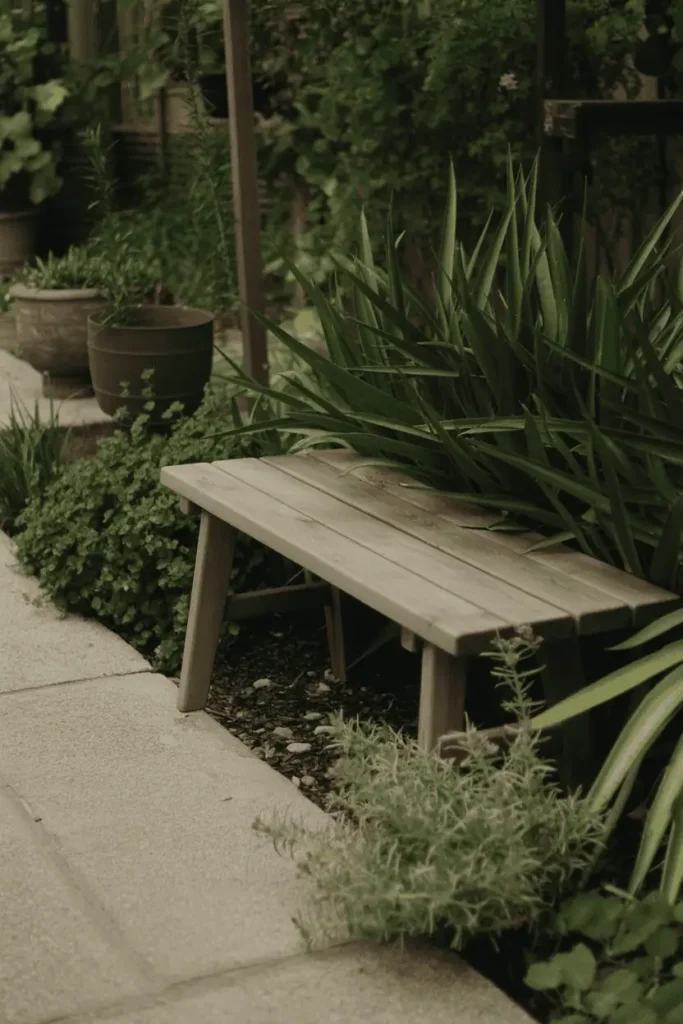
Slower routines, lower pressure, and kinder expectations
Some days, even small tasks feel heavy.
On those days, the garden can either feel like another obligation — or a place where you don’t have to perform.
Gardening as self-preservation is about choosing the second option.
What this looks like in real life
- Low-maintenance planting
- Fewer rules and flexible routines
- Gardens designed for presence, not productivity
- Spaces where sitting still counts as participation
This isn’t about giving up on care.
It’s about removing unnecessary pressure.
A different measure of success
In restorative gardens, success isn’t measured by yield or perfection.
It’s measured by questions like:
- Do I feel calmer when I’m here?
- Does this space help me slow down?
- Can I show up even on low-energy days?
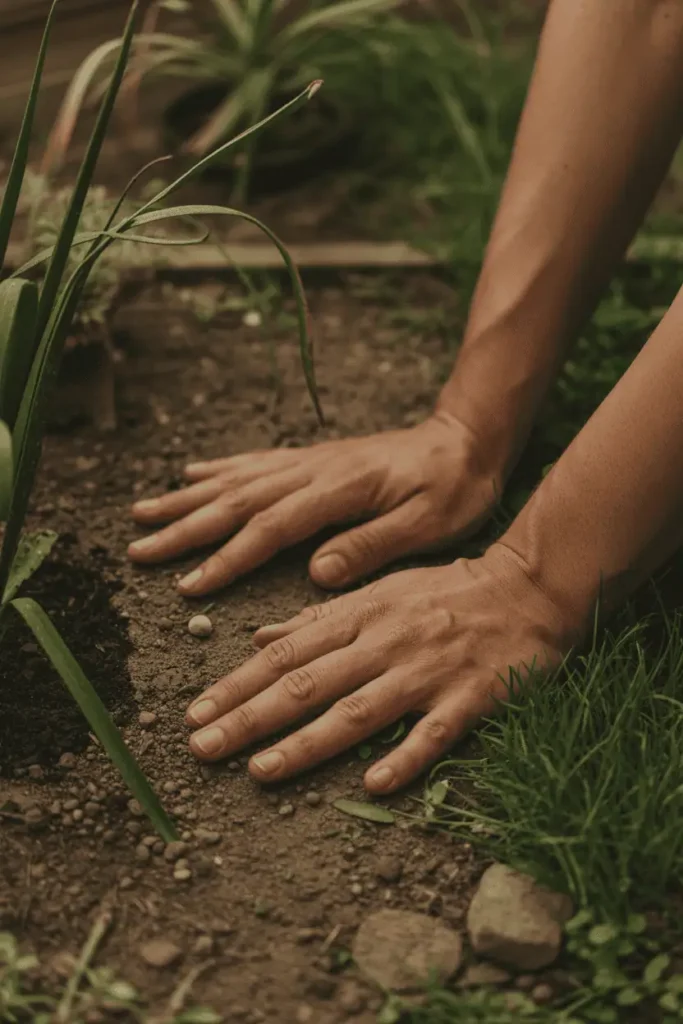
For many people, gardening becomes less about output — and more about nervous-system care.
Designing Gardens That Feel Like Refuge
These four directions — wilderkind, atmospheric, wildlife-friendly, and restorative — aren’t separate styles.
They overlap.
They blend.
And they all point to the same idea.
Gardens are becoming emotional spaces, not just outdoor projects.
You don’t need to adopt everything at once.
And you don’t need to start over.
Most meaningful gardens evolve slowly, shaped by observation rather than instruction. By noticing what already feels good — and gently making space for more of it.
Start where you are.
Change one small thing.
And let the garden meet you there.