Feel the cool soil under your fingers and imagine sunlit leaves unfurling in a tidy bed just outside your kitchen window.
Do you want a small, steady supply of fresh greens and roots without a lot of fuss? You can plant a simple plan that brings bright flavor and color in a few weeks and days.
We’ll show you which seeds to tuck into cool soil—like peppery arugula and baby lettuce—and which plants wait for warmer nights, such as beans and zucchini. You’ll learn when to start in spring or fall, how weather shapes timing, and a few small tools that make the work easy.
This intro gives a calm, step-by-step promise: clear timing, low fuss, and tasty results so you feel confident sowing seeds and picking leaves for the table.
Key Takeaways
- You can get edible greens and roots from seed to plate in weeks with simple planning.
- Cool-season choices (arugula, spinach, lettuce, radish) mature fastest in mild weather.
- Warm-season sprinters (beans, zucchini, cucumbers) need milder nights to speed growth.
- Keep tools minimal: a rake, a hoe, and a lightweight row cover protect young plants.
- Watch for bolting, crowding, and overwatering to preserve flavor and texture.
Start here: a calm game plan for a fast spring or fall harvest
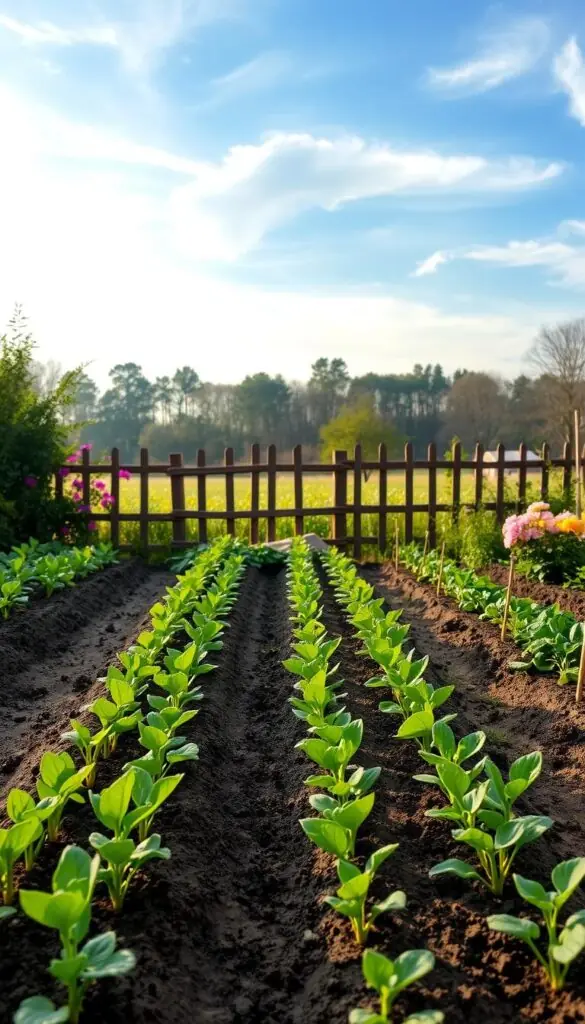
A calm plan makes spring or fall planting feel simple and joyful. Begin by reading the weather and the soil. Cool soil that crumbles between your fingers and gentle morning sun are your green lights.
Choose one small strip for cool lovers and one for warm ones. This keeps your garden orderly and shortens the days from seed to salad.
Rake the top inch of soil to a fine, even surface so seed-to-soil contact is strong. Sow a small pinch of seed per row and mark the date.
- Check local forecasts; cool-season crops do best when daytime highs hover about 35°F–64°F.
- Sow every 7–14 days for a steady supply across the growing season and into months ahead.
- Water with a soft morning spray until soil is evenly damp, not glossy-wet.
- Use light row cover on chillier days and choose a quality mix for containers.
Keep tools simple—rake, hand trowel, and row cover—and spend five calm minutes weeding most evenings. Little, steady work rewards you with steady, flavorful results.
Quick harvest vegetables: timing, tools, and simple steps
Match what you plant to the season and local weather, and you’ll shave days off growth while reducing stress on seedlings. This short plan tells you when to sow, which tools matter, and how to avoid common setbacks.
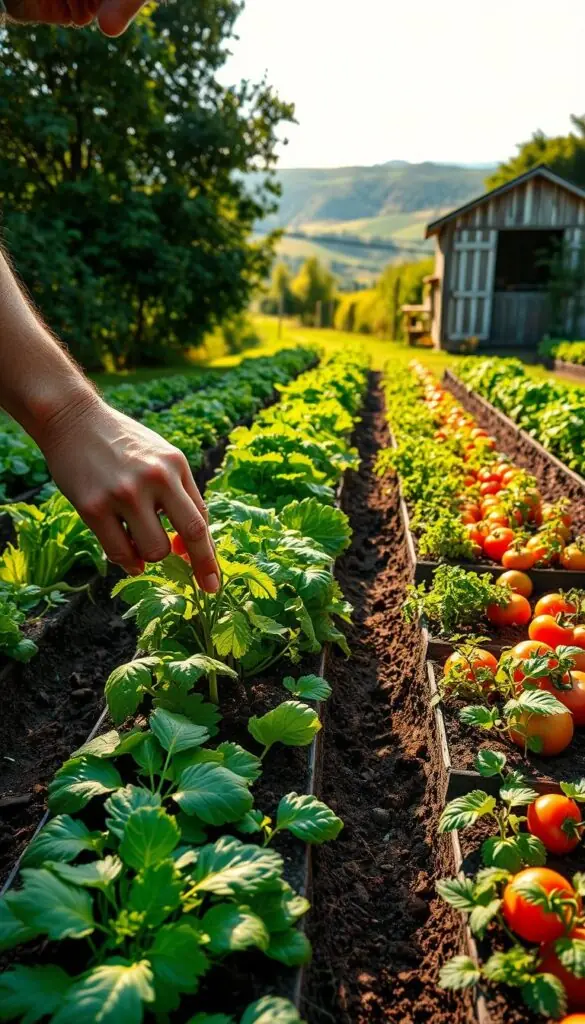
Planting windows by season and zone
Plant cool-season crops in early spring and again in fall when mornings are crisp and nights stay cool. These crops do best with mild days and some afternoon shade to avoid heat bolting.
Save warm lovers for late spring after the soil and evenings feel settled. In uncertain climates, use row cover to protect young plants and shave a few days off maturity.
Soil prep and time-saving tools
Rake the bed to a fine seed bed so seed-to-soil contact is strong. A hoe clears young weeds fast, and a light row cover guards seedlings from wind and chill.
Simple checklist:
- Follow packet spacing, then thin early to prevent crowding.
- Water deeply but let the surface dry slightly between waterings.
- Sow every 7–10 days for steady ready harvest and predictable harvest days.
Common mistakes to avoid
Heat spikes send greens into bolting; add afternoon shade or harvest sooner to keep flavor. Overcrowding steals light and air, which adds days to maturity and softens texture.
Also, avoid constant shallow watering. Soggy soil slows roots and invites disease. Keep a small log of sowing dates and first harvest days to learn your garden’s rhythm.
Speedy salad greens for instant color and crunch
Bright, tender greens bring color and crunch to salads in just a few weeks. These little plants add aroma, texture, and a burst of garden flavor to simple bowls.
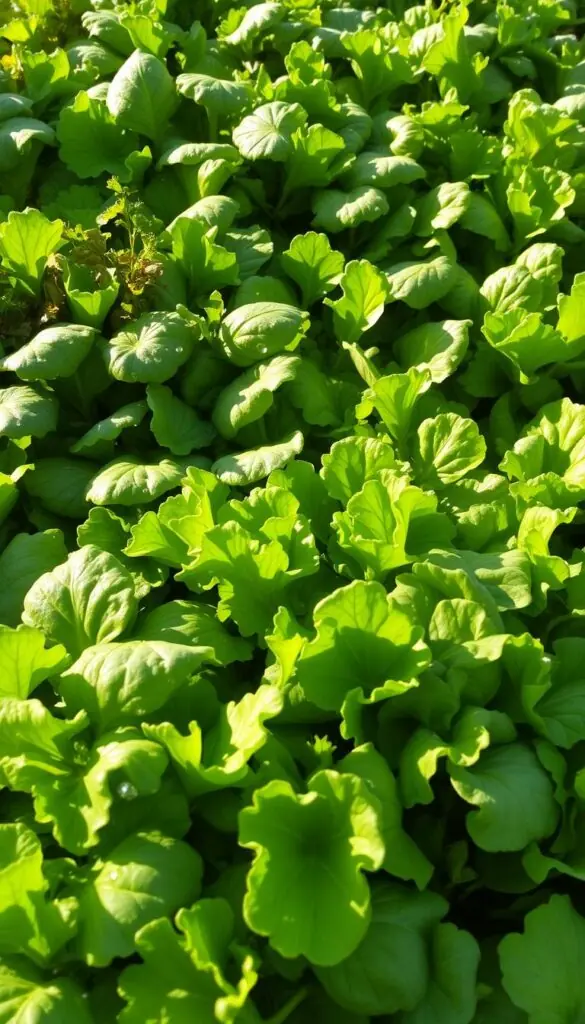
Arugula (21–28 days)
Sow arugula in shallow rows or pots and thin lightly. Pick leaves around 21–28 days for a peppery snap.
Lettuce (baby leaves ~30 days)
Mix varieties for frilly, buttery, and crisp textures. Snip baby leaves at about 30 days and re-sow a new row each week.
Spinach (28–42 days)
Plant spinach in rich, well-drained soil and give morning sun. Use the cut-and-come-again method: harvest outer leaves and let the center refill your bowls.
Cress (15–20 days)
Scatter cress thickly for tender, zippy baby greens. Harvest at 15–20 days before hot spells deepen its bite.
- Water: light morning watering so soil stays evenly moist.
- Shade: add afternoon cover in warm stretches to prevent bolting.
- Tools: use clean shears and a small hand rake for tidy beds and patio pots.
- Small spaces: window boxes and railing pots grow enough for fresh salads all week.
Radishes that pop in three to four weeks
Planting radishes gives you fast color and crisp bites from a small strip of cool soil. These little roots are ideal when you want an early sign of life in the garden.
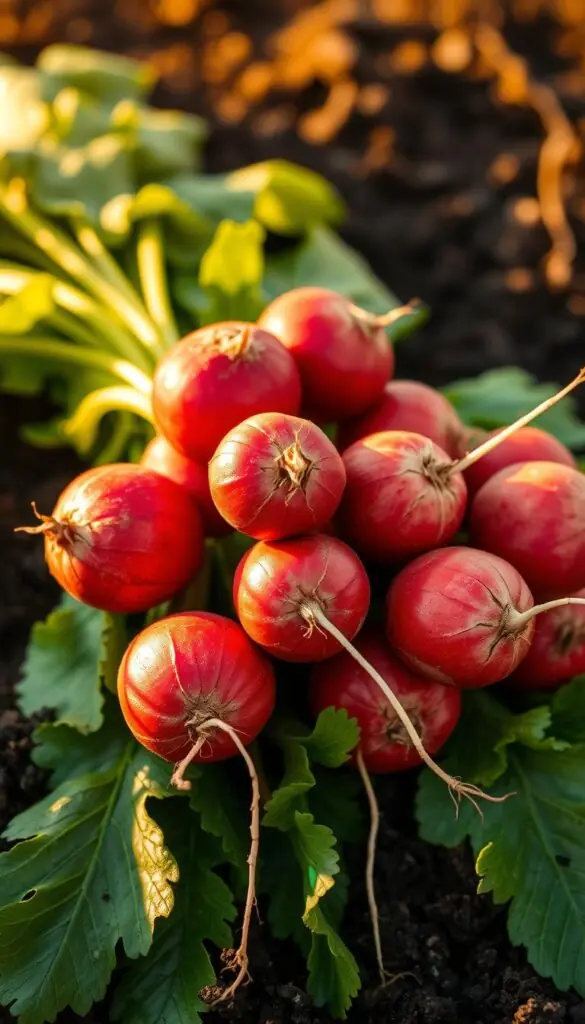
Sow, thin, harvest: crisp roots in cool soil
Rake a shallow furrow in loose, loamy soil and sprinkle seeds thinly. Radishes germinate quickly, so thin seedlings early so each root can size up evenly.
Keep the row evenly moist; dry spells slow growth and soggy patches can split the skin. Watch the shoulders at the soil line—when color shows, most types are ready in about three to four days.
Flavor and color: French Breakfast, Cherry Belle, and heirloom picks
Choose reliable varieties like French Breakfast and Cherry Belle for classic color and mild flavor. Add one heirloom row to explore odd shapes and deeper hues.
“Pull a few to check texture: they should be snappy with rosy skins and a clean, peppery bite.”
- Plant in full sun during spring and thin promptly for even sizing.
- Sow every seven days for a steady ready harvest and tuck radishes along bed edges.
- Use the greens sautéed with oil and lemon—the whole plant offers a soft, earthy bonus.
Root favorites that size up fast: carrots and beets
Start with soil that invites roots to stretch—loose, deep, and free of stones.
Carrots mature in about 50–75 days. They germinate in roughly 10–21 days and need loose, well-draining, slightly acidic soil so roots grow straight and sweet.
Fluff the top 8–10 inches and remove stones so the roots can glide. Sow seeds shallowly and keep the surface damp through germination. Thin to a finger’s width early for even sizing.
Beets finish in roughly 50–70 days. Aim for golf-ball size when the roots turn glossy and richly colored. Both root and greens are edible and low in pest pressure.
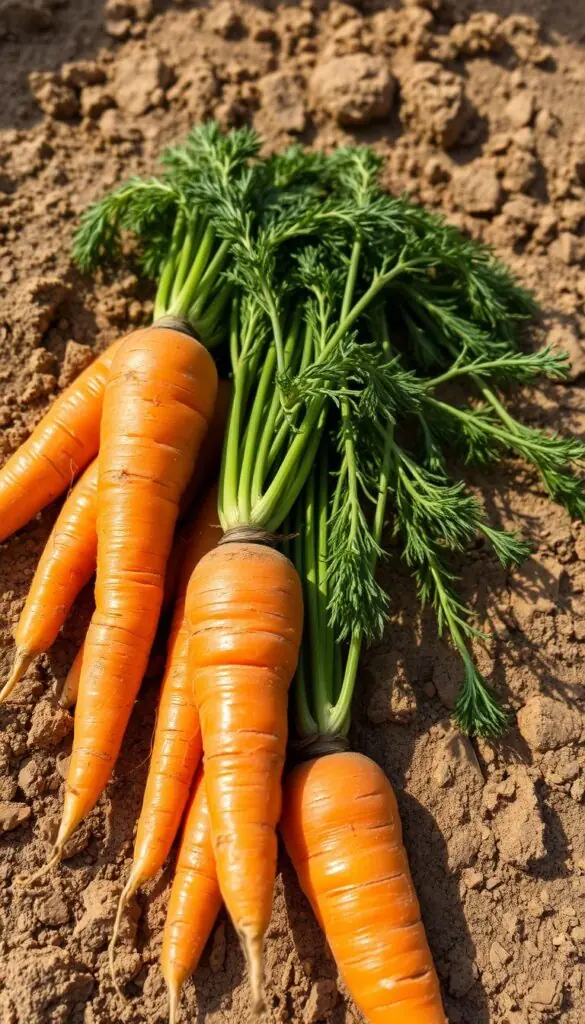
“Taste as you pull: smaller carrots offer crisp, tender crunch; larger ones deliver deeper, sweeter flavor.”
- Water deeply once or twice weekly so moisture reaches lower roots.
- Mulch lightly to keep soil cool and hold moisture.
- Sow short rows every two weeks to stagger days to maturity and keep steady supply.
- In tight garden spaces, rotate a short patch and replant as you pull.
| Crop | Days to mature | Key tip | Best use |
|---|---|---|---|
| Carrots | 50–75 days | Fluff 8–10" soil; thin early | Raw snacking, roasting |
| Beets | 50–70 days | Pick at golf-ball size; use greens | Roast roots, sauté greens |
| Notes | Germination 10–21 days | Water deeply; mulch | Stagger sowings |
Turnips and mustard greens for versatile, early harvests
Turnips and mustard greens pair beautifully in cool beds, giving you both a tender root and bright leaves in about six weeks. They suit spring and fall plantings and thrive when soil stays evenly moist.
Turnips (~45–50 days): Sow in early spring or late summer and thin fast so each plant forms a smooth root. Pull baby roots at 2–3 inches for a buttery texture and clip young greens for a mild sauté.
Mustard greens (45–50 days): These bold leaves prefer cool weather and constant water to stay sweet. Pick young leaves for tender salads or let a few mature for braises.
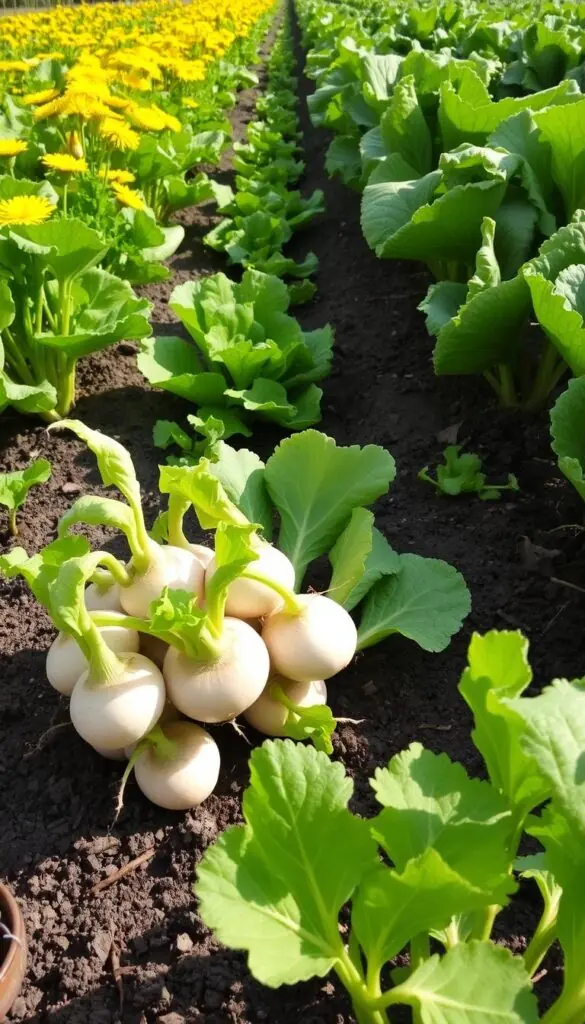
- Sow a short row of each and re-seed every week for steady ready harvest days.
- Keep soil evenly moist—dry spells toughen roots and sharpen flavor.
- Provide afternoon shade in warm spells and use a light row cover to nudge spring growth.
- Mix a couple of varieties to enjoy different leaf shapes and flavor.
- In a compact garden, edge beds with turnips and plant mustard in the center to avoid crowding.
“Pull baby turnips when shoulders show; the greens are best when picked young and kept moist.”
Bok choy and kale for sturdy, cool-season abundance
If you want forgiving, nourishing plants, tuck bok choy and kale into a shaded strip of your garden. Both stand up to cool weather and give steady returns with a little care.
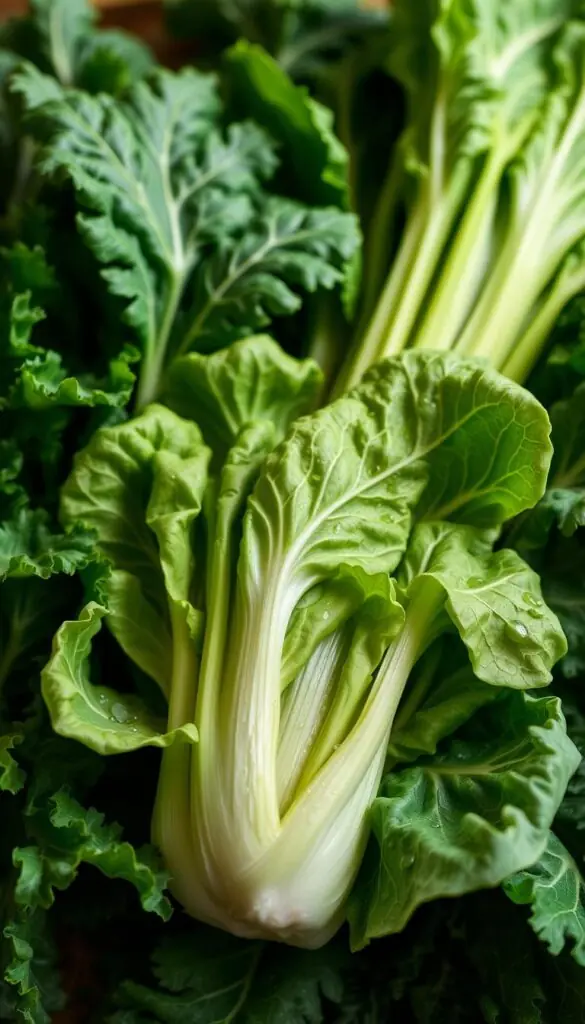
Bok choy (45–60 days): Plant in partial shade so stems stay plump and ribs stay crisp. Water evenly to avoid heat-triggered bolting and give each plant room so air flows through spoon-shaped leaves.
Bok choy care
Harvest outer leaves first for small meals, or cut whole heads when they feel dense in your hands. The white ribs snap with a refreshing crunch and a mild, juicy flavor.
Kale basics
Kale (50–55 days) is cold-tolerant and forgiving. Pick outer leaves regularly and the plant refills, giving you a steady ready harvest across the season.
- Mulch lightly to hold soil moisture and steady temperature.
- Add afternoon shade if a warm summer breeze raises heat.
- Try one tender variety and one curly type for texture and color.
“Rinse in cool water; the snap of bok choy ribs and deep green kale leaves bring the garden straight to the table.”
Warm-season sprinters when nights are mild
When evenings stay warm and the soil feels alive, plant a few sun lovers and enjoy steady rewards through the season. These summer plants ask for warm soil, gentle watering, and frequent picking to keep them productive.
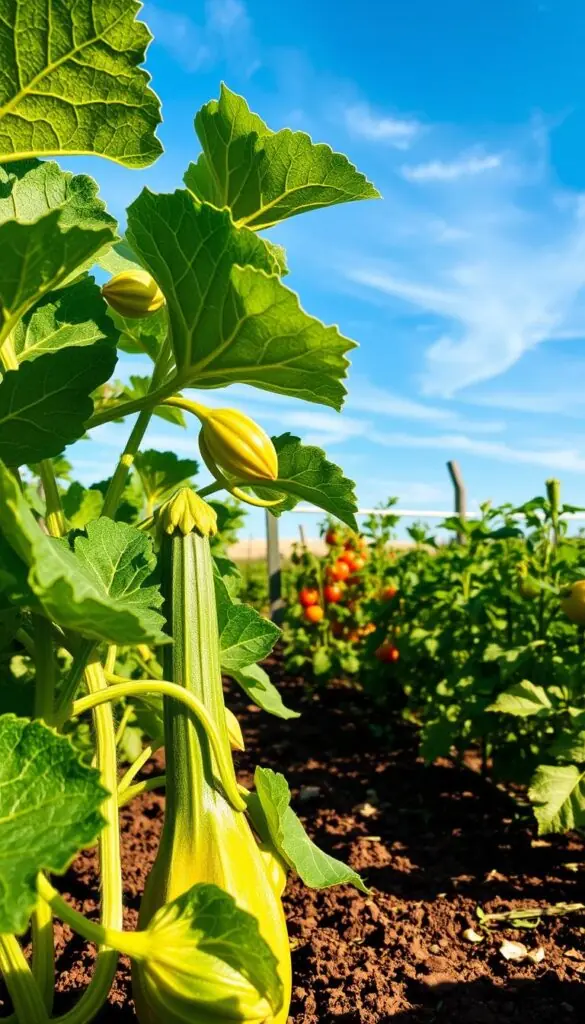
Zucchini (45–55 days)
Zucchini flowers open wide and fruits grow fast. Pick small, glossy baby squash for the best texture and a steady ready harvest.
Cucumbers (50–70 days)
Trellis cucumbers to save space and improve airflow. Try pest-resistant varieties like Straight Eight or Tasty Jade in beetle-prone yards.
Green beans (50–65 days)
Choose bush beans for speed and ease; they need no tall support and give a steady row of snap—perfect for small garden plots.
- Wait for settled summer nights before planting seeds so germination is strong.
- Keep water at the base to avoid wet leaves and disease.
- Use one sturdy trellis and two zucchini hills to maximize space in tight areas.
- Fertilize lightly after the first flowers; too much nitrogen favors leaves over fruit.
- Harvest in the morning for cool, crisp pods and fragrant cucumbers.
“Frequent picking encourages more blooms and keeps your summer table full.”
Conclusion
With light effort and a clear plan, your garden can deliver steady bowls of salad-ready leaves.
Start with a few seeds, a rake, and a calm schedule. Sow small rows every few days and thin early so plants grow strong. In cool spring and fall days, favor arugula, lettuce, spinach, and radishes for fast, tender greens and baby roots.
Mix in a couple of reliable varieties of beans, zucchini, carrots, and kale once nights warm. Keep soil soft and evenly moist to shorten time from seed to table and help plants resist heat.
Over weeks and months, this gentle rhythm builds confidence. Enjoy the simple pleasure of tending your space and tasting salads you grew yourself. Happy gardening.
FAQ
How soon can I expect leaves for a baby salad from seed?
Most fast salad greens like arugula, cress, and baby lettuce can be ready to cut in about 2–4 weeks. Spinach and cut-and-come-again mixes take a bit longer, around 4–6 weeks for usable leaves. Plant in cool spring or fall weather, keep soil moist, and thin seedlings so each plant has room to put energy into tasty, tender leaves.
What are the best seasons and planting windows for quick spring or fall crops?
Cool-season crops—arugula, lettuce, spinach, radishes, and bok choy—do best when nights are cool, so sow them in early spring and late summer for a fall harvest. Warm-season sprinters like zucchini, cucumbers, and green beans need mild nights and follow your last frost date. Check your USDA zone and aim for soil temperatures that suit each seed packet for fastest germination.
Which tools and soil prep speed up growth?
A fine seed bed created with a rake and hoe helps small seeds make good contact with soil. Add compost to loosen heavy clay and improve drainage for roots. Use a lightweight row cover to warm soil and protect tender seedlings from cold nights or pests. Simple, tidy beds and consistent moisture cut stress and help plants grow faster.
What common mistakes slow down fast crops?
Crowding seedlings, overwatering or letting soil dry out, and letting greens bolt in heat are the usual culprits. Also avoid planting too deep for tiny seeds and failing to thin roots like carrots and beets. Give each variety the recommended spacing and shade seedlings during heat spells to prevent bitter, flower-bound leaves.
How do I get crisp radishes in three to four weeks?
Sow radish seeds thinly in cool, loose soil and keep them evenly moist. Thin to the spacing on the seed packet so bulbs have room to swell. Harvest small and often—milder flavor and tender texture come from quick pulls. Try varieties like Cherry Belle or French Breakfast for reliable, colorful results.
How can I grow carrots and beets faster in small spaces?
Use deep, loose soil or raised beds filled with compost-rich mix so roots don’t hit hardpan. Sow thinly or thin seedlings to the correct spacing. Choose shorter or half-long carrot types if space or soil depth is limited. Harvest baby carrots and early beets sooner—both are sweet and tender when small.
Which turnips and mustard greens give early, versatile harvests?
Fast turnip varieties and mustard greens are great for quick, dual-purpose harvests—use small roots and tender leaves. Sow in cool weather, keep soil moist, and harvest baby roots around 45 days. Mustard greens will produce flavorful leaves quickly; regular harvesting keeps plants producing and mild in taste.
What tips help bok choy and kale thrive in cool weather?
Plant them in rich, well-draining soil with steady moisture. Bok choy prefers slightly sheltered spots to avoid heavy wind; kale tolerates light frost and improves flavor after cool nights. Harvest outer leaves regularly to encourage continual growth and a lush, sunlit patch for salads and sautés.
How do warm-season sprinters like zucchini and cucumbers become productive quickly?
Start seeds after danger of frost when nights stay mild. Give zucchini room to sprawl or train cucumbers up a trellis to save space and improve airflow. Keep soil evenly moist and feed with balanced fertilizer during bloom. Pick young fruits often—tender, thin-skinned zucchinis and crisp cucumbers reward frequent harvesting.
Can I grow fast greens and roots in containers or small plots?
Yes. Choose wide, shallow containers for greens and deeper pots for roots like carrots and beets. Use a high-quality potting mix with compost and ensure good drainage. Containers warm faster in spring, which can speed germination. Rotate crops and refresh soil between plantings to keep nutrients balanced.
How does weather affect timing and flavor for quick crops?
Cool weather generally speeds up tender greens and keeps flavors mild, while heat can cause bolting and bitterness. Light frosts often sweeten kale and some root crops. Watch local forecasts—shade in hot spells and protect seedlings on cold nights with row covers to keep your harvest days predictable and delicious.