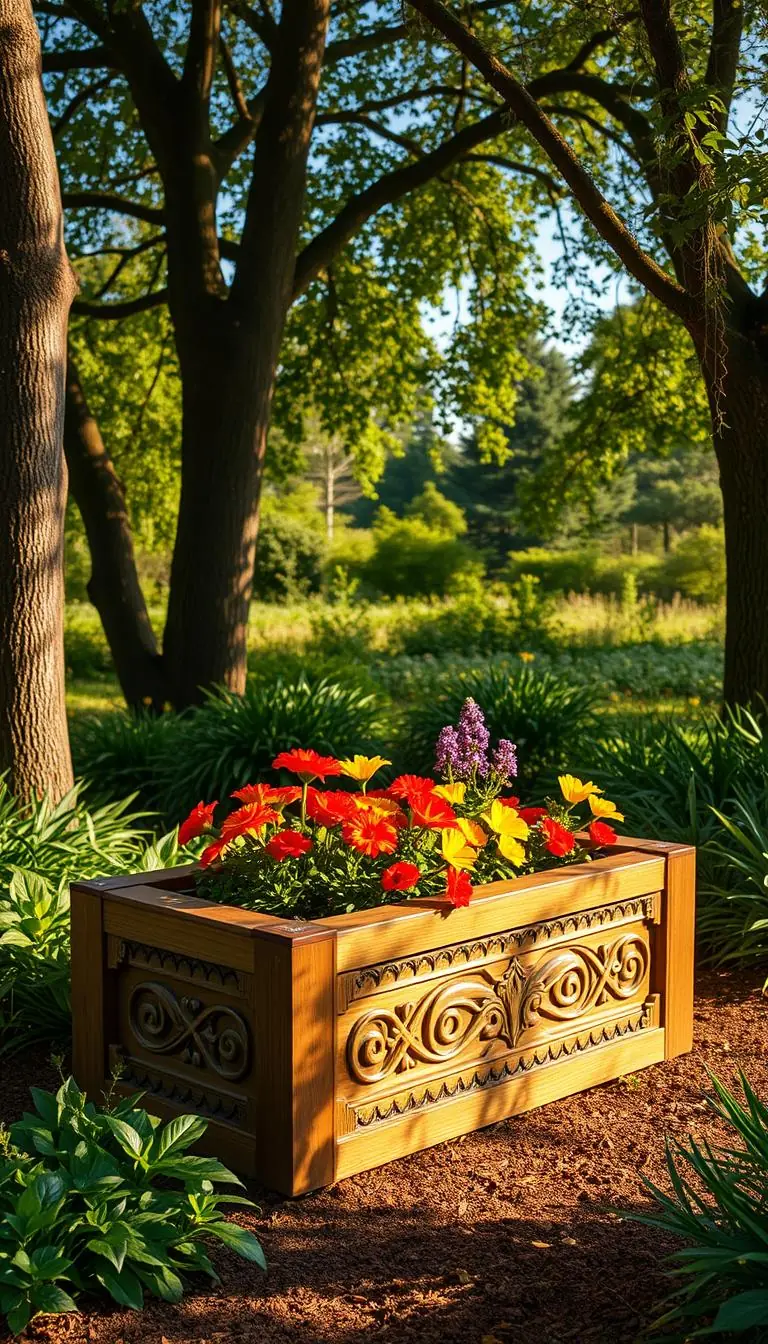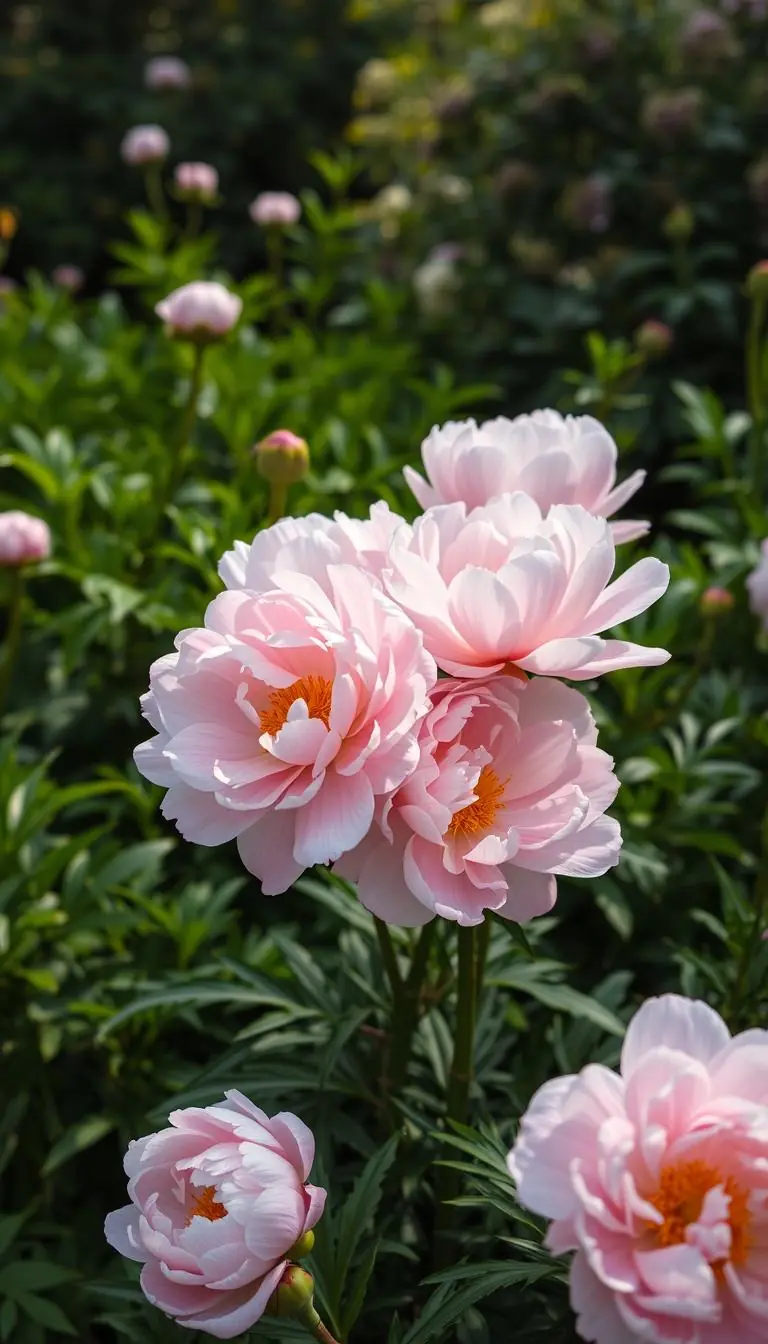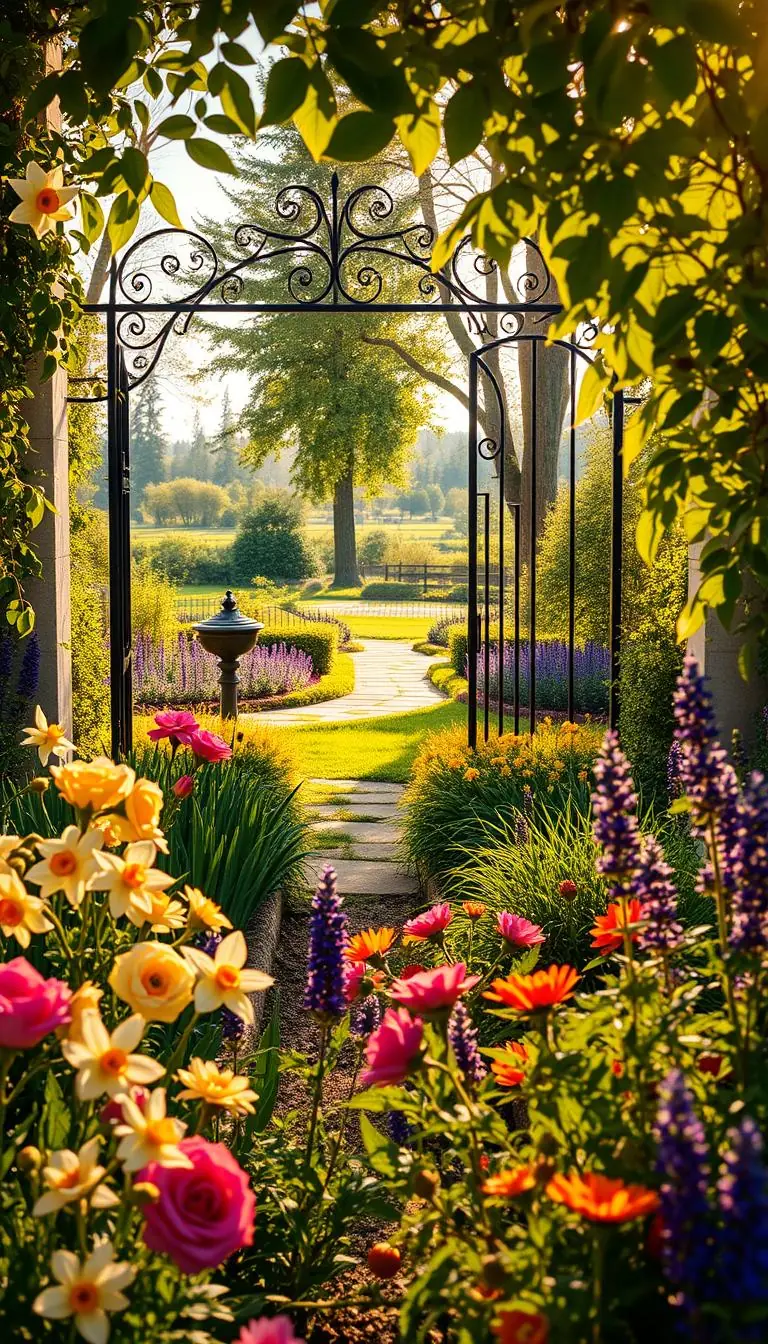
You step outside and feel the cool hush beneath a big maple, a soft scent lifting with the breeze. Have you noticed a dark corner that feels unloved but still holds promise?
We’ll show you how to turn that spot into a calm, colorful retreat. This guide gives simple, step-by-step tips, sensible tool choices like a hand trowel and watering wand, and clear seasonal expectations so your beds stay lively from spring to fall.
Many beautiful options thrive with limited sunlight, from hostas and ferns to impatiens and toad lilies. You’ll learn which choices give fragrance, which resist deer, and which need a bit of afternoon protection.
Follow gentle, practical advice and you’ll match each plant to the light you really have. By the end, you’ll feel confident creating a soothing garden corner that’s as easy to care for as it is full of beauty.
Key Takeaways
- Ten reliable varieties work well where sunlight is limited.
- Simple tools and quick soil prep save time and effort.
- Seasonal notes help beds stay colorful from spring through fall.
- We’ll flag fragrance, deer resistance, and pet safety.
- Match plants to your actual light and moisture to keep roots happy.
Start here: simple ways to turn a shady spot into a vibrant shade garden
Begin with a short walk around your yard—sun and shadow at different hours reveal a lot.
Check your spots at 9 a.m., noon, and 3 p.m. Note whether light is morning-only, dappled, or steady dim. This tells you if the area is partial shade or full shade and what plants will tolerate the direct sunlight that sneaks in.
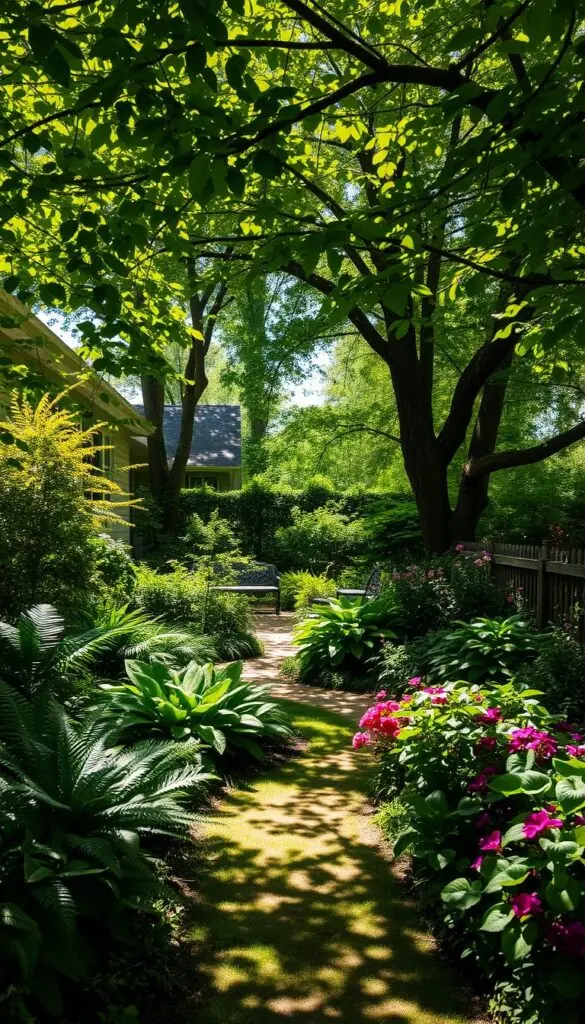
Do a quick drainage test: dig a 10-inch hole, fill it, and time the drain. Steady, not soggy, flow means healthy root conditions. If water pools, improve soil or raise beds.
- Soil tweak: blend two buckets of compost or leaf mold per square yard for a soft, crumbly texture that holds moisture without turning muddy.
- Mulch: edge beds and add a 2-inch layer to keep spring soil cool and damp; keep mulch off crowns to prevent rot.
- Water: use a gentle wand at the base in the morning. Deep, less-frequent soaking builds strong roots.
"Start small: plant a few anchors, group by water needs, and let the bed fill in over a season."
| Quick Test | What to Look For | Action |
|---|---|---|
| Light check | Morning light, dappled patterns, or all-day dim | Choose full or partial shade plants accordingly |
| Drain test | Water drains in 1–3 hours | OK for most shade lovers; improve if slower |
| Soil feel | Crumbly, cool, slightly damp | Add compost/leaf mold to improve texture and moisture |
10 shade flowers you’ll love in low light
Even the shadiest spots can sing with texture and seasonal color when you pick the right plants.
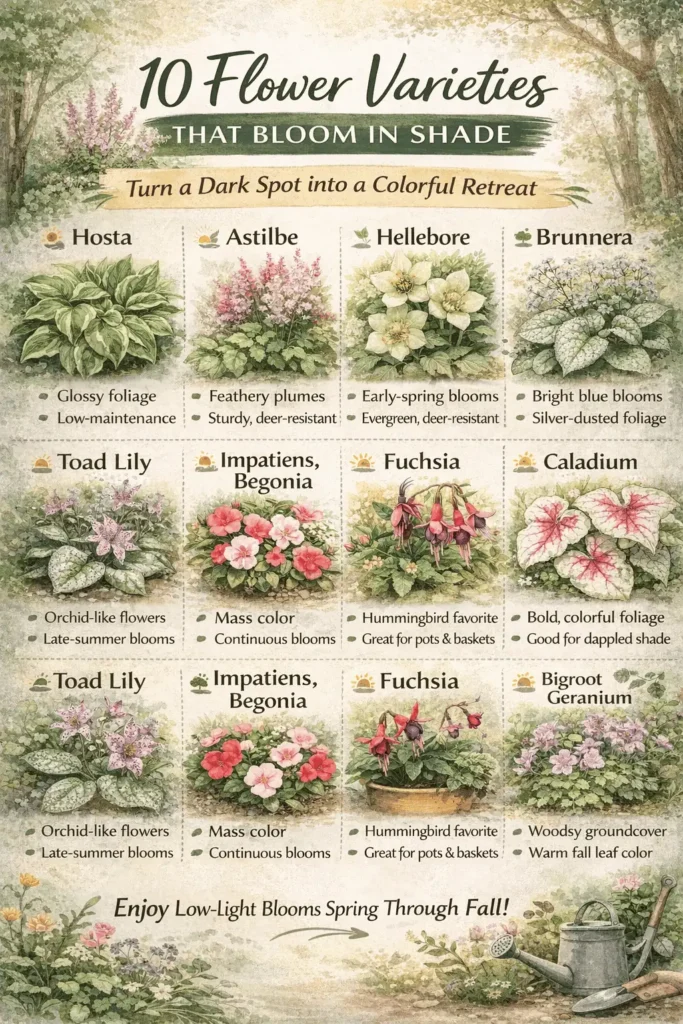
Hardworking perennials give structure: hosta’s glossy leaves form cool mounds and send spring–summer stalks that pollinators love. Astilbe brings feathery plumes in pinks and whites and prefers steady moisture. Hellebores yield cup-like blooms in late winter into spring. Brunnera offers heart-shaped leaves and bright blue spring flowers. Lungwort shows silvery-dotted leaves and early-season color. Toad lily produces orchid-like, speckled blooms in late summer to fall. Bigroot geranium makes a tough, woodsy groundcover with summer blooms and fall foliage color.
Colorful annuals provide instant payoff: impatiens and begonias flower from spring through summer. Fuchsia dazzles in baskets and draws hummingbirds. Caladium paints with bold, heart-shaped leaves. Torenia trails with trumpet blooms and lobelia adds clouds of tiny blue or purple blooms. SunPatiens hold up across a range of lights.
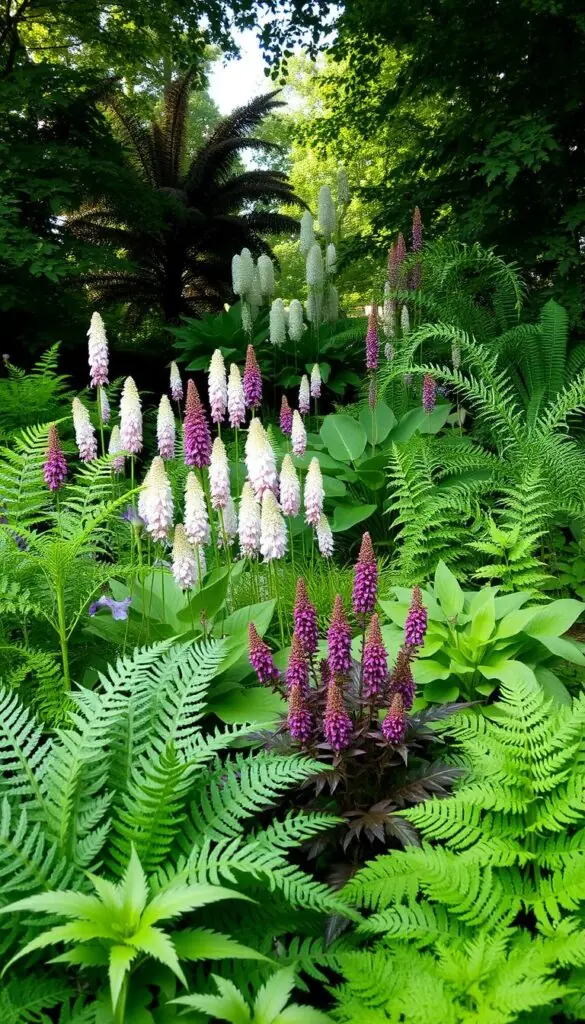
"Start with a few anchors—hosta mounds and astilbe plumes—then tuck in annuals for instant color."
| Plant | Bloom/Peak | Texture | Care |
|---|---|---|---|
| Hosta | Spring–summer | Glossy foliage | Plant with hand trowel; morning water; slow-release fertilizer in spring |
| Astilbe | Summer | Feathery plumes | Keep moist; part to full shade |
| Hellebore | Late winter–spring | Evergreen leaves, cup blooms | Partial shade; mulch in fall |
| Brunnera | Spring | Heart leaves, blue blooms | Cold-hardy; deer-resistant |
| Impatiens / Begonia | Spring–summer | Mass color | Plant in groups; water in morning |
Match plants to light: full shade, partial shade, and dappled conditions
Start by watching sunlight move across the bed for a full day; light patterns tell you which plants will thrive.
Full shade winners
Full shade means less than four hours of direct sun daily, like under dense tree canopies or north-facing walls.
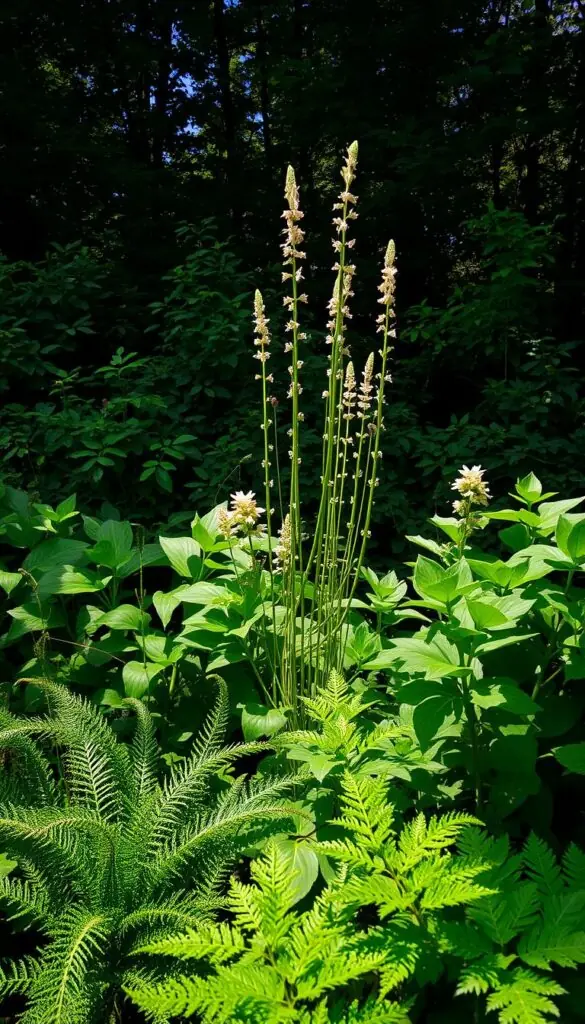
Pick bold, low-light performers: hostas, ferns, and astilbe are reliable. These shade perennials give strong form and texture without bright sun.
Partial and dappled picks
Partial shade (about 3–6 hours of sunlight) suits brunnera, hellebores, and bleeding hearts. They like gentle morning or late-afternoon sun.
Dappled conditions—filtered light beneath trees—favor heuchera, columbine, and lungwort. These handle flickering rays and add color and contrast.
"Watch a spot for a day, then plant where the light fits each species."
- Place thirstier choices where soil stays cool and moist.
- Tuck toad lilies into light shade so blooms last into fall.
- If tree canopies thicken, move containers or divide clumps to keep each plant in its comfort zone.
| Light Type | Hours | Good Picks |
|---|---|---|
| Full shade | <4 | Hosta, fern, astilbe |
| Partial shade | 3–6 | Brunnera, hellebore, bleeding heart |
| Dappled | Filtered | Heuchera, columbine, lungwort |
Planting and soil basics for shade perennials and annuals
Start by giving the ground a soft, spongey texture so roots can work easily.
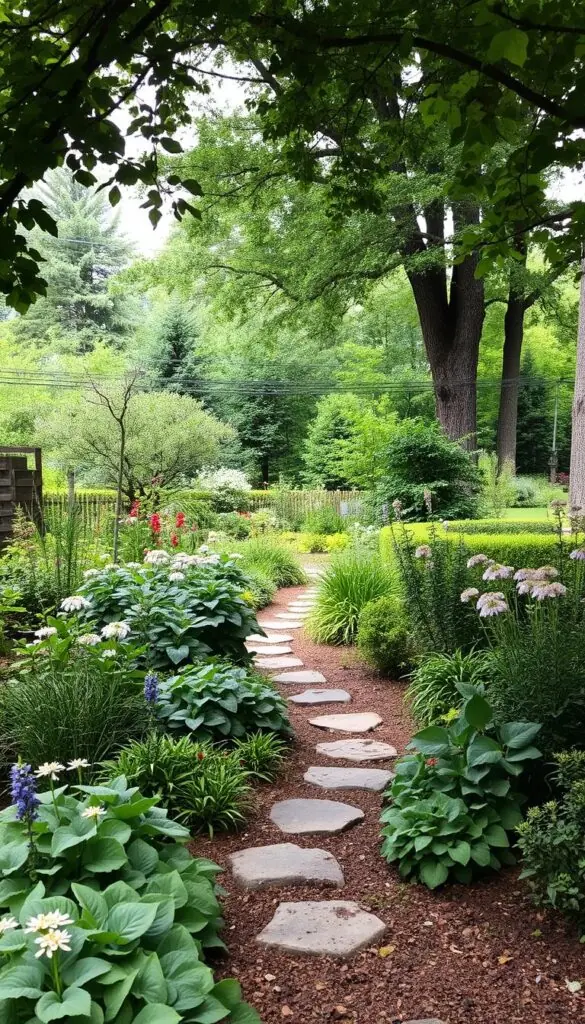
Soil prep: scatter a layer of compost or leaf mold and mix it into the top 6–8 inches. This improves texture and helps the soil hold cool, even moisture. These conditions suit most shade-loving choices.
Step-by-step planting
Dig holes twice as wide as the pot but no deeper. Set the crown level with the soil and water in slowly with a gentle wand to settle air pockets.
Space perennials so mature leaves just touch. Crowded beds trap moisture and invite disease. Keep crowns clear of mulch to prevent rot.
Tools and timing
- Use a hand trowel for divisions and a mulch fork to spread organic matter.
- Lay a 2-inch mulch blanket, pulled back a few inches from stems.
- Plant in the cooler part of the day; lungwort does well in late summer to early fall.
"Loosen wide, plant shallow, water gently — small habits yield healthy roots."
| Task | Action | Why it helps |
|---|---|---|
| Soil mix | Add compost/leaf mold to 6–8 in. | Improves texture and moisture retention |
| Hole size | Twice as wide, same depth | Roots spread easily without sinking |
| Mulch | 2 in., kept off crowns | Keeps soil cool and reduces watering |
Tip: Plant thirsty choices like astilbe where you can reach a hose. With these simple steps, your garden will settle in and smile back at you.
Season-by-season care: spring to fall in U.S. zones
A few small tasks through the year make a big difference in how your garden blooms.
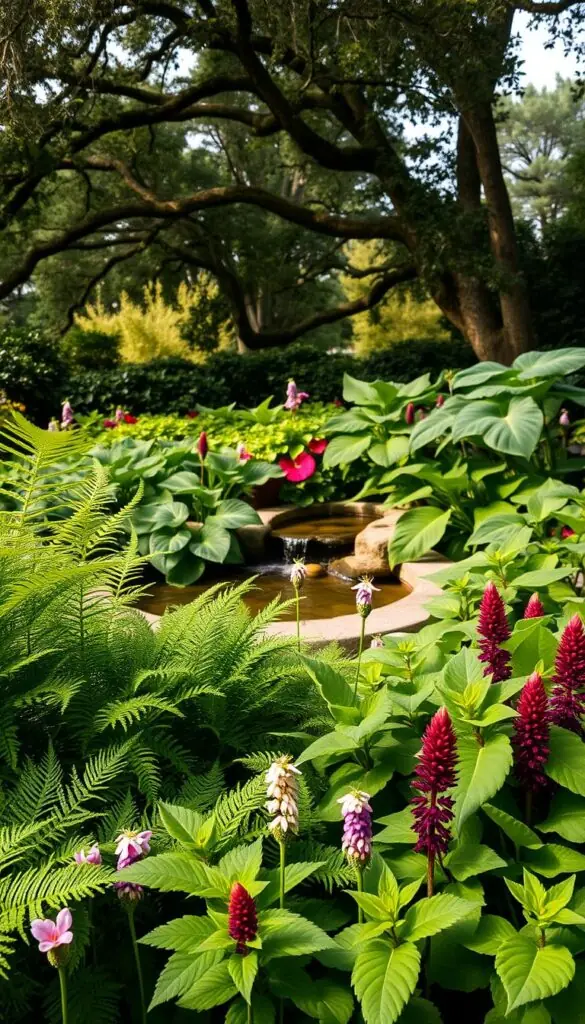
Spring starts
When the ground thaws, hellebores, brunnera, and lungwort wake first. Watch for new crowns and bright blue spring blooms.
- Early spring: trim old hellebore leaves, scratch in a slow-release feed around clumps.
- Divide crowded perennials on a cool day and water new divisions well.
Summer carry-through
Impatiens and begonias tuck in for steady color from late spring into summer. Astilbe sends feathery plumes, and hosta lift delicate bloom spikes.
- Late spring–early summer: plant annuals for quick payoff and keep astilbe evenly moist.
- Mid-summer: water deeply during dry spells and shear heat-tired lobelia so it rebounds as nights cool.
Fall interest
Late in the season, toad lily blooms and bigroot geranium warms to rich fall color. Enjoy these woodsy notes as temperatures soften.
- Late summer–fall: leave toad lily stems for their orchid-like blooms; monitor soil and reduce feeding.
- Before frost, lift caladium tubers in colder zones, cure, and store for next spring.
Through the year, keep a light mulch to steady moisture and pull it back in very wet spells. Check soil by touch, not just by calendar.
| Task | When | Why |
|---|---|---|
| Trim old leaves | Early spring | Improves air flow and reveals new growth |
| Plant annuals | Late spring | Instant color through summer |
| Divide clumps | Early spring or early fall | Controls size and refreshes vigor |
| Lift tubers | Before frost | Protects tender bulbs for next year |
"Small, regular care keeps beds calm, lush, and ready for the next season."
Design with color, foliage, and texture in shade
A great low-light garden reads like a painting: layers of color and leaf shapes that lead the eye from front to back.
Layer heights so your view flows: low lungwort at the edge, mounded hostas in the middle, and 24–36-inch astilbe plumes like soft smoke in back.
Mix leaf shapes—broad hosta fans, lacey ferns, and the boldly veined foliage of heuchera—to create rich texture that looks lush in all shades of light.
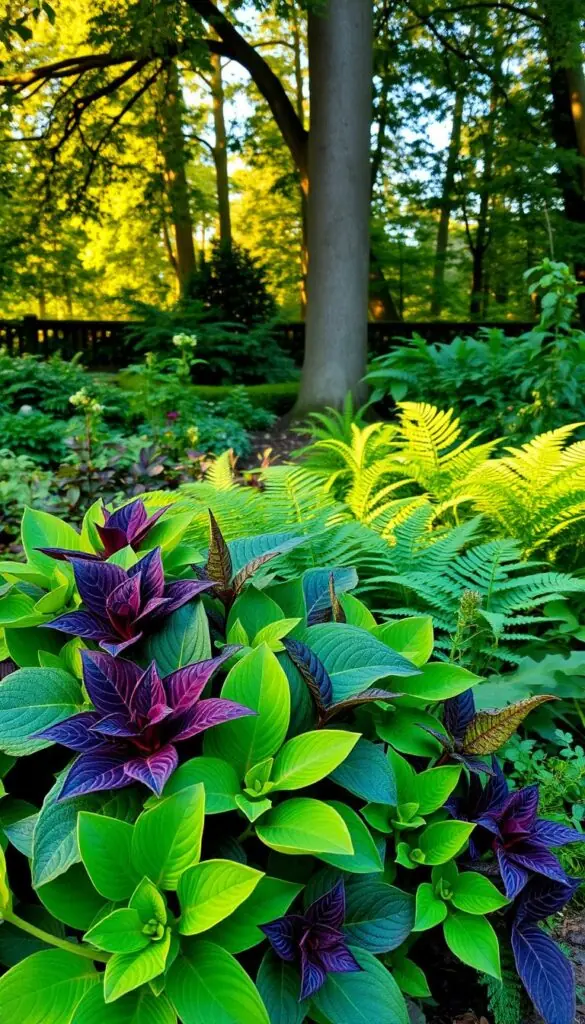
- Paint with leaf color: use caladium’s pink and white hearts, brunnera’s silver-dusted leaves, and heuchera’s deep tones so the bed stays lively between blooms.
- Repeat a color three times—blue brunnera, purple fuchsia, and a cool-toned hosta—to weave beauty across the bed.
- Add fragrance near seating (flowering tobacco or a scented herb) so a soft evening breeze brings scent to you.
- Fill gaps with pots or hanging baskets of torenia and fuchsia for motion and easy updates.
"Use green leaves in different finishes—matte, glossy, and velvety—to give depth and a restful feel."
Quick tips to avoid common shade-garden mistakes
Spot problems quickly with a couple of easy tests and simple moves.
Overwatering and poor drainage
Don’t water by habit—check soil 2 inches down. If it feels cool and slightly damp, wait; many plants fail from soggy roots more than thirst.
In deep shade, improve drainage first. Work compost or leaf mold into the top 6 inches, then water deeply but less often so roots grow strong.
Keep mulch off crowns to prevent rot. Thin crowded areas so air moves around leaves after rain.
Too much afternoon sun on tender leaves
Watch for leaf scorch where sudden bright rays hit edges in late day. Move containers back a few feet or add a small trellis screen to soften harsh light.
Move ligularia out of harsh late-day exposure and keep soil evenly moist; it wilts quickly when heat and bright sun stack up. Hang fuchsia where mornings are soft and afternoons cooler; trim lightly and feed to keep blooms steady.
"A quick soil check and a small shift in placement will fix many common problems."
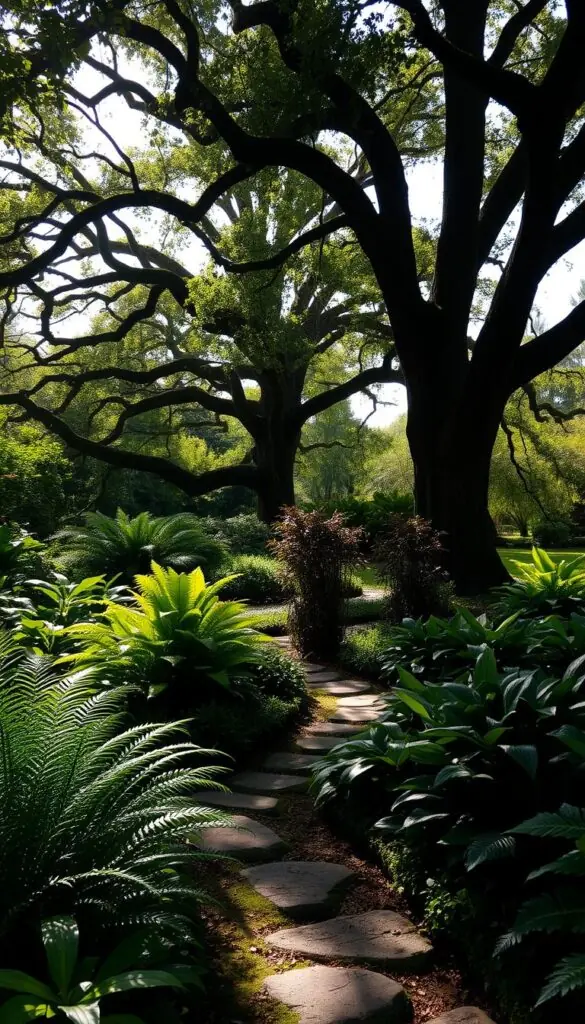
| Problem | Quick Test | Simple Fix |
|---|---|---|
| Soggy soil | Dig 2 in.; feel for cool dampness | Add compost, water less often, deep soak when needed |
| Leaf scorch | Check edges after afternoon sun | Move pot, add screen, or prune overhead branch |
| Mulch rot | Mulch touching crowns; inspect base | Pull mulch back 2–3 in. from stems; improve air flow |
- If blooms stall in heavy shade, try a brighter, dappled pocket or prune a branch overhead.
- Place thirsty choices like ligularia where soil stays cool and moist and out of late sun.
Low-maintenance combos for containers and beds
With simple combos you can get steady color and soft movement in partial spots.
Window box and hanging basket ideas
Plant one upright fuchsia in the center of a box. Flank it with two impatiens for continuous color. Edge the front with torenia and lobelia so they spill and soften the edge.
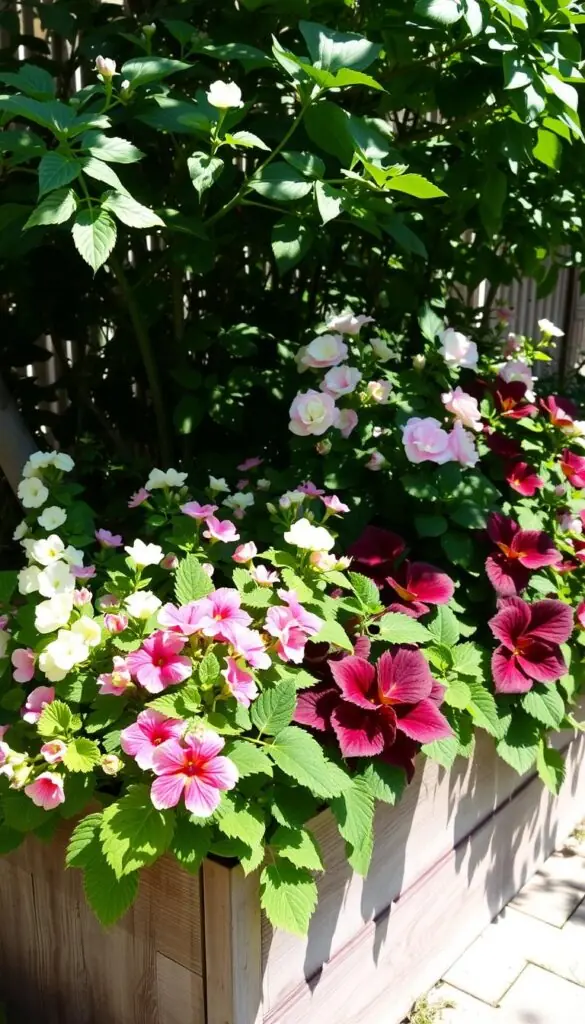
Color and care: pick a hot-pink fuchsia, violet torenia, and white impatiens for contrast. Use a lightweight potting mix and a slow-release fertilizer at planting. Water with a gentle wand until water runs from the drain holes.
Shear lobelia lightly in heat so it rebounds when nights cool. Torenia needs no deadheading and keeps producing blooms. Fuchsia draws hummingbirds in partial shade and rewards you with steady blooms.
- Rotate baskets a quarter turn weekly so every side sees soft morning sun.
- Add a small soaker line or water early so leaves dry quickly.
- For beds, mass impatiens under a tree and tuck patterned caladiums near the front for leaf interest.
| Combo | Plant Count (per 24" box) | Care Notes |
|---|---|---|
| Center-focus | 1 fuchsia, 2 impatiens, 4 torenia, 3 lobelia | Light mix, slow-release feed, water until drains |
| Hanging spill | 1 fuchsia, 6 torenia, 6 lobelia | Shear lobelia in heat; torenia no deadhead |
| Under-tree bed | Mass impatiens (6–10 per sq ft), 3 caladiums | Keep soil consistent; mulch thinly; water early |
"Plug-and-play combos save time and keep your garden feeling fresh all season."
Conclusion
A few steady choices and small habits will turn quiet spots into a joyful outdoor room.
Start simple: pick a handful of reliable perennials and add a couple of forgiving annuals for instant color. Place each plant where the light and soil suit it, and water deeply with a gentle wand.
Keep soil rich with compost and mulch to protect roots so leaves and foliage stay fresh through spring and summer. Let toad lilies and bigroot geranium give late-season interest into fall.
Enjoy the cool hush, the soft textures, and the surprise of small blooms that open when sunlight slips through the trees. Try one new variety each season and watch your garden grow into a peaceful, living retreat.
FAQ
What are reliable varieties that bloom in low light?
Many perennials do well in low-light spots. Try hosta, astilbe, hellebore, brunnera, lungwort (pulmonaria), toad lily, and bigroot geranium. For quick summer color, plant impatiens, begonias, fuchsia, caladium, torenia, lobelia, or SunPatiens.
How do I turn a dim corner into a vibrant garden?
Start by assessing the light—full shade, partial shade, or dappled. Improve soil with compost and leaf mold for better texture and moisture retention. Group plants by water needs, add containers or hanging baskets for height, and use variegated or colorful foliage to brighten the area.
Which plants suit full shade under trees or on north walls?
Choose shade-tolerant workhorses like hostas, ferns, and astilbe. These thrive with filtered light and benefit from organic mulch and careful watering to avoid compaction from tree roots.
What performs best in partial or dappled light?
Partial and dappled conditions suit columbine, brunnera, heuchera, and lungwort. They handle some sun but prefer protection during hot afternoon hours; spacing for airflow helps prevent leaf scorch.
How should I prepare soil for perennials and annuals in shaded beds?
Work in plenty of compost and leaf mold to improve drainage and nutrient content. Aim for a loamy texture that holds moisture without becoming soggy. Mulch lightly to conserve moisture and suppress weeds.
What spacing, mulching, and tools make planting easier?
Follow nursery spacing recommendations to avoid crowding. Use a hand trowel for small holes, a mulch fork for even coverage, and a watering wand for gentle, deep watering. A 2–3 inch mulch layer works well around crowns.
What should I expect each season in a shady garden?
In spring you’ll see hellebores, pulmonaria, and brunnera emerge. Summer brings impatiens, begonias, astilbe plumes, and hosta spikes. In fall, look for toad lily blooms and richer foliage from bigroot geranium and heuchera.
How do I avoid common mistakes in low-light planting?
Don’t overwater—poor drainage is a top problem in shady beds. Avoid planting sun-loving species that get scorched by brief afternoon rays. Keep soil loose, monitor moisture, and remove dead foliage to reduce disease.
What low-maintenance combos work in containers and beds?
Pair fuchsia or torenia with trailing lobelia or impatiens in hanging baskets for continuous color. In window boxes, mix caladium for bold foliage with SunPatiens for longer bloom time. Choose plants with similar moisture needs.
How can I use color and texture to make shady areas more interesting?
Focus on foliage contrast—silver, variegated, and lime-green leaves brighten darker spots. Add structural elements like ferns for lacy texture, hostas for bold leaves, and seasonal bloomers for pops of color.
Can annuals provide long-term interest in low light?
Yes. Annuals such as impatiens, begonias, torenia, and lobelia give reliable summer color and pair well with perennials for layered interest. Replace spent plants in late summer to maintain continuous blooms.
What watering routine keeps plants healthy without overdoing it?
Water deeply but infrequently, allowing the top inch of soil to dry slightly between sessions. Use a watering wand for gentle, even application and adjust frequency during heat waves or rainy periods.
Which tools or supplies are helpful for small shady gardens?
Keep a hand trowel, pruning shears, a watering wand, and a mulch fork handy. A soil thermometer and simple moisture meter can also help you avoid overwatering and choose the best planting times.
How do I choose plants that give fall interest in dim light?
Look for late-season bloomers and those with foliage that changes color. Toad lilies, bigroot geraniums, and many heuchera varieties extend visual interest into autumn with blooms or richer leaf tones.