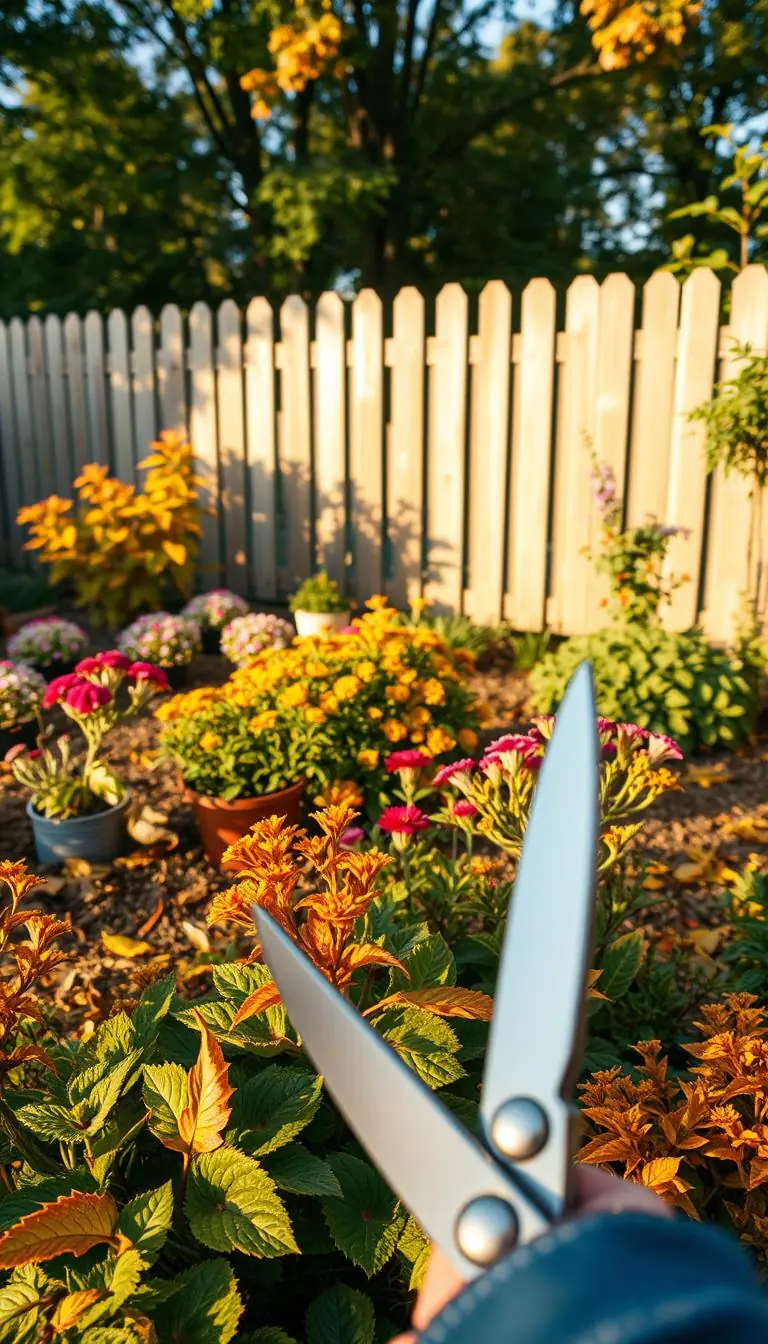
You step outside and the air already feels warm, the soil giving off that late-morning scent. Have you noticed leaves flirting with brown edges or containers drying faster than flower beds? That small clue is your cue to act with calm, steady care.
This short checklist helps you keep plants thriving through the heat without turning care into a chore. We focus on easy, reliable ways to save water and protect tender growth. Morning checks and base-level hydration do most of the heavy lifting.
Use simple tools — a wand, soaker hose, or a drip line — and add 2–3 inches of organic mulch to hold moisture. Containers need more attention than planted beds. Timers and self-watering pots are a smart way to cover days when you’re away.
Follow a gentle plan that fits your life. Small habits now mean a lush, steady result by the end of the year.
Key Takeaways
- Water in the morning when possible; late afternoon is the next best option.
- Water at the base of each plant to reduce evaporation.
- Apply 2–3 inches of organic mulch to retain soil moisture.
- Check containers more often; they dry out faster than the ground.
- Use timers or self-watering pots when you’ll be away.
Set the summer rhythm: a simple, calm plan for a thriving garden
Start with simple habits: a quick daily glance and a weekly look help you catch small problems before they grow.
Begin each week by walking the beds and pots. Scan the soil, note new growth, and spot any stressed plants. These short checks take little time but save work later.
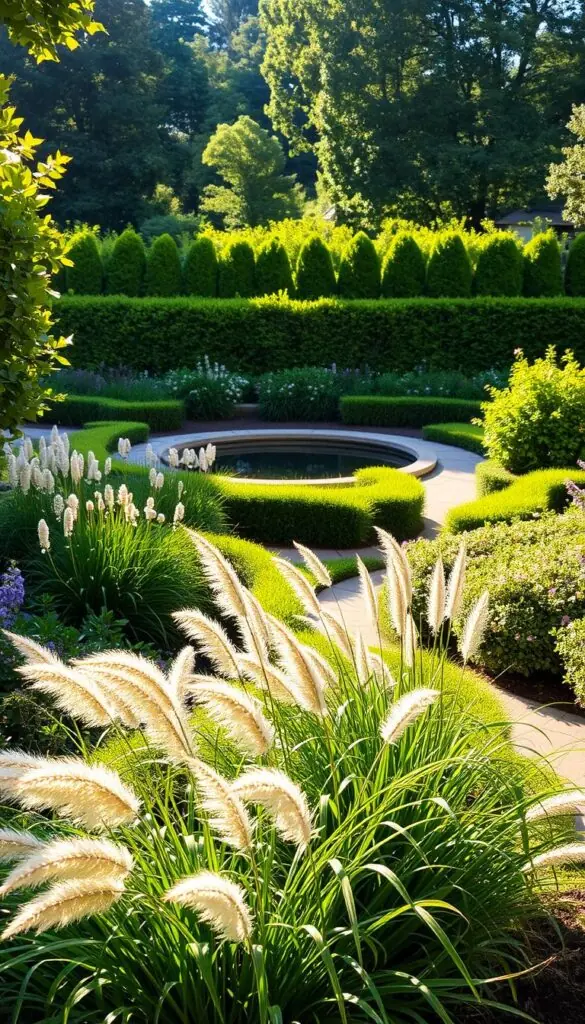
Create a tiny checklist you can follow without rushing. Look for loose ties, a handful of weeds near the base, or plants that need a stake. Jot one line in a notebook or your phone so you remember what changed since spring.
If you can, automate watering with a timer. It keeps moisture steady as the weather shifts and frees up days when you’re busy.
- Do a five‑minute daily scan.
- Do a deeper review once or twice a week for growth and shape.
- Adjust the rhythm when heat or wind arrives—add a little care rather than doing everything at once.
This calm cadence makes gardening feel manageable. Over the season you’ll build confidence and a garden that responds to your gentle, steady care.
Watering that works in summer heat
A quiet morning soak helps water sink to the roots before heat or wind steals it away. Water early when the air is cool; late afternoon is a second choice only if foliage can dry before night.
How to water: slow, deep, and at the base
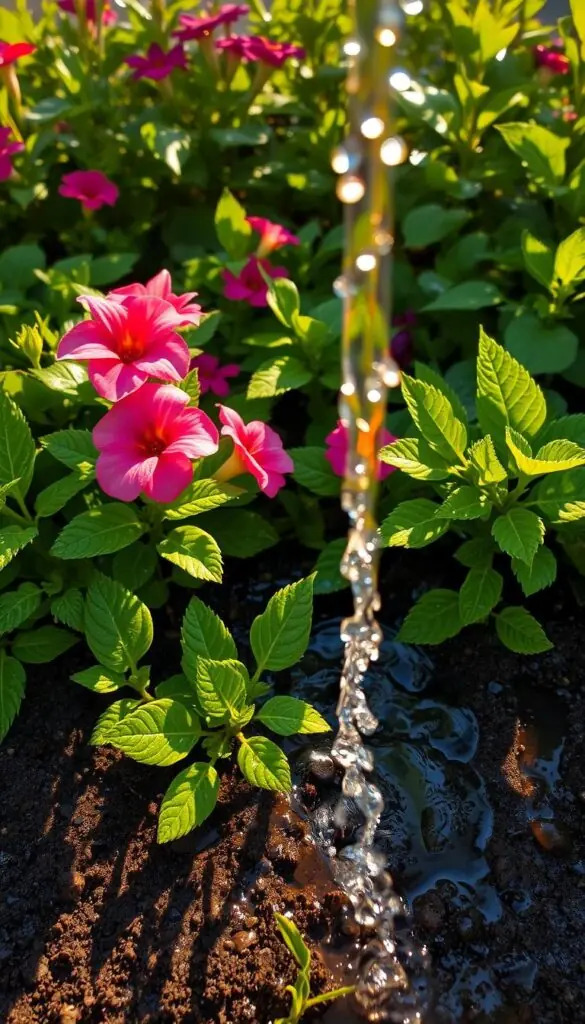
Aim at the base with a wand, long‑neck can, soaker hose, or drip. Move slowly so the stream soaks in and reaches the root zone. This saves water and cuts disease risk by keeping leaves dry.
Containers vs. beds and checking soil
Containers in full sun or wind dry faster than beds in the ground. Unglazed clay pots lose moisture quickest.
Use the finger test a few inches down or a basic meter to check soil moisture before you add more water.
| Spot | Frequency | Best method |
|---|---|---|
| Containers (sun/wind) | Daily to every 2 days in heat | Drip or deep hand soak |
| Planted beds | Every 3–7 days | Soaker hose or slow deep soak |
| Clay pots | Check daily | Smaller, frequent drinks |
| Before travel | Deep soak, set timer | Drip line + neighbor check |
Troubleshooting and vacation prep
If water beads on the surface, add a small amount first to soften a hydrophobic crust, then finish so it soaks deeply into the soil.
Brown edges or yellowing leaves can mean overwatering — let the soil breathe between deep drinks.
For trips, deep water before you leave, set a timer, and ask a neighbor to glance at your plants so you can relax and return to a thriving garden.
Summer garden tasks, watering
Make a gentle morning habit of checking stems and soil so problems stay small and easy to fix.
Daily and weekly rhythm: quick checks that prevent big problems
Begin each day with a brief look across your garden to spot wilting, dry soil, or a plant that needs a tie. Do a deeper check once or twice a week to tidy edges and refresh mulch.
Keep notes of what you did and how plants responded. A simple record helps you adjust the next few days without guesswork.
Adjust for weather: heat waves, rain, and shifting soil moisture
As the season warms, shift from frequent light waterings to slower, deeper sessions so roots grow down and plants stay steadier between drinks.
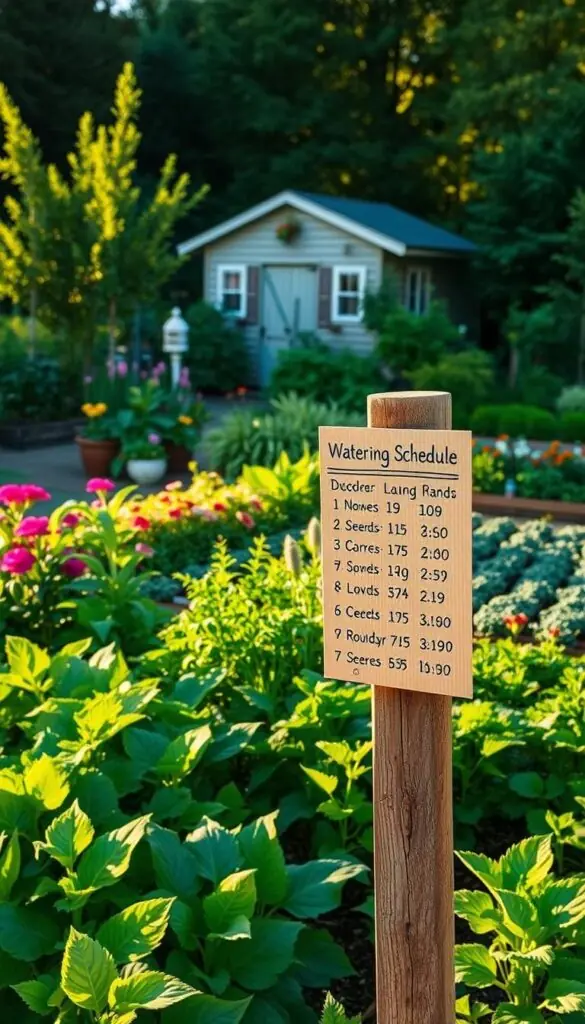
Use your timer’s manual mode on mild days and set a steady schedule for hot spells. When rain is forecast or just passed, reduce the amount you add and let soil drain naturally.
- Touch soil a few inches down before you water so you respond to real needs.
- Check soil moisture sooner in wind or heat, especially for newly planted starts.
- If a plant looks stressed, pause—decide if it needs shade, more water, or less water.
Care that keeps plants comfortable all season
Little acts of care—tucking ties, light weeding, and checking supports—make a big difference for plants. These simple steps save time and keep foliage healthy as the season moves on.
Weed often, gently: pull weeds close to the root so your plants keep water and nutrients for steady growth. Focus on the root zone first and use a light layer of mulch in garden beds to slow new sprouts and hold moisture.
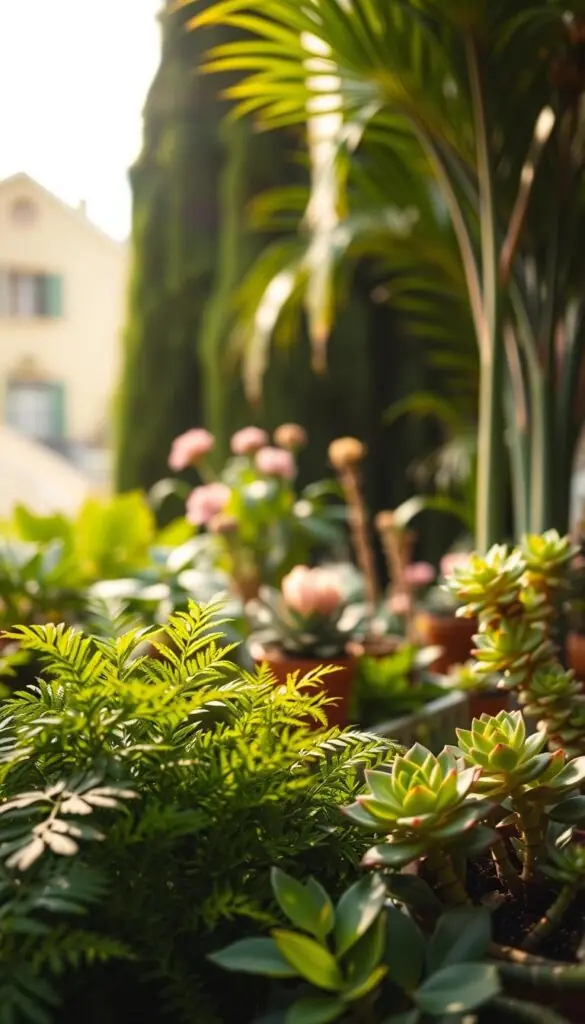
Support as they grow
Give climbing or heavy plants a sturdy stake, trellis, or arch. Tie stems softly and retie each week so growth stays upright and well‑aerated.
Prune sparingly
Remove stems that touch the soil and trim only what’s necessary. Keep enough foliage to shade fruits from harsh sun and prevent sunscald.
Harvest and observe
Pick produce in the cool part of the day—morning or evening—for the best flavor. Check fast growers daily so you catch fruits at their peak.
- Focus weeding where it matters most—around the base of each plant.
- Keep tools handy so five‑minute chores slip into your day.
- If you see curling, spots, or slowed growth, pause and adjust shade, airflow, or water before problems spread.
Moisture savers and smart plant choices for summer
Choose ground covers and plants that keep soil cool and cut down on upkeep. A few simple swaps help moisture linger where roots can use it. These choices make the area easier to care for while keeping beds lush.
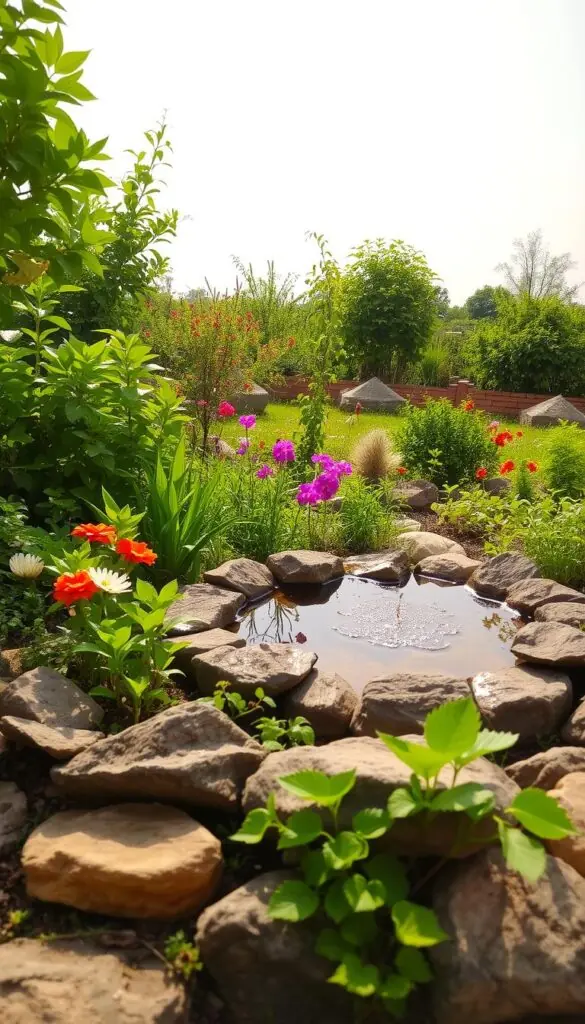
Mulch that matters: leaf compost, shredded bark, and aged wood chips
Lay 2–3 inches of mulch to hold moisture and suppress weeds. Leaf compost gives a soft, rich layer and is often free from fall municipal collections.
Shredded bark keeps a tidy look and lasts through the season. Use aged wood chips around trees; let fresh chips age about a year before using in beds to avoid nutrient tie‑up.
Shade and drought-ready plants: foam flower, wood aster, coneflowers, and grasses
Match perennials to the light they get. In shade, foam flower, wood aster, and Christmas fern give steady foliage and late-season flowers.
For dry shade, try epimedium or helleborus. In full sun, choose coneflowers, beebalms, prairie grasses, yucca, or native cactus. These plants need less water and invite pollinators.
Wind and sun protection: shade cloth, site selection, and full-sun adjustments
Where full sun meets wind, add a simple screen or shade cloth on the windward side. Move thirsty plants off the most exposed ground.
Group many plants with similar needs so rain and brief irrigation do the work. Think about how your area funnels wind and where water naturally collects when you place new choices.
| Mulch type | Best use | Notes |
|---|---|---|
| Leaf compost | Beds, around perennials | Soft layer, boosts soil over the year; collect in fall if available |
| Shredded bark | Flower beds, paths | Tidy look, holds moisture through the season |
| Aged wood chips | Base of trees, mulched islands | Lasts long; age fresh chips ~1 year before bed use |
| Thin gravel/top layer | Dry full sun spots | Reduces evaporation on heat-prone ground, pairs with drought plants |
Conclusion
A calm, simple routine keeps your plants healthy and your work small.
Start each morning with a quick check, water at the base, and give beds a deep soak that reaches the root. This way your water goes where it matters and leaves look steadier all day.
Add 2–3 inches of mulch in garden beds and group similar plants so the soil holds moisture and every drop helps your flowers and fruits.
Use a timer or drip line for trips, and ask a neighbor to glance in when you’re away. Keep an eye on containers and pause after rain before you add more water.
Small, steady choices make a big difference. With this calm pace, your summer garden thrives and feels easy to enjoy.
FAQ
What daily checks should I do to keep my summer beds thriving?
Do a quick walk-through each morning. Look for wilting, yellowing, pests, and dry soil at the top inch. Lift leaves to check for hidden pests and feel soil near the root zone. Spot-check containers, which dry faster, and remove any spent blooms or fallen fruit to prevent disease.
When is the best time to water — morning or evening?
Water early in the cool morning whenever possible; it reduces evaporation and helps plants recover from heat. Late afternoon is your second best option if mornings aren’t feasible, but avoid wet foliage overnight to limit fungal issues.
How do I water to reach roots without wasting water?
Water slowly and deeply at the base so moisture soaks down to the root zone. Use a soaker hose, drip line, or a slow-running hand hose for beds. Give containers shorter, more frequent deep drinks so roots aren’t left to dry out between sessions.
How can I tell if I’m overwatering or underwatering?
Check soil moisture with the finger test or a moisture meter: the root zone should feel slightly cool and damp, not soggy or bone dry. Overwatered plants show soft, yellowing leaves and root rot signs; underwatered ones have crispy edges and wilting that improves after watering.
How should I change my routine during heat waves or heavy rain?
During heat waves, increase water depth and frequency but still water in the morning to avoid stress. After heavy rain, skip supplemental watering and let soil settle; check soil moisture at root level before resuming routine to prevent waterlogging.
What’s the best way to care for containers vs. garden beds?
Containers dry out faster and heat up more. Use well-draining potting mix, group pots for shared shade and humidity, and water containers earlier or more often. Garden beds benefit from deeper, less frequent watering and a thick layer of mulch to retain moisture.
How much mulch should I apply and which types work best?
Apply 2–3 inches of organic mulch like shredded bark, leaf compost, or aged wood chips. Keep mulch a few inches away from stems and trunks to prevent rot. Mulch reduces evaporation, moderates soil temperature, and suppresses weeds.
Which plants handle sun and drought best in hot months?
Choose drought-tolerant perennials and grasses such as coneflowers, wood aster, foamflower, and ornamental grasses. These species have deeper roots or adaptive foliage that keeps them resilient in full sun and dry spells.
How can I protect tender plants from harsh sun and wind?
Use temporary shade cloth during extreme heat, add windbreaks like lattice or potted shrubs, and site new plantings where they’ll get morning sun and afternoon relief. Mulch and regular watering also reduce heat stress.
What pruning and support should I provide so plants stay productive?
Prune sparingly to maintain leaf cover that shades fruit and reduces sunscald. Provide stakes, trellises, or arches early in the season so vines and tall stems grow supported. Remove only dead or crowded growth to keep air moving and reduce pest pressure.
How do I prepare my garden if I’ll be away on vacation?
Install timers and drip irrigation for consistent deep watering. Group thirsty containers together in a shaded spot and mulch heavily. Ask a neighbor to check in for pests and fallen debris, and leave clear instructions on which areas need extra care.
When should I harvest vegetables for the best flavor and vigor?
Harvest in the cool hours of early morning or late evening for the crispiest, most flavorful produce. Regular picking encourages further production and prevents overripening, which can invite pests and disease.
How can I spot early signs of pests, disease, or sunscald?
Look for discolored spots, holes in leaves, sticky residue, wilting, or sunken patches on fruit. Check undersides of leaves and around stems. Early removal of affected material, targeted organic controls, and improved air circulation often stop problems before they spread.
What simple seasonal adjustments help soil stay healthy all season?
Amend beds with compost in spring and top-dress midseason if soil seems depleted. Use a moisture meter to guide feeding and watering, rotate crops in vegetable plots, and avoid compacting soil by walking only on paths or stepping stones.