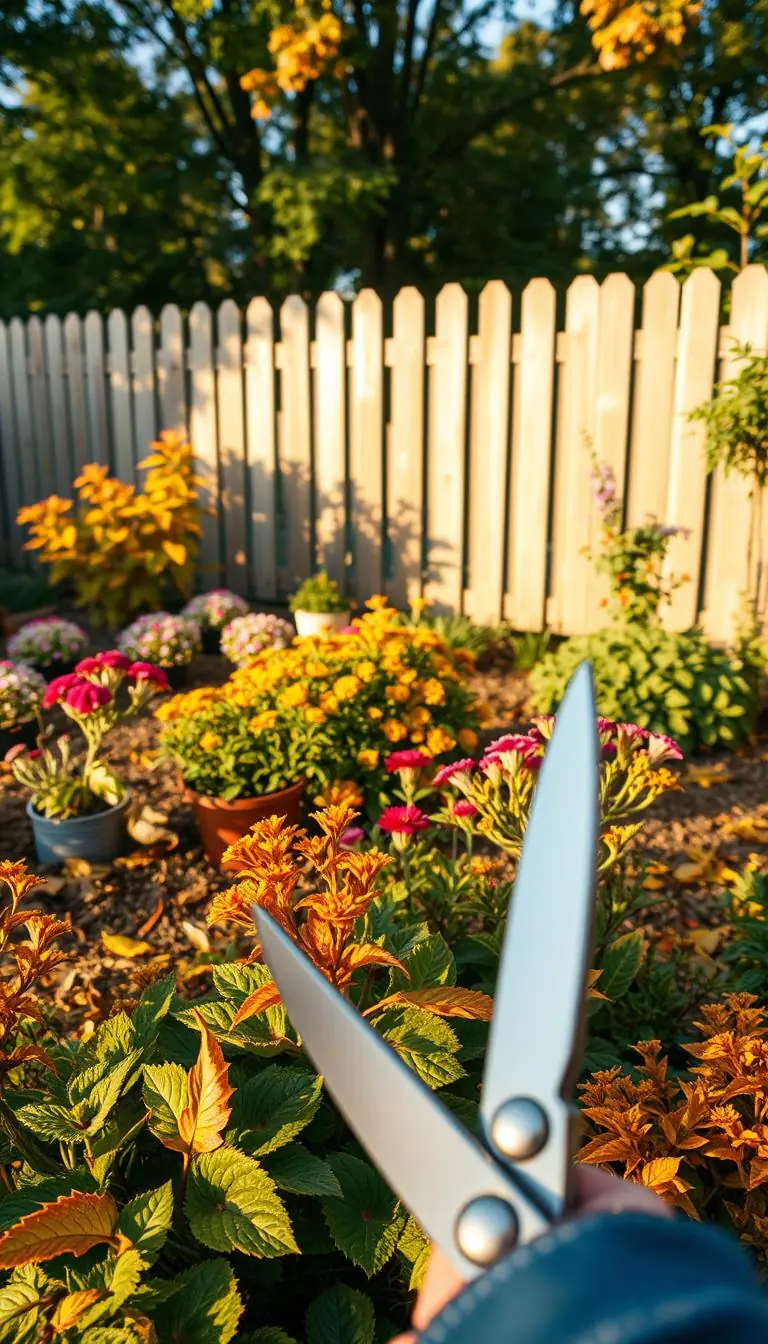
You step outside and notice a few dull patches, a leaning trellis, and the soft smell of thawing earth. That small, honest snapshot tells you where to begin. You don’t need a big overhaul to make your outdoor space feel inviting again.
Start by walking the beds and hardscaping. Look for winter damage, animal burrows, or shifting stones. Fix fences, refresh paint, and tidy raised beds before bulbs poke up.
Make a simple plan that fits your time and your home. Think quick fixes first, then add features that bring scent, color, and calm. A tucked herb pot by the kitchen door or a repaired bench changes how the whole space feels.
This article will guide you like a helpful neighbor. You’ll learn how to read what cold weather left behind and move in a sensible order. Small steps add up, and each one makes the season more rewarding.
Key Takeaways
- Begin with an inspection to spot winter damage and loose hardscape.
- Prioritize repairs to fences, walls, and raised beds before planting.
- Clean beds and containers so bulbs and flowers can thrive.
- Create a simple, realistic plan that fits your home and time.
- Small updates—trellises or herb pots—offer big seasonal rewards.
Start with a gentle spring inspection to see what winter changed
Take a slow walk around your outdoor space, notebook in hand, and note what the season left behind.
Move through your garden at an easy pace. Look for obvious winter damage like crushed stems or ice-split branches. Note where beds need a light clean and where the ground heaved or puddled.
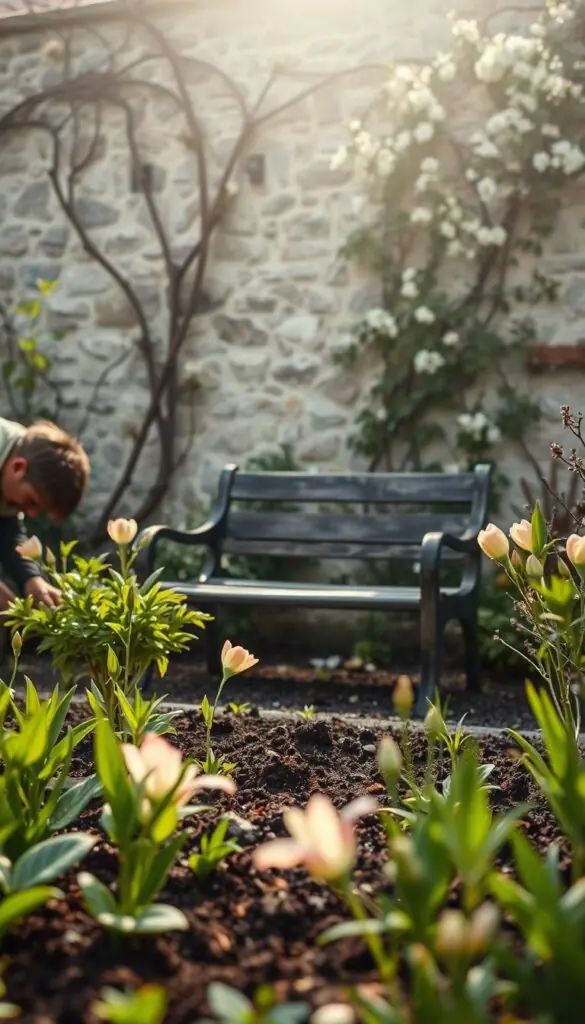
Walk-through checklist: plants, beds, and hardscaping
- Slowly record broken branches, lifted edging, and any spots where the ground shifted so you can plan fixes.
- Check plants for winter burn, split stems, or bark damage on young trees; mark items for pruning later.
- Scan beds for matted leaves, soggy patches, and compacted soil to focus cleanup where it will help most.
- Inspect fences, trellises, raised beds, and stepping stones for rot, loose hardware, or movement.
Spotting wildlife and winter damage with a calm eye
Watch for animal signs like small tunnels or chewed stems. Quiet notes now save you time when you choose protection or replacements.
Sketch where you’d like more bulbs next year—along a path or by the mailbox—so fall planting is easy to plan. Prioritize tasks by area and effort, and give yourself time; a measured inspection leads to fewer surprises and a more enjoyable season.
Fix and refresh hardscaping before the garden wakes up
Before new shoots appear, take time to secure the hard surfaces and timber that shape your outdoor space.
Start with structural fixes so your landscape feels safe and tidy when plants push up. Tighten fence hardware, re-secure trellises, and re-level paths or stepping stones. These small repairs stop accidents and make the whole area look cared for.
Fences, trellises, raised beds, and edging tune-ups
Refresh raised beds and edging: add new fasteners, widen beds if needed, and replace rotten boards. Check window boxes and planters for cracks and drainage so your plants don’t suffer mid-season leaks.
Clean, paint, stain, and seal wood elements for a fresh season
Clean wood with a mild soap and water mix before you finish. Choose paint for bold color, stain to show the grain, or sealant for pieces near the patio and high-wear spots.
- Use corrosion-resistant screws and durable materials so repairs last.
- If space is tight, add vertical supports to lift herbs and compact plants upward.
- Step back and view the whole space—small tune-ups bring instant style and make planting look intentional.
Tip: Tackle one task at a time; a calm, methodical approach turns modest repairs into a refreshed, usable landscape without a major overhaul.
Do a light, loving cleanup to make space for new growth
Walk each area with soft hands and a small rake to reveal the first hints of new growth.
Begin gently: ease out soggy leaves and spent stems so emerging shoots aren’t scratched. Remove fallen branches and trim winter-killed bits, but keep healthy material where beneficial insects may shelter.

Clear spent foliage, fallen branches, and matted leaves
Before bulbs pop, lift last year’s perennial foliage, grasses, and any leftover annuals from each bed. Fluff compacted mulch to let air and warmth reach the soil surface.
Gather debris into a compost pile when possible. Save a few sturdy stems for simple plant supports later. Work area by area so the task feels calm and manageable.
Freshen water features and containers for healthy starts
Refresh ponds and small ponds by skimming leaves and light algae so pumps run smoothly and the scene has instant visual interest.
Scrub birdbaths and containers with a 1:5 bleach-to-water solution, then rinse well. This keeps wildlife safe and gives your container plants a clean start.
- Keep a light touch so new shoots stay safe.
- Let beneficial insects remain when possible—don’t over-clean every corner.
- Spend 20 minutes in one spot; small sessions add up to clear, inviting outdoor spaces.
Test and feed your soil so everything thrives
A simple test will show whether your soil needs an acid tweak or a gentle feed.
Start by testing every 3–5 years so you add only what’s missing. Follow your state Extension Service for sampling instructions. Their report gives pH and nutrient levels you can trust.
Simple soil testing to guide your spring plan
A test creates a clear plan—you avoid wasting amendments and give plants what they truly need. If results show alkaline conditions, treat acid-loving shrubs like hydrangeas with targeted measures, following the Extension guidance.

Topdress with compost and add slow-release organics
Right before bulbs and perennials push up, spread 1–2 inches of compost or well-rotted manure across beds. Sprinkle a measured dose of slow-release organic food such as Espoma Plant-tone near perennials and shrubs.
"Feed the soil, not just the plants—healthy soil life does the heavy lifting."
| Action | When | Benefit |
|---|---|---|
| Soil test | Every 3–5 years | Accurate pH and nutrient plan |
| Topdress compost | Early season, before bulbs emerge | Improves structure and fertility |
| Slow-release organics | With topdress or at planting | Steady nutrients, safer roots |
| Record keeping | Each year per bed | Easier tweaks next season |
- Keep a simple record for each bed so next year’s plan is faster.
- Choose gentle, organic options to let earthworms and microbes do the work.
Prune wisely and divide thoughtfully for healthier plants
Trim with purpose: focus first on clear winter damage and let form guide you.
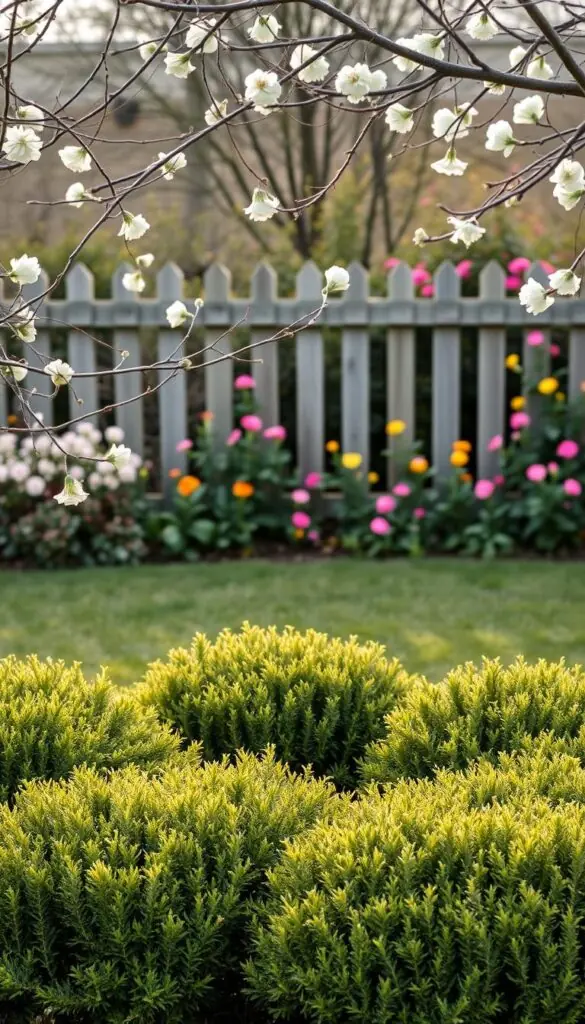
Begin by removing dead, broken, or winter-burned branches. That opens each plant to light and air and lowers disease risk.
Prune new-wood bloomers (butterfly bush, smooth hydrangea, panicle hydrangea, potentilla, rose of Sharon, roses) now. Their flowers form on fresh growth after you cut.
Do not prune early-flowering shrubs such as azalea, forsythia, lilac, quince, ninebark, or weigela in spring. You would remove this year’s buds and lose the flowering display.
Dividing perennials and moving shrubs without stress
Divide perennials that bloom in summer or fall in early spring. Replant clumps at the same depth and water well to settle soil around roots.
Move evergreen shrubs in early spring or early fall so they re-establish. Transplant deciduous shrubs while dormant to reduce stress.
- Keep cuts clean and conservative; small, steady pruning yields fuller growth over the year.
- If unsure, wait until after flowering to shape flowering shrubs—patience preserves blooms.
- Lightly shape a small ornamental tree after frost risk passes, focusing on crossing branches.
Set supports early: trellises, stakes, and peony rings
Put supports in place now so stems can grow into them, not around them.
Bring trellises out early and check each for wobble. Tighten hardware, refresh paint if needed, and secure posts so climbing vines and tall plants stay sturdy as they climb.
Set peony rings, stake delphiniums, and add soft ties for tall perennials before foliage unfurls. It takes less time now than trying to catch tender stems later in a busy week.
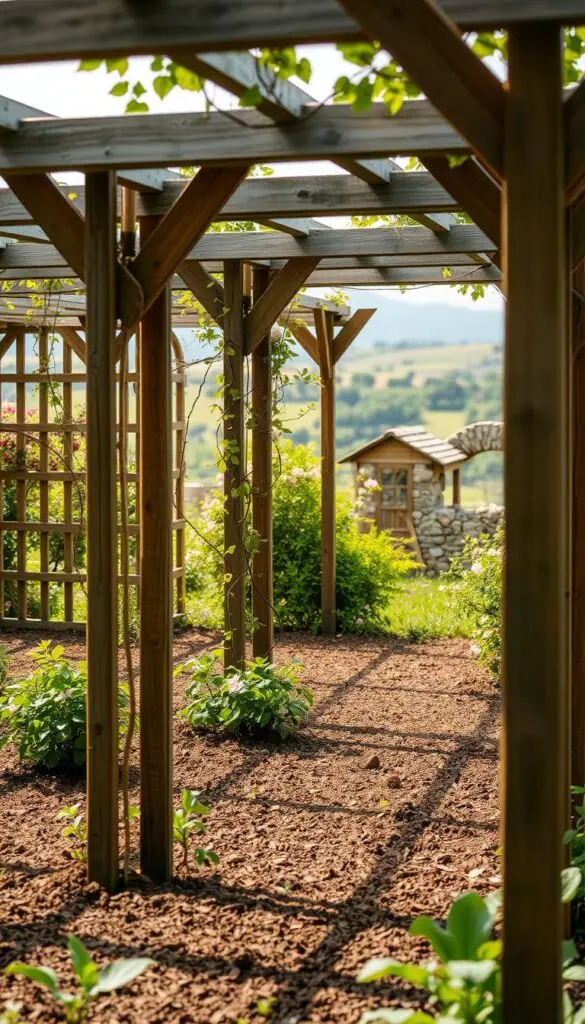
Think vertical when space is tight. Lifting plants creates air circulation and opens ground space for lower flowers and companion plants. Map supports by plant height so each spot has the right structure.
- Install supports so stems grow through them naturally and beds look tidy.
- Leave room for stems to thicken as they head into summer.
- Add one extra stake when unsure—retrofits during storms are harder.
"A few minutes now saves hours of futzing later."
Cool-season containers and borders that shine before summer
Early-season containers let you mix hardy annuals and herbs for color and kitchen snips.
Choose pots and small borders that bring bright, early blooms to your patio and entry. A few well-placed containers add instant curb appeal and make outdoor moments feel ready for guests.
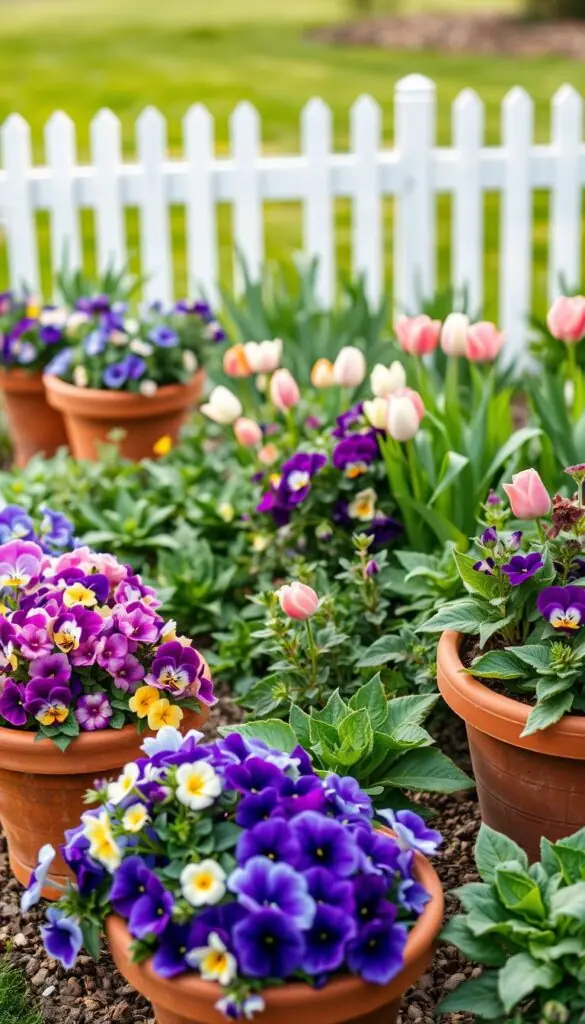
Plant picks that don’t mind a chill
Sturdy annuals such as pansies, nemesia, and osteospermum tolerate cool nights and give steady color.
Textural fillers like sweet alyssum, lobelia, and Supertunia petunias soften edges and extend blooms between colder snaps.
- Tuck thyme or parsley into a corner of the pot for scent and quick kitchen snips.
- Repeat one accent color across several containers to make the space feel cohesive from curb to patio.
- Edge borders with early annuals to frame emerging perennials and create layered blooms that last.
- If frost threatens, move containers closer to the house for extra warmth and protection.
| Plant | Best spot | Why pick it |
|---|---|---|
| Pansies | Front pots, window boxes | Cold-tolerant, steady color |
| Nemesia | Mixed containers | Fragrant, early blooms |
| Supertunia petunia | Hanging baskets, patio pots | Long bloom time, soft texture |
Care tip: Keep soil evenly moist and avoid heavy feeding in cool weather. Plants grow slowly now, but steady moisture keeps leaves full and blooms fresh.
Be frost-ready with gentle plant protection
A brief, calm action at dusk can keep tender shoots safe through one cold night.
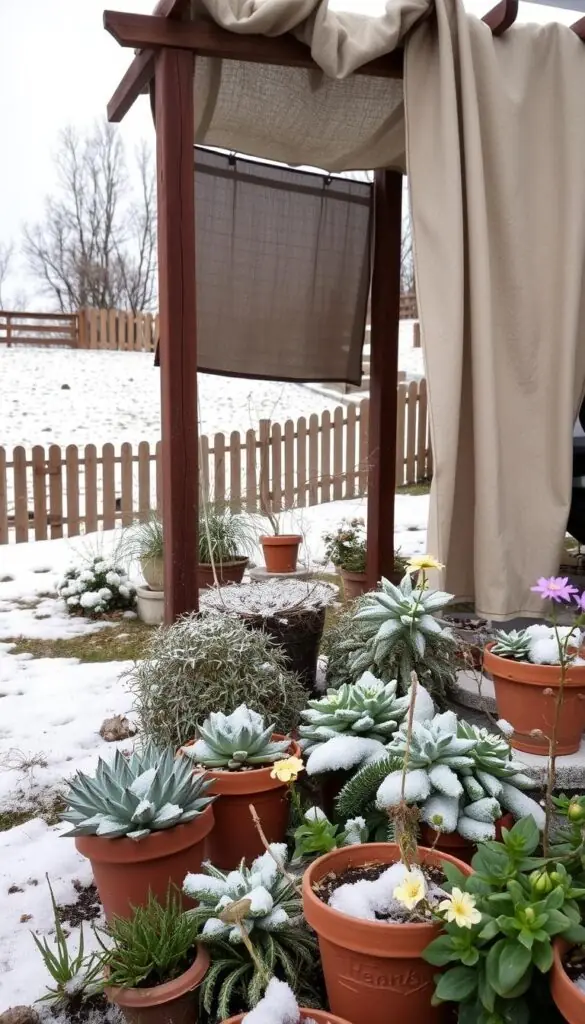
Cover tender emerging buds or soft foliage when freezing temperatures show up in the forecast. If buds are still closed, you usually do not need to cover them.
What to cover — and what not to
Use breathable fabrics such as old sheets, towels, or a commercial row cover to trap a little warmth without holding moisture on leaves. Do not let plastic tarps touch foliage; plastic in contact with leaves can amplify cold damage.
- Watch the forecast and have covers ready so you can act quickly.
- Prioritize plants with open buds or tender growth; unopened buds often stay safe on their own.
- Anchor covers to the ground so heat stays put overnight, then remove them in the morning.
- Keep a small kit of clips, stakes, and cloth within reach to save time at dusk.
- Think of protection as a brief pause — not a failure — and the plant will resume growth by day.
"Preparedness at dusk keeps your flowers and young growth thriving by morning."
As the season moves toward summer, you'll need this less, but the small habit carries into fall and helps you protect beds and perennials year after year.
spring garden ideas that wow: verticals, moonlight, and water
Lift your view upward—vertical elements can turn a small plot into a layered room.
Train vines up trellises or arbors to add height and privacy without crowding the ground. Wall planters and modular living panels make a compact landscape feel lush and intentional.
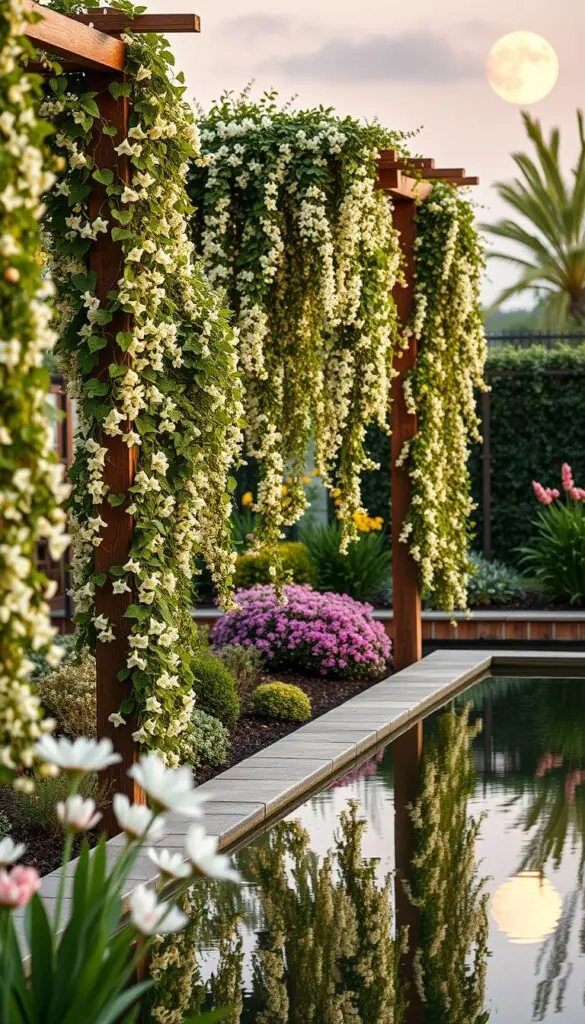
Vertical gardening: wall planters, arbors, and hanging baskets
Hang baskets with trailing annuals and herbs at eye level so color and scent greet you at the door. One arbor wrapped in a climber can become the focal point of a patio or path.
Moonlight magic: pale blooms, silvery foliage, and soft lighting
Create a moonlight corner with night-blooming jasmine, moonflower, and silver-leafed plants. Add a few solar lights or warm string lights to let blooms glow after dusk.
Water elements: trickling movement or serene reflections
Choose a small bubbling fountain for gentle sound or a still basin for reflective calm. A water piece brings movement and focus; it pairs beautifully with pale flowers and seating.
Add a fragrant climber to greet you on evening strolls
- Pick a night-fragrant vine like star jasmine or evergreen clematis near windows or seats.
- Use vertical panels to frame views and add privacy without heavy structures.
- Let one strong element—an arbor, basin, or living wall—build the mood over the season.
Create seasonal moments: color drifts, pollinators, shade havens, and one stunning tree
Create painterly bands of bloom by repeating a single species across a bed. Planting in drifts gives a calm, intentional sweep of color that the eye reads as one strong element. Use a spreading choice like Siberian iris ‘Caesar’s Brother’ in moist edges to form a lasting band.
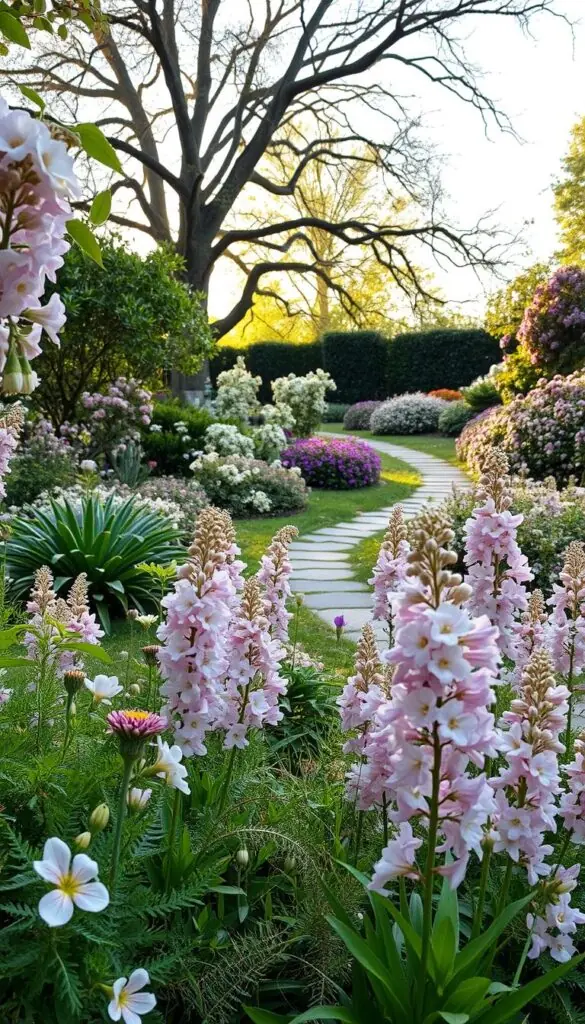
Plant in drifts for easy, painterly swaths of color
Group one plant in generous clumps so patches read like ribbons, not scattered dots. Repeat a single hue to tie beds together from front to back.
Invite pollinators with blooms across the season
Mix early, mid, and late bloomers so bees, butterflies, and hummingbirds find food from March into fall. Include a range of shapes and colors to keep visitors coming back.
Turn shade into a woodland nook with layered textures
Use hellebores, ferns, and pastel bulbs to make shady spots feel like a soft retreat. Add a few low shrubs for year-round structure and quiet surprise.
Choose one knock-your-socks-off flowering tree
Pick a single flowering tree as your seasonal showstopper—saucer magnolia, crabapple, or Japanese cherry. Place it where its blossoms, scent, and shadow create a daily moment to savor.
| Feature | Example | Why it works |
|---|---|---|
| Drift plant | Siberian iris ‘Caesar’s Brother’ | Spreads in moist soil for painterly swaths |
| Pollinator mix | Early bulbs, mid-season perennials, late asters | Staggered blooms feed visitors all season |
| Woodland planting | Hellebores, ferns, azaleas | Layered texture for cool, shady corners |
| Show tree | Flowering cherry or magnolia | One focal bloom moment that anchors the yard |
Conclusion
End your spring work with a clear plan for upkeep and one small creative project.
Keep the approach simple: inspect beds, repair hardscaping, and clean gently so new growth thrives. Test your soil every 3–5 years and topdress with compost or a slow‑release organic feed.
Prune and divide when timing fits, set supports early, and tuck containers and herbs where you’ll use them. Protect tender shoots at night with breathable covers, not plastic.
Choose one new idea—maybe a water bowl, a vertical accent, or a single flowering tree—and enjoy watching plants respond. Small, steady projects done on your schedule create a landscape you truly love.
FAQ
How do I start inspecting my yard after winter?
Walk every bed and hardscape slowly. Look for broken branches, soggy soil, frost heave at plant crowns, and displaced mulch. Check fences, trellises, containers, and water features for cracks or debris. Take notes so you can prioritize repairs and planting tasks.
What should be on my walk-through checklist?
Inspect plant health, soil moisture, edging, and paths. Note areas with winter damage, compacted soil, or poor drainage. Record which beds need fresh compost, which shrubs need pruning, and where additonal supports or posts are required.
How do I spot wildlife damage versus normal winter dieback?
Chewed bark, clustered digging, or stripped branches often mean animals like rabbits or rodents. Brown, brittle tips or flattened foliage usually signal cold stress. Look for tracks or droppings near damaged spots to confirm wildlife activity.
What hardscaping tasks should I tackle before planting?
Repair fences, level raised beds, tighten trellises, and refresh edging. Clean patios and pathways, then seal or stain wood surfaces as needed. Doing these now prevents work from disturbing new roots later.
Should I paint or stain outdoor wood this season?
Yes—clean surfaces, let them dry fully, then apply paint, stain, or sealer on a calm, dry day. That protects against moisture and UV damage and gives your outdoor rooms a crisp, fresh look.
What’s the easiest cleanup routine that won’t harm new shoots?
Remove only obviously dead foliage and fallen branches. Pull matted leaves from around crowns gently to avoid tearing new growth. Wait to remove perennial foliage that provides winter protection until you see consistent warm weather.
How do I refresh water features and containers safely?
Empty and scrub fountains or birdbaths, then refill with fresh water. Drain and clean containers, replace old soil with a light potting mix, and inspect drainage holes. This reduces algae and disease risk for new plantings.
How can I test my soil without expensive tools?
Use a simple home test kit from brands like Luster Leaf or send a sample to your local county extension for a detailed analysis. Check pH, organic matter, and nutrient levels to choose the right amendments.
When should I add compost or slow-release fertilizer?
Topdress beds with compost in early season when soil is workable. Add a slow-release organic fertilizer according to label rates at planting time or as spring growth begins to pick up.
What should I prune now, and what should I wait to prune?
Prune dead, diseased, or crossing branches now. Delay pruning spring-flowering shrubs like forsythia and lilac until after they bloom. This preserves blooms and prevents cutting off flower buds.
How do I divide perennials without stressing them?
Divide perennials on a cool, cloudy day. Water the plant the day before, dig up the crown, and separate into healthy sections with roots and shoots. Replant at the same depth, firm soil, and water in well.
When should I set up supports like trellises and peony rings?
Install supports early—before vigorous growth begins. That prevents root disturbance and keeps tall stems upright as they leaf out and bloom, reducing breakage during wind or rain.
Which cool-season plants work well in containers and borders now?
Choose plants that handle chill: pansies, ornamental kale, hellebores, and early tulip and narcissus bulbs. Combine evergreen foliage, seasonal blooms, and bulbs for layered interest until heat arrives.
How do I protect tender plants from late frosts?
Use frost cloths, row covers, or cloches on cold nights and remove them by day. Avoid plastic directly on foliage; instead, drape fabric over frames or stakes. Move potted plants into sheltered areas when frost is forecast.
What’s the best way to add vertical interest without overcrowding?
Use wall planters, arbors, and hanging baskets to lift plants up rather than out. Choose climbers like clematis or honeysuckle for long-term structure, and keep spacing so air circulates and roots have room.
How can I create a moonlight garden that looks good at night?
Plant pale flowers and silvery foliage—white roses, phlox, lunar grasses, and Artemisia. Add soft LED landscape lighting and reflective surfaces like a small pond or light-colored stone to amplify glow after dusk.
What water features work best in small yards?
Choose compact options: a bubbling urn, a small reflecting pool, or a narrow rill. These add movement and sound without overwhelming space, and they suit patios, courtyards, and balcony settings.
How do I plant for pollinators through the season?
Stagger bloom times with early bulbs, midseason perennials, and late-season asters and sedum. Include nectar-rich herbs like lavender, borage, and mint, and avoid pesticides to keep bees and butterflies safe.
What makes a single flowering tree a standout focal point?
Choose a tree with striking seasonal interest—magnolia for bold blossoms, crabapple for spring and fruit, or Cercis canadensis (redbud) for early color. Plant where it has room to grow and where its blooms will be visible from key views.