Imagine crisp air, the scent of green leaves, and a small pot of mint on your windowsill. Have you ever noticed a patch of soil that seems to beg for flavor? You’re in the right place to turn that patch into an inviting corner of fresh taste and easy wins.
You don’t need to know everything to get started. We’ll walk step by step like a friend over coffee, showing simple actions that build confidence. Many cool-season plants prefer full sun to part shade and well-draining soil—think cilantro, chives, parsley, rosemary, sage, thyme, lavender, and mint.
Cilantro is ready when it reaches 6–8 inches and shows true leaves. Chives come back each year and even make edible lavender flowers. Keep mint in a pot to stop it from spreading, and prune rosemary after spring bloom to encourage dense growth.
We’ll help you match sun and soil to each plant, watch your zone and frost risk, and give practical harvest tips so your garden gives steady flavor through the season.
Key Takeaways
- Focus on resilient plants that suit mild spring weather and simple care.
- Match sun exposure and soil drainage to each plant for steady growth.
- Harvest cilantro at 6–8 inches; snip chives often to encourage returns.
- Contain mint in pots; prune rosemary after bloom for denser shape.
- Consider your zone and short-term frost risk when planting.
Welcome to early spring: set yourself up for an easy, happy herb garden
Let’s make this simple and friendly so your garden fits your daily life.
You can place a few pots near your kitchen door and turn small tasks into a soothing ritual. Choose a sunny spot that gets a few hours of direct sun and gentle afternoon light; most cool-season plants prefer full sun to partial shade in early spring.
Loosen the soil before planting so water drains away fast. Herbs dislike wet feet, especially after a damp winter. Good drainage helps steady growth and keeps roots healthy.
Start small with chives, parsley, and cilantro or a rosemary and thyme pair. Keep mint in a dedicated container so it won’t take over your beds. Grouping containers near the door makes harvesting quick and fun.
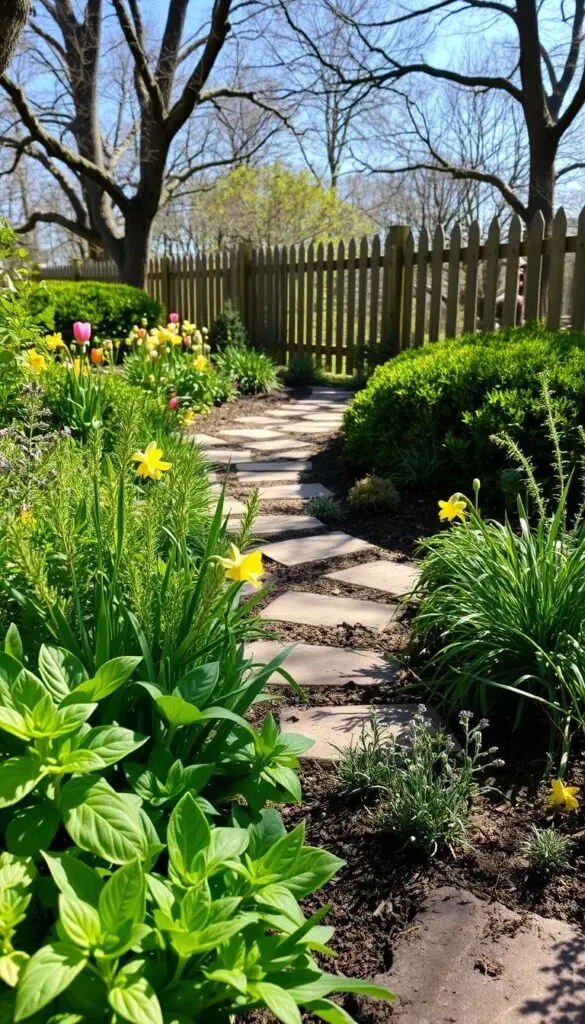
Plan a simple frost backup like a lightweight cover for surprise chills. Give each plant breathing room for air flow, and make a quick morning check-in part of your routine—touch the soil, note light, and snip a sprig. This gentle habit helps steady growth through the season and keeps your kitchen supply fresh.
- Pick a spot with good sun and light balance.
- Improve soil drainage before planting.
- Keep pots near the kitchen for easy harvests.
Your quick-start plan for planting in cool weather
A calm, step-by-step plan helps you match light, soil, and timing without guesswork.
Sun and light: match exposure to each plant
Pick a spot that gets morning sun and gentle afternoon light. Most plants here prefer full sun to partial shade—chives and thyme love bright sun, while mint tolerates a bit more shade.
Soil that drains well (and why moisture balance matters)
Check soil after you water. It should drain within a few hours and feel lightly moist, not soggy. Lavender and thyme prefer a drier finish, so avoid heavy, wet soil.
Seeds, seedlings, or transplants: what to choose
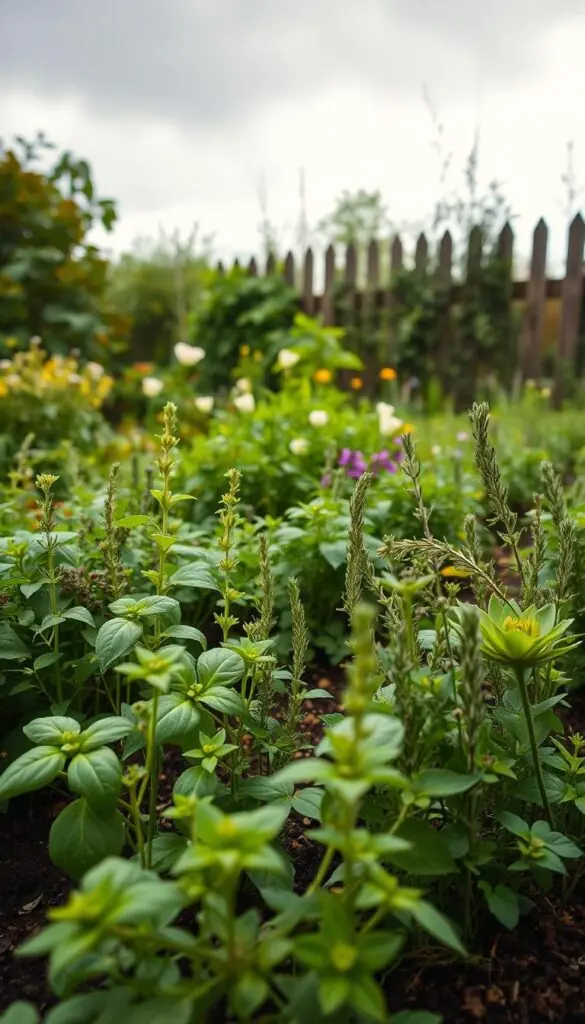
If early spring feels brisk, pick sturdy transplants so you skip the most delicate stage. Sow seeds for quick growers once the soil settles and temperatures stay steady.
Plant at the same depth as the nursery pot and gently loosen roots so they spread into the bed or pot.
Protecting tender new growth from late frost
Keep a lightweight cover or cloche on hand for cold nights. Watch night temperatures in your zone—calm, clear evenings can dip lower than daytime forecasts suggest.
- Water in slowly to settle roots, then let the surface dry slightly before the next drink.
- Harvest lightly after plants take hold to encourage branching and steady growth.
- Use a small pot or bed grouping near your door to make daily checks quick and easy.
Spotlight on cool-season champions you can plant now
Meet four easygoing spring favorites that settle into your garden fast and reward you with fresh flavor.
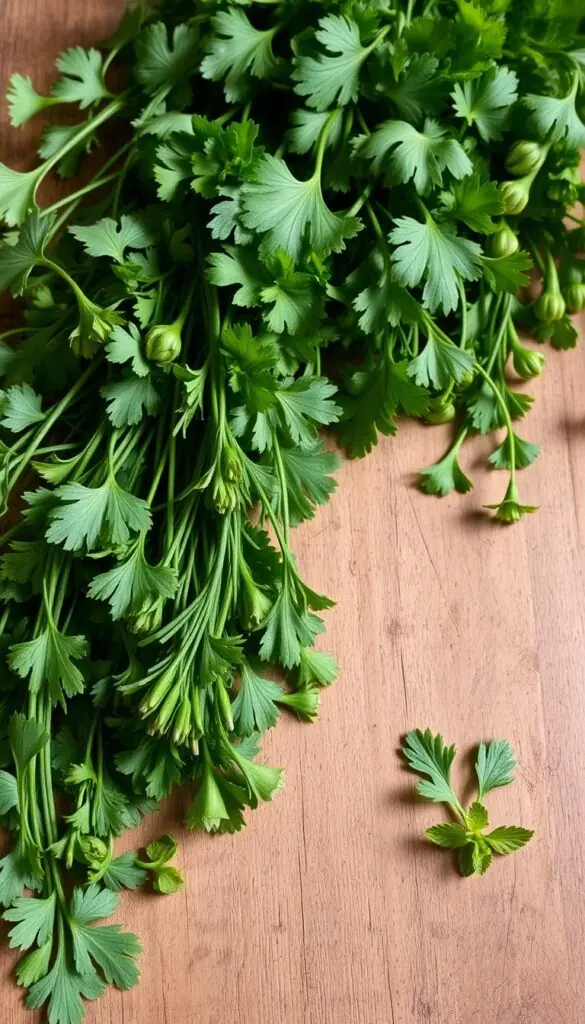
Cilantro: This one loves cool mornings and bolts in heat. Harvest when plants reach 6–8 inches and show pairs of true leaves. Snip stems often to slow flowering and extend leaf production.
Chives: Perennial clumps form quickly and grow to about a foot. You can graze them weekly; the hollow leaves and edible lavender blooms add a soft onion note to eggs or salads.
Parsley: Pick flat-leaf for bold taste or curly for texture. It does well in beds or pots with moist, well-draining soil and bright light. Tuck it where you’ll pass and pick often.
Mint: Vigorous and fast, mint rewards frequent picking. Keep it in a container so it won’t overrun other plants. Use sprigs in tea, fruit, or savory dishes for a fresh lift.
- Give all four full sun to partial shade and steady moisture without soggy soil.
- Harvest a little at a time to encourage dense growth and longer flavor.
- Move containers to light afternoon shade during warm spells to protect cilantro and parsley.
Fragrant evergreens for structure and steady harvests
A trio of woody perennials can anchor beds and supply steady kitchen picks all year. These plants add shape to your garden and give you reliable sprigs for cooking.
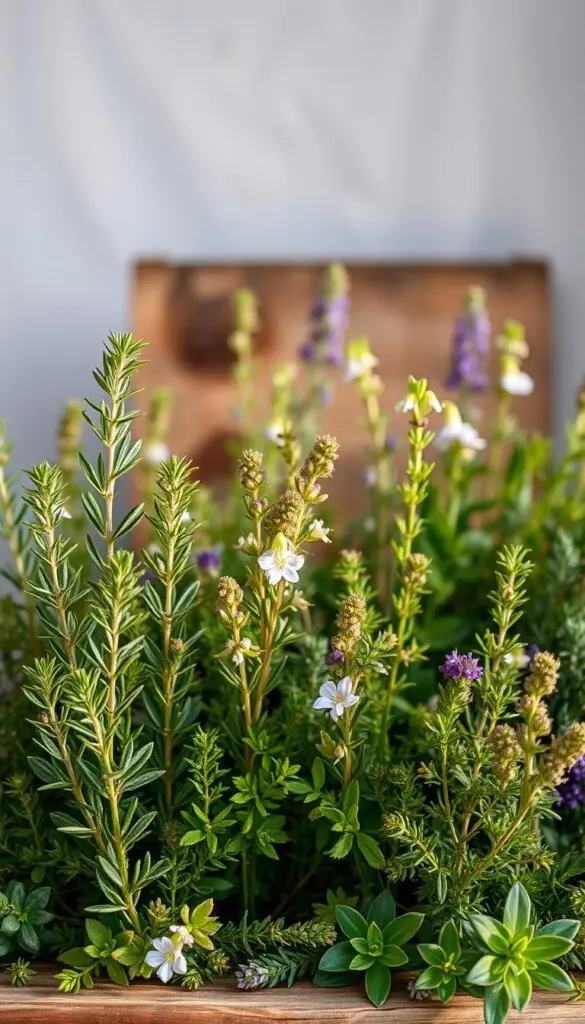
Rosemary care and shaping
Rosemary loves full sun and well-draining soil. Plant it where water runs away quickly so roots stay airy.
After the spring bloom fades, prune hard to encourage dense new growth. That severe trim resets the shrub and makes harvesting easier as the season warms toward summer.
Sage for soft leaves and steady use
Sage shows off gray-green leaves that do well in bright, cool days. Choose a resilient variety like ‘Berggarten’ if your summers bring humidity and heat.
Snip lightly to keep the plant tidy and to maintain the best flavor and leaf quality for the kitchen.
Thyme: low fuss, big flavor
Thyme thrives in sunny, dry spots and requires very little care. Its tiny leaves deliver concentrated flavor and come in many variety notes—lemon, orange, and more.
Water sparingly once established and trim often to promote branching. Tuck these three near a path or kitchen door and you’ll grab fresh sprigs without thinking.
- Plant rosemary where it gets full sun and good drainage.
- Pick mildew-resistant sage for muggy summers.
- Choose thyme types that match the flavor you want.
Lavender in cool weather: how to help it settle in
A sunny, airy corner of your garden makes the best home for lavender this season.
Lavandula x intermedia prefers full sun and very well-draining to dry soil. Plant in spring or fall when temperatures are mild so roots establish before high heat or deep winter cold.
Pick a breezy spot that sheds water quickly. If your garden holds moisture, set the plant slightly high on a gentle mound so crowns stay dry during cool, damp spells.
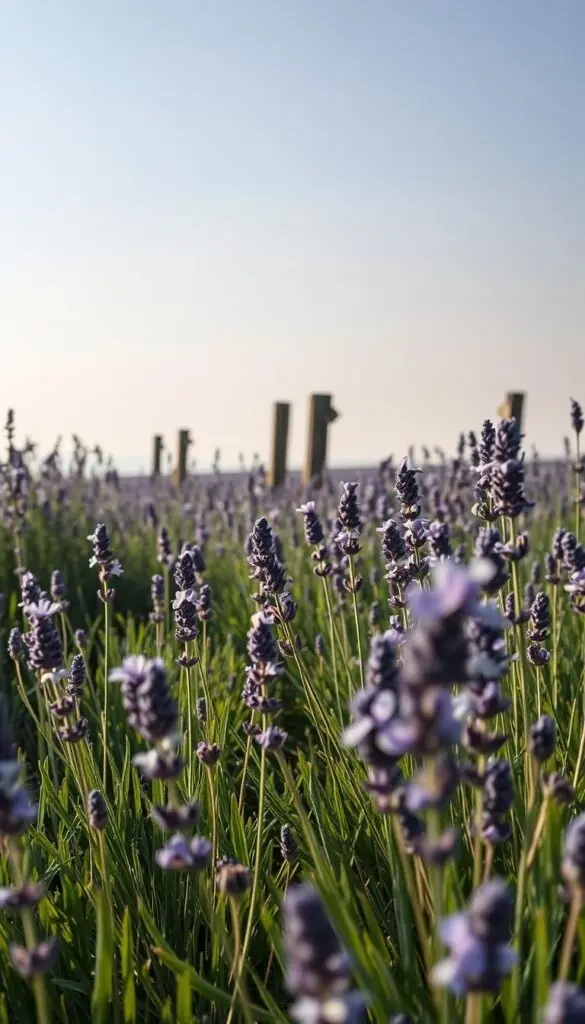
Choose resilient varieties such as ‘Provence,’ ‘Dutch,’ or ‘Grosso.’ These types settle in well now and cope better when summer returns.
- Water deeply but infrequently; let the top inch of soil dry before the next drink, especially in winter.
- Skip heavy feeding and use a gravel or mineral mulch to protect stems and keep moisture balanced.
- Place plants where you pass often; brushing foliage releases scent and reminds you to check drainage and light.
| Feature | Advice | Why it matters |
|---|---|---|
| Sun | Full sun, 6+ hours | Boosts flowering and strong stems |
| Soil | Fast-draining, slightly alkaline | Prevents root rot in cool, wet weather |
| Variety | Provence, Dutch, Grosso | Better heat tolerance later in season |
| Watering | Deep, rare; top inch dry between | Supports steady root growth without sogginess |
Be patient. Establishment is slow in mild weather, but steady care now pays off with stems that add fragrance and flavor to teas, baking, and sachets later in the year.
Container-friendly cool-weather herbs for patios and kitchen doors
Containers let you control soil, drainage, and sun so plants settle in fast and stay productive. Use a few well-chosen pots and you’ll harvest more often without extra fuss.
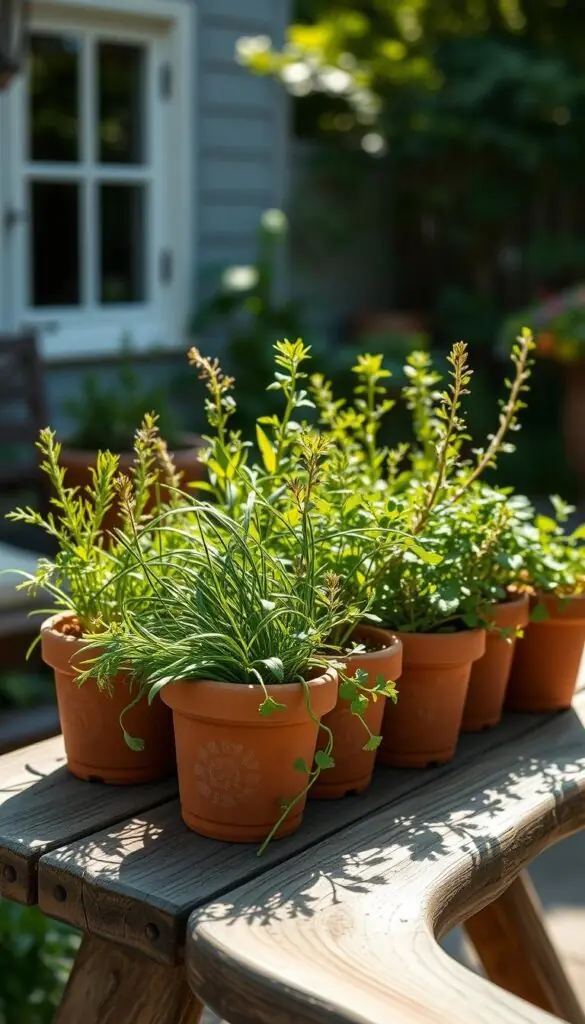
Choosing the right pot size and drainage
Pick pots with generous drainage holes. Herbs prefer a pot that sheds extra water quickly, especially in cool, damp weather.
Give roots room: a 10–12 inch pot fits chives and parsley. Bigger pots suit rosemary, sage, and mint so they don’t crowd beds.
Potting mix, watering rhythm, and gentle feeding
Use a premium potting mix, not garden soil, so roots get air and moisture balance from the start.
Water slowly until water runs from the bottom, then wait until the top inch feels dry. Cool air means less frequent watering.
- Feed lightly every few weeks in the cool season to keep flavor vibrant without pushing leggy growth.
- Place pots where you can reach them from the kitchen door—frequent snips keep plants productive.
- Tuck mint into its own container to protect the rest of your garden and simplify care.
- Keep a frost cloth nearby for rare cold snaps to protect tender tips and container roots.
How to use your harvest in the kitchen (and keep plants producing)
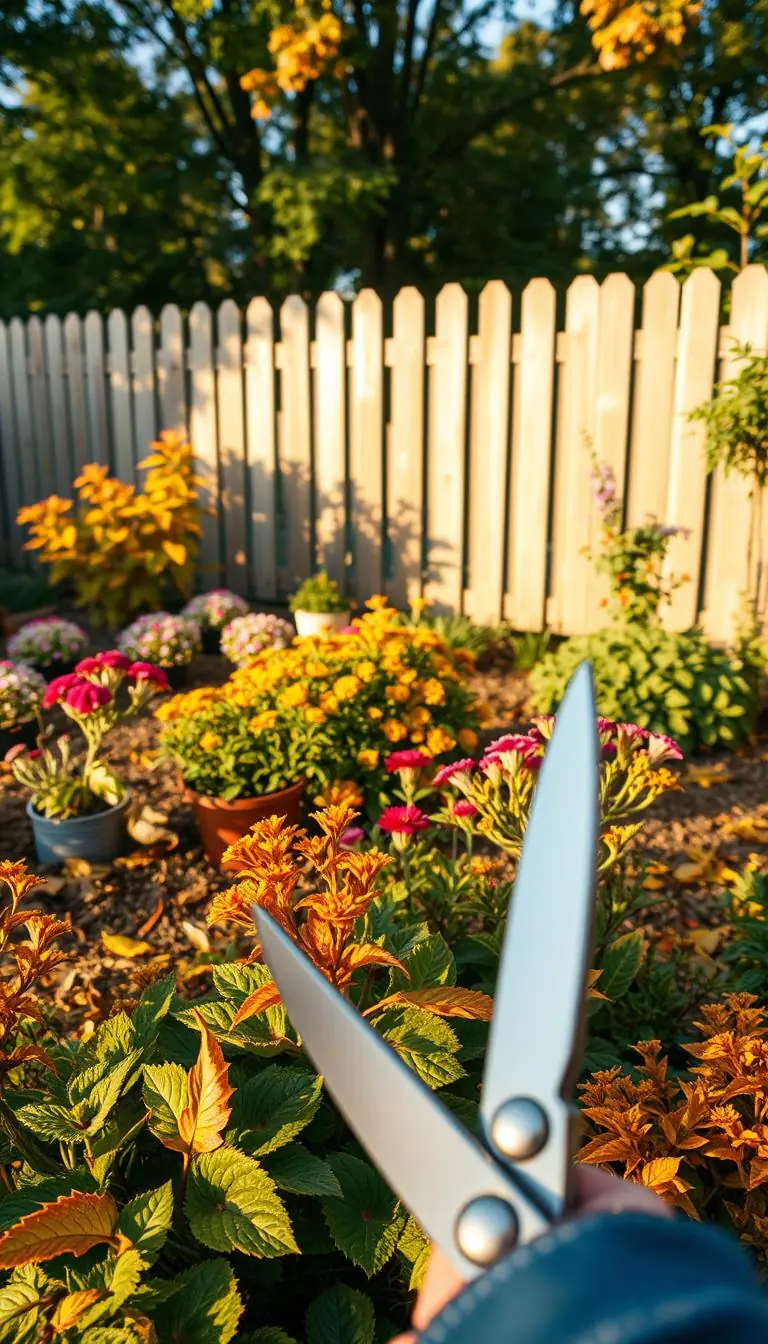
Keep a pair of scissors by the door so fresh leaves become part of your daily cooking. Snipping often keeps plants vigorous and gives you a steady stream of flavor without overwhelming any single plant.
Snip little and often to encourage fresh growth
Harvest with a light hand. Use sharp scissors and take just a few inches at a time to prompt new growth and avoid stressing the plant.
Rotate cuts among plants so each bed or pot has time to rebound. For chives, cut from the outside in; for cilantro and parsley, trim stems near the base to encourage branching and new growth.
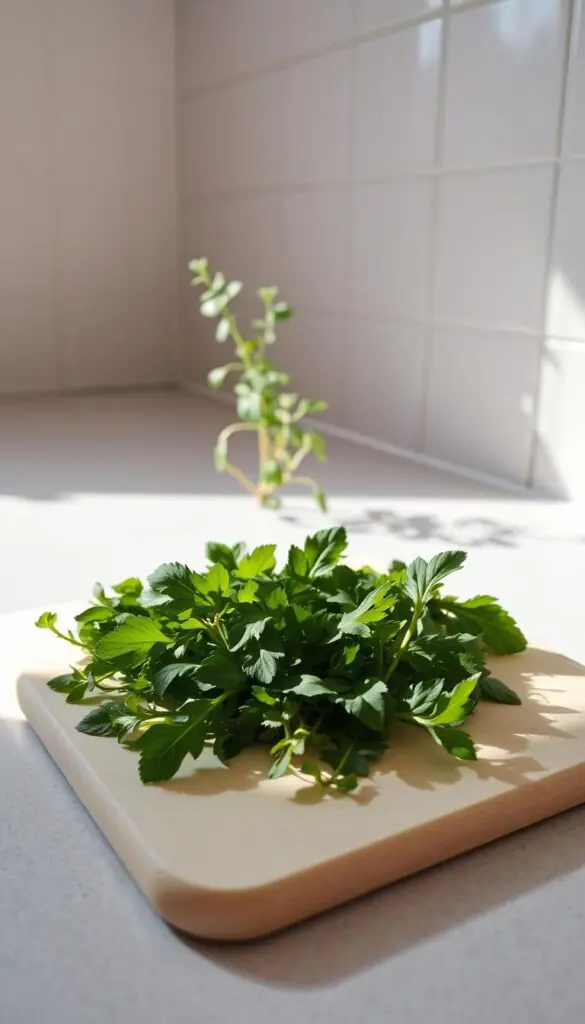
Simple, cozy meals: herbs that shine in early spring cooking
Stir chopped parsley and a squeeze of lemon into warm grains or soups for a bright finish. Add a short sprig of rosemary or thyme to roasted vegetables for deep, savory flavor and remove before serving.
- Tuck mint leaves into tea, yogurt, or a fruit salad; frequent picking keeps the plant compact and generous.
- Use oregano or oregano-scented thyme sparingly in tomato sauces and skillet meals; a little goes a long way.
- Keep a small jar by your garden scissors so fresh sprigs live on the counter and get used in the kitchen more often.
Final tip: Treat harvesting as a gentle routine. Regular, modest cuts keep new growth coming and make every meal feel a little more homegrown.
cool-weather herbs care by season: from spring’s chill to summer’s heat
When temperatures stay mild, your garden rewards regular care with calm growth. Enjoy the season by watching light, soil, and brief weather swings so your plants stay steady from cool mornings through warmer days.
Enjoy the cool: steady growth in mild temperatures
In spring's cool stretch, growth feels steady and predictable. Harvest a little often and water only when the top inch of soil dries so roots breathe between rains.
Many favorites—chives, parsley, thyme, and rosemary—settle in well now and give you fresh sprigs for the kitchen. Note your zone and expected frost dates to avoid surprises.
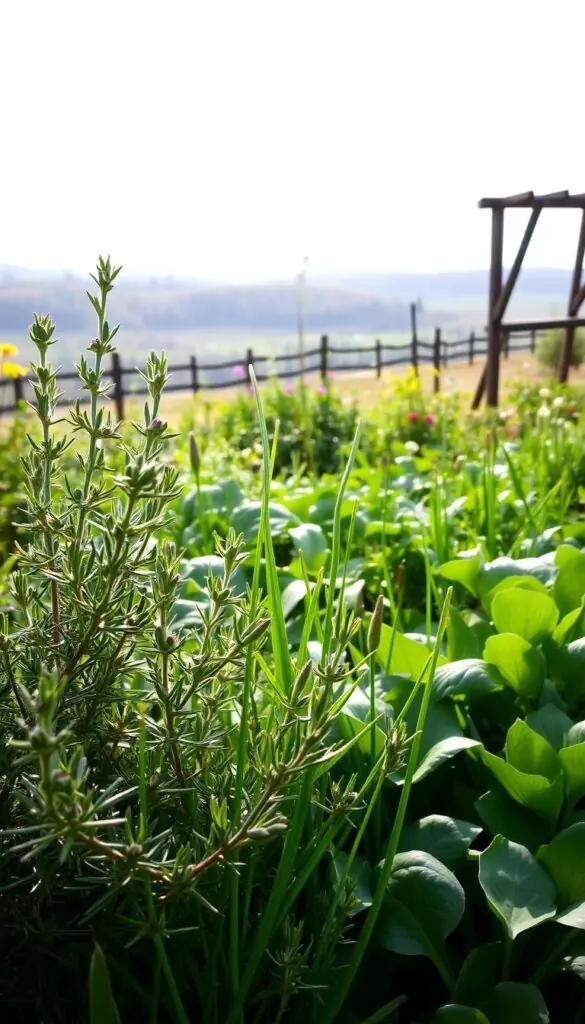
When heat arrives: shade, pruning, and transition plans
As temperatures climb toward summer, shift containers into gentle afternoon shade and add a light mulch to keep roots cool. Expect cilantro to bolt in real heat; let some flower for coriander and lean on chives, oregano, and thyme instead.
Prune rosemary after its spring bloom to encourage dense new growth before high heat sets in. Mint may slow in hot spells but usually bounces back; keep it trimmed and watered in the morning.
- Track your frost dates and summer highs for your zone.
- Provide airflow for sage; choose ‘Berggarten’ if your area gets humid.
- Let thyme stay sunny and well-drained—it's a low-care anchor for years.
Conclusion
Take a breath—you’ve got this. A few small, daily steps turn pots and beds into a steady source of flavor and calm. With the right sun and soil, your garden will give steady leaves and bright flavor through the season.
Planting with good drainage, gentle spacing, and regular snips keeps plants vigorous. Lean on sturdy favorites like thyme, rosemary, sage, parsley, and mint, and enjoy cilantro while it’s tender.
Place a pot or two by the kitchen door to make harvests easy. Note your zone, keep a light frost cloth handy, and try one new variety each spring. Over time your garden becomes a friendly family of flavors that grow well together.
FAQ
What herbs can you plant in early spring that handle cooler temperatures?
You can start cilantro, chives, parsley, mint (in pots), sage, thyme, rosemary, and lavender in early spring. These types tolerate mild chill and often grow faster before summer heat arrives. Match each plant to its preferred sun and soil for best results.
How much sun and light do these plants need?
Most prefer full sun to partial shade. Rosemary, thyme, and lavender like at least six hours of direct sun. Parsley, chives, and cilantro do well with morning sun and some afternoon shade, especially if your spring warms quickly.
What kind of soil is best for early spring planting?
Use well-draining soil rich in organic matter. Good drainage prevents root rot during rainy spring weather while organic compost improves moisture balance and nutrient supply. For containers, choose a quality potting mix with added perlite or sand.
Should you start from seeds, seedlings, or transplants in early spring?
Seeds work well for cilantro and chives; you’ll get fresh growth quickly. Parsley can be started from seed but grows slowly, so seedlings or transplants give a head start. Rosemary, sage, thyme, and lavender are easier from transplants or cuttings.
How do you protect tender new growth from a late frost?
Cover plants with frost cloth, row covers, or lightweight fabric overnight. Move potted herbs into a sheltered spot or indoors. Avoid heavy plastic that traps moisture; breathable covers reduce freeze damage while allowing light through.
How often should you water early spring plantings?
Water when the top inch of soil feels dry. Cooler weather means less frequent watering than summer. In containers, check moisture more often because pots dry faster. Aim for consistent moisture without waterlogging roots.
Can you keep mint in the ground or should you always use a container?
Mint spreads aggressively, so containers are the easiest way to control it. If you plant mint in a bed, use root barriers or dedicate a contained area to prevent it from overtaking other plants.
When should you prune rosemary, sage, and thyme after planting?
Lightly prune rosemary and thyme after the spring bloom to encourage dense growth. Sage can be trimmed of dead or woody stems in spring. Avoid heavy pruning in the first year until plants establish strong root systems.
How do you encourage continuous harvests so plants keep producing?
Regular, small harvests encourage new growth—snip frequently rather than taking large amounts. Feed lightly with balanced organic fertilizer in early spring and again mid-season. Keep soil healthy and remove flowers on some herbs to extend leaf production.
What pot size and drainage do container herbs need?
Choose pots at least 6–8 inches wide for single herbs and larger for mixed containers. Ensure adequate drainage holes and use a well-draining potting mix. Shallow-rooted plants like thyme and chives do fine in shallower pots; rosemary and sage prefer deeper containers.
How do you transition herbs when temperatures rise in late spring and early summer?
Gradually increase sun exposure for plants that tolerate more heat, and provide afternoon shade for those that struggle. Prune to reduce dense foliage, improve air flow, and move pots if you need to protect plants from extreme midday heat.
Are there simple recipes that showcase early spring herbs?
Yes. Snip chives for scrambled eggs, parsley for gremolata, cilantro for fresh salsas, and thyme or rosemary for roasted vegetables. Use small amounts often to enjoy peak flavor and keep plants productive.