You step outside and feel the air warm a bit, and the yard seems ready to breathe again. Maybe you notice dry stems or a patch that looks untidy. That gentle nudge to start work is familiar.
You can pace this process so you tidy up without harming tiny helpers. Many insects overwinter in stems, leaves, and soil as adults, larvae, eggs, or chrysalises. Waiting until temperatures hold near 50°F helps larvae and chrysalises emerge and lets ground‑nesting bees surface safely.
A targeted, thoughtful way works best: begin with visible beds and edges, stack removed stems and leaves loosely so insects can still come out, and delay heavy mulching so bees have access to bare soil. This approach honors life that stayed through winter while letting you make steady, satisfying progress.
Think of these first steps as small wins that make your space look cared for and set plants up for a strong growing season. You’ll move forward calmly, protect wildlife, and enjoy the work along the way.
Key Takeaways
- Wait until soil and air warm to about 50°F to protect overwintering insects.
- Start with visible beds and edges for quick, satisfying progress.
- Loosely stack stems and leaves so larvae and chrysalises can emerge.
- Delay mulching to allow ground‑nesting bees access to bare soil.
- Choose gentle, targeted steps that help plants and wildlife for the growing season.
Start Smart: The Right Time to Tidy After Winter
Start when the thermometer settles near 50°F—this simple signal protects helpful insects and your soil.
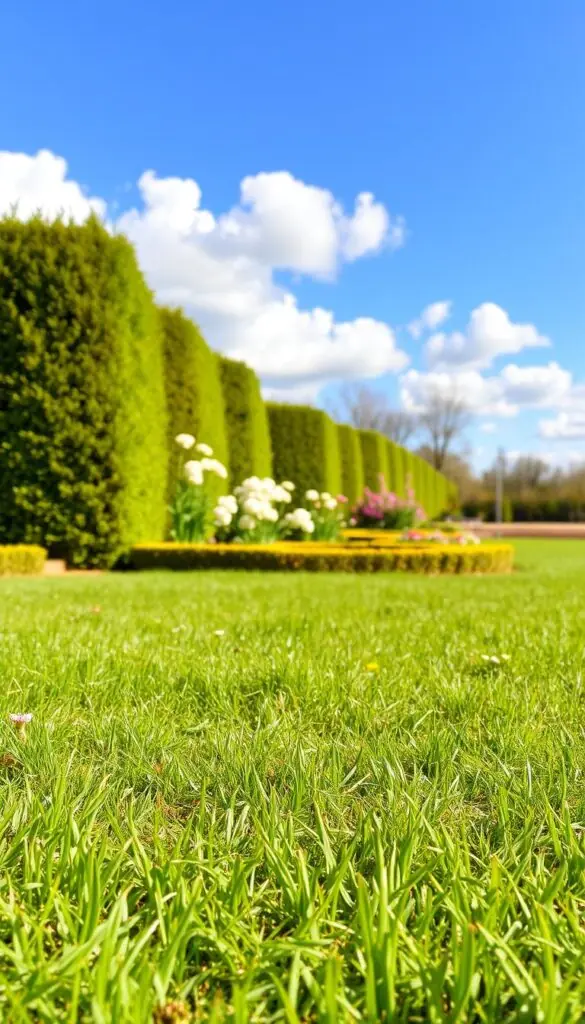
Watch the weather: Wait until temperatures hold around 50°F
Keep an eye on the forecast and look for a stretch of warm days. When temperatures stay near 50°F for several days, many insects and pollinators begin to wake.
Read the garden’s signals: Thawed soil and signs of new growth
Walk your beds and press the soil gently; if it is thawed and not squishy, it is safer to work. Look for tiny shoots and new growth at the base of perennials as a clear cue to start light tasks.
Why waiting matters: Protecting pollinators, native bees, and beneficial insects
Early action can disturb bees nesting in hollow stems or larvae tucked into leaf litter. By pausing until steady warmth, you let butterflies in chrysalises and other beneficial insects emerge unharmed.
| Sign | What it means | Suggested action |
|---|---|---|
| Soil thawed | Ground is workable | Begin light raking |
| Steady 50°F days | Insects are active | Work visible beds first |
| New shoots | Plants are waking | Trim dead stems carefully |
| Soggy ground | Risk of compaction | Wait a few days |
"Patience now protects tiny helpers later."
Gentle garden cleanup spring: A Targeted, Wildlife‑Safe Plan
Focus on visible beds and edges first; it gives a neat result fast and leaves quieter zones for insects.
Begin with high‑visibility areas and edges
Work the spots neighbors see most—the front path, mailbox bed, and borders. You get quick satisfaction while quieter areas stay as habitat for pollinators.
Handle stems with care
Leave standing dead stems about 15 inches tall. Those hollow tubes give native bees nesting space. Remove stems that are broken and lying on the ground for a cleaner look without disturbing intact homes.
Leaf litter the friendly way
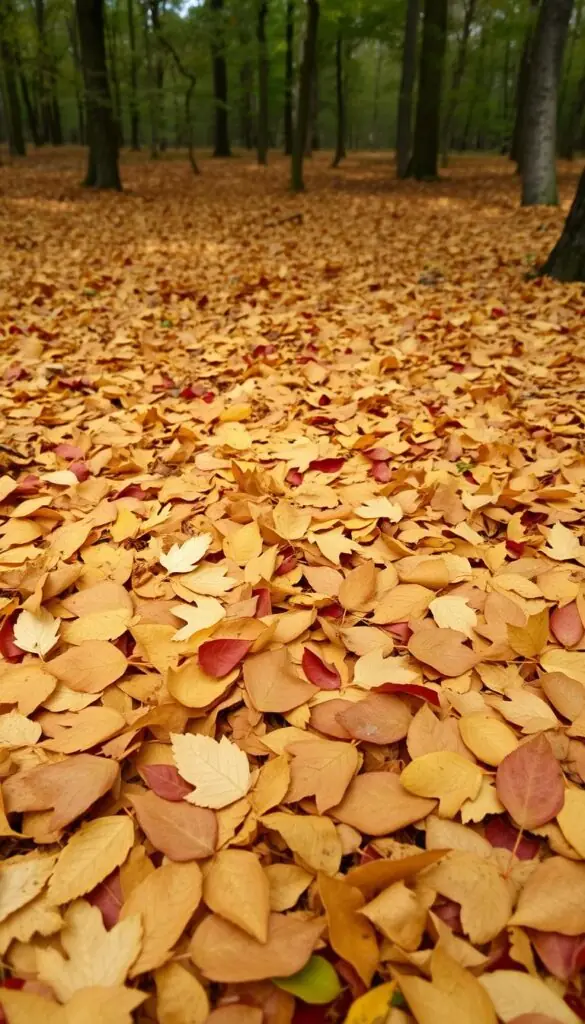
Treat leaf litter gently: scoop and loosely stack leaves near beds or tuck them around perennials so insects can slip out as temperatures warm. Keep piles airy; dense heaps can trap insect life and speed decomposition.
Delay fresh mulch and work small areas
Hold off on new mulch for a bit to leave open soil for ground‑nesting bees. Work one small area at a time, watching for new growth and adjusting your pace so you protect life while you tidy.
| Action | Why it helps | When to change |
|---|---|---|
| Trim visible beds | Fast visual refresh, minimal disturbance | After steady warm days |
| Leave 15" stems | Nesting sites for native bees | Cut later if still empty |
| Loosely stack leaf litter | Allows insects to emerge safely | Compost or remove once insects are active |
| Delay fresh mulch | Keeps patches of open ground for bees | Add mulch after nesting begins |
"Small, thoughtful steps protect helpful insects while you refresh your space."
Refresh Garden Beds, Lawn, and Perennials for the New Season
Take a calm tour of your beds and turf to decide where to work first and where to let time do its work.
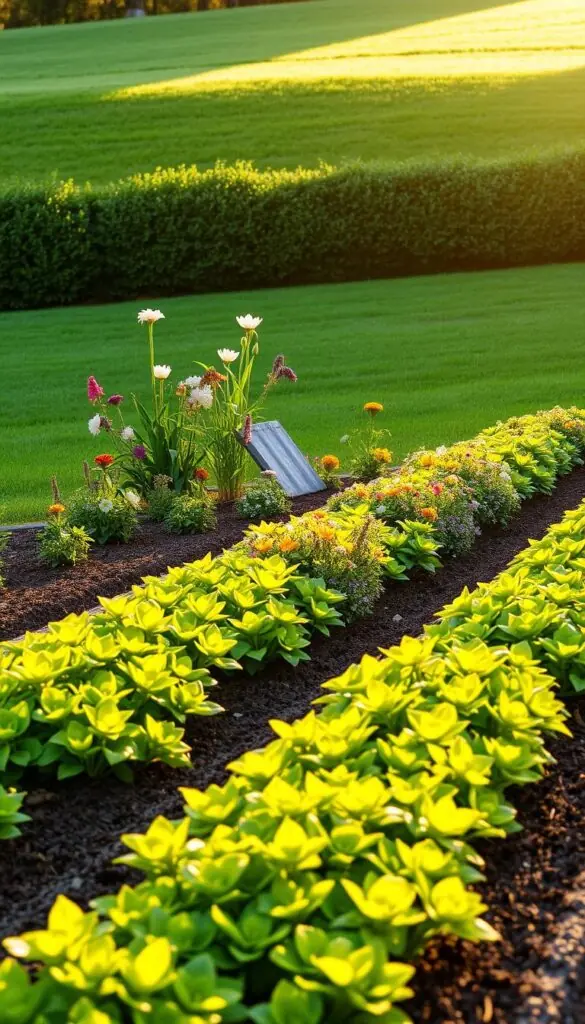
Clear beds thoughtfully: After a warm-up, lift old debris and fallen leaves from garden beds. Remove any diseased material and place it in the trash — do not add it to the compost pile.
Unwrap plants you protected over winter once frost risk fades. Clip back ornamental grasses and tidy perennials so new shoots get light. Use a light touch around stems you left as habitat for insects.
Lawn wake-up: Rake to loosen thatch and pull winter debris from the grass. Walk the lawn to mark thin spots for reseeding and note compacted areas for aeration.
Small aerated patches let water and oxygen reach roots and boost growth when you overseed. Plan aeration for compacted soil now, then overseed soon to help grass fill in.
Smart pruning: Prune summer-flowering shrubs on warm days by removing dead or crossing wood. Wait to prune spring-flowering shrubs until after they bloom to protect this year’s flowers.
| Area | Do now | Wait and do later |
|---|---|---|
| Garden beds | Remove debris; discard diseased material | Add composted amendments after insect activity starts |
| Lawn / grass | Rake debris; mark bare spots for overseed | Full aeration for large areas if soil still wet |
| Shrubs & perennials | Prune summer-flowering shrubs; tidy perennials | Prune spring-flowering shrubs after bloom |
| Protected plants | Unwrap as frost risk ends | Delay heavy pruning until steady warmth |
"Small, steady actions now set plants and the lawn up for a healthy growing season."
Feed the Soil, Compost with Care, and Prep for Planting
Begin with soil work — loose, airy earth sets the stage for healthy growth.
Soil first: loosen, top‑dress, then mulch where needed
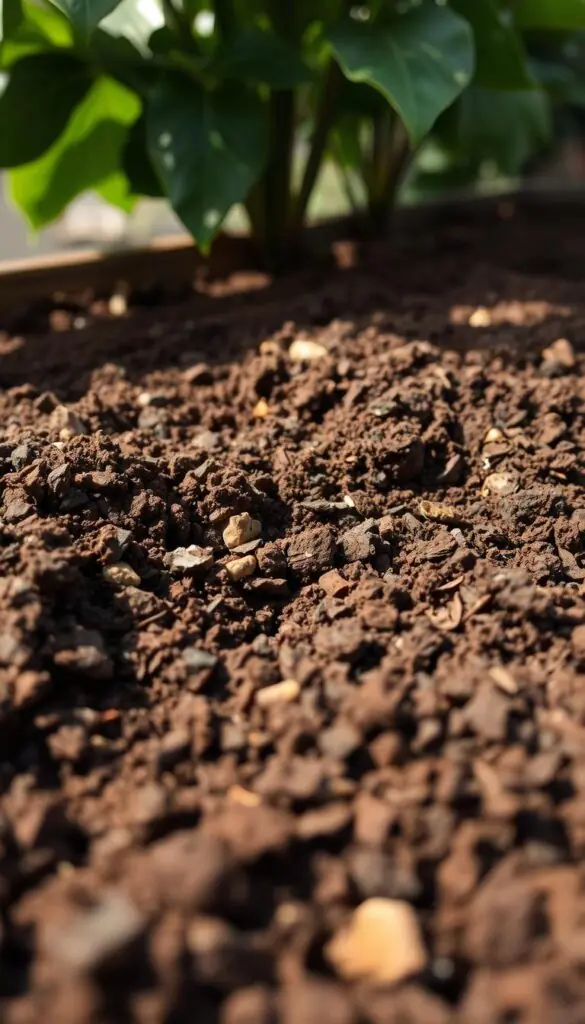
Use a fork or small aerator to break up compacted spots so roots can breathe and water soaks in. Work gently and avoid digging when the ground is very wet.
Top‑dress beds with a thin layer of organic compost so nutrients filter down slowly as warm weather returns. Add mulch only where moisture retention or weed control is needed, and leave some bare patches for ground‑nesting bees.
Compost do’s and don’ts
Keep a simple rhythm: mix browns and greens, turn the pile occasionally, and trust that kitchen scraps and trimmings will become rich compost over time.
- Compost: fruit and vegetable scraps, leaves, grass clippings, plant trimmings, shredded paper, and cardboard.
- Do not compost: diseased plants, weeds with seed heads, meat, dairy, or oily foods.
- Include small amounts of leaf litter for carbon and structure; return finished compost to beds to boost growth.
| Action | Why | When |
|---|---|---|
| Loosen compacted soil | Improves air and water flow | Before planting or top‑dressing |
| Top‑dress with compost | Slow nutrient release | Early in the season |
| Avoid diseased material | Prevents reinfection | All the time |
"A few unhurried minutes on soil and compost make the whole season feel lighter."
Conclusion
A few careful steps now protect pollinators and make later work easier.
Choose patience as you move through the yard. Keep a few stems and a bit of open soil to support bees and other beneficial insects while you tidy visible spots.
Loosely stack trimmings so leaves can shelter small life, and plan to turn those piles into compost later to feed your soil and plants.
As spring settles in, notice changes and work in short sessions. Each gentle task makes the garden healthier and gives you quiet, rewarding time outside.
FAQ
When is the best time to start tidying up after winter?
Wait until daytime temperatures consistently reach about 50°F and the soil has thawed. That timing helps prevent compaction and reduces stress on new roots. Check for early signs of new growth before you begin work.
Why should you delay cleanup to protect pollinators and beneficial insects?
Many native bees, butterflies, and other helpful insects nest in stems and leaf litter or overwinter in the ground. Waiting until the weather warms and leaving some debris in place gives them a chance to emerge and pollinate your plants.
Which areas should you start with first?
Begin with high‑visibility spots and edges like paths, entryways, and planting beds near your house. Leave quieter zones, meadows, and corners for later so insects have shelter while temperatures rise.
How should you handle standing dead stems?
Leave about 15 inches of standing stem height where possible. Many solitary bees nest in hollow stems or pithy stalks, so cutting them too short removes vital habitat. Trim only damaged stems early on.
What is the best approach to leaf litter?
Rather than removing all leaves, loosely pile them in sheltered spots or leave layers under shrubs. This lets ground insects and overwintering larvae emerge. Use remaining leaves as winter mulch or add to your compost once insects have left.
Should you apply fresh mulch in early season?
Hold off on fresh, deep mulch until soil warms further. Ground‑nesting bees need access to bare soil. When you do mulch, apply a thinner layer and avoid covering early bulbs and emerging seedlings.
How do you clear beds without spreading disease?
Remove obvious debris and dead plant material, but bag and discard or burn anything that shows fungal spots or pest damage. Do not add diseased tissue to compost unless your pile reaches high enough temperatures to kill pathogens.
What lawn tasks should you prioritize after winter?
Rake to remove thatch and winter debris, check for compaction, and only then consider aeration and overseeding. Avoid heavy mower traffic while soil is still wet to prevent ruts and compaction.
Which shrubs and perennials should you prune now versus later?
Prune summer‑flowering shrubs and perennials now to shape them and encourage growth. Hold off on cutting spring‑blooming shrubs until after they finish flowering so you don’t remove buds.
How do you improve soil and prepare beds for planting?
Loosen compacted spots, top‑dress with quality compost, and lightly fork the surface. Apply amendments based on a soil test. Only mulch after soil temperatures rise and planting time approaches.
What should you avoid putting in compost?
Skip diseased plant material, invasive weed seed heads, and any pests you see. Properly compost healthy trimmings and leaves; turning the pile and managing moisture helps create nutrient‑rich humus.
How can you balance tidiness with wildlife support?
Use a targeted plan: tidy high‑use areas while leaving refuges — small leaf piles, uncut stems, and bare soil patches — for nesting insects and other beneficial wildlife. This approach helps pollinators and reduces pest outbreaks.