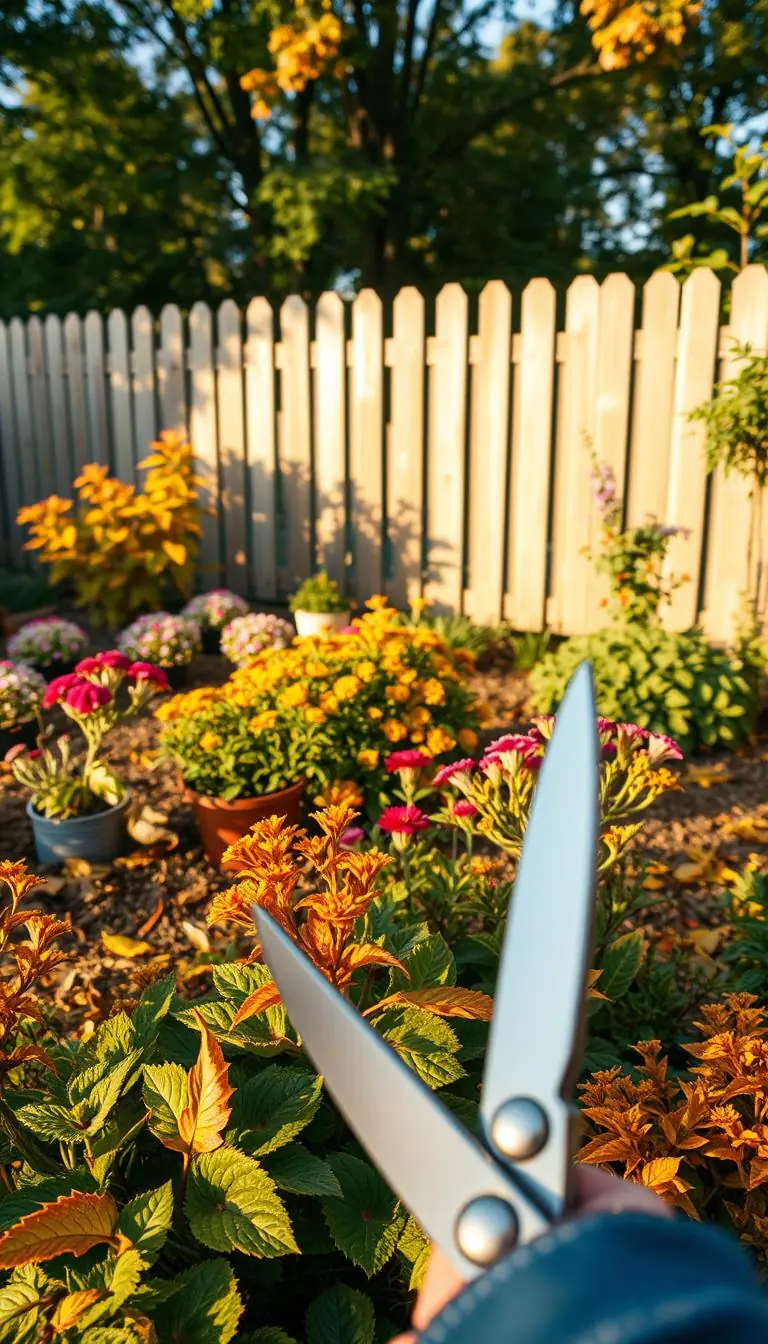
Imagine stepping outside with a warm mug, noticing a few bright blooms and a swept walkway that invites you in. You’ll feel that fresh, hopeful change right away. This guide helps you refresh your entry without fuss.
Start with a clear plan: a quick clean, a new welcome sign or wreath, and a fresh mat can change the whole look in an afternoon. Plants in pots or window boxes add color fast, and simple seating makes the space feel like an extra room of your home.
Follow easy steps for cleaning, smart hanging, and small updates like new hardware or a painted door. You’ll find porch ideas and style tips that fit small or large spaces, so every change feels intentional and stress-free.
Key Takeaways
- Begin with cleaning and a clear welcoming intention.
- Small swaps—signs, wreaths, mats—deliver quick impact.
- Use plants and repeated groupings for cohesion.
- Update door color or hardware to raise curb appeal.
- Choose seating and accessories that match your personal style.
Start fresh: a gentle spring cleaning to reset your front porch
Give your entry a fresh start by clearing the space and working in short, calm steps. Remove everything from the area so you can see its shape and how sunlight hits the floor. This first step makes cleaning faster and helps you reimagine the look.
Simple tidy-up checklist
- Clear the front porch completely, then sweep corners and railings.
- Use a garden hose with an adjustable nozzle to rinse the floor and house siding for a crisp finish.
- Wash windows and the door so the whole entry brightens instantly.
- Wipe furniture frames and refresh cushions; sun-dry fabrics after a quick shake.
As you sort items, set aside what you no longer love. Return large pieces first—bench or chairs—so you can place them for clear walkways. Group small accents together to keep the place calm and personal.
If you have limited time, a sweep, hose-down, and clean windows will still make a noticeable difference. Keep a small caddy of supplies near your outdoor tools to make weekly touch-ups easy and quick.
Set the tone with signs and a spring wreath that feels like you
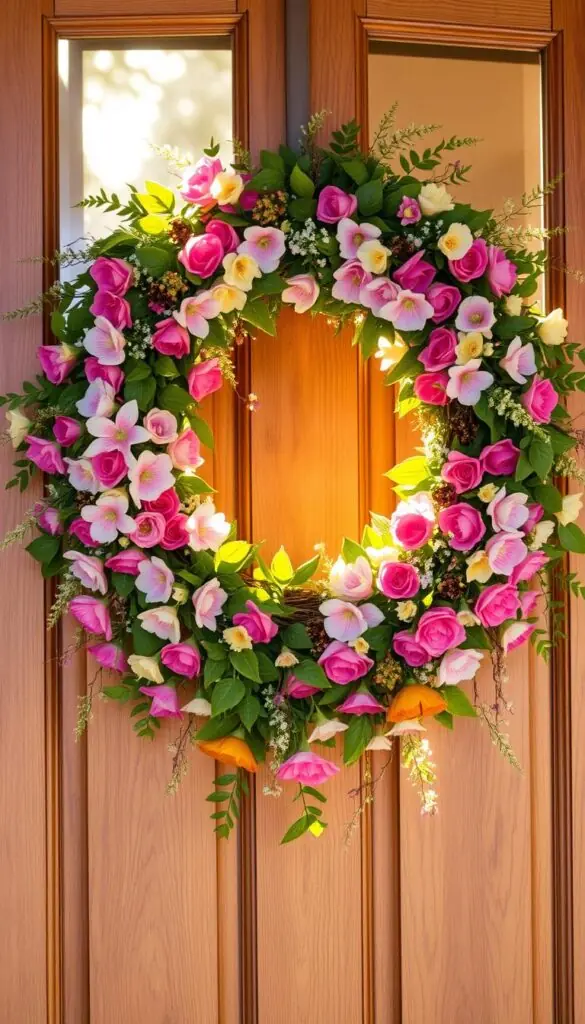
Let a tasteful sign and a wreath quietly introduce your home’s personality. This small pairing does more than decorate — it gives your entry a friendly first impression that matches your style.
Choose a wreath that suits your rhythm. A floral burst feels seasonal and cheerful. A leafy, multi-season wreath offers a neutral base you can tweak with ribbons or small picks as the weeks move on.
Pick a sign that makes you smile each time you come home. Changeable signs are handy if you like subtle swaps for holidays or just a fresh look.
Smart hanging tips for doors and windows
Use a classic door wreath hanger for a no-drill, damage-free option. For windows or sidelights, choose suction cup hooks or adhesive hooks rated for the weight of your wreath.
- Place a vertical sign on a wall to create a focal point without crowding the floor.
- Keep colors soft and tied to your trim so the items look cohesive.
- Step back to check balance and center the wreath at eye level for a calm, intentional look.
spring porch decor ideas that make an instant impact
Quick updates deliver big smiles—start with pieces you touch every day.
Fast swaps: door mat, throw pillows, and a cheerful accent color.
Begin with a fresh door mat and two outdoor pillows to lift your entry immediately. Choose one bright color and repeat it across a pillow, a planter, or a small sign to create cohesion.
Mix patterns with purpose: pair stripes with florals, or solids with geometrics, so the space feels lively but calm. Add a light throw for cool evenings to bring texture and a welcoming touch.
Freestanding pieces that add personality without clutter
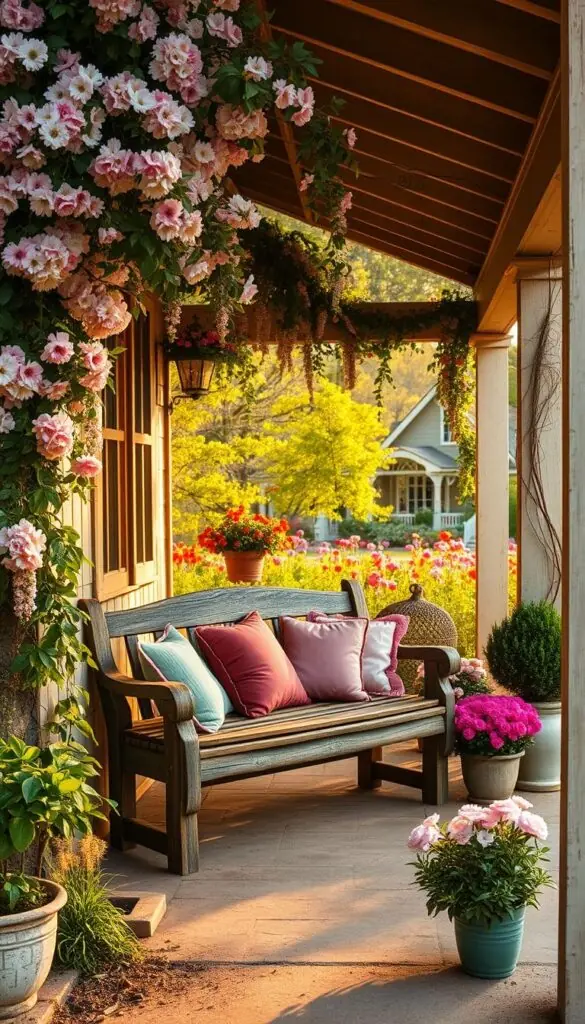
Pick one freestanding piece—a slim side table, small stool, or narrow plant stand—to hold a lantern or planter. Open-legged pieces keep walkways clear on a small porch and make the area feel airy.
- Start with a new mat as a single focal refresh.
- Keep surfaces usable—leave room for keys or a coffee cup.
- Refresh one focal point at a time; fewer, better choices win.
Trust your instinct: if an item makes you happy at first glance, it likely adds the right touch. Small, thoughtful swaps deliver big impact for a fresh look fast.
Planters, pots, and window boxes: grow a welcoming look
Choose vessel shapes that echo your entry's character—then fill them with forgiving plants. The right containers set the stage for color and texture without overwhelming your space.
Best styles for a tidy, seasonal update.
- Barrel planters give a country vibe and suit pansies well.
- Urns feel classic; pair them with petunias, violas, or pansies for a formal touch.
- Terra cotta is timeless—whitewash or add a light paint wash to tie it to your trim.
- Hanging planters work for succulents or showy flowers that echo your home’s color.
- Wall planters free floor space and add vertical green without cluttering walkways.
Mix leafy textures with blooms for a relaxed, layered effect. Try coleus, ivy, and sweet potato vine alongside pansies and petunias for long-lasting interest.
Simple repetition and color harmony
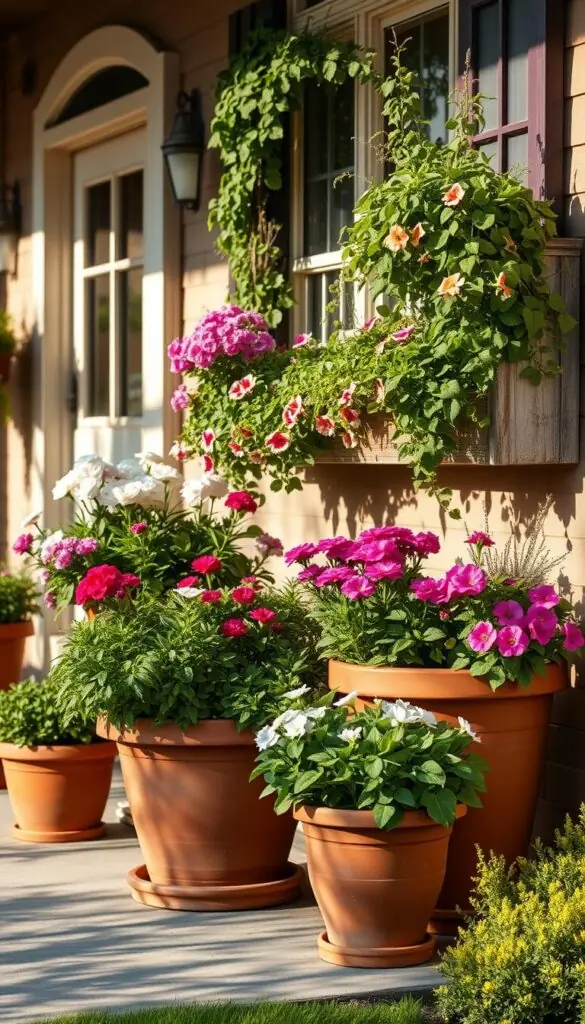
In long window boxes, repeat a simple pattern—ivy, chartreuse coleus, trailing vine—to make the display read as one cohesive unit from the street.
Echo your siding and trim in bloom choices. A soft match between flowers and house hues keeps the whole look thoughtful and calm.
Quick care tips: group pots at staggered heights, use fresh potting mix with slow-release fertilizer, and water little and often. These small steps keep your planters happy through the early season.
Create a cozy sitting area with conversation-first furniture
Place seating so people face each other and the conversation comes easy. Start by measuring your space and noting how the door swings. This helps you pick the right layout without crowding the entry.
Layouts that fit your place
- A small bistro set with two matching chairs works well for quick coffee chats and tight entries.
- Arrange chairs around a round table to make talk the focus; round tops invite sharing snacks and games.
- On wider porches, create two zones: a swing on one side and a wicker grouping on the other for balanced activity.
- Two rocking chairs plus a small table make a familiar, welcoming spot that suits a gentle spring mood.
Soft layers that invite lingering
Add outdoor pillows and a light throw in mixed patterns to soften the look and encourage staying a while. Repeat one or two materials, like wicker and wood, to keep the area visually unified.
Keep walkways clear so the layout feels calm. Step back and check the sightline from the street to ensure the arrangement looks balanced and inviting for guests at your front porch.
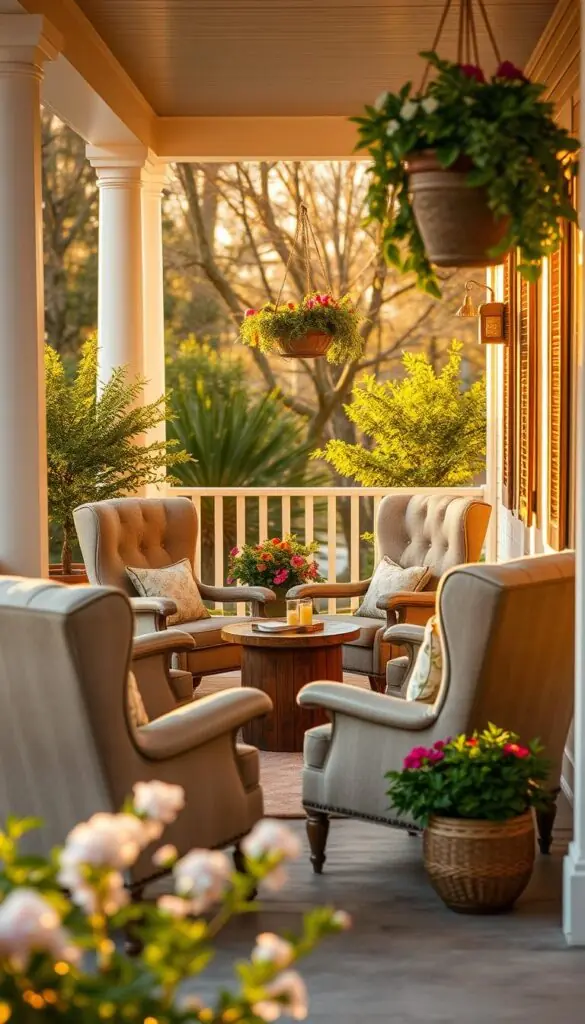
Lay the groundwork with an outdoor rug that anchors your space
A well-chosen outdoor rug instantly ties seating and entry into a single, polished scene.
Why a rug matters: It pulls seating together, defines zones, and adds comfort underfoot on cool spring nights. Use full outdoor carpeting for wall-to-wall coverage, or a smaller area rug to mark a seating or entry zone.
Choosing the right size and placement depends on your porch dimensions. For tight entries, pick a rug that fits under the front legs of chairs and table. This keeps things grounded without making the space feel cramped.
Size and placement tips for small vs. large porches
- Small porches: center a rug under seating so the front legs sit on the rug; leave clear walk space to the door.
- Large porches: use two rugs to create zones—one under the seating and one by the entry—to balance the area.
- Materials: choose quick-dry, low-pile fibers and fade-resistant yarns for sunny spots.
| Porch Size | Rug Type | Placement | Care |
|---|---|---|---|
| Small | Area rug (low pile) | Under front legs of chairs, aligned with door | Sweep weekly; quick-dry fibers |
| Medium | Large area rug | Full seating group on rug; leave step clear | Spot clean; flip seasonally |
| Large | Two rugs / outdoor carpet | One under seating, one at entry for balance | Use outdoor pad if uncovered; hose off |
Align the rug with your door and steps so the look reads tidy from the street. Check that the door swings freely over the rug to keep your entry effortless. A neutral base rug lets pillows and planters stand out and gives your front porch a cohesive, finished look.
Give your front door a spring moment: paint, hardware, and a happy hello
A focused update on the door instantly raises curb appeal and brightens your arrival.
Color ideas that pop (or whisper) with your home’s palette
Decide if you want your front door to pop or softly echo the house. A monochromatic color—slightly lighter or darker than your siding—keeps the entry calm and refined.
For contrast, pick a complementary hue from the opposite side of the color wheel to add cheerful energy. Hold paint swatches against the door at morning and late afternoon; natural light can change how a color reads.
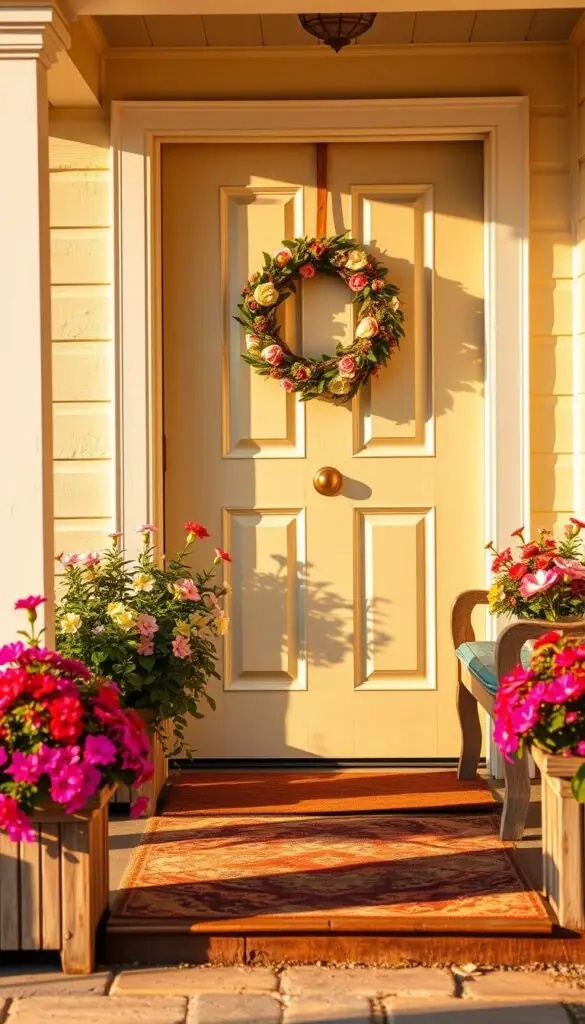
Fresh finishes: knobs, hinges, kick plates, and doorbells
Update hardware while you paint. New knobs, hinges, kick plates, and even a doorbell can change the whole look in minutes.
- Match finishes to nearby fixtures—lights and house numbers—for a unified feel.
- Use satin or semi-gloss paint for durability and easy cleaning through the busy season.
- If you have a side door, carry the same finish or a sister color there for cohesion.
- Keep the entry clutter-free while paint cures to protect the finish and preserve that just-refreshed look.
Small details matter. Add a subtle "hello" decal or a hand-painted greeting if that suits you. Step back to the street and enjoy the simple pleasure of a clean, crisp door that makes your porch look inviting.
Thrifted and vintage touches that tell your story
Hunt for pieces with a story; a single find can shape the whole look. Choose one standout item and let it lead the layout so your entry stays open and calm.
Create a focal point: a weathered bench, a compact potting table painted aqua, or a chippy window frame works beautifully. Prop a dried-flower wreath on the frame for instant character.
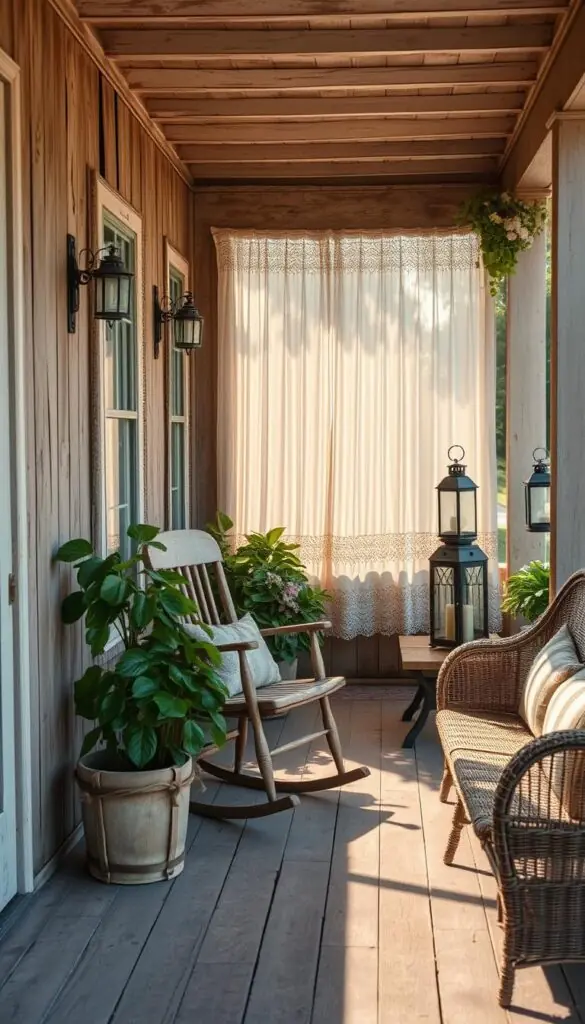
Create a focal point with a flea market find
- Pick one large item to anchor the space rather than many small ones.
- Use a potting table painted aqua to add a cheerful color that ties other elements together.
Repurpose with charm
Turn crates, buckets, and metal baskets into planters. Line them with moss and add pansies or hardy bulbs for early-season interest.
Mix old and new for balance
Pair rustic metals and wood with one playful ceramic piece—a rabbit planter or colorful bowl—to keep the look fresh and intentional.
Small, soulful details
"The best vintage finds are the ones that make you smile every time you see them."
Tuck a mossy nest, a tiny bird, or a patinaed watering can into a corner vignette for quiet charm. In chillier climates, use hardy blooms or Narcissus bulbs first, then add tender plants when it warms up.
| Element | Use | Why it works |
|---|---|---|
| Weathered bench | Seating / focal anchor | Offers character without crowding the entry |
| Crates & buckets | Planters / display | Mixes textures and creates a collected feel |
| Chippy window frame | Vertical art | Draws the eye up and saves floor space |
Dress your entry with a fresh door mat that makes guests smile
The right door mat sets the tone before anyone reaches for the knob. Replacing a worn mat is a fast update that gives your front porch a clear, friendly hello.
Pick a style that fits your life: choose a classic "Welcome" or "hello," a playful seasonal pattern, or an animal motif for charm. Match one color from the mat to your wreath or pillows to tie the look together.
Size matters. Leave room so the door opens freely and the mat catches footfalls. For high-traffic entries, pick a low-profile, durable option that won’t snag shoes.
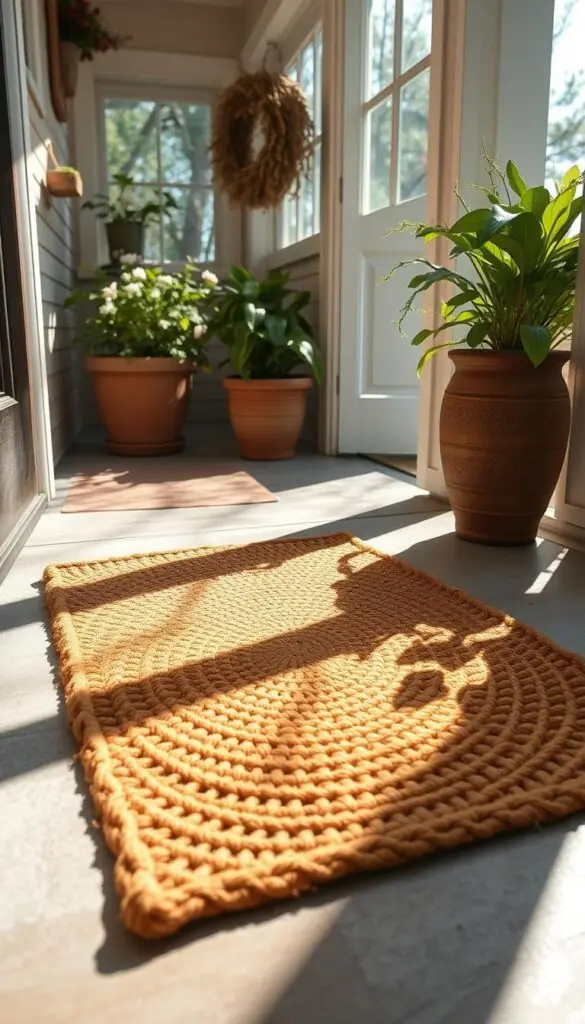
- Coir or quick-dry fibers handle showers well and clean with a shake.
- Layer a washable plaid or stripe beneath a coir mat for extra texture.
- Swap mats seasonally to refresh your entry without a big overhaul.
- Give your mat a quick shake during weekly spruce-ups to keep dirt outside.
| Choice | Best Use | Care |
|---|---|---|
| Coir "Welcome" | Classic look, weather-resistant | Shake; brush off; avoid long soaking |
| Quick-dry synthetic | High-traffic, rainy climates | Hose off; air dry |
| Layered combo (fabric + coir) | Extra texture, seasonal swaps | Wash fabric; shake coir |
Add gentle movement and sound: flags and wind chimes for spring
A few gentle accents that move and sing can lift your entry without stealing the scene.
Use motion and sound as a calm layer of welcome. A small flag or a simple set of wind chimes adds life on breezy days. These touches work in a quiet way so your seating, plants, and path stay the focus.
Choose materials and styles that complement your look.
Choosing materials and styles that complement your porch look
Pick chimes by the tone you want. Metal tubes give bright, clear notes. Wood or bamboo offer warmer, softer sounds.
Scale matters. For a narrow entry, pick petite chimes and a slim flag mount so nothing crowds the walkway. Mount pieces on the protected side to avoid tangles on windy afternoons.
Coordinate colors and finishes with nearby decor so these accents blend in. If you like quiet evenings, choose chimes with fewer tubes or hang them where breezes are gentler.
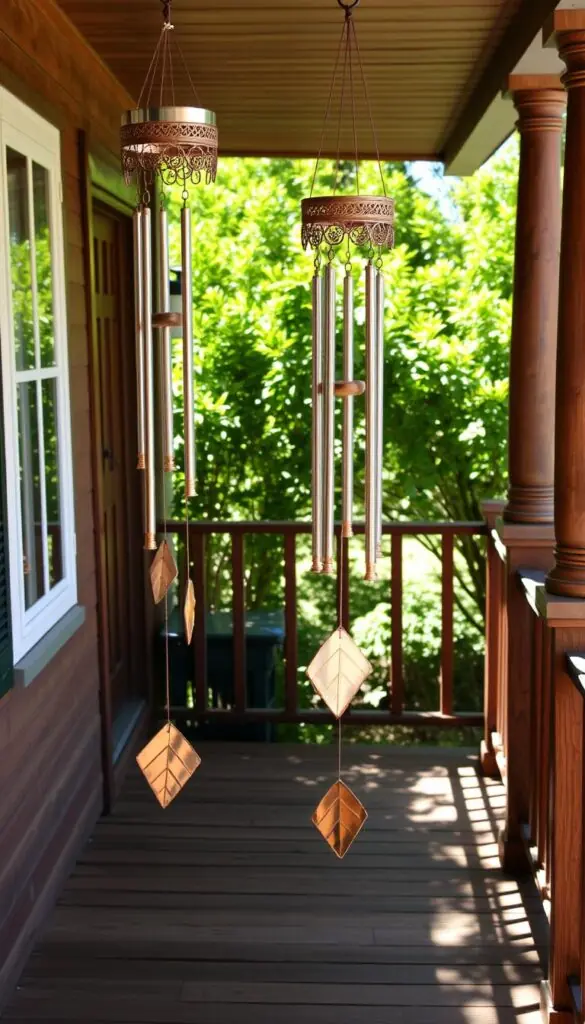
Try one flag and one set of chimes to keep the mood peaceful. Step back and listen. Adjust placement until the sound feels just right for your outdoor time.
| Accent | Tone | Best for | Placement tip |
|---|---|---|---|
| Metal tube chimes | Clear, bright | Open entries and sunny spots | Hang on a covered side post to avoid tangles |
| Wood / bamboo chimes | Warm, muted | Cozy seating zones and quiet evenings | Mount near a corner where breezes are light |
| Small flag | Subtle motion | Short walkways and narrow entries | Use a slim side mount; swap seasonally |
| Decorative motif chimes | Thematic (birds, flowers) | Personal style accents | Coordinate finish with nearby hardware |
Shade, softness, and privacy: outdoor drapes and shades
A few simple shades can turn a sunny side into a cool, private spot for morning coffee.
Drapes and shades add comfort without closing your space. Use light, quick-dry fabric so panels move in the breeze and dry fast after rain. Mount rods high to make ceilings feel taller and the whole area more open.
On bright sides, install roller or bamboo shades to cut glare and protect cushions while keeping sightlines. If neighbors are close, one single panel can give you welcome privacy without feeling fenced in.
Match grommet finishes to your lights or door hardware for a cohesive look. For rentals, try tension rods or no-drill brackets so you can remove panels later. Keep curtains tied back on windy days to protect fabric and clear walkways.
- Choose fabrics that brush off dirt and wash easily.
- Test swatches outdoors at morning and late afternoon light.
- Use curtains to buffer street noise and make conversations feel closer.
| Need | Best Option | Why it works |
|---|---|---|
| Cool shade | Roller or bamboo shade | Blocks glare, keeps cushions protected |
| Soft privacy | Light, grommet drapes | Creates room-like feel without closing view |
| Temporary fix | Tension rod + washable panels | No drill, easy removal for rental homes |
Small porch, big style: ways to save space while adding charm
You can make a tiny entry feel full of charm simply by thinking upward. Focus on pieces that lift the eye and leave the floor open so every move feels easy.
Vertical moments: wall planters, narrow urns, and layered heights give you a lush look without crowding. Mount a single row of wall planters by the door or stack slim pots on a tall stand to create a living column that uses air, not floor, for impact.
Group plants in one tidy corner to keep walking paths clear. Symmetry—matching planters on each side of the entry—makes a compact front porch feel organized and calm.
Practical tips for compact charm
- Think vertical: choose wall planters, slim urns, or tall stands to draw the eye up.
- Pick smaller pots with big personality—patterned glazes or unique shapes add interest with fewer pieces.
- Layer heights with a narrow stool or stand to create depth without bulk.
- Use one corner grouping or symmetrical pairs by the door; leave a clear landing zone for easy comings and goings.
- Choose multi-task pieces like a storage bench that hides supplies and offers seating.
Keep it blooming: simple care and quick refresh habits
Spend five minutes once a week and your plants, mats, and surfaces will repay you with steady charm. Small, predictable tasks keep the entry welcoming and reduce the need for big weekend overhauls.
Weekly five-minute spruce-up for plants, mats, and surfaces
Quick routine: straighten the mat, sweep high-traffic spots, and give planters a fast check. This short loop keeps the front looking tidy without taking much time.
- Shake the mat, wipe tabletops, and tidy railings so pollen and dust don’t build up.
- Pinch spent flowers to invite more blooms and a neater display.
- Check soil with your finger; water deeply but less often so roots grow strong.
- Rotate pots a quarter turn for even growth and clear drainage holes so containers don’t sit in water.
- Tuck a small garden tote by the door so tools are ready for a five-minute fix.
- In cooler areas, plant hardy bulbs now and wait until nighttime temps are steady before adding tender plants.
- Refresh small decorations—swap a ribbon or add a new bloom—to keep the look feeling cared for.
Celebrate the wins: a tidy mat and happy plants make your entry feel renewed and set the tone for your garden and front approach all season long.
Conclusion
, With a handful of calm decisions, your entry can say "hello" to guests and quiet mornings alike.
Clean surfaces, a welcoming sign, and a fresh wreath set the tone. Add a tidy mat and a cozy rug to anchor seating and guide the eye to your front door.
Use repeated colors across planters and pots so flowers and plants feel unified. A painted front door and new hardware give the space quiet polish.
Include one vintage piece or a swing, plus small accents like chimes or a simple planter to add personality. Keep upkeep short with weekly checks so your spring porch decor stays cheerful.
Take a breath, step back, and enjoy your work—the result is a welcoming, comfortable front porch you’ll be proud to use.
FAQ
How do I start fresh with a gentle cleaning to reset your front porch?
Begin by removing loose items, sweeping floors and steps, and hosing down surfaces if appropriate. Wipe windows and the door, clean or replace cushion covers, and set aside anything damaged or faded. This gives you a clear canvas to add new pieces and plants without clutter.
What should I move off the porch first—and what can I bring back thoughtfully?
Remove seasonal clutter, broken pots, and items that attract dirt. Store tools and excess decor. Bring back a few curated pieces like a welcome sign, a planter group, and comfortable seating. Prioritize items that serve a purpose and reflect your style.
How do I choose a wreath that feels like you?
Pick between seasonal florals for a bright look or multi-season greenery for longer wear. Match scale to your door and choose colors that either contrast or complement your entry. Natural materials and a simple base make it easy to swap accents over time.
What are smart hanging tips for doors and windows?
Use over-the-door wreath hangers for heavy pieces and adhesive hooks or suction cups rated for outdoor use on glass. For painted doors, consider magnetic hangers or a small nail in a discreet spot. Always follow weight limits to protect surfaces.
What quick swaps make an instant impact on a front entry?
Replace your doormat, add new throw pillows, and introduce one bold accent color. These small changes update the look quickly and are easy to change as trends or seasons shift.
Which freestanding pieces add personality without clutter?
A single bench, a tall urn, or a slim plant stand can become a focal point. Choose vertical elements to save floor space and keep walkways clear for an organized feel.
What planter styles work best for a welcoming look?
Barrel and urn planters offer a classic feel; terra cotta brings warmth; hanging pots free floor space; wall planters add vertical interest. Mix styles carefully to avoid a mismatched appearance.
What plants pair well for a mixed container?
Combine pansies, petunias, violas, coleus, ivy, and sweet potato vine for varied texture and color. Use a thriller, spiller, filler approach: a taller central plant, trailing edges, and mid-height fillers for balance.
How do I create cohesion with repetition in window boxes?
Repeat one or two plant varieties along the length to create rhythm. Use matching containers and keep height consistent so the arrangement reads as one cohesive composition.
How can I tie bloom colors to my home’s siding and trim?
Choose accent blooms that pick up undertones in your siding or complement trim colors. A soft contrast draws the eye to the entry without overpowering the facade.
What furniture layouts work for small and large sitting areas?
For small spaces, choose a bistro set or a single rocker. On larger porches, arrange a wicker grouping or a porch swing with side tables to encourage conversation. Keep traffic flow in mind and avoid blocking the door.
How do outdoor pillows and throws make the area feel cozier?
Layer weather-resistant pillows and a lightweight throw to add comfort and color. Mix patterns and solids in a limited palette to keep the look cohesive and inviting.
How do I pick the right size rug for my porch?
For small porches, choose a rug that leaves a few inches of flooring visible around the edges. Large porches can handle a bigger rug that anchors the seating area. Measure first and place furniture partially on the rug for a grounded look.
What door color ideas will give your entry a fresh moment?
Pick a bold hue for a pop—teal, navy, or sunny yellow—or a muted tone like sage or charcoal for a subtle update. Consider your home’s palette and choose a shade that either contrasts or harmonizes with siding and trim.
Which hardware updates make the biggest difference?
Swapping knobs, hinges, kick plates, and a new doorbell or house numbers can modernize the entry instantly. Choose finishes that coordinate with other exterior metal accents for a polished look.
How can thrifted and vintage finds add charm without feeling cluttered?
Use one or two well-chosen flea market pieces as focal points—a chippy bench or a weathered table. Repurpose crates, buckets, and metal baskets as planters, and balance old items with fresh pieces to avoid an overly busy display.
What small, soulful details should I add?
Add tiny nests, ceramic birds, or a weathered watering can to give personality. These accents are subtle and suggest a lived-in, welcoming space.
What styles of doormats make guests smile?
Choose from classic welcome mats, playful seasonal messages, or animal silhouettes that reflect your style. Durable coir or recycled fibers work well outdoors and clean easily.
How do I choose flags and wind chimes that complement the look?
Pick materials that match your aesthetic—bamboo or metal chimes for different sounds, and fabrics that echo your color scheme. Place them where they move gently without creating noise near sleeping rooms.
When should I add outdoor drapes or shades for privacy and softness?
Install drapes to block low-angle sun, create a cozy nook, or add privacy on open porches. Choose weather-resistant fabrics and secure tiebacks so they don’t flap loudly on windy days.
How can I maximize style on a very small entry?
Use vertical solutions like wall planters, narrow urns, and tiered stands. Select slim furniture and keep decor scaled to the space so it feels roomy yet curated.
What quick care habits keep things looking fresh all season?
Spend five minutes weekly deadheading blooms, sweeping mats, wiping surfaces, and checking watering. Small, consistent tasks prevent larger refreshes and keep your entry welcoming.
What are simple soil and watering tips for container plants?
Use a well-draining potting mix and containers with drainage holes. Water when the top inch of soil feels dry, and feed monthly with a balanced fertilizer for steady blooms.
How do I protect planters and furniture during heavy rain or strong sun?
Move lightweight pieces under shelter or use furniture covers. Place saucers under pots to prevent staining, and choose UV-resistant fabrics and finishes to reduce fading.