There's something undeniably enchanting about pink flowers swaying in the breeze—they transform ordinary outdoor spaces into dreamy, love-filled sanctuaries. Whether you're designing a cottage garden, planning a wedding backdrop, or simply craving that soft, romantic aesthetic for your scroll-stopping Pinterest boards, these 17 blooms deliver on beauty, fragrance, and symbolism.
1. Peonies — The Ultimate Romantic Statement
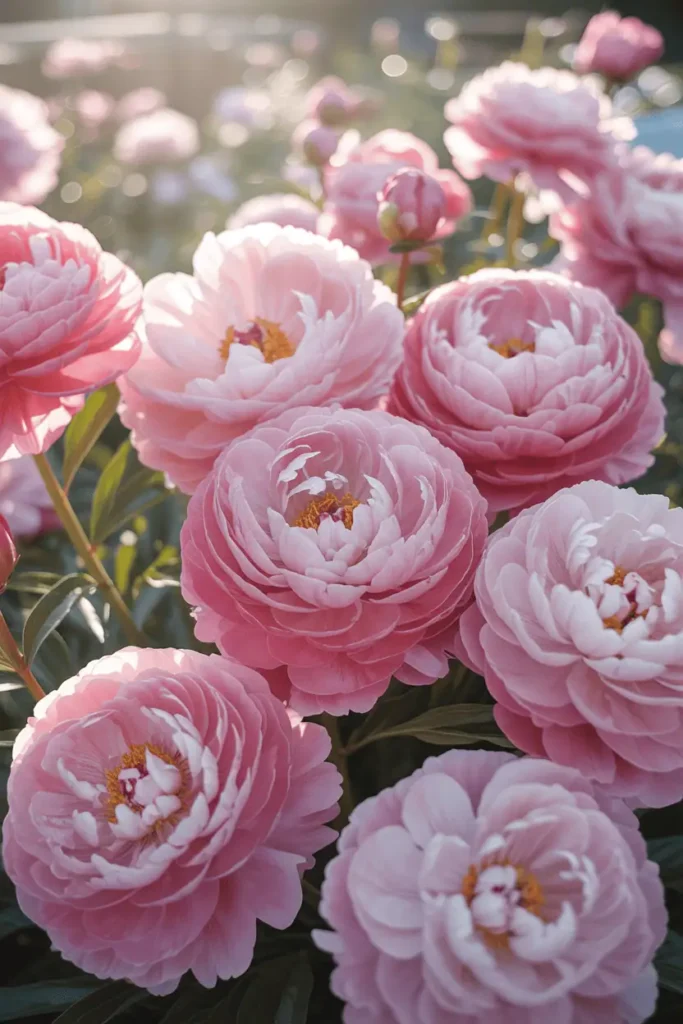
Botanical Name: Paeonia | Zones: 3–9 | Bloom Time: Late spring
Peonies have been captivating gardeners for centuries, and for good reason—their lush, ruffled blooms can reach dinner-plate size while releasing an intoxicating sweet fragrance. Native to Asia, Southern Europe, and North America, these perennials can live over 100 years and still produce magnificent flowers.
Why they're romantic: Peonies symbolize good fortune, honor, and happy marriages, making them a staple in wedding bouquets and romantic garden designs.
Growing tips:
- Plant in full sun with well-draining, loamy soil
- Add organic matter to improve fertility and drainage
- Mulch around the base to conserve moisture
- Be patient—peonies take 2-3 years to establish but reward you with decades of blooms
2. Pink Roses — Timeless Elegance
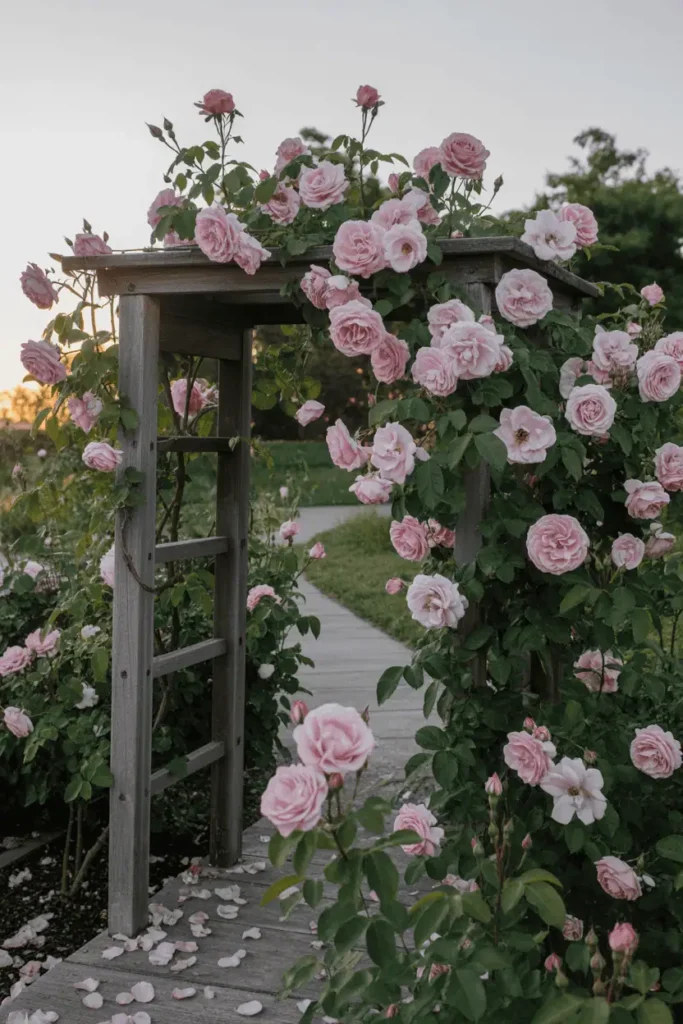
Botanical Name: Rosa | Zones: 7+ | Bloom Time: Mid-spring to fall
Unlike red roses that scream passion, pink roses whisper softer sentiments—admiration, gratitude, and the sweet blush of budding love. From climbing varieties that drape romantic arbors to shrub roses that fill cottage borders, there's a pink rose for every garden style.
Why they're romantic: Pink roses represent blossoming affection and gentle appreciation—perfect for expressing love without the intensity of red.
Growing tips:
- Choose a sunny location with well-draining soil
- Add organic matter during soil preparation
- Water deeply, especially during hot spells
- Prune in late winter to maintain shape and promote healthy growth
3. Cherry Blossoms — Fleeting Magic
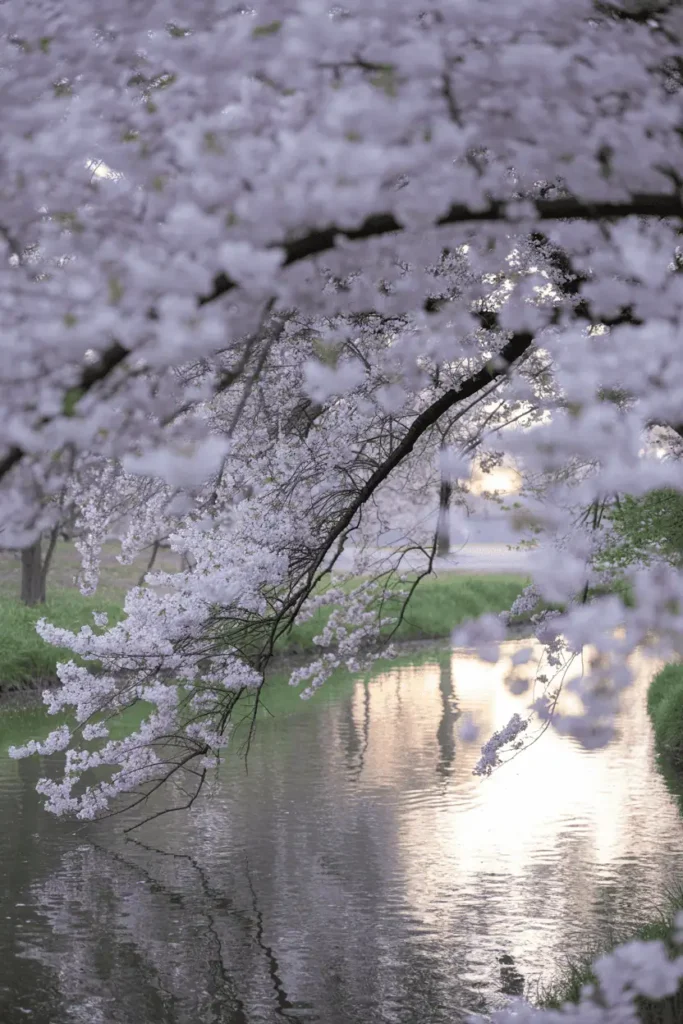
Botanical Name: Prunus serrulata | Zones: 5–8 | Bloom Time: Early spring
These iconic Japanese trees create a breathtaking canopy of delicate pink flowers, representing the beauty of impermanence. Their brief blooming period (just 1-2 weeks) makes them even more precious—a reminder to cherish romantic moments.
Why they're romantic: Cherry blossoms symbolize renewal and the transient nature of life, making every spring viewing feel like a special occasion.
Growing tips:
- Provide full sun to partial shade
- Keep soil consistently moist with regular watering
- Apply slow-release fertilizer in early spring
- Protect from extreme weather and pests
4. Pink Hydrangeas — Billowing Clouds of Color
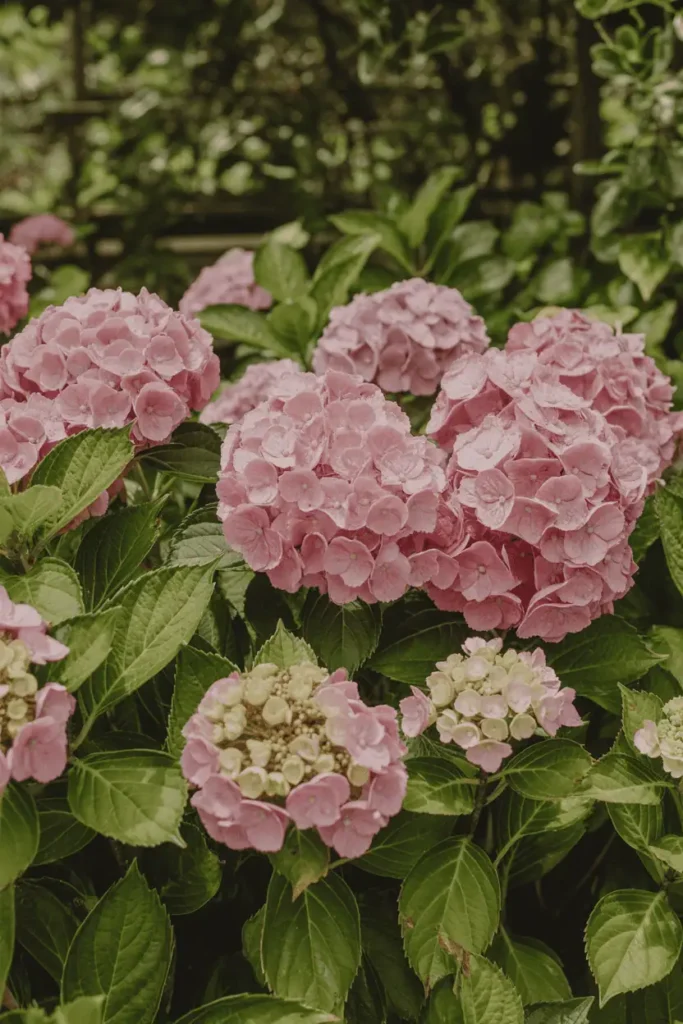
Botanical Name: Hydrangea | Zones: 3–10 | Bloom Time: Late spring to fall
These iconic shrubs produce massive, cloud-like flower clusters that transform shaded corners into romantic hideaways. The magic? You can manipulate their color through soil pH—alkaline soil produces pinker blooms, while acidic soil shifts them toward blue.
Why they're romantic: Hydrangeas represent heartfelt emotion, gratitude, and abundance—perfect for creating lush, overflowing garden borders.
Growing tips:
- Plant in partial shade with well-draining soil
- Water regularly, especially during hot, dry periods
- Add lime to soil to encourage pinker blooms
- Pair with ferns and hostas for a romantic woodland feel
5. Sweet Peas — Fragrant Climbing Romance
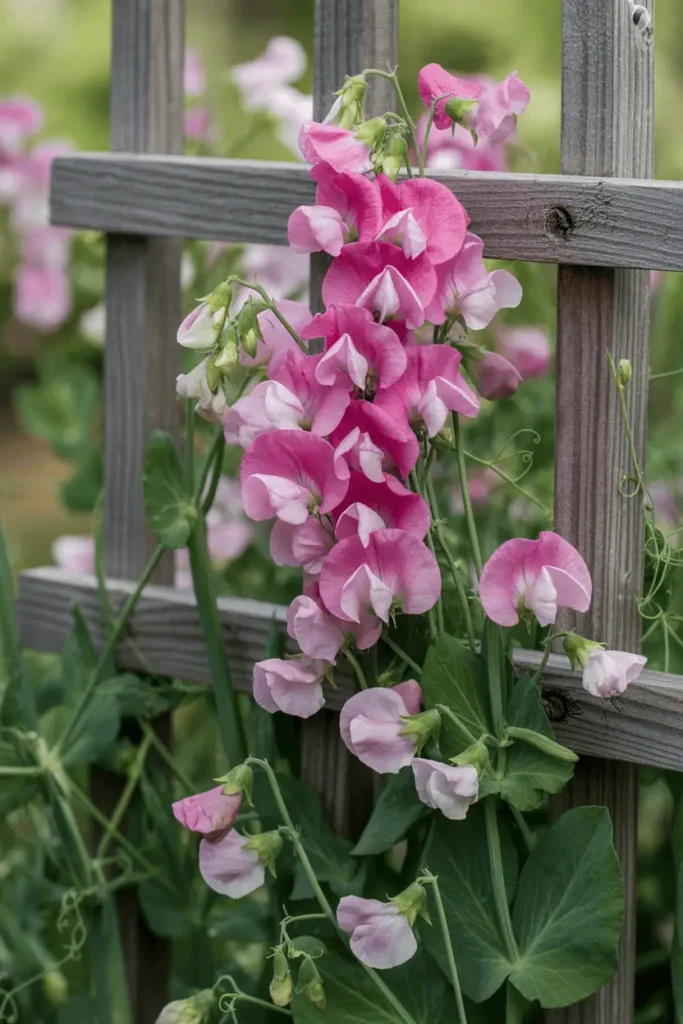
Botanical Name: Lathyrus odoratus | Zones: 2–11 (annual) | Bloom Time: Spring to early summer
These delicate climbers offer one of the most intoxicating scents in the garden—a candy-like sweetness that's been captured in perfumes for centuries. Their twining tendrils and papery petals look ethereal growing up trellises, arbors, or rustic garden obelisks.
Why they're romantic: Sweet peas symbolize blissful pleasure and departure—think "goodbye" bouquets and nostalgic cottage gardens.
Growing tips:
- Plant seeds in early spring in cool weather
- Provide a trellis or support structure for climbing
- Keep soil evenly moist
- Add organic matter before planting for best results
6. Dahlias — Showstopping Drama
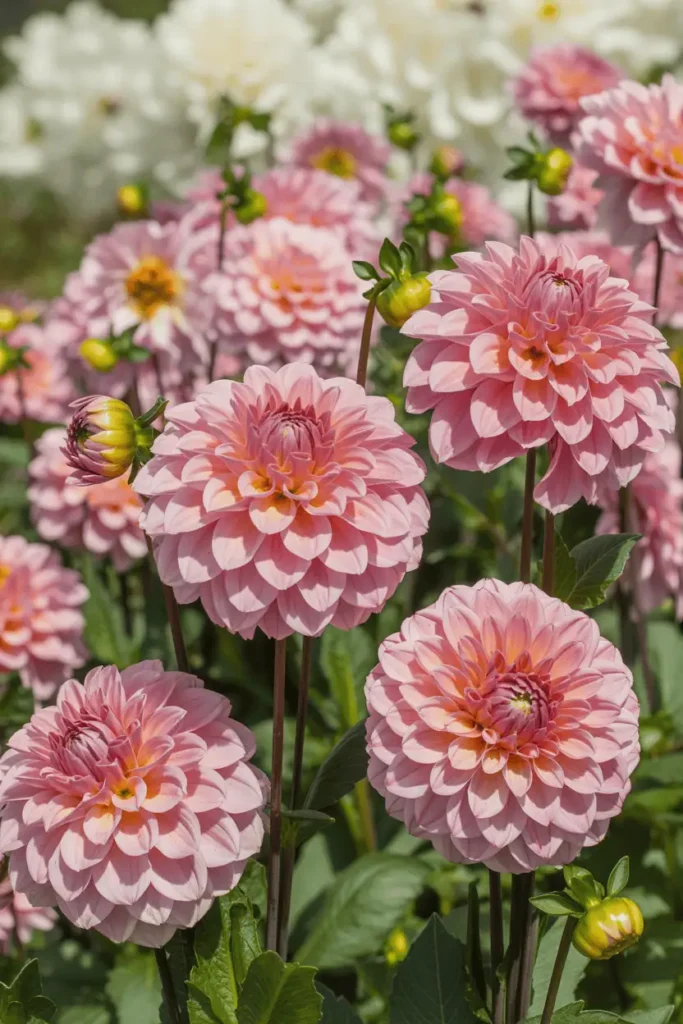
Botanical Name: Dahlia pinnata | Zones: 2–10 | Bloom Time: Late spring to early fall
From pompon-sized to dinner-plate giants, dahlias deliver unmatched petal perfection. Originating from Mexico, these flowers symbolize grace, kindness, and standing out from the crowd—a fitting sentiment for statement garden design.
Why they're romantic: Their intricate, geometric petal patterns create mesmerizing focal points, and varieties like 'Cafe au Lait' feature dreamy blush tones perfect for romantic settings.
Growing tips:
- Plant in full sun with rich, well-draining soil
- Water consistently but avoid waterlogging
- Stake tall varieties to prevent toppling
- In cold climates, dig up tubers before first frost and store indoors
7. Pink Wisteria — Cascading Drama
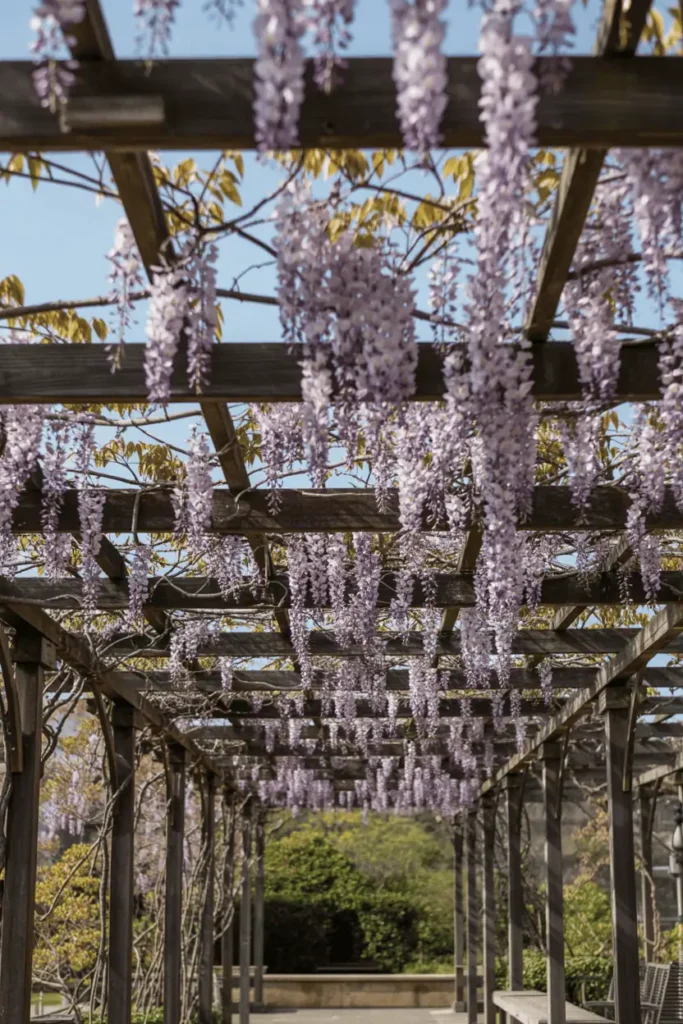
Botanical Name: Wisteria | Zones: 5–9 | Bloom Time: Spring
Few sights rival wisteria in full bloom—cascading clusters of pink flowers dripping from pergolas, arches, and fences like something from a fairytale. These vigorous climbers can reach up to 30 feet, creating dramatic vertical romance.
Why they're romantic: Wisteria symbolizes enduring love and devotion, making it perfect for framing garden pathways and intimate seating areas.
Growing tips:
- Provide a sturdy structure (pergola, trellis, arbor)
- Plant in full sun with well-draining soil
- Prune in late winter to control growth and promote flowering
- Be patient—wisteria can take several years to bloom
8. Stargazer Lilies — Fragrant Sophistication
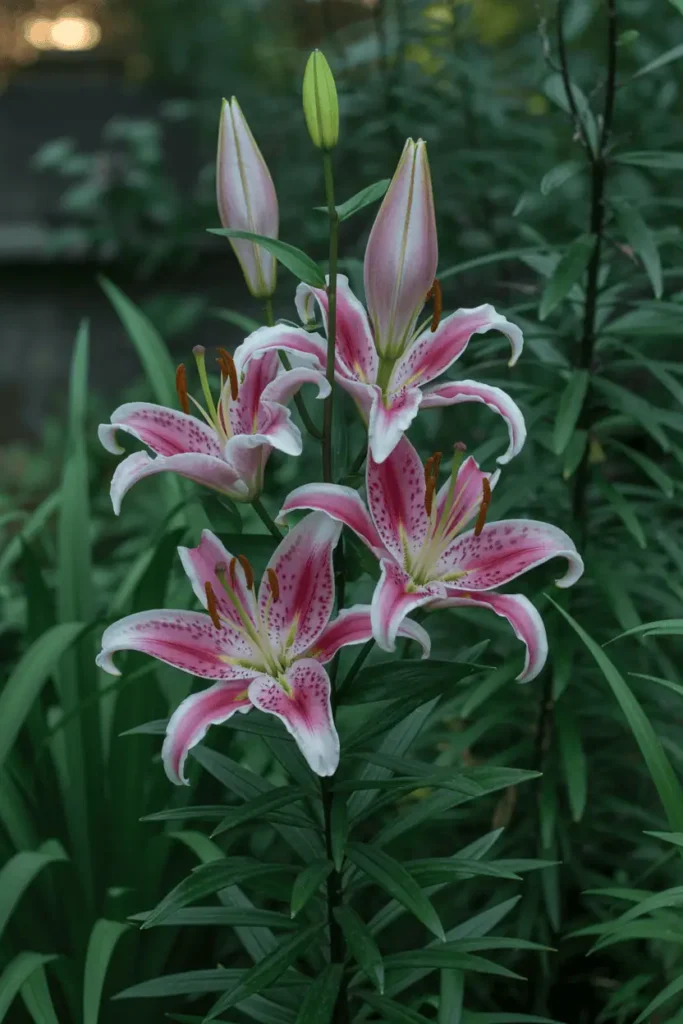
Botanical Name: Lilium orientalis 'Stargazer' | Zones: 4–9 | Bloom Time: Mid to late summer
These oriental lilies feature striking spotted petals in vibrant pink, paired with one of the most powerful fragrances in the flower world. They represent ambition and prosperity, adding both visual and aromatic drama to romantic gardens.
Why they're romantic: Their upward-facing blooms and heady perfume make them showstoppers in evening gardens—perfect for moonlit strolls.
Growing tips:
- Plant bulbs in spring at a depth three times the bulb's height
- Choose full sun to partial shade with well-draining soil
- Stake tall stems to prevent bending
- Mulch around base to retain moisture
9. Camellia — Winter's Rose
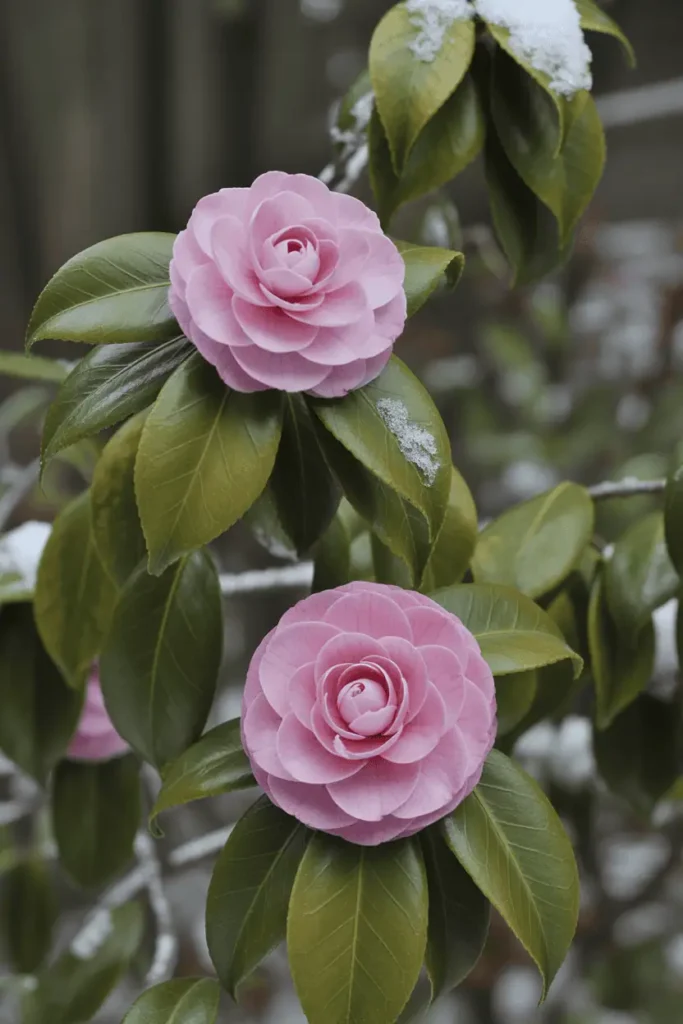
Botanical Name: Camellia japonica | Zones: 7–10 | Bloom Time: Fall to early spring
When most gardens sleep, camellias awaken with glossy evergreen foliage and perfectly formed rosette blooms. Also known as "winter rose," they provide romantic color during the coldest months.
Why they're romantic: Camellias symbolize admiration, perfection, and longing—ideal for creating intimate, sheltered garden corners.
Growing tips:
- Plant in partial to full shade with acidic, well-draining soil
- Keep soil evenly moist but not waterlogged
- Mulch to retain moisture and suppress weeds
- Fertilize with specialized acidic plant food in early spring
10. Pink Azaleas — Spring's First Blush
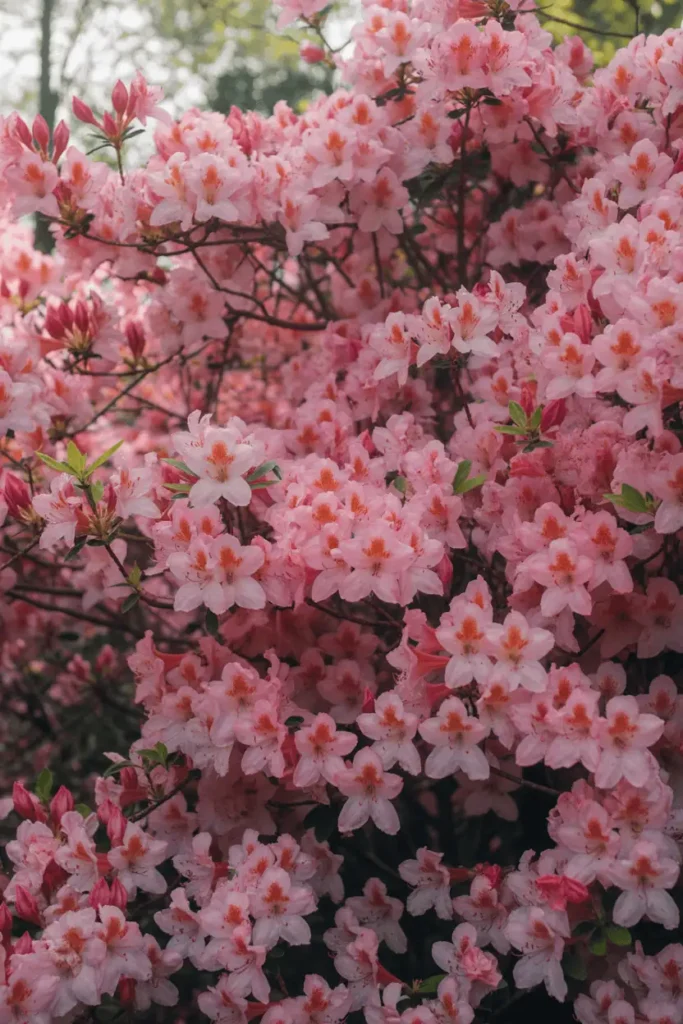
Botanical Name: Rhododendron | Zones: 6–9 | Bloom Time: Spring to summer
Azaleas form natural flowering curtains, their shrubby growth perfect for privacy hedges that double as stunning spring displays. Some varieties surprise with blooms as early as February, signaling spring's romantic arrival.
Why they're romantic: Azaleas embody femininity and grace, and their mass plantings create the flowing, cottage-garden aesthetic Pinterest boards adore.
Growing tips:
- Plant in partial sun with well-draining soil
- Avoid planting too deeply—keep root balls level with soil
- Regular watering is crucial, but prevent waterlogging
- Trim after flowering to maintain shape
11. Hollyhocks — Cottage Garden Charm
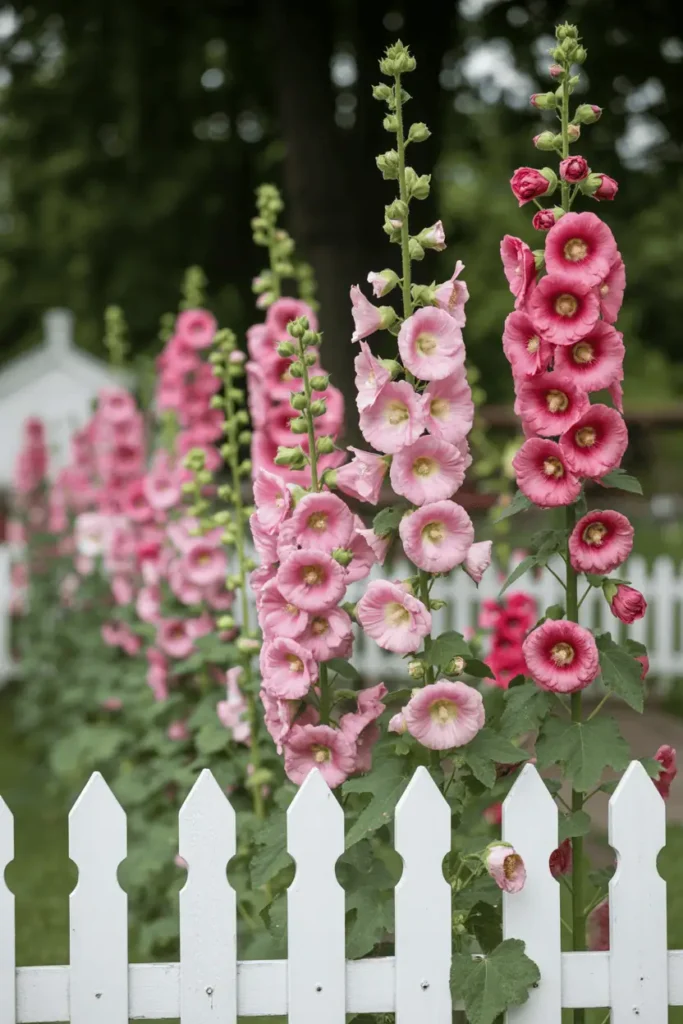
Botanical Name: Alcea rosea | Zones: 3–8 | Bloom Time: Summer
Rising up to 8 feet tall, hollyhocks line picket fences and cottage doorways with old-fashioned romance. Their stacked, trumpet-shaped blooms symbolize fruitfulness and motherly love—perfect for gardens with a nostalgic, heirloom feel.
Why they're romantic: Their towering presence and vintage aesthetic evoke English countryside gardens and secret doorways to enchanted spaces.
Growing tips:
- Plant in full sun with well-draining soil
- Stake tall stems for wind protection
- Space plants for air circulation to prevent rust disease
- Allow to self-seed for naturalized cottage charm
12. Foxglove 'Candy Mountain' — Whimsical Spires
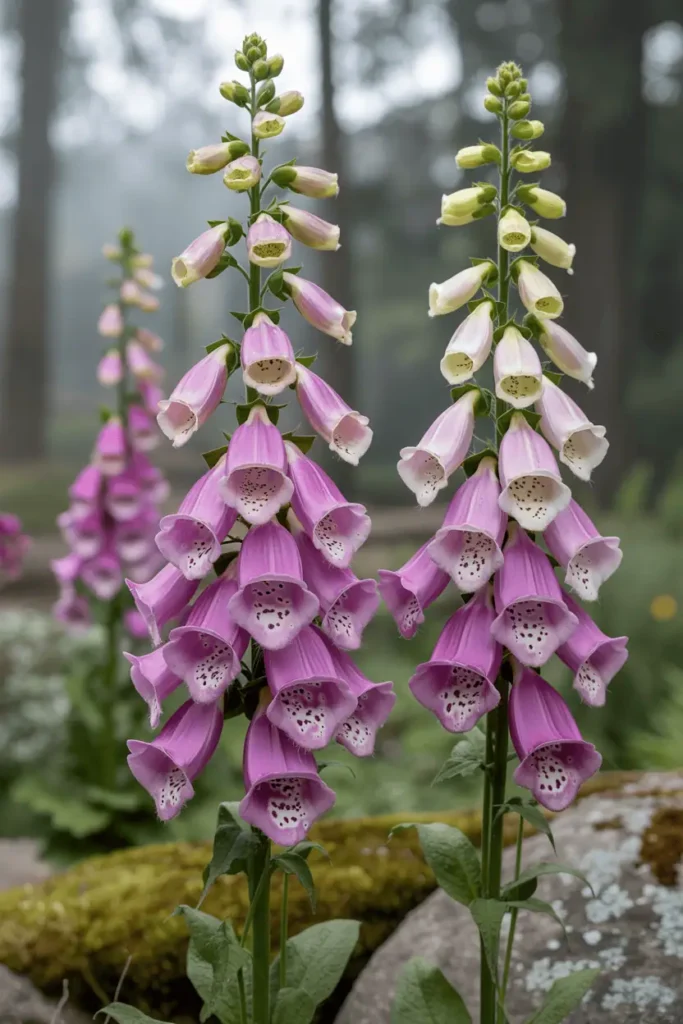
Botanical Name: Digitalis purpurea 'Candy Mountain' | Zones: 4–7 | Bloom Time: Early summer
Unlike typical drooping foxgloves, 'Candy Mountain' points its bell-shaped blooms upward, revealing spotted throats that beckon hummingbirds. These fairy-tale spires add vertical drama to shaded borders.
Why they're romantic: Foxgloves evoke woodland enchantment and fairy gardens—their towering presence adds mystery and whimsy.
Growing tips:
- Plant in partial shade to full sun
- Keep soil evenly moist
- Stake tall flower spikes if needed
- Note: All parts are toxic—handle with care and keep away from children and pets
13. Pink Orchids — Exotic Luxury
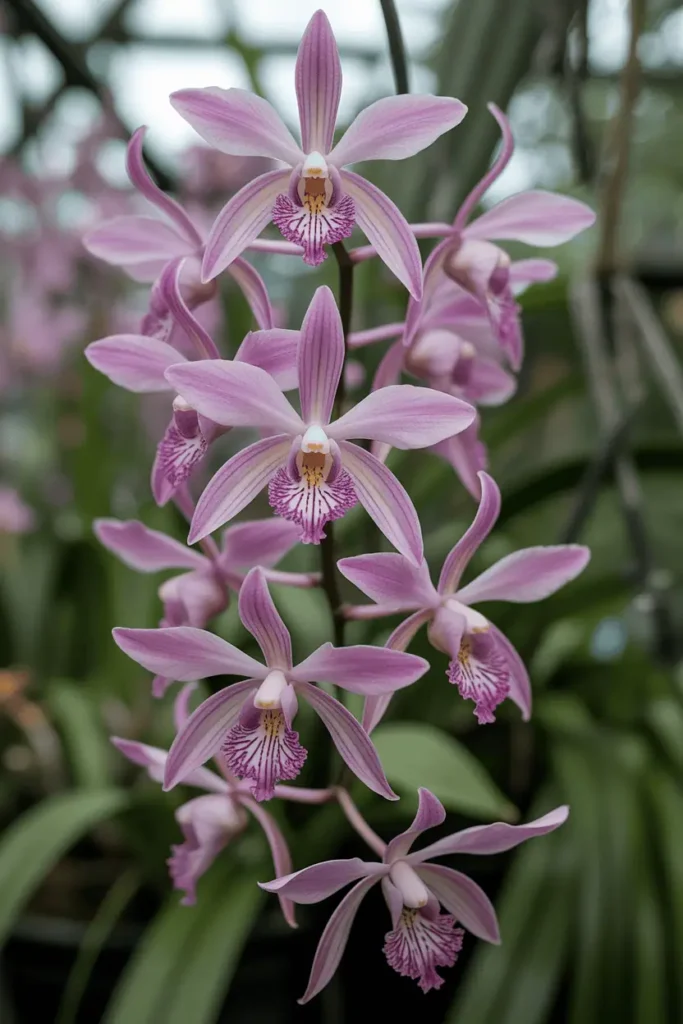
Botanical Name: Orchidaceae | Zones: 2–11 (varies by species) | Bloom Time: Spring and fall
Orchids represent luxury, refinement, and rare beauty. While notoriously challenging to grow, their exotic elegance rewards dedicated gardeners with unparalleled sophistication.
Why they're romantic: Orchids symbolize love, strength, and beauty—gifting one says "you're worth the extra effort."
Growing tips:
- Use specialized orchid potting mix (never regular soil)
- Provide bright, indirect light
- Maintain warm temperatures and high humidity
- Water when potting mix begins to dry—avoid overwatering
14. Ranunculus — Rose Alternatives
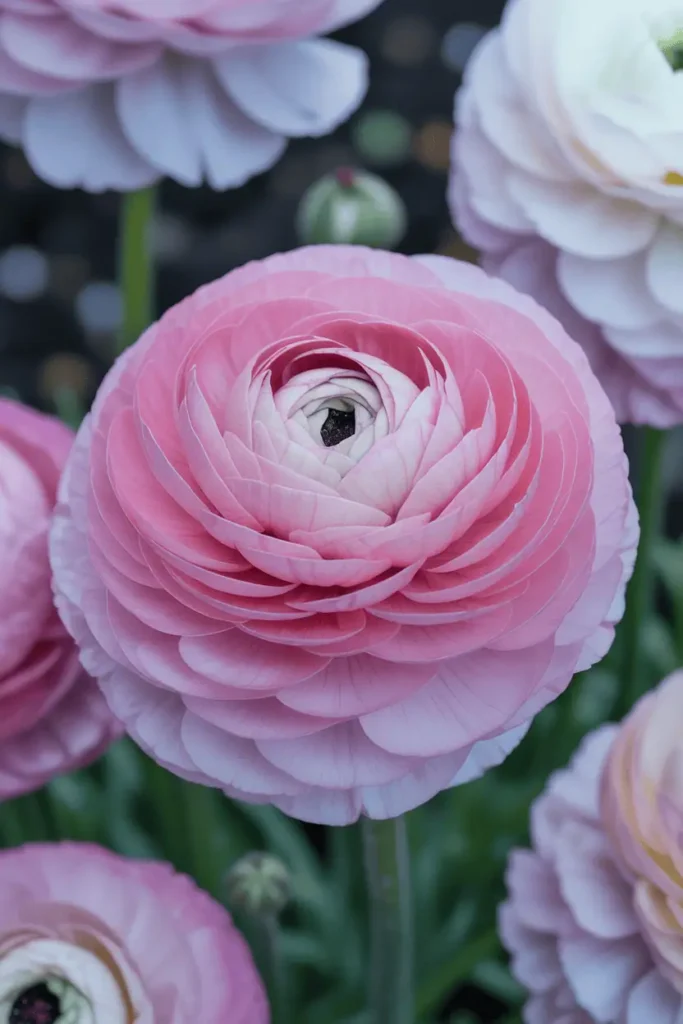
Botanical Name: Ranunculus | Zones: 8–10 | Bloom Time: Spring
With their tissue-paper petals layered in tight spirals, ranunculus rivals roses at a fraction of the cost. Popular in wedding bouquets, their soft pink varieties add romantic charm to cool-climate gardens.
Why they're romantic: Their delicate, multi-petaled blooms symbolize charm and attractiveness—perfect for cut-flower gardens.
Growing tips:
- Plant corms in fall (mild climates) or early spring
- Choose full sun with well-draining soil
- Keep soil evenly moist during growth
- Soak corms before planting to encourage germination
15. Cosmos — Carefree Beauty
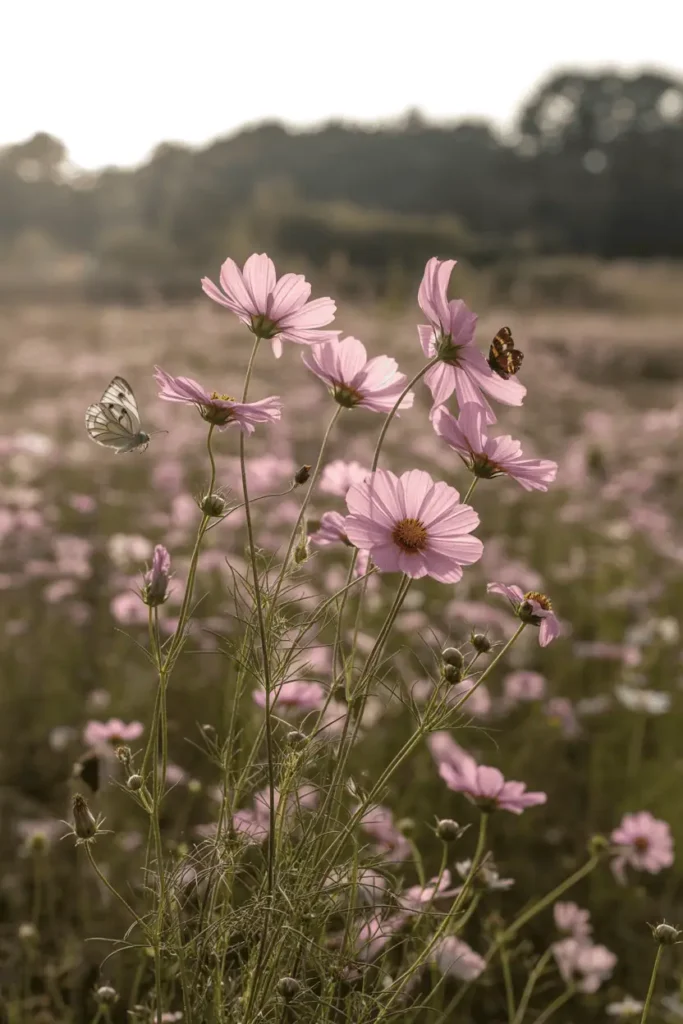
Botanical Name: Cosmos bipinnatus | Zones: 2–11 | Bloom Time: Summer to fall
Cosmos dance on airy stems, their daisy-like pink blooms swaying with every breeze. Easy to grow from seed, they attract butterflies and pollinators while delivering that wild, romantic meadow aesthetic.
Why they're romantic: Cosmos represent order arising from chaos and peace—perfect for creating naturalized, carefree garden spaces.
Growing tips:
- Direct sow seeds after last frost in full sun
- Avoid overly rich soil (it encourages foliage over flowers)
- Deadhead regularly for continuous blooming
- Allow some flowers to go to seed for next year's display
16. Pink Dianthus — Spicy Cottage Edging
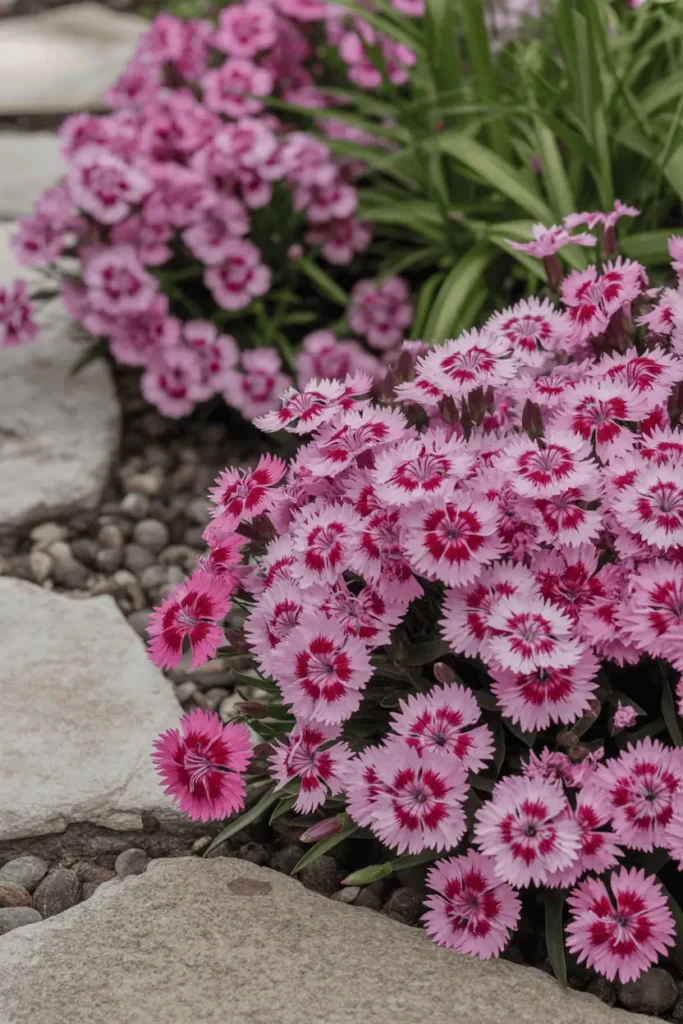
Botanical Name: Dianthus caryophyllus | Zones: 3–10 | Bloom Time: Late spring to summer
Also called "pinks," these fringed beauties release a distinctive spicy-sweet fragrance reminiscent of cinnamon and cloves. Their compact growth makes them perfect for edging romantic pathways and rock gardens.
Why they're romantic: Their frilly, serrated petals and nostalgic fragrance evoke old-fashioned romance and handwritten love letters.
Growing tips:
- Plant in partial to full sun with well-draining soil
- Keep soil evenly moist but not waterlogged
- Deadhead regularly to promote reblooming
- Excellent for borders, rock gardens, and containers
17. Bleeding Heart — Whimsical Heartbreak
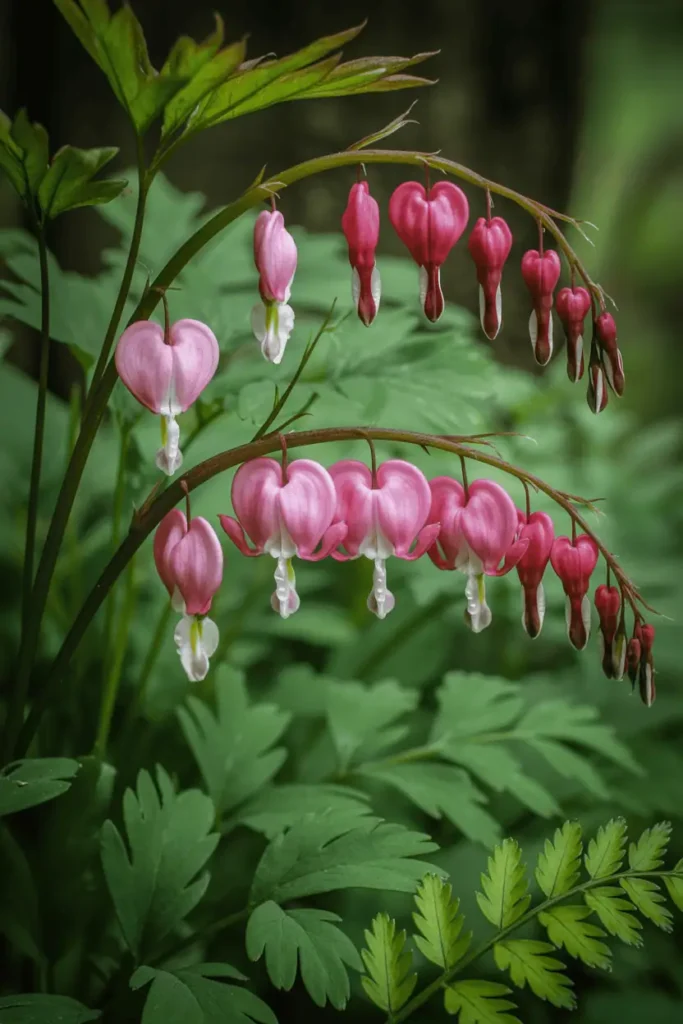
Botanical Name: Lamprocapnos spectabilis | Zones: 3–9 | Bloom Time: Late spring
The most romantic flower in name and form—heart-shaped pink blooms dangle from arching stems like tiny love tokens. Thriving in shaded woodland gardens, they add fairy-tale magic to quiet corners.
Why they're romantic: Their distinctive heart shape makes them unmistakably sentimental—perfect for shaded spots beneath trees or along north-facing walls.
Growing tips:
- Plant in partial to full shade with moist, well-draining soil
- Keep soil consistently moist during growing season
- Foliage may die back in summer heat—plant alongside ferns or hostas to fill gaps
- Divide clumps every few years to maintain vigor
Design Tips for a Romantic Pink Garden
Layer your blooms: Combine tall varieties (hollyhocks, foxgloves) with mid-height flowers (dahlias, roses) and low edging (dianthus, candytuft) for depth and dimension.
Consider bloom times: Stagger early bloomers (azaleas, cherry blossoms) with summer stars (peonies, dahlias) and fall finishers (cosmos, chrysanthemums) for year-round romance.
Add fragrance: Include at least 3-4 scented varieties (sweet peas, roses, stargazer lilies) to engage all senses during evening garden strolls.
Create focal points: Use climbers like wisteria and sweet peas to frame arbors, doorways, or seating areas—the perfect backdrop for photos and intimate moments.