There’s a brief window each spring when everything feels lighter. The air softens, trees wake up, and suddenly streets, parks, and gardens are dusted in pale pink and white petals. Cherry blossoms don’t arrive quietly — they arrive with feeling.
Unlike many spring flowers, cherry blossoms aren’t about long bloom seasons or constant color. They’re about presence. When they bloom, you notice. When they fade, you remember them.
This is what makes cherry blossoms so powerful in a garden or landscape. They don’t just decorate a space — they define a season.
Why Cherry Blossoms Feel So Emotional
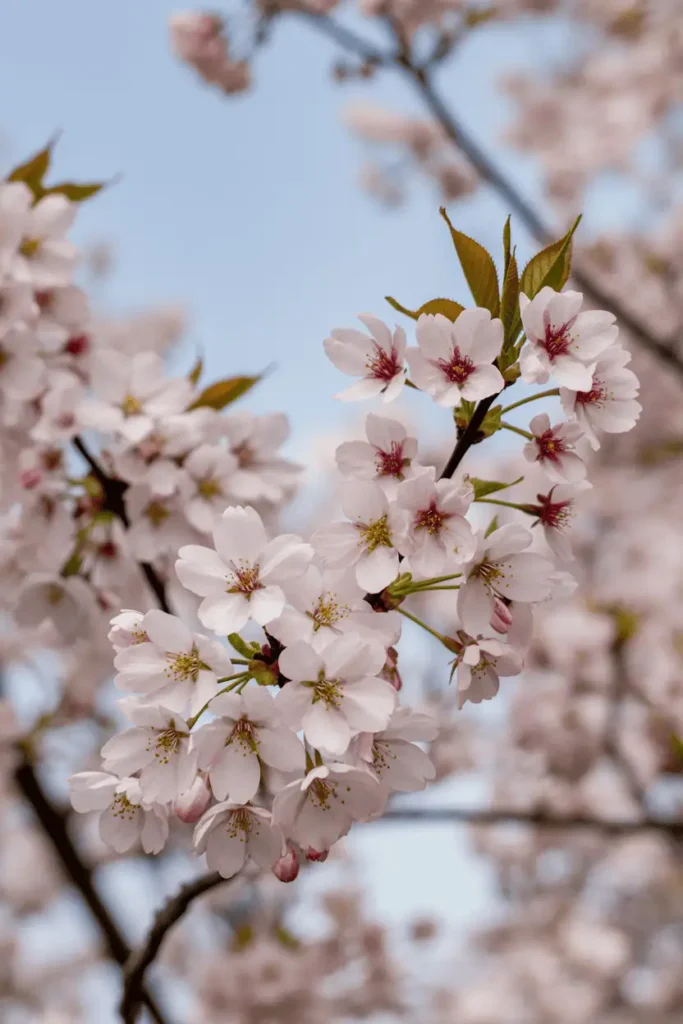
Cherry blossoms bloom for a short time, often just a couple of weeks. That fleeting nature is exactly what makes them special. You don’t plant them for constant impact. You plant them for that moment each spring when everything aligns.
They symbolize renewal, softness, and impermanence — which is why they’re so deeply associated with spring rituals, walks, and quiet reflection. On Pinterest, cherry blossom content performs so well because it captures a feeling people want to hold onto.
These trees aren’t loud. They’re gentle. And that gentleness is what makes them unforgettable.
Understanding How Cherry Blossoms Grow
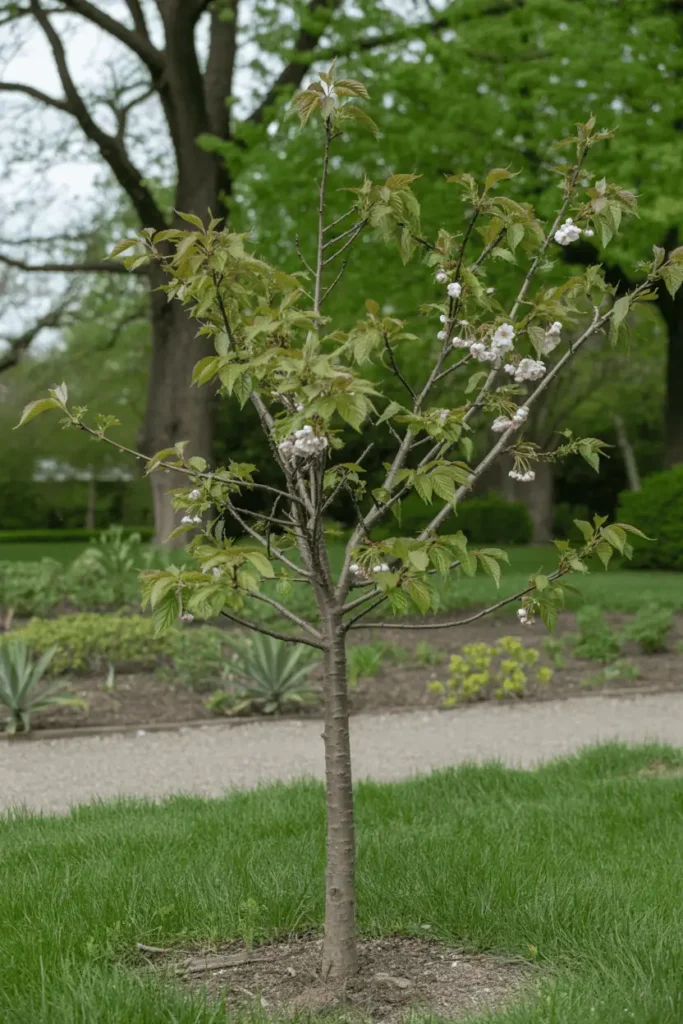
Cherry blossoms grow as ornamental trees, not garden flowers. They need space to breathe, both visually and physically. Most varieties prefer full sun and well-drained soil, and they reward patience more than effort.
The first few years are about structure — roots settling, branches shaping. Then, one spring, the blossoms arrive. And once they do, they return year after year with very little intervention.
Cherry blossoms are a long-term relationship, not an instant result.
Popular Cherry Blossom Varieties to Know
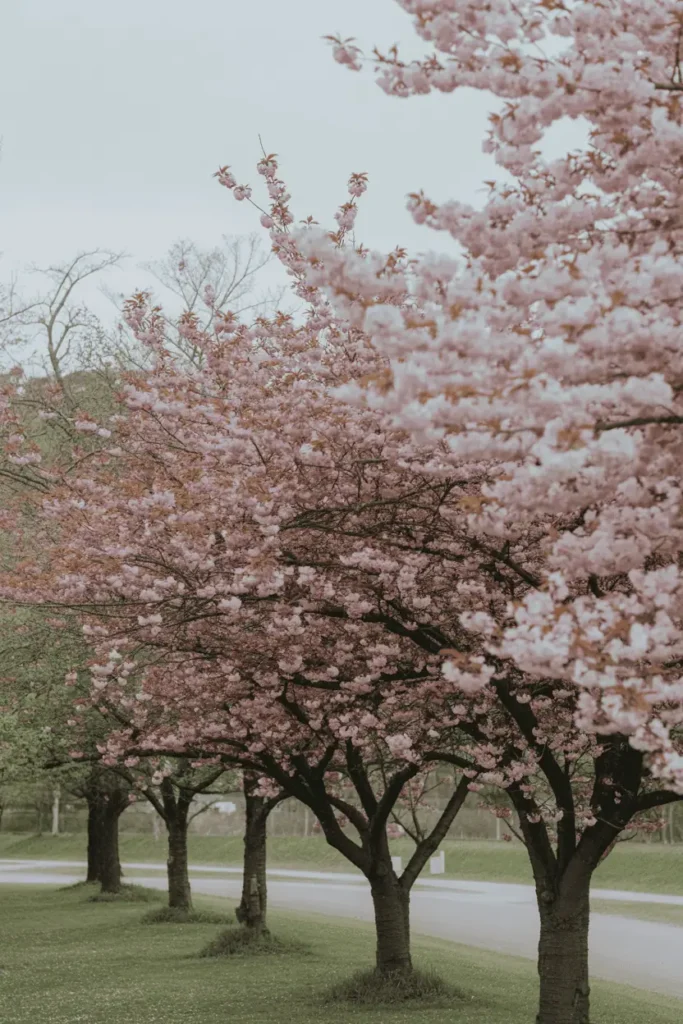
Not all cherry blossoms look the same. Some bloom in soft white, others in pale blush or deeper pink. Some have single, airy petals, while others are fuller and more cloud-like.
What matters most isn’t choosing “the best” variety — it’s choosing the one that fits your space and mood. A small garden benefits from lighter, open blooms. Larger landscapes can handle fuller canopies that create dramatic spring scenes.
Each variety brings a slightly different feeling, but all share that same sense of quiet celebration.
Cherry Blossom Color Inspiration
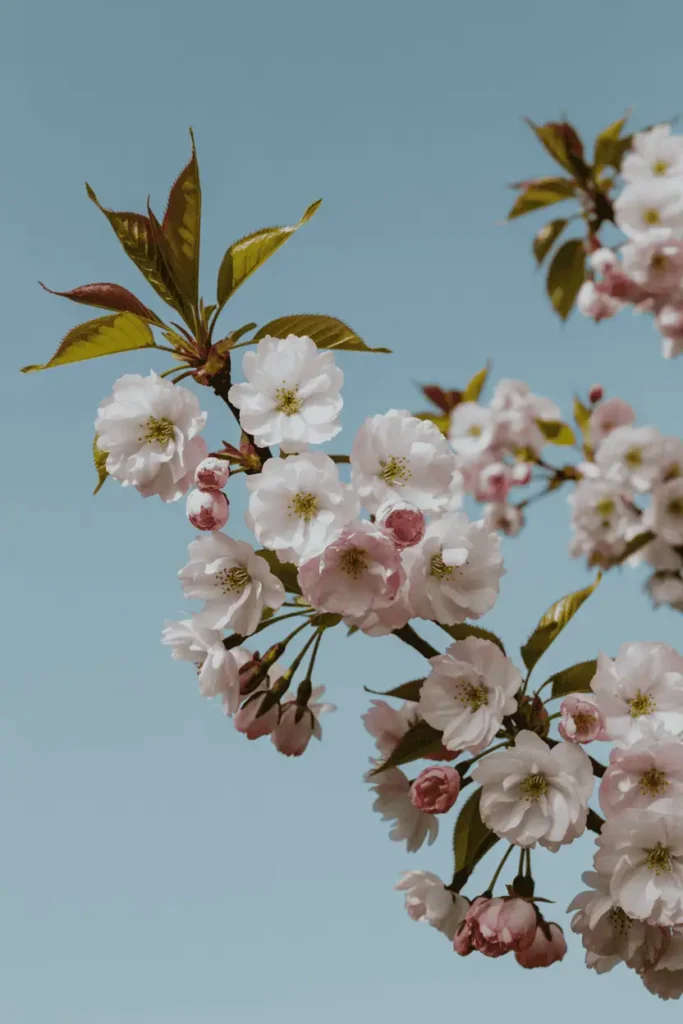
Cherry blossoms live in a narrow but beautiful color range — white, ivory, blush, and soft pink. These tones work effortlessly with almost any landscape style.
They pair beautifully with green lawns, stone paths, minimalist gardens, and even urban settings. Their softness balances structured spaces and adds warmth to modern designs.
Because the color palette is subtle, cherry blossoms never feel overwhelming. They feel intentional.
Where Cherry Blossoms Shine the Most
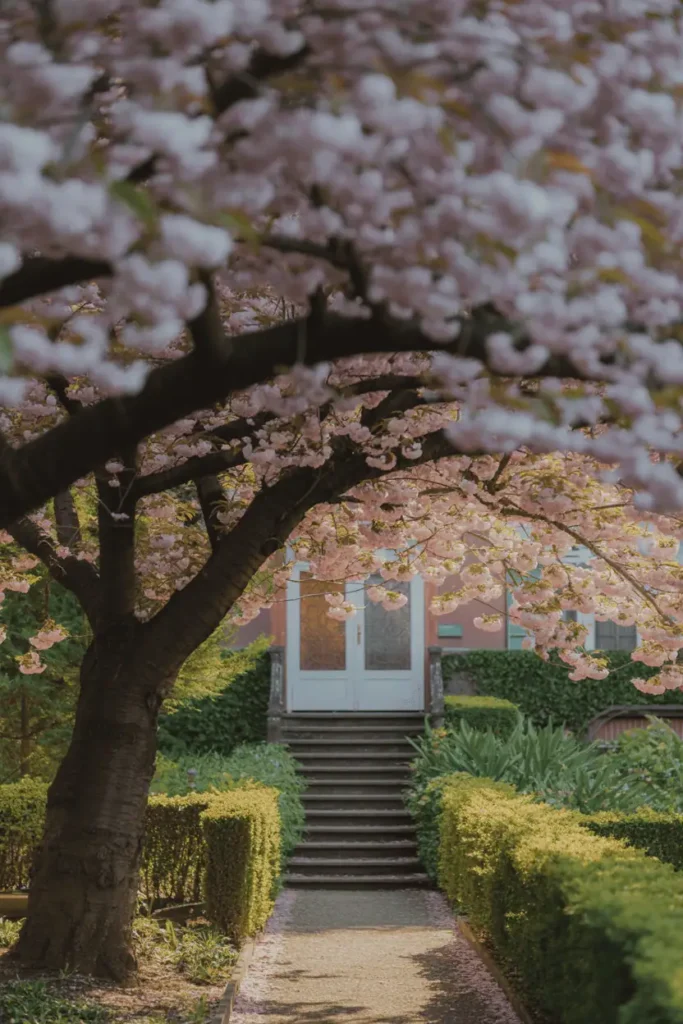
Cherry blossoms are best placed where they can be experienced, not just seen from afar. Near walkways, garden entrances, patios, or windows where you naturally pause.
They’re perfect for framing views, marking transitions between spaces, or creating a focal moment in an otherwise simple landscape.
You don’t need many. One well-placed cherry blossom tree can define an entire garden.
Cherry Blossoms in Small Gardens
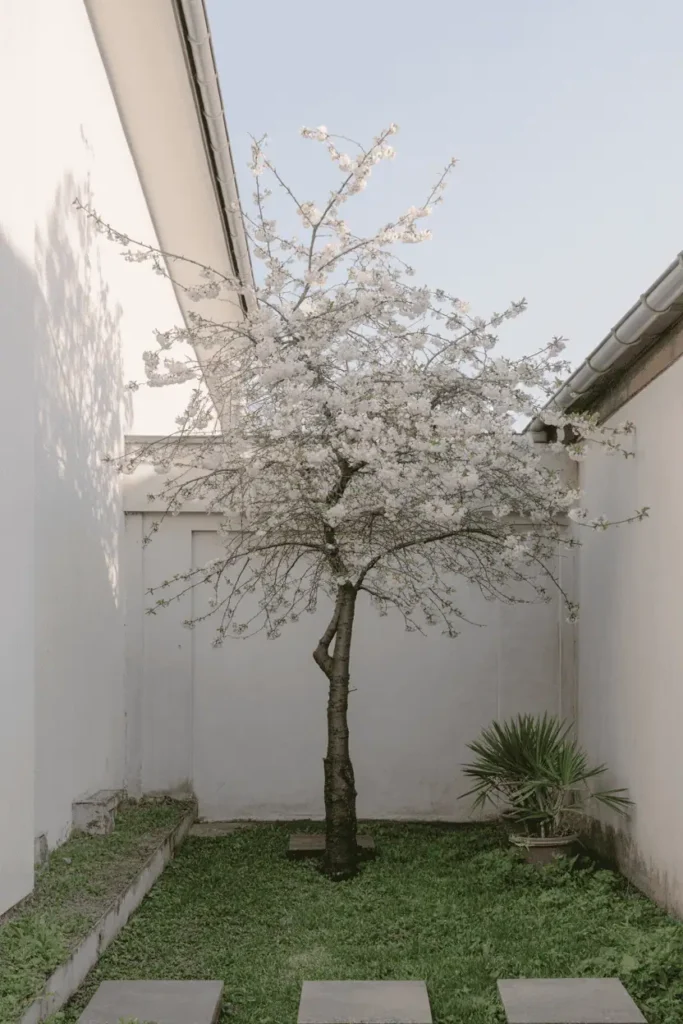
Even small gardens can accommodate cherry blossoms if the scale is right. Compact or dwarf varieties offer the same spring beauty without overpowering the space.
In smaller settings, cherry blossoms feel even more special — almost like a secret. A single tree blooming quietly in a small yard often feels more magical than a row planted for impact.
This is where cherry blossoms truly shine: when they feel personal.
The Moment After the Bloom
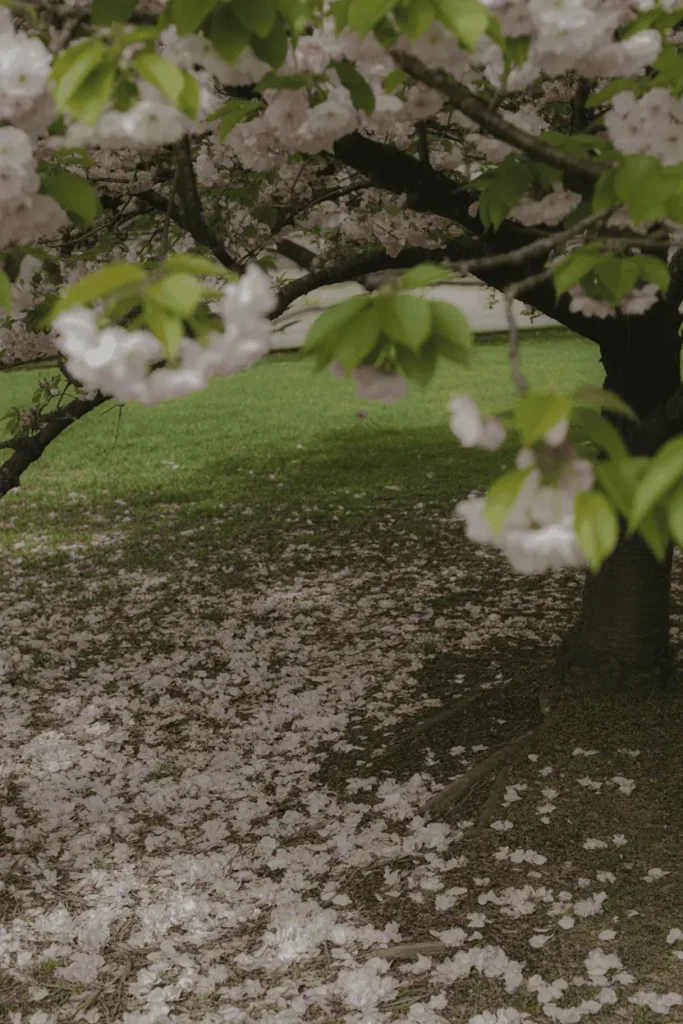
When the petals fall, cherry blossoms don’t disappear. Their green foliage fills out, offering shade and structure through summer and fall.
This transition is important. It’s what keeps the tree feeling intentional year-round, not just during bloom season. The blossoms are the highlight — not the whole story.
And when the next spring arrives, the cycle begins again.
Why Cherry Blossoms Belong in a Spring Garden Plan
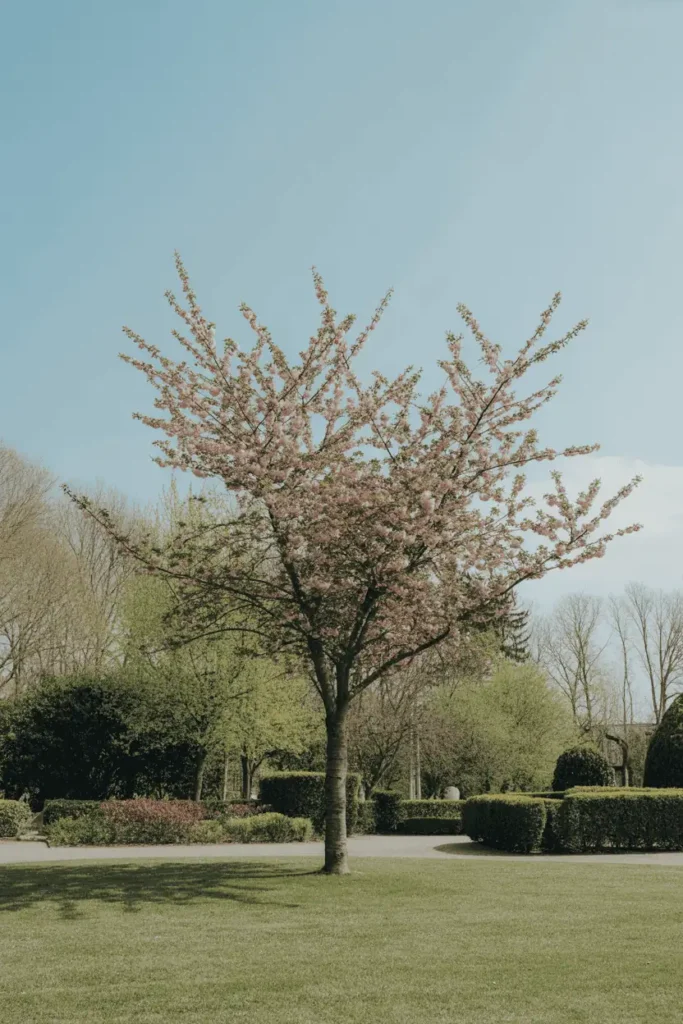
Cherry blossoms aren’t filler plants. They’re emotional anchors. They give spring a beginning — a visual signal that the season has truly arrived.
If you want your garden to feel meaningful, not just planted, cherry blossoms are one of the most powerful choices you can make.
They remind you to slow down. To notice. And to enjoy the season while it’s here.