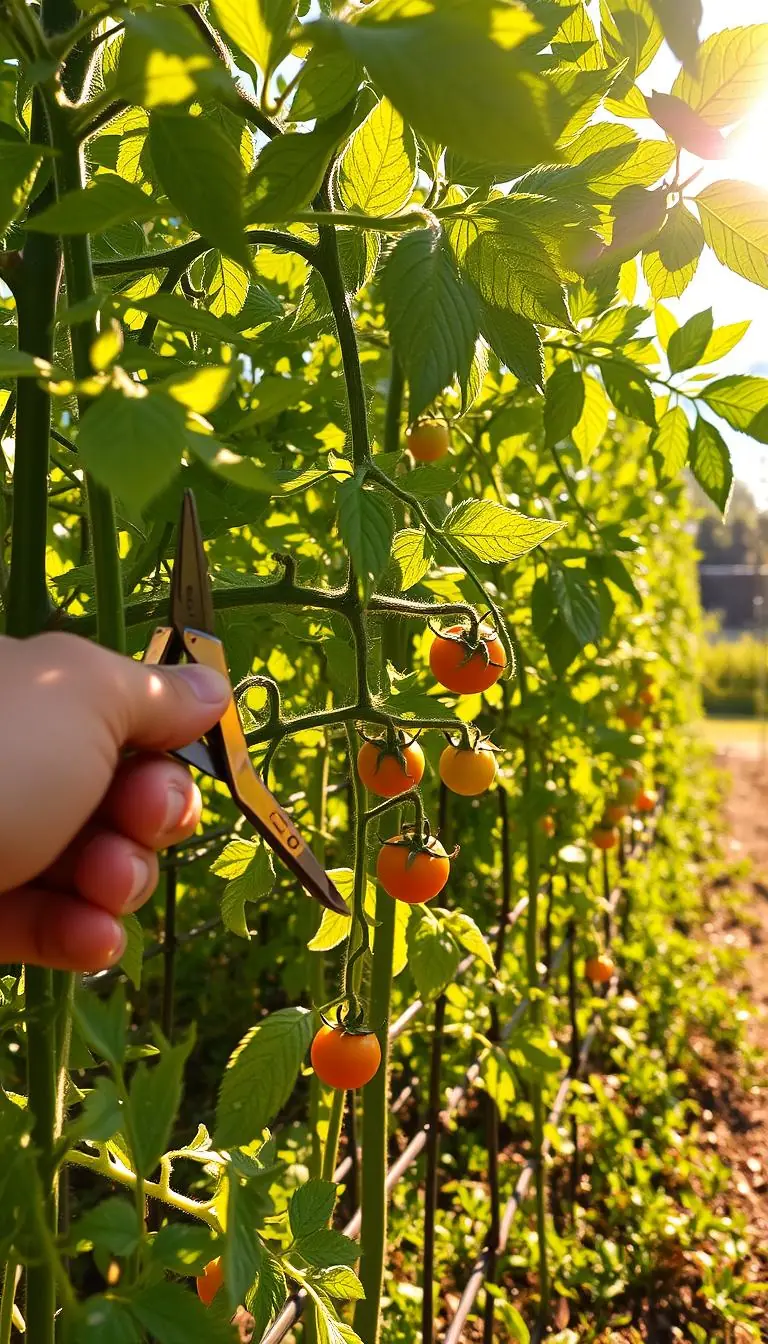
You step outside to cool, mulched soil underfoot and the scent of lavender. Have you noticed thirsty patches or sprinklers that splash the sidewalk? This guide meets you there, calmly and clearly.
We’ll show eight practical ways you can try today to save water without losing color or comfort. Expect doable steps—drip kits, soaker hoses, inline emitter tubing, hose repair kits, hose-end timers, rain sensors, and 50–100‑gallon rain barrels.
You’ll learn measures like mulch at 2–3 inches, drip emitters at 0.5–1 gph, and raised beds 10–12 inches deep. Plant ideas by USDA zone—lavender and yarrow (Zones 5–9), salvia and penstemon (5–9)—help you pick resilient choices that look and smell wonderful.
We’ll also flag common mistakes: over-watering, mulch piled against trunks, and misdirected sprinklers. With clear steps and a few simple tools, your home beds will be easier to care for and thrive all year.
Key Takeaways
- Eight practical methods that cut waste and keep lush color.
- Gear to set up in an afternoon: drip kits, timers, and barrels.
- Exact measures: mulch 2–3 inches; drip at 0.5–1 gph.
- Plant smart for your USDA zone—lavender, yarrow, salvia.
- Fix leaks, avoid mulch volcanoes, and water at the best time of day.
Why saving water in the garden matters right now
Right now, choices in your yard affect more than curb appeal — they shape local supply and household bills.
Up to half of household drinking water is used outdoors, and much of that is lost to over-watering, evaporation, and misdirected sprinklers. The average U.S. resident uses about 170 gallons a day, compared to roughly 36 gallons in more efficient systems abroad. That gap shows how small changes can add up.
Cutting outdoor demand protects the local drinking water supply during dry spells and eases pressure on treatment plants and reservoirs. It also helps your wallet: better schedules, rain sensors, and quick fixes to leaking hose bibs lower monthly bills.
- Install a rain sensor so irrigation pauses after rain.
- Run a simple home audit or check your bill trend line to spot leaks.
- Water at dawn, swap misting sprinklers for targeted delivery, and use barrels for garden use instead of tap washing.
"Small, steady changes in the garden can save hundreds of gallons and protect community supply."
These actions are practical ways to reduce strain on systems, keep beds thriving year-round, and put money back in your pocket.
8 water saving tips you can use today
Simple changes in your garden can free up dozens of gallons and keep plants thriving.
Switch from sprinklers to drip irrigation
Lay 1/2-inch poly tubing with 0.5–1 gph inline emitters around the drip line of shrubs and perennials. Add a pressure regulator and filter at the tap, then run 45–60 minutes, 1–2 times per week. Adjust time by season for deep, even moisture.
Collect rain with barrels
Place a 50–100-gallon barrel under a downspout on a level paver. Fit a diverter kit and attach a short hose or spigot. Use gravity to feed nearby beds or fill a watering can after storms.
Water smarter: time and feel
Check soil 3–4 inches down with your finger or a moisture meter before you irrigate. Water at dawn when wind is calm and leaves dry quickly. Fit a rain sensor or use your controller’s skip feature to avoid unnecessary cycles.
Fix leaks at taps and hoses
Replace worn washers, wrap threads with plumber’s tape, and tighten by hand. If a hose end splits, cut it back and add a brass repair fitting. These five-minute fixes stop silent loss of gallons over the season.
Pick drought-tolerant plants and trim lawn area
For Zones 5–9, try lavender, yarrow, salvia, and echinacea. Zones 7–10 suit penstemon and manzanita. Replace a narrow strip of turf with a native meadow to support pollinators and use less water year-round.
Mulch like a pro
Spread 2–3 inches of shredded bark or arborist chips, keeping mulch 3 inches away from trunks. The soil stays cool and springy, weeds drop, and you’ll reduce how often you irrigate.
Reuse safe graywater
Collect unsalted veggie rinse or cooled pasta water (no soap or bleach) and pour at the base of ornamentals. Strain solids to avoid clogged emitters and never use salted or soapy water on edibles.
Upgrade flow control
Fit a thumb-controlled hose nozzle and faucet aerators. Inside, a low-flow shower head helps reinforce whole-home habits. A controlled flow delivers less water but more benefit.
"Less water, delivered deeply, grows sturdier plants over the year."
Design and seasonal strategies for a lush, low-water landscape
Design choices shape how lush your garden feels and how much water it needs each season. Start by grouping plants by sun and moisture. This simple move makes irrigation fair and efficient.
Group plants by needs and sun exposure
Hydrozoning keeps drought-tolerant, sun-loving species together and places thirsty shrubs near a tap or hose bib. Sketch three zones in words: a sunny silver bed (lavender, rosemary, artemisia); a partial-shade corner (heuchera, ferns) near a rain barrel overflow; a small lawn panel for play or lounging.
Plan by season: timing and tasks
Spring: establish with drip headers and short daily checks. Summer: add mulch, use shade cloth for seedlings, and irrigate at dawn. Fall: plant perennials and trees so roots set in cool soil. Winter: drain hoses, open barrel spigots, and insulate exposed valves.
Blend function and beauty
Choose permeable paths like gravel or decomposed granite for a cool, crunching walk and quick infiltration. Raised cedar beds (10–12 inches) warm in evening light and keep roots happy.
| Feature | Benefits | Tools & Materials |
|---|---|---|
| Hydrozones | Prevents overwatering, matches plant needs | Separate valves, shutoff valves, soaker headers |
| Permeable paths | Improves runoff, cool underfoot | Gravel, decomposed granite, edging |
| Raised beds & compost | Better drainage, richer soil holds moisture | Cedar lumber, compost bin, rich topsoil |
"Group plants by need, right-size the lawn, and give each zone its own valve — it saves effort and keeps beds thriving."
Keep a compact compost bin near beds so soil holds more moisture and needs less midweek attention. Add solar path lights and soft string lights to create a welcoming evening space.
Conclusion
One calm action—like fixing a leaky faucet or swapping a sprinkler zone—begins a smarter, greener garden.
Recap: deep drip, mulch, drought‑wise plants, rain barrels and sensors, plus quick fixes for leaks and taps keep gallons from disappearing and lower bills.
Start with one ten‑minute task today: tighten a gasket, set your controller to dawn, or swap a zone to drip. Small moves add up fast.
- Quick checklist: swap a sprinkler to drip; check hoses and faucet gaskets; add an aerator or set a shorter shower.
- Keep a gentle routine: brief checks a few mornings a week and a seasonal mulch refresh.
With steady care you’ll protect local supply, cut household demand, and grow a lush, easy garden that feels peaceful and alive.
FAQ
What are simple ways to save water in my garden today?
Swap sprinklers for drip irrigation, water in the early morning, add a 2–3" layer of mulch, and fit low-flow hose nozzles or faucet aerators. Small changes like fixing leaky connectors and checking soil moisture before you water make a big difference.
How does drip irrigation compare to sprinklers for plant health?
Drip delivers water directly to roots, which reduces evaporation and encourages deeper roots. That means healthier plants, less runoff, and lower consumption than overhead sprinklers—especially for beds, containers, and vegetable rows.
Can I use collected rainwater for all my garden plants?
Yes, rainbarrel water is great for most ornamentals, shrubs, and vegetables. Avoid using untreated graywater for edible parts you’ll eat raw unless you follow local guidelines. Gravity-fed hoses make distribution easy and gentle on roots.
When is the best time of day to water to cut losses?
Early morning is ideal. Cooler temperatures and calmer air reduce evaporation and fungal risk. If you must water in the evening, do it early enough that foliage can dry before nightfall.
How much mulch should I use and where?
Spread 2–3 inches of organic mulch around plants, leaving a small gap at stems to avoid rot. Mulch keeps soil cool, slows evaporation, suppresses weeds, and gradually improves soil as it breaks down.
What plants should I choose to reduce irrigation needs?
Pick drought-tolerant natives and Mediterranean varieties suited to your climate. Replace parts of a thirsty lawn with groundcovers, mulch, or ornamental grasses to keep a lush look with far less water.
Is graywater safe to reuse, and how should I do it?
Some graywater—like unscented dish or shower rinse—can be reused on ornamentals if local code allows. Use a simple diversion system and direct it to mulch basins or nonedible plants. Never apply graywater to leafy parts of edibles without proper treatment.
How do I find and fix leaks in irrigation quickly?
Walk the system while it runs to spot spraying or pooling, check hose connectors and valves for drips, and inspect sprinkler heads for misalignment. Replace worn washers and cracked tubing; a small leak can waste hundreds of gallons a month.
What role does soil play in conserving moisture?
Soil structure controls how well it holds water. Add compost to improve texture and water retention. Well-amended soil needs less frequent watering because it stores moisture better for roots to access.
How do I plan seasonal watering for best results?
In spring, focus on establishment with regular but moderate watering. In summer, increase deep, infrequent irrigation for heat stress. In fall, taper off as temperatures cool and prepare beds for winter with mulch and compost.
Are there inexpensive tools that help reduce use without sacrificing a lush garden?
Yes—soil moisture meters, simple timers, rain sensors, low-flow nozzles, and a rainbarrel deliver big savings for little cost. Even a basic drip kit coupled with mulching transforms thirsty beds into resilient plantings.
Can I still have a green lawn and conserve resources?
You can reduce lawn area with mixed plantings, alternate groundcovers, or drought-tolerant turfgrasses. Mowing higher, watering deeply and infrequently, and overseeding with resilient varieties help keep a healthier, lower-demand lawn.