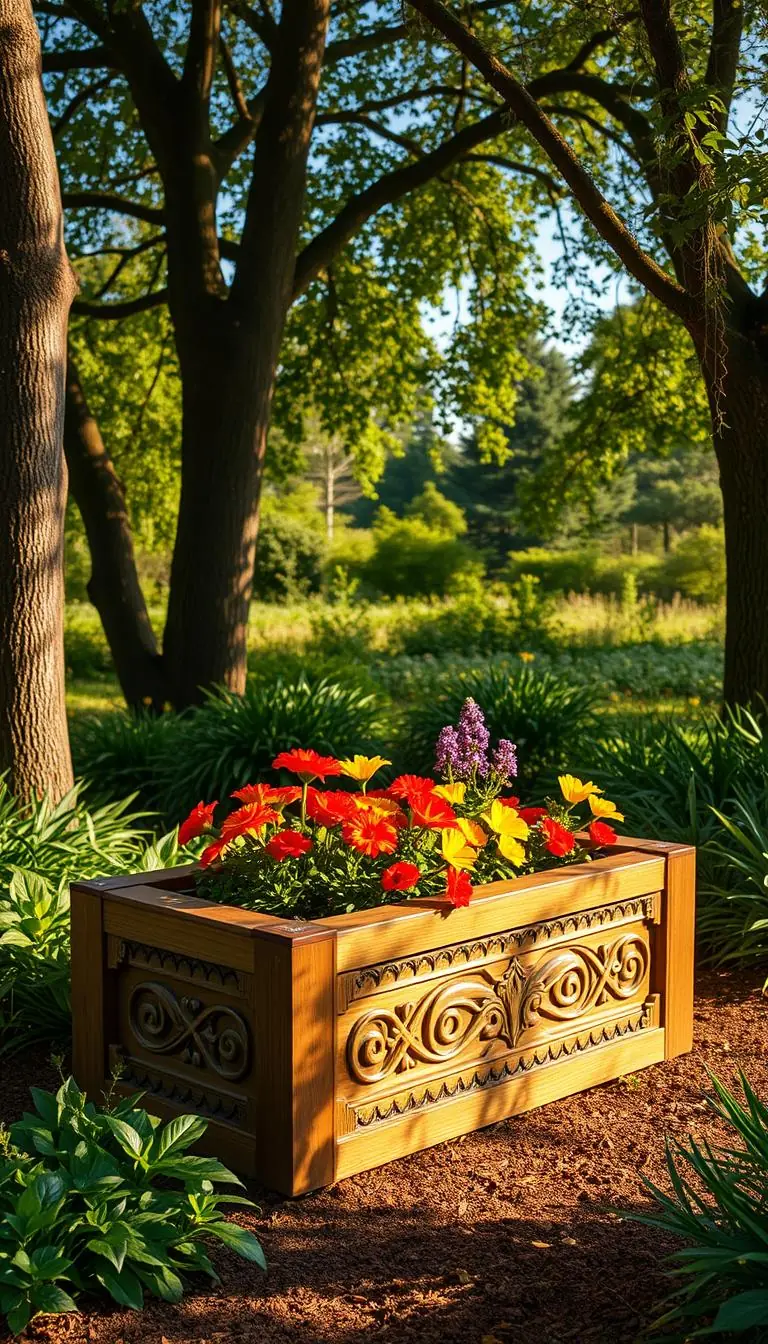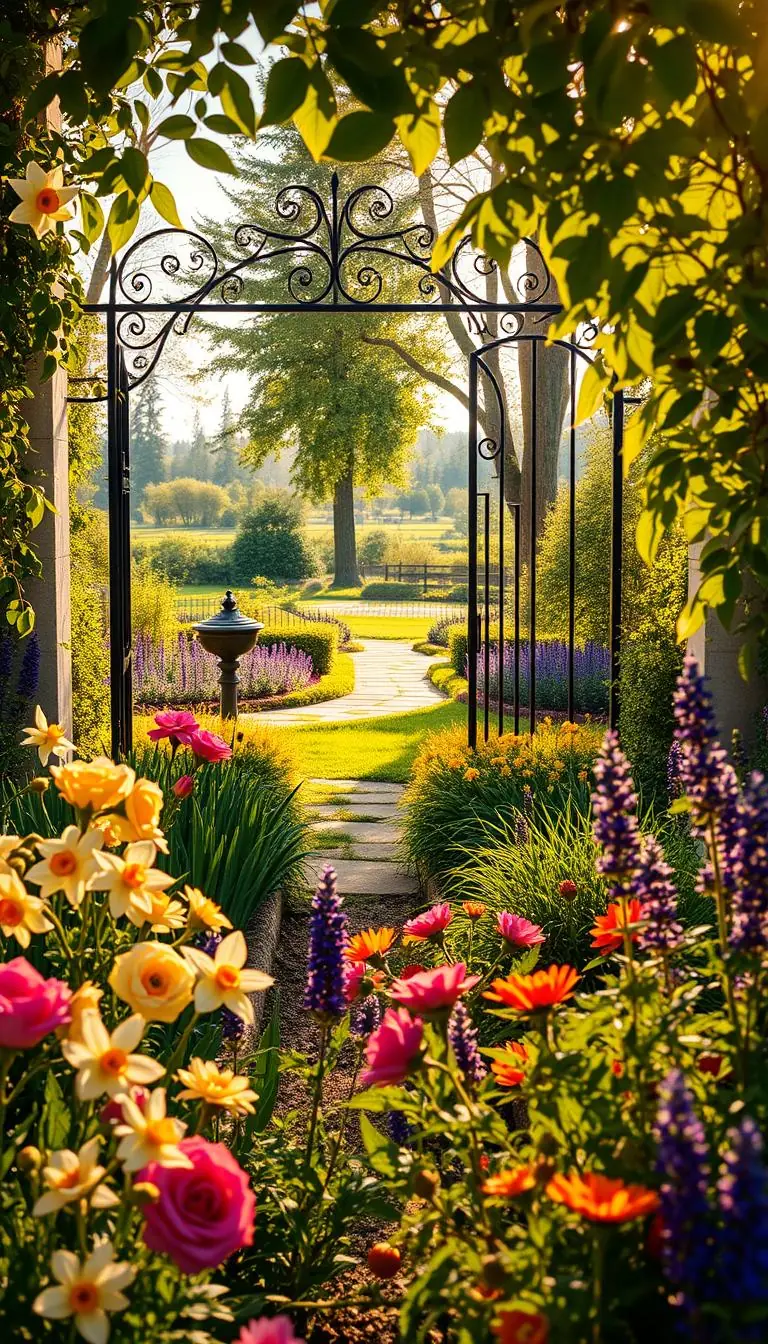
Remember the warm hush of late afternoon light across your porch? Maybe you’ve noticed a bright patch in the yard that begs for color. Or you dream of a cheerful bed outside the kitchen window that lifts your mood each time you step outside.
Sunlight drives photosynthesis, and choosing true full sun flowers makes the difference between fleeting blooms and steady color through the season. Some plants scorch in relentless heat, especially in southern climates, so we’ll focus on species that thrive rather than merely survive.
You’ll get simple steps for soil prep, watering rhythm, and spacing. We share neighborly tips—like easy deadheading, when to pinch for bushier growth, and container tricks—so your garden looks lush with minimal fuss.
Key Takeaways
- Pick true sun lovers so color lasts all season.
- Good soil and steady watering keep blooms healthy.
- Simple pruning and spacing prevent thinning and disease.
- Choose varieties that match your heat and humidity.
- Containers, borders, and beds each need a slightly different care plan.
Start Here: How to Plant for Bright, All‑Day Sun and Beat the Heat
Take a short tour of the spot you plan to plant. Walk the area at different times and note where light falls and where heat piles up. This quick check steers you toward the right beds for lasting color.
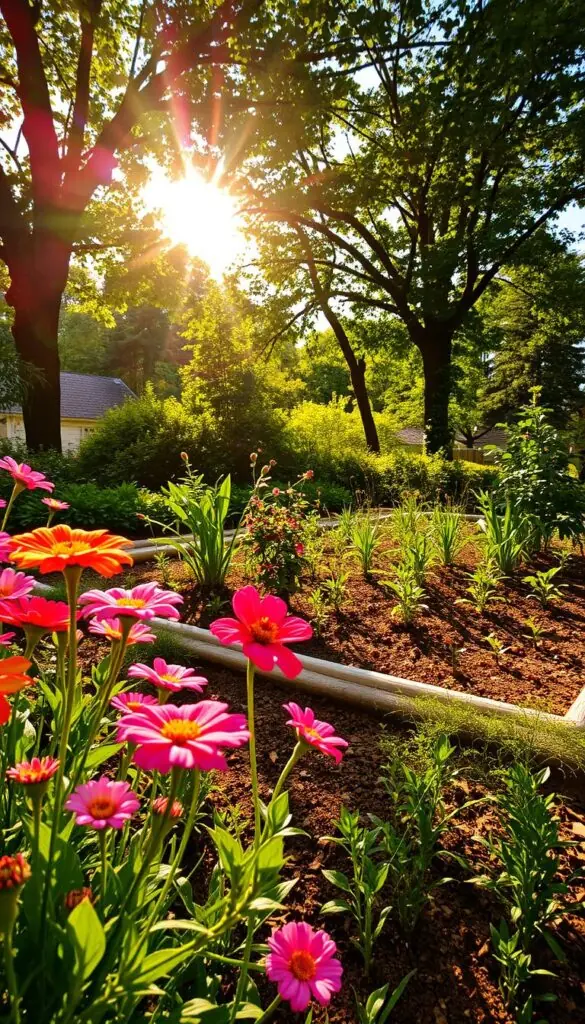
Quick site check: hours of light, reflected heat, and wind
Count direct sun hours—six or more equals true full exposure. Also watch for reflected heat from walls or pavement; that extra glare can stress tender blooms.
Observe wind patterns for a few days. Steady gusts dry foliage and soil, so stake tall spikes like delphinium and place containers where they get a bit of shelter.
Simple prep: loosen sandy or clay soil, add compost, water deeply
Test drainage by filling a small hole with water. If it pools, loosen compacted clay with compost and coarse material. If your soil is sandy, mix in organic matter to hold moisture without sogginess.
- Mix a couple of inches of compost across the bed to improve structure and steady moisture.
- Water new plantings slowly and deeply at the base each week so roots grow strong—early morning is best to beat midday heat.
- Mulch 2 inches with shredded bark or pine straw to lower soil temperature and cut evaporation.
Many sun lovers prefer well‑drained, loamy or sandy soils. Weekly deep soaks help agapanthus and angelonia settle in, and once established, nepeta (catmint) thrives with little fuss.
Keep a simple kit—hand trowel, hose with breaker nozzle, and lightweight rake—to make quick, gentle adjustments that keep your gardens thriving.
Best full sun flowers for effortless color all season
Start with plants known for steady performance so your landscape feels effortless all summer.
Choose lantana for nonstop clusters in tropical shades; it tolerates heat and dry spells and keeps blooms coming with little fuss.
Try angelonia (summer snapdragon) for upright spikes in blues and pinks. It performs well in beds and containers and rarely needs deadheading.
Gomphrena gives cheerful, button-like heads that stand up to heat and make long-lasting cut blooms. Calibrachoa and petunia are perfect along edges and in hanging baskets.
Plant portulaca in the hottest, sandiest spots where other plants struggle; these open in bright light and shrug off dry soils.
Mix in perennials like echinacea, coreopsis, and nepeta so your garden gains both immediate color and dependable returns year after year.
- Group by soil needs—most of these prefer well-drained beds.
- Use a light, high-quality mix for containers and place pots where they get steady light.
- Pinch petunia tips and shear nepeta midseason to encourage rebloom.
These varieties are easy grow choices that boost confidence. Plant a few, watch how they behave, and you’ll have steady colors all summer.
Top drought-tolerant bloomers that love heat and sunshine
When heat and dry soil dominate, pick plants that smile through the long, hot days. These picks give steady color with little fuss. They suit beds, borders, and hot-edge containers.
Reliable workhorses for hot, dry beds
Lantana, gaillardia, and gomphrena stack bright color and survive drought once established. Group them in the sunniest slice of your yard for bold blooms and minimal watering.
Portulaca and purslane thrive in sandy soil. Plant them along paths and gravel edges where drainage is fast. Their low, succulent foliage holds moisture and keeps the color going all summer.
Lemon Coral sedum brings a soft, spiky texture that plays well between flower clumps. It tolerates dry soils and helps beds look lively during heat spells.
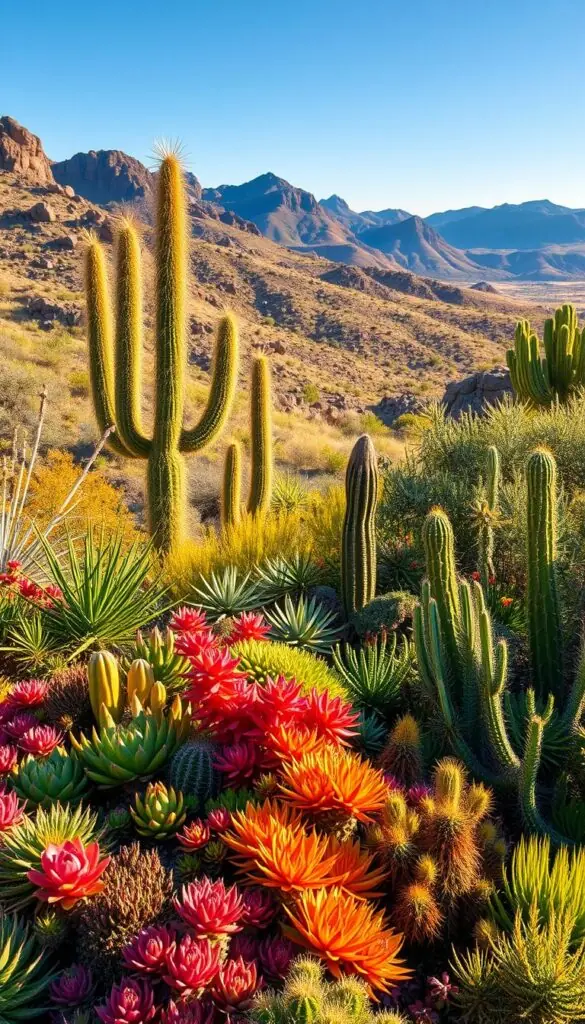
South-tested performers and placement tips
For warm southern zones, layer height and form: Meteor Shower verbena (10–18 inches) pairs with Whirlwind scaevola (8–14 inches) and Vermillionaire cuphea (18–28 inches).
Leave a few feet between larger mounds so air circulates and heat stress eases. Water deeply but infrequently to train roots to seek moisture. Expect varied foliage textures—fleshy, fine, or spiky—that conserve water and retain color when the sun is harsh.
- Check zones for perennial selections so they return; otherwise use them as season-long performers.
- Keep spacing generous and mulch thinly to reduce evaporation.
- Most of these choices prefer well-drained soil and little midseason fuss.
Pollinator magnets that thrive in sun-drenched gardens
A bright, buzzing border invites pollinators and fills the garden with movement.
Plant Asclepias tuberosa (Zones 3–9) in a sunny patch to host monarchs. This true native plant offers bright summer blooms that butterflies can’t resist.
Mix echinacea, coreopsis, and liatris for nectar from early to late. These perennials keep butterflies dancing above the bed on warm afternoons.
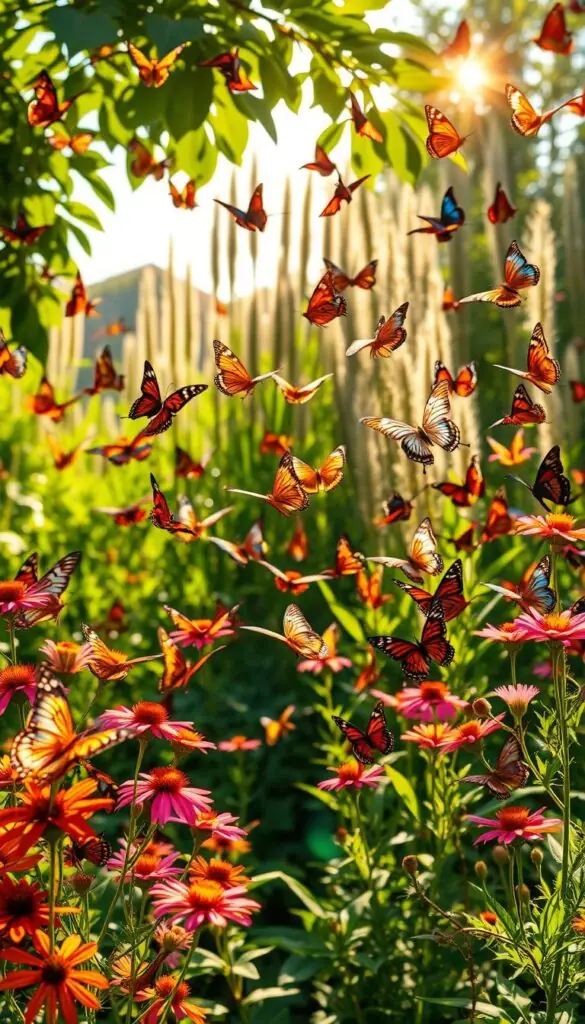
Hummingbird favorites and easy tips
Mass Vermillionaire cuphea and Rockin’ salvia to invite hovering feeders. Hibiscus likes steady moisture during its first bloom, while petunias spill over edges and provide extra nectar.
"A pollinator patch is small work for endless summer visits."
- Edge paths with nepeta for fragrant blue flowers and buzzing bees; shear once to rebloom.
- Place cuphea and salvia in containers near seating to watch hummingbirds up close.
- In peak heat, keep soil evenly moist so nectar production stays steady.
| Plant | Pollinator | Zones | Care Tip |
|---|---|---|---|
| Asclepias tuberosa | Monarchs, butterflies | 3–9 | Sunny patch; drought tolerant once set |
| Echinacea | Bees, butterflies | 4–9 | Tolerates heat and humidity; deadhead for tidier look |
| Vermillionaire cuphea | Hummingbirds | 9–11 (annual in colder zones) | Mass plant for frequent visits; works in pots |
| Nepeta | Bees | 3–8 | Shear midseason to encourage new blooms |
Container all-stars for patios, window boxes, and sunny porches
A single well-planned pot can read like a miniature garden and lift a porch in minutes.
Start with a tall thriller, a mid-height filler, and a spiller for contrast. Use the heights to balance the look: Angelface angelonia at 18–30 inches anchors the back, Diamond Mountain euphorbia adds frothy texture at 2–3 feet, and calibrachoa or Truffula Pink gomphrena fills and brightens the middle.
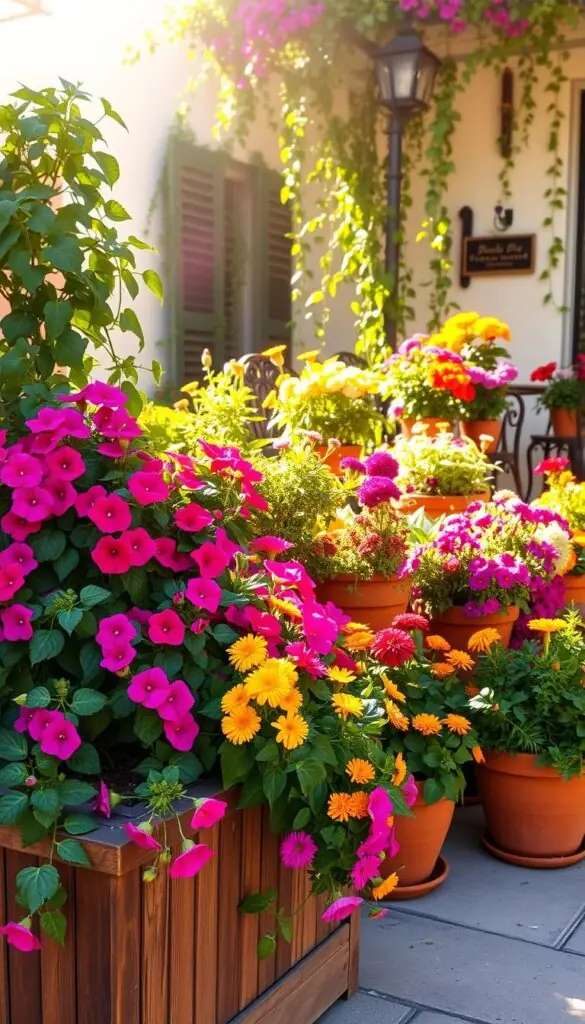
Thrillers, fillers, spillers
Build a sun-ready pot with an Angelface angelonia thriller, Diamond Mountain euphorbia as a bright filler, and a trailing calibrachoa or Truffula Pink gomphrena to soften the rim.
Compact heat lovers for small spaces
For narrow spots, choose Blue My Mind evolvulus (6–12 inches) for true blue flowers, pelargonium for classic clusters, and Whirlwind scaevola to spill over the edge.
- Soil & drainage: use high-quality mix and a container with holes; place where it gets reliable sun but avoid harsh afternoon shade.
- Watering: water in the morning so foliage dries and blooms stay healthy.
- Feeding & trimming: feed lightly every two weeks and trim stems that overrun the arrangement by a few feet.
- Palette tip: white euphorbia softens bold hues and ties colors together.
| Arrangement | Main heights | Texture | Best spot |
|---|---|---|---|
| Classic thriller | Angelface 18–30 in; gomphrena 22–30 in | Upright + globe | Sunny porch |
| Frothy filler | Diamond Mountain 24–36 in | Airy, bright | Entryway pot |
| Compact combo | Evolvulus 6–12 in; scaevola 8–14 in | Low + spilling | Window box |
| Heat-tolerant mix | Marigold small mounds; pelargonium clusters | Textured foliage | Hot, protected patio |
Choose easy grow varieties so you can enjoy a vivid display with minimal fuss. Group containers near entries to greet you with bright blooms and citrusy foliage scents every time you step outside.
Spring to fall: seasonal color waves you can count on
Plan your beds so each season hands the stage to the next. A simple sequence gives you steady color from crisp spring mornings to the soft light of fall.
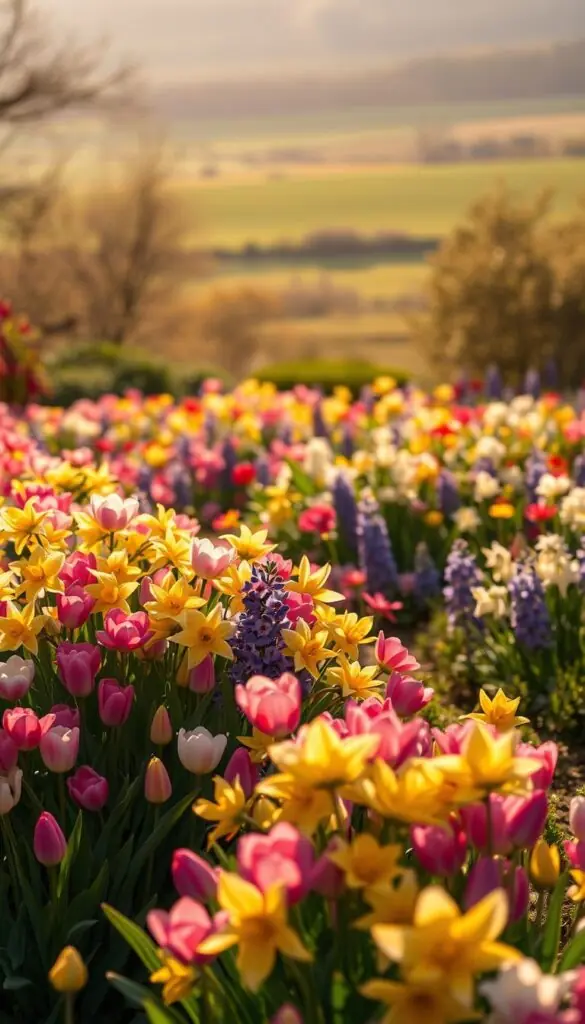
Late spring to early summer
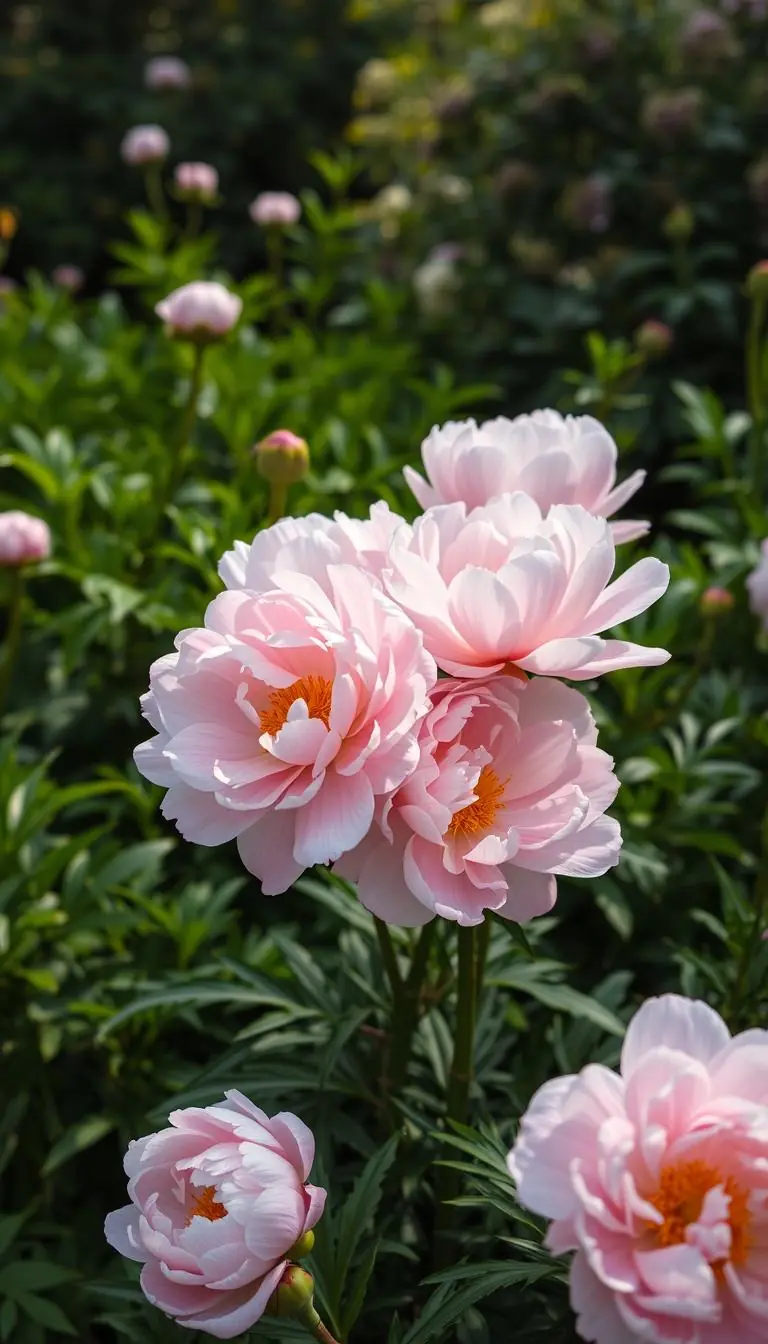
Kick off with allium planted the prior fall for dramatic late spring blooms. Add dianthus for spice-scented clusters and peony ruffles where winters suit them.
Tip: Stake delphinium early so its cool-toned spires stand tall as temperatures rise.
High summer color that won’t quit
Trust celosia’s velvety plumes, cosmos from seed, daylilies, dahlias, and zesty lantana to carry you through hot time.
Give daylilies a touch of afternoon shade in scorching spots and deep water during heat waves.
Fall finale
Let rudbeckia glow gold, tuck in chrysanthemums, and keep roses and salvias trimmed for late blooms.
- Set a calendar reminder to deadhead cosmos and shear nepeta for extended performance into the summer fall stretch.
- Thread yellow flowers across beds to catch morning light and lift the palette when skies gray.
Native plant stars for full sun and low maintenance
Choose native perennials that act like anchors—steady, hardy, and welcoming to wildlife.
Butterfly weed (Asclepias tuberosa) thrives in average, well-drained soil and feeds monarchs. It blooms reliably across Zones 3–9 and asks little once set.
Liatris tolerates poor, dry soils. Plant it in thin pockets where irrigation is light; it brings vertical interest and long-lasting blooms that pollinators love.
Echinacea purpurea stands up to heat and humidity in Zones 4–9. It is a dependable perennial that returns with bright, easy-going color.
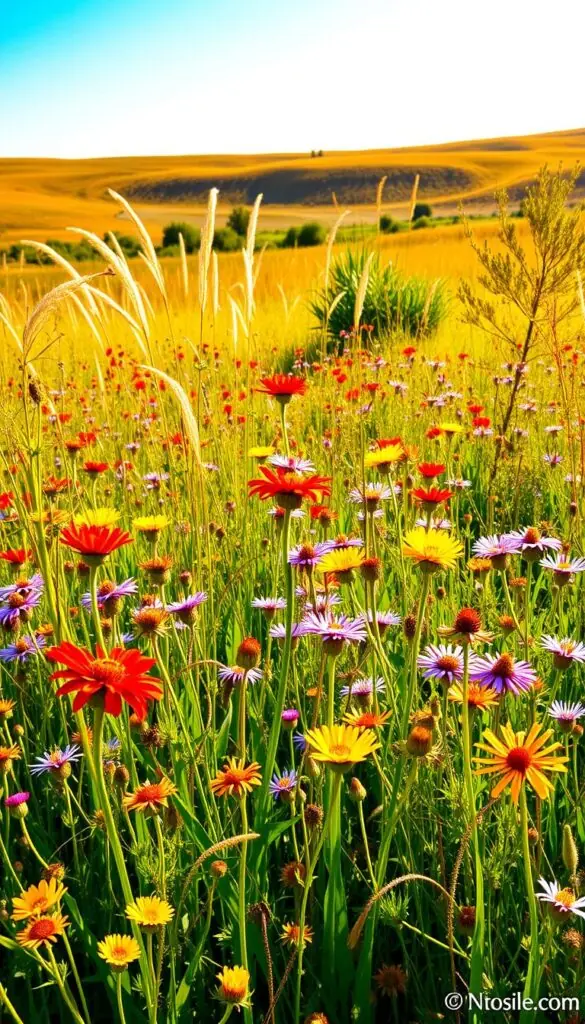
- Pick core native anchors—butterfly weed, liatris, and echinacea—for sunny patches and wildlife value.
- These perennials suit average, well-drained soil and often shrug off lean conditions, making them truly low maintenance.
- Plant in drifts so pollinators find your beds and the display reads as one bold statement.
| Plant | Best zones | Soil | Care tip |
|---|---|---|---|
| Asclepias tuberosa | 3–9 | Average, well-drained | Once established, drought tolerant; supports monarchs |
| Liatris spp. | 3–8 | Poor to dry | Plant in dry pockets; minimal watering |
| Echinacea purpurea | 4–9 | Loamy to sandy, well-drained | Tolerates heat/humidity; deadhead to tidy blooms |
| Coreopsis / Nepeta | 4–9 | Well-drained | Fill gaps; drought tolerant once settled |
Perennial backbone: sun-loving perennials that return each year
Build a dependable backbone of perennials so your borders settle into a steady rhythm each year. These picks come back after winter and give reliable color through summer.
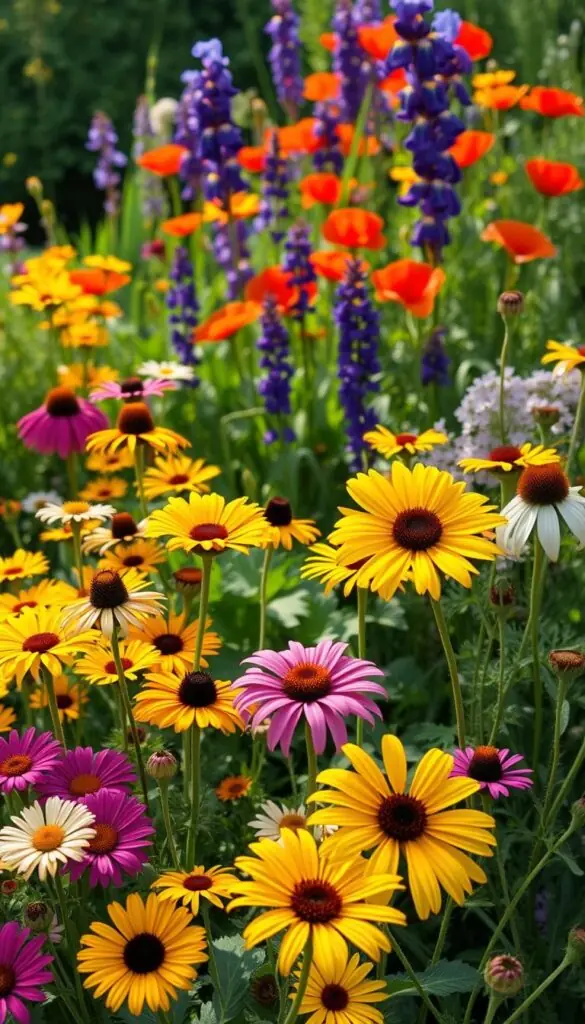
Shortlist for lasting structure: echinacea (Zones 4–9), coreopsis, nepeta (shear for rebloom), liatris (tolerates poor, dry soil), and Rudbeckia hirta. Add Russian sage (Salvia yangii) for airy height—it can reach a few feet tall and brings soft lavender wands.
Space plants with their mature feet in mind so borders feel full yet airy. Mulch after planting to protect roots over winter and cut water back as growth slows in fall.
Set perennials into well-drained soil and water deeply the first season to help roots establish. Use simple stakes on taller spires early; guiding stems is easier than correcting flops under hot sun.
- Placement tip: group by height—short in front, tall in back for layered borders.
- Care note: most die back in winter and re-emerge in spring; check zones to be sure they’ll overwinter where you live.
- Tool kit: stakes, lightweight mulch, hand trowel, and a watering wand make establishment easy.
| Plant | Zones | Mature height | Key care note |
|---|---|---|---|
| Echinacea | 4–9 | 2–4 feet | Deadhead for tidier blooms; drought tolerant once set |
| Coreopsis | Varies | 1–2 feet | Many types prefer well-drained soil and need little water |
| Nepeta | 3–8 | 1–2 feet | Shear midseason to encourage rebloom |
| Liatris | 3–8 | 2–4 feet | Likes poor, dry pockets; minimal watering |
| Rudbeckia hirta | 4–9 | 1–3 feet | Robust performer; naturalizes in borders |
| Russian sage | 4–9 | 3–5 feet | Drought tolerant; adds airy height and movement |
Instant-impact annuals for bold, bright summer beds
If you need color this season, pick annuals that jump into bloom the week after planting. Choose a mix that gives immediate contrast and keeps going through heat.
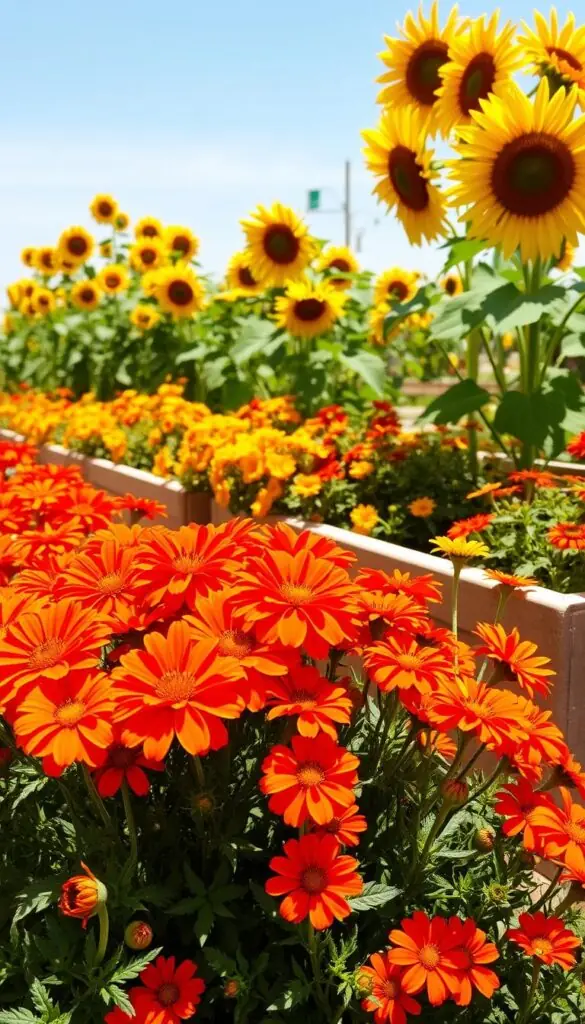
Quick picks: celosia plumes, marigold mounds, and petunia rivers deliver high color right away. Edge beds with Truffula Pink gomphrena and calibrachoa so hues spill toward paths and containers.
Mix foliage shapes and bloom types for depth. Use a few taller plants at the back to add a couple of feet of height and create a layered look.
- Choose lantana and Cuphea Vermillionaire for drought tolerant performance and steady pollinator visits like butterflies and hummingbirds.
- Feed lightly every two weeks and snip spent blooms to encourage rebloom; petunias respond well to pinching.
- Keep spacing roomy—about a foot or more—so air circulates as summer builds.
"A small pot tucked into a bed gives instant elevation and lets you change color on a whim."
These easy grow annuals are a fast route to a lively bed. Add a few containers as an addition for flexible pops of color you can move where you like.
Soil, water, and mulch: the simple formula for nonstop blooms
A simple formula—amend, soak, and mulch—lets your garden shrug off heat and reward you with long-lasting blooms.
Well-drained, loamy to sandy soils: why it matters
Aim for well-drained soil by blending 2–3 inches of compost into heavy clay or sandy beds. This creates air pockets roots need and improves structure for agapanthus and allium.
Work compost in with a hand trowel or a small fork to about 6–8 inches. Good texture helps roots find moisture and nutrients without sitting in water.
Deep soak, then dry: watering rhythms for heat and humidity
Water at the base with a soaker hose or watering wand so moisture reaches roots, not leaves. Give a deep drink, then let the top inch dry—this trains deeper roots and builds drought resilience.
In peak heat, water early so foliage dries quickly and disease risk falls. A moisture meter helps you avoid overdoing it and keeps an even pattern for scaevola and other choices that like a slight dry-down between drinks.
- Mulch: keep a 2-inch layer to cool soil, cut evaporation, and stop soil splash that can spot flowers and foliage.
- Feed lightly: add a balanced feed in late spring and again midseason to support blooms into fall.
- Walk weekly: check for dry pockets, adjust emitters, and fix small problems before they spread—this simple habit pays off all year.
Designing borders in full sun: height, spacing, and color harmony
A well-layered border reads like a small parade of texture, color, and height. Use bold verticals, softer mid‑heights, and low spillers to guide the eye.
Layering: set Toucan cannas (30–48 inches) or Russian sage (up to 5 feet tall) at the back. Add mid‑height echinacea and salvia for body. Finish with gomphrena or portulaca at the edge.
Spacing: measure mature widths so plants just touch, not smother. A tape measure and a quick layout with stakes prevents crowding and keeps airflow healthy in bright light.
- Repeat two or three colors across the border for harmony; white euphorbia helps knit bold hues.
- Mix foliage—spiky sedum, feathery coreopsis, and broad canna leaves—so the bed reads lush even between blooms.
- Drop containers into gaps to add a quick height bump or a fresh accent where light is strongest.
- Thread a few gold accents through the bed to catch morning light and lift gray days.
Offer a bit of afternoon shade by tucking heat‑shy plants near taller neighbors. Keep stakes and soft ties handy to support tall spikes before windy days so the border stays tidy.
Common mistakes with sun gardens—and easy fixes
A quick walk around your beds usually tells the whole story. Look for scorched leaves, soggy pockets, tight clumps, and flopping spikes. Most problems have a gentle, do-able fix.
If leaves bleach or scorch, you may have planted a shade-loving variety in bright light. Move tender picks to part shade and replace them with true sun performers that handle heat and drought.
Soggy soil starves roots and invites rot. Loosen beds with compost, raise edges slightly, and water deeply but less often so roots go deeper.
- Stalled blooms: pinch tips and deadhead to encourage new growth instead of overfeeding with fertilizer.
- Crowded edges: thin or transplant—spacing improves airflow and saves moisture for each plant.
- Wind‑flopped spikes: stake delphinium early and tuck tall varieties behind a wind break.
- Pots sulking: pelargoniums dislike constant wet—let containers drain and water when the top inch is dry.
- Afternoon heat: give containers light shade or shift them for part of the day to avoid blow‑torch conditions.
Make a weekly walk-through your habit. A short check now and then saves time later and keeps your gardens thriving with simple, steady care.
Regional notes and USDA zones: choosing varieties that fit your climate
Knowing your USDA zone makes it easy to pick perennials that reliably overwinter and bloom again.
Match plant choices to your local zones so perennials return after winter. For borderline picks, treat the variety as an annual or grow it in containers you can move and shelter.
Cooler regions do well with allium (Zones 4–9), echinacea (4–9), coreopsis, and liatris. Delphinium performs best north of Zone 7 where summers stay mild.
Hot, humid areas need heat‑tested varieties like Rockin’ salvia, Vermillionaire cuphea, and Luscious Royale Red lantana to keep blooms going through summer.
- Dry, high‑light sites: choose gaillardia, gomphrena, or portulaca for tolerant growth and easy care.
- If a variety nudges the edge of your zone, give it a warm site with reflected light and extra mulch for winter protection.
- Use containers for tropicals—cannas that reach 30–48 feet tall can be potted so you move them before a hard freeze.
Plan a spring fall refresh: set cool lovers early, then swap to true heat fans for high summer. This gives steady color and makes your site resilient to changing weather.
Tools and materials that make sunny‑bed care easier
When you keep the right gear by the door, routine garden chores take minutes instead of hours.
Basic kit: a sturdy hand trowel, bypass pruners, soft ties, a kneeling pad, and a watering wand handle most jobs quickly. Add gloves and a small bin of compost and slow‑release fertilizer for easy boosts.
Use a lightweight rake to spread mulch and refresh topsoil without disturbing roots. Choose quality potting mix for containers so drainage stays steady under bright light.
- A simple timer for drip or soaker hoses saves time and makes water deep and efficient.
- Add low maintenance, drought tolerant companions like Lemon Coral sedum or Sweet Caroline Medusa ipomoea to cut back on watering.
- Label beds and containers so you repeat wins and note what foliage and varieties prefer each spot.
Keep tools neat and within reach. A five‑minute walk‑through with trowel in hand protects soil, helps plants settle, and keeps your garden looking cared for with very little fuss.
Your week-by-week care routine from spring through fall
Keep a calm, doable cadence for the season so your beds and containers reward you without extra fuss.
Spring setup: planting windows, staking tall spikes, first feeding
Early spring, prepare beds and amend soil lightly. Plant cool-hardy choices and set bulbs like allium in fall for that spring surprise.
As you place tall plants, stake delphinium and similar spikes at planting time so stems grow supported in the bright heat ahead.
First feeding: give a light, balanced feed when shoots reach a few inches. Feel the soil—if it’s cool and moist, wait a day before watering.
Summer rhythm: deadheading, shearing nepeta, pinch-backs for bushier blooms
Start a weekly rhythm in early summer: deadhead spent blooms, pinch petunia and calibrachoa tips, and shear nepeta to cue fresh flowers.
Mid‑summer, water deeply and check ties on tall stems. Rotate containers so each side gets even light and growth remains balanced.
Late summer, refresh annuals with a light trim and feed to carry color into fall. Keep removing spent heads on coneflower and coreopsis to tidy the bed.
Simple fall tasks and the year‑to‑year note
Early fall, plant mums and tidy salvias to enjoy one last big wave of color. Gradually scale back watering as nights cool.
Each year, jot quick notes on what bloomed best and when. A short 10–20 minute check each week keeps your gardens joyful, not overwhelming.
- Quick checks: look for buds, feel topsoil, and listen for thirsty pots that sound light when lifted.
- Time budget: aim for 10–20 minutes per visit — short, steady care wins the season.
Conclusion
A few reliable picks and simple habits let your garden sing from spring through fall.
strong, choose true full sun performers—lantana, angelonia, echinacea, and coreopsis—to give months of steady color with little fuss. Mix perennials that come back each year with instant-impact annuals for immediate payoff.
Let containers be your flexible addition. A tall thriller and a trailing spiller can add a few feet of height and bright spots right where you want them.
Enjoy pollinators: pick a handful of nectar-rich plants and watch butterflies drift through on warm afternoons.
Keep the routine simple: deep water now and then, a light mulch, and a quick weekly tidy. Then step back and enjoy the view—you’ve built a sunny, thriving space that lifts the day.
FAQ
What are the best flowers for bright, all-day sun and how do I keep them blooming?
Choose heat-loving annuals and perennials like lantana, coreopsis, gaillardia, echinacea, and marigolds. Plant in well-drained, loamy to sandy soil amended with compost, water deeply at planting, then follow a routine of deep soaks and allowing the topsoil to dry between waterings. Deadhead spent blooms and feed lightly in peak season to extend flowering.
How do I check a site quickly to know if it gets enough light and heat?
Spend a day observing sunlight hours, note reflective heat from driveways or walls, and watch for strong winds. Aim for at least six hours of direct light for most sun-loving varieties. If heat is intense, provide afternoon shade cloth or choose more drought-tolerant options.
How should I prepare heavy clay or sandy soil before planting?
Loosen the soil with a fork or tiller to improve drainage and root penetration. Work in plenty of compost to add structure and nutrients. For sandy ground, add organic matter to retain moisture; for clay, add grit or coarse sand plus compost to improve texture.
Which drought-tolerant plants perform best in hot, dry beds?
Reliable workhorses include lantana, gaillardia, gomphrena, portulaca, and purslane. Sedums like Lemon Coral are great for sunny, dry spots. South-tested performers such as Meteor Shower verbena and Vermillionaire cuphea also resist heat and need minimal water once established.
What plants attract pollinators in bright, sunny gardens?
Choose a mix of nectar and pollen sources: Asclepias tuberosa (butterfly milkweed), echinacea, coreopsis, liatris, and nepeta bring bees and butterflies. Hummingbirds favor cuphea, Rockin’ salvia, hibiscus, and certain petunias.
Which container plants do best on hot patios and sunny porches?
Use thrillers, fillers, and spillers like Angelface angelonia, calibrachoa, Diamond Mountain euphorbia, and Truffula Pink gomphrena. Compact heat lovers for pots include Blue My Mind evolvulus, pelargoniums, marigolds, and scaevola. Use free-draining potting mix and water more often than in the ground.
How can I get continuous color from spring through fall?
Stagger plantings and combine seasonal picks: late-spring bloomers like allium and dianthus, high-summer stars such as celosia, cosmos, and dahlias, and fall finishers like black-eyed Susans and chrysanthemums. Regular deadheading and timely feeding keep the succession going.
Are there native perennials that thrive in sunny, low-maintenance beds?
Yes. Native choices such as echinacea, coreopsis, liatris, and Asclepias species offer resilience, low water needs once established, and provide habitat for pollinators. They form a reliable perennial backbone for sun gardens.
What annuals give instant impact in summer beds?
Bold, bright annuals like marigolds, cosmos, zinnias, petunias, and celosia fill beds quickly with color. They’re great for filling gaps while perennials mature and are easy to replace for seasonal refreshes.
How important is soil drainage and what’s the ideal mix for sunny plots?
Well-drained soil prevents root rot and supports long bloom runs. Aim for loamy to sandy textures with organic matter. Raised beds or amended in-ground beds help sites that tend to stay wet.
What is the best watering rhythm for plants in hot, humid summers?
Use a "deep soak, then dry" approach: water thoroughly to encourage deep roots, then let the top inch or two dry before watering again. In extreme heat, increase frequency; in cool or rainy times, reduce it. Mulch helps retain moisture and regulate soil temperature.
How do I design a sunny border for good height, spacing, and color balance?
Place taller plants like liatris and delphinium toward the back, medium plants in the middle, and spillers at the front. Group colors in repeating blocks for cohesion. Allow recommended spacing so air circulates and plants don’t shade each other out.
What common mistakes do people make with sun gardens and how can I fix them?
Overwatering, crowding plants, and choosing the wrong varieties for your zone are common. Fix by improving soil drainage, spacing per label instructions, shifting moisture-loving plants to shadier beds, and selecting zone-appropriate cultivars.
How do USDA zones affect my plant choices for sunny areas?
Match plant hardiness to your USDA zone for winter survival and heat tolerance. Some annuals and heat-tolerant perennials perform well across many zones, but check labels for winter hardiness and summer heat recommendations before buying.
Which tools and materials make sunny-bed care easier?
Essentials include a good hand trowel, pruning shears, a watering wand or soaker hose, mulch, and quality compost. A soil probe or moisture meter helps prevent over- or under-watering in hot weather.
What should my week-by-week routine look like from spring through fall?
Spring: prepare beds, plant during recommended windows, stake tall spikes, and feed once established. Summer: deadhead, pinch back nepeta and other vigorous growers, and monitor watering. Fall: cut back perennials after frost if desired, add mulch for winter protection, and plan next year’s changes.