Imagine stepping into a sunlit yard where blooms stay bright even when afternoons stretch long. Have you noticed dry patches or wondered which choices will keep color through the hottest months? You’re in the right place to feel confident about sunny spots.
We’ll help you pick easy, resilient options—annuals, perennials, shrubs, vines, and succulents that stand up to sustained warmth and strong light. Many Proven Winners varieties, like SUNSTAR Pentas, LUSCIOUS Lantana, and SUMMERIFIC Hibiscus, offer long bloom windows and pollinator appeal.
Over longer, hotter seasons across the U.S., selecting the right mix of root-friendly soil, mulch, and watering routines makes a big difference. You’ll learn how full sun and steady warmth affect flowering and where each choice fits best in your landscape.
Key Takeaways
- You’ll get a quick guide to choosing heat-tolerant plants that deliver steady color and structure.
- We explain how full sun and sustained warmth influence growth and blooms.
- Expect clear recommendations for annuals, perennials, shrubs, vines, and succulents.
- Practical tips on watering, mulch, and soil help reduce stress on roots.
- Plant small, start with favorites, and expand your landscape over time for resilience.
Start Here: How to Think About Full Sun, Heat, and Humidity
Think of full sun as a daily energy budget for everything you grow. Full sun usually means six or more hours of direct light. Match that with your site’s day-to-day pattern so you pick the right plant for the spot.
Many regions now see longer, hotter summers with sustained highs above 85°F. When nights stay above 75°F and days reach 90°F or more, some warm-season veggies fail to set fruit. Yet some ornamentals, like Pentas and Lantana, handle high heat and humidity while others prefer dry warmth.
Keep care simple: water early, dig deep but water less often, and add mulch to protect roots. Offer a bit of afternoon shade during brief extremes or for new transplants.
"Watch soil moisture, note leaf wilt, and tweak your routine gently — small changes keep gardens thriving."
Quick checklist:
- Track daily light and match to the site.
- Compare hot-and-humid vs hot-and-dry climates when choosing varieties.
- Monitor soil, watch for wilt, and adjust timing rather than volume of water.

Why Heat-Tolerant Plants Make Summer Gardening Easier
Choosing the right varieties can turn a wilting yard into a lively, low-effort landscape all summer long. You get long-lasting color and less day-to-day fuss. That means fewer weekly water runs and more time enjoying your outdoor space.
Resilient selections often recover quickly after hot spells and resist pests and disease better. Look for light-colored or waxy leaves, fuzzy surfaces, fleshy water-storing tissues, and deep roots. These traits boost drought endurance and overall tolerance to tough weather.
Simple care tips help, too. Water in the morning, use mulch to hold moisture, and skip heavy pruning or fertilizing during intense heat waves. These small moves protect energy and flowering.
"Mix a few resilient anchors into each bed so the whole garden rides out stress more gracefully."
| Trait | Benefit | Example |
|---|---|---|
| Waxy or hairy foliage | Reduces water loss | Lavender, Salvia |
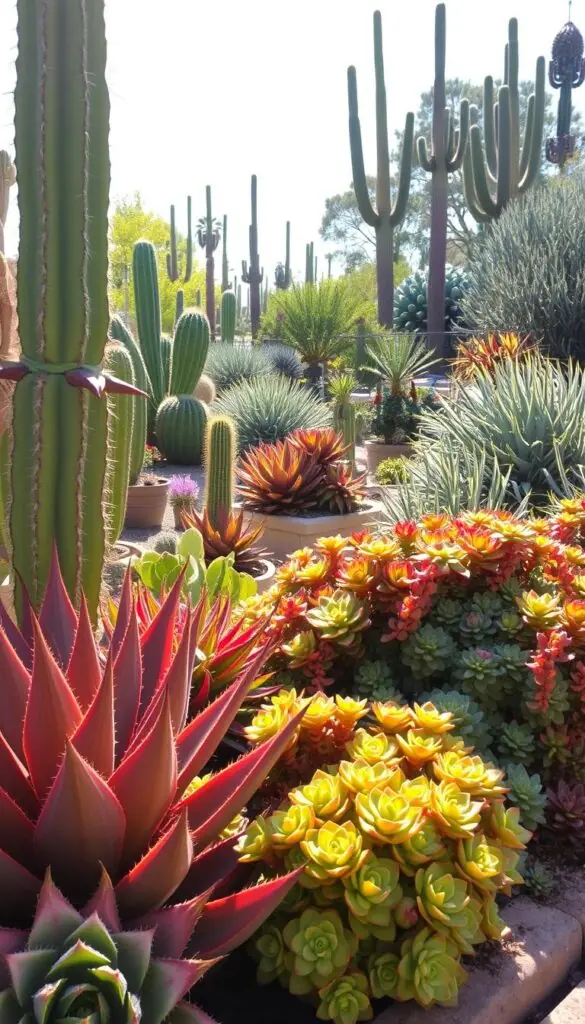
| Fleshy tissues | Stores moisture | Aloe, Echeveria |
| Deep roots | Accesses subsoil moisture | Coneflower, Lantana |
| Light leaf color | Reflects sun, lowers leaf temperature | Artemisia, Dusty Miller |
- You’ll get more color with less work across the season.
- Deep roots and smart foliage conserve water and steady growth.
- Small timing changes now mean an easier, brighter summer next year.
Heat Tolerant Plants for Instant Color: Sun-Loving Annuals
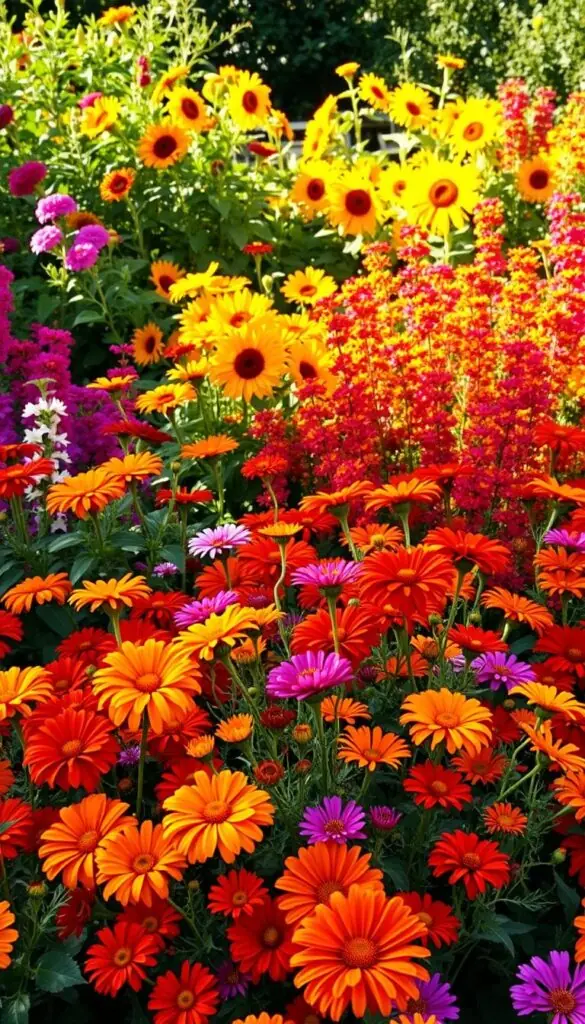
Bright annuals are the quickest way to add nonstop color to a sunlit bed or patio. Choose varieties that hold up in full sun and keep a steady show from spring to frost.
SUNSTAR Pentas (Egyptian star flower) — 18–22 inches tall, 16–24 inches spread. Thrives in heat humidity and is a true pollinator magnet.
Whirlwind Scaevola
Compact (8–14 inches) and wide-spreading. Great in hanging baskets and containers; handles low humidity and moderate drought.
DIAMOND SNOW Euphorbia
About 12–18 inches. A cloud of white blooms that pairs with almost any palette and resists dry spells.
SUNCREDIBLE Yellow Sunflower
Tall (24–36 inches) and nonstop blooming from spring to frost. No deadheading needed—ideal along the back of beds.
"Mix tall anchors with low spillers for pots that look full and live longer between waterings."
| Variety | Height | Best Use | Feature |
|---|---|---|---|
| Pentas | 18–22 inches | Borders, massing | Pollinator-friendly, thrives in heat humidity |
| Scaevola | 8–14 inches | Hanging baskets, containers | Drought-handling, fan-shaped flowers |
| Diamond Snow Euphorbia | 12–18 inches | Accent, border front | Bright white, low-water |
| Suncredible Yellow | 24–36 inches | Back of beds, fences | Long season from spring to frost |
- Tuck in petunias, marigolds, and portulaca to fill gaps and extend color.
- Layer heights and textures for a lively, low-fuss display.
Perennials That Come Back Strong Through Summers
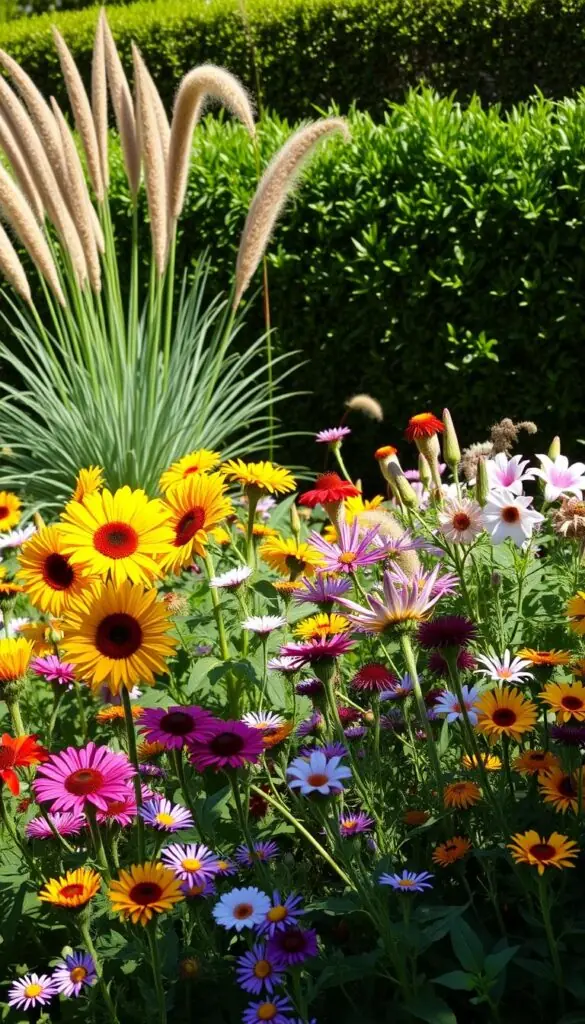
Perennials give your garden a steady backbone, returning color year after year when summers run long. These low-fuss choices reward you with steady flowering and pollinator visits with minimal care.
Echinacea (coneflower) — 18–24 inches tall with a 16–20 inch spread. Sturdy stems hold large, long-lasting flowers that pollinators love. It tolerates drought and keeps its shape in lean soil.
Perennial Salvias (Profusion series)
Profusion salvia reaches 14–20 inches and reblooms after a light trim. Deer and rabbit resistant, this salvia keeps color going without heavy upkeep.
Summerific Hibiscus
Summerific Hibiscus makes a bold statement at 3–4.5 feet tall with 7–8 inch blooms. Use it as a vertical anchor for beds that need a big, lush focal point.
Prairie Bloomers and Fragrant Accents
Coreopsis, Gaillardia, and Rudbeckia echo prairie resilience and warm hues. Yarrow and Lavender add airy flowers and fragrant leaves and thrive in well-drained, lean sun sites.
Plant these perennials in well-drained spots, water deeply to establish, then let them settle. You’ll enjoy years of blooms with very little fuss.
"Choose a few reliable perennials and your garden will reward you with steady color and pollinator visits."
Heat-Tough Shrubs and Small Trees for Structure
A handful of reliable shrubs can hold the scene together while seasonal flowers take center stage. Use these choices to add form, color, and low-fuss interest that lasts through long sunny stretches.
Juniper ‘Montana Moss’
Montana Moss makes a soft, blue-green carpet at about 2–4 feet tall with a 3–5 foot spread. It stays evergreen, resists deer, and offers fine texture as a low structural anchor.
Center Stage Crapemyrtle
This variety reaches 6–12 feet and delivers vivid midsummer blooms and dark, mildew-resistant foliage. It shines in full sun and makes a reliable vertical element for beds and small yards.
Abelia and Butterfly Bush
Abelia adapts to sun or light shade and blooms from summer into fall. Butterfly bush tolerates drought, draws pollinators, and gives a long window of flowering color.
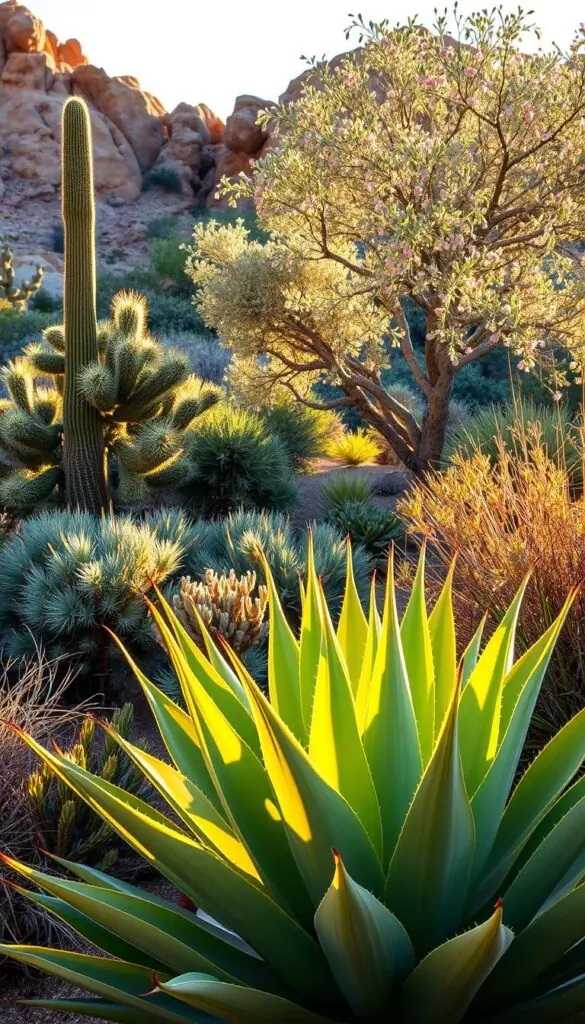
Desert Willow and Blue Palo Verde
For arid sites, select Desert willow or Blue Palo Verde. Both are native-wise choices that handle lean soils, add airy shade, and bring seasonal blooms with very low water needs.
"Anchor beds with a mix of evergreen texture and flowering shrubs to keep your landscape calm, even when weather runs extreme."
- Give each specimen room to reach mature size.
- Plant where they get plenty of sun and mulch to conserve moisture.
- Choose a variety of forms—low, upright, and small tree—to balance color and texture.
Vines and Climbers That Love the Sun
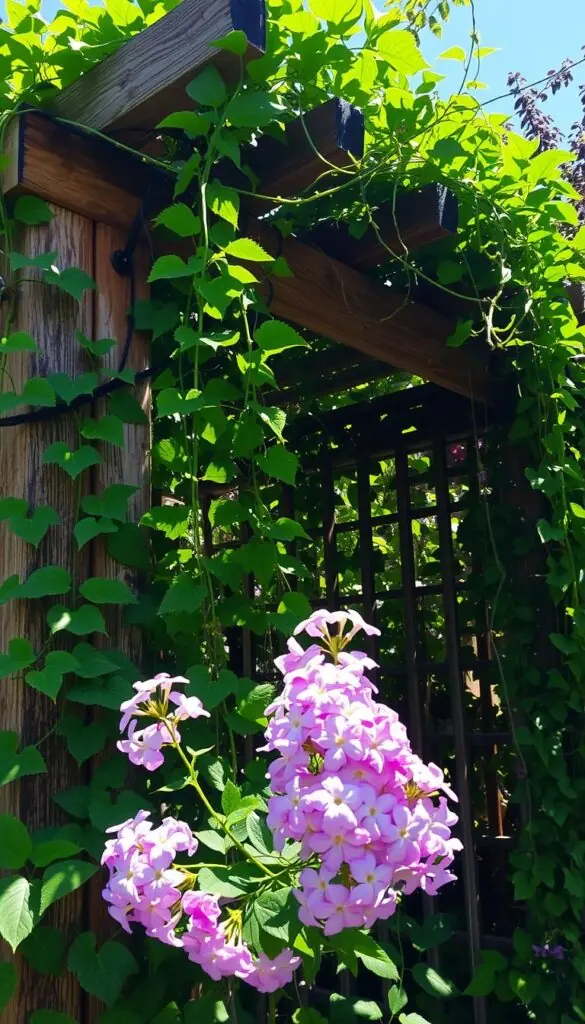
Add vertical drama to sunny walls with a few well-chosen climbers and a simple support.
These easy choices lift color and texture up where fences, arbors, and trellises soak in the sun.
Bougainvillea: vibrant bracts and a trellis star
Bougainvillea shows off paper-bright bracts and blooms most of summer and nearly year-round in warm zones. It thrives in lean soils, handles drought and strong sun, and loves a sturdy trellis or arbor for training.
Climbing Sweet Potato Vine (Ipomoea): quick, soft growth
Sweet Caroline Upside climbs 3–6 feet in one season. This twining vine works well on fences, in a container that spills, or up lightweight supports. Leaves add soft texture while other beds stay low.
Positioning tips: give full sun exposure, firm supports, and room for air to move through foliage. Pair ground-level plantings with container accents to carry color from soil line to eye level. Prune gently and tie new canes to guides so growth stays lush but tidy.
| Type | Mature Height | Best Support | Key Feature |
|---|---|---|---|
| Bougainvillea | 6–20 feet (cultivar dependent) | Trellis, arbor, wall | Paper-bright bracts; drought-friendly |
| Sweet Potato Vine (Ipomoea) | 3–6 feet | Fence, light trellis, container edge | Fast twiner; soft foliage; great spill effect |
| Design Tip | Mix heights | Use sturdy anchors | Layer containers with ground cover for seamless landscape |
"Train climbers early and they reward you with long, low-effort displays."
Succulents That Store Sunshine: Low-Water All-Stars
For sunny corners that need structure and low care, succulents are quietly brilliant. They thrive in full sun and hold form while sipping water. These sculptural choices bring calm texture to beds and containers.
Aloe
Aloe adds architectural spikes and fleshy, water-storing leaves. Use it as a punctuation in gravel runs or near steps for year-round form.
Echeveria
Echeveria makes colorful rosettes for pots and rock gardens. Its waxy leaves cut evaporation, so a few in a shallow container stay fresh with minimal watering.
Mangave
Mangave offers bold patterns and modern xeriscape style. Many varieties reach a few feet across and stand up to sun and drought with dramatic foliage.
Sedum Collections
Choose Rock ’N Low for groundcover, Rock ’N Grow for clumps, or Rock ’N Round for domes. These sedums braid texture and give late blooms that feed bees.
| Variety | Height | Best Use |
|---|---|---|
| Rock ’N Low | 6–8 inches | Groundcover, edging |
| Rock ’N Grow | 16–22 inches | Clumping accents |
| Rock ’N Round | 10–12 inches | Domes, containers |
"Sharp drainage, a touch of grit, and deep but infrequent watering keep these shapes fresh all season."
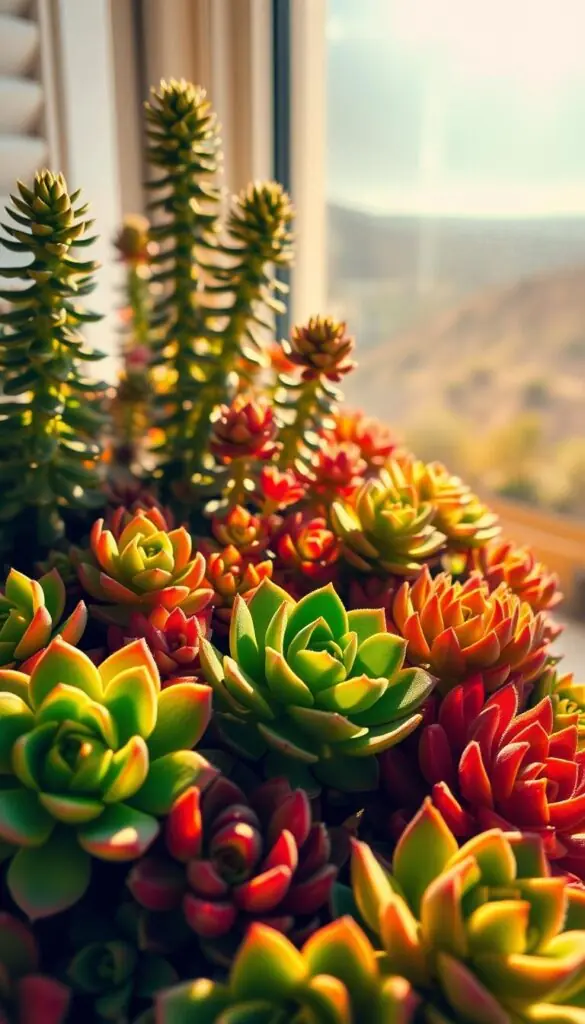
Choosing the Right Plants for Your Climate and Conditions
Start by matching what your yard actually experiences each day—sun hours, soil type, and local humidity. This simple reality check guides every good choice.
Look up your zip code’s climate notes and note sun, average evening temps, and how long soils stay moist. What succeeds in humid Florida may struggle in dry Southwestern sun.
Use labels and local extension advice to pick the right type. Read spacing, moisture, and sun requirements before you buy.
- Begin with your zip code’s reality—light, soil, and humidity—and choose species that fit.
- Choose dry-heat lovers for arid sites and moisture-friendly varieties for humid areas.
- Plant in small groups, note performance, then repeat what works over time.
| Condition | Soil | Good Picks |
|---|---|---|
| Dry, well-drained | Lean, gritty | Salvia, Sedum |
| Humid, regularly wet | Richer, holds moisture | Pentas, Lantana |
| Mixed sun | Amended, mulched | Echinacea, mixed perennials |
Practical tips: water in the morning, mulch to cool roots, and offer temporary afternoon shade during extreme spells. Nights above 75°F and days over 90°F can stall some species, so favor proven performers like Lantana, Pentas, Salvia, Echinacea, and Sedum for reliable color.
Full Sun Doesn’t Mean No Shade: When Afternoon Relief Helps
Even sun-loving gardens benefit when you soften the strongest hours with quick, simple shade.
Give a little shelter during peak afternoon sun and your beds will thank you. Use a removable shade cloth, a patio umbrella, or a sail to cut late-day intensity for a few hours. These options are easy to move as the season shifts.
Water in the morning so roots are ready for bright hours. Avoid pruning or fertilizing during extreme heat to let the plant rest. New transplants especially like a short reprieve while they establish.
Small layout moves help too. Tuck more delicate picks behind taller, sun-loving specimens to create natural protection. You’ll get the same full-sun look but with less stress on foliage and blooms.
"Observe your beds at midday for a week — then add a simple shade or shift a container. Little changes make a big difference."
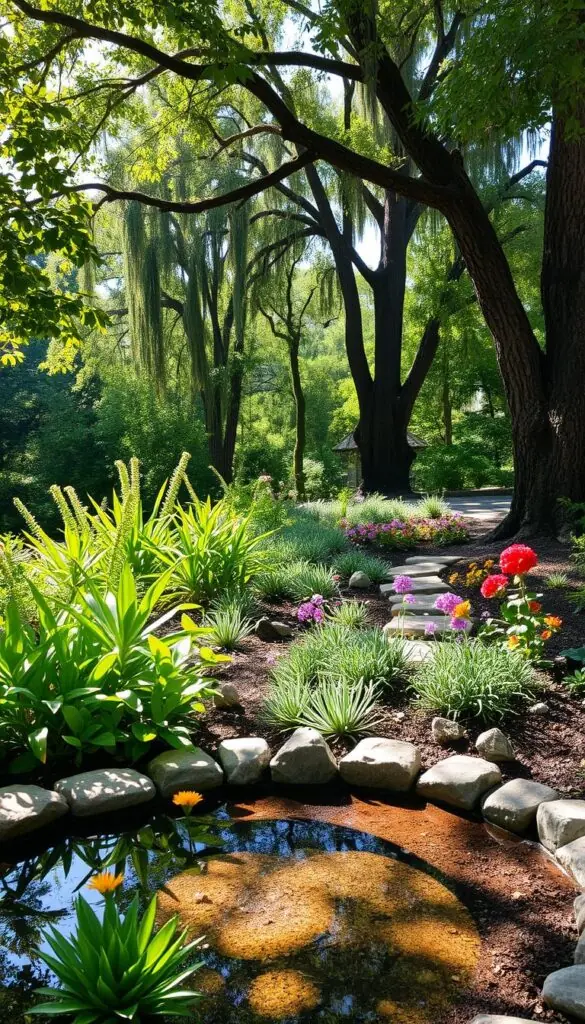
| Situation | Quick Fix | Why It Helps |
|---|---|---|
| Newly planted bedding | Portable shade cloth for 2–4 weeks | Reduces sun stress while roots form |
| Container displays | Umbrella or sail over pots | Keeps soil cooler and slows evaporation |
| Established beds during spikes | Temporary sail, moveable screens | Protects blooms without long-term planting changes |
- You’ll learn easy ways to soften late-day light so foliage stays cool and blooms last.
- Timing—morning watering and pausing pruning—gives your garden a rhythm that works with the season.
- Observe, adjust a little, and let the beds guide you; small steps keep your outdoor space lively all summer long.
Design Ideas: Beds, Borders, and Containers That Thrive in Heat
Think in inches and feet when you plan a sunny border. Stack tall anchors, mid-height bloomers, and low spillers so color moves across the season. This simple framework keeps the layout readable and calm in bright sun.
Layering heights for long-season color
Place annual sunflowers at 24–36 inches or Summerific Hibiscus at 3–4.5 feet behind mid-perennials like Echinacea and Salvia (14–24 inches). Finish the front with low Sedums at 6–12 inches.
Quick spacing rule: give each plant room—18–36 inches between larger types, 6–12 inches for low groundcovers—so leaves and blooms can breathe.
Mixing foliage textures and leaf shapes
Pair airy plumes with bold discs and fine leaves to keep beds lively between flower flushes. Repeat colors and shapes in odd numbers for a calm, neighborly rhythm across your landscape.
You can link containers and beds by repeating one hue or a foliage texture from porch pots to paths. That makes many plants feel like one cohesive design.
"Start with a few dependable anchors, then sprinkle seasonal highlights to keep the composition relaxed and long-lasting."
| Layer | Height | Suggested Type |
|---|---|---|
| Back | 24–54 inches (2–4.5 feet) | Sunflowers, Summerific Hibiscus |
| Middle | 14–24 inches | Echinacea, Salvia |
| Front | 6–12 inches | Sedum, low groundcovers |
- You’ll sketch tall, mid, low layers to keep color flowing.
- Mix textures so borders look full even between blooms.
- Pair beds and containers to repeat color and tie the landscape together.
Containers That Keep Cool: Potting and Placement Tips
Smart potting and placement let you enjoy lush containers without constant fuss.
Start with a well-draining mix so water reaches roots but never sits. Use a pot with drainage holes and add a light layer of grit or perlite to the soil to speed flow.
Place pots where mornings get full sun and afternoons offer a little shade during intense days. Move larger pots a few feet if a brief afternoon reprieve helps them recover.
Water deeply in the morning and check later if the day runs hot. In extreme heat, water once or twice daily for thirsty containers. Avoid feeding or transplanting during peak midday stress; give new set-ups a calm settling time.
Choose rugged annuals like Scaevola, Lantana, and Pentas for sunny pots. Tuck in a trailing spiller and a small upright for good structure. Rotate each container a quarter turn weekly so growth stays even and blooms face every view.
- You’ll pick the right potting mix and pot size so roots stay healthy.
- You’ll place containers where mornings are bright and afternoons cool a bit.
- You’ll refresh tired displays by tucking in a few new annuals rather than redoing everything.
| Need | Option | Why it helps |
|---|---|---|
| Drainage | Perlite + gritty mix | Prevents root rot and salt buildup |
| Watering | Deep morning soak | Feeds roots before hot afternoon stress |
| Placement | Morning sun, afternoon shade | Balances bloom and leaf health |
"A small move at the right time can save a season — rotate, water early, and give pots a brief afternoon break."
Smart Watering for Hot Weather
A simple shift to deeper, gentler watering builds stronger roots and steadier blooms across the season.
Water less often but soak more deeply. This trains the root zone to reach down, so the yard resists brief drought and bounces back faster after hot afternoons.
Do your main irrigation in the early morning. Watering at first light wastes less to evaporation and gives each plant moisture before the day climbs.
Mulch 2–3 inches of organic material to steady soil moisture and keep roots cool. That layer also slows evaporation and reduces daily watering needs.
Avoid overwatering succulents and cacti. They prefer light, infrequent soakings. Too much moisture invites rot and stress instead of resilience.
- You’ll switch to deeper, occasional sessions that build drought resilience below the surface.
- Water the root zone, not the leaves, to cut disease risk and keep foliage healthy.
- Set a simple schedule, check soil, then tweak with rainfall and changing weather.
"Learn to tell real thirst from midday wilting — squeeze the soil an inch down before adding more water."
Soil, Mulch, and Drainage: Setting Plants Up for Success
A good foundation begins underfoot: well-drained beds and modest amendments set up long-season success.
Start simple. Work loose, gritty soil into heavy spots or build a raised bed so water moves through cleanly. Add a handful of grit or sand to heavy clays and avoid rich, moisture-retaining mixes for dry sites.
Mulch like a blanket. Lay 2–3 inches of organic mulch to cool the root zone, slow evaporation, and protect roots through the season. Refresh the layer each year rather than piling on fresh fertilizer in midsummer.
Match the plant type to existing ground where possible. Many sun-loving choices prefer leaner, faster-draining mixes. Keeping amendments minimal saves work and reduces stress in long bright days.
Learn to read the leaves. Pale edges, sudden droop, or slow new growth are early signs that plants need a check on soil moisture or drainage. Catch problems early and adjust before they worsen.
- You’ll prep soil so roots can breathe in tough site conditions.
- You’ll lay mulch to moderate temperature and conserve moisture.
- We’ll avoid heavy feeding midseason so growth stays steady.
"A calm, well-drained foundation makes watering, pruning, and flowering naturally easier."
| Task | Why it helps | Quick tip |
|---|---|---|
| Improve drainage | Prevents root rot and shallow stress | Add grit or use a raised bed |
| Mulch | Cool roots and hold moisture | 2–3 inches organic mulch, refreshed yearly |
| Match type | Reduces maintenance and transplant shock | Choose species suited to your existing soil |
Pollinator-Friendly Picks for Hot Summers
Fill pockets of sun with a thoughtful mix of nectar sources and you’ll enjoy a lively pollinator scene from late spring to fall.
Choose reliable favorites: Echinacea, Lantana, and both annual Rockin’ and perennial Profusion Salvias are magnets for bees and butterflies. Add Butterfly bush and Suncredible Yellow sunflower where they can bask and draw winged visitors.
Support the menu with DIAMOND SNOW Euphorbia and Scaevola to stitch color and forage across beds and containers. These low-fuss picks keep nectar coming without much upkeep.
- You’ll pick sunny favorites that feed pollinators while glowing through long summer days.
- Mix nectar-rich Salvias with Echinacea and Lantana to keep the buffet open all day.
- Place Butterfly bush and Suncredible sunflower where they can bask and draw visitors.
- Stagger bloom times so there’s always something fresh on the menu from late spring to fall.
Care is simple. Light deadheading helps rebloom. Water deeply in the morning so roots hold steady. Let many species flower without heavy pruning to keep nectar available.
"A humming, fluttering garden is possible with a few smart choices — plant once, enjoy often."
| Variety | Why Pollinators Like It | Best Placement |
|---|---|---|
| Echinacea | Large, open blooms for bees and butterflies | Sunny beds, middle layer |
| Lantana | Continuous nectar; heat-loving color | Containers, borders, sunny spots |
| Salvias (Rockin’ / Profusion) | Nectar-rich spikes, long flowering window | Mass plantings, mixed borders |
| Suncredible Sunflower | Tall, showy blooms that attract many visitors | Back of beds, pollinator corner |
From Spring to Frost: Extending the Bloom Season
A little timing and a few reblooming favorites stretch sunny color from cool spring days into late autumn.
Start with long-season stars. Plant Suncredible Yellow for a nonstop show from spring to frost without deadheading. Add Profusion Salvia; a light trim after the first flush invites more spikes and steady color through summer.
Keep deadheading minimal. Only remove spent blooms where it truly boosts rebloom. Save time and let many varieties set seed heads that add autumn interest and food for pollinators.
Slot late performers like Sedum at the front or edges so borders don’t go quiet. These extend color into fall and feed bees when other show is fading.
"A simple, repeatable routine—morning watering, 2–3 inches of mulch, and light trims—keeps color coming with little fuss."
| Task | When | Why |
|---|---|---|
| Plant long-blooming annuals | Early spring | Set a steady base of color |
| Light trim on Salvia | After first flush (mid-summer) | Encourages rebloom without stress |
| Add Sedum and late bloomers | Late summer | Extend color into fall and feed pollinators |
| Morning watering + mulch | All season | Supports steady blooms in warm months |
- You’ll map easy handoffs so fresh color continues each season.
- You’ll lean on rebloomers and long-blooming choices to reduce grooming.
- You’ll use a short routine that fits real life and keeps your garden cheerful.
Heat, Humidity, and Drought: Matching Plants to Microclimates
Your yard hides tiny climates—warm pockets, breezy lanes, and damp hollows—and each asks for a different choice.
Start by walking your space at midday and again in late afternoon. Note where the sun lingers, where breezes cool things off, and where water pools after rain.
Match picks to conditions. In humid Florida-style corners, choose Pentas and Lantana; they love moist, heavy air and keep blooming. In dry Southwestern runs, favor Desert willow, Palo Verde, and succulents that thrive in lean soil.
Some trees cope with drought by dropping leaves. That is a normal, healthy response. The trunk or green bark often keeps working, so the plant conserves water while still photosynthesizing.
Think in zones: sheltered beds for moisture lovers, open sunny strips for dry-site champions. Use fences, paving, and walls to your advantage—these features intensify sun and can create warmer pockets ideal for sun-loving choices.
- You’ll learn to spot warm corners, breezy spots, and damp dips so each plant lands in its happy place.
- Group moisture lovers together and place dry-site champions where drainage is best to simplify watering.
- Let leaf drop be a cue that a tree is conserving energy during drought rather than failing.
| Microclimate | Soil / Conditions | Good Picks |
|---|---|---|
| Humid, sheltered | Richer, holds moisture | Pentas, Lantana |
| Open, dry | Lean, gritty, fast-drain | Desert willow, Palo Verde, succulents |
| Breezy, moderate | Well-drained, cooler | Echinacea, Salvias |
"Map small differences across your yard and plant to each microzone—the right spot makes care simpler and gardens more reliable."
Heat Tolerant Plants: A Handy Shortlist to Get You Started
Here’s a grab-and-go list to take to the nursery when you want easy wins for sunny beds.
Annuals for instant color: SUNSTAR Pentas, WHIRLWIND Scaevola, DIAMOND SNOW Euphorbia, LUSCIOUS Lantana, SUNCREDIBLE Yellow sunflower, marigold, portulaca, and petunia.
Perennials that return: Echinacea, Profusion salvia, Coreopsis, Gaillardia, Rudbeckia, Yarrow, Lavender, and Summerific Hibiscus.
Shrubs and small trees: Montana Moss Juniper, Center Stage Crapemyrtle, Abelia, Butterfly bush, Desert willow, and Blue Palo Verde. These give year-round form and quick height.
Vines for vertical interest: Bougainvillea and Sweet Caroline Upside (Ipomoea) climb fast when you add a trellis.
Succulents and low-water fillers: Aloe, Echeveria, Mangave, plus Sedum collections. Sizes range from under 1 foot to over 4 feet tall, so mix for edge and center use.
"Pick a few anchors, add seasonal fillers, and you’ve got a balanced cart: structure, bloom, and texture."
- You’ll leave with names that thrive in bright sun and long summer days.
- We mark standouts for nonstop color, low water use, and easy care.
- Mix structure, midsize bloomers, and spillers for a full, low-fuss bed.
Gentle Troubleshooting: Wilting, Leaf Scorch, and Slow Bloom
When your garden looks weary, small fixes usually bring it back to life.
First, tell true thirst from midday wilting. Squeeze the soil an inch down. If it’s dry, give a deep morning soak so roots drink slowly. If the soil stays wet, hold off and check drainage.
Protect leaves during extreme sun with a simple shade. A cloth, umbrella, or temporary sail for a few afternoons lowers stress and helps foliage recover. Add 2–3 inches of mulch to keep soil cool and steady moisture.
Avoid heavy work in hot weather. Don’t prune, fertilize, or transplant during a hot spell. Let the plant rest—this reduces shock and helps buds and flowers set again when conditions ease.
Watch succulents carefully. Overwatering them causes rot faster than dry spells do. For these drought-wise species, water less often but more deeply when the soil is bone dry.
"Small, steady adjustments usually turn the season around — observe, note what worked, and repeat next year."
- You’ll learn to tell heat wilt from thirst and respond with the right kind of drink at the right time.
- We’ll use mulch and a touch of afternoon shade to protect leaves during severe conditions.
- Pause pruning and feeding until the weather eases so recovery is calm and steady.
- Check drainage and adjust watering if foliage shows scorch or browning edges.
- Light trims on rebloomers and steady care help flowers resume without quick fixes.
| Symptom | Likely Cause | Immediate Fix |
|---|---|---|
| Wilting mid-afternoon | Temporary water stress | Deep morning watering; mulch |
| Browned leaf edges | Poor drainage or irregular watering | Check soil, improve drainage, adjust routine |
| Soft, mushy base (succulents) | Overwatering / rot | Stop watering; repot to dry mix if needed |
| Few or no blooms | Stress from sun or feeding at wrong time | Hold fertilizer; light trim on rebloomers after cool spell |
Keep a simple log of what you tried and when. Over time you’ll spot patterns for your yard and the season. Setbacks happen; with steady care and small tweaks, most beds recover and look better by the end of the season.
Conclusion
Bring your best favorites together and watch a sunny corner become a low-fuss, high-impact retreat.
You’re ready to choose a few favorites, plant them where the sun is right, and enjoy an easier summer routine. Proven performers like Pentas, Lantana, Sedum, and Crapemyrtle give color and structure with simple care.
Water in the morning and add 2–3 inches of mulch to protect roots. Over time, add pieces that feel right and tweak your watering for comfort and longevity.
You’ll celebrate steady progress: each small addition makes your outdoor space more welcoming and low-maintenance. We’ll be here cheering you on as your garden grows into a sunlit place you love spending time in.
FAQ
What are the best sun-loving plants for hot summers that reach a few feet tall?
Look for sturdy annuals and perennials that handle strong sun and high temperatures. Good choices include coneflower (Echinacea), summer hibiscus (Summerific series), lantana (LUSCIOUS series), and larger sunflowers like Suncredible Yellow. Many salvias and coreopsis also hit the 2–4 foot range and keep producing blooms through the season.
How should I plan a sunny bed where afternoons get intense light and high humidity?
Start with soil that drains well and add organic mulch to retain moisture without staying soggy. Place taller, structural shrubs or grasses at the back, midsize perennials in the center, and low growers or groundcovers at the front. Give some plants afternoon relief with a light shade cloth or a small tree if humidity compounds stress.
Which flowering annuals give instant color in full sun and tolerate dry spells?
Pentas, lantana, marigolds, Portulaca (moss rose), and heat-ready petunias are excellent for immediate color. Scaevola (fan flower) thrives in containers and handles drier air, while Euphorbia ‘Diamond Snow’ offers bright white contrast with minimal water needs.
What perennials reliably return and bloom through hot summers?
Echinacea (coneflower), salvias from the Profusion series, rudbeckia, gaillardia, coreopsis, yarrow, and lavender are all hardy choices. They handle warm conditions, attract pollinators, and need little fuss once established.
Which shrubs and small trees give structure and survive strong sun and drought-prone conditions?
Look at juniper varieties such as ‘Montana Moss’ for texture, crape myrtle (Center Stage series) for long-lasting blooms, abelia and butterfly bush for pollinator appeal, and desert-adapted trees like desert willow or palo verde for arid landscapes.
Can vining plants handle full sun and still flower well?
Yes. Bougainvillea thrives on a trellis or arbor in bright sun, producing showy bracts. Climbing sweet potato vine (Ipomoea) twines well and adds foliage interest on fences and containers in sunny spots.
What succulents work best in hot, sunny spots and low-water landscapes?
Aloe, Echeveria, Mangave, and sedum collections (Rock ‘N Low, Rock ‘N Grow, Rock ‘N Round) store water in their leaves and perform beautifully in containers, rock gardens, or xeriscapes where summers are long and dry.
How do I choose the right varieties for my local climate and microclimate?
Match plants to your USDA hardiness zone and consider sun exposure, soil type, drainage, and humidity. Group plants with similar water and sun needs, and place more delicate specimens where they’ll get afternoon relief or reflected light if needed.
When should I give afternoon shade to sun-loving beds?
Provide partial afternoon shade when temperatures stay very high for extended periods, when humidity keeps foliage damp, or when you notice leaf scorch or wilting. A light dappled shade or temporary shade cloth during peak heat can prevent stress without ruining bloom displays.
What container tips help plants stay cool and hydrated in strong sun?
Use light-colored, insulated pots or terracotta with good drainage. Choose a moisture-retentive potting mix and add a layer of mulch on top. Place containers where they get morning sun and some afternoon relief, and water deeply but less frequently to encourage strong roots.
How often should I water in hot weather without overdoing it?
Water deeply when the top 1–2 inches of soil dry out. Frequency depends on container size and soil: potted plants may need daily checks, while established beds often do fine with a thorough soak every 5–10 days. Morning irrigation reduces evaporation and disease risk.
Which soil and mulch practices set sun-loving beds up for success?
Improve native soil with compost for better structure and water-holding capacity. Use 2–3 inches of organic mulch to conserve moisture, suppress weeds, and moderate root temperature. Ensure beds have good drainage to prevent root rot during sudden storms.
What are the best pollinator-friendly selections for long, hot seasons?
Coneflower (Echinacea), salvias, lantana, coreopsis, and butterfly bush provide nectar and pollen through peak summer. Plant a mix of annuals and perennials to keep a continuous food source for bees, butterflies, and hummingbirds.
How can I extend bloom from spring to frost in sunny gardens?
Deadhead spent flowers on annuals, cut back perennials to encourage rebloom, and add succession plantings of quick-blooming annuals like pentas and petunias. Choose varieties known for long bloom windows and stagger planting times for continuous color.
How do I match choices to different microclimates in my yard (dry, humid, shady corners)?
Map sun, shade, and moisture patterns in your yard. Use drought-wise selections like aloe and mangave in dry, reflected-heat zones. In humid areas pick airy, disease-resistant varieties such as lavender and yarrow. For spots with afternoon shade, try salvias and some petunias that tolerate lower light.
Can you give a short starter list of reliable sun-loving varieties to buy now?
Try Echinacea (coneflower), Lantana (LUSCIOUS series), Suncredible Yellow sunflower, Pentas, Profusion salvias, Summerific hibiscus, and Sedum Rock ‘N Grow. These offer color, resilience, and low fuss for most sunny yards.
What should I do if plants are wilting, showing leaf scorch, or not blooming?
First check soil moisture and drainage. Adjust watering so roots get a deep drink but aren’t waterlogged. Provide temporary shade during heat spikes, trim spent flowers to encourage rebloom, and test soil pH and nutrients if growth stays slow. Replacing struggling plants with better-suited varieties often gives the fastest improvement.