Imagine the warm soil under your fingertips and the sweet scent of roasted carrots drifting from the kitchen window.
If you’re looking for a calm, practical start, this guide is like advice from a kind neighbor. We’ll show a clear way to pick a few forgiving crops, plant them at the right time, and enjoy fresh food at the table.
Start with a short plan: choose seeds for zucchini, potatoes, and butternut squash, place them by season and zone, and use a handful of tools that make work pleasant. You’ll get quick cooking ideas and easy vegetable recipes that turn a harvest into a warm meal in about 15–20 minutes.
By the end, you’ll have simple steps for planting, tending, and harvesting with confidence. Small safeguards—right spacing, deep watering, and timing—help you avoid common mistakes and savor a lush, sunlit patch of produce.
Key Takeaways
- Begin with forgiving crops like zucchini, potatoes, and butternut squash.
- Match planting to your season and zone for faster sprouting.
- Keep a short routine and a few reliable tools to save time outside.
- Use quick recipes to turn harvest into a fast, tasty meal.
- Focus on simple steps and small safeguards to build gardening confidence.
Start here: your first season growing easy vegetables with confidence
Start this season by planting a few reliable crops that teach you the garden's rhythm.
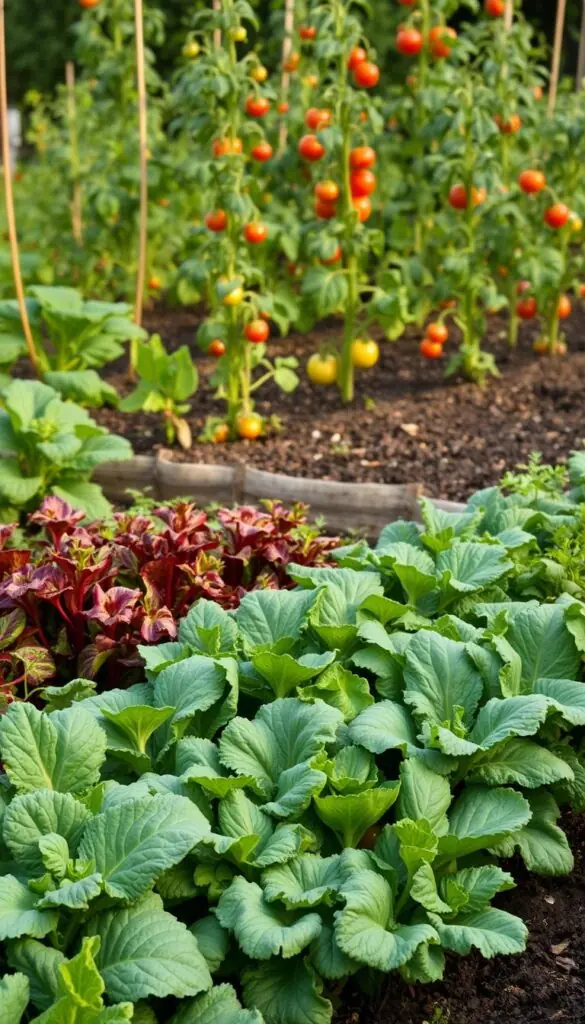
Choose 3–5 crops so you learn the pace without feeling overwhelmed. Think zucchini, green beans, carrots, tomatoes, and a small patch of potatoes.
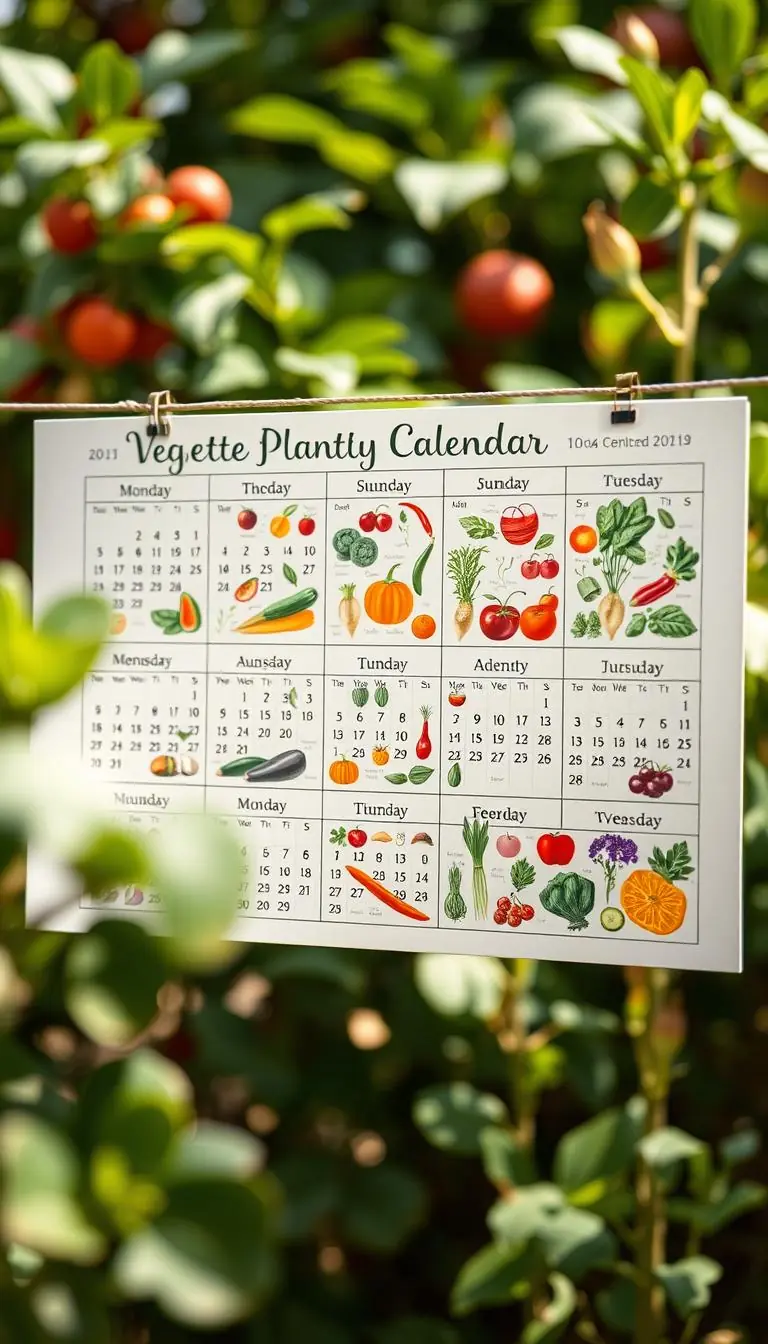
Check your last spring frost and first fall frost dates. Then count backward to time sowing and transplanting. This simple step reduces stress and boosts success.
Keep tasks close. Use one or two beds or large containers so watering and harvest save you minutes each day. Water deeply two to three times a week instead of quick daily sprinkles.
- Mix bagged compost into the top 2–3 inches before planting.
- Weed while you water, pinch damaged leaves, and harvest often.
- Add one new skill each month—staking, mulching, or starting seeds.
Plan kitchen wins so your harvest becomes a quick meal. Try 10-minute sautéed green beans, a 15-minute roasted asparagus side, or a 12-minute air fryer medley for dinner.
| Crop | When to Sow/Plant | Cook Time | Best Container |
|---|---|---|---|
| Zucchini | After last frost | 15–20 minutes | 5–10 gallon pot |
| Green beans | 1–2 weeks after last frost | 10 minutes | Raised bed or 10" trough |
| Carrots | 2–4 weeks before last frost | 15–20 minutes | Deep container (12"+) |
How to choose beginner-friendly veggies by season and zone in the United States
Match plants to your local climate, and each season will give you steady, useful rewards.
Spring and early-summer picks
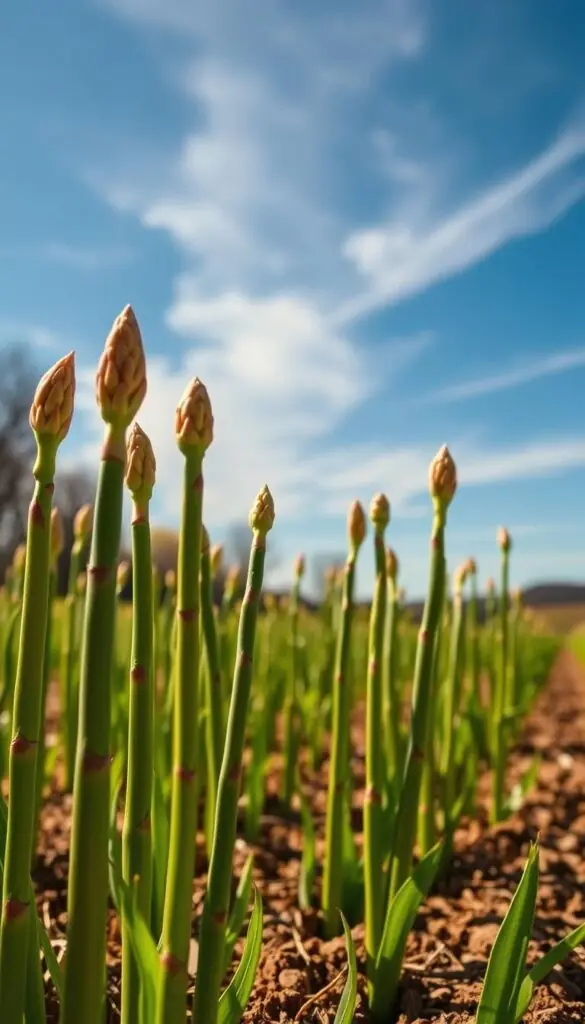
Asparagus shines in spring; plant crowns in beds that freeze back in winter so they get a chilling period.
Plant peas when the soil is workable, and sow lettuce and radishes for quick greens and crisp roots that harvest fast.
When nights stay warm, tuck in zucchini. It loves sun and steady soil warmth and rewards you with glossy, tender fruit in short time.
Late-summer and fall staples
Mid to late summer is the moment for green beans, tomatoes, carrots, potatoes, and winter squash like butternut squash.
Green beans cook quickly and are great sautéed; space plants well so leaves dry and disease risk drops.
Choose early, compact tomatoes in cooler zones so fruit ripens before frost. Give them sun and support from the start.
"Keep a simple calendar note for first and last frost — that small habit times planting and fall protection smoothly."
- Use your USDA zone to pace plantings: warmer zones start earlier; cooler zones wait for soil heat.
- Succession sow carrots or beans every 2–3 weeks so harvest spreads over the season.
- Let carrots sweeten in cool nights and cure winter squash on the vine until stems dry and rinds harden.
Pro tip: note first/last frost dates and plan one or two staggered sowings. You’ll turn a single patch into many meals with less stress and more joy — and find a favorite recipe for each harvest.
Tools and materials that make veggies easier
A few well-chosen tools make the garden feel manageable and the work more rewarding.
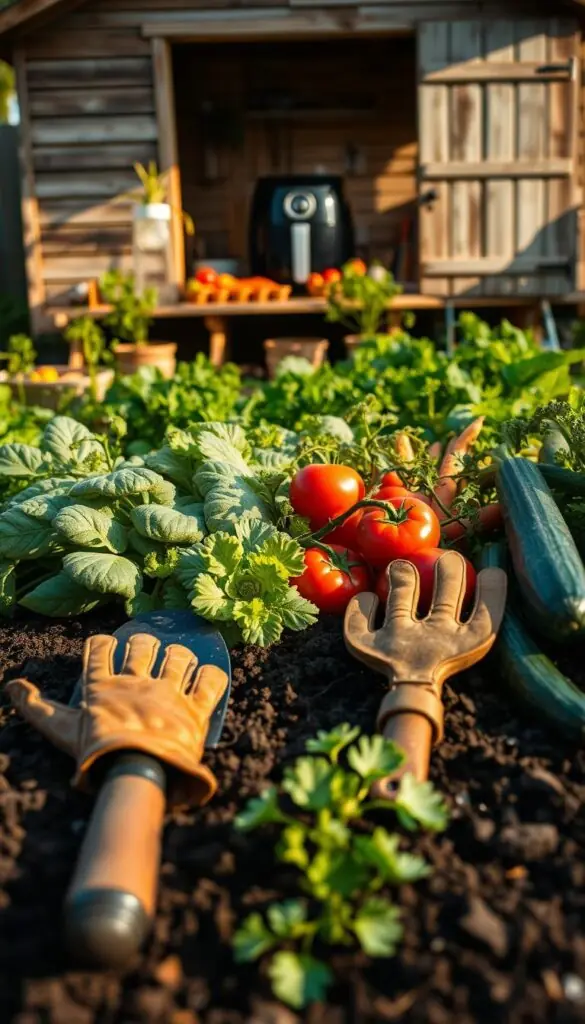
Start small. Fit gloves that don’t slip, a sturdy hand trowel, and a long-handled shovel. These ease digging, planting, and lessening strain on your back.
Choose a quality potting mix for containers and add compost to beds so roots move through crumbly soil. Lay 2–3 inches of mulch after the soil warms to cut weeds and hold moisture.
Keep a watering wand with a gentle shower head for seedlings. Add a simple soil thermometer so you don’t plant heat-loving crops too early.
- Kitchen gear: a heavy sheet pan and a solid sauté pan speed dinner prep.
- Use a light drizzle of oil and a crack of pepper when roasting.
- Finish air-fried mixes with grated cheese or a pat of butter for extra comfort.
- Keep kitchen shears and a harvest knife to snip herbs without bruising leaves.
"Good gear removes friction—so you spend more time tasting the harvest and less time fixing small mistakes."
| Tool | Why it helps | Quick tip |
|---|---|---|
| Gloves | Protect hands and grip tools | Choose breathable, well-fitting pairs |
| Potting mix & compost | Improves drainage and fertility | Mix 50/50 for containers and beds |
| Watering wand | Gentle shower for seedlings | Use low flow to avoid erosion |
| Sheet pan / sauté pan | Speeds roasting and searing | Preheat pan for crisp edges |
easy vegetables you can sow or transplant with minimal fuss
Start with a short list of plants that give big rewards for little fuss.
Begin from seed with radishes, carrots, green beans, and peas. Plant into loose, moist soil at the right season and keep the bed evenly damp until seedlings appear.
For transplants, choose tomatoes, broccoli, cauliflower, and zucchini. Move them into the garden when nights stay mild and water in well so roots make good contact with the surrounding soil.
- Spacing: follow label distances and give transplants a little extra room to breathe.
- Watering: soak at planting, then water deeply once or twice a week unless rain does the job.
- Visual cues: look for glossy leaves, steady upright stems, and new growth—these mean plants are settling in.
- Squash tip: plant after soil warms and use a small mound for better drainage to protect crowns from rot.
- Small-space tip: bush green beans and patio varieties work well in one large container.
Tuck herbs like basil and parsley around edges to scent beds and lift simple dishes. Keep a weekly harvest habit: frequent picking of beans and zucchini encourages steady production and feeds quick vegetable recipes like zoodles with pesto or roasted delicata squash in about 20 minutes.
Zucchini: the forgiving garden workhorse with endless side dish options
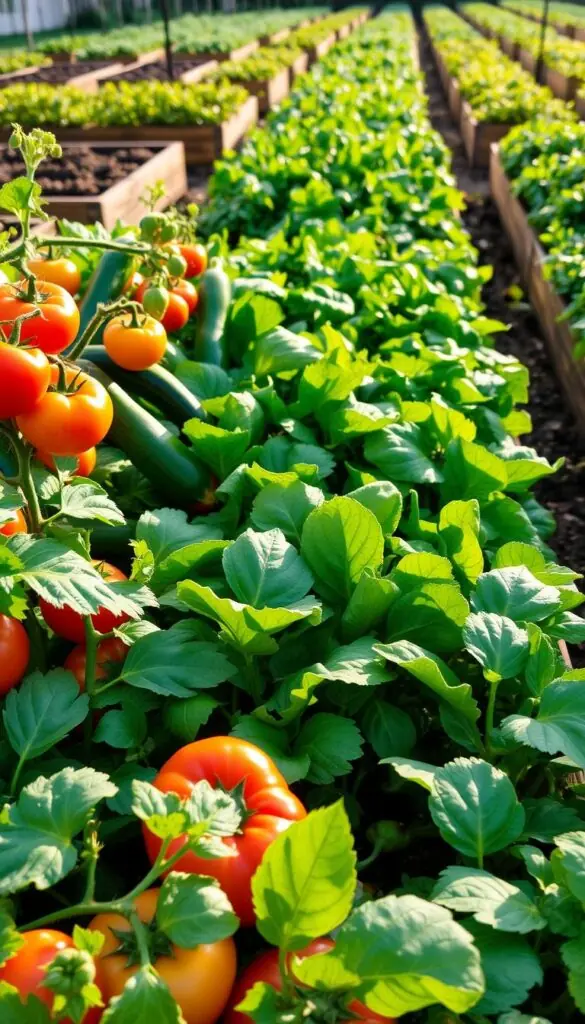
Zucchini plants reward steady care with rapid growth and plenty of harvests.
Planting basics and timing
In warm zones, sow zucchini outdoors after soil stays consistently warm. In cooler zones, start with transplants once frost has passed and nights stay above 50°F.
Use mounds or raised rows for better drainage. Space plants so leaves can spread and dry after rain. Good airflow helps prevent powdery mildew and squash vine borers.
Watering, harvest cues, and gentle handling
Water deeply at the base in the morning and add mulch to keep soil steady and moist. This lowers stress and reduces bitter fruit.
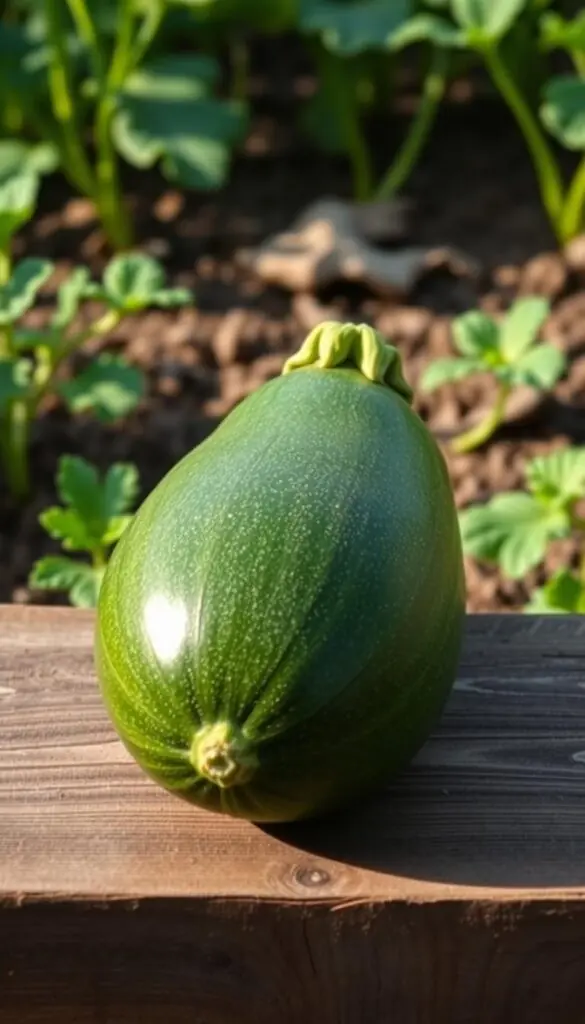
Harvest when fruits are small to medium with tender, glossy skins. Frequent picking encourages more blossoms and steady production.
"Handle young stems with care — they snap easily, and a gentle touch helps vines take off."
Simple zucchini sides: quick cooking ideas
For a fast side dish, air fry mixed veggies including zucchini about 12 minutes, then shower with Parmesan for a savory finish.
Make spiralized "zoodles" by sautéing spiralized zucchini 2–3 minutes with a whisper of garlic, then toss with pesto for bright flavor.
Roast sliced squash with a brush of oil until edges caramelize; the centers stay juicy and the kitchen smells inviting.
| Task | Timing | Quick result |
|---|---|---|
| Sow/transplant | After soil warms or post-frost | Rapid vines and early fruit |
| Harvest cue | Small–medium, glossy skin | More blossoms and steady yield |
| Quick cook | Air fry ~12 min / Sauté 2–3 min / Roast ~20 min | Parmesan or herb-tossed sides |
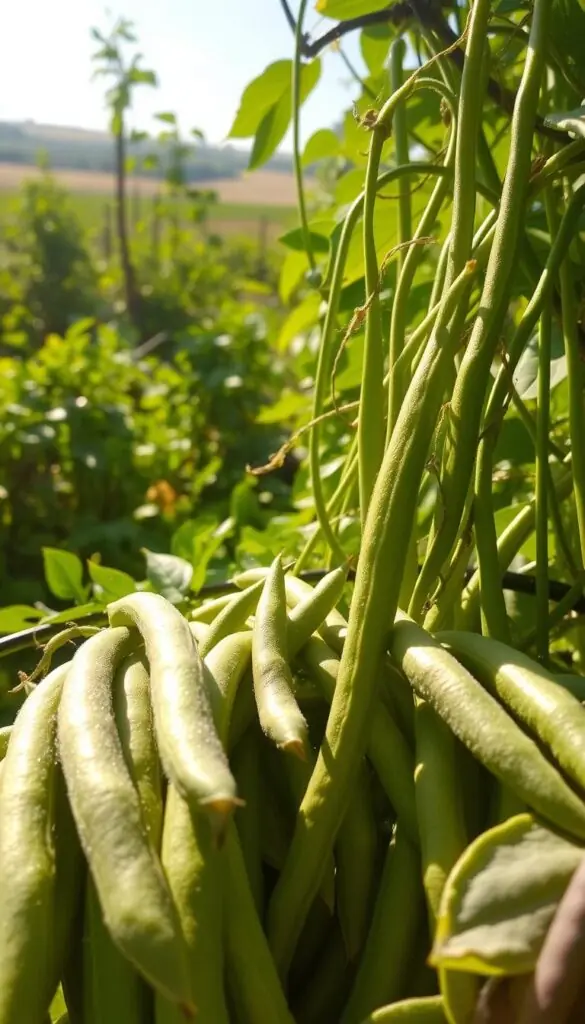
Green beans: crisp-tender pods that grow fast and cook in minutes
Green beans give quick reward: fast growth, crisp pods, and dishes ready in minutes.
Choose bush varieties for tidy, compact rows and climbing types if you want tall trellises and eye-level picking.
Sow seeds in warm soil, a few inches apart, in full sun. Keep the bed evenly moist so pods stay crisp and vibrant.
Support and spacing
- Use a simple teepee, netting, or stakes for pole beans so vines stay tidy and pods stay clean.
- Plant bush beans closer together for compact production and pole beans with wider spacing for climbing room.
- Harvest often; picking every few days keeps plants productive and your bowl full.
Quick flavor ideas
For a 10-minute skillet, sauté trimmed pods with a spoon of oil until bright green. Toss with a lemon-Dijon dressing for a bright, tangy flavor that lifts the whole side.
Roast at 400°F after patting beans dry and tossing with a little oil. Finish with sweet chili, soy, and a touch of ginger paste for warm, punchy notes.
Add a pinch of garlic near the end so it perfumes the beans without burning. Rinse and pat dry before cooking—dry pods blister better and take on dressings beautifully.
"Harvest when pods snap cleanly—waiting too long makes them stringy and dulls texture."
| Task | Timing | Quick result |
|---|---|---|
| Sow | Warm soil; spring to early summer | Fast germination and steady pods |
| Support | Pole: trellis/teepee | Bush: no support | Cleaner pods and easier picking |
| Cook | Sauté ~10 minutes | Roast 400°F | Crisp-tender side with bright flavor |
Carrots: sweet, colorful roots that kids love to harvest
Bright, crunchy carrots are one of the most rewarding roots to grow with kids at your side.
Prepare the bed: loosen soil 8–10 inches deep and sift out rocks so roots grow straight and smooth.
Sow seeds shallowly and keep the surface evenly moist until sprouts appear. Thin seedlings early so each carrot has room to plump and develop good texture.
Water steadily each week; steady moisture helps roots stay sweet and prevents splitting. Harvest when shoulders show color and the soil smells fresh after a gentle tug.
- Try rainbow varieties for a cheerful harvest: gold, deep purple, and classic orange.
- Store unwashed roots in the fridge, greens trimmed, to keep them crisp longer.
- If tops get feathery, trim so they don't shade neighbors.
For a quick side, thinly slice or halve carrots, toss with melted butter and paprika, and roast at 400°F for about 15 minutes until lightly caramelized. Baby carrots work well, too.
"Let kids help wash and peel—bright color and gentle sweetness make a harvest into a small, joyful meal."
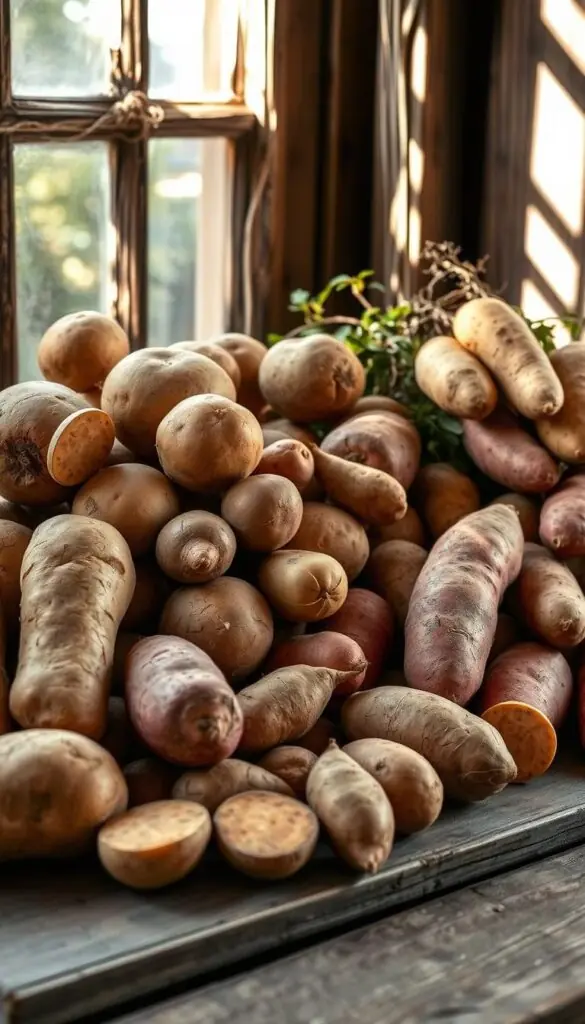
Potatoes and sweet potatoes: small-space friendly and super satisfying
A patch of potatoes and sweet potatoes can turn a balcony or bed into a steady, comforting harvest.
Plant certified seed potatoes shallowly, then mound soil up as stems grow. This hilling encourages many tender tubers near the surface and keeps them light and smooth.
Use a large container or fabric grow bag if space is tight. Fill with loose mix, set seed pieces cut-side down, and add soil as green tips appear. When ready, dump the bag or lift with a fork to harvest.
Grow tips: seed potatoes, mounding, and warmth for sweet potato vines
- Timing: wait for warm soil for sweet potato slips; they love heat and long nights.
- Water: keep moisture steady during tuber fill—uneven water can make hollow or oddly shaped roots.
- Curing: cure sweet potatoes in a warm, humid spot for about a week to deepen sweetness.
Side ideas: quick roasted and smashed recipes
Make crispy smashed potatoes by roasting small potatoes at 425°F for 20 minutes. Gently smash, then top with Parmesan, rosemary, salt, pepper, and a brush of oil.
For sweet potatoes, toss diced root with oil and curry powder. Roast at 425°F for about 20 minutes until edges caramelize and centers are plush.
Texture and flavor boosters
Add a pat of butter to hot potatoes for aroma and richness. A sprinkle of fresh herbs or a dusting of cheese lifts simple sides into memorable bites.
"The earthy scent and warm skins feel like a small celebration when you harvest gently with a fork or by dumping a container onto a tarp."
| Task | Timing/Temp | Quick result |
|---|---|---|
| Planting | Seed potatoes shallow; sweet slips after soil warms | Strong vines and many tubers |
| Hilling | Add soil as stems grow | More shallow tubers, easier harvest |
| Roast/smash | 425°F — 20 minutes | Crispy edges; creamy centers with cheese and herbs |
| Cure sweet roots | Warm, humid spot ~1 week | Richer, sweeter flesh |
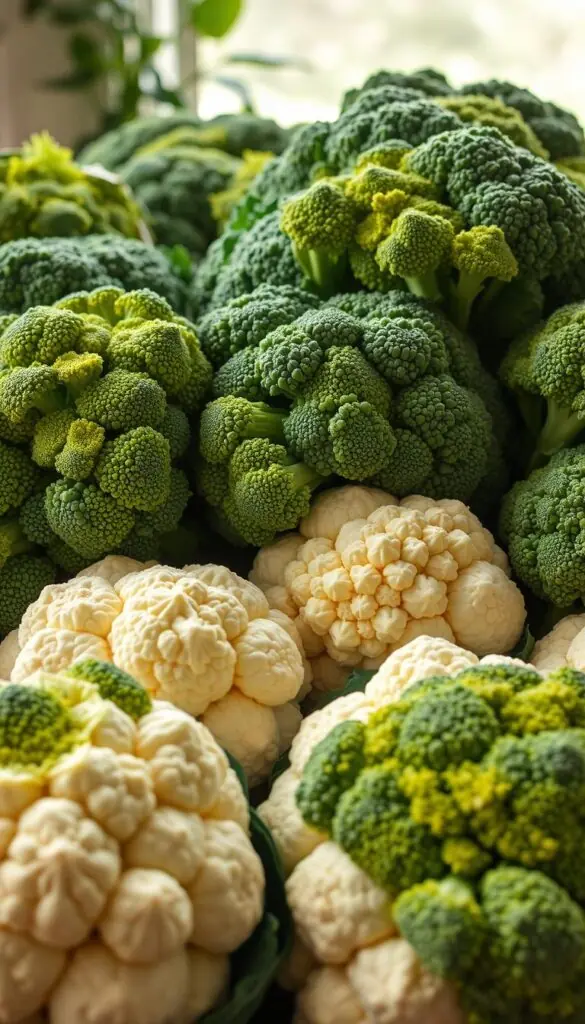
Broccoli and cauliflower: cool-weather crowns with big payoff
Cool-season brassicas reward a patient hand and tidy timing with heavy heads and sweet flavor.
Transplant in early spring or again in late summer when days are mild. Cool nights keep heads compact and tasting their best.
Use shade cloth or a lightweight row cover during sudden heat spikes to stop bolting. Keep soil evenly moist and give a light feed at planting and midseason.
Protecting transplants and harvest cues
- Spacing: leave room for air so leaves dry quickly after rain.
- Broccoli: harvest when heads are tight and deep green; side shoots follow the main cut.
- Cauliflower: pick when curds are full and firm; tie outer leaves over heads in strong sun to keep color bright.
- If you grow Brussels family sprouts, give them their own sunny row so each crop has space to thrive.
Simple sides: roasted florets with garlic, parmesan, and lemon
Roasting turns broccoli and cauliflower tender, rich, and nutty. Toss florets with a little oil and roast at 425°F until edges brown—about 20 minutes.
Finish with a squeeze of lemon, a light dusting of Parmesan, and a hint of garlic. This quick recipe brings out deep, toasty notes and bright lift.
| Task | Timing | Result |
|---|---|---|
| Transplant | Early spring / late summer | Compact, sweet heads |
| Protect | Heat spikes — shade/row cover | No bolting; steady growth |
| Roast | 425°F ~20 min | Tender, nutty florets with bright finish |
"Guard young plants from heat; a small cover can make the difference between firm heads and bolted crowns."
Tomatoes: beginner-friendly varieties that brighten any meal
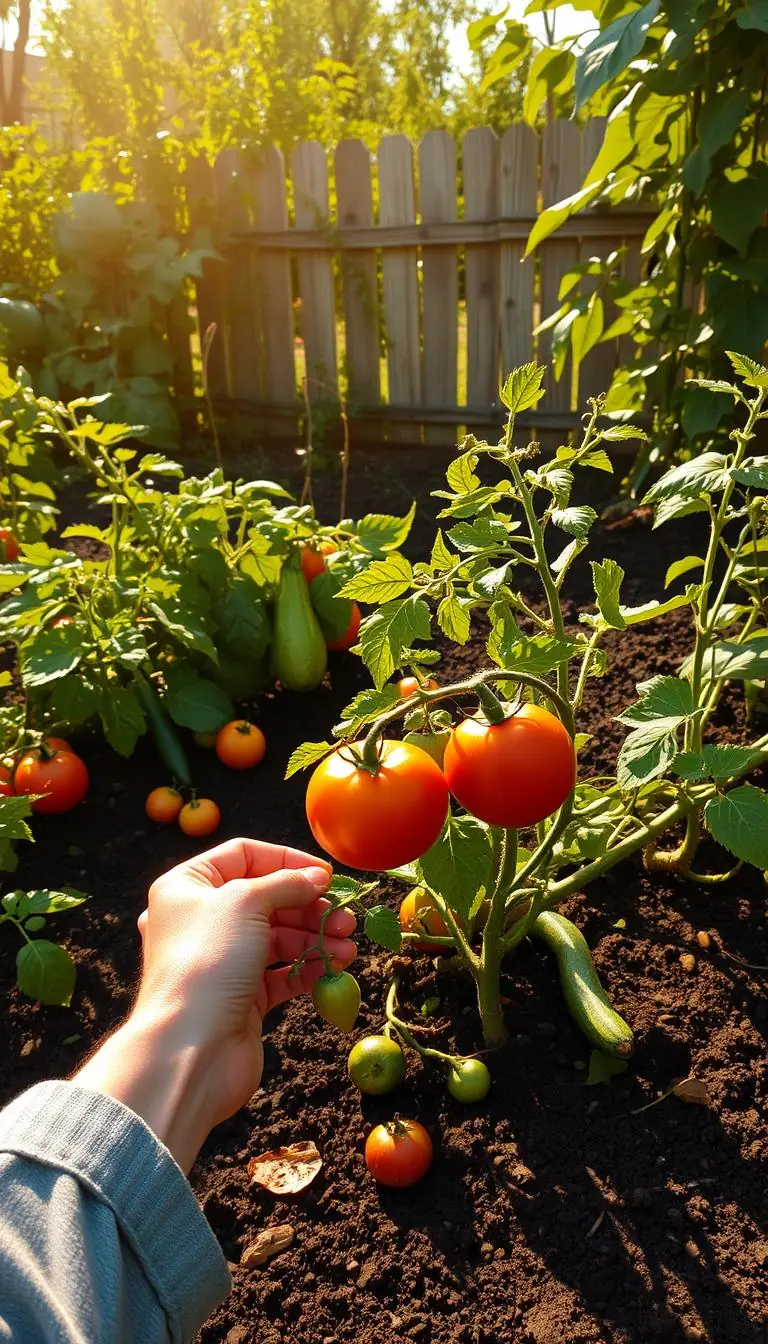
Tomatoes reward steady care with bright color and a garden scent that tells you they're nearly ripe.
Choose compact, early varieties so you get fruit quickly. Set transplants deep; buried stems will root and make sturdier plants.
At planting, add a cage or stake. Tie stems loosely so they can sway; that gentle movement strengthens vines.
Water at the base in the morning and mulch to hold moisture. This keeps skins smooth and reduces splitting.
Feed lightly with a balanced fertilizer when fruit sets. Prune just enough to improve airflow but keep leaves to shade ripening fruit.
Pick when fruits are fully colored and give slightly to the touch. Twist gently and you'll feel a burst of garden fragrance.
- Rotate plantings away from prior nightshade beds to lower disease risk.
- Provide afternoon shade in very hot spells to prevent sunscald.
- Try cherry tomatoes for constant snacking and bright pops in salads and bowls.
"Slice and salt fresh tomatoes, or grill halves briefly for a smoky, tender boost to any quick recipe."
Fresh tomato uses pair beautifully with air-fried mixes, green salads, or grilled sides. A simple sliced tomato can lift a meal, and grilled halves add deep, juicy flavor that complements many vegetable and food pairings.
Asparagus: plant once, enjoy for years (plus a 15-minute side)
Plant asparagus once, and a small bed will reward you each spring for years.
Start with crowns in a sunny, well-drained trench. Amend the soil with compost, spread the roots like a star, and cover them slowly as shoots rise.
Be patient the first year: skip harvest so roots take hold. That pause pays off with larger, sweeter spears in later seasons.
Keep the bed mulched to block weeds and hold even moisture through warm afternoons. Let ferns stand after harvest so they feed crowns; they’ll turn golden and sway in late light.
- Harvest in spring when spears are about pencil-thick; snap them low with a clean, crisp break.
- Keep asparagus beds away from heavy feeders so crowns don’t compete for nutrients.
For a quick weeknight dish, roast spears about 15 minutes until tender and lightly caramelized. A squeeze of lemon finishes a simple side and brightens the whole plate.
"Tender, juicy spears roasted with lemon make a small recipe that feels like spring on your plate."
Brussels sprouts and cabbage: fall favorites with caramelized edges
Cool, crisp nights help these brassicas turn sweet; fall is when Brussels sprouts and cabbage truly sing.
When to plant: transplant in late summer so plants finish as temperatures drop. Steady, even moisture makes sprouts dense and sweeter as they size up.
In windy spots, stake tall stems so they stand straight into autumn. This keeps heads clean and prevents stem breakage during storms.
Harvest from the bottom up when each sprout is firm and walnut-sized. Keep topping plants to encourage more uniform growth later in the season.
Give cabbage room to swell. Harvest heads when they feel firm to the touch for crisp, juicy leaves that store and shred well.
- Mulch heavily to steady soil moisture and cut the risk of bitterness or splitting.
- Keep rows airy; remove yellowing lower leaves to limit pests and improve airflow.
- Turn extra leaves into a quick skillet side or crisp slaw for a bright fall plate.
For a simple, satisfying finish, halve sprouts and roast on a hot sheet until edges brown and centers soften. Finish with a squeeze of lemon and a light dusting of Parmesan or another favorite cheese.
"Roasted sprouts develop crackly exteriors and caramelized edges—season simply, or add lemon and Parmesan for a small, memorable dish."
| Task | Timing | Quick result |
|---|---|---|
| Transplant | Late summer | Sweet, firm heads in fall |
| Support | Stake tall plants | Straighter stems, cleaner harvest |
| Cook | Roast until browned | Crackly edges, tender center |
Winter and hard squash: acorn, butternut, delicata for cozy dinners
When cool nights arrive, winter squash become the quiet centerpiece of cozy, slow dinners.
Planting and vine care. Sow or transplant after the soil warms. Squash loves sun, space, and a mulch blanket to hold moisture. Train vines along edges or a simple trellis to keep paths clear and fruits clean.
Harvest, cure, and store. Pick when rinds are firm and stems dry. Cure butternut squash in a warm, airy spot for a week before storing. Then keep cured fruits in a cool, dark place and check monthly for soft spots.
Quick kitchen way. Roast delicata rings on a pan for about 20 minutes; you don’t need to peel them. Finish with garlic and Parmesan for savory lift, or simply salt and olive oil to let natural flavor shine.
| Variety | When to Plant | Curing | Quick Cook Tip |
|---|---|---|---|
| Acorn | After soil warms | 7–10 days warm, airy | Halve and roast 25–30 min |
| Butternut squash | After soil warms | Cure 7–14 days for storage | Cube and roast for soups or sides |
| Delicata | After soil warms | Short cure — store briefly | Slice on a pan ~20 min; no peel needed |
- Choose bush types if space is tight and prune lightly to guide vines.
- Watch for squash bugs and remove egg clusters under leaves.
Quick-cook methods that make vegetables taste amazing
A few fast techniques will turn fresh picks into a bright, flavorful side in minutes.
Air fryer vegetables with parmesan, lemon, and parsley
Preheat the air fryer to 375°F. Toss a colorful mix with a light drizzle of oil and a pinch of salt.
Cook 10–15 minutes, shaking once so edges brown evenly. Finish with grated parmesan, a squeeze of lemon, and chopped parsley for brightness.
Sheet-pan roasting for dinner sides in about 20 minutes
Spread pieces in a single layer on a pan so they roast, not steam. Roast at 400–425°F for ~20 minutes, turning once for even color.
Roast sweet potatoes, broccoli, cauliflower, and zucchini together, pulling quicker items a few minutes early. Add lemon zest at the end to lift the whole meal.
Stovetop sauté: mushrooms, kale, and squash for fast flavor
Heat a hot pan with high-heat oil. Sear mushrooms over medium-high heat and avoid stirring too often so they brown deeply.
Finish with a quick splash of garlic butter or balsamic and a sprinkle of finishing salt. This is a simple way to make a savory, weeknight side dish.
- Keep pieces uniform so everything finishes together.
- Use finishing salt after caramelization for best flavor pop.
- Set a timer—15–20 minutes total often gives the best results.
Meal prep and storage tips to keep veggies ready all week
Set aside one calm afternoon to turn a fresh harvest into ready-to-grab meals for the week. A little prep saves you time and keeps food tasting bright. Do a few focused tasks and your weeknight routine becomes gentle and reliable.
Prep once: chop, wash, and roast for easy vegetable recipes
Wash and chop broccoli, sweet potato wedges, and green beans. Roast large sheets so edges caramelize and centers stay tender.
Pro tip: roast on parchment in one batch, then divide into glass containers. Pair portions with a simple protein to make full meals fast.
Fridge and freezer know-how: blanching beans, storing roasted veggies
Blanch green beans 2–3 minutes, cool in ice water, dry, and bag flat for the freezer. Frozen pieces microwave quickly and keep color and snap.
Store cooked food in glass containers. Reheat in an air fryer, sauté pan, or microwave to restore texture.
"Label, date, and rotate—oldest portions forward so nothing gets lost."
| Prep action | Best container | Reheat method |
|---|---|---|
| Roasted sweet potato wedges | Glass container | Air fryer or microwave |
| Blanched green beans | Freezer bag, flat | Microwave or sauté |
| Raw snack tray (broccoli, carrots) | Shallow airtight tray | Eat cold or quick sauté |
| Frozen chopped peppers & greens | Freezer bag, labeled | Toss into soups, scrambles, stir-fries |
Avoid these common beginner mistakes (and what to do instead)
A few simple corrections will keep your patch healthy and make harvests smoother.
Don’t crowd beds. Give plants room so leaves dry quickly and roots expand. This lowers disease and keeps harvests steady.
Avoid shallow, frequent watering. Water deeply and less often. Deep soakings help plants handle hot afternoons with calm resilience.
- Skip heavy nitrogen late in the season; it favors leaves over fruit and costs you harvesting time.
- Don’t plant cool crops too late—brussels sprouts and other brassicas need a cool finish to taste sweet.
- In the kitchen, spread pieces in a single layer so they brown, not steam.
- Cut pieces evenly; smaller cuts shave minutes off roasting and sautéing without losing texture.
Season simply: salt, pepper, and a splash of lemon or a quick sauce—soy, sweet chili, or ginger—lifts flavor fast. Keep notes after each harvest; small observations create better ways next season and save you time.
"Small, steady changes make the garden kinder to you and kinder to the plants."
From garden to table: simple recipes and sides that showcase your harvest
Let a handful of quick recipes turn your garden picks into comforting, lively sides.
Keep a short list on your fridge so fresh produce becomes relaxed dinner food. These dishes take 10–20 minutes and focus on flavor and texture, so your plate feels full without fuss.
Try these neighborly favorites:
- Air fryer medley with Parmesan, lemon, and parsley — 10–15 minutes for crisp edges and bright flavor that pairs with any simple protein.
- Lemon-Dijon green beans — sauté ~10 minutes until pods snap and shine; finish with a squeeze of lemon for lift.
- Roasted sweet potato cubes with curry — 20 minutes on a hot pan for caramelized edges and plush centers.
- Crispy smashed potatoes with rosemary and cheese — roast, gently smash, then broil for golden, craggy texture.
- 15-minute roasted asparagus — tender spears finished with a squeeze of lemon for juicy, bright bites.
- Roasted cauliflower and broccoli — hands-off and nutty; finish with a dusting of pepper and a drizzle of olive oil.
- Zoodles with pesto — quick sauté for a light, fragrant bowl that tastes like summer.
- Butternut squash cubes roasted until sweet and glossy — a warm, comforting way to lift weeknight dishes.
- Sautéed mushrooms with a splash of balsamic — meaty, savory, and perfect beside grilled or baked mains.
If you’re looking for easy vegetable recipes, pick two of the above and pair them with a simple protein — roasted chicken, pan-seared fish, or a quick legume salad.
"Small sides, bold flavor: seasoning and temperature are the quickest way to show off garden produce."
Conclusion
End each week by bringing a few sun-warmed picks to the stove and the table.
You’ve got a friendly plan for planting, tending, and cooking—one that keeps things simple and joyful from seed to plate. , Start with a few forgiving crops, water deeply, and harvest often so beds look lush and your kitchen smells amazing.
Keep quick-cook methods ready. Roast, sauté, or air fry for 10–20 minutes and turn fresh picks into a cozy side dish any night. A squeeze of lemon, a scatter of herbs, and a little cheese make flavors sing.
Take pleasure in small wins. Taste what you grew, set it on the table, and enjoy how this way of growing changes simple food. Your veggies will thank you with bright color and honest texture.
FAQ
What are the best vegetables to grow for beginners?
Start with forgiving, fast-growing plants like zucchini, green beans, lettuce, radishes, and carrots. They tolerate a range of soils, establish quickly, and reward you with harvests that build confidence.
When should I start my first season of growing vegetables?
Begin planning in late winter. Sow indoors or buy seedlings 4–6 weeks before your last frost for warm-season crops, and sow cool-season seeds directly in early spring. Check your USDA hardiness zone and local last-frost date for exact timing.
How do I choose the right crops by season and zone?
Choose cool-weather crops (lettuce, peas, broccoli) for spring and early summer, and warm-season staples (tomatoes, squash, beans) for late spring through fall. Match varieties to your zone and plant when soil temps suit each crop.
What basic tools and materials do I need to make growing easier?
A good pair of gloves, a sturdy trowel, quality potting or garden soil, mulch, and simple supports like stakes or trellises are essential. An air fryer or sheet pan isn’t for planting, but helps turn harvests into quick sides.
Which vegetables can I sow or transplant with minimal fuss?
Green beans, peas, radishes, lettuce, carrots, and some squash varieties are low-maintenance. Many can be direct-sown, skipping delicate transplant steps and reducing early care needs.
How do I grow zucchini successfully in warm versus cool zones?
In warm zones plant after soil warms and nights stay mild; in cooler zones wait until all frost danger passes and consider using row covers or starting seedlings indoors. Give zucchini full sun, consistent water, and room to spread.
What are simple ways to serve zucchini from the harvest?
Roast slices with olive oil and garlic, air-fry spears for a crisp side, or spiralize into “zoodles” tossed with pesto for a light dinner addition.
What’s the difference between climbing and bush green beans?
Climbing (pole) beans need supports and produce over a longer window; bush beans are compact, yield all at once, and require less infrastructure. Choose based on space and harvest preference.
How should I flavor quick-cooked green beans?
Finish tender-roasted beans with lemon-Dijon, garlic and butter, or a sweet chili glaze. Bright acids like lemon lift the flavor and pair well with parmesan or toasted nuts.
Are carrots hard for kids to harvest?
Not at all. Carrots are satisfying for children because the roots are easy to pull once loosened. Sow in loose, deep soil and thin seedlings to allow roots to develop good shape and size.
Can potatoes and sweet potatoes work in small spaces?
Yes. Use containers, grow bags, or raised beds. Seed potatoes need hilling as they grow; sweet potatoes prefer warm soil and full sun. Both give big yields from modest space.
What are tasty side ideas for potatoes and sweet potatoes?
Try crispy smashed potatoes sprinkled with parmesan, roasted sweet potatoes with curry spices, or simply toss with rosemary and olive oil for rich texture and flavor.
When should I transplant broccoli and cauliflower?
Transplant seedlings into cool soil so they mature in mild temperatures. Aim for several weeks before hot weather; provide shade or extra water if an unexpected heat spell arrives.
How do you prepare broccoli or cauliflower as a simple side?
Roast florets with garlic, a drizzle of olive oil, parmesan, and a squeeze of lemon. The caramelization brings out sweetness while lemon brightens the dish.
Which tomato varieties are best for beginners?
Look for disease-resistant, determinate varieties or compact indeterminate types like 'Celebrity' or 'Sun Gold' cherry tomatoes. They handle common garden challenges and reward you with steady fruit.
Is asparagus worth planting if it takes years to establish?
Yes. Asparagus is a perennial you plant once and harvest for many seasons. Young spears also cook quickly—steamed or roasted in about 15 minutes for a fresh spring side.
How do I get sweet, caramelized Brussels sprouts and cabbage?
Cut sprouts in half, toss with oil and salt, and roast until the edges brown. For cabbage, slice into wedges or thick strips, brush with oil, and roast or pan-sear to develop sweet, savory edges.
Which winter squash varieties should I try for cozy dinners?
Acorn, butternut, and delicata are reliable. They store well, have rich textures for mashes or roasts, and show up beautifully in soups and sheet-pan meals all winter long.
What quick-cook methods make harvests taste amazing?
Air-frying with parmesan and lemon brightens textures; sheet-pan roasting concentrates flavor in about 20 minutes; stovetop sautéing is fast for mushrooms, kale, and sliced squash.
How do I prep and store veggies so they last all week?
Wash, chop, and roast or blanch once, then refrigerate in airtight containers. Blanch green beans before freezing; freeze roasted veggies flat on a tray then transfer to bags for easy meal building.
What common beginner mistakes should I avoid?
Overplanting, poor soil prep, inconsistent watering, and skipping mulch are frequent errors. Start small, enrich soil with compost, water deeply but less often, and add mulch to retain moisture and suppress weeds.
How can I turn a small harvest into satisfying meals?
Focus on simple sides that showcase produce—roast, sauté, or air-fry with bright herbs, lemon, parmesan, or butter. Mix harvested greens into grain bowls, toss veggies into omelets, or make quick pan sauces to highlight texture and flavor.