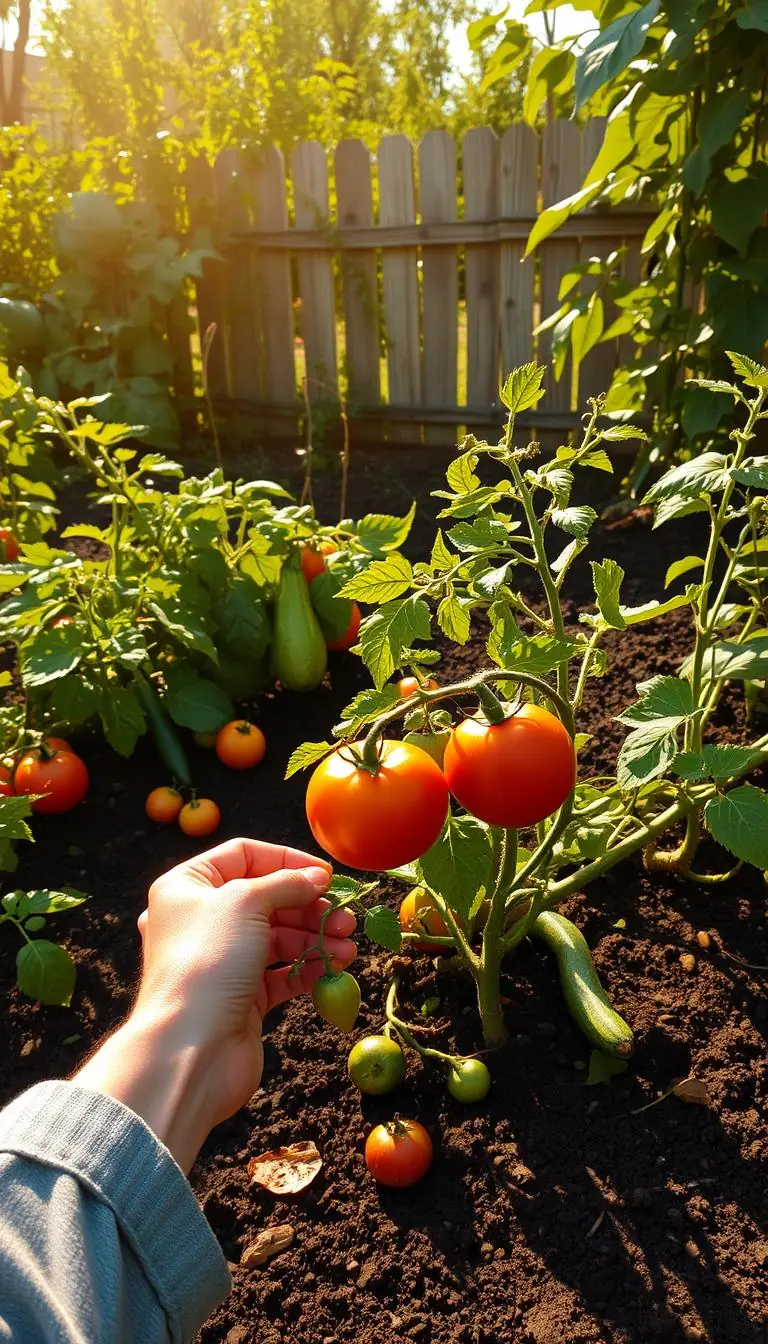
You step outside and notice the warm smell of basil beside a row of ripe tomatoes. That small moment shows how thoughtful planting can turn a yard into a calm, working garden.
Companion planting helps you match herbs and vegetables so they support one another, share space well, and reduce pest trouble naturally.
We’ll guide you through simple combinations — think beans with corn, dill near cucumbers, or tomatoes paired with basil and marigolds. You’ll learn the practice step by step, when to sow each seed in the season, and how much space to leave so roots and leaves breathe.
Expect calm, practical tips: stagger cool- and warm-season crops, use light mulch, and set a small trellis for climbers. By the time you finish, you’ll feel ready to plant with confidence and enjoy a lush, resilient bed that looks and works great.
Key Takeaways
- Pairings like tomatoes with basil help deter pests and boost flavor.
- Legumes such as beans or peas add fertility by fixing nitrogen.
- Flowers like alyssum attract helpful insects that eat aphids.
- Stagger planting times to avoid crowding and overwatering.
- Simple tools—trowel, twine, soil thermometer—make the practice easier.
Start here: a neighborly guide to companion planting for your garden
Begin by walking your yard with a notebook—note warm slopes, shady corners, and beds that bask in morning sun.
Make a simple sun map. Mark where full sun, part shade, and cool pockets appear through the day. Group crops by what they love: full sun for tomatoes and peppers; part shade for lettuce and spinach.
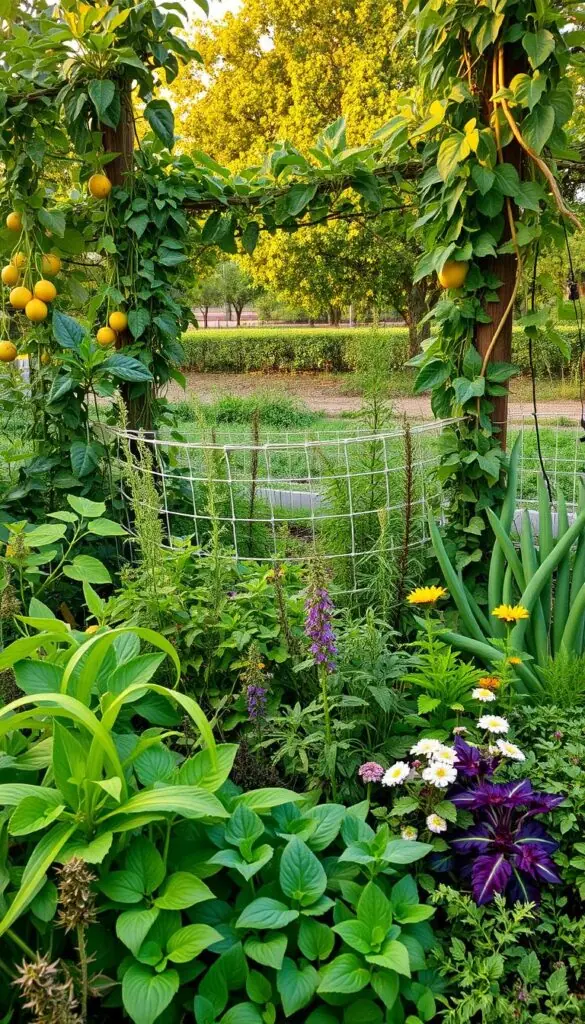
Use space smartly. Tuck early lettuce or basil at the front of a bed and slip in tomatoes or peppers as the season warms. That keeps roots working and cuts weeds.
Think in layers: tall supports like corn, mid-height beans or peppers, and low herbs to hold soil moisture. Legumes such as peas or a bean will add nitrogen and help nearby rows thrive.
- Keep tools handy: a hand trowel for transplants, soft twine for vines, pruners for shaping, and a soil thermometer to time sowing.
- Plant carrots beside onions or chives as a simple example of scent-masking without crowding.
- Water gently at the soil line in the morning and rotate beds each season so cabbage family crops don’t return to the same spot.
This practice is low fuss. With a few small steps and the warm sun on your shoulders, you’ll gain confidence and a bed that looks and grows beautifully.
Companion planting basics, rooted in research
Begin with the basics: clear, research-backed ways a few well-chosen neighbors support each other.
How they help: Your garden defends itself three simple ways.
- Scents mask or repel pests — aromatic herbs and onions confuse beetles and moths.
- Flowers feed helpful insects — sweet alyssum and marigolds attract hoverflies and wasps that eat aphids.
- Visual diversity confuses attackers — mixing heights and colors makes it hard for pests to find one target.

Three Sisters explained
The classic three sisters pairing shows this in action. Corn gives a sturdy pole. A climbing bean uses that pole and adds nitrogen to the soil. Squash spreads low leaves that shade weeds and protect roots.
When charts disagree: trust tested combinations
Studies favor certain mixes. Thyme, onion, and nasturtium lowered worm damage in cabbage trials. Basil and marigolds cut thrips and whiteflies on tomatoes.
"Pick one research-backed companion per bed — like onions with cabbage or basil with tomato — and build from there."
Plan your beds with confidence: space, soil, sun, and simple tools
Find a patch of loose, crumbly soil and picture tall, vining, and low growers working together.
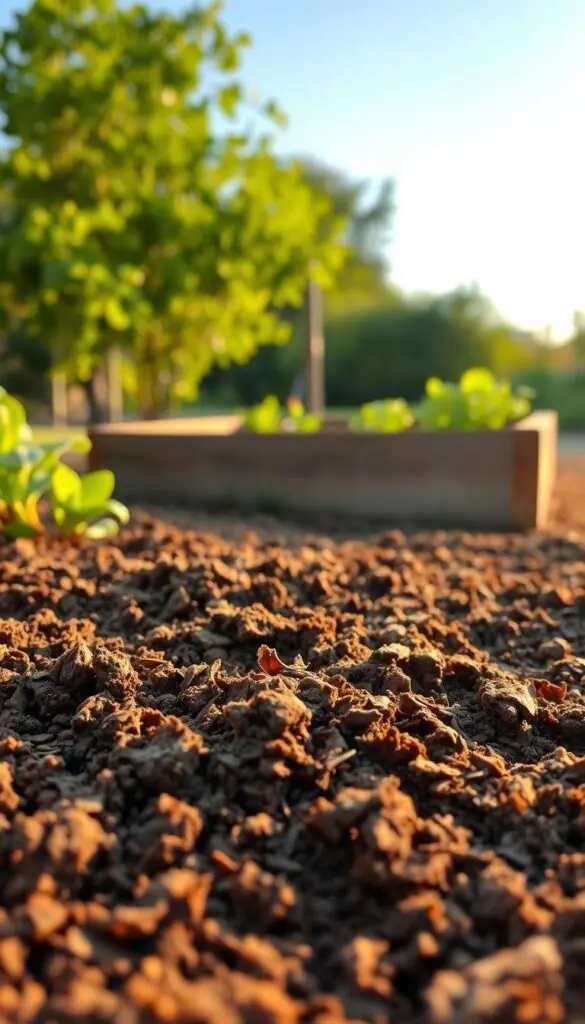
Pick your spot and season
Choose a bed that gets 6–8 hours of sun for summer crops and save partial shade for greens. Feel the soil: loose and crumbly welcomes young roots and quick planting.
Start cool-weather crops first, then slip in warm lovers as the season warms. This keeps living roots in the ground and cuts weeds.
Smart spacing and layers
Place tall supports at the north edge, climbers in the middle, and low groundcover at the front. Give each row room to sway so air can dry leaves and reduce disease.
Soil health in action
Mix root types: taproots like carrots, tubers like potatoes, and deep-rooted tomatoes open and aerate the profile. Add legumes—peas or beans—to quietly add nitrogen.
Handy tools and quick mistakes to avoid
- Tools: hand trowel, soil thermometer, soft twine, sturdy trellis, and mulch.
- Mistakes: avoid overcrowding and shallow, frequent watering. Water deeply so roots chase moisture downward.
- Sensory tip: mulch feels warm and earthy; a cedar trellis gives a pleasant scent while you work.
| Task | When | Tools | Quick Tip |
|---|---|---|---|
| Prepare bed | Early spring | Trowel, rake | Break clods; aim for crumbly soil |
| Layer planting | Stagger through season | Trellis, twine | Tall north, low front for best light |
| Add legumes | At sowing or as cover crop | Seeds, mulch | Beans fix nitrogen for neighbors |
| Watering | Morning, weekly deep | Soaker hose, watering can | Wet soil, not leaves; avoid overwatering |
Proven companion plants you can try now
These easy, tested neighbors will help your crops stay healthier and your mornings calmer.
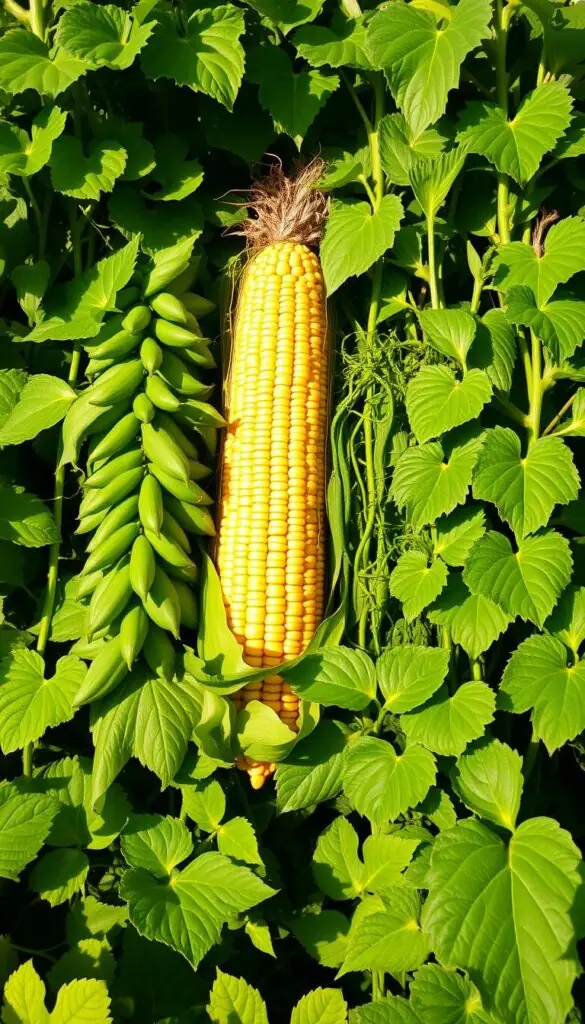
Beans, corn, and squash — the Three Sisters. Plant corn first, then tuck beans at the base so each bean vine can climb the living pole. Sow squash nearby; its wide leaves shade soil and cut weeds. Space corn rows about 18–24 inches apart and leave room for squash to sprawl.
Tomatoes with basil, marigolds, and borage. Surround each tomato with basil for a clove-like scent and marigolds for bright, pest-deterring blooms. Add borage to attract pollinators and parasitic wasps. Give tomatoes 18–24 inches of space; tie vines loosely with soft twine.
Brassicas and allies. Edge cabbage and broccoli beds with thyme and sage, dot nasturtium nearby, and weave in onions or leeks. These scents and colors reduce caterpillar damage and confuse beetles.
Quick hits for other beds
- Cucumbers: pair with dill, add pole beans on a trellis, and plant radishes as a trap for cucumber beetles.
- Carrots: plant beside onions, leeks, chives, or summer savory to repel carrot fly.
- Lettuce: grow under peas or onions and interplant sweet alyssum for aphid control.
- Potatoes: mix in dill, basil, and onions; tuck horseradish at the bed edge to deter Colorado potato beetle.
| Pairing | Benefit | Spacing / Tip | Tool |
|---|---|---|---|
| Three Sisters (corn, beans, squash) | Support, nitrogen, shade | Corn 18–24" rows; beans at base; squash spread | Trellis, soft twine |
| Tomato + basil + marigolds + borage | Pest reduction, pollinators | Tomato 18–24" apart; marigolds at edge | Pruners, mulch |
| Cucumber + dill + pole beans + radish | Fragrance, shared trellis, beetle trap | Vine support; sow radish near base | Stake, soaker hose |
| Cabbage/broccoli + thyme/sage + onions | Fewer caterpillars and beetles | Edge herbs; keep airflow | Hand trowel, mulch |
Season-by-season companion planting: what to plant and when
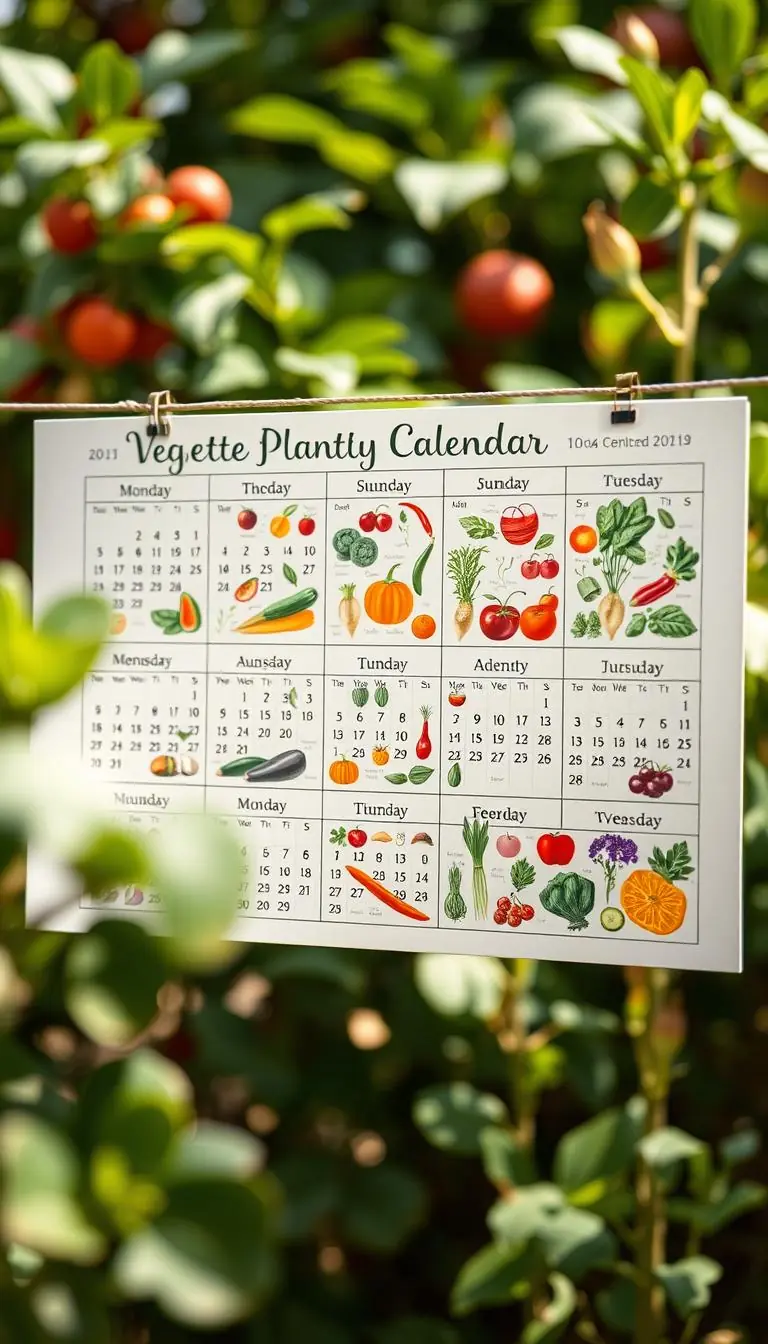
Follow a simple seasonal rhythm to know what to sow, transplant, and rest in each bed.

Early spring
When the cool spring air arrives and the soil feels workable, sow peas with spinach and radishes. These cool crops share space well and give you quick harvests.
Plant lettuce and edge it with alyssum for sweet blooms that help control aphids. Use a soil thermometer to pick the right time and reduce the risk of bolting.
Late spring into early summer
After the soil warms, transplant tomatoes and peppers. Tuck basil and marigolds nearby to lower pest pressure and invite pollinators.
Water at the base to keep foliage dry and avoid disease. Give warm lovers room so crowding does not stress the stems and leaves.
Midsummer care
Interplant buckwheat or dill as quick, nectar-rich fillers. They feed beneficial insects and help keep beetles and other pests in balance.
Sweet corn blocks can be under-sown with a low legume after the last cultivation to add gentle nitrogen as the season moves on.
Fall transitions
As warm beds finish, remove spent vines and sow cool crops like lettuce and peas. Add a legume cover to rest and rebuild the soil for next season.
Stagger sowings every couple of weeks so you always have tender greens while later crops fill in. Mulch beds to hold moisture in summer and protect roots in fall.
- Tool tip: a soil thermometer helps you choose the right time for each sowing.
- Quick tip: stagger plantings to avoid crowding and to keep harvests steady.
Pest-smart gardening: natural defenses from your plant partners
Build a living defense with scent, color, and small sacrificial rows that guide pests away from your edibles.
Repellent and masking scents
Use aromatic borders of rosemary, thyme, and the onion family. Their fresh fragrance masks crop scents and confuses beetles as you walk the bed.
Trap crops you can trust
Plant blue hubbard away from your cucumber and squash rows to draw cucumber beetles and vine borers. Nasturtium works as a soft groundcover that traps squash bugs.
Attracting helpful insects
Thread marigolds, alyssum, buckwheat, or calendula through beds. Their flowers feed hoverflies and tiny wasps that prey on common pests.
Visual diversity
Mix heights, leaf shapes, and colors so beetles and bugs struggle to find one target. A varied canopy also invites beneficial insects into corn and beans.
Simple steps you can take
- Scout weekly; hand-squish small egg clusters.
- Water early and at the soil line to keep leaves dry.
- Use trap rows with intent and remove them when they fill up.
| Strategy | Examples | Quick Benefit |
|---|---|---|
| Masking scents | Rosemary, thyme, onions | Repels or confuses beetles |
| Trap crops | Blue hubbard, nasturtium | Pulls cucumber beetles and squash bugs |
| Flower allies | Marigolds, alyssum, buckwheat | Boosts hoverflies and parasitoid wasps |
Conclusion
A calm glance at your beds will show you where small swaps can bring big health gains.
Start small. Plant a row of basil and marigolds beside tomato, tuck onions near cabbage, or set dill and radish by cucumber. These simple moves invite balance, pollinators, and fewer bugs.
Lean on the Three Sisters: corn provides a pole, beans and pole beans fix nitrogen, and squash shades soil and slows weeds. Add blue hubbard as a trap if cucumber beetles appear and handpick pests in cool mornings.
Over the season your soil, crops, and health will improve as roots knit the bed together. Enjoy the rustle of leaves and the promise of a ripe tomato—one gentle swap at a time.
Next step:pick one tested pairing this week and try it in a small bed. Your garden will thank you with steadier growth and more joy.
FAQ
What is companion planting and why try it in my garden?
Companion planting is the practice of growing different crops near one another to improve growth, deter pests, and make better use of space and soil. When you pair complementary crops — like beans that fix nitrogen with corn that uses it — you can create a more resilient, productive bed with fewer chemical inputs.
How do I start planning beds with limited space and sun?
Begin by mapping sunlight and noting soil type. Place tall or vining crops where they won’t shade smaller ones unless that shade is helpful (lettuce under tomatoes, for example). Use vertical supports for pole beans and cucumbers, and interplant shallow-rooted crops with deeper-rooted ones to share a bed efficiently.
What are the Three Sisters and how do they work together?
The Three Sisters are corn, beans, and squash. Corn provides a natural trellis for pole beans. Beans fix nitrogen in the soil, benefiting the corn and squash. Squash spreads low and shades the soil, reducing weeds and conserving moisture — a simple, time-tested polyculture.
Which combinations actually have research backing them?
Evidence supports mixes that improve pollination, biological pest control, and soil health. Examples include legumes near heavy feeders for nitrogen, nectar-rich flowers like alyssum and buckwheat to attract beneficial insects, and aromatic herbs (thyme, rosemary, onion family) that can mask host scents for pests.
Can I use companion strategies to reduce insect problems?
Yes. Repellent-scented herbs and alliums can deter many pests, while trap crops (nasturtium for aphids and some beetles, blue hubbard-type squash for specific cucurbit pests) draw pests away from main crops. Also plant flowers like calendula and buckwheat to attract predators and parasitoids.
What are some easy, proven pairings I can try this season?
Try tomatoes with basil and marigolds to boost flavor and cut pest pressure. Plant carrots with onions or chives to reduce carrot fly damage. Grow cucumbers with dill and pole beans for shared trellis use and pollinator support. Potatoes do well with dill, onions, and horseradish nearby.
How should I space and layer crops in a bed for best results?
Use a layered approach: tall (sunflowers, corn) at the back or center, vining crops on trellises, and low groundcovers or spreaders (squash, nasturtium) to shade soil. Keep proper plant spacing for air circulation to prevent disease and reduce competition for water and nutrients.
Which tools and materials make companion planting easier?
A good trowel, soil thermometer, row markers, twine, stakes or trellis, and mulch are handy. Mulch conserves moisture and suppresses weeds, while trellises free ground space and improve airflow around plants.
When should I plant specific pairings through the seasons?
Early spring is great for peas with spinach and radishes, plus lettuce with alyssum. Late spring into early summer suits tomatoes, peppers, basil, and marigolds. In midsummer interplant buckwheat or dill to feed beneficial insects. In fall, sow cool-season mixes and add legumes to refresh soil nitrogen.
Are there pairings I should avoid?
Yes. Avoid planting heavy feeders together (two large squash varieties, or corn with another nitrogen-hog) and keep brassicas away from fennel. Potatoes and tomatoes share pests like Colorado potato beetle and should be separated or monitored closely.
How do I use trap crops effectively without inviting more pests?
Plant trap crops at the edge of beds to lure pests away from your main crop. Monitor them and remove or treat heavily infested trap plants before pests spread. Regular inspection and timely removal convert a potential hotspot into a protection tool.
Can companion strategies improve soil health over time?
Absolutely. Rotating legumes into beds adds nitrogen, while mixing root depths helps break up soil and improve structure. Adding cover crops like buckwheat or clover in fall or off-seasons feeds beneficial microbes and protects soil from erosion.
How do I attract beneficial insects that control pests?
Plant a mix of bloom times with flowers such as alyssum, calendula, and buckwheat. Herbs like dill and borage also provide nectar for hoverflies, parasitic wasps, and native bees. Provide water, shelter, and some bare ground or undisturbed borders for nesting.
What practical tips help maintain a pest-smart, thriving bed?
Keep beds diverse, rotate crops each year, monitor for early signs of pests, and use physical barriers when needed. Feed soil with compost, practice proper spacing for airflow, and interplant flowers and herbs to support predators and pollinators.