Imagine brushing past a pot of sun-warmed basil and the scent lifting your morning. Do you dream of glossy cherry tomatoes by the kitchen door or crisp lettuce ready for tonight’s salad? If you have a balcony, porch, or a sunny step, you can make that happen with a few simple steps.
We’ll show you easy container gardening ideas that fit busy lives. With larger pots like 5-gallon sizes for tomatoes, a richer soilless mix, steady water, and a few supports, your plants will thrive.
This approach gives you mobility to chase sun, fewer weeds, and cleaner harvests. You’ll learn what to plant where, how much sun each crop needs, and small routines that save time—tools you likely already own, like a hand trowel and a lightweight hose.
By the end of this guide you’ll feel confident turning tight sunlit corners into a tidy, productive garden that fits your home and your schedule.
Key Takeaways
- You can grow real food in small spaces with the right pots and a rich soilless mix.
- Choose larger containers for deep-rooting crops and match sun exposure to plant needs.
- Regular, simple watering and light feeding keep flavors bright and plants healthy.
- Mobile containers reduce weeds and let you chase morning sun or avoid wind.
- Small daily routines and basic tools make gardening calm, quick, and rewarding.
Why container gardening works for small-space, bountiful harvests
Even tiny outdoor spots can deliver big harvests when you arrange pots with purpose. You get flexibility: slide pots to follow sun, tuck them near a hose, or group them for shelter. These small moves make care simple and yields larger.
Cleaner picks and fewer weeds mean quicker meals. With your own soil mix, you avoid poor soil and competing tree roots. Lettuce and herbs stay grit-free and easy to harvest.
Warm surfaces create tiny microclimates. A sun-warmed terracotta near a south wall speeds growth and fills the air with fragrant pepper leaves. Peppers and tomatoes often ripen earlier on a heated patio.
Watch the flip side: pots can dry quickly and may tip in wind. Deep morning watering, light afternoon checks in summer, and grouping or securing top-heavy pots will cut mistakes.
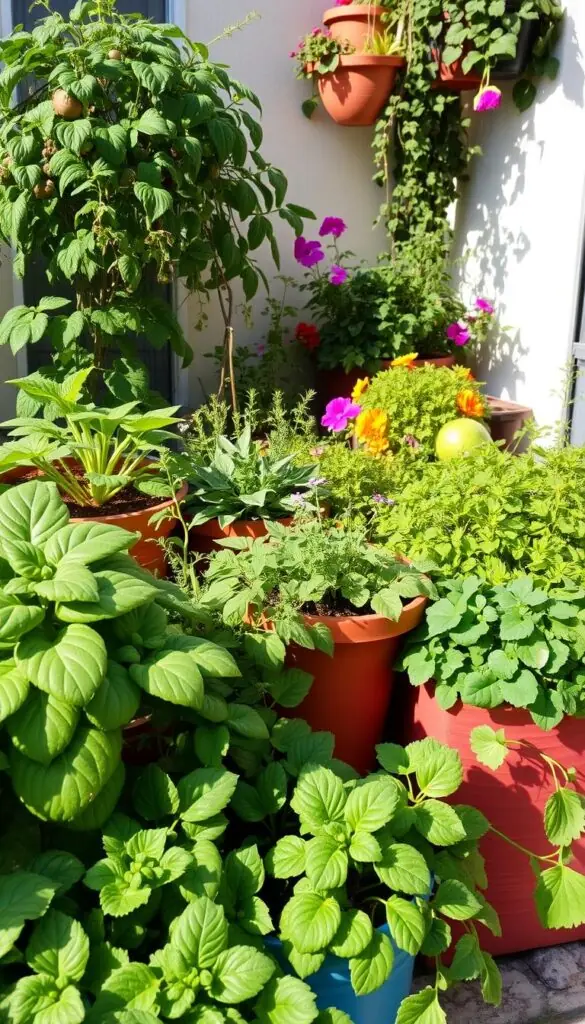
Quick comparison for sun and care
| Crop | Sun (hrs) | Tip |
|---|---|---|
| Tomatoes | 6–8 | Use southern/western sun; secure stakes |
| Peppers | 6–8 | Warm surface helps; watch for dry quickly spots |
| Lettuce | 3–5 | Choose cooler eastern light; keep evenly moist |
Choose the right sunny, sheltered spot before you buy pots
Find the best place first, then buy pots that fit that light and shelter. A quick site check saves time and keeps your plants thriving. Use simple tools and a little observation to match plants to place.
Sunlight targets: 6–8 hours for fruiting crops; 3–5 for greens
Map sunlight with your phone compass and note direct sun hours for a full day. Aim for 6–8 hours of sun for tomatoes and peppers and 3–5 hours for lettuce and other greens. A south-facing balcony will warm early and suit tomatoes; an east-facing window is perfect for morning light and tender greens.
Wind, warmth, and water access: practical placement tips
Count hours and watch wind funnels between buildings. Group containers to block drafts, use railings as windbreaks, and pick low, wide pots for stability. Place pots within hose reach or keep a watering can by the door so daily water becomes a quick habit. Use a lightweight cart to move heavy pots when needed.
Balconies, patios, and window ledges: safety and weight checks
Measure usable space so you don’t block walkways. Check balcony weight limits and favor lighter fabric or plastic pots when needed. Add pot feet and saucers to protect decking and catch drips. These small checks keep your home safe and your plants happier.
Containers and pots: sizes, drainage, and materials that set you up for success
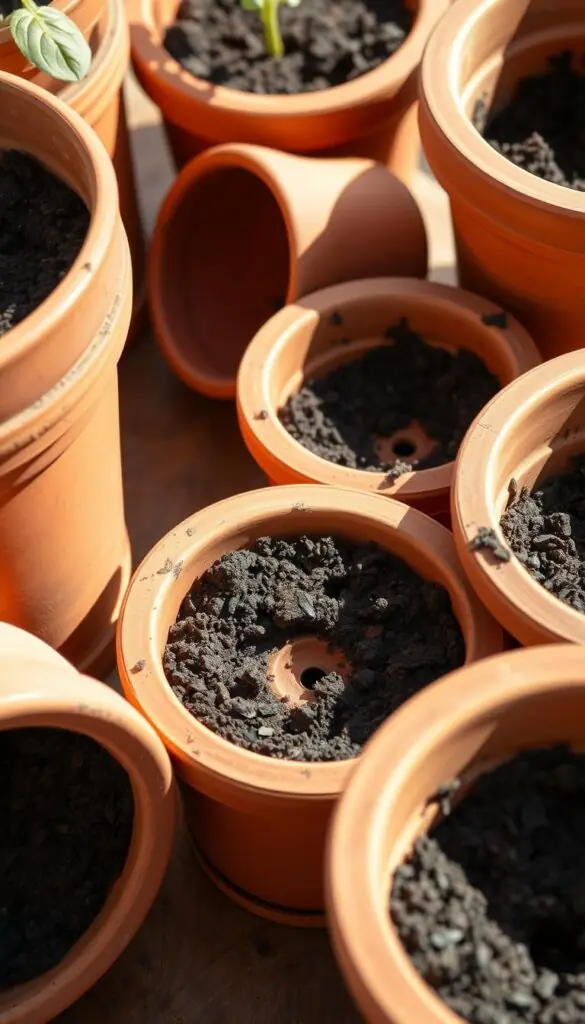
Start by matching pot size to root depth so plants get off to a strong start. The right pot makes watering, feeding, and harvests simpler.
Minimum pot sizes by crop
| Crop | Min size | Notes |
|---|---|---|
| Tomato / eggplant | 5‑gallon (12" dia, 18–24" deep) | Deep roots, use sturdy support |
| Peppers | 3‑gallon | Warm, steady moisture |
| Beans | 2‑gallon (8–9" wide) | Compact bush types do well |
| Lettuce | 1‑gallon | Shallow roots, frequent top‑ups |
| Carrots | 12–18" deep | Long root space required |
Drainage done right
Hole count and size matter. Small pots (4–6" dia) need 3–6 holes at 1/4" each. Larger pots should have 6–8 holes at 1/4" to avoid soggy soil and stressed roots.
Material pros and cons
Plastic is light and holds moisture—choose food‑grade for edibles. Glazed ceramic keeps water but adds weight. Fabric breathes and trains roots but dries faster. Unglazed clay wicks moisture and can crack in cold.
Mobility and balcony safety
Use dollies with locking wheels and wide saucers to protect flooring. Pick lighter pots or add bottom support if your railing has weight limits. Label each pot with variety and date to track what works best.
The best soil mix for vegetables in containers
Choose a soilless mix that holds moisture, drains freely, and feeds hungry roots. Good mix gives your plants fluffy aeration and steady moisture so roots stay healthy. Avoid using poor soil from the yard; it compacts and brings pests.
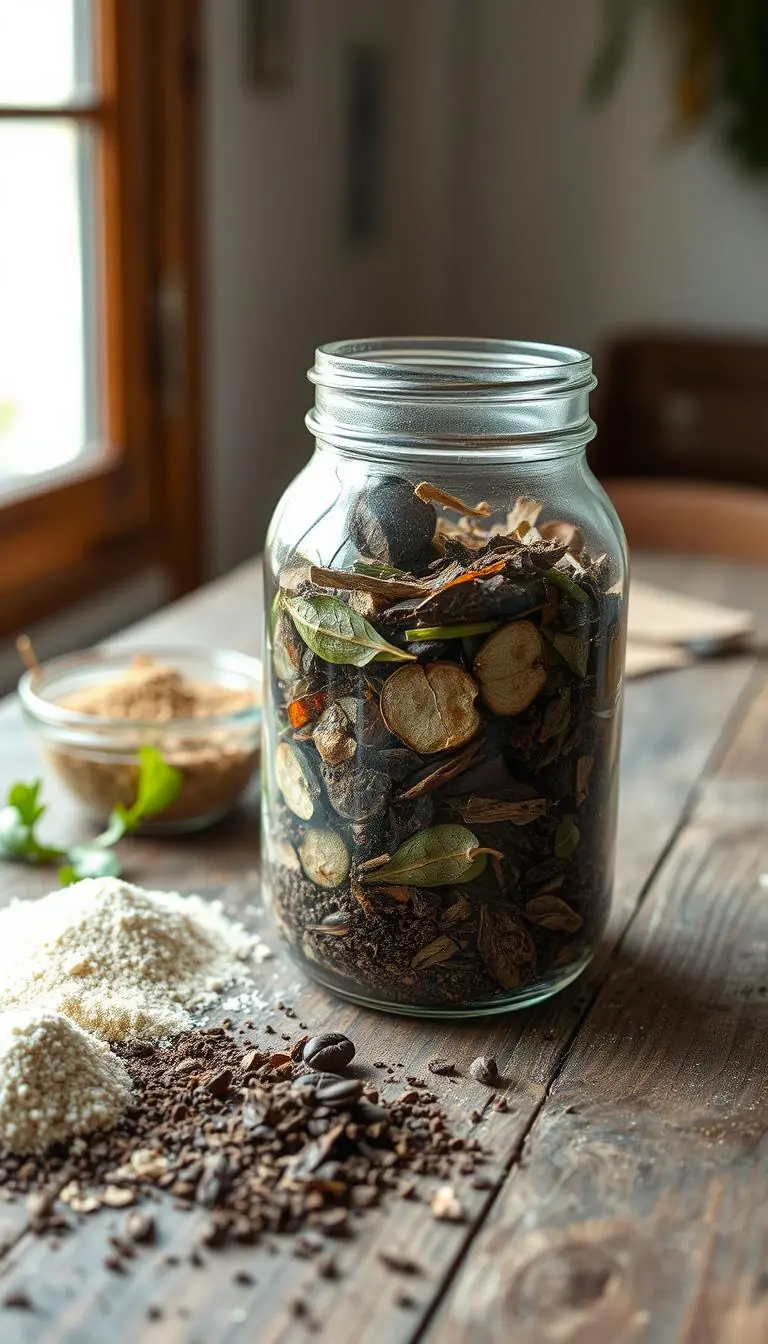
Use a soilless blend: peat or coir, perlite, vermiculite, and compost
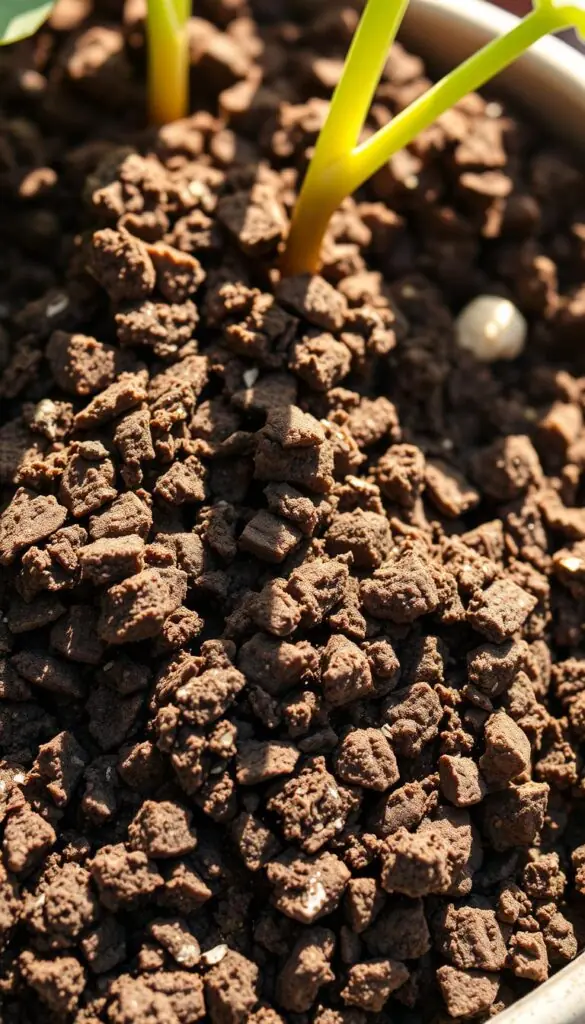
Fill containers with a fresh, soilless soil mix—not garden soil. Aim for a blend that holds water yet lets excess drain. Typical ingredients are coco coir or peat, perlite or vermiculite, and plenty of compost for food and microbes.
Easy DIY mix and safe amendments
Try this simple DIY ratio: about 50% compost, 25% coco coir, 25% perlite or vermiculite. Add a slow‑release organic fertilizer at planting—pelleted blends or an all‑purpose organic mix work well.
If you like organic boosts, mix in bone meal or blood meal sparingly, or use fish emulsion as a follow-up feed. Choose peat‑free ingredients when possible for a more sustainable mix.
Filling tips: skip crocks, firm gently, top with grit, and use saucers
Do not use crocks in the bottom; they can create a perched water table and soggy soil. If you worry about mix loss through drain holes, tuck in a folded newspaper layer instead.
Gently firm the fill—just enough to remove big air pockets—and leave about an inch at the top for watering. Finish with a thin mulch of fine gravel or grit to reduce splash and deter gnats.
Place saucers under plastic or clay pots to catch excess water. Empty saucers after heavy watering so the bottom of the mix does not stay waterlogged.
Best vegetables and varieties for containers (plus exact pot depths)
Knowing which plants suit shallow bowls or deep pots makes harvests simpler and sweeter.
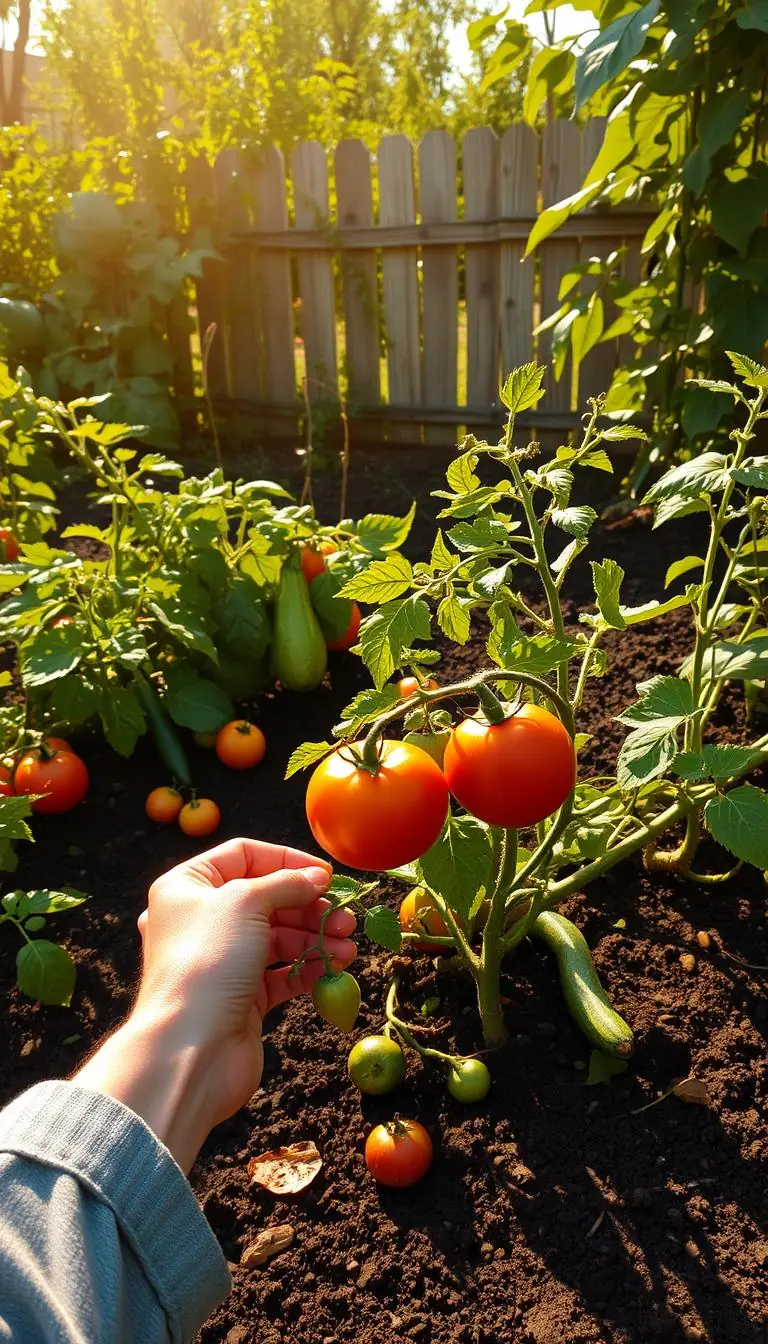
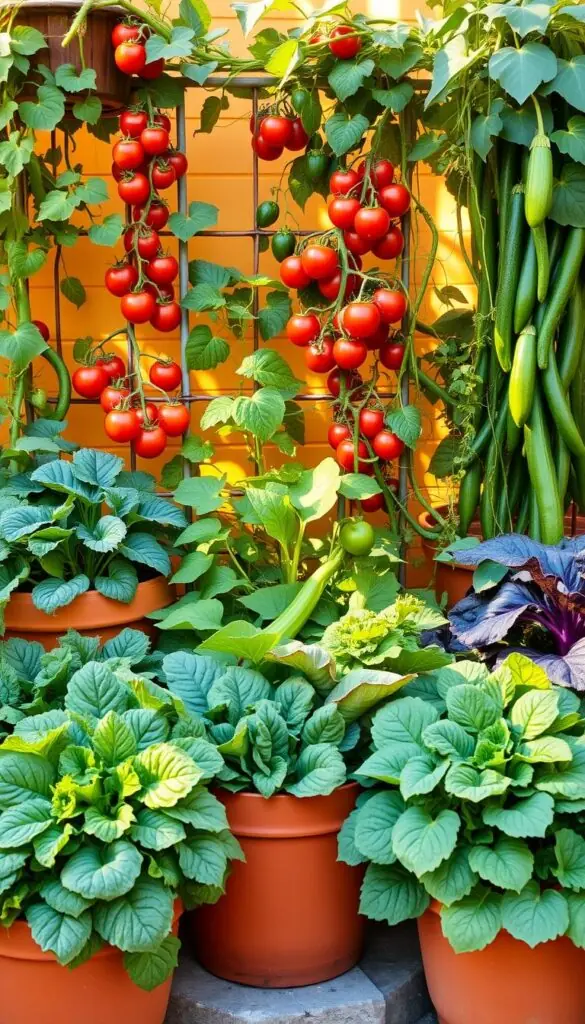
Fruiting favorites: Choose compact, determinate or dwarf tomato varieties like Tiny Tim or Early Girl in a 5-gallon pot (12" diameter, 18–24" deep) for one plant. Tomatoes reward you with fragrant, sun-warmed fruit when you stake or cage at planting.
Peppers and eggplant do well in 3–5 gallon pots—one plant per pot. Expect glossy, richly flavored fruit with steady feeding and warm sun.
Cucumbers (try Spacemaster) fit two plants in a 5-gallon pot if you add a small trellis and train vines early to keep fruit straight.
Leafy winners and roots
For lettuces tuck 3–4 plants into a 1-gallon pot (6–8" deep) for cut-and-come-again salads. Mix kale, Swiss chard, or spinach for texture and color.
Root crops need depth: Paris Market carrots do fine in 12" pots, while longer carrots prefer 18". Radishes fit in 6–8" pots and give a quick, crunchy harvest. Onions and beets want 12–18" of soil.
Climbers and space-saving picks
Beans shine in 2-gallon pots (8–9" wide): bush types are compact, pole beans climb a trellis and save floor space. Peas and Malabar spinach make great vertical screens.
- One tomato or eggplant per pot; two cucumbers per 5-gallon.
- Handy varieties: Tiny Tim, Early Girl, Spacemaster, Paris Market.
- Keep soil evenly moist, feed regularly, and add simple supports for climbers.
Designing your container vegetable garden for beauty and productivity
Mixing fast and slow crops gives you steady snacks and full-season payoff from the same pots.
Start by grouping plants with similar sun and water needs. This keeps care simple and growth even. Aim for sunny combos and a few shadier pockets for cool greens.
Mix quick and slow crops
Pair quick growers with slower ones. Sow radishes and baby lettuce around a young tomato. Harvest the quick crops before the tomato fills the pot.
Sensory appeal: colors, textures, and scent
Create a small tapestry of texture and color: frilled kale, rainbow chard stems, and purple basil. Tuck herbs near a kitchen window so scent greets you when you harvest.
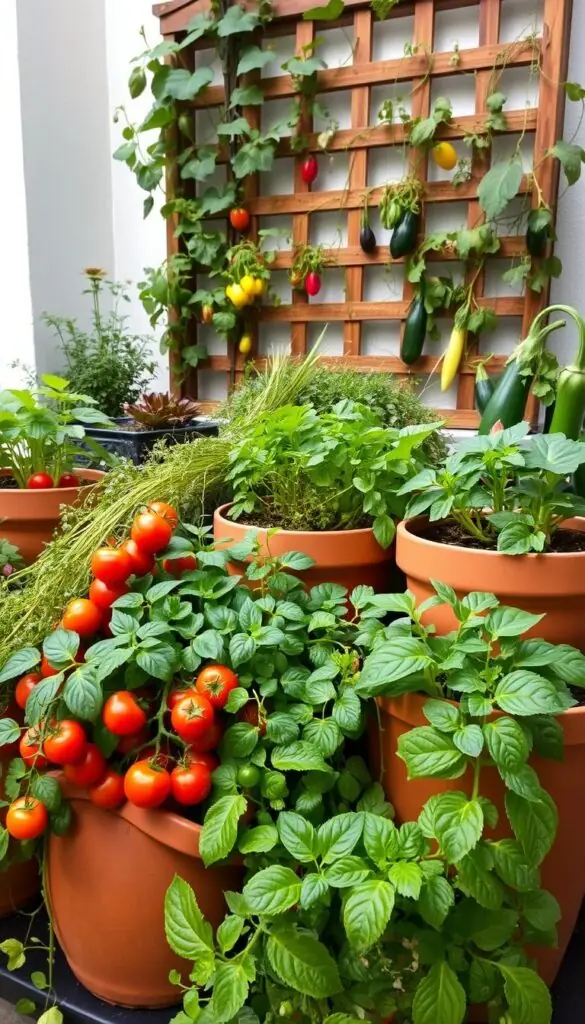
- Try combos: tomato‑basil‑onion; peas‑carrots; cucumbers‑bush beans‑beets.
- Use height for form and function: trellised pole beans add privacy; low lettuce softens the base.
- Cluster three pots (tall, medium, low) and repeat colors for a cohesive look.
Keep soil health in mind. Mix only plants that share light and water needs to avoid extra work and uneven growth.
Watering containers the neighborly, no-stress way
Start your day with a calm watering loop and your plants will thank you all afternoon. Water in the morning so leaves dry before evening and disease risks fall. A deep soak gives roots a full reserve for midday heat.
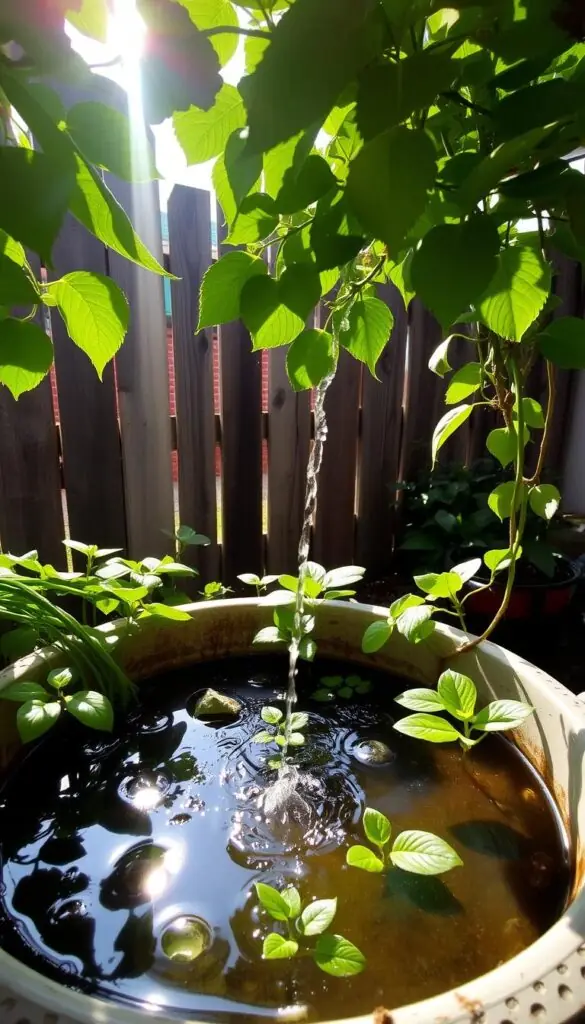
Morning deep-watering routine and bottom watering steps
Morning habit: Walk each pot, water until moisture runs out the bottom, then move on. That steady amount carries plants through the hottest hours.
Bottom watering: Set the pot in a tray of water and let soil wick up. When absorption slows, dump the tray so roots don’t stay soggy.
How often? Match water to pot size, sun, and wind
Small pots and fabric pots dry quickly and may need daily attention in summer sun and wind. Large plastic pots hold moisture longer and need less frequent watering.
Check soil a knuckle deep: if it’s dry, water. In peak summer you might water twice a day for tiny pots.
Avoid shallow sips; consider double-potting for moisture buffering
Avoid quick, shallow sips that train weak roots. Deep, infrequent drinks encourage stronger root systems and more resilient plants.
Try double-potting: place a plastic inner pot inside a decorative sleeve with damp moss or a layer of newspaper between. That layer buffers moisture and slows drying. Peek into the gap occasionally for pests.
"Make watering a calm morning habit: soak each pot until water drains from the bottom, then move on."
Feeding your container plants for steady growth and flavor
Feed your plants gently and on a rhythm you can keep — that steady care makes flavors pop.
Start at planting. Mix a slow‑release organic fertilizer into fresh soil so young roots find a steady food source. You can also top‑dress with pellets if you prefer not to mix at planting.
While plants are actively growing and fruiting, give a liquid feed every two weeks. Regular waterings wash nutrients from small containers, so a twice‑monthly feed fills that gap.
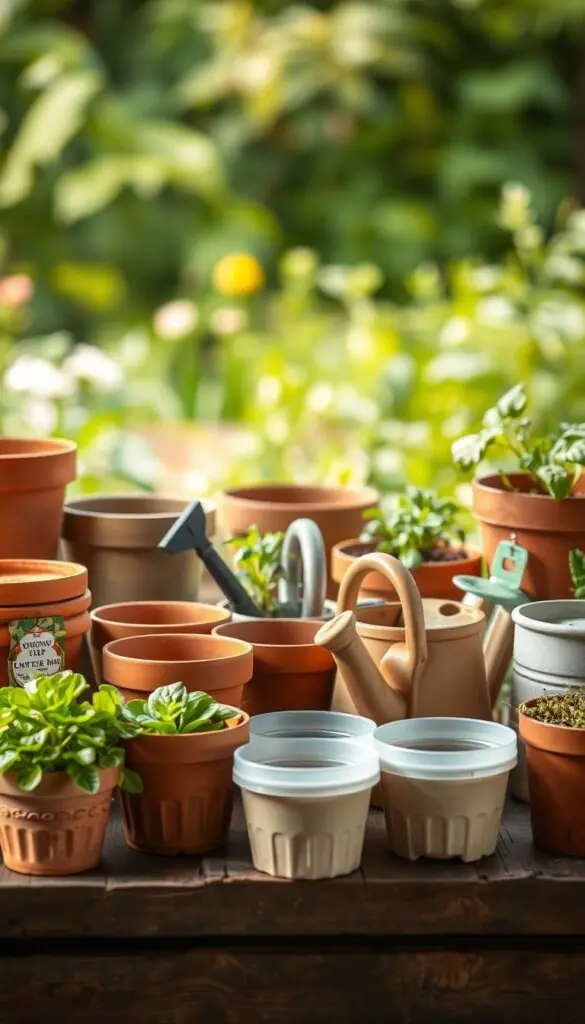
Organic boosters and a simple plan
- Use fish emulsion or liquid seaweed as your biweekly feed for trace minerals and brighter flavor.
- Top off the soil midseason with a thin layer of compost to refresh microbes and structure.
- Feed on the same day every other week—set a calendar reminder to keep it easy.
If leaves turn pale or growth slows, add one extra gentle feed and check that you’re watering deeply. Both food and water work together to keep your vegetable plants lush all season.
"A calm, regular feeding routine is the easiest way to steady growth and lift flavor."
Support and vertical solutions for small spaces
Give your vines upward paths now so roots stay safe and stems grow straight. Install supports when you plant to avoid disturbing roots later. Early placement helps young plants settle and climb without damage.
Easy options that work well in tight spots:
- Build a bamboo teepee for beans or peas and tie with twine.
- Set a tomato cage into the pot at planting for neat, wind‑resistant growth.
- Stretch nylon mesh for cucumbers so fruits hang straight and stay clean.
- Use a sturdy stake and fasten stems loosely as they grow.
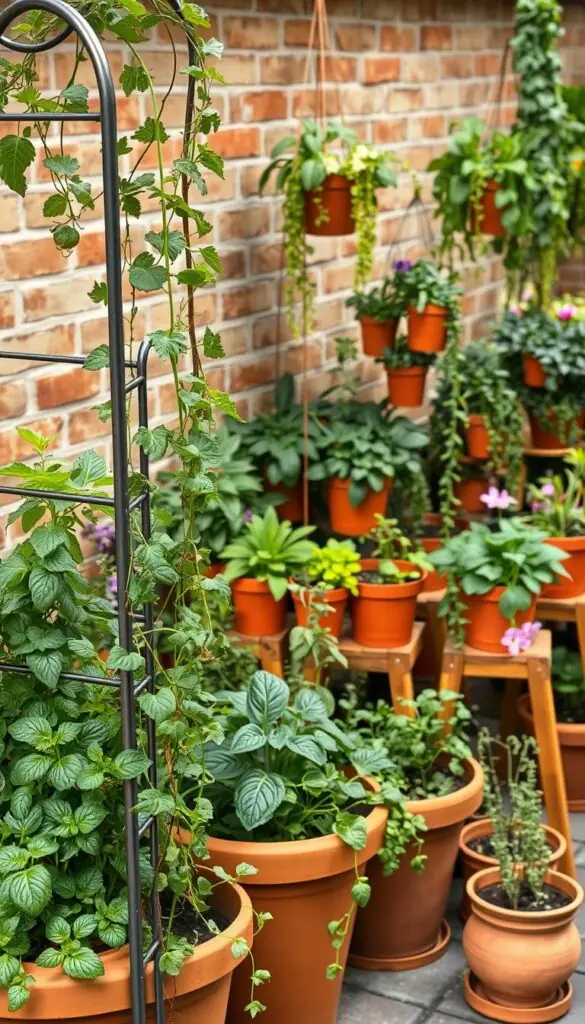
Why vertical matters
Growing up saves floor space and improves air flow. Vertical accents also add privacy and soften railings. A green screen of vines can hide a view and make your area feel lush.
| Support | Best for | Benefit |
|---|---|---|
| Bamboo teepee | Beans, peas | Simple, natural, easy to tie |
| Tomato cage | Tomatoes, determinate types | Protects stems and keeps fruit off soil |
| Nylon mesh | Cucumbers, climbing squash | Keeps fruit straight and clean |
| Single stake + twine | Peppers, indeterminate tomato | Space-saving and stable in wind |
"Set supports the same day you plant to protect roots and keep your layout neat."
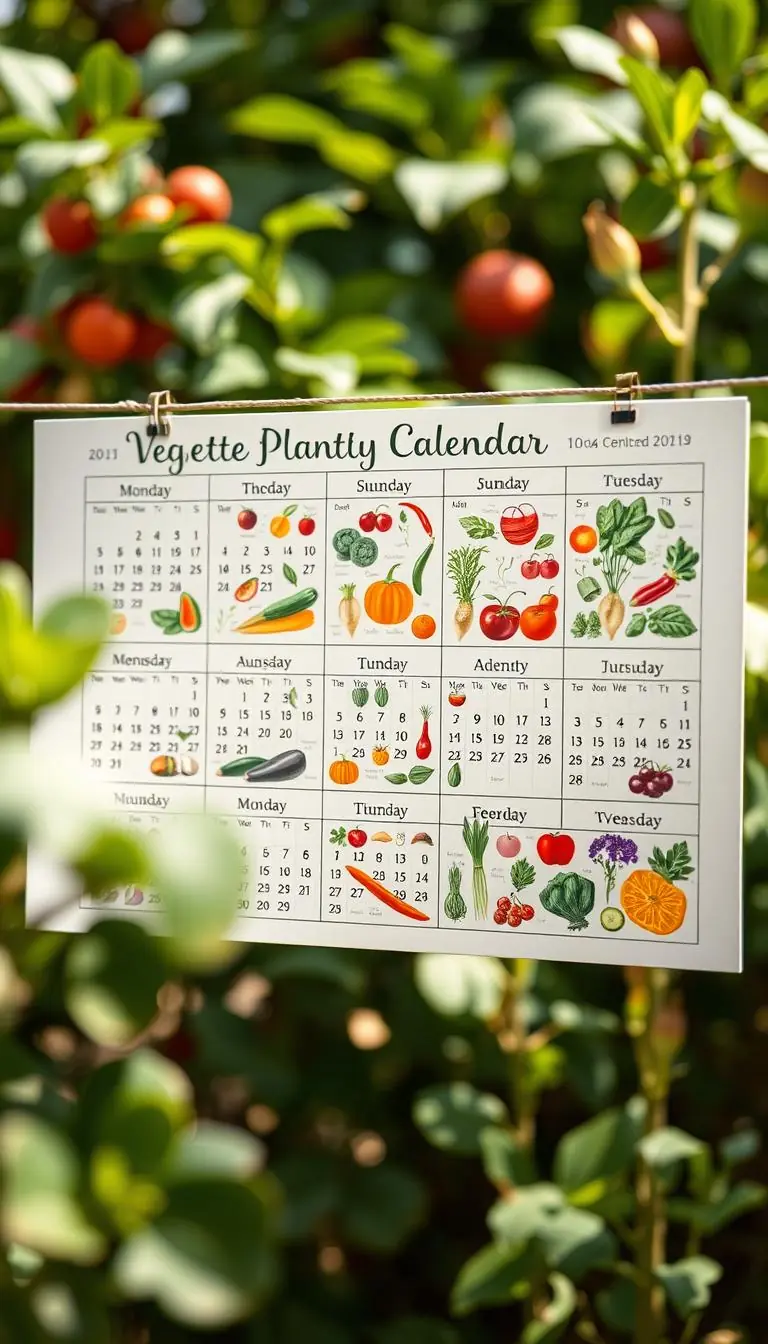
container vegetable garden seasonal timeline for the United States
A month-by-month plan helps you match plant needs to changing sun, heat, and chill.
Spring setup: potting mix, cool-season greens, and early protection
Late winter to early spring, refresh your potting mix and start cool-hardy greens like spinach and lettuce. Sow peas in early cool soil where frost risk is low.
Keep a lightweight row cover or cloche ready for surprise frosts. Harden off seedlings by giving them morning sun for several days before full exposure.
Summer rhythm: tomatoes and beans, frequent watering, and feeding
By late spring into summer, place tomatoes, beans, cucumbers, and peppers in the sunniest spots. They need about 6–8 hours of full sunlight.
Water deeply in the morning; small containers may need a top-up midday or early evening on very hot days. Feed every two weeks to replace lost nutrients.
Use stakes, cages, or trellis systems early and tie stems with soft twine to protect vines as they grow.
Fall refresh: swap in cool crops, protect roots, and tidy containers
After summer harvests, clear spent plants and slide in kale, radishes, beets, and late lettuces. Mulch lightly to shield roots from cooling nights.
Shorter days mean slower drying. Reduce the amount and frequency of watering to avoid soggy soil, especially in glazed or plastic pots that hold moisture longer.
After first hard frost, empty and clean fabric or plastic containers you won’t reuse, and store fragile items indoors.
| Season | Months (approx.) | Key tasks | Good examples |
|---|---|---|---|
| Spring | Mar–May (varies by USDA zone) | Refresh mix, sow cool greens, protect from frost | Spinach, peas, lettuce |
| Summer | Jun–Aug | Full sun crops, deep morning watering, feed biweekly | Tomatoes, beans, cucumbers |
| Fall | Sep–Nov | Swap to cool crops, mulch, reduce water | Kale, radishes, beets |
"Match your timing to local frost dates (USDA zones) and adjust covers and watering by day-to-day weather."
Troubleshooting common container gardening issues
Small problems happen to every grower; quick fixes get your pots back to happy and productive.
Drying out and water stress
If pots dry too fast, move them out of harsh wind or into late-afternoon shade. Grouping containers close together creates a microclimate that slows drying.
Quick fixes: add a thin gravel or mulch layer, upsize to a deeper pot, or swap to plastic or glazed pots to hold more moisture.
Top-heavy tipping and instability
Tall plants can tip in gusts. Anchor cages or stakes at planting and place heavy pots near a wall or railing.
Tip: use a wider base or add weight to the pot’s bottom for steady support.
Poor drainage and soggy soil
Poor drainage stresses roots. Drill extra 1/4" holes—6–8 for larger pots—and elevate the pot slightly so water escapes freely.
Tool: a garden drill bit and pot feet fix this fast.
Nutrient washout and pale leaves
Frequent watering can leach food. If leaves pale or growth slows, feed with a gentle liquid fertilizer and ensure you water deeply rather than just wetting the surface.
| Problem | Likely cause | Fast remedy |
|---|---|---|
| Soil dries quickly | Small pot, wind, sun | Move to shelter, mulch, larger pot |
| Pot tips over | Top-heavy plant, narrow base | Anchor support, heavier base, tie to railing |
| Water pools | Too few drain holes | Add 1/4" holes, elevate pot |
| Pale leaves | Nutrient loss from heavy watering | Give liquid feed, check deep watering |
"Catch small issues early with a weekly check—feel the soil, test root health if repotting, and tighten ties."
Weekly checklist: feel the soil, glance at roots when repotting, tighten ties, and refresh labels so you stay ahead. These small habits keep your plants confident and thriving.
Conclusion
Start small and savor the ritual. One sturdy pot, fresh soil, and a short morning check make a big difference. You’ll find the slow pleasures of sun‑warmed leaves and ripe fruit within reach.
You’re ready to grow more in less space: pick a favorite to eat, tuck it into a good pot, and keep a gentle routine. With simple supports and twice‑monthly feeding, your pots and plants will repay your care all season.
Place one pot by the door today. Share a sprig with a neighbor and enjoy the way fresh food and calm rituals brighten your home.
FAQ
What makes container gardening a smart choice for small spaces?
Growing in pots lets you turn patios, balconies, and window ledges into productive food spots. You get more control over soil, sun exposure, and water, which means fewer weeds, cleaner harvests, and the flexibility to move plants to follow warmth or shade.
How much sun do my potted plants need?
Aim for 6–8 hours of direct sun for fruiting crops like tomatoes and peppers, and 3–5 hours for leafy greens. Position pots where they receive the right light each day and rotate them if one side gets shaded.
What size pots do I need for common crops?
Use at least 5 gallons for most tomatoes and large peppers, 3–5 gallons for bush beans and small eggplants, 2–3 gallons for lettuces and herbs, and deep, narrow containers for carrots and beets. Bigger reserves give roots space and reduce watering frequency.
How do I ensure good drainage in pots?
Provide several drainage holes about 1/4 inch in diameter. Use a loose, well-draining soilless mix with perlite or vermiculite, and avoid blocking holes with dense potscrapers. Elevate pots slightly so water can escape into saucers or drain away.
Which pot materials work best on balconies?
Plastic and glazed ceramic hold moisture well and are lighter when empty. Fabric grow bags breathe and reduce root rot risk. Clay dries faster and may need more frequent watering. Consider weight limits and use pot feet or trays to protect surfaces.
What’s the best soil mix for potted crops?
Choose a soilless blend of peat or coconut coir, perlite, and compost. This gives structure, aeration, and nutrients without heavy garden soil. Amend with slow-release fertilizer or add organic compost for steady feeding.
How often should I water during summer?
Water deeply in the morning, then check daily in hot, windy weather. Large pots may need watering every 2–3 days; small pots often need it daily. Feel the top inch: if it’s dry, water thoroughly until excess drains.
Can I bottom-water my plants?
Yes. Place pots in a shallow tray of water for 15–30 minutes so roots wick moisture up. This reduces splashing and helps seedlings, but still finish with a top wetting occasionally to flush salts from the surface.
How do I feed plants in pots for good flavor and steady growth?
Start with a slow-release fertilizer at planting, then use a balanced liquid feed every two weeks during the growing season. Organic options like fish emulsion or liquid seaweed add nutrients and boost soil life.
Which varieties work best for tight spaces?
Choose determinate or dwarf tomatoes like ‘Tiny Tim’ and compact peppers or beans labeled bush or patio types. Look for varieties bred for containers and short pot depths to maximize yield in limited space.
How can I support vining plants without taking up floor space?
Use trellises, cages, or vertical frames attached at planting time. Train vines upward with soft twine and prune to keep growth manageable. Vertical growing saves room and improves air circulation, reducing disease risk.
What common problems should I watch for in pots?
Watch for rapid drying, top-heavy tipping, poor drainage, and nutrient washout. Prevent these by using appropriate pot sizes, steady feeding, saucers or trays, and stable supports for tall plants.
When should I switch crops for the season?
In spring, start cool-season greens and establish potting mix early. Move to heat lovers like tomatoes and beans in late spring or after the last frost. In fall, swap in cool crops and protect roots as temperatures drop.
Any tips for arranging pots for beauty and productivity?
Group plants with similar sun and water needs. Mix fast-harvest greens with slow-growing fruiters to fill gaps. Add fragrant herbs or flowering edibles for color, texture, and sensory appeal in small spaces.