You step outside and the garden smells warm and green, a basket ready at your feet. Do you ever pause and wonder which plants are truly at their peak right now?
In this gentle guide you’ll learn simple cues to pick ripe produce with confidence. We keep things calm and practical so you can notice color, touch, and scent without fuss.
August is the sweet point of the season: mornings are cool, afternoons still bright, and your crops reward gentle, frequent picking.
We’ll walk crop by crop—how ripeness looks and feels, the best time to cut or snip, and easy ways to enjoy what you gather the same day.
Expect short routines that make a big difference: morning harvests, quick chilling for corn, keeping tomatoes at room temperature, and wrapping cucumbers for storage. With these small habits, late summer yields taste at their best.
Key Takeaways
- Look for clear ripeness cues—color, scent, a soft give, or a low thud—to pick with confidence.
- Harvest in the morning when possible and handle produce gently to preserve flavor.
- Use simple storage: room-temperature tomatoes, chilled corn, and wrapped cucumbers for freshness.
- Small, calm routines keep your garden productive and reduce waste.
- This guide offers quick, friendly tips to enjoy peak flavor in late summer.
- We’ll cover each crop’s signs and easy uses so you can taste the best of your garden, now.
August at a glance: your calm plan for a peak summer harvest
Think of August as a steady pulse: a quick garden walk each morning, a deep drink at the roots, and a gentle pick before the heat builds.
Keep the routine short and steady. Warm-season crops love hot weather once frost is gone, but they respond best to consistent moisture and predictable care.
Mulch around plants to hold soil moisture and cool root temperature. That saves you time and shrinks the weeding chore for the coming months.
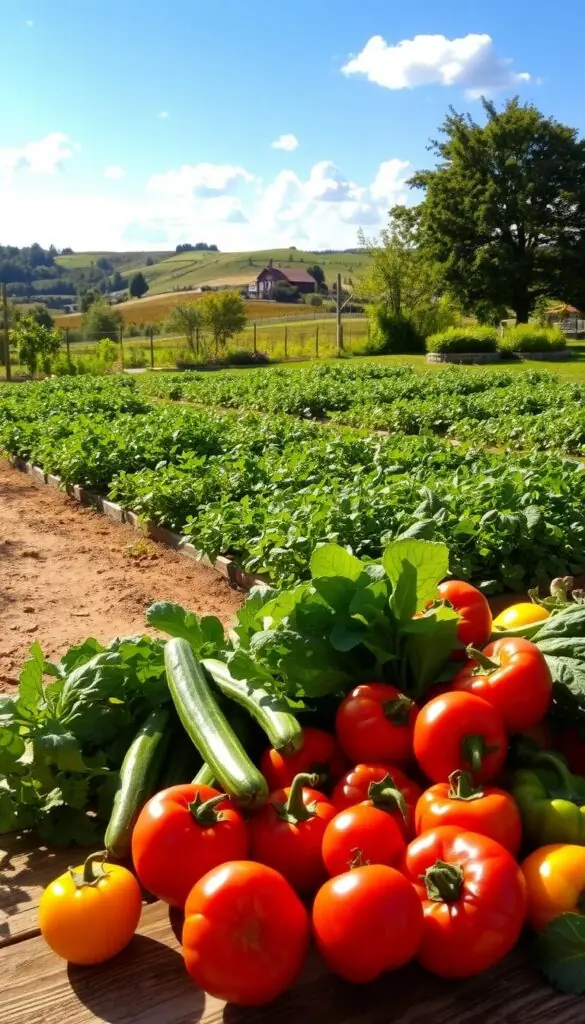
- Check the garden in the cool morning hours; water at the base to reduce evaporation.
- Pick often—regular harvesting keeps plants producing and cuts stress on vines and stems.
- Match your sowing and picking to local temperature patterns; block-plant sweet corn and succession-sow beans for steady yields.
- Think about storage now: some vegetables prefer a cool room, others need quick chilling.
Keep the plan light. A few minutes most days is all the time you need to glide through August with a generous, low-stress garden.
Tomatoes at peak flavor: how to spot, pick, and savor
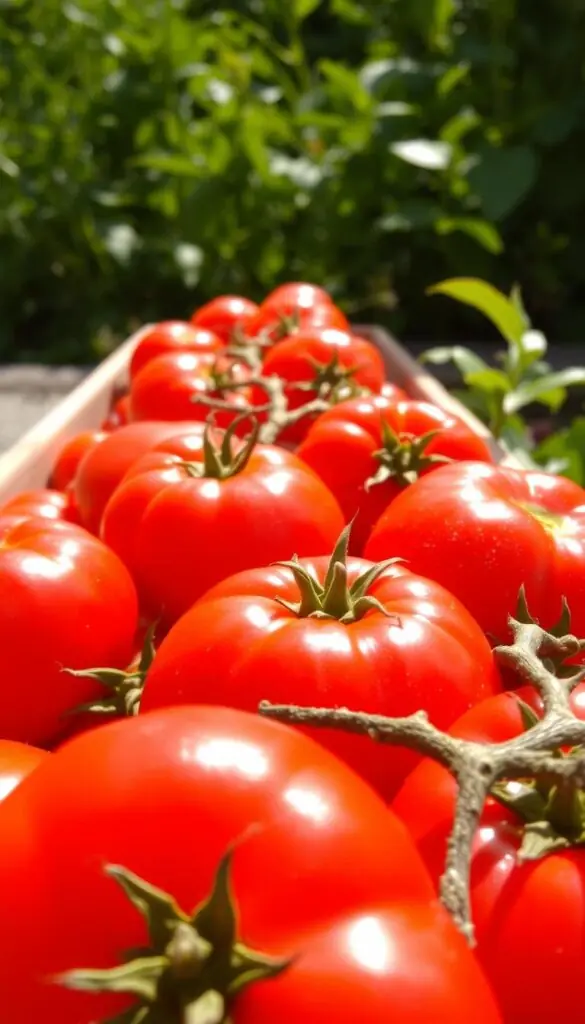
Spotting a perfect tomato is easy once you know the color, feel, and timing to trust. Look for deep, true-to-varieties color and a slight give when you press gently. Ripe fruits feel firm but not hard—think of the texture of a peach that’s ready to eat.
Ripeness cues
Check the skin for even color and a faint sheen. If you see a light blush on a mature green fruit, that breaker stage will finish indoors and still taste good.
Harvest gently
Snip or twist stems with care. Support heavy clusters with one hand while you cut so vines don’t tear. Pick earlier in the day if the sun is fierce to keep skins from softening.
Store and savor
- Keep tomatoes on the counter or a cool room shelf—do not refrigerate; room temperature protects delicate flavor.
- Use extra fruit by freezing chopped tomato, oven-drying slices, or canning sauce.
- Slice into no-cook recipes and bright salads—a simple olive oil, garlic, and herb salad shows off true taste.
Cucumbers: crisp, cool, and continuously productive
Check the vines daily and you’ll find that small, steady picks make the biggest difference. A quick walk in the cool hours helps you spot deep green fruit that still has a firm, even feel.
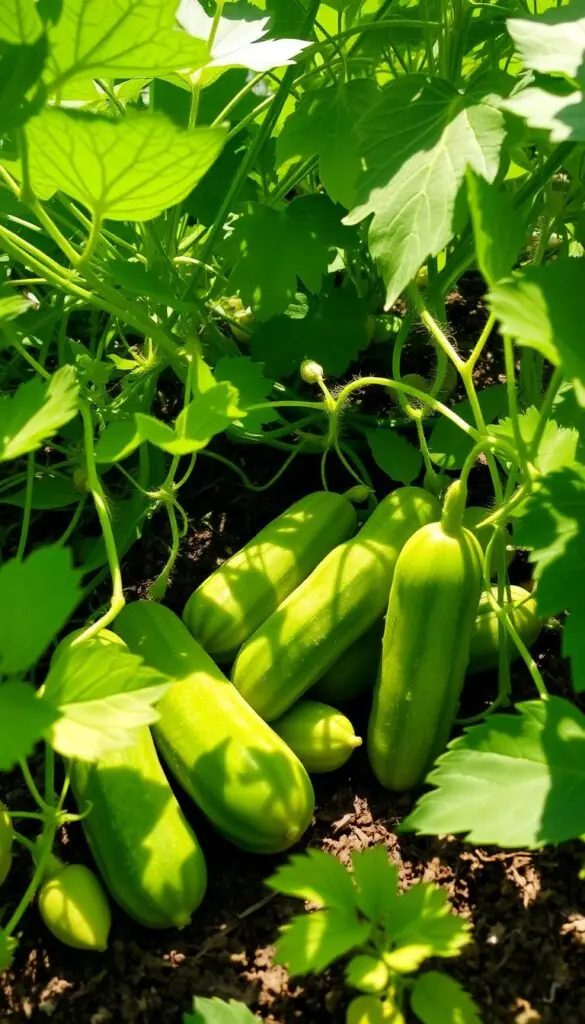
Pick young and deep green; avoid yellowed, seedy fruit
Harvest when cucumbers are a deep, even green with smooth skin. Young fruit gives the best texture and a gentle snap in every bite.
If you see yellowing at the blossom end or feel large seeds inside, remove and compost those fruits. Overripe pieces can taste bitter and signal the vine to slow production.
Cut, don’t pull; refrigerate wrapped to preserve moisture and texture
Use a clean knife or clippers to cut stems. Pulling can tear brittle vines, especially in hot weather, and that stresses plants.
"Frequent harvesting encourages more fruit—small, steady picks add up."
- Rinse and pat dry, then wrap loosely or tuck into a zipper bag to hold moisture and protect texture.
- Store in the fridge for 7–10 days to keep that garden-fresh crunch.
- On very warm days, pick earlier and refrigerate soon after to lock in crispness.
- Try a simple salad tonight: thin slices, fresh herbs, a splash of vinegar, and a pinch of salt.
Tip: Water and warmth can swell cucumbers fast. Daily checks help you pick at the right time and keep vines producing through changing weather.
Green beans: tender pods for steady picking all month
Green beans reward a steady eye and light hands—pick often and they’ll keep giving. A short walk every other day is enough to keep plants producing and pods tender.
Harvest stages and gentle technique
Run your fingers along the row and harvest any pod that looks smooth and feels crisp, from baby snaps to nearly full length. Pick before seeds begin to swell.
Two-hand method: support the stem with one hand and pinch or pull the pod with the other. This protects the plant and saves time over the long run.
Preserve extras and simple uses
Blanch extra pods for one minute, chill in ice water, pat dry, and freeze. This keeps bright color and a satisfying bite for later meals.
- Visit every couple of days to keep plants focused on new pods.
- Water at the base in the morning to support steady growth.
- When you have a large pick, toss a few into a quick bean-and-herb salad and freeze the rest.
"Gentle harvesting and patience bring a calm, steady stream of tender beans."
Sweet corn: nail the perfect milky stage
Trust simple, sensory checks and you’ll pick ears at their sweetest without guesswork. A few clear cues—silks, feel, and a quick kernel test—tell you when an ear is prime.

Read the ear
Look for dry, brown silks with a touch of green at the base. Feel the husk: the ear should be full and rounded when you press gently through the leaves.
Quick kernel test
Peel back a small patch and nick one kernel. If the liquid inside looks like skim milk—neither clear nor thick cream—you've hit the right moment.
- Feel for a plump ear through the husk and watch for brown silks; together these signs nearly always mean ripeness.
- Harvest in the cool morning hours and chill ears promptly to preserve sweetness and slow sugar loss.
- Remove an ear with a steady pull down and a twist to break it cleanly from the stalk.
- Enjoy right away: grill with butter and herbs, toss warm kernels into a corn salad, or stir into quick recipes.
- If you have more than you can eat in a couple of days, blanch and freeze kernels or whole cobs for later.
"Trust the milky kernel—it's the calm, reliable cue that your corn is ready."
Peppers: colorful, patient, and forgiving on the plant
Peppers reward a calm eye and a light hand—pick when they show true color and feel full. Let plants finish their size and hue for the flavor you want. Many bell forms shift from green to red, yellow, or orange as they ripen. Hot types often deepen and grow hotter with time.

Harvest window: full size and true color; cut with stems attached
Clip with shears or a sharp knife, leaving a short stem so the plant heals cleanly. Avoid yanking; pulling can snap branches and reduce future produce.
- Let peppers reach full size and their true-to-varieties color for peak sweetness or heat.
- If unsure, taste one green and one fully colored—peppers give you a generous window to choose what you like best.
- Ripe fruits can hang on the plant for days in steady weather, so pick when your kitchen is ready.
- Frequent picking tells the plant to set more fruits, keeping a steady supply into late August.
"A little morning routine—rinse, pat dry, and refrigerate—keeps peppers crisp and ready for a quick salad or a weeknight roast."
Eggplant: glossy skins, creamy centers
A ripe eggplant announces itself with a glossy sheen and a subtle pause in growth. That shine and a gentle stop in size are the easiest cues to trust when you check the patch.
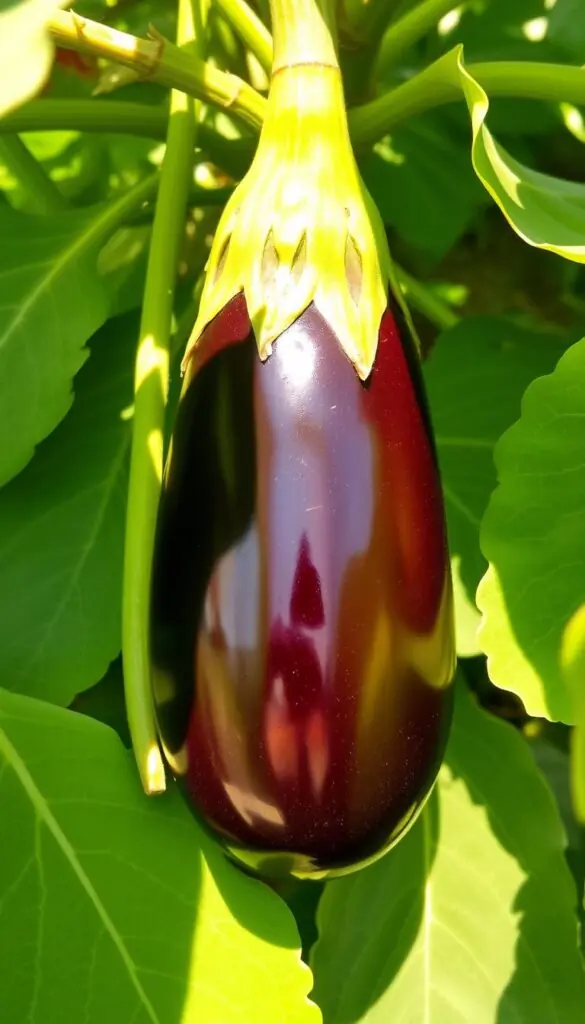
Slice one open if you hesitate. Immature fruit will show few pale seeds. Overripe pieces have hard, dark seeds and dull color, and they can taste bitter.
Pick and protect
Clip fruits with pruners, leaving a short stem so you don’t tear the plant. Harvest earlier in the day when the fruit is cool; that helps preserve the silky texture and best taste.
Kitchen care and quick fixes
Cut eggplant browns fast. A quick sprinkle of salt or a splash of lemon or vinegar keeps cut surfaces pale while you prep. For simple meals, grill thick rounds until creamy or stir into a garlicky sauce that lets eggplant soak up flavor.
- Watch for a glossy surface and a slowdown in growth—those are your go/no‑go signs.
- Check seeds: few pale seeds = perfect; hard dark seeds = avoid.
- Clip with shears; store in the fridge for several days.
- Salt or acid on cut pieces prevents discoloration during cooking prep.
| Cue | What to check | Kitchen tip |
|---|---|---|
| Glossy surface | Reflective skin, steady size | Grill or roast to a creamy finish |
| Seed check | Pale, soft seeds = good; dark hard seeds = overripe | Discard overly seedy fruit |
| Storage | Keep cool; use within days | Refrigerate; prep with lemon or salt |
"Trust the sheen and a quick seed check; they’re simple, reliable guides to the eggplants you’ll love most."
Summer squash and zucchini: prolific, tender, and ready for quick cooking
Small picks and quick meals turn a fast-growing patch into easy, flavorful dinners. Pick a few small, glossy fruits each morning and the plant will keep giving.
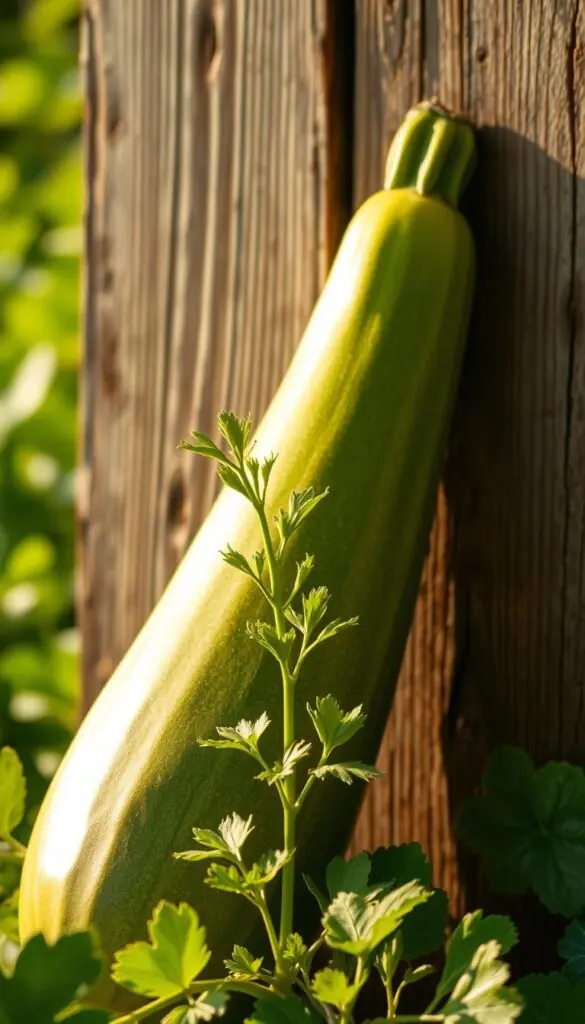
Harvest young for best texture; keep plants producing by frequent picking
Pick summer squash and zucchini when they’re small to medium. That keeps the flesh tender and nearly seedless. Check plants every day or two to stop oversized fruit from slowing production.
Simple late-summer uses: pasta sauces, marinated slices, quick sautés
Try a quick skillet: sauté slices with garlic and herbs, toss with warm pasta, and finish with olive oil. Marinate browned zucchini with lemon and good oil for an easy side.
- Fold thin ribbons into salads for gentle crunch.
- Grill planks until just tender; serve with a squeeze of lemon.
- If one slips past you, shred it for fritters or a quick loaf.
| What to pick | Why | Quick kitchen idea |
|---|---|---|
| Small summer squash (4–6 inches) | Delicate texture, mild flavor | Sauté with garlic; toss with pasta |
| Medium zucchini (6–8 inches) | Best for slices, ribbons, grilling | Marinate with lemon and olive oil |
| Oversized squash | Seedy, watery | Shred for fritters or bake into bread |
"Keep a basket on your step; a calm, steady rhythm of picking helps you stay ahead of quick growth."
Melons (cantaloupe and honeydew): perfume, color, and the slip test
Let your nose and a gentle touch guide you to the sweetest melons in the patch. These fruits give clear, sensory clues when they are ready—no guesswork required.
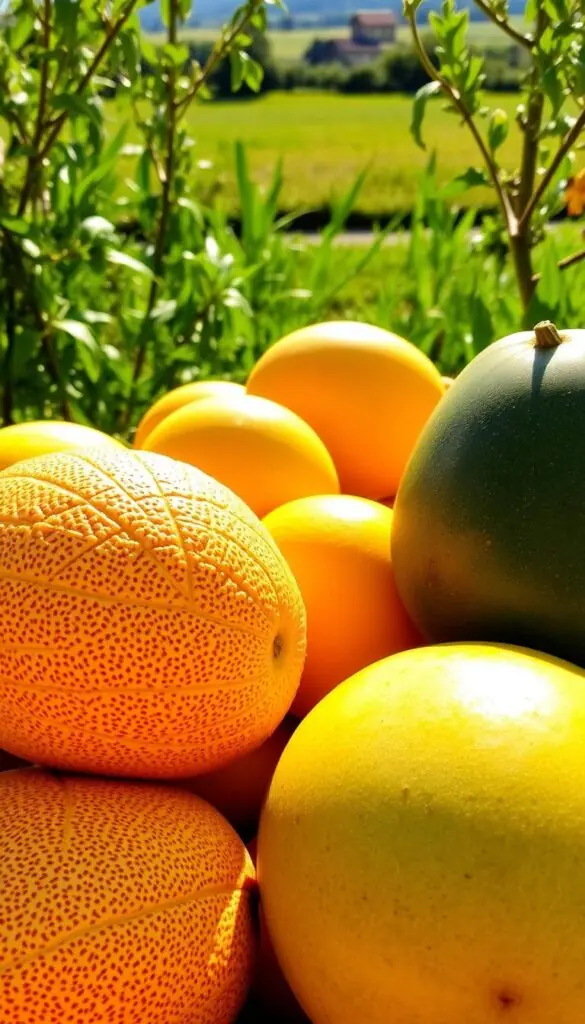
Cantaloupe cues: look for a yellow-buff rind and pronounced netting. A fine crack at the stem often appears and the fruit will “slip” off with a light touch. Lift and sniff—ripe cantaloupe smells sweet and musky, which is a kind and honest sign.
Honeydew hints: the color shift is subtler. Choose melons with creamy skin and a slight give at the blossom end. Avoid pressing repeatedly; that can bruise the flesh and hide the real feel.
- Ease up on water about a week before ripening to concentrate sugars.
- Harvest gently to avoid bruises and check the stem for the slip.
- Chill melons after picking—cool temperature keeps the flesh firm; serve wedges straight from the fridge or dice into a fruit bowl with lime and a pinch of salt.
"Trust perfume, color, and a light touch—those small cues deliver the sun-warmed flavor you want."
Watermelon: listen for the thud and watch the field spot
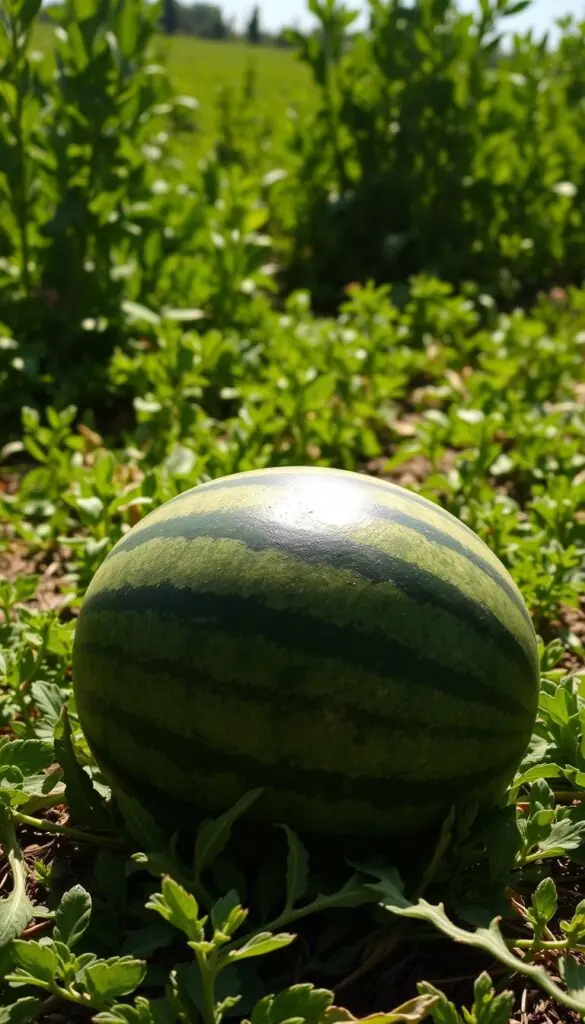
You can judge a ripe melon with two simple senses: sight and sound. A quick flip, a light rap, and a short look at the underside will tell you when the fruit is ready. These cues save time and take the guesswork out of the garden.
What to check:
- Flip the melon gently and inspect the field spot. A rich, creamy-yellow underside is a clear sign of ripeness.
- Look for a dull, matte skin rather than a bright sheen; that change means sugars have concentrated.
- Tap the rind. A low, mellow thud suggests juiciness, while a high, tinny sound means it needs more sun.
Quick care tips:
- Ease up on water about a week before picking so sugars concentrate without stressing the vine.
- Harvest with two hands and keep a bit of stem attached if you can to avoid bruising.
- Whole fruits store well at room temperature for 2–3 weeks; refrigerate cut wedges and cover them.
"Trust the field spot, the dull rind, and that satisfying thud—they guide you to perfect melons in any weather."
Sweet potatoes: late-summer lifting and gentle curing
When the vines begin to yellow, it’s your quiet signal to lift sweet roots with care. Pause a day or two, then plan a slow, steady harvest that protects each tuber.
Dig when vines yellow: stop watering 2–3 weeks before lifting so skins set. Loosen an 18-inch circle around each plant with a digging fork. Work wide and shallow so you avoid nicking the potatoes.
Slide your hands under the crown and lift gently by hand. Move slowly and keep tubers whole and unscuffed. Do not wash them now; simply shake off loose soil.
Cure in a warm, ventilated room: cure for about 10 days at near 80–90°F in a warm, airy room to sweeten the flesh and heal small scratches. Good airflow matters—stack in a single layer or on slatted trays.
After curing, store cured potatoes around 60°F in a cool, dry place. Avoid refrigeration or any spot below 50°F. Properly cured and stored, these roots can keep for up to six months and reward you for careful lifting with silky, sweet flavor.
- Wait for the vines to yellow as your cue.
- Loosen soil wide; lift by hand to avoid nicks.
- Skip washing; cure warm and ventilated for 10 days.
- Store at about 60°F for best long-term keeping (not below 50°F).
"Give yourself time on harvest day—slow, steady work keeps more potatoes in beautiful shape."
How to pace your summer harvest of seasonal veggies
A calm, morning check lets you catch cool-fruit windows and give plants what they need quickly. Start with a short walk and a simple plan: pick what’s ready, water at the base, and note what will ripen in the next few days.
Morning harvests, steady watering, and mulch to protect flavor and texture
Water in the morning so leaves dry through the day and plants avoid stress in hot weather. Mulch keeps soil moisture steady, cools roots, and shrinks weeding time.
If wildlife nibbles your plots, drape light netting to protect fruit without making work harder. Small steps like these preserve texture and taste.
Keep picking to encourage new fruit through late summer
Pick little and often. Regular removal of ripe pieces tells plants to set more fruit and keeps crops productive into the end of the season.
- Start your days with a calm walk—pick cool fruit, water at the root, and mark what will be ready tomorrow.
- Tuck snips of fresh herbs into salads with tomatoes and beans for instant flavor.
- When time is tight, focus on three things: morning picks, one deep watering, and a mulch check.
"A gentle, steady rhythm makes the garden feel peaceful and productive."
Conclusion
Let gentle cues—color, a slight give, a soft thud—be your guide as you move from garden to table. Trust room-temperature tomatoes, wrap and chill cucumbers, and pick corn in the cool morning for the best flavor.
Use the two-hand method on beans, clip peppers with stems, and choose eggplant by its glossy skin. Cure sweet potatoes warm, then store cool. Mix varieties for bright bowls and simple meals that show off each fruit and vegetable.
Enjoy the rhythm: a few calm minutes each day keeps crops happy and your kitchen full. Share extras, freeze a little, and savor the work you put in—your garden is generous, and so are you.
FAQ
Which vegetables are the best to harvest in August?
August is prime for tomatoes, cucumbers, green beans, sweet corn, peppers, eggplant, summer squash (like zucchini), melons, watermelon, and sweet potatoes. Pick items that show the ripeness cues for each crop — color, slight give, glossy skin, dry silks on corn, or a slip on cantaloupe — and harvest in the cool morning when possible.
How can I tell when tomatoes are at peak flavor?
Look for deep, true-to-variety color and a slight give when gently squeezed. Avoid rock-hard fruit; you can pick at the breaker stage or wait until fully ripe for best taste. Store at room temperature and use within a few days for salads, no-cook sauces, or quick roasted dishes.
What’s the best way to pick cucumbers to keep them crisp?
Harvest cucumbers young and deep green, before yellowing or heavy seeding. Cut them from the vine rather than pulling to avoid damage. Wrap and refrigerate to preserve moisture and texture for salads or pickling.
When should I pick green beans for the best texture?
Pick beans when pods are tender — from baby snaps up to full-size but before seeds swell and bulge. Use the two-hand technique (hold stem with one hand, snap pod with the other) to protect the vine. Blanch and freeze any surplus for winter use.
How do I know sweet corn is ready to harvest?
Check for dry, brown silks, plump kernels, and a milk-stage sap (press a kernel; if the juice is skim-milk like, it’s ready). Harvest in the cool morning and chill ears quickly. Use fresh on the grill, in salads, or blanch and freeze for later.
What’s the best way to harvest peppers?
Wait until peppers reach full size and true color for the variety you grew. Use pruners or scissors to cut them with a short stem attached to avoid bruising and to extend shelf life. Peppers can be kept fresh in the fridge or roasted and preserved.
How do I pick eggplants without damaging them?
Pick eggplants when growth slows and the skin is glossy; avoid ones with hard, dark seeds. Clip the fruit from the plant with a sharp tool, leaving a short stem. Use quickly in sautés, grills, or quick marinades to prevent discoloration.
When should I pick summer squash and zucchini for the best flavor?
Harvest them young for tender flesh and mild flavor. Frequent picking encourages plants to produce more. Use fresh in sautés, pasta, or marinated slices — or shred and freeze for later baking.
How can I tell if cantaloupe or honeydew are ripe?
Cantaloupes show a yellow-buff rind with pronounced netting and the stem “slips” off easily. Honeydews develop a creamy skin tone and a slight give at the blossom end. Water lightly before harvest to concentrate sugars, and refrigerate after picking.
What are signs a watermelon is ripe?
Look for a dull rind, a creamy-yellow field spot where it rested on the ground, and a low-pitched, hollow thud when you tap it. These cues together are the best indicator of ripeness.
When and how should I lift sweet potatoes?
Dig sweet potatoes when vines yellow or die back. Loosen soil widely with care and lift tubers gently to avoid nicks. Cure them in a warm, ventilated spot for a week or two before storing in a cool, dry place.
How should I pace harvesting to keep plants productive through late summer?
Harvest in the morning when produce is cool, water steadily but avoid overwatering close to harvest, and keep a good layer of mulch to stabilize moisture and temperature. Regular picking encourages more fruiting — consistent attention keeps plants productive into the later months.
What quick uses do you recommend for abundant produce?
Use tomatoes in no-cook sauces or fresh salads, grill or blanch corn, roast or sauté eggplant and peppers, marinate zucchini slices, and freeze blanched beans or corn. For melons and watermelon, serve chilled or in salads for a refreshing touch.