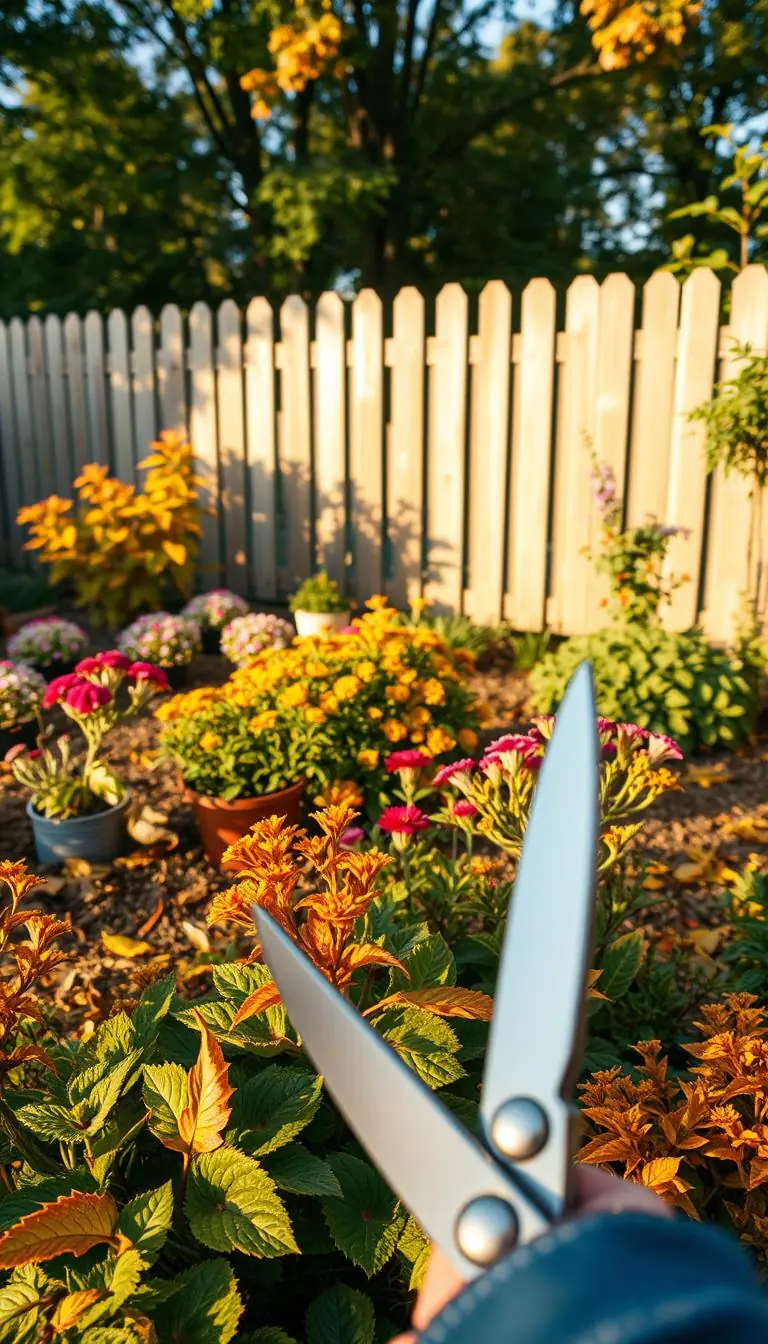
Feel the late-afternoon sun warm the back of your neck as you step outside and notice the plants leaning toward a cooler spot. Have you wished your outdoor space felt calmer and more inviting?
We’ll walk through low-cost and sturdy choices that make your area cooler and cozier, one simple move at a time. Think standing umbrellas, shade sails, and outdoor curtains for quick relief. For breezy yards, a solid roof or pergola and side wood slat screens give steadier protection.
You’ll get calm, neighborly guidance on reading your yard’s light, matching a solution to your budget, and picking what holds up to wind and rain. Retractable awnings add flexible cover while planted pergolas and wrap-around porches offer lasting comfort and value to your home.
Key Takeaways
- Quick fixes like umbrellas and curtains bring instant comfort.
- Permanents—pergolas, roofs, awnings—stand up better to wind and weather.
- Match the solution to how you use your yard and your budget.
- Small changes often yield big comfort gains for plants and people.
- We’ll help you choose options that blend with furniture and planting style.
Start Here: Simple, Peaceful Ways to Cool Your Outdoor Space
Before you buy anything, stand in your favorite spot at three times of day and let the light and air guide your plan.
Read the sun pattern first. Track where harsh sun lands and which area warms fastest. Note where late-day light lingers so you place cover where it truly matters.

How to read your sun patterns and pick the right spot
Spend a week watching your backyard at breakfast, midday, and evening. Feel the breeze and see how trees or fences cast relief.
Measure the space you use most—dining table, lounge chairs, or a plant shelf—and size your cover to protect those spots first.
Budget, wind, and rain: what to consider before you choose
If your budget is small, a sail, standing umbrella, or outdoor curtains gives instant comfort without a large outlay. For gusty yards, choose steadier builds like a pergola or a small solid roof section.
Add wood slat screens on windy sides to calm gusts. For wet weather, pick covers that shed water or pair fabric with side panels to keep seating dry.
- Start with simple fixes you can move or remove.
- Think about maintenance—fabrics you can hose off or wood you can seal.
- Let your surroundings shape the design so new elements feel natural.
Quick Wins: Umbrellas, Shade Sails, and Outdoor Curtains
Small, smart covers make a big comfort difference for seats and plants. These quick solutions are inexpensive and easy to test, so you can enjoy a cozier outdoor spot right away.
Center-support and freestanding umbrellas for flexible cover
Center-support umbrellas sit right over a table or lounge and move with your routine. Slide one beside a chair in the morning and shift it over the dining table by evening.
Pick a freestanding base if you like rearranging. No drilling means less fuss and more freedom to change the layout.
Shade sails for wide, budget-friendly coverage
Sails span a large area and work well when you want light, airy cover on a tight budget. Anchor them at three or four points for a crisp look.
Angle a sail slightly so water runs off, and tension hardware each season to keep fabric neat.
Outdoor curtains for adjustable privacy and low-angle sun
Curtains soften low sun and add privacy without blocking breeze. Slide panels closed when glare hits and tie them back when you want open air.
- Pair an umbrella with curtains on one side to block a hot, low sun while keeping airflow.
- Keep an extra set of panels or a spare umbrella for guests.
- Care tip: hose fabric monthly, wipe bases, and inspect sail hardware each season.
Retractable and Roll-Up Shades for On‑Demand Comfort
Retractable and roll-up systems give you control over light and breeze with a quick pull or the push of a button.
Self-retracting units offer tap-and-go ease. Press a button and a screen glides down to block glare. They are ideal when you want fast protection or automated schedules.
Manual roll-up shades are simple and budget-friendly. A hand pull lowers fabric to calm low sun and wind. They last well with basic care.
Self-retracting versus manual roll-up: choosing your control
- If you like instant convenience, choose self-retracting for quick adjustments.
- Pick manual roll-up for lower cost and easy repairs.
- Pair either option with light-filtering curtains to soften the view without closing you in.
Where side shades shine: porches, pergolas, and lanai openings
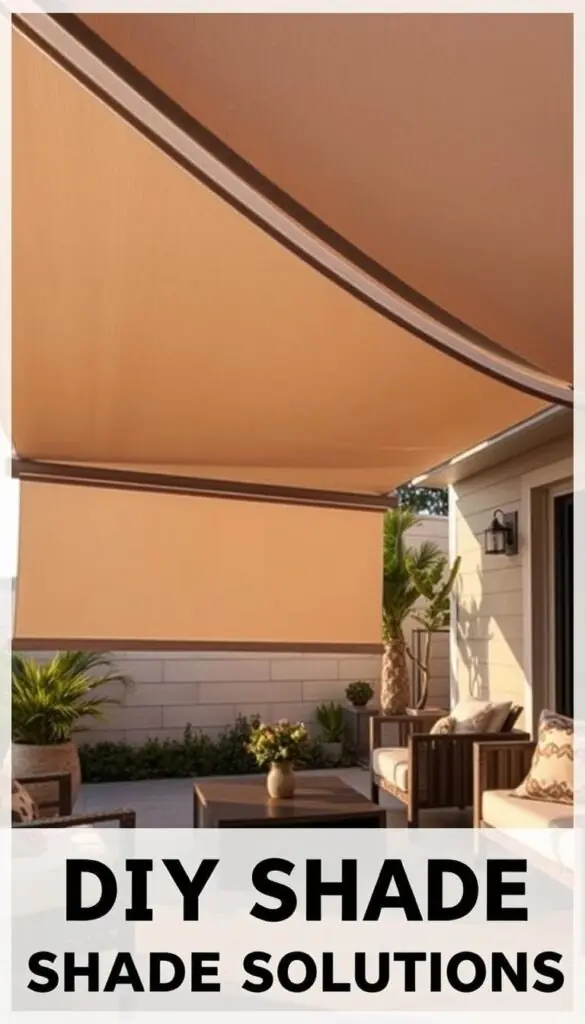
Side-mounted panels work well on porches, pergolas, and lanai openings. Drop them to block glare and lift them to welcome a cross‑breeze.
For flexible overhead cover, add a compact retractable awnings to the same structure. This combo gives more protection without a heavy permanent frame.
| Feature | Self-Retracting | Manual Roll-Up | Best Use |
|---|---|---|---|
| Control | Motorized, simple | Hand-operated | Daily convenience vs. occasional use |
| Cost | Higher upfront | Lower upfront | Budget vs. automated lifestyle |
| Durability | Good with professional install | Very durable, easy fixes | Storm-prone spots need sturdy structure |
Awning Options: From Manual to Automated Ease
A thoughtful awning brings control over glare, breeze, and light with little fuss.
Wall-mounted retractable awnings let you dial in the exact coverage you want. Extend them fully for lunch and pull them back for a sunny morning. Many models offer motorized controls so you can open or close with a button.
These units attach to your home and are sturdier than freestanding umbrellas. They fasten to a solid structure on your wall and resist gusts better. When storms threaten, motorized models can retract quickly to protect fabric and hardware.
When to choose a fixed option
Pick a fixed awning or a small solid roof section if wind is frequent where you live. Permanent builds move less and offer more protection from rain and long-term wear.
- Automated awnings add ease: one button, calm setup before guests arrive.
- Check fabric weight and frame strength for daily durability.
- Plan mounting height and projection so doors and windows clear easily.
- Match color and profile to your home for a built-in look.
| Type | Control | Wind Resistance | Rain Protection |
|---|---|---|---|
| Wall-mounted retractable | Manual or motorized | Good | Moderate with proper pitch |
| Fixed awning / small roof | Permanent | Excellent | High |
| Freestanding umbrella | Manual | Low | Low (not for heavy rain) |
Fabric Canopies You Can DIY or Buy
A fabric canopy can turn a bare corner into a soft, usable room outdoors with little fuss.
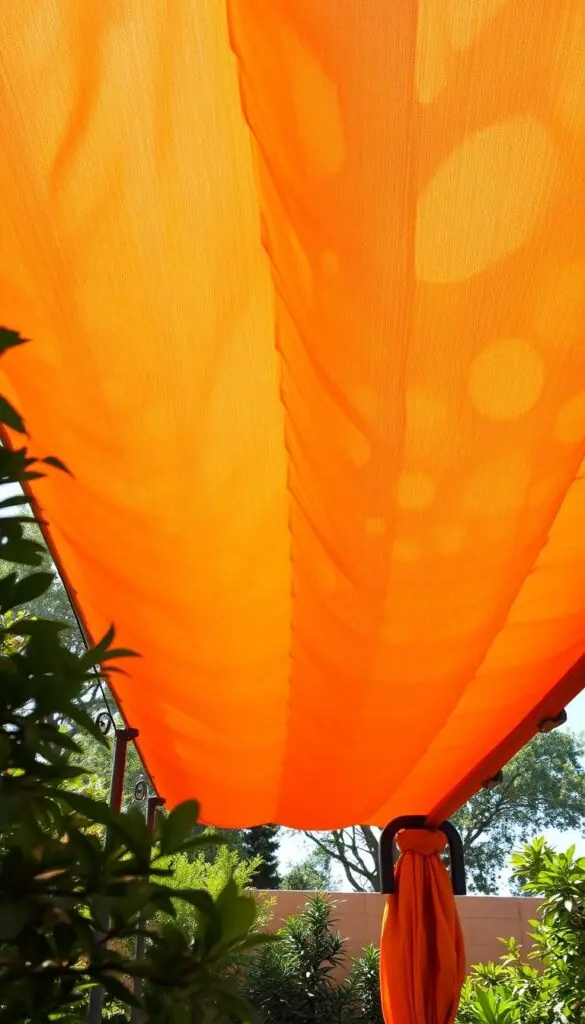
Start with a simple plan. Measure the area so the cover lands over the seats you use most. Sketch anchor points and a gentle pitch so water runs off.
Simple framing tricks that look tidy
For a clean DIY frame, try copper pipe and fittings. Copper is easy to shape and weathers to a warm patina that suits many design palettes.
Tip: Use angled fittings and 45-degree braces at corners for extra strength. Mark mounting points and test tension before final drilling.
Picking durable fabrics, colors, and overall style
Choose outdoor-rated, solution-dyed cloth that resists fading and dries quickly. A neutral solid or a gentle stripe echoes cushions and planters for calm, cohesive colors.
- Light drape for a relaxed look; tight tension for a tailored finish.
- Buy a ready-made canopy kit if you want fast setup and clear instructions.
- Plan anchors and drainage so the cover stays tidy after rain.
Outcome: A well-chosen canopy brings soft, even shade and makes your patio deck feel like a thoughtful extension of your home.
Pergolas That Adapt: Open-Top, Retractable Canopy, and Planted
Think of a pergola as a frame for whatever outdoor mood you want—airy, shaded, or lush and green.
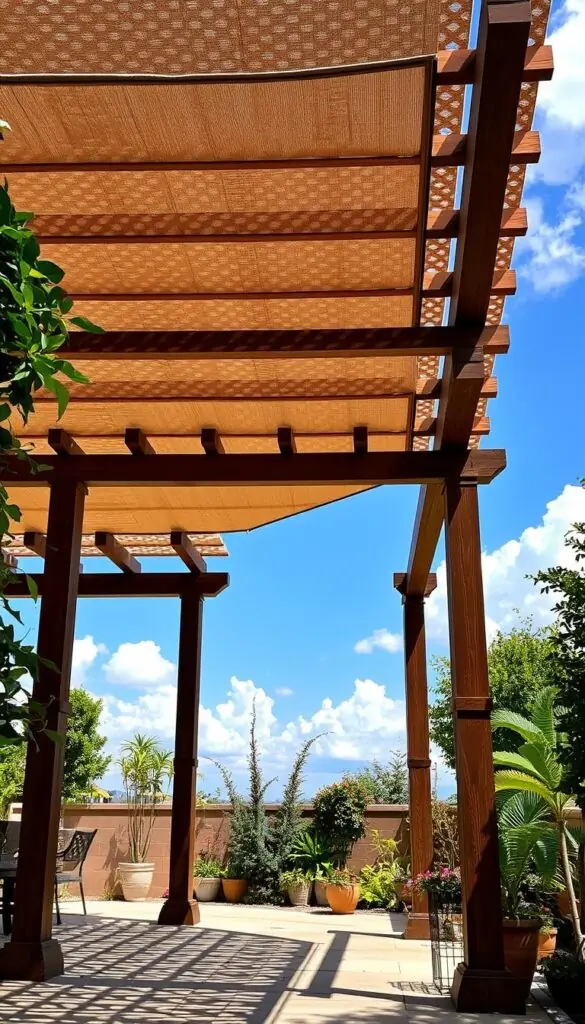
Open-top frames with wood, metal, or fabric infill
An open-top pergola is a flexible frame you can tune to comfort. Add wood slats, metal panels, or fabric strips to soften light and give plants partial shade.
Tip: Orient slats to block harsh late-day sun and pick a depth that shades lounge seating well.
Retractable canopy pergolas for adjustable rays and rain
If you want control over passing clouds and bright rays, choose a retractable canopy. It slides open for warmth and closes to soften glare or fend off light rain.
Motorized units make changes effortless. Manual tracks keep costs lower and still give you on-demand cover.
Planted pergolas with vines for a living, cooling canopy
Train climbers—wisteria, star jasmine, or grape—so leaves form a living roof over time. Green canopies cool the air and add a lush, garden feel to your backyard.
- Match finish to your home: natural wood for warmth or matte metal for modern design.
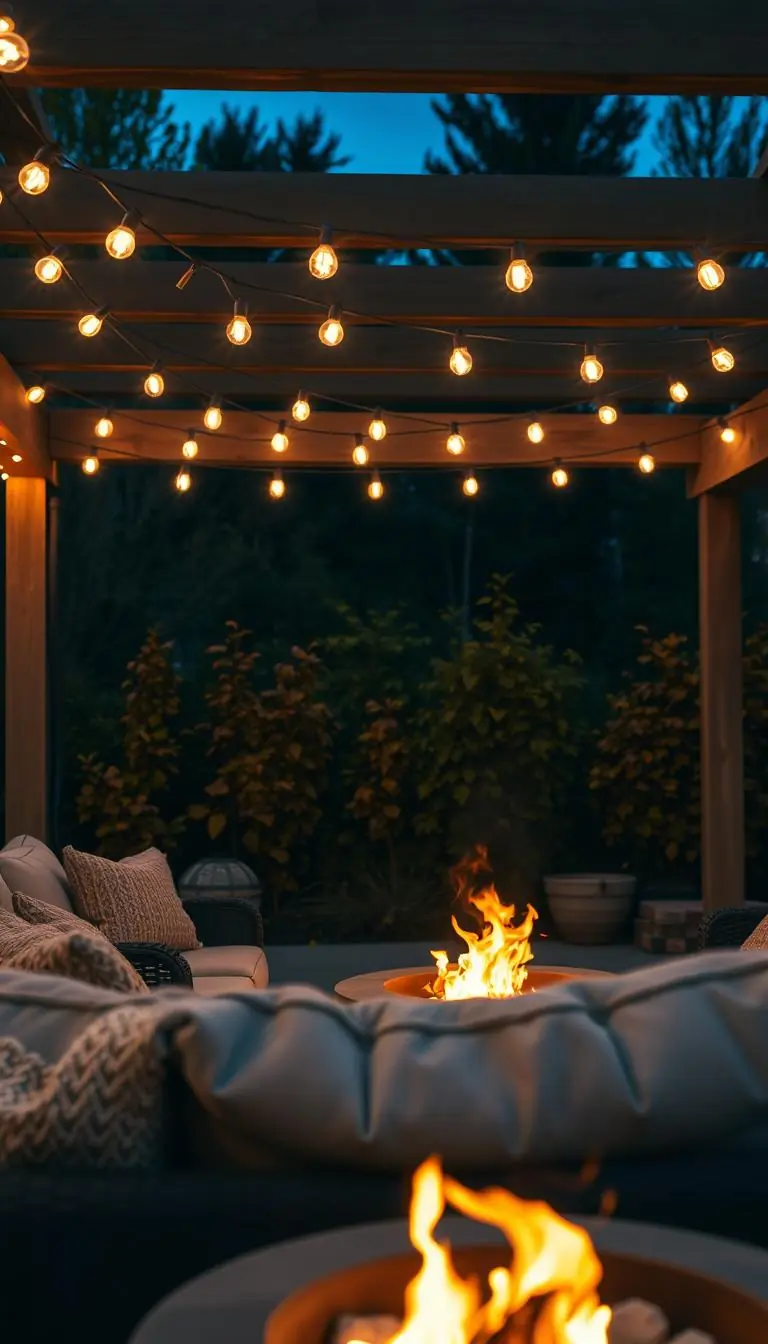
- Add hooks for string lights and hanging baskets to extend evening use.
Gazebos and Lanais: Calm, Semi‑Enclosed Retreats
Picture a cozy, roofed nook that invites slow conversation and lets the garden do the soft work of cooling the air.
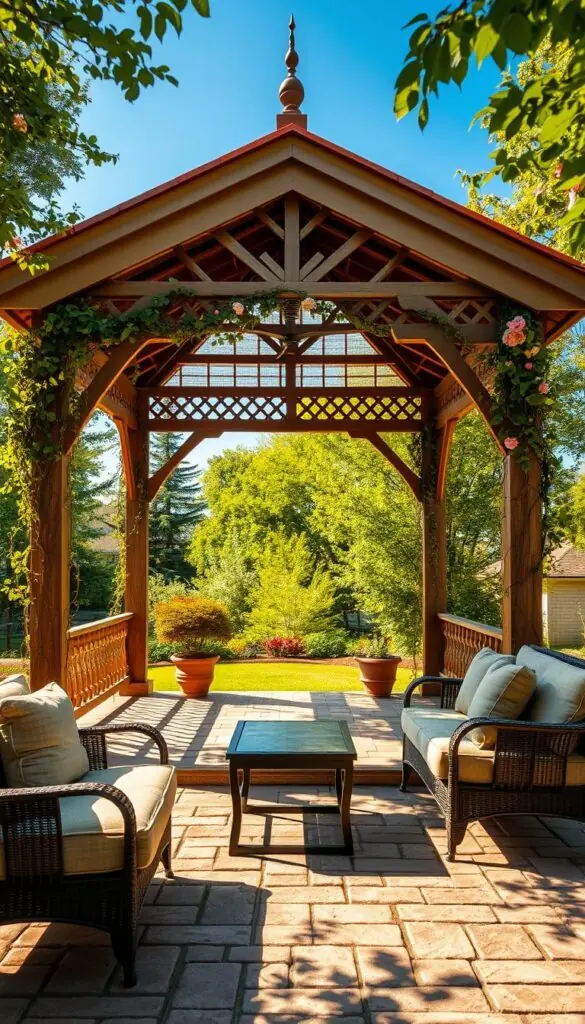
Gazebos for privacy, conversation, and garden charm
A gazebo makes a sunny corner feel like a quiet retreat. The roof gives steady shelter so talks and meals feel intimate and relaxed.
Add planters or train vines on lattice to bring a garden‑room feeling. Small details create a living nook you will use from morning to evening.
Screened and windowed lanai to tame sun, wind, and bugs
A screened lanai keeps airflow while blocking pests and softening direct sun. It gives shelter and comfort without closing you off from the yard.
Windowed panels let you open for breezes or close during gusts. Match roof lines and trim to your home so the new structure feels like it belongs.
"Create a sheltered corner where breezes move gently and light stays soft—this is how great outdoor spaces become calm extensions of your home."
- Footprint: pick a size that fits furniture and leaves room to move.
- Layer a fan, soft lights, and rugs to finish the sheltering feel.
| Feature | Gazebo | Screened Lanai | Windowed Lanai |
|---|---|---|---|
| Primary benefit | Privacy and charm | Airflow + pest control | Weather control, flexible |
| Best use | Coffee, quiet conversation | Dining in buggy months | Year-round living area |
| Maintenance | Low (wood/paint) | Moderate (screens) | Higher (glass/windows) |
Permanent Roofs, Overhangs, and Wrap‑Around Porches
For a long‑lasting solution, a permanent roof feels like part of the house rather than an add‑on. Extending an overhang or adding a small roofed corner creates calm, usable outdoor spaces you visit every day.
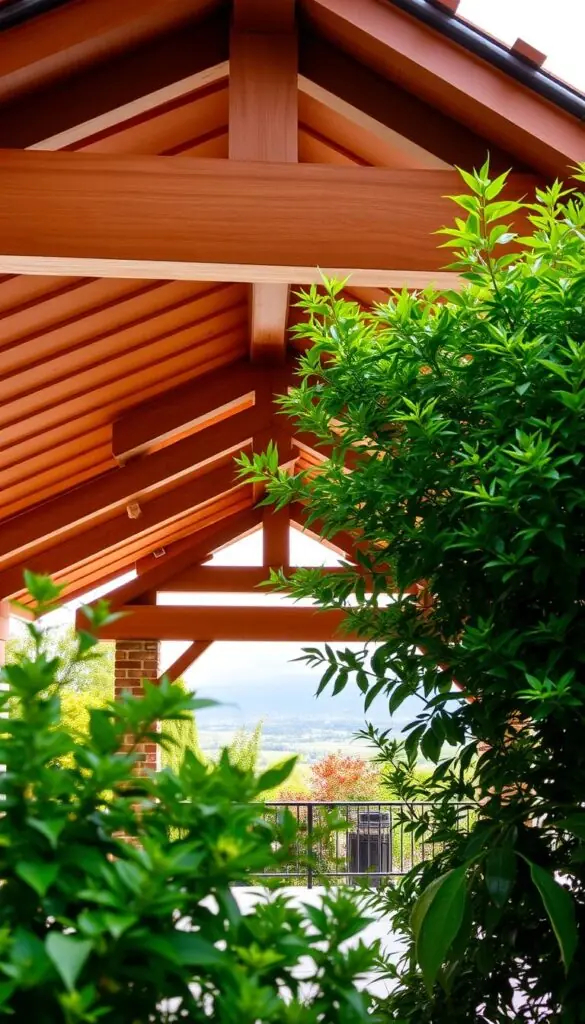
Extending roof overhangs to blend with your home
Extend the overhang to match shingles, fascia, and beam finishes so the new work reads as original to your home.
Benefit: A unified edge cools entryways and a nearby patio deck while improving curb appeal and resale value.
Adding a partial roof or corner cover for mixed sun
If you want both sun and protection, roof just a seating corner. Leave other areas open for morning light and plants.
Plan the roof pitch and gutters so water moves away cleanly. This keeps walkways dry and the space inviting.
Wrap-around porch appeal: timeless shade and shelter
A wrap-around porch with pitched roofs and sturdy beams gives steady cover for chairs and planters.
Add a small ceiling fan and soft sconces to make the porch a favorite daily spot. A modest corner cover is also a smart first step if you’re easing into a permanent structure.
- Match materials to the existing home for a natural, built‑in look.
- Roof is pricier upfront but lasts longer than most canopies and can raise home value.
- Consider a partial cover if you want mixed sun and shelter in your outdoor spaces.
| Option | Best for | Durability |
|---|---|---|
| Extended overhang | Seamless look with home | High |
| Partial corner roof | Mixed sun & shelter | High |
| Wrap-around porch | Full-time outdoor room | Very high |
Under-Balcony and Underdeck Shade that Stays Dry
With a simple drainage track and a fresh ceiling finish, the space below a deck becomes an all‑weather room.
You already have a gift when an upper balcony shades the area below. Turn that cool corner into a calm spot for seating, a potting table, or a small dining set.
Making the most of existing balcony shade
Add simple comforts. Use outdoor rugs, planters, and storage benches to soften concrete and keep things tidy. A slim fan and string lights extend use into the evening.
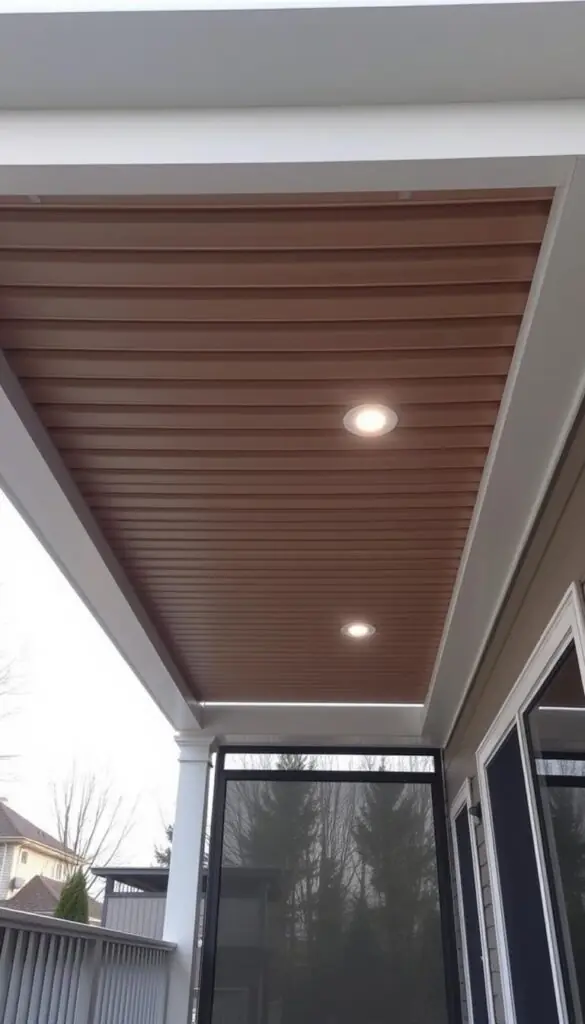
Underdeck systems to keep the space cool and rain-safe
Install an underdeck drainage system—products like Trex RainEscape route rain away so the area stays dry after storms.
- Finish the ceiling with beadboard or metal panels to protect joists and give a clean look.
- Choose storage benches for cushions and tools to keep the zone peaceful to look at.
- Add a small side curtain or screen to temper wind without closing the view.
| Upgrade | Benefit | Best Use |
|---|---|---|
| Underdeck drainage (e.g., Trex) | Keeps area dry from rain | Entertaining, storage |
| Ceiling finish (beadboard/metal) | Protects joists, neat look | Long-term cover |
| Fan + string lights | Airflow and evening charm | Gathering or potting |
Outcome: With these steps you gain dry, useful protection under an existing balcony. The result is a calm outdoor space that connects to the rest of your patio and helps plants and people feel at ease.
Pop-Up Canopies and Portable Shade for Events and Weekends
When a last-minute guest shows, a pop-up canopy transforms a patch of lawn into an instant gathering spot.
Quick to set up, pop-up canopies fold out in minutes so you spend more time with guests and less on assembly. They make an outdoor living moment feel calm and ready.
Decide whether to buy or rent as an easy option. Buy a sturdy model if you host often. Rent a larger one for a single big event to save money.
Choose a size that covers your main area—buffet, kids’ crafts, or lounge chairs—so people stay comfortable. Keep anchor weights or stakes with the bag; a few calm minutes anchoring prevents surprises.
- Store the canopy clean and dry so fabric lasts.
- Bring clip-on side panels to soften low sun or breeze without closing the space.
- Practice one quick setup at home so the actual event goes smoothly.
Designing for Afternoon Sun, Breeze, and Privacy
You can keep breezes and block low-angle rays with light layers that feel intentional, not heavy.
Blocking low-angle sun with shades, screens, and curtains
Low afternoon sun is best handled with roll-down shades or simple curtains you open and close as needed. Add blinds or shutters to a fixed frame for a tidy look and fast control.
Tip: Mount curtains a few inches forward of the seating so air passes freely while glare is cut. This keeps the space calm and breezy.
Wood slat screens and composite privacy panels for airflow
Wood slat screens or composite panels filter light softly. Angle slats toward the low sun to block glare but let wind move through.
Add a slim privacy screen at the sunniest side to read without squinting. Place panels a few feet from chairs so the area stays open and inviting.
Trees, shrubs, and vines as natural shade partners
Plant a row of small trees or tall shrubs along the sun path; over time their leaves make dappled cover that cools the yard. Train vines on a trellis near seating for a living filter that rustles in the breeze.
Keep plantings mulched and watered so they grow strong and provide reliable shelter. These green choices soften the look and link your outdoor room to the garden.
- Tackle low-angle sun with a light roll-down or curtains you slide closed for afternoon glare.
- Combine a fabric curtain with a side screen for layered control as the sun moves.
Main Pick List: shade ideas, summer patio
Here’s a short, practical pick list to match cover types to the way you actually use your outdoor living areas.
Match your space: small patios, big decks, and cozy corners
For small patios, a center-support umbrella or a petite sail cools the seating zone without crowding the layout.
Big decks do well with layers: a retractable awning for mid-day sun, side screens for late glare, and an open pergola where plants enjoy gentle rays.
Cozy corners sing with a gazebo or a partial roof that ties to your home and feels permanent.
Choosing by purpose: dining, lounging, play, or plant shelter
If you host dinners, aim for steady cover over the table—awnings, a small roof, or a canopy pergola keep meals relaxed.
For lounging, dappled light under an open-top pergola with fabric infill feels calm; add curtains for privacy and naps.
Kids’ play areas benefit from a sail or pop-up canopy you can move as seasons change. For plant shelter, use a light curtain or screen to soften hot afternoon sun while keeping air flowing.
- On a budget: start with umbrellas, sails, or outdoor curtains; upgrade later.
- Long-term value: consider a roof overhang, wrap porch, or gazebo for durable comfort.
- Under a balcony, an underdeck system creates a dry, usable patio deck zone.
Conclusion
One well-chosen structure can change how your yard feels. A single roofed corner, a tidy pergola, or a simple canopy makes living outside calmer and more useful. Small steps add up.
Start small, grow later. Fabric canopies and sails give quick relief. Permanent structures bring lasting protection and value. Plant vines and trees where they will thrive so green cover builds over time.
Match colors and style to your home so the new work feels natural. A gazebo or lanai becomes a true retreat. Even one shaded area makes daily moments — coffee, reading, evening meals — more relaxed.
Take one small improvement this week and watch your living space become a cooler, more comforting retreat you love.
FAQ
How do I read my yard’s sun patterns to pick the best spot for cover?
Watch your outdoor space across a full day and note where direct rays fall at morning, midday, and late afternoon. Mark areas that get the hottest or longest sun. Use that map to place a pergola, umbrella, or canopy where you want daytime relief, and keep plant-loving sun in spots that receive gentler light. Simple observation over a couple of days gives a clear plan.
What should I consider about budget, wind, and rain before choosing a shelter?
Set a realistic budget, then match options to local weather. Lightweight sails and umbrellas save money but need secure anchors in wind. Retractable awnings and fixed roofs cost more but resist storms better. For rainy climates, prioritize water-shedding canopies, underdeck systems, or a partial roof. Factor in installation and maintenance costs when comparing choices.
When is an umbrella a better choice than a shade sail or pergola?
Choose an umbrella for flexibility and quick setup—it’s great for renters or seasonal use. Shade sails cover wide areas affordably but need sturdy anchor points and are less adjustable. Pergolas add structure and style for long-term shade. If you move often or need movable cover, an umbrella or freestanding option works best.
How do I pick between self-retracting and manual roll-up shades?
Self-retracting shades offer convenience and often last longer with less wear, ideal if you want effortless control. Manual roll-up shades are less expensive and simpler to repair. Consider how often you’ll adjust them, your budget, and whether automation (motorized awnings, for example) fits your lifestyle.
Are retractable awnings worthwhile for variable shade needs?
Yes—retractable awnings give on-demand sun control. They let you enjoy sun when you want it and tuck away during storms or high winds. Wall-mounted models work well for decks and patios; motorized versions add ease if you use them frequently. Make sure the wall and mounting points are strong enough for the chosen size.
What materials make a durable DIY fabric canopy?
Look for outdoor fabrics labeled UV- and mildew-resistant, like solution-dyed acrylics or marine-grade polyester. Sturdy hardware—galvanized steel, aluminum, or copper pipe for frames—helps longevity. Choose colors and textures that complement your home and resist fading in intense sun.
How can I make a pergola provide more protection on windy or rainy days?
Add a retractable canopy for adjustable coverage, or install removable fabric panels for quick shelter. Consider a fixed roof section over high-use areas and clipped-on sensors to retract fabric before heavy wind. Planting vines on one side and adding side screens improves wind buffering and privacy.
What’s the difference between a gazebo and a screened lanai for comfort and bugs?
A gazebo is often freestanding and offers open or partially enclosed shelter—great for conversation and garden charm. A screened lanai attaches to the house and keeps bugs out while letting breeze and light in. Choose a gazebo for standalone focal points; pick a screened lanai when you want year-round bug-free living space.
When should I extend a roof overhang versus building a separate cover?
Extend an overhang when you want seamless integration and long-term shelter that matches your house. It’s ideal for permanent shade and weather protection. A separate cover—a pergola, canopy, or gazebo—works when you need flexibility, lower cost, or a distinct outdoor room away from the home’s footprint.
How can I use an under-deck system to keep an outdoor area dry?
An under-deck system installs channels beneath the deck floor to catch and divert water, creating a dry ceiling below. This turns the ground-level area into usable living space during rain. Proper slope, flashing, and quality materials prevent leaks and help the space stay cool and comfortable.
Are pop-up canopies practical for regular backyard use or only for events?
Pop-up canopies are great for temporary needs—events, weekends, or quick sun protection. They’re easy to set up and store but may not hold up to heavy wind or long-term sun exposure. For everyday backyard use, consider sturdier, semi-permanent solutions like a pergola or retractable awning.
What strategies block low-angle afternoon sun without killing airflow?
Use angled screens, outdoor curtains, or wood slat panels to stop low rays while keeping breeze. Planting tall shrubs or trained vines on one side creates a natural screen that filters light. Composite panels with spaced slats balance privacy and ventilation for warm afternoons.
How do I match my space and purpose—dining, lounging, play, or plant shelter—to the right cover?
Consider function first: dining needs even overhead clearance; lounging benefits from softer filtered light and privacy; play areas need durable, open shade; plant shelters require dappled light and humidity control. Size the cover for activities—table footprints, lounge furniture, or play structures—and choose materials that suit use and maintenance needs.
What are budget-friendly options that still look intentional and last?
Start with freestanding umbrellas, shade sails, or outdoor curtains tied to simple posts. Choose quality fasteners and UV-resistant fabric to extend life. Add inexpensive plantings and wood slat screens for a finished look. Small upgrades—better anchors, quality fabric, or a compact pergola kit—go a long way in durability and style.