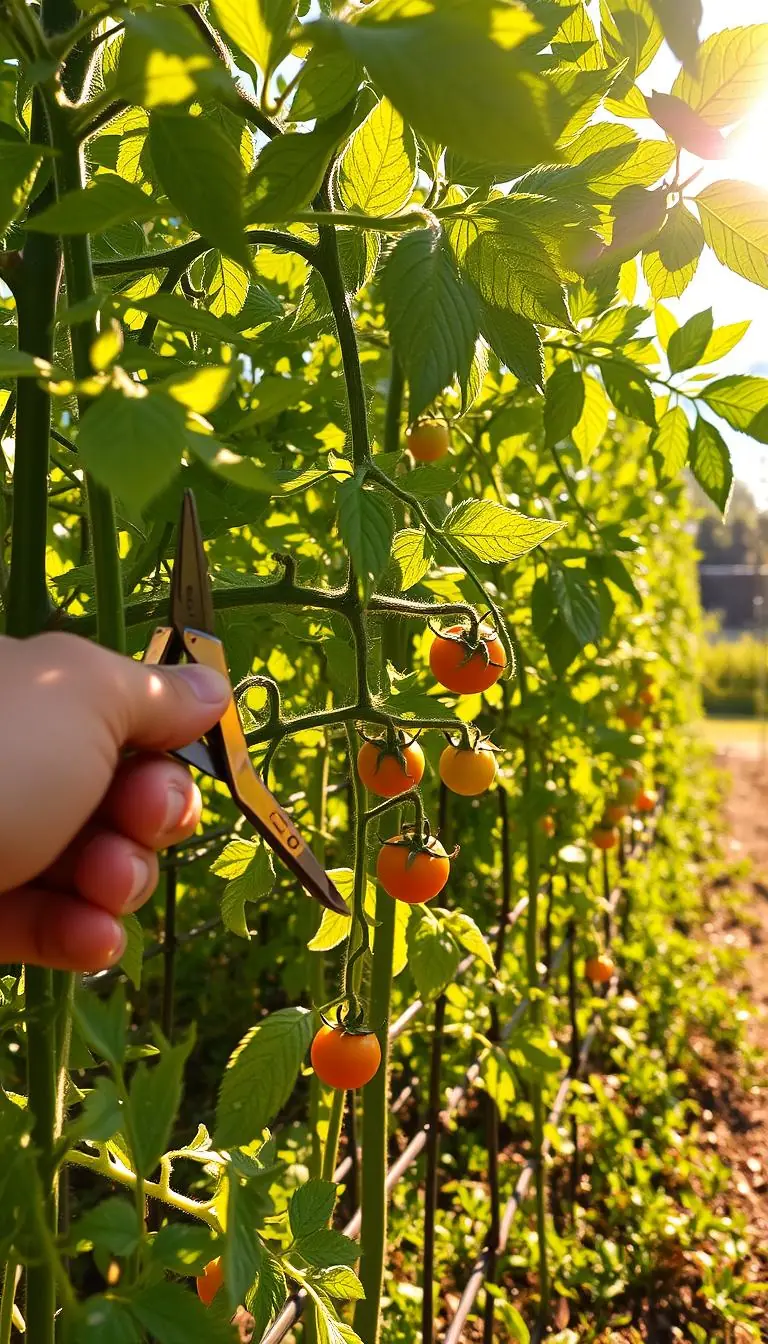
Imagine the spicy scent of marigolds on a warm morning, the hum of tiny pollinators, and the cool feel of mulch under your palms. Do you wish your garden felt that calm and productive?
Here you’ll find a friendly, practical how‑to that shows simple steps, real pairings, and easy tools to keep pests low and boost yield. We explain companion planting with clear examples like basil with tomatoes and corn with climbing beans.
We lean on research-backed mixes that lower insect pressure by scent, sheltering predators, and visual distraction. Use common gear—planters, stakes, a compost bin, drip lines—and layouts that look lovely and save time.
Expect season‑specific guidance, tidy bed measurements, and confident next steps. Start one bed or one container today, and build steady habits that protect crop health and make gardening a relaxing, reliable pleasure.
Key Takeaways
- You’ll get a step‑by‑step system to reduce pests and raise yield with attractive layouts.
- Research-backed pairings help you skip guesswork: basil with tomatoes, alyssum with brassicas, beans with corn.
- Simple tools—compost bins, stakes, and drip lines—keep maintenance low and results high.
- Seasonal timing and spacing tips let you plant with confidence and save time.
- The approach adapts to raised beds, in‑ground plots, and containers for any vegetable gardener.
Why Companion Planting Works for Pest Control and Yield
You can use scent, shape, and variety to turn your beds into a confusing buffet for pests and a welcome stop for helpers. Nature responds to smell and sight. When you mix aromatic herbs, leafy textures, and blooms, insects struggle to find their favorite host. That lowers damage and helps crops thrive.
How scents, signals, and diversity confuse pests
Strong aromas mask crop cues. Herbs like basil, thyme, and sage change the air signal pests use to locate food. Mixed heights and leaf shapes create visual noise that makes it hard for chewing and sucking insects to zero in.
Recruiting allies: attracting predators, parasitoids, and pollinators
Flowers feed adult predators and parasitoids. A 12–18 inch edge of sweet alyssum or buckwheat draws hoverflies and lacewings whose larvae eat aphids. Interplant small clusters every 3–6 feet so helpers stay nearby.
- Slip a thyme or sage near four tomato plants this week.
- Add a 12–18 inch nectar border along one bed.
- Undersow legumes under corn to add nitrogen and living cover.
Start small, think habitat: flowers for food, herbs for scent, and mixed crops for confusion—all simple moves that reduce pests and lift yield.
Plan Your Garden Layout for Beauty, Function, and Fewer Pests
Designing beds with height, scent, and airflow lets you plant for beauty and pest control at once. A clear layout reduces pest pressure and makes daily care simple.
Bed design and spacing: living trellises, shade, and airflow
Use 30–32 inch beds with 18–24 inch paths so you can reach the center without stepping on soil. This spacing helps leaves dry faster and lowers disease risk.
Place tall crops (corn, sunflowers, pole beans) on the north side so they don't shade sun‑loving rows. Let those tall stems act as living trellises for vines.
Materials checklist
- Food‑safe planters for edge flowers and container herbs
- Sturdy stakes, trellis netting, and living supports (corn, sunflowers)
- Solar or low‑voltage lights, a compost bin or tumbler
- 1/2‑inch drip line with 12‑inch emitter spacing and a simple timer
Soil‑first thinking: roots, nitrogen fixers, and mulch
Top‑dress 1–2 inches of finished compost each spring and aim soil pH by crop (tomatoes ~6.2–6.8; brassicas ~6.5–7.0).
Mulch 2–3 inches to keep moisture steady and cool the soil. Pair deep and shallow roots — tomatoes beside lettuce, carrots beside peas — to use the full profile without competition.
Quick map: flowers on sunny edges, main crops in the center, herbs at corners, stepping stones along long beds. It’s tidy, functional, and invites helpful insects in.
Step‑by‑Step: Build a Pest‑Smart Companion Bed
Build this bed one deliberate step at a time: prep soil, mark edges, then plant for continuous bloom and cover.
- Site prep: clear weeds, loosen the top 8–10 inches, then mix in 1–2 inches of finished compost. Aim for a crumbly texture that smells sweet and earthy.
- pH & texture: check soil with a kit and target 6.2–6.8 for mixed crops. Add lime or sulfur in small amounts and recheck after a week.
- Layout: snap a chalk line for a 30–32 inch bed. Mark a 12–18 inch flower edge on the sunniest side to concentrate beneficials near crops.
- Planting sequence by season: cool spring — direct‑seed peas, spinach, and lettuce. At last frost — transplant brassicas and sow alyssum. Two to three weeks post‑frost — set tomatoes and peppers with basil. When soil warms — sow corn and cucumbers.
- Spacing & timing: use days‑to‑maturity to layer (lettuce 30–45 days under tomatoes 70–85). Space rows 12–18 inches for herbs, 18–36 inches for main crop rows.
- Seed vs transplant: direct‑seed peas, beans, carrots, radish; transplant tomatoes, peppers, basil, and thyme for a faster start.
- Watering & mulch: install a drip line with 12‑inch emitter spacing. Run 45–60 minutes 2–3 times a week in summer, check soil moisture 2 inches down. Mulch 2–3 inches after seedlings establish.
Weekly rhythm
Look at leaves (top and underside), feel soil for moisture, and smell for fresh compost notes. Pinch damaged growth, refresh mulch, and clip spent blooms to keep nectar flowing. Small, steady care builds yield and a thriving garden.
Evidence‑Based Companion Planting Combinations You Can Trust
Use these proven pairings to plant a weekend bed that quietly reduces pests and boosts harvest.
Three Sisters (corn + pole beans + squash): build 3–4 foot mounds. Sow corn in a tight circle every 8–10 inches. Plant pole beans 10–14 days later at each stalk base so vines climb and fix nitrogen. Seed squash around the mound edge; its large leaves shade soil and deter critters.
Tomatoes with basil, marigold, and borage: space tomatoes 24 inches apart. Tuck a basil at 18–24 inches and place 1–2 marigolds per tomato for whitefly deterrence. Add borage nearby for blue blooms that draw pollinators and parasitoids.
- Brassicas: set cabbage or broccoli 18 inches apart. Add dwarf thyme and small onion sets every 2–3 plants. Trail nasturtium at edges; sage or dill can further reduce caterpillar activity.
- Cucumbers: sow next to a short corn row or sunflower trellis. Plant cucumbers 12 inches from corn; interplant dill and nasturtium to deter beetles. Sow a few radishes at vine bases as a trap for root pests.
- Peas, spinach, and lettuce combos: sow peas and spinach together in early spring. Plant lettuce 10–12 inches apart with sweet alyssum every 18 inches and a chive clump on row ends to cut aphid pressure.
- Potatoes: set seed potatoes 12 inches apart. Sow dill and cilantro along row edges to attract beetle enemies. Place onions between hills for added aphid control; use marigolds sparingly since effects on beetles vary.
- Carrots and beets: alternate carrot rows with onions or chives to disrupt carrot fly. Run bush beans beside beets for gentle fertility and earlier shade; avoid pole beans near beets to prevent stunting.
| Combination | Spacing | Key benefit | Quick how‑to |
|---|---|---|---|
| Three Sisters | Corn 8–10" apart; beans at base; squash around edge | Support + fix nitrogen + shade | Plant corn first, add pole beans 10–14 days later, sow squash last |
| Tomato + basil + marigolds + borage | Tomatoes 24" apart; basil 18–24"; 1–2 marigolds each | Fewer whiteflies; stronger tomato growth | Tuck basil and marigold at transplant; set borage nearby |
| Cucumber + corn + sunflowers | Cucumbers 12" from corn row | Living trellis; reduced insect pressure | Train vines to corn/sunflower; interplant dill and nasturtium |
| Potatoes + dill + cilantro + onions | Potatoes 12" apart; herbs along edges | Attracts beetle predators; lowers aphids | Sow herbs at planting; monitor beetle activity |
Plant these mixes this weekend: follow spacing, add fragrant herbs and bright flowers, and use small trellises where needed. You’ll notice more pollinators and fewer pests — a simple path to higher yield and a more vibrant bed.
Companion Plants Through the Season: A U.S. Garden Playbook
Think of the year as a series of short projects: quick spring greens, steady summer fruiting, and a cool‑season turnover. This playbook shows what to start by USDA zone, how to tuck mixes into beds, and simple succession moves that keep yield steady and bugs in balance.
Spring starts (Zones 3–6 and 7–10)
Early spring for Zones 3–6: direct‑seed peas, spinach, lettuce, and radish as soon as soil is workable. Edge the bed with alyssum for early nectar that draws syrphid flies and bees.
In warmer Zones 7–10, start the same greens a few weeks earlier and use a light shade cloth if midday heat spikes. Keep soil evenly moist so seed emergence is fast and uniform.
Summer momentum
After frost, set tomatoes and peppers. Nestle basil at their feet and add marigolds to reduce thrips and whiteflies. Use a drip line to keep foliage dry and fruit clean.
Sow corn in blocks for better pollination and put cucumbers on the sunny side. Interplant dill and nasturtium between hills; consider a small Three Sisters corner if you have the space.
Late season and turnover
Late summer: under maturing corn, overseed a low legume like cowpeas to feed soil and shelter beneficials until frost.
For fall, transplant brassicas with thyme and nasturtium nearby. Sow spinach beneath pea trellises for sweet, cool greens after a light frost.
- Succession tip: sow short lettuce where taller crops create dappled shade.
- Rotation idea: follow a pea or bean row with carrots or baby lettuce to use freed space and break pest cycles.
- Flowering strips: add buckwheat or zinnia if a gap appears to keep natural enemies close.
| Season | Quick spacing | Succession |
|---|---|---|
| Spring greens | Peas 2–3" apart; lettuce 10–12" | Replace with bush beans or carrots |
| Summer fruit | Tomatoes 24" apart; basil 12–18" | Fall brassicas in cleared beds |
| Late season | Cowpeas under corn; spinach under trellis | Cover crop until spring |
Simple rhythm: set a calendar reminder for each planting window. Small, on‑time moves keep beds full, soil healthy, and your garden feeling spacious and productive.
Trap Crops, Beneficial Habitat, and Living Supports
Set up small bait areas and flowering ribbons so you can steer pests away and welcome helpful insects into your beds. Use quick, visible choices that attract unwanted bugs away from your harvest and feed predators that keep pressure low.
How trap crops work and where to place them
Trap crops are sacrificial, more attractive crops planted to pull pests away from main rows. Put a blue hubbard squash at the upwind edge of your cucurbit bed to intercept cucumber beetles, squash bugs, and vine borers before they reach melons or cukes.
Nasturtiums make a peppery groundcover that lures pests; plant clusters every 3–4 feet near vulnerable beds. Sow radishes in a ring at cucumber bases and refresh that ring every 2–3 weeks so young leaves stay attractive.
Flower strips that build predator and parasitoid habitat
Stagger buckwheat and sweet alyssum in a 12–18 inch ribbon to deliver quick and sustained nectar. Buckwheat blooms fast; alyssum blooms long. Together they raise hoverfly, lacewing, and parasitoid numbers.
Zinnias add color and extra nectar. Place them as sentries in bed corners where you can watch activity. When flowers host lady beetles and hoverflies, you’ll see fewer pests on main crops.
Living supports: corn and sunflowers as natural trellises
Plant a block of corn or a row of sunflowers and add pole beans to the sunny side 10–14 days later. These living supports save material and create tidy vertical space for beans and cucumbers.
Use soft twine guides to direct vines and keep harvest at eye level. Space corn 8–10 inches within the block and set sunflowers 12–18 inches apart for sturdy stems.
- Scouting success: pests concentrated on trap crops; many predators on flowers; low damage on main rows.
- When pressure peaks: prune or bag infested leaves, then remove and destroy heavily hit trap stems to break cycles.
- Placement tips: windward edges for trap squash, flower strips along paths, zinnias at corners, living supports in sunny blocks.
| Feature | Spacing | Quick use |
|---|---|---|
| Blue hubbard (trap) | 1 per 6–10 ft of cucurbit edge | Upwind edge to intercept beetles and borers |
| Buckwheat + Alyssum | 12–18 in ribbon | Continuous nectar for predators |
| Corn / Sunflowers + Pole beans | Corn 8–10 in; sunflowers 12–18 in | Living trellis; add pole beans 10–14 days later |
Small, planned features—trap crops, a steady line of flowers, and living supports—work together to lower pest levels and raise resilience. Scout weekly; when you see pests on decoys and helpers on blooms, you know the system is working.
Common Mistakes to Avoid and How to Troubleshoot
You can fix most garden headaches with a little spacing, simple scouting, and a dose of diversity.
Overcrowding raises humidity and hides pest activity. Open cabbage and broccoli to at least 18 inches. Thin carrots early so leaves dry faster after watering.
Poor timing stacks stress. Wait for warm soil before planting heat lovers and use a calendar to stagger sowings. Staggered planting prevents young starters from being shaded or swamped by older crops.
Myths vs. evidence
One‑plant “magic bullet” ideas persist. Marigolds help in some systems — like reducing whiteflies near tomatoes — but they don’t stop every pest such as Colorado potato beetle. Rely on tested combinations instead of long repellent lists.
Brassica defenses work better as mixes. Interplant thyme, onions, and nasturtium around cabbage; this trio often cuts caterpillar damage within a couple weeks.
Quick troubleshooting checklist
- Scout twice weekly: note pests, plant vigor, and wet spots.
- Widen space if leaves stay wet more than a day after watering.
- When aphids show, add or refresh alyssum or buckwheat nearby to attract predators.
- If a pairing fails, add one more species to reach 3+ diversity and try again.
- Protect soil health with mulch and compost so roots recover faster after nibbling.
| Issue | Immediate fix | What to add | When to check |
|---|---|---|---|
| Chewing on cabbage | Remove damaged leaves; thin spacing | Thyme + onions + nasturtium edge | Check weekly for two weeks |
| Aphid clusters | Refresh nectar flowers; avoid sprays | Alyssum or buckwheat clumps | Scout every 3–4 days |
| Stressed seedlings | Adjust shade, wait for warm soil | Space out and stagger sowings | Monitor moisture daily for one week |
| Persistent beetles | Use trap decoys and remove hit stems | Diverse decoy mix (3+ species) | Inspect trap zone twice weekly |
Next week try: widen space a bit, add a nectar clump, and scout twice. Small changes now protect garden health, preserve soil and roots, and help your beds recover quickly.
Conclusion
Start small: one bed, a few herbs, and a strip of flowers will teach you more than a big overhaul.
Companion planting gives quiet, steady help — peas with lettuce, basil with tomatoes, thyme around cabbage, and dill by potatoes. A tiny Three Sisters example (corn, a few beans to fix nitrogen, and a ring of squash) shows how crops share support, shade, and nutrients.
Over the season, add successions from seed and transplants, tuck in alyssum for nectar, and let herbs fill sunny corners. You’ll see fewer insects, better yield, and a garden that feels calm and productive.
Next step this week: pick one pairing you love — tomato and basil or peas and lettuce — and plant it. Watch, learn, and enjoy the slow rewards.
FAQ
What is companion planting for pest control and will it improve my yield?
Companion planting pairs different species so their scents, root habits, and growth forms interfere with pests and support beneficial insects. When you combine nitrogen‑fixing legumes like pole beans with shading crops such as squash, you reduce stress on soil and create a microclimate that often increases yield. It’s not a single fix—think layered strategies: diversity, timing, and habitat for predators all add up to healthier, more productive beds.
How do scents, visual cues, and diversity actually confuse garden pests?
Many pests use smell and sight to find hosts. Strong‑scented herbs (basil, thyme, dill) and flowers (marigold, alyssum) mask crop odors and break pest search patterns. Mixed heights and leaf textures disrupt visual cues. Diversity makes it harder for a pest to zero in on its preferred crop, lowering damage without broad chemical use.
Which plants attract predators and pollinators I want in the garden?
Flower strips of sweet alyssum, buckwheat, and zinnia draw hoverflies, lady beetles, lacewings, and parasitic wasps. Borage and borage’s blue blooms help bees. Herbs such as dill and cilantro provide nectar for wasps that parasitize caterpillars. Adding nectar‑rich borders gives natural enemies a steady food source so they stay and help control pests.
How should I design beds to balance beauty, airflow, and pest reduction?
Use layered arrangements: low edges of alyssum or chives, midrows of lettuces and brassicas, tall anchors like corn or sunflowers. Space plants for good airflow to cut fungal risk, and place living trellises (sunflowers, corn) where vining crops can climb. Leave working paths so you can inspect and thin when needed.
What materials should I have on hand for a pest‑smart garden?
Basic gear: sturdy stakes or trellises, drip irrigation or soaker lines, compost and mulch, pH test kit, and simple tools for weeding. Lightweight row covers can protect young crops. Good soil and steady water reduce stress that attracts pests, so a compost bin and mulch go a long way.
How does soil‑first thinking change plant choices and layout?
Match root depth and nutrient needs: deep feeders (tomato, sunflower) pair well with shallow greens (lettuce, spinach). Include nitrogen fixers—peas and beans—near heavy feeders like corn or brassicas to boost fertility. Mulch to protect texture and moisture; healthy soil supports resilient plants that fend off pests naturally.
What are the essential steps to build a pest‑smart bed from scratch?
Start with site prep: add compost, check pH, and loosen compacted soil. Plan planting order by season and days to maturity so crops don’t compete for space. Place flowers at edges to lure beneficials, use drip irrigation to keep foliage dry, and monitor weekly to catch problems early. Rotate crops annually to limit pest buildup.
How do I sequence plantings through the season for best results?
Spring: sow peas, spinach, lettuce, radish, and alyssum. Summer: set out tomatoes, peppers, basil, corn, cucumbers, and marigolds. Late season: pull spent corn and sow cover legumes or quick greens; plant fall brassicas with herbs to reduce pests. Stagger plantings to maintain blooms and habitat across months.
What interplanting patterns work well in small raised beds?
Use edge‑center patterns: aromatic flowers and herbs on borders to attract predators, quick greens in front for easy harvest, and larger crops in the center. In a 4x8 bed, tuck lettuce and chives along the edges, plant tomatoes or corn centrally, and weave in marigolds, basil, or nasturtiums as living companions.
Which plant combinations are supported by evidence for pest control and productivity?
Trusted combos include the Three Sisters—corn, pole beans, and squash—for support and nitrogen. Tomatoes benefit from basil, marigold, and borage nearby; onions and chives help brassicas along with thyme and nasturtium. Cucumbers do well with corn or sunflowers as living trellises, and peas plus spinach make a strong cool‑season team.
Can trap crops really protect my main vegetables?
Yes—sacrificial or trap crops like nasturtiums, radishes, or blue hubbard squash can lure pests away from valuable crops. Place them downwind or at borders. Monitor and remove heavily infested trap plants to reduce local pest pressure. This approach works best combined with predator habitat and sanitation.
What common mistakes should I avoid when trying companion strategies?
Avoid overcrowding, which invites disease; don’t rely on a single “magic” pairing; and watch timing—planting mismatched maturity rates causes shading or competition. Also, skip folklore that lacks testing: use research‑backed pairings and observe what works in your microclimate.
How do I troubleshoot a bed that still has pests despite good planning?
Inspect closely for eggs, larvae, or hiding spots. Improve airflow, remove infested foliage, and add more flowering strips to boost predators. Consider row covers for young transplants and rotate crops next season. Soil tests can reveal nutrient imbalances that stress plants and invite pests.
Are there reliable pairings for cool‑season and warm‑season crops?
For cool seasons, peas with spinach and lettuce plus alyssum or chives provides mutual benefits. In warm months, tomatoes with basil, marigolds, and borage—or corn with pole beans and squash—are classic, effective groupings that promote pollination and pest deterrence.
How can I use flowers as part of an integrated pest management plan?
Plant diverse, long‑blooming flowers like zinnias, buckwheat, and sweet alyssum in strips or borders. They feed adult predators and parasitoids and give pollinators forage. Rotate flower species to extend bloom time and include both early and late bloomers to support beneficials across the season.
Will herbs like basil, thyme, and dill actually reduce insects on nearby crops?
Herbs emit volatile compounds that mask crop scents and attract helpful insects. Basil near tomatoes can reduce some pests and improve flavor; thyme and dill disrupt pests near brassicas. They’re not a cure‑all but are a low‑effort, proven layer in a broader pest management plan.
How do I balance aesthetics with functional companion layouts?
Choose combinations that mix color and form: marigolds and nasturtiums at edges, lettuce and chives for soft front rows, taller sunflowers or corn at the back. This keeps beds sunlit and accessible while creating lush, pollinator‑friendly borders that also help control pests.
What role do cover crops and rotation play in this system?
Cover legumes fix nitrogen and protect soil during turnover, reducing the need for synthetic fertilizers. Rotating families—moving brassicas out of a bed for a season—breaks pest and disease cycles. Both practices build long‑term soil health and resilience against pests.
How can I scale these ideas for containers or small urban plots?
Use deep containers for mixed root depths, group pots to create microhabitats, and select compact varieties—bush beans, dwarf tomatoes, and compact herbs. Add a small flower pot of alyssum or marigold to each cluster to draw beneficials and mask pests in tight spaces.