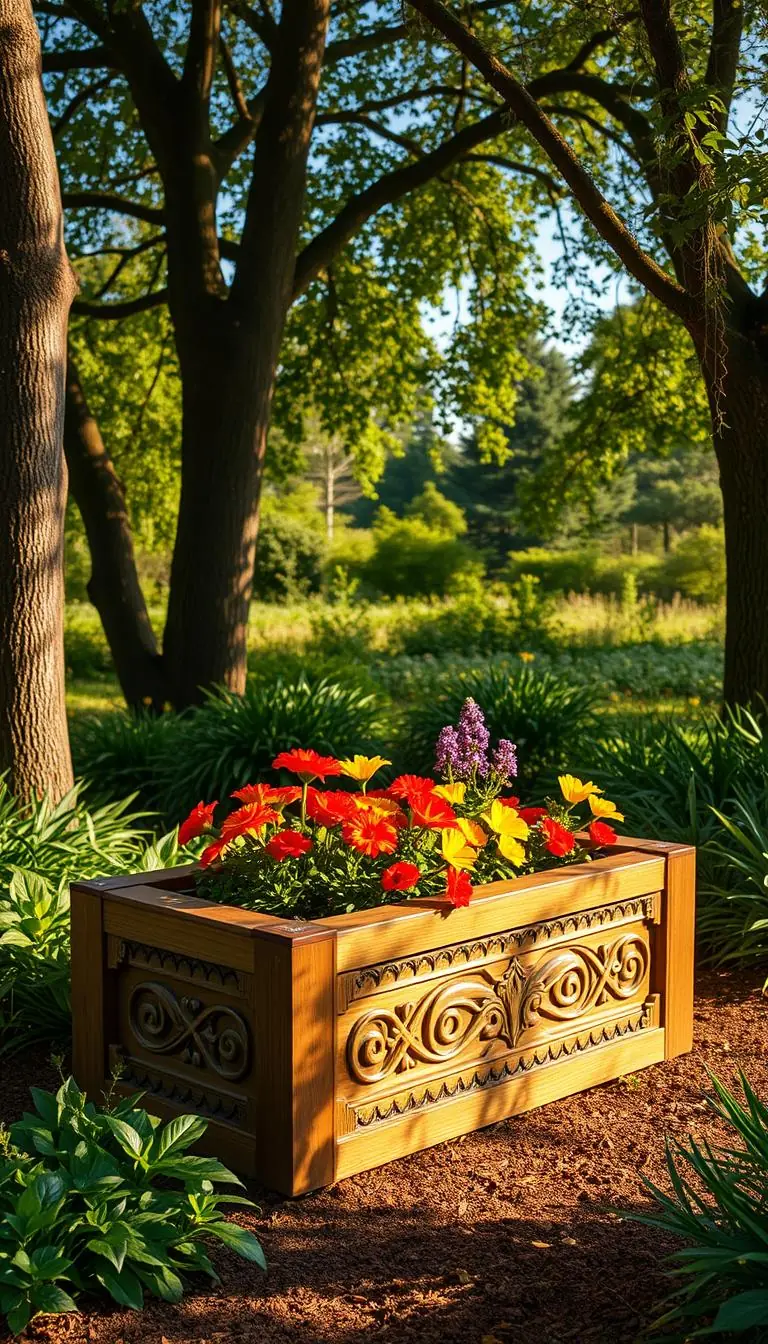
Imagine stepping out to a sunlit porch warmed by caladium leaves and the soft perfume of heliotrope. Do you picture a small garden that feels like a quiet, living room for the outdoors? You can create that calm with a few simple choices.
You’ll learn quick, practical steps—choose larger containers with drainage holes, use a soil-free potting mix for airy roots, and add a thin layer of fine gravel or clay shards to keep water from pooling. Water gently to settle the mix and feed twice a month with liquid fertilizer following the label.
The plan covers timing through spring, summer, and fall, and recommends easy perennials like astilbe, coneflower, dwarf hosta, salvia, and speedwell. With a small set of reliable plants and thoughtful color blends, your landscape will feel cohesive even when you only have a few pots.
Key Takeaways
- Pick larger pots with drainage and a lightweight, soil-free mix for healthy roots.
- Add a 1-inch gravel or shard layer to prevent water from collecting at the bottom.
- Water gently, then feed liquid fertilizer at least twice monthly per label directions.
- Choose reliable varieties like salvia and caladium for long-lasting beauty with less fuss.
- Shift pots seasonally—spring freshness, summer abundance, and fall charm keep the view fresh.
Why Container Flowers Make Small Spaces Shine
You can make a small patio sing by treating your pots like movable furniture that follows the sun.
You’ll love how a single container by your window brightens the whole landscape. Move pots to chase morning sun or afternoon shade so blooms last longer.
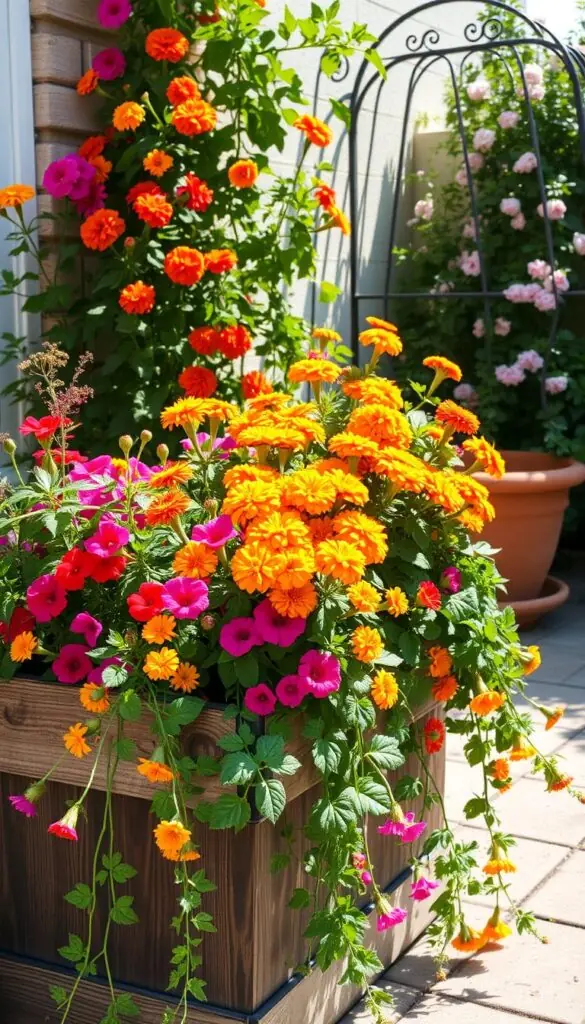
Choose materials that fit your life. Larger clay keeps roots cooler but dries fast. A plastic pot inside clay holds moisture and keeps the look classic. Fiberglass or foam makes rearranging easy when you need to lift or store pots.
- Cluster three at different heights near a window for an instant lush feel.
- Pick steady bloomers like lantana, verbena, and petunias to avoid bare spots.
- Support pollinators with salvia and nectar-rich favorites that invite bees and butterflies.
| Material | Pros | Cons | Best Use |
|---|---|---|---|
| Clay | Insulates roots, classic look | Dries faster, heavy | Full sun with liners |
| Plastic (liner) | Retains moisture, lightweight | Less textured look | Inside clay or shaded spots |
| Fiberglass/Foam | Very light, easy to move | Can feel less natural | Portable setups, renters |
Quick tip: Always confirm drainage holes before planting to avoid soggy roots and stalled blooms.
Plan Your Pots: Sun, Season, and Space
Start by watching how sunlight moves across your patio for two or three days. Note hours of direct sun, cool shade, and any hot reflected heat from walls. That short check tells you which spots need full sun or should stay in shade.
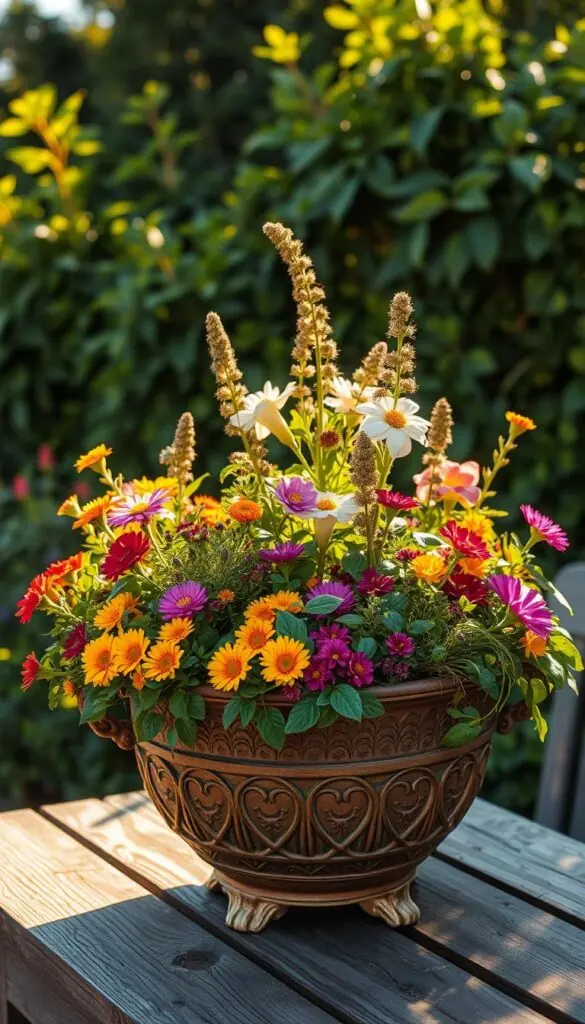
Check your light: full sun, part shade, or shade
Time direct sun in each spot. Aim full sun choices at 6+ hours. Put shade lovers in protected corners or under eaves.
Look for part shade in places that get morning sun but afternoon shade. Group pots by similar sun and water needs to keep care simple.
Match bloom time to spring, summer, and fall
Sketch a plan for bloom time so color lasts through each season. Start spring pots with violas, pansies, and tulips. Swap to summer stars like Angelface angelonia, Luscious lantana, Meteor Shower verbena, Rockin’ salvia, and Whirlwind scaevola when warm weather arrives.
- Measure pot diameter in inches and compare to the plant’s mature width on the tag; choose a pot a few inches wider.
- Note wind and heat from walls—these conditions dry soil faster.
- Place a water source nearby and leave space to walk and sit comfortably.
- Plan just a few minutes daily for watering and light checks so your plants thrive.
Pick the Right Containers and Potting Mix
Good pots feel balanced in your hands and promise easy care through heat and cold.
Look for drainage holes and a pot wide enough to match the plant’s mature spread. Measure diameter in inches so roots have room and the mix stays moist on hot days.
Pick materials that suit your conditions. Clay breathes and looks timeless but dries faster. Plastic holds moisture; fiberglass or foam make moving heavy displays easier in summer and before winter.
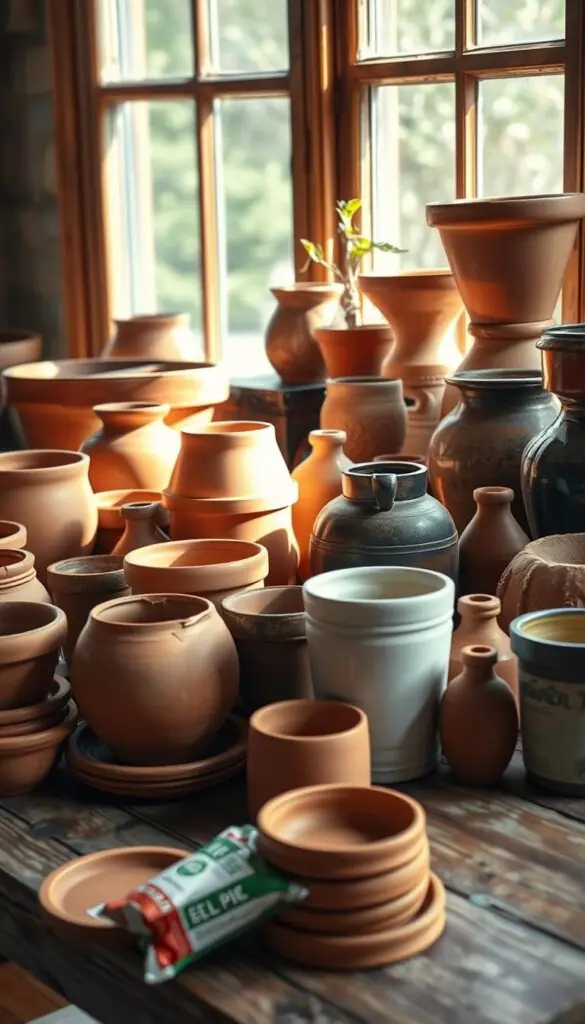
Mix and base
Use a soil-free potting mix that feels light and fluffy in your hands. Add a one-inch layer of fine gravel, horticultural charcoal, or clay shards so excess water filters cleanly and the base stays fresh.
- Confirm drainage holes before you buy to avoid waterlogged roots.
- Don’t use heavy garden soil or mixes made for shrubs; they compact in small pots.
- Group by sun or sun shade needs to simplify care.
Best Flowers for Full Sun Heat
Full-sun decks call for tough, showy varieties that stand up to heat. Pick a tall "thriller" at the back, steady fillers in the middle, and flowing spillers to soften edges. This simple trio makes a small grouping read like a complete garden.
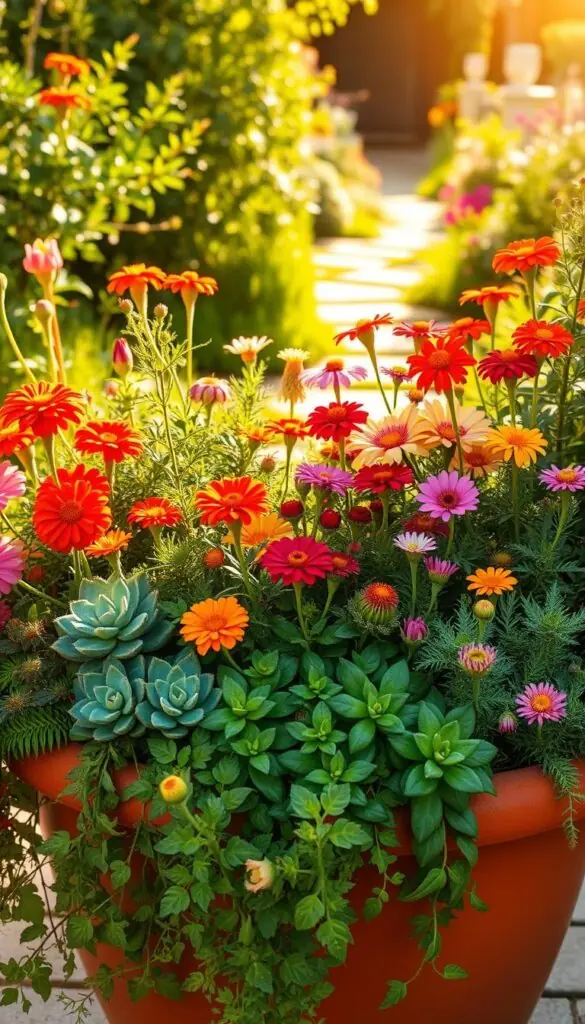
Thrillers for height and drama
Toucan canna reaches 30–48 inches with bold leaves and saturated blooms that read from across the yard. Rockin’ salvia (24–40 inches) has nectar-rich spikes and black bracts that attract pollinators. Senorita cleome gives airy, thornless spikes from late spring to fall.
Fillers with nonstop color
Choose Angelface angelonia for season-long spikes that don’t need deadheading, and Meteor Shower verbena for steady, heat-tolerant color. Luscious lantana is drought-tolerant and blooms nonstop; tuck a few petunias if you love them, but rely on these tougher picks.
Spillers that soften edges
Whirlwind scaevola drapes with sky-blue blooms. Purslane thrives in poor, dry soils and adds a low, bold mat. Lemon Coral sedum brings soft chartreuse foliage and heat-loving texture.
"Anchor tall thrillers, mix steady fillers, and let spillers tumble for a balanced, resilient display."
- Mix leaf shapes—broad canna leaves, airy cleome, and fine sedum foliage—for layered interest.
- Match heights in inches to pot size so tall plants can stretch without shading small companions.
- Place fragrant heliotrope near seating for warm-afternoon scent, but keep it away from pets or kids who might nibble.
Soft Color in Part Shade to Shade
A soft, shaded porch can feel like a painted room when you pick leaves and low blooms that glow. Aim for calm palettes that favor lush foliage and small faces of color. Choose plants that thrive in lower light and hold their charm through cool, overcast days.
Foliage that glows: Heart to Heart caladiums, ColorBlaze coleus
Heart to Heart caladiums give bold, painterly leaves and like consistently moist — not soggy — mix. ColorBlaze coleus brings vivid, long-lasting color and rarely blooms early, so leaf tone stays the star.
Site these where morning sun eases in and afternoon shade protects the leaves from scorch.
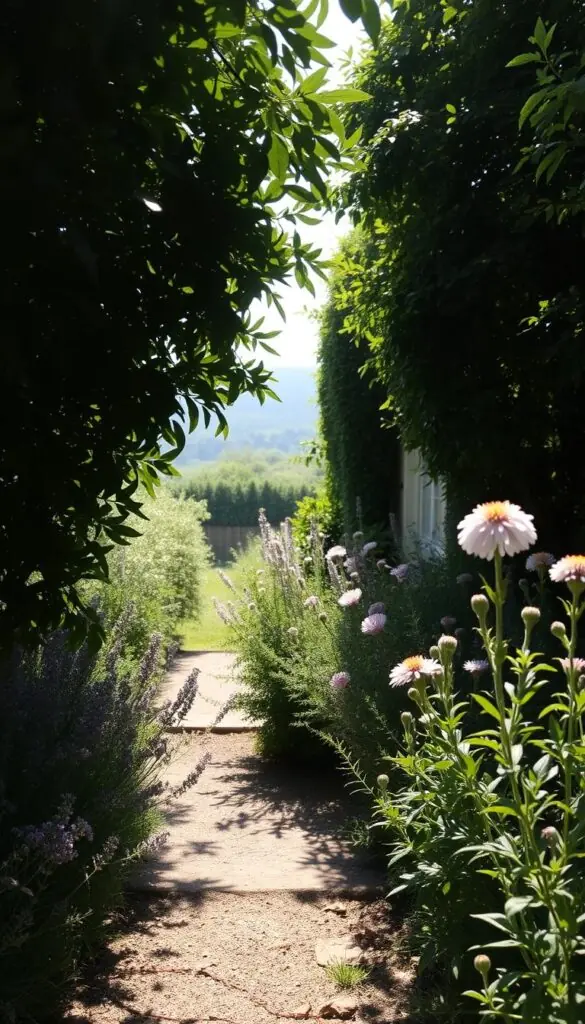
Blooming companions: heather, violas, pansies
Nest low violas and pansies at the rim for cheerful faces that peek over the pot. Deadhead them often to extend blooms into warm spells.
Add a small heather for evergreen texture; place it in a spot that gets sun to part shade and drains well.
- Water consistently — let the top inch dry slightly before the next drink.
- Cluster two or three pots to raise humidity and keep leaves plush.
- Rotate planters a quarter turn weekly so color and leaves balance all around.
Perennials vs. Annuals for Containers
Some plants come back year after year; others shine for a season—mixing them gives both stability and surprise.
Reliable perennials
Perennials like coneflower, salvia, dwarf hosta, astilbe, and speedwell give structure. They return when you protect roots from hard freezes and give the pot a familiar backbone.
Mix-and-match annuals for big impact
Annuals such as petunias, snapdragons, African daisies, English daisies, violas, and pansies add bold, instant color. Deadheading extends bloom time so your display stays lively.
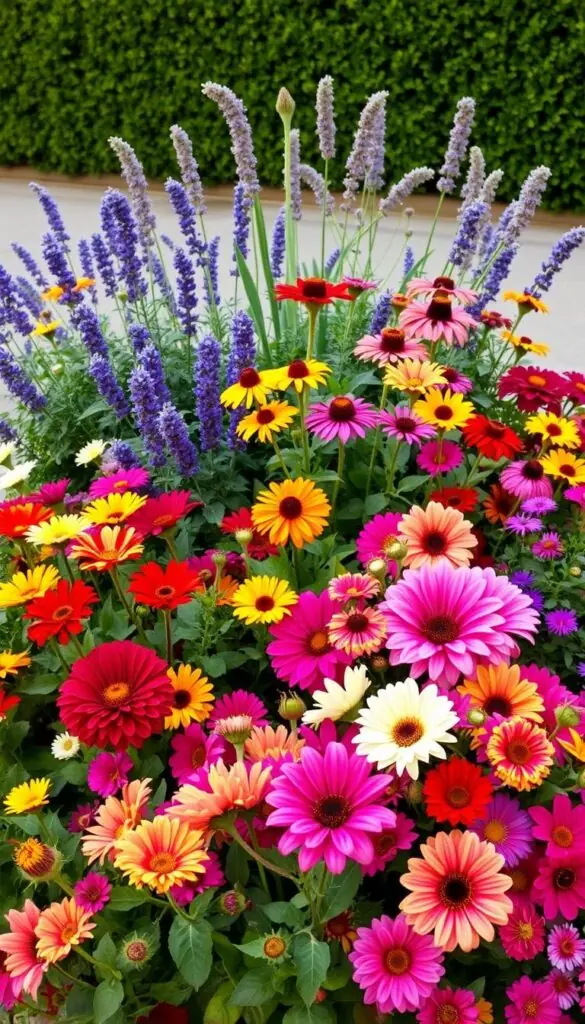
"Pair a steady perennial anchor with seasonal annuals for the easiest, most satisfying displays."
- Pros: Perennials offer repeat value; annuals provide trend-right color.
- Tip: Use a slightly larger pot for perennials so roots can survive a second season.
- Quick list: Pair dwarf hosta or astilbe with petunias or violas for balanced texture and color.
| Trait | Perennials | Annuals |
|---|---|---|
| Longevity | Return yearly with winter protection | One season, replace for new color |
| Care | Less frequent replanting, may need winter shelter | Deadhead to prolong blooms, easy swaps |
| Best use | Anchors and mid-height structure in your landscape | Instant, bold color and seasonal trends |
Try a blend: rely on perennials for steadiness and add a few annuals as your favorite color accents. This mix keeps your garden fresh and budget-friendly through the seasons.
container flowers: A Simple Planting Day Step-by-Step
Set aside an easy hour and you can pot a lovely display from start to finish. Gather tools, choose the sunny or shady spot where the container will live, and work calmly so each step feels satisfying.
Step-by-step:
- Place the pot where it will stay so you won't lift a heavy unit later.
- Drop a one-inch base of fine gravel, horticultural charcoal, or clay shards; listen for the soft clink that tells you drainage is set.
- Fill about two-thirds with a light, soil-free potting mix that feels airy between your fingers.
- Loosen roots gently, set the plant at nursery depth, and keep the soil line about 2 inches below the rim for tidy watering.
- Water slowly until runoff appears, let the mix settle, top up low spots, and water again to remove air pockets.
Place thrillers in back or center, nestle fillers around them, and tuck spillers at the edge so they can trail. Wipe stray mix from leaves with your hand for a finished look.
Feed: Mix a balanced liquid fertilizer into your watering can and feed lightly every other week per the label. Note the time — most pots take under an hour, and that builds confidence for another planting day.
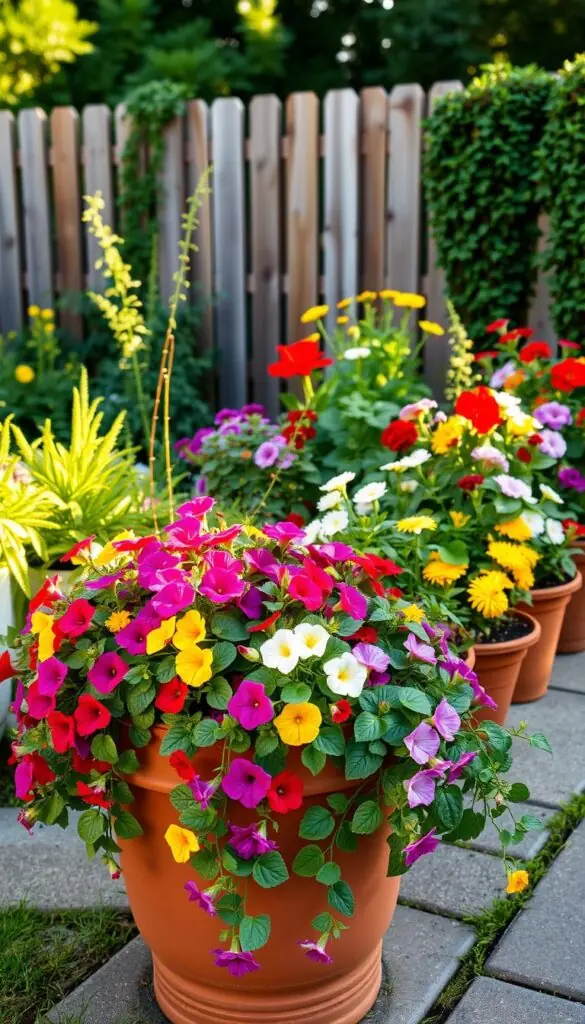
| Action | Why it matters | Quick tip |
|---|---|---|
| Place pot | Prevents heavy lifting and sets light exposure | Choose the final view near seating |
| One-inch base | Ensures clean drainage and avoids soggy roots | Use charcoal or gravel for scent control |
| Fill & plant | Airy mix helps roots breathe and grow | Keep soil 2 inches below rim for watering |
| Water & feed | Removes air pockets and starts growth | Feed every other week with liquid fertilizer |
Seasonal Combos You Can Copy Now
Ready-made combos save time and look like you hired a pro—try these simple mixes this season.
Spring freshness (14–16")
Plant pansies, violas, and English daisies in a round bowl with a ring of tulips at the center. These cold-tolerant picks give cheery blooms that shrug off chilly mornings. Keep the mix evenly moist and deadhead spent faces for longer color.
High-summer heat lovers (18")
Build a full sun, heat-ready pot with Angelface angelonia as the thriller, Luscious lantana and Whirlwind scaevola as filler, and Lemon Coral sedum to spill over the edge. Match water needs and place near afternoon shade if you have reflected heat.
Late-summer into fall (20")
Swap into Truffula Pink gomphrena, Meteor Shower verbena, and Vermillionaire cuphea for hummingbird-friendly fireworks through fall. These varieties tolerate late heat and keep pollinators busy.
Shade sanctuary
Lean on foliage with Heart to Heart caladium, ColorBlaze coleus, and heuchera. This trio gives season-long texture and color where direct sun is limited.
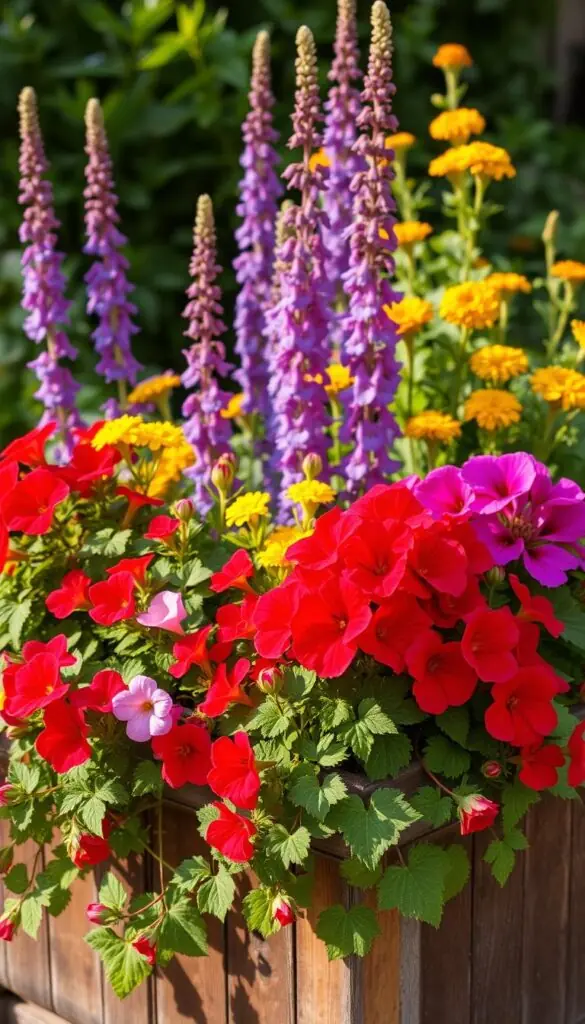
- Repeat colors across pots—soft blues and purples for a calm corner or hot pinks and oranges for an energetic seating area.
- Treat scaevola and sedum as both filler and spiller to soften the edge of any mix.
- Tuck a few petunias where you want extra wave-like bloom in mixed sun planters.
- Refresh tired spring arrangements by sliding out spent plants and dropping summer-ready replacements into the same soil after a top-up.
- Photograph your favorite combos so you can copy them next year without guesswork.
Watering, Feeding, and Simple Care That Keeps Blooms Coming
Good care is mostly routine: water with purpose, feed on schedule, and move plants when the weather demands it.
How to water: Water deeply until you see runoff, then wait until the top inch of soil feels dry before the next drink. On hot, sunny mornings, water early so leaves dry and the day starts with well-hydrated roots.
Use a watering can with a rose or a hose-end breaker for a soft shower that won’t splash mix. Watch for midday wilting that doesn’t recover by evening — that’s a clear sign to adjust frequency.
Feeding and midseason care: Feed with a balanced liquid fertilizer every two weeks during peak season. If growth runs lush but blooms slow, ease back a bit.
Refresh the soil surface midseason with a light top-up of mix if roots show. Pinch spent blooms and long tips to keep the plant tidy and to encourage more color.
"Group pots by sun and heat tolerance, and slide them to gentler spots during heat waves to keep stress low."
- Group by sun exposure so care is consistent across a cluster.
- Move pots out of harsh afternoon sun or into light wind protection in extreme heat.
- Let tough performers like Meteor Shower verbena, Angelface angelonia, and Luscious lantana carry color when temperatures soar.
Design Made Easy: Thriller-Filler-Spiller Recipes
Start with two simple recipes that pair a bold center plant with easy companions for instant curb appeal.
Warm sunset tones: canna ‘Toucan’ + lantana + purslane
Recipe: Toucan canna (30–48 inches) as the thriller, Luscious lantana as the filler, and purslane to spill in sunset tones.
Build this in a 20" pot for strong vertical impact and glowing late-afternoon color in full sun. Toucan gives bold leaves and drama. Lantana blooms nonstop and ties gold-green foliage with the canna stem.
Cool blues and purples: salvia ‘Rockin’ + heliotrope + evolvulus ‘Blue My Mind’
Recipe: Rockin’ salvia for height, fragrant heliotrope for mid-level clusters, and Blue My Mind evolvulus to trail true sky-blue stars.
This 18" combo favors airy textures and soothing hues that read well from a window or walkway. Rockin’ draws pollinators; evolvulus softens edges with silvery foliage.
- Use petunias as a flexible filler if you want extra waves of bloom.
- Keep thrillers about one-third of total height so the display balances at a glance.
- Choose annuals here for instant volume and steady colors all season.
- Place drier lovers like purslane near the rim; keep heliotrope closer to the center for even moisture.
"Repeat foliage colors to knit the design together and rotate pots weekly so blooms fill evenly."
Quick Fixes: Common Mistakes to Avoid
A few quick checks will save you time and keep your display lively all season.
Pot too small, no drainage, or heavy soil. Repot crowded roots into a larger container with real drainage so they stop circling and suffocating. Swap heavy garden soil for a light, soil-free potting mix that drains and holds air around roots.
Over- or underwatering and skipping deadheading. Yellowing leaves often mean soggy roots; persistent wilting means thirst. Aim for steady moisture, not waterlogged soil. Deadhead pansies and snapdragons, and shear leggy stems to spark new blooms.
Light mismatch and cold snaps on tender plants. Move pots into part shade during heat waves, slide them near a window or wall during spring fall cold snaps, and protect tender stock overnight.
- Keep fragile plants off hot concrete and wind tunnels.
- Avoid planting shrubs meant for the ground into tiny pots.
- Trim damaged leaves after storms to send energy to new growth.
- Tape a short checklist by the door: drainage, pot size, mix, light match.
| Problem | Symptom | Quick Fix |
|---|---|---|
| Small pot / no drainage | Root-bound, slow growth | Repot into larger container with holes |
| Heavy garden soil | Poor drainage, compacted roots | Replace with soil-free mix |
| Water stress | Yellow leaves or wilt | Adjust schedule; aim for steady moisture |
| Light / temp mismatch | Leggy growth, frost damage | Move to correct sun/shade; protect in cold |
"Small adjustments now keep your pots healthy and your porch inviting."
Conclusion
Bring a quiet, sunlit corner to life with a few steady plants and simple care routines.
You can turn any small spot into a living garden by matching light, choosing reliable perennials like astilbe, coneflower, dwarf hosta, salvia, and speedwell, and adding summer-tough pairings such as lantana, angelonia, verbena, and scaevola.
Lean on leafy shade stars like caladium and coleus when sun is scarce. Shift pots or shelter them as fall chills arrive to protect roots and keep color through the season.
With short daily routines—water, a light feed, and a tidy pinch—you’ll watch blooms and foliage reward you. Plant confidently, enjoy the scents and textures, and let your small landscape feel alive every day.
FAQ
What are the easiest plants to grow in small pots for a sunny balcony?
Choose heat-tolerant annuals and perennials that thrive in full sun such as petunias, lantana, angelonia, salvia, and sedum ‘Lemon Coral’. Pick a larger pot for root room, use a lightweight potting mix, and water more often during heat waves. These choices give nonstop color and attract pollinators like bees and butterflies.
How do I know if my spot is full sun, part shade, or shade?
Observe the area for a few days. Full sun gets at least six hours of direct sunlight, part shade sees three to six hours or bright filtered light, and shade gets less than three hours. Match plants to those conditions—sun lovers for bright ledges, coleus and caladiums for shady corners.
What size pot and drainage do I need for healthy growth?
Use pots with drainage holes and pick a size that gives roots space—most mixed arrangements do well in 10–14 inch pots. Heavy clay works in cool climates; lightweight resin or fiberglass suits hot, windy spots. Add a clean base like gravel or horticultural charcoal if you need extra drainage and to keep soil fresh.
Should I use garden soil or potting mix?
Always use a commercial potting mix or soil-free blend for containers. These mixes drain well and stay light, so roots breathe. Garden soil compacts and can hold too much moisture, which leads to root rot and poor blooms.
How often should I water and feed my pots?
Water when the top inch of mix feels dry; in summer that may be daily for small pots. Feed with a balanced, water-soluble fertilizer every two weeks or use a slow-release granular at planting. Monitor foliage—the first sign of thirst is drooping leaves, and pale foliage can mean the plant needs nutrients.
Can I mix perennials and annuals in the same pot?
Yes. Perennials like dwarf hosta, coneflower, and salvia give structure and return year after year in mild climates. Mix in annuals such as petunias, snapdragons, and African daisies for immediate color. Choose plants with similar light and water needs for best results.
What are good thriller, filler, and spiller plant choices?
For thrillers pick tall, dramatic plants like canna ‘Toucan’, tall salvia, or cleome. Fillers include verbena ‘Meteor Shower’, lantana ‘Luscious’, and heliotrope. Spillers to soften edges are scaevola ‘Whirlwind’, purslane, and trailing sedum. Combine one of each for a balanced, lush look.
How do I keep blooms looking fresh all season?
Deadhead spent flowers regularly, pinch back leggy growth, and refresh the top inch of potting mix midseason if needed. Keep consistent feeding and adjust watering with temperature. For heat stress, move pots to part shade during the hottest afternoon hours.
Which plants tolerate both heat and drought best?
Lantana, sedum, purslane, and some verbena varieties handle heat and dry spells well. Use well-draining mix, group drought-tolerant specimens together, and choose larger pots to reduce how quickly soil dries.
How do I protect tender plants from cold snaps and winter?
Move tender pots indoors or to a protected spot before frost. For larger containers that can’t be moved, wrap pots with insulating bubble wrap and mulch the soil surface. Hardy perennials can stay outside with extra mulch around the root zone.
What common mistakes should I avoid when planting pots?
Avoid using garden soil, choosing pots too small, and planting species with different light or water needs together. Don’t skip drainage or over-pot. Overwatering and neglecting deadheading also reduce blooms. Match plant size and conditions for long-term success.
How do I create seasonal combos that look pulled together?
Start with a dominant color or mood—fresh pastels for spring, bold warm tones for summer, and rich pinks and purples for fall. Combine a thriller, a filler, and a spiller with complementary foliage textures like ColorBlaze coleus or heuchera. Repeat a color or plant across multiple pots for a cohesive landscape.