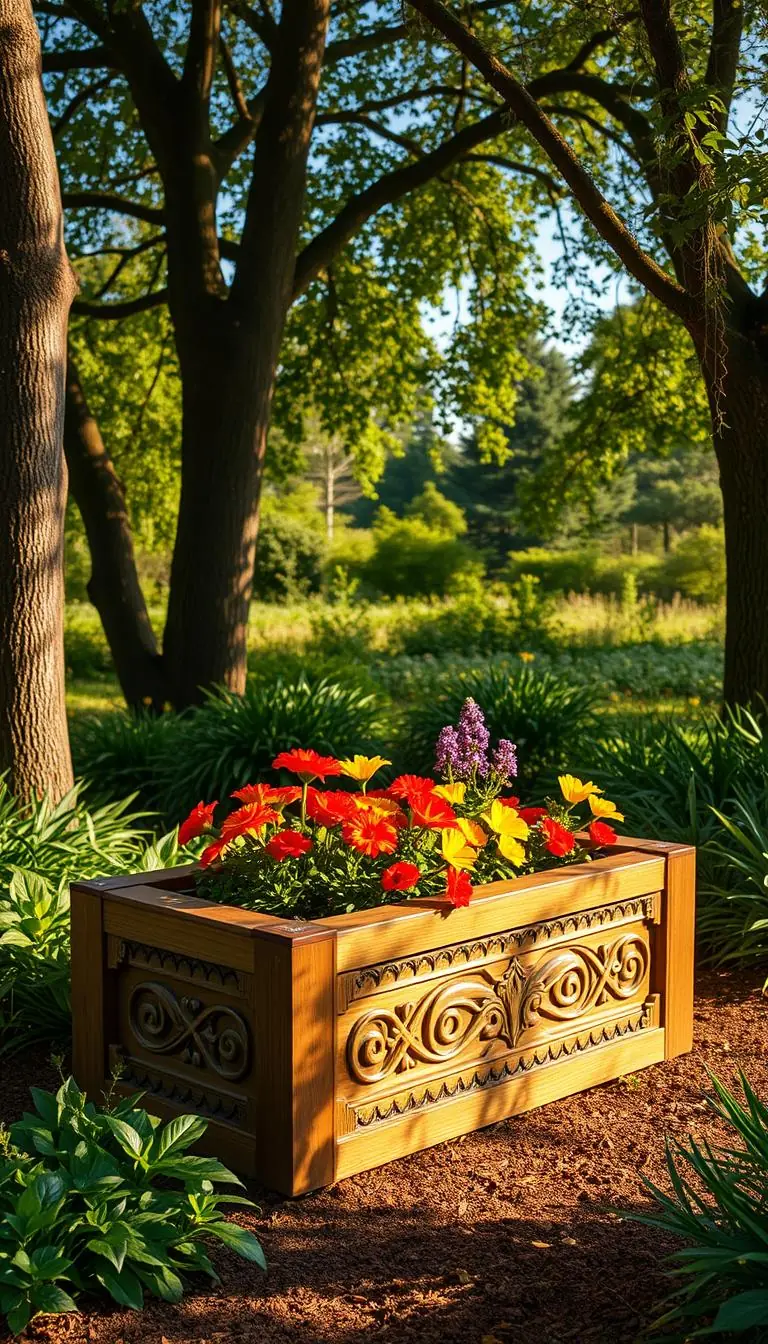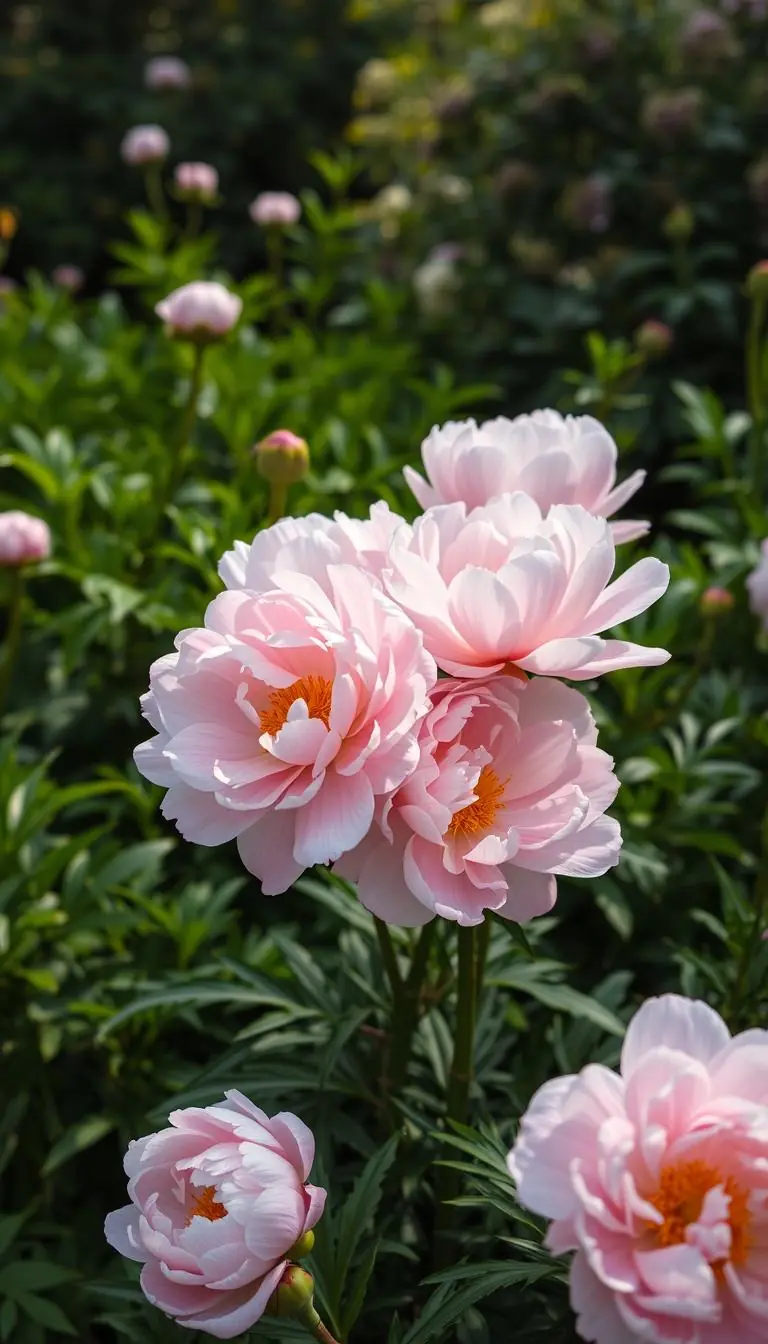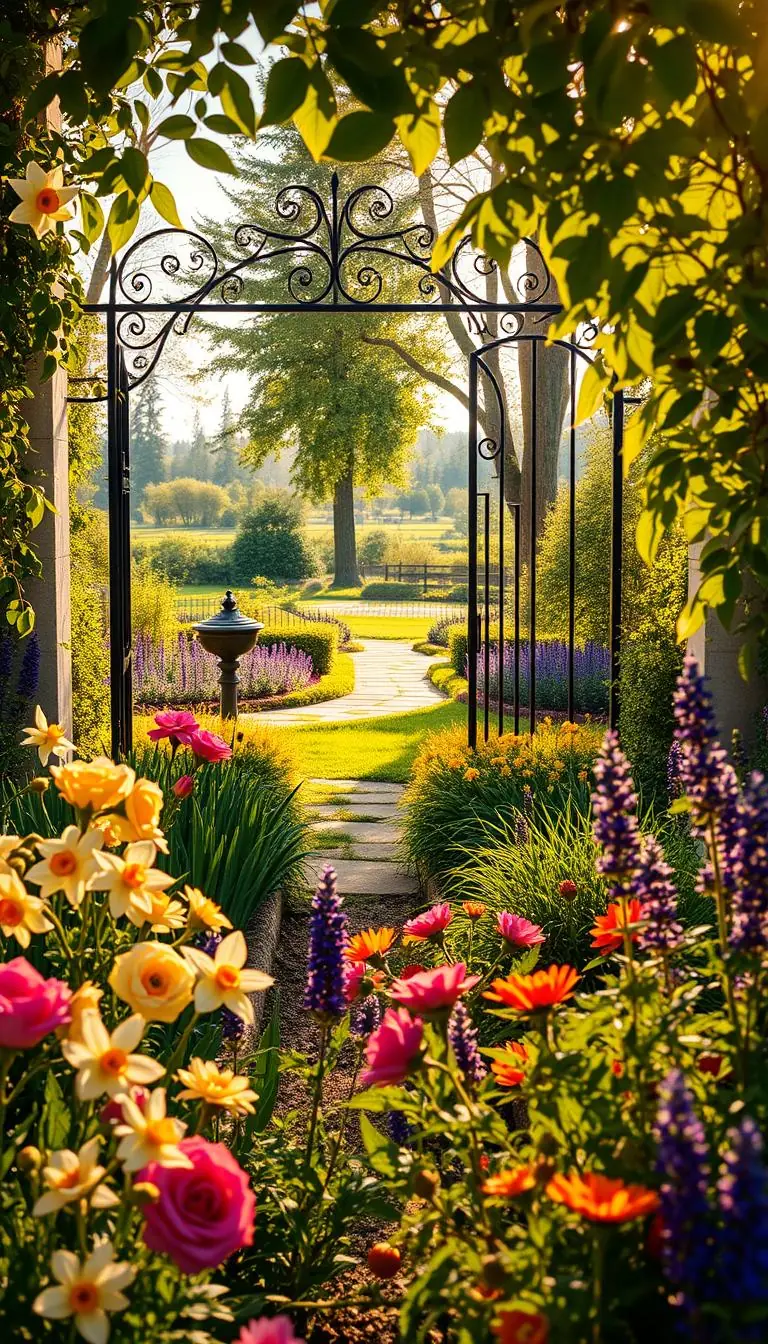
Imagine a soft, golden light settling over the yard and small bursts of color along the path. You might spot a few petals catching the sun and think about stretching the garden season a little longer.
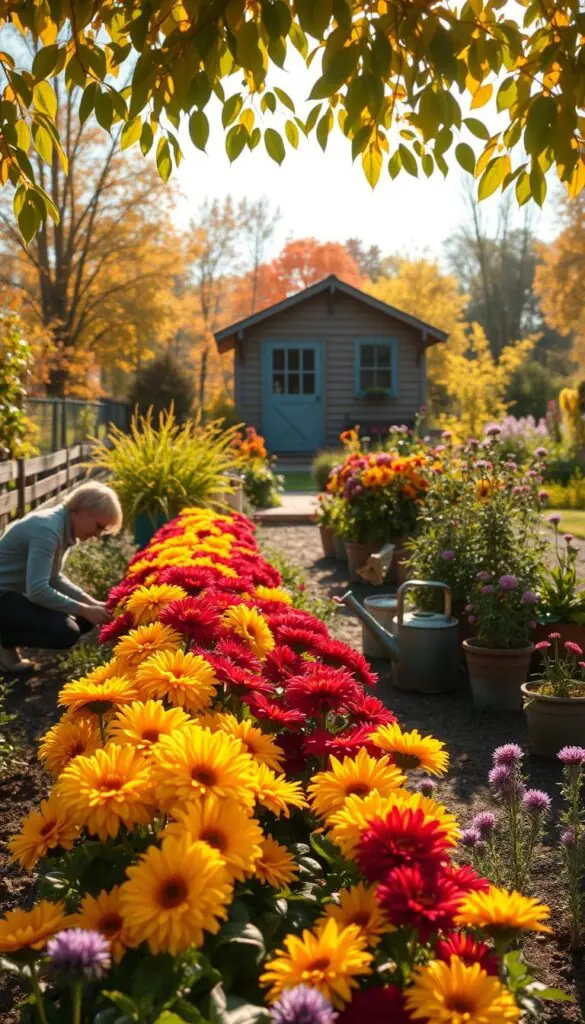
We’ll walk you through gentle steps to bring late-season charm to your beds and containers. With a hand trowel, pruners, and a watering can, you can plant smart for your USDA zone. In warmer states planting often happens mid-to-late fall, while colder regions benefit from planting in mid-to-late summer so roots can settle before cold.
Easy choices—like sunflowers, asters, mums, and sedum—offer long-lasting color and cool tolerance. You’ll learn how to match sun and soil, layer foliage for contrast, and avoid common mistakes like soggy soil or too much shade. Think of this as friendly, practical help from a neighbor who cares about your landscape.
Key Takeaways
- Use simple tools: hand trowel, pruners, and a watering can.
- Plant timing depends on USDA zone—warmer: mid-to-late fall; colder: mid-to-late summer.
- Choose reliable options like asters, mums, sedum, and sunflowers for extended blooms.
- Layer foliage and add containers for instant color and curb appeal.
- Avoid soggy soil, deep shade, and planting too late for root establishment.
Set the season: when to plant for your region and USDA zone
Know your zone and watch the thermometer—those two steps set you up for success as temperatures shift. This helps you pick the best time to add late-season color and to protect tender stems.
Cooler zones: plant in late summer to establish before frost
In colder areas, aim to plant in mid-to-late summer so roots settle before cold nights arrive. Check your USDA zone and set a calendar reminder for mid-August to early September.
Use a soil thermometer or the finger test. If soil is workable and above about 50°F, dig in. Choose a sunny spot and loosen 6–8 inches of soil, mixing in compost for drainage and steady moisture.
Warmer zones: plant in mid-to-late fall for color into winter
In mild climates, planting in mid-to-late fall often gives blooms that continue into winter. Watch night temps; when lows hit the 30s regularly, shift to hardier varieties or add protection.
- Water deeply after planting and mulch 1–2 inches to steady soil temps.
- Keep frost cloth handy for sudden cold snaps.
- For spring carryover, plant hardy perennials earlier so roots establish well.
| Region | Best time | Soil tip | Protection |
|---|---|---|---|
| Cooler USDA zones | Mid–late summer | Work soil to 6–8 in; well-drained soil + compost | Mulch, frost cloth for snaps |
| Warmer states | Mid–late fall | Full sun spots; steady moisture after planting | Light cover for rare freezes |
| All gardeners | Use local calendar reminders | Check with a soil thermometer | Plant tags note varieties and spring behavior |
Designing a fall garden palette with confident, simple choices
Start with familiar shades and textures, then repeat them to create a calm, cohesive landscape. Keep the plan simple: a small set of colors, a few textures, and one or two reliable plants repeated in drifts will read beautifully from the curb.
Warm oranges and golds—from marigolds or lantana—pair naturally with purples and blues like asters, Russian sage, and verbena. Add Montauk daisies for crisp white centers that lift deeper tones in soft afternoon light.
Think texture as much as hue. Tuck purple fountain grass for silky, purplish plumes that sway. Layer clustered blooms and daisy-like flowers to give beds depth and a touch of movement.
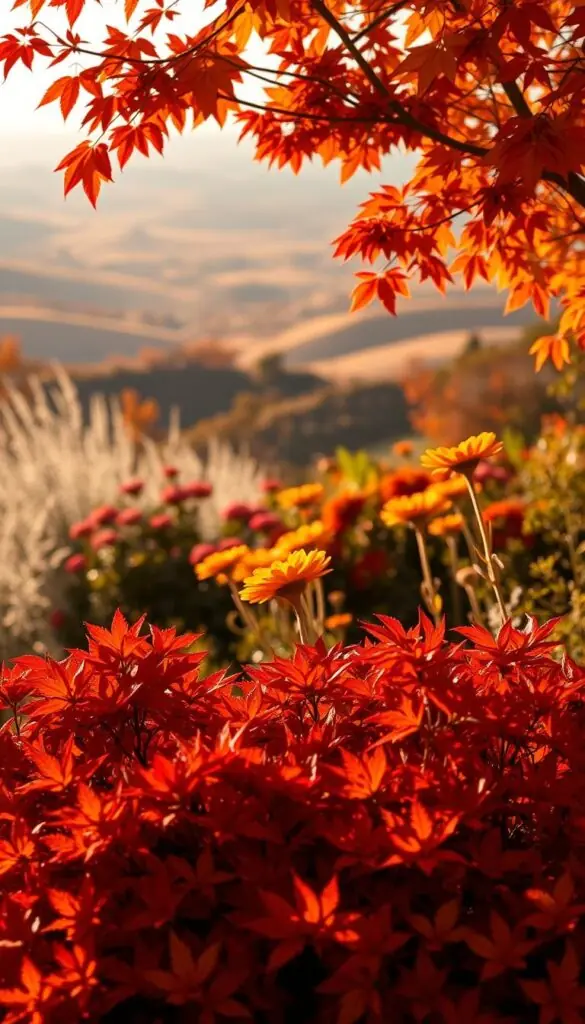
- Use a color wheel or your eye to repeat two to three colors across the landscape.
- Place tall, airy forms like Russian sage behind medium mums, then edge with spillers such as calibrachoa.
- Keep spacing generous; repeat top varieties in drifts instead of mixing too many at once.
For tools, bring a color wheel and hand pruners. Snip spent blooms to keep the display tidy. Trust scent and motion—hints of honey and silky plumes add a sensory layer that makes the season feel alive.
Pollinator magnets for late summer into fall
Bring in a few dependable nectar sources and your garden will hum with life into colder weather.
Russian sage
Plant russian sage in well-drained soil and full sun. Its airy, lavender-blue spires stand tall and shrug off drought once set.
Space plants so air moves freely between stems. The spires contrast nicely with warm-toned companions and invite bees and other pollinators.
Joe Pye weed
Set Joe Pye weed where soil stays evenly moist. Its dusky pink clusters attract bees and butterflies and make a bold backdrop late in the season.
Use a hand trowel to loosen the root ball and water deeply after planting. Stake if your bed is windy to keep those tall heads upright.
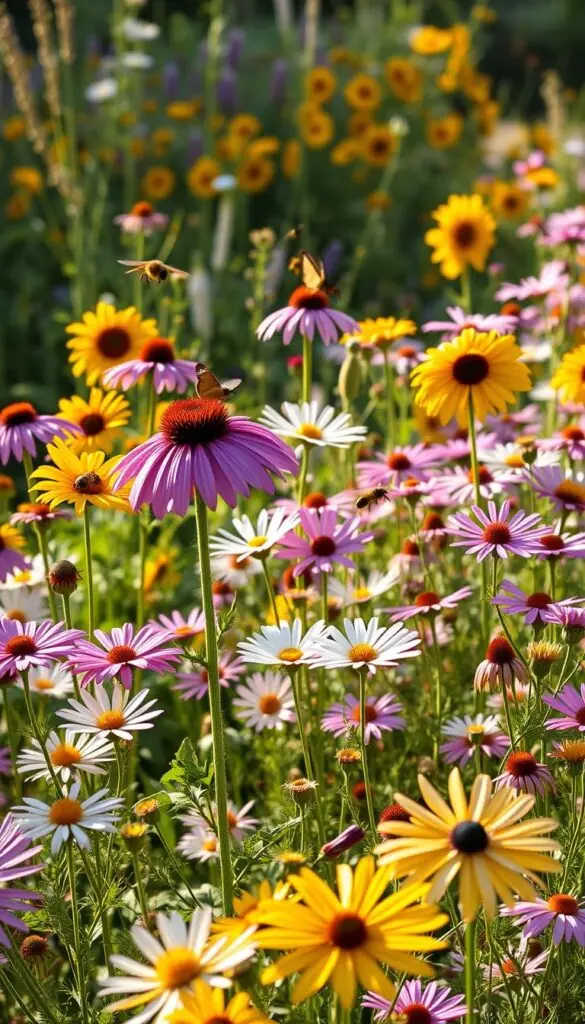
Suncredible sunflowers
Choose compact varieties like Suncredible for 2–3' plants that branch and produce many blooms from summer to frost.
They are deer resistant and perfect for cutting. Deadhead only if you want tidier borders; pollinators enjoy the continuous display.
Sweet alyssum
Line paths or a window box with sweet alyssum for low, honey-scented color that blooms until frost. It works well as an edge or fragrant filler.
Keep soil evenly moist as plants establish and tuck alyssum at the feet of taller perennials for layered scent and texture.
- Use a hand trowel to open wide holes and loosen roots gently.
- Add a thin mulch ring to hold moisture without crowding stems.
- Stake taller stems and give plants room for airflow to reduce disease as nights cool.
| Plant | Best site | Care tip |
|---|---|---|
| Russian sage | Full sun, well-drained | Minimal water after established; space for airflow |
| Joe Pye weed | Moist beds, back of border | Keep soil evenly moist; stake if tall |
| Suncredible sunflower | Sunny border or cut garden | Plant deeply; deadhead optional |
| Sweet alyssum | Path edges, window boxes | Light water, trim to freshen; great scent |
Quick confidence tip: Pair russian sage with gold-toned plants for striking color, and tuck alyssum at the edge for scent. Small, steady steps—planting, watering, and light staking—keep your beds thriving through the season.
Container and window box superstars that thrive in cool weather
Give your porch or window a lift with compact, cold-tolerant varieties that keep blooming into chillier days.
Calibrachoa and Supertunia petunias are classic spillers. They trail over pot edges and bloom until frost. Use them as fillers and edge plants in mixed pots.
Nemesia offers bubbly clusters and a sweet scent that shines on crisp mornings. It loves part sun to sun and fits perfectly in a window box.
Lantana and Superbena verbena are self-cleaning and ideal for full sun placements. They give long-lasting color with very little deadheading, an easy grow option for busy gardeners.
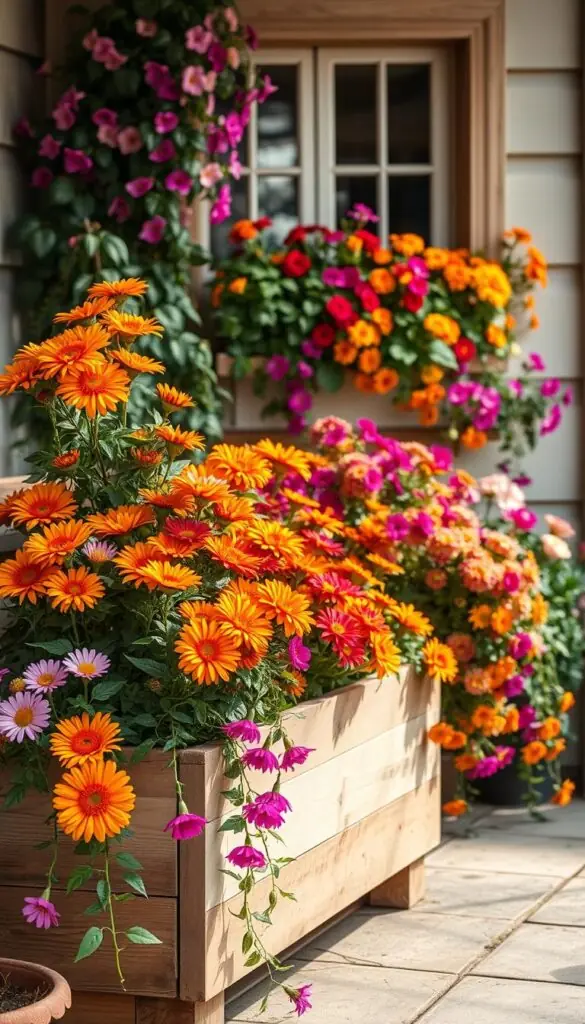
- Choose sturdy pots with drainage and a fresh, lightweight potting mix.
- Water when the top inch of mix is dry; use a narrow-spout watering can to avoid wetting foliage on cool mornings.
- Feed lightly every 2–3 weeks with a balanced liquid fertilizer to keep annuals blooming as days shorten.
- Mix colors thoughtfully: golden lantana with purple verbena or apricot petunia with white calibrachoa.
- If frost is forecast, slide pots against a wall or tuck them under an overhang for protection.
"Small pots, smart combos, and steady care extend color from summer fall into cooler nights."
| Plant | Best site | Why it works |
|---|---|---|
| Calibrachoa / Petunia | Part sun–sun | Spillers, bloom to frost |
| Nemesia | Part sun | Sweet scent, cool-tolerant |
| Lantana / Verbena | Full sun | Self-cleaning, low maintenance |
Classic fall icons that deliver dependable fall color
A few tried-and-true varieties will anchor your beds as the season cools. These picks are simple to grow and give steady blooms when many others fade.
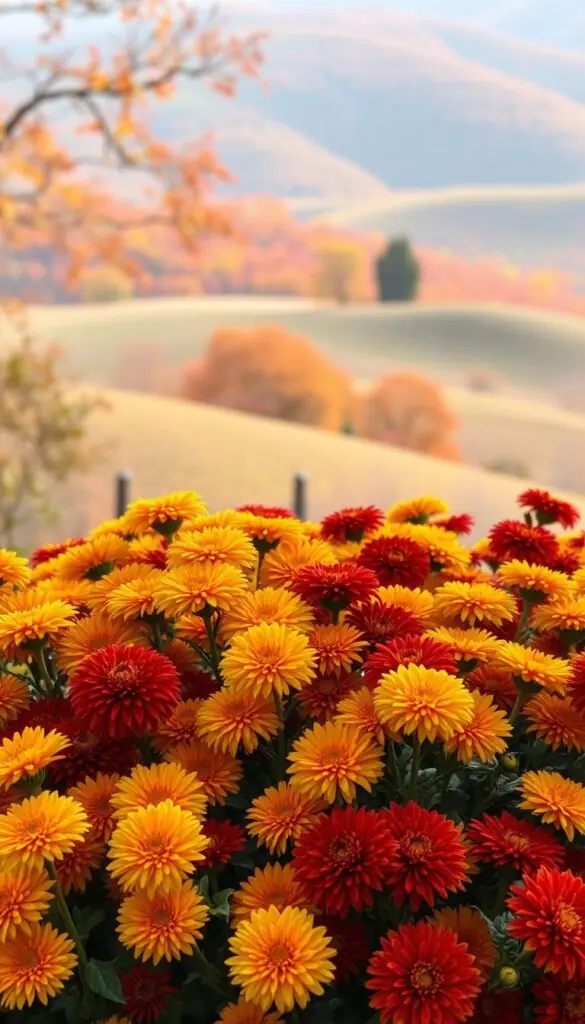
Chrysanthemums (mums)
Plant early if you want mums to return as hardy perennials. Early planting helps roots establish; mums set in late summer are more likely to overwinter.
Space plants for airflow, mulch lightly after planting, and use pruners to shape plants in late summer. Avoid the common mistake of planting too late for overwintering.
Asters
Asters offer blue to purple blooms that show up later in the season. They make excellent companions to mums and come in many compact varieties for beds or containers.
Water at the base, leave some spent stems for structure, and add more in drifts to boost spring and summer returns.
Marigolds
Marigolds are hardy annuals that shrug off a light frost and bring sunny oranges and golds into cooler mornings.
Choose sizes from 6 to 18 inches to fit pots or borders. Leave a few seedheads if you want volunteers next year.
- Pair mums with purple asters for reliable fall color.
- Space for airflow; water at the crown; mulch to steady soil temps.
- Use pruners for tidy edges and to remove spent stems.
| Plant | Best use | Care tip |
|---|---|---|
| Mums | Beds & containers | Plant early for overwintering |
| Asters | Back of border | Blue–purple blooms; space for drift planting |
| Marigolds | Edges & pots | Tolerate light frost; leave seed if desired |
Daisy-like flowers to brighten beds and borders
Bright, daisy-like blooms can lift a tired border and make paths feel sunlit late in the season. These easy-to-grow choices give crisp shapes and steady color as days cool.
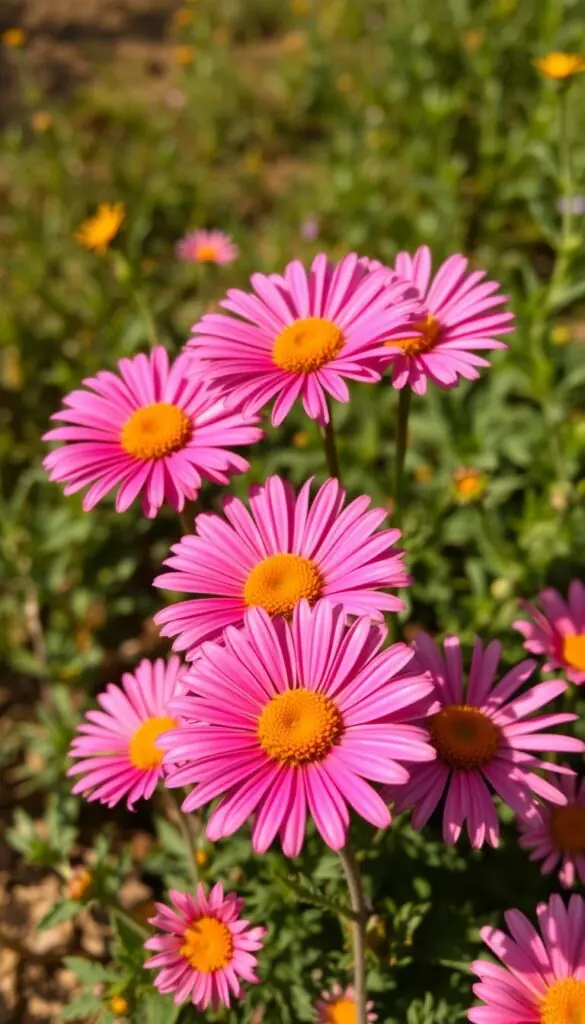
Montauk daisies
Plant in full sun and well-drained soil. Montauk daisies offer crisp white petals with golden centers from September to frost. Tuck them beside pumpkins or ornamental kale for a classic porch vignette.
African daisy
African daisies thrive in part sun to sun and bring vibrant gradient colors to borders and containers. Most are annuals outside zones 9–11 and stay compact at 8–12 inches tall.
Cosmos
Cosmos make excellent cut-and-come-again stems. Use clean shears or snips to harvest in the morning when blooms first open. Regular snipping encourages more blooms from summer fall into chillier days.
- Space plants so heads and stems can branch and catch light without crowding.
- Water deeply after planting; let the top few inches dry between watering to strengthen roots.
- Mix airy grasses with cosmos to add movement and soft texture.
"Snip with clean shears to keep stems productive and vase-ready."
| Plant | Best site | Height | Key tip |
|---|---|---|---|
| Montauk daisy | Full sun, well-drained | 2–3 ft | Pairs well with pumpkins; blooms to frost |
| African daisy | Part sun–sun, containers | 8–12 in | Vibrant gradients; mostly annual |
| Cosmos | Sunny borders, cut garden | 1–4 ft (varieties) | Cut regularly with snips for more stems |
Perennials with structure and staying power
Reliable perennials bring shape and quiet beauty as the light softens. They add lasting stems, varied foliage, and return visits of color each year.
Japanese anemone
Japanese anemone: elegant pinks and whites for part shade
Set anemones in part shade where the soil is rich and humusy. Use a spade to loosen soil 8–10 inches and mix in compost for steady moisture and nutrients.
Plant them with room to spread so airy stems wave without crowding. Their delicate blooms and soft movement add grace to shaded corners.
Helenium
Helenium: warm-toned sneezeweed that loves moisture
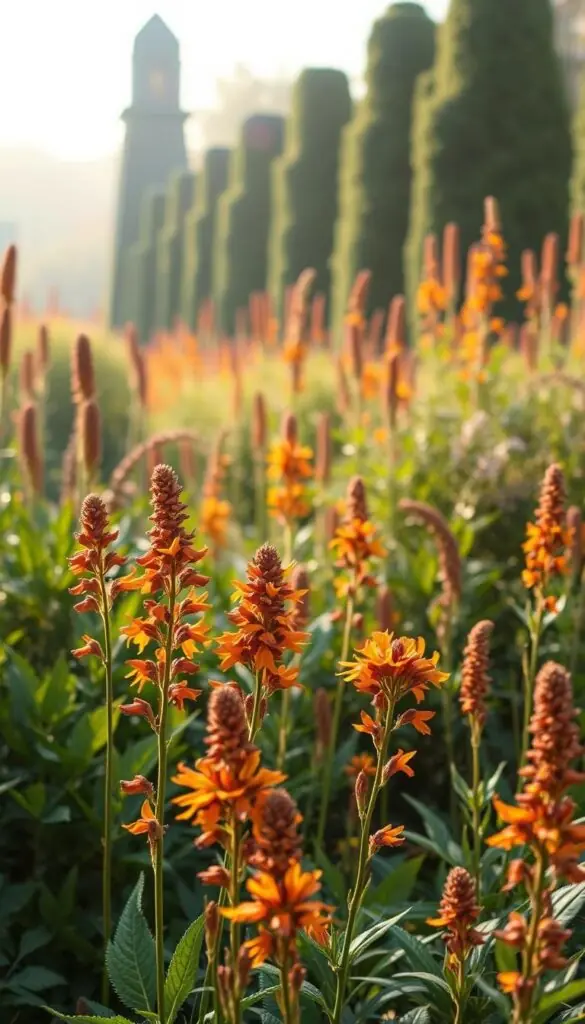
Pick the sunniest spot you have and keep the soil evenly moist. Helenium’s warm colors glow in late-season light and attract butterflies to the garden.
Avoid the common mistake of putting moisture-lovers into dry beds—give helenium a true water-holding site or amend soil to retain moisture.
Sedum
Sedum: muted, vase-worthy blooms after others fade
Add sedum for sturdy form and muted colors that bridge into colder weeks. Its flower heads make excellent cut stems and stand tall for winter interest.
Combine anemone’s airy movement with sedum’s weight for balance. Mulch to hold moisture and water new plantings deeply once or twice weekly until established.
- Space perennials so mature clumps don’t overlap and care stays simple.
- Use a spade, compost, and a thin layer of mulch to retain moisture.
- Leave sedum heads standing for birds and sculptural winter interest.
| Plant | Best site | Care tip |
|---|---|---|
| Japanese anemone | Part shade, rich soil | Loosen soil, add compost; airy stems |
| Helenium | Full sun, moist beds | Keep soil evenly moist; attracts pollinators |
| Sedum | Sunny to part sun, well-drained | Sturdy stems; great for cutting and winter form |
Bold tropical notes for late-season drama
Add a touch of tropical drama with bold leaves and torch-like blooms that carry your garden through the season. Pick one or two tall tropicals to act as a warm, lively focal point in beds or large pots.
Canna lily: fiery blooms and lush, banana-like leaves
Canna lilies open in late summer and keep producing into the first frost. Their banana-like foliage feels lush and tropical, while blooms arrive in rich reds, oranges, and yellows.
Plant cannas in a sunny, warm spot. Use a hand trowel to set rhizomes or young plants into loose, amended soil and water deeply to settle roots. Feed lightly with a slow-release fertilizer to support steady blooms and big leaves through the season.

- Pair with purple fountain grass for contrast and moving texture.
- Keep soil evenly moist; mulch to steady temperatures and reduce watering needs.
- Choose bronze or striped-leaf varieties for extra drama beside neutral hardscape.
- In colder zones, lift rhizomes after frost blackens foliage and store them dry until next summer.
"A single canna can act as a tall 'thriller' in a porch pot, giving instant tropical impact."
Foliage and texture that make flowers pop
A few well-placed leaves and grasses change how every color reads in your beds. Use foliage to add motion, depth, and a lasting backbone for annuals and perennials alike.
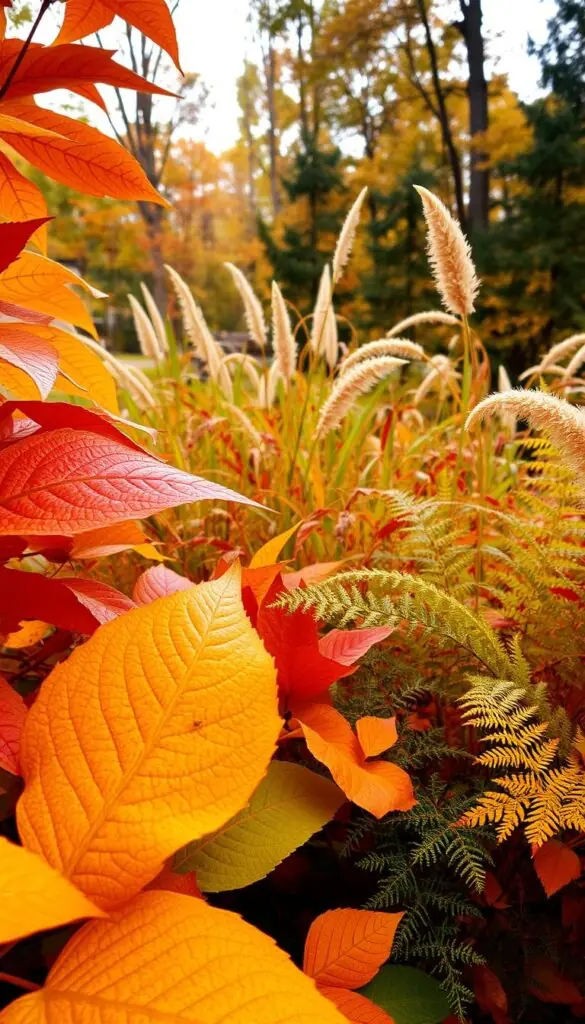
Purple fountain grass offers silky, purplish plumes that sway and give the landscape a soft, moving edge. Plant it in full sun and set it in the center or back of a container to create height.
Pair this grass with lantana, calibrachoa, or mums in pots. The plumes catch light and make surrounding colors feel richer. Leave the plumes standing into early winter for a pretty silhouette.
Ornamental cabbage and kale bring frilly rosettes that thrive in cool weather. Tuck them into beds, big pots, or a window box where they can hug the edges and add texture.
Use a hand fork to loosen soil and blend in compost for better drainage before you plant these foliage accents. Place cabbage and kale where they get steady moisture but not soggy roots.
- Mix purples and burgundy foliage with warm oranges and golds for a cozy palette.
- In window boxes, pair cabbage with trailing calibrachoa and a compact grass for layered height.
- Refresh tired summer pots by swapping the center plant for purple fountain grass and tucking kale around the rim.
- Quick tip: always check drainage holes to avoid waterlogged pots.
| Accent | Best site | Care basics |
|---|---|---|
| Purple fountain grass | Full sun, center/back of pots | Loosen soil; moderate water; leave plumes into winter |
| Ornamental cabbage & kale | Window boxes, beds, large containers | Steady moisture; rich soil; avoid soggy drainage |
| Companion annuals | Edges & spillers in containers | Calibrachoa, pansies, lantana; trim spent growth |
Low-maintenance color for sunny, dry spots
Sunny, dry corners can still sing with color when you pick the right, low-work plants.
Goldenrod gives deep yellow plumes that act like fireworks in lean soil. Choose improved varieties to reduce spread and get stronger bloom performance in your landscape. Wear gloves when thinning clumps and use pruning snips to shape edges along paths.
Globe amaranth (Truffula Pink) thrives in full sun and dry spots. Its papery blooms last through summer and into late fall and dry beautifully for crafts and bouquets.
- Plant both in sunny, well-draining soil and space them so air circulates.
- Water deeply but infrequently to encourage deep roots; tolerate brief dry spells once established.
- Harvest stems with pruning snips; hang bunches upside down in a cool, airy place to dry.
- Mulch lightly in hot summers to steady moisture without making soil soggy.
- Pair goldenrod with purple verbena for a vibrant, low-maintenance color pairing that attracts butterflies.
| Plant | Best site | Quick care |
|---|---|---|
| Goldenrod | Full sun, lean soil | Choose improved varieties; thin with gloves |
| Globe amaranth | Sunny dry spots, containers | Water sparingly; great for drying |
| Combo tip | Border or large pot | Use pruning snips for cutting and drying stems |
Fall flowers for part shade and cooler corners
A quiet, part-shade nook is perfect for plants that like gentler light and steady moisture.
Hardy fuchsia: two-tone pendants with careful soil balance
Hardy fuchsia shows dangling, two-tone blooms that thrive in part shade where soil stays evenly moist. Give it morning sun and afternoon shade to keep colors bright without heat stress.
Keep soil balanced—not soggy, not bone dry. Add a little compost when you plant to improve texture and water retention. The pendants sway gently and add soft motion to shady beds.
Viola: cheerful faces that may return in spring
Violas bring cheerful faces to paths and bowls now and can reseed for a sweet spring comeback. Deadhead lightly to keep blooms coming, but leave a few to drop seed if you want volunteers.
Use a small watering can to water at the base and avoid wetting leaves on cool evenings. Mulch 1 inch to steady soil temps as nights cool.
- Tuck fuchsia with Japanese anemone and soft ferns for a calm vignette.
- Plant violas in groups along walkways for repeated pops of color.
- Avoid waterlogging: good drainage and light mulch prevent root rot.
Shrubs and shrub-like accents for autumn landscapes
A couple of well-placed shrubs can turn a tidy garden into a warm, humming landscape. Choose plants that give color, texture, and a wildlife lift through the season.
Vermillionaire cuphea is a top pick when you want a small, shrub-like burst of orange-red tubes that hummingbirds adore. Plant it in full sun and give it room to mound; it tolerates heat, cool snaps, and short droughts.
Vermillionaire often reaches a compact shrub size in a single season. In zones 8–11 it can behave like a perennial; elsewhere, treat it as an annual with big impact.
Sumac for glowing foliage and dramatic clusters
Sumac brings brilliant leaves and bold clusters that seem to glow late in the year. Choose varieties such as Fragrant Sumac or Lemonade Berry Sumac that suit home gardens and scale down the largest types.
Note size: some sumacs grow into small trees, so site them where they can spread without crowding a border or utility line.
- Add Vermillionaire cuphea for hummingbird-attracting, orange-red bloom tubes.
- Place cuphea in full sun and let it mound; pair it with purple fountain grass and mums for contrast.
- Choose sumac varieties sized for your yard and allow space for mature growth.
- Water new shrubs deeply the first season, then cut back as roots settle.
- Use loppers to shape shrubs after flowering or in late winter to keep clean lines.
"Plant one or two shrub accents and the garden will reward you with color, texture, and a steady stream of wildlife."
| Plant | Best site | Care note |
|---|---|---|
| Vermillionaire cuphea | Full sun, well-drained | Heat & drought tolerant; hummingbird magnet; mound space |
| Fragrant / Lemonade Berry Sumac | Sunny to part sun, roomy beds | Vivid foliage; pick smaller varieties for home landscapes |
| Pairing tip | Entry beds, borders | Combine cuphea with grasses and mums for contrast |
Soil, sun, and watering basics for well-drained success
Start by mapping sun and shade across your beds so each plant lands in the right light. A quick tour helps you decide which spots get full sun and which get part sun or gentle shade.
Match plant to light
Walk your space at different times. Note long, hot stretches for sun lovers like sunflowers and lantana. Pick softer, part areas for anemones and violas. Group similar needs together so care stays simple.
Prep soil and water to establish before cool nights
Loosen 6–8 inches with a spade and mix in compost until the soil feels loose and crumbly when you squeeze it — that tactile test tells you it’s ready.
- Water deeply at planting and again in a few days to settle roots before nights cool.
- Use a soaker hose for slow, steady moisture at the base; avoid light, frequent sprinkles.
- Mulch 1–2 inches to steady moisture and temperature, but keep mulch off stems.
- If puddles form, raise beds or add grit and compost to improve drainage — soggy beds are the common mistake to avoid.
- Check moisture with your finger; water when the top 1–2 inches are dry, not by the calendar.
"Prep, water deeply, and group by light — small steps that give your gardens steady, easy grow success through the season."
Frost, temperatures, and timing: keeping blooms going
Chilly nights change how we care for late-season beds; a few small moves buy you extra color.
Check the nightly forecast in the early fall and keep a frost cloth or an old sheet folded near your shed. Cover tender plants at dusk and take the fabric off once the sun warms leaves. Use clothespins or clips so fabric rests gently and doesn’t crush stems.
Protect on chilly nights and deadhead where helpful
Water the day before a light frost. Moist soil holds heat better than dry soil and helps plants ride out cold snaps. Move porch pots closer to the house or tuck them under an overhang for a few extra degrees of warmth.
Deadhead mums, cosmos, and marigolds to invite more blooms. Skip deadheading self-cleaning varieties like verbena and lantana; they’ll keep tidy on their own. Harvest sunflowers and cosmos just before frost for sunny indoor bouquets on crisp mornings.
- If a hard freeze is forecast, take stem cuttings of favorites to root indoors for next season.
- Cover at dusk and remove in the morning; brief protection often extends the season.
- Enjoy warm, sun-washed afternoons—many varieties bounce back after short chills.
| Action | Tools | When to use |
|---|---|---|
| Light-night cover | Frost cloth or old sheet, clothespins | When temps approach light frost (upper 20s–mid 30s) |
| Move containers | Hand truck or two people, sheltered porch | Before predicted chilly nights or brief freezes |
| Deadhead or save seed | Pruners, snips, harvest basket | Deadhead mums, cosmos, marigolds; leave self-cleaning varieties |
Quick combos to try now for instant fall color
Plug-and-play container recipes give you quick color and easy care. Try these trio pairings for strong impact on porches, borders, or windows.
Suncredible sunflower + purple fountain grass + calibrachoa (porch pot)
Use a 16–20" pot. Plant a 2–3' Suncredible as the thriller, a clump of purple fountain grass for movement, and three to five calibrachoa around the edge to spill. Use fresh potting mix and a slow-release fertilizer at planting. Water deeply, then let the top inch dry between waterings.
Mums + lantana + ornamental kale by the front walk
Plant dome-shaped mums in groups of three, tuck Proven Winners Luscious lantana between them, and add ornamental kale at the edges for frilly texture. Space mums 12–18" apart. This pairing gives warm orange and purple accents that greet visitors.
Russian sage with marigolds for a gold-and-lavender border
Set russian sage behind a neat ribbon of marigolds to create a gold-and-lavender sweep. Russian sage prefers full sun and drought once established; marigolds handle light frost and offer bright orange pops in front.
"Choose repeating colors and scale each plant to the spot—small swaps make tired pots sing."
- Rotate pots weekly in sun for even growth; clip stray stems to keep tidy.
- For a window box, scale down to mini mums, compact lantana, and trailing calibrachoa.
- Refresh summer containers by replacing the center plant with a fall variety like mums or fountain grass.
| Combo | Container size / spacing | Soil & feeding | Care tip |
|---|---|---|---|
| Suncredible + fountain grass + calibrachoa | 16–20" pot; sunflower center; 3–5 spillers | Fresh mix + slow-release fertilizer | Water well, let top 1" dry between waterings |
| Mums + lantana + ornamental kale | Border: mums 12–18" apart; kale at edge | Well-drained soil; light feeding every 4–6 weeks | Deadhead mums for tidiness; lantana is self-cleaning |
| Russian sage + marigolds | Plant sage 18–24" behind 6–9" marigold row | Amend soil for drainage; minimal feeding | Place in full sun; mulch lightly to steady temps |
Conclusion
Simple swaps and steady timing give your garden a warm, lingering glow as temperatures dip.
With the right timing and a few sturdy plants, your fall garden can glow with color right up to frost. Pick a small palette, match sun and soil, and add one or two containers by the door for instant cheer.
Use light mulch, steady watering, and quick frost covers to carry blooms deeper into the season. Enjoy honey-scented paths, silky grass plumes, and petals that catch late-day light.
If a plant fades, swap in another — the season is forgiving. Jot a quick list for spring of what thrived so you can repeat the wins next year.
Most of all, take a moment outside each day. You’ve got this—small, confident steps bring lasting beauty to your everyday landscape.
FAQ
When should I plant for late-season color in my USDA zone?
For cooler zones, plant in late summer so roots establish before the first hard frost. In warmer zones, plant mid-to-late autumn to extend color into mild winter months. Match timing to local frost dates and the specific variety’s needs.
Which sun-exposed perennials reliably bloom into cool weather?
Choose sun-loving, drought-tough options like russian sage and sedum, plus asters and montauk daisies. Plant them in well-drained soil and give a good initial watering so they settle in and keep producing color as temperatures drop.
What are good container choices for crisp days and window boxes?
Try calibrachoa or petunia as spillers, nemesia for scent, and lantana or verbena for long-lasting, self-cleaning color. Use a fast-draining potting mix and place containers where they get the sun each variety prefers.
How can I design a simple palette that still looks rich?
Balance warm oranges and golds with purples and blues. Add textural contrast with plumes like purple fountain grass, clusters like joe pye weed, and daisy-like blooms such as montauk or african daisies for a layered, cohesive look.
Which plants are best for attracting pollinators late in the season?
Russian sage, joe pye weed, sunflowers, and sweet alyssum are magnets for bees and butterflies. Plant in sunny spots and include continuous bloomers so pollinators have steady nectar through cool weather.
Are chrysanthemums and asters easy to grow and overwinter?
Yes—mums and many asters are dependable when planted early enough to root well. Choose hardy varieties, plant in well-drained soil, and mulch after the first hard freeze to help them overwinter.
What should I plant in part-shade corners that cool down quickly?
Japanese anemone, hardy fuchsia, and viola thrive in cooler, shadier pockets. They prefer rich, evenly moist soil and some protection from hot afternoon sun; they often return or produce fresh blooms as temperatures moderate.
How do I protect tender plants on chilly nights?
Cover pots and vulnerable beds with frost cloth or lightweight blankets when lows approach freezing. Move smaller containers to sheltered spots and water lightly in the afternoon—moist soil holds heat better than dry soil.
What low-maintenance options work in sunny, dry spots?
Goldenrod and globe amaranth handle heat and drought with little fuss. Plant them in full sun with very well-drained soil and let them naturalize for long-lasting texture and color without much watering.
Which quick combos give instant, confident color now?
Try sunflower plus purple fountain grass and calibrachoa in a porch pot; or mums with lantana and ornamental kale by an entry; or russian sage paired with marigolds for a gold-and-lavender border. These mixes balance form, texture, and bloom time for immediate impact.