You step outside at dawn and the air smells of damp soil and cool grass. The light is softer, the sun lower, and you can almost taste the change in the season.
Wondering how to keep your garden productive as the days shorten? This guide walks you through simple, practical steps to set up a cozy, productive bed that rewards you with a sweet fall harvest.
Plant faster maturing varieties, add a couple of weeks to days-to-maturity, and count back from your local first frost so you plant with confidence. Use compost, mulch, and lightweight row cover to protect young roots and hold soil warmth.
Think carrots, beets, spinach, kale, and Brussels sprouts—these vegetables often taste better in cool weather. Try trellising pumpkins and winter squash to save space and keep beds tidy as you extend the growing season into early winter.
Key Takeaways
- Work back from your first frost date to time plantings with confidence.
- Choose quick-maturing varieties and add 2–3 weeks for shorter days.
- Use mulch, compost, and row cover to protect young plants and retain moisture.
- Greens like spinach and arugula thrive and taste best in cool air—succession plant every two weeks.
- Grow pumpkins and winter squash up a trellis to save space for roots and greens.
- Protect against sudden cold snaps and enjoy sweeter flavors as weather cools.
Set the Scene for a Cozy, Productive Fall Garden
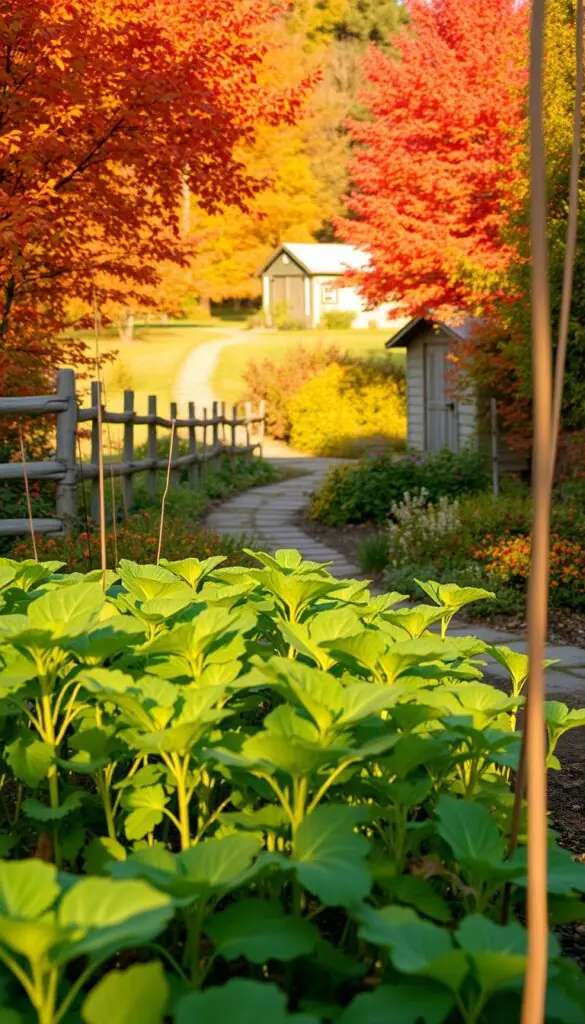
The garden greets you with cool air and the gentle crumble of refreshed soil. Take a slow breath and let the scents of leaves and compost guide you.
Clear and replenish: Pull tired summer plants, loosen beds with a hand fork, then work in 1–2 inches of compost so the soil feels soft and springy under your fingers.
Pick the best spot: Trim overhangs so rows get steady afternoon light and sun through the shorter season. Leave walking lanes and small open space for quick sowings.
- Add a light layer of mulch to hold moisture, buffer late heat, and keep beds tidy as leaves drift in.
- Water deeply but less often; use a hose with a gentle spray so seeds stay put and soil does not compact.
- Keep simple protection handy—breathable row cover or cloches—to shield young plantings from odd weather or a cold nip.
- Tuck companion flowers and herbs like marigolds, nasturtiums, dill, and chives near greens for color, scent, and pest help.
Refresh containers with fresh mix and a pinch of organic fertilizer. With these easy steps, your garden feels peaceful and stays productive all season.
The Best Fall Crops for a Sweet, Steady Harvest
Your garden slows into gentle productivity, and now is a great time to pick plants that taste better in cool air. Choose a mix of quick greens, sweet roots, hearty brassicas, storage bulbs, and space-saving vines for steady rewards.
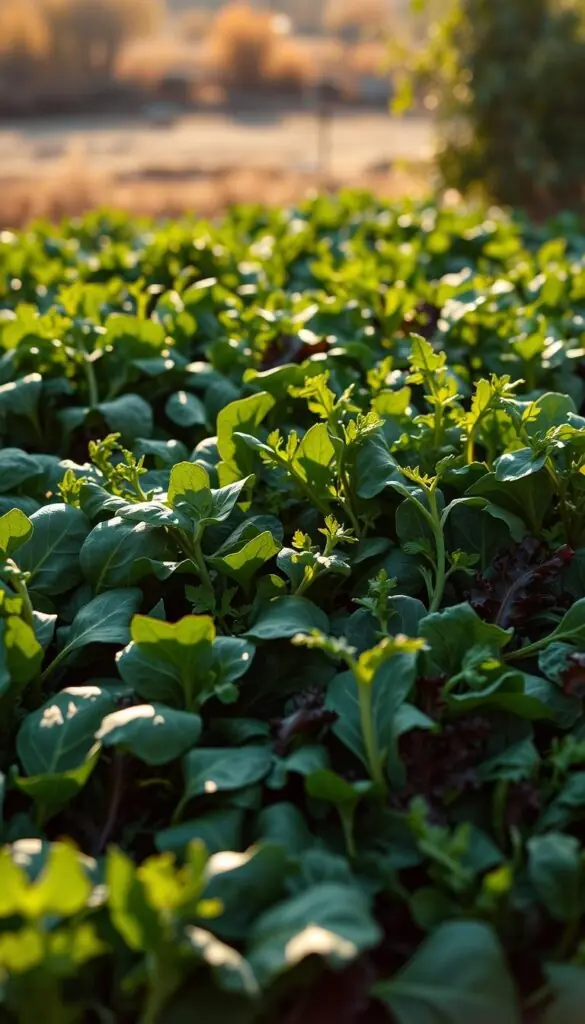
Leafy picks: Spinach, kale, and arugula keep leaves tender and crisp. Sow or transplant with a seeder or small trowel and harvest outer leaves often to encourage new growth.
Roots and Brassicas
Carrots, beets, radishes, and turnips get sweeter in cool ground. Plant into fine, stone-free soil for smooth roots; carrots can store in the fridge up to three months.
Broccoli, cauliflower, Brussels sprouts, and cabbage reward timely transplants. Edge beds with marigolds or nasturtiums to help deter pests.
| Group | Examples | Tools | Notes |
|---|---|---|---|
| Leafy Greens | Spinach, Kale, Arugula | Seeder, Harvest shears | Cold-tolerant, quick harvests |
| Roots | Carrots, Beets, Radishes | Trowel, fine rake | Sow direct in loose, stone-free ground |
| Brassicas | Broccoli, Cauliflower, Brussels sprouts | Transplant trays, pruners | Transplants size up best when set mid-summer |
| Vines & Storage | Pumpkin, Butternut, Garlic, Potatoes | Trellis netting, certified seed, trowel | Train fruit up trellis; use certified seed potatoes |
Quick fills: Bush beans (45–60 days) and a late cucumber on a raised trellis give fast, crunchy returns and fill gaps between heavier beds.
Timing Your Planting Around First Frost for Maximum Fall Harvest
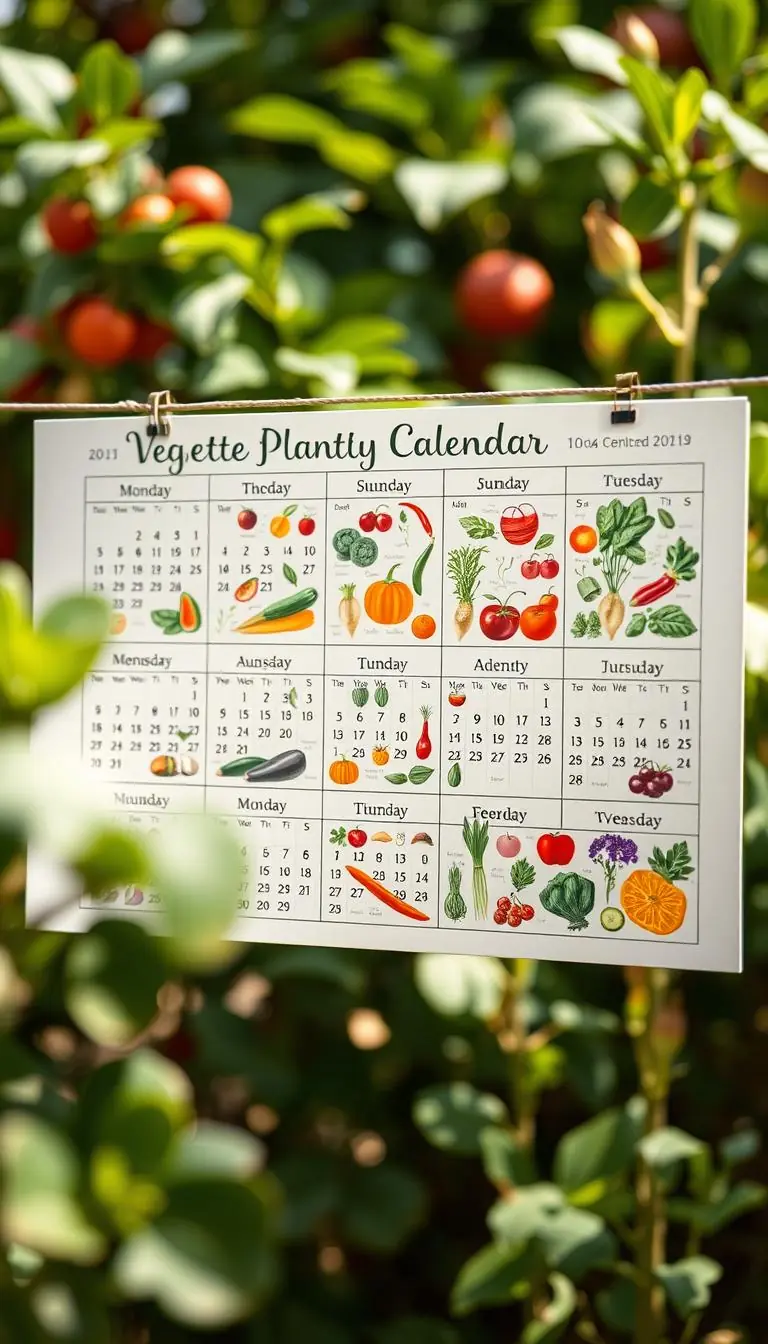
A simple calendar and a seed packet are all you need to time a strong late-season harvest. Start by finding your average first frost date. Then work backward with the days-to-maturity on seed labels and add a safety buffer.
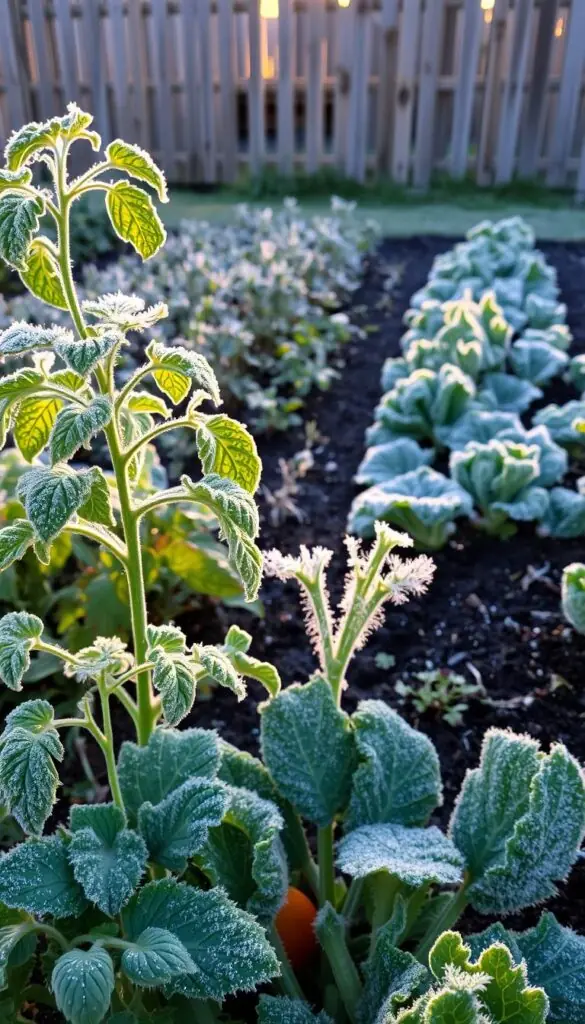
Work Back from First Frost: Add Two to Three Weeks to Days-to-Maturity
Step 1: Circle your first frost date on a calendar.
Step 2: Take the days on the seed packet and add 14–21 days. This accounts for shorter daylight and cooler temperatures.
Example: Radishes listed at 28 days become about 42–49 days. If first frost is November 10, sow by late September to early October.
October Planting Wins: Spinach, Carrots, Garlic, Kale, Radishes
October is ideal for spinach, carrots, garlic, kale, and radishes in many U.S. zones. Plant garlic cloves now so roots form before winter.
"Warm soil at sowing, cool air as leaves grow—this contrast sweetens roots and greens."
Soil Warmth, Shorter Days, and Moisture: What That Means for Seeds
Keep soil evenly moist but not soggy; cooler weather cuts evaporation so you water less often. Warm soil speeds germination while cool air improves flavor.
| Task | Tool | Timing Tip |
|---|---|---|
| Calculate sow date | Calendar, seed packet | Subtract days-to-maturity + 2–3 weeks from first frost |
| Plant garlic | Hand trowel, gloves | Plant cloves in October for settled roots before winter |
| Protect tender starts | Row cover, cloche | Use on nights with a chance of a light frost |
Simple Steps, Tools, and Care to Keep Fall Vegetables Thriving
A few mindful steps now keep your beds productive and low-maintenance through the season. Use a shovel, hand fork, and rake to work gently and enjoy the feel of crumbly soil under your hands.
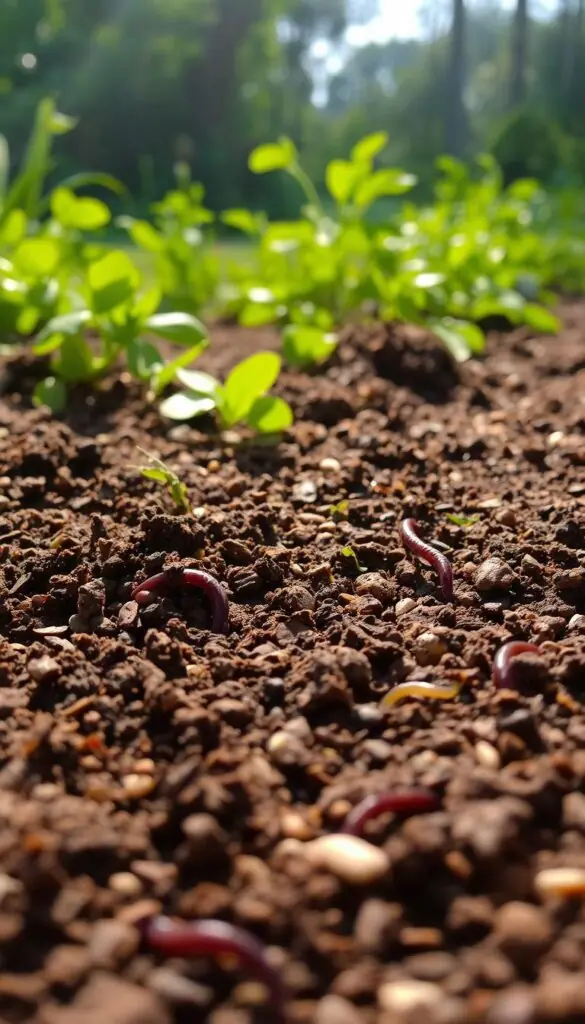
Prepare and Feed the Soil: Compost, Organic Fertilizer, and Texture
Loosen the top 4–6 inches and blend in compost until the soil feels airy and rich. Add a small dose of organic fertilizer to jump-start hungry roots.
Mulch and Moisture: Hold Rain, Protect Roots, Block Weeds
Lay down 2–3 inches of mulch around rows to conserve moisture and buffer heat and cool nights. Mulch cuts weeding time and keeps the ground steady after showers.
Frost Protection Made Easy: Garden Fabric, Cloches, and Light Covers
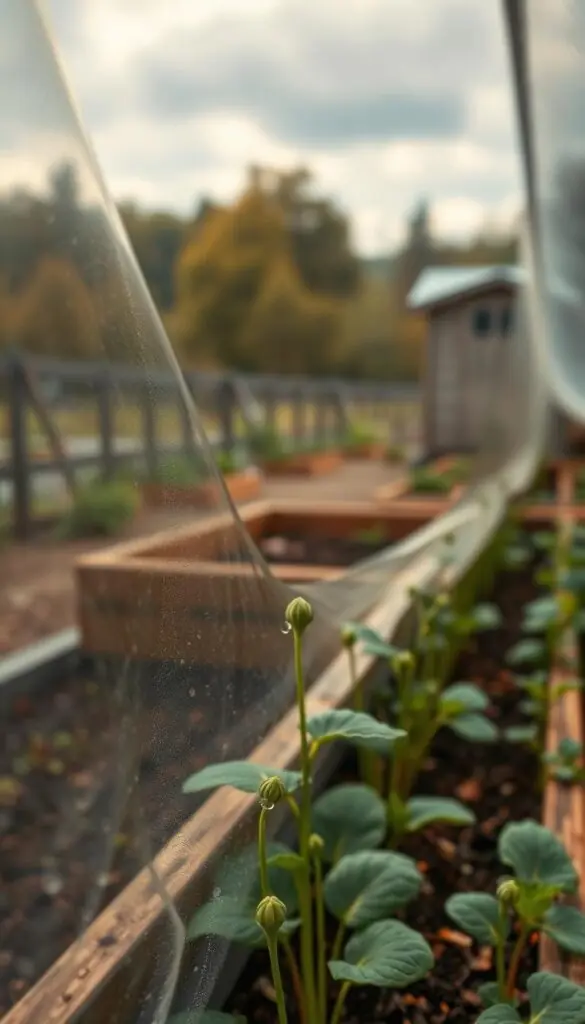
Keep a breathable cover and cloches handy. Drape fabric over hoops on cold nights and remove them each morning so plants greet the sun.
Succession Planting Every Two Weeks for Continuous Greens and Roots
Plant quick rounds of spinach and radishes every two weeks so fresh greens replace harvested rows. This steady rhythm fills your table without extra effort.
Smart Spacing, Trellising, and Companion Helpers
Train vines up stakes to save space and boost sun for lower plants. Weave marigolds, nasturtiums, and herbs among beds to deter pests and invite pollinators.
"Simple tools, steady care, and a little cover protect young plants and reward you with a reliable harvest."
Common Fall Gardening Mistakes and Quick Fixes
As daylight shrinks, a few simple adjustments stop problems before they start.
Skipping Certified Seed Potatoes
Using grocery potatoes can bring disease and sprout inhibitors into your bed.
Quick fix: Buy certified seed potatoes. Plant them away from where tomatoes, peppers, eggplant, or potatoes grew in the last two years. Avoid planting next to cucumbers, pumpkin, or squash.
Planting Too Late or Choosing Slow Varieties
Late planting plus slow varieties often means no harvest before winter arrives.
Quick fix: Choose faster-maturing types (45–60 days) and give a buffer for shorter daylight and lower temperatures. If you planted late, harvest baby greens and roots and protect them with light fabric on cold nights.
Overwatering in Cooler Weather
Cool air reduces evaporation, so soil stays wet longer and roots can suffocate.
Quick fix: Feel the soil two inches down and water only when dry to the touch. Keep leaves dry by watering in the morning so the sun can move through and discourage disease.
| Mistake | Risk | Quick Fix |
|---|---|---|
| Grocery potatoes | Disease, poor sprouting | Use certified seed; rotate site |
| Slow varieties | No harvest before winter | Pick 45–60 day types |
| Overwatering | Root rot, pests | Water by feel; morning watering |
"Small fixes now keep your beds healthy and your confidence high."
Conclusion
Soft mornings invite simple tasks that reward you with an abundant, late-season harvest.
Pick two easy plants—one quick green and one storage-minded row—then prep a single, calm bed. Mark your first frost on the calendar and add two to three weeks to seed packet days when you plan sowing.
Use a light layer of mulch, watch topsoil moisture, and keep a garden cover ready for nights with sharp temperatures. Succession sow every two weeks so spinach, arugula, or radishes keep coming.
With steady sun, basic tools, and gentle protection, your patch will give bright leaves and sweet roots into winter. Enjoy the work; the reward is a warm table and a peaceful, sunlit garden.
FAQ
When should I start planting cool-season vegetables for a fall harvest?
Work backward from your area's typical first frost date. Count the days-to-maturity on seed packets, then add two to three extra weeks for slower growth as temperatures drop. That buffer gives leafy greens like spinach and kale time to establish and roots such as carrots and radishes enough warmth to develop before the cold sets in.
Which vegetables reliably thrive as temperatures cool?
Choose cold-tolerant varieties: leafy greens (spinach, kale, arugula), root crops (carrots, beets, radishes, turnips), and brassicas (broccoli, cauliflower, cabbage, Brussels sprouts). Garlic and potatoes are good for storage, while pumpkins and winter squash do well if you trained vines earlier in the season.
How can I protect plants from the first light frost?
Use breathable row covers, cloches, or garden fabric overnight to trap a bit of heat. Mulch around roots to moderate soil temperature and moisture. For quick fixes, pull a frost blanket over a hoop frame or drape sheets at night, removing them during sunny hours so plants can warm up and get light.
What soil prep helps vegetables perform best in cooler weather?
Improve texture and fertility with finished compost and a balanced organic fertilizer. Aim for loose, well-draining soil so roots can expand and moisture won’t pool. If your soil is compact, work in coarse compost or aged bark to help warm and dry faster on cooler mornings.
How often should I water my garden as days shorten?
Water less frequently but deeply. Cooler air reduces evaporation, so check soil moisture an inch or two down before watering. Keep soil evenly moist—not soggy—to prevent root rot and support steady growth in greens and roots.
Can I succession-plant to keep harvests steady into late season?
Yes. Sow small batches every two weeks of quick-maturing greens and roots. Staggering plantings of radishes, spinach, and salad mixes gives continuous harvests and fills gaps when a bed becomes ready for winter cover or garlic planting.
Which mistakes should I avoid when planning a late-season garden?
Don’t plant slow-maturing varieties too late, and avoid overwatering as temperatures fall. Also don’t skip disease-resistant, certified seed potatoes or garlic from reliable sources—those reduce pest and disease risk and improve storage success.
Are there companion plants that help fall vegetable beds?
Yes. Marigolds and nasturtiums deter pests, while herbs like dill and cilantro attract beneficial insects. These companions support pollinators and natural pest control without taking much space from your main plantings.
How do I make small spaces productive for a late harvest?
Use vertical options—trellises for vining squash and compact beans—and choose space-saving varieties. Interplant fast greens between slower root crops so you harvest the top while roots mature. Good spacing and trellising boost light and airflow for healthier plants.
What varieties should I pick for fast fall results?
Look for quick-maturing or cold-hardy labels: baby leaf spinach, fast kale, early radish, and short-day carrots. Seed packets or catalogs usually list days-to-harvest—pick those with shorter times for reliable late-season success.
How can I extend harvests after temperatures drop below freezing?
Continue harvesting hardy greens and brassicas protected with covers. Use insulating mulch and cold frames to keep soil and air slightly warmer. For long-term protection, install a low tunnel or unheated cold frame to push your harvest a few extra weeks past first freezes.