Imagine stepping outside to a sunlit path lined with soft blooms and scented leaves. Have you noticed a dull patch by the porch and wished for easy, steady color? This friendly guide helps you pick plants that bring bright, year long interest to your garden.
These flowering choices give structure and repeated blooms from early spring through late fall — and even in winter for some varieties. We’ll point out what grows best in your sun, match options to USDA zones, and note size so you avoid crowded beds.
Practical tools make planting easy: keep a spade, bypass pruners, mulch, a soil test kit, and a watering wand on hand. You’ll get quick timing windows for planting and pruning so blooms arrive on schedule.
Expect fragrant picks like camellia for cool months, hydrangeas for summer clusters, and bright forsythia in spring. Scan by season, sun, and zones in the sections ahead and choose the right mix of colors and size for your space.
Key Takeaways
- These shrubs supply color across spring, summer, fall, and even winter.
- Match plants to sun exposure and USDA zones for best results.
- Keep a spade, pruners, mulch, soil test kit, and watering wand ready.
- Consider size and spread to reduce future pruning and maintenance.
- We’ll share timing for planting and pruning to keep blooms consistent.
Meet the flowering shrubs that keep your garden lively in every season
A smart mix of year-round performers keeps your garden colorful no matter the season. This quick guide helps you scan by season, zone, and light so you pick the right plants with confidence.
How to use this guide
Start with your USDA zones to choose hardy options. Note how much sun each spot gets and whether it leans toward shade.
Skim by season labels—late winter, early spring, summer, and fall—to stagger bloom time. We list zones, light, bloom window, and simple care so you decide fast.
Place fragrant types near paths and pollinator magnets where you can enjoy them. Check mature size to avoid crowding and watch our pruning notes to protect next year’s flowers.
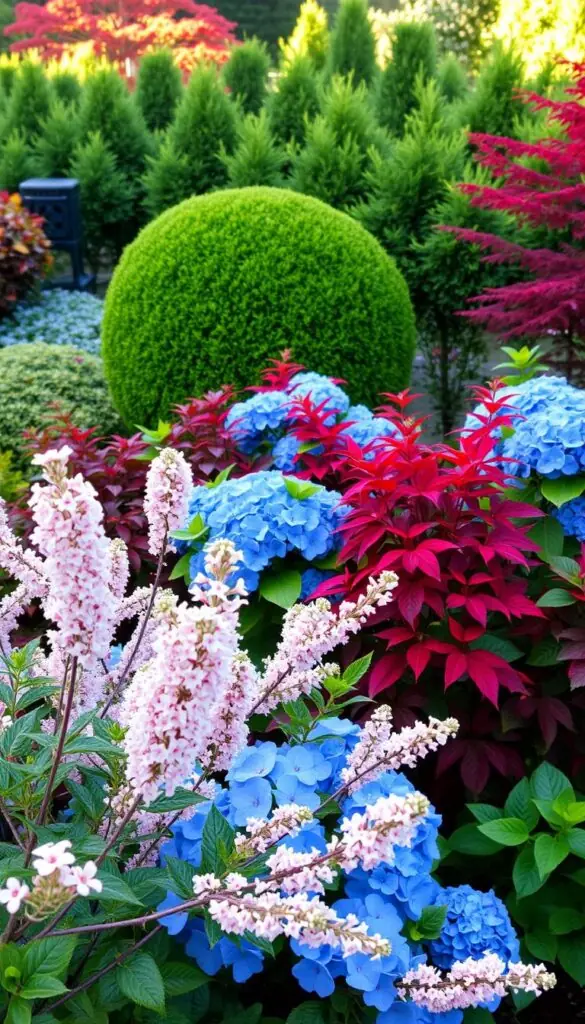
- Use the guide like a map: season → zone → light → care.
- Keep mulch and a watering wand handy for new plant establishment.
- If you’re new to pruning, follow our new-wood vs. old-wood flags for each entry.
Late-winter sparks: Witch hazel and camellia for cold-season bloom
A calm, fragrant corner can lift wintry days. Two great choices bring scent, texture, and reliable color when most beds are quiet: witch hazel and camellia.
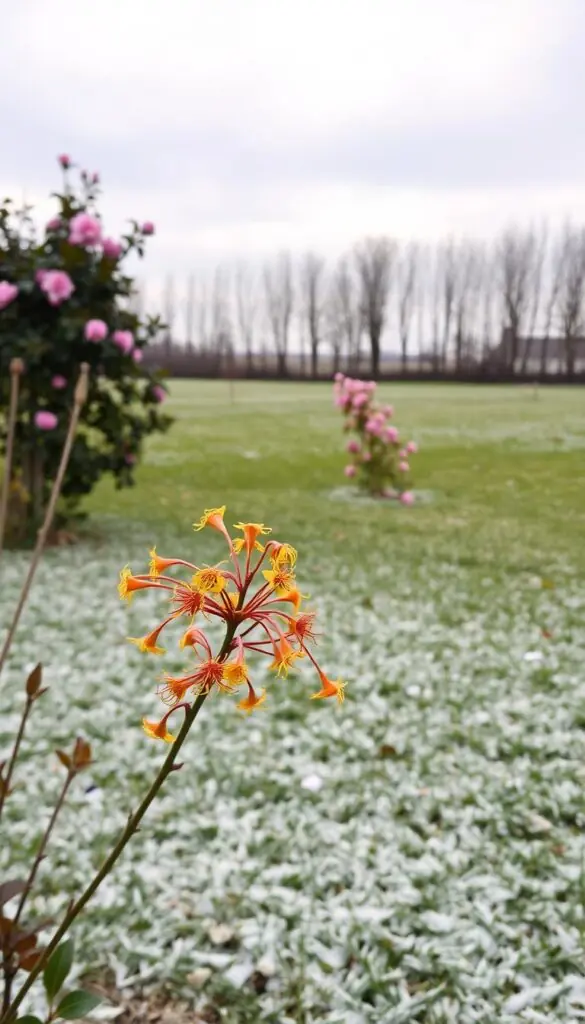
Witch hazel shows off spidery, fragrant blooms in red, orange, or yellow across mid to late winter. It thrives in sun or part shade and is often deer resistant. Hybrids do well in a range of zones, making witch hazel a dependable late-winter pick-me-up.
Camellia is an evergreen shrub with rose-like flowers that appear from late fall through spring, depending on variety. Its glossy green leaves keep beds looking full while blooms arrive in white, pink, or red. Camellias prefer partial shade and need protection from harsh winter winds.
Place witch hazel where you’ll see it from a window so those ribbon-like petals scent the air. Tuck camellias near a porch or along a shaded walk for daily enjoyment. Pair both with hellebores or early bulbs to stretch the display into spring.
- Give witch hazel morning sun and afternoon shade; full sun works in cooler zones.
- Mulch camellia roots and water new plants gently with a watering wand.
- Avoid heavy pruning after buds form so you don’t remove next year’s blooms.
- Test soil acidity if camellias struggle; slightly acidic soil boosts their hardiness and color.
Early-spring pop: Forsythia and flowering quince bring bright color first
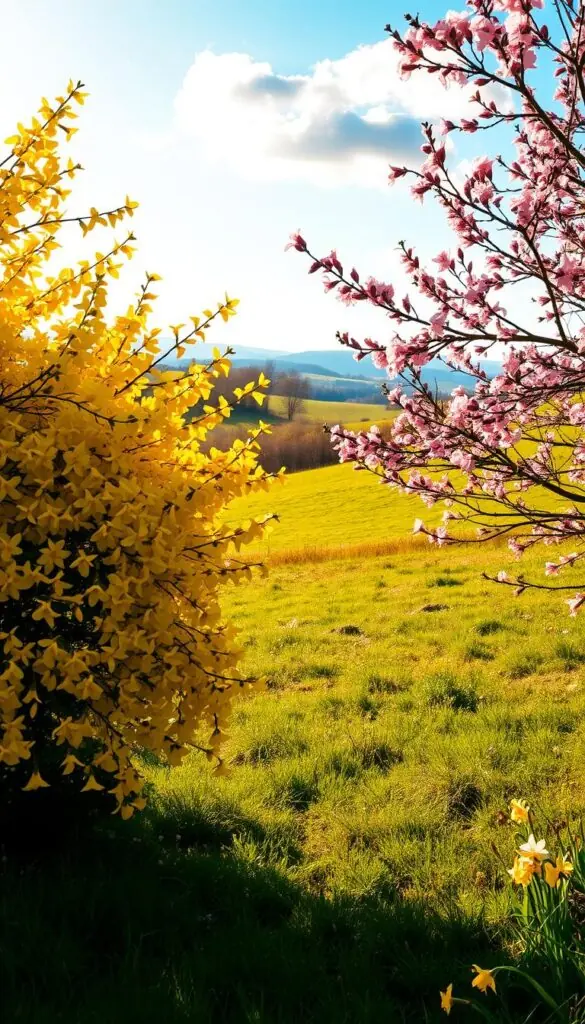
Nothing says spring is coming like a burst of color on bare branches. Two classic choices give you that first show: forsythia’s canary-yellow sprays and quince’s jewel-toned flowers. Both perform best in full sun and reward early attention with strong blooms.
Forsythia blooms in early to mid-spring and often reaches several feet tall. Choose compact varieties for small beds and larger types for informal hedges. Plant where morning light hits so those bright yellow branches announce spring early.
Flowering quince can bloom as early as late January in southern yards and in March farther north. It tolerates heat and dry spells and offers colors from scarlet to soft white. Train it as a screen or place near a walk so you can enjoy the bold flowers against bare stems.
- Space by mature size: many types grow several feet tall and wide—allow room for graceful arching.
- Prune timing: cut forsythia right after it finishes blooming to protect next year’s display.
- Soil and care: both thrive in average soil; avoid heavy feeding for best flower set.
| Feature | Forsythia | Flowering Quince |
|---|---|---|
| Bloom time | Early to mid-spring | Late winter to early spring |
| Best light | Full sun | Full sun |
| Zones | 3–9 | 5–9 |
| Use | Compact varieties for small beds; hedges | Screens, focal points, walkways |
Fragrance in spring: Korean spice viburnum and mock orange
When paths and patios wear scent in spring, the whole yard feels more inviting. These two classics turn ordinary walks into small celebrations with heady perfume and clear visual appeal.
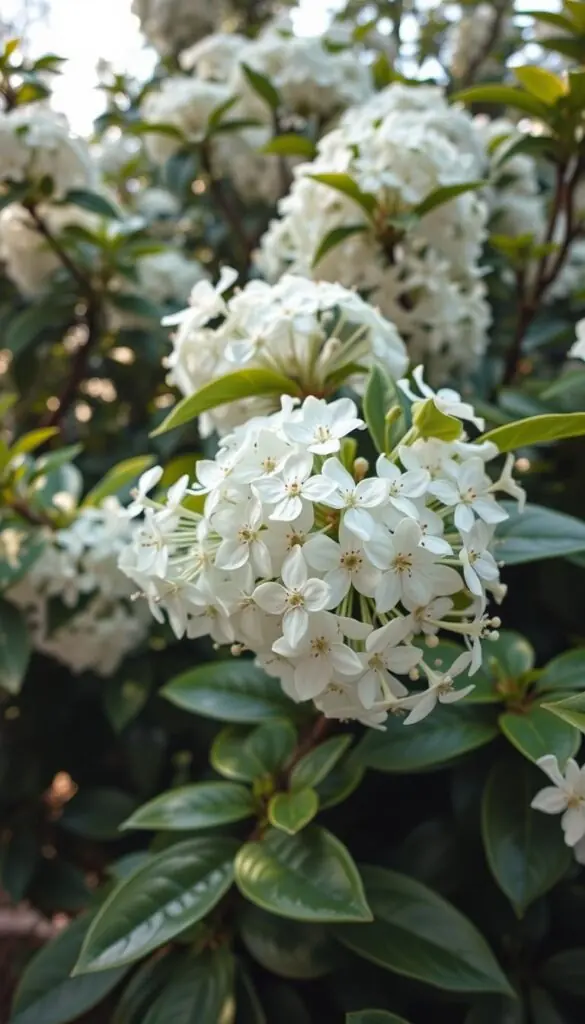
Korean spice viburnum
The shrub produces rounded, domed pink buds that open to white clusters in April. In Zones 4–8 it prefers part to full sun and light afternoon shade.
The aroma is often likened to spice cake. After flowering, lightly thin stems so future spring blooms stay strong.
Mock orange
Mock orange offers citrusy, pineapple-kissed white flowers from late spring into early summer. Varieties run from compact to larger forms and many are deer resistant (Zones 4–9).
Plant one near a patio or gate so evenings fill with scent. Prune right after bloom; winter pruning can remove next season’s buds.
"Place scented plants close to doorways for the most joy."
- Space to mature size and keep air flowing to cut disease risk.
- Water deeply the first season with a watering wand and mulch 2–3 inches.
- A quick soil test helps you correct pH before you plant.
Reliable summer color: Hydrangeas for long-lasting clusters
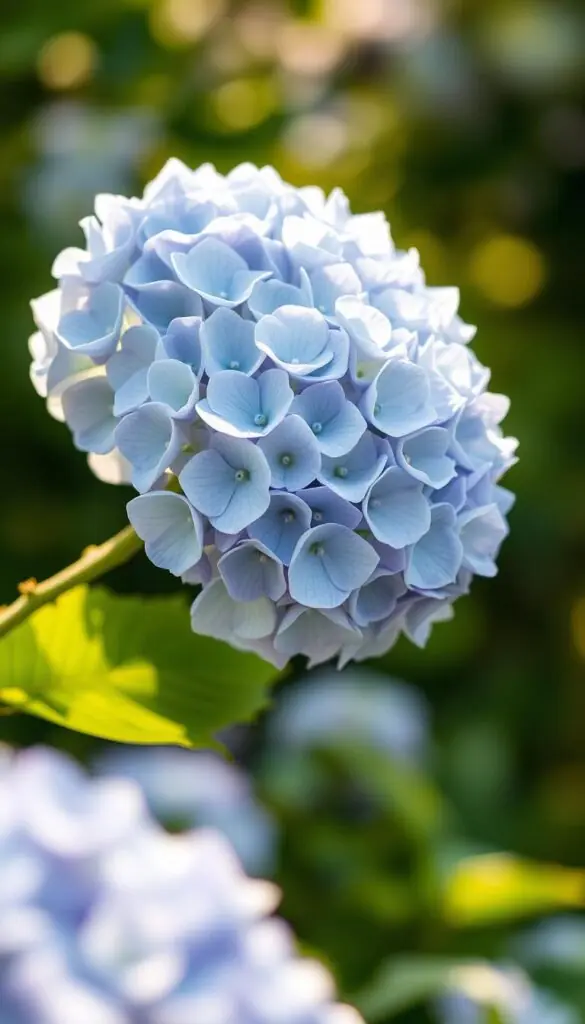
If you want dependable color through summer and into fall, pick hydrangeas that bloom on new wood. Panicle and smooth types give big, lasting clusters and are forgiving after cold winters.
Why these types work: Panicle hydrangeas (Zones 3–8) and smooth hydrangeas (Zones 3–9) set buds on new growth. That means winter dieback rarely stops your summer show. Both adapt to many soils and offer cone or globe blooms that age from white or lime to pink and red, depending variety.
Site them in full sun to part shade. In hot areas, give afternoon shade so clusters stay fresh longer. Check mature size; some stay a few feet tall for borders while larger varieties anchor corners beautifully.
- Prune in late winter to early spring—remove dead stems and shape.
- Water weekly with a watering wand in dry spells; mulch helps hold moisture.
- Mix with long-blooming perennials for a layered summer look along paths and patios.
| Feature | Panicle Hydrangea | Smooth Hydrangea |
|---|---|---|
| Hardiness zones | 3–8 | 3–9 |
| Best light | Full sun to part shade | Part shade; filtered sun |
| Bloom season | Late spring to early summer → summer to fall | Summer → fall |
| Mature size | Compact to several feet tall depending variety | Often a few feet tall; check size before planting |
Hummingbird magnets: Weigela and abelia for late spring to fall
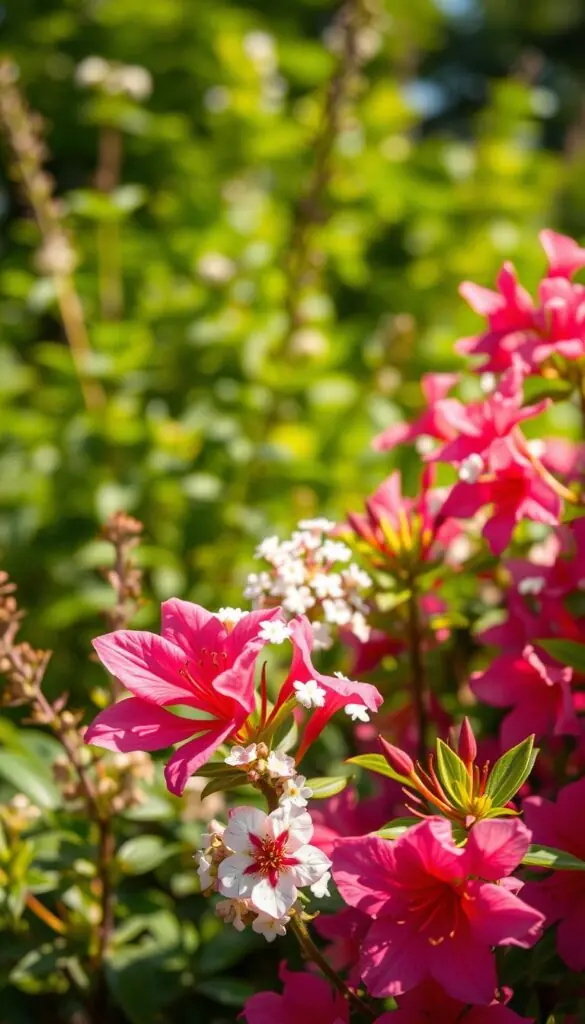
Invite hummingbirds to your yard with a bright pair of nectar-rich plants that bloom from late spring into fall. These compact performers add moving color and fragrance near windows and seating areas so you can enjoy visits up close.
Weigela (Zones 4–8) offers tubular blooms in mid to late spring and many rebloom into summer. Plant reblooming varieties in full sun for the best flower set. Place them where you can watch hummingbirds zip in; some types stay a couple of feet tall while others grow much larger, so check mature size.
Abelia (Zones 5–9) brings fragrant white-to-pink flowers from late summer into early fall. Its graceful, arching habit suits fences and patios. In hot spots, give abelia a touch of afternoon shade so it still blooms well but stays fresh longer.
- Deadhead weigela lightly after the main flush to encourage extra summer blooms.
- Water both plants regularly the first season and mulch 2–3 inches to retain moisture.
- Resist hard shearing; thin older canes at the base in late winter to renew growth.
- Confirm mature height and spread—many types are a few feet tall, others reach several feet—so you give each plant space.
"Set these near a window or a bench so the color and nectar become part of everyday garden moments."
| Feature | Weigela | Abelia |
|---|---|---|
| Bloom season | Late spring → summer (reblooming types) | Late summer → early fall |
| Best light | Full sun | Full sun to part shade |
| Zones | 4–8 | 5–9 |
| Mature height | Often 2–5 feet tall depending on variety | Ranges from 2 feet to 6 feet tall by variety |
Pollinator power in late summer: Bluebeard and buttonbush
When other beds fade, these two picks step up as late-season magnets for bees and birds. They send nectar and color into the garden just when pollinators need it most.
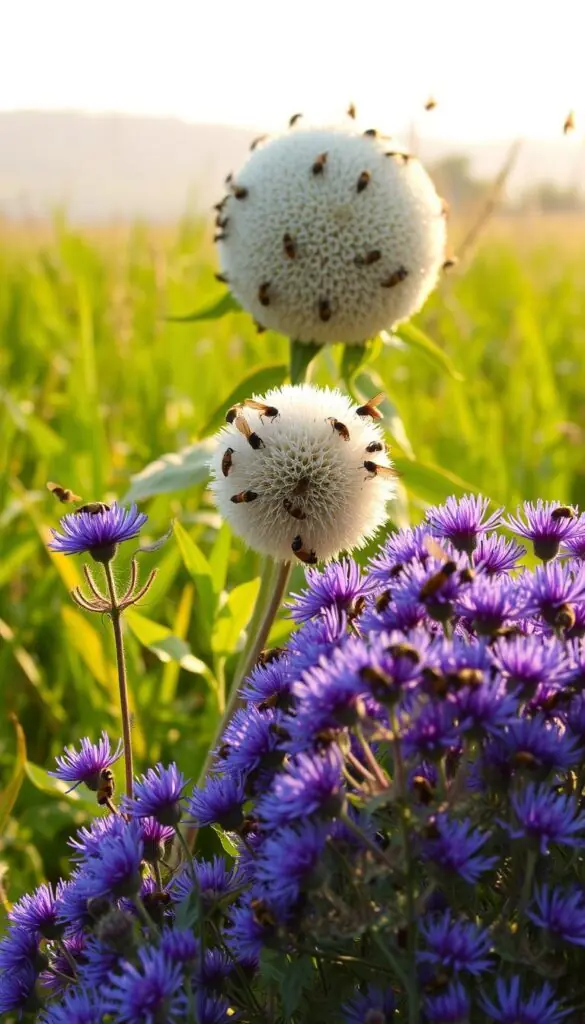
Bluebeard (Zones 5–9) brings true-blue flowers late summer into early fall and pairs well with sunny borders.
It stays compact, often a few feet tall, and has aromatic foliage that smells pleasant when brushed. Plant bluebeard in full sun for the strongest color and drought tolerance once it’s established.
Buttonbush (Zones 4–9) bears whimsical white flowers from June through September.
These pincushion blooms attract butterflies, bees, and hummingbirds. Buttonbush likes sun to part shade and moist soil, so tuck it by a rain garden, downspout, or pond edge where it can reach several feet tall and wide.
- Water both plants regularly the first season; bluebeard needs less later, buttonbush prefers steady moisture.
- Lightly prune bluebeard in early spring to shape and remove winter dieback.
- Space by mature size and mass three or more for a bigger late-season buffet.
"Planting for pollinators is simple: pick the right spot, give a season of care, and enjoy the visits."
Four-season standouts with berries or foliage: Beautyberry and smokebush
Some landscape picks keep working after blooms fade, trading flowers for striking berries or leaf color. These two add structure, seasonal change, and reliable interest through fall and into winter.
Beautyberry gives small late spring to summer flowers and then forms vivid purple berry clusters in fall. Those berries often last into winter, lighting up borders when other color is gone. Plant it in full sun so fruit sets best. Place it where the violet clusters catch the low autumn sun—near a path or across from a favorite window.
Smokebush (Zones 4–8) brings airy “smoke” panicles from late spring through early fall. Its foliage ranges from deep purple to chartreuse, making it a bold focal point. It tolerates drought, resists deer, and shines when given several feet of space to show its size and silhouette.
- Prune smokebush in late winter or very early spring to renew color.
- Pair both with ornamental grasses for texture and year-round contrast.
- Quick tip: full sun brings the richest foliage tones and best berry display.
"Pick plants that keep giving—berries, foliage, and structure make a garden feel alive every season."
Evergreen structure that flowers: Mahonia and rhododendron
A backbone of evergreens with seasonal blooms keeps your borders full and inviting. These two give steady green foliage through winter and welcome bright color when spring arrives.
Mahonia—spiny texture with late-winter color
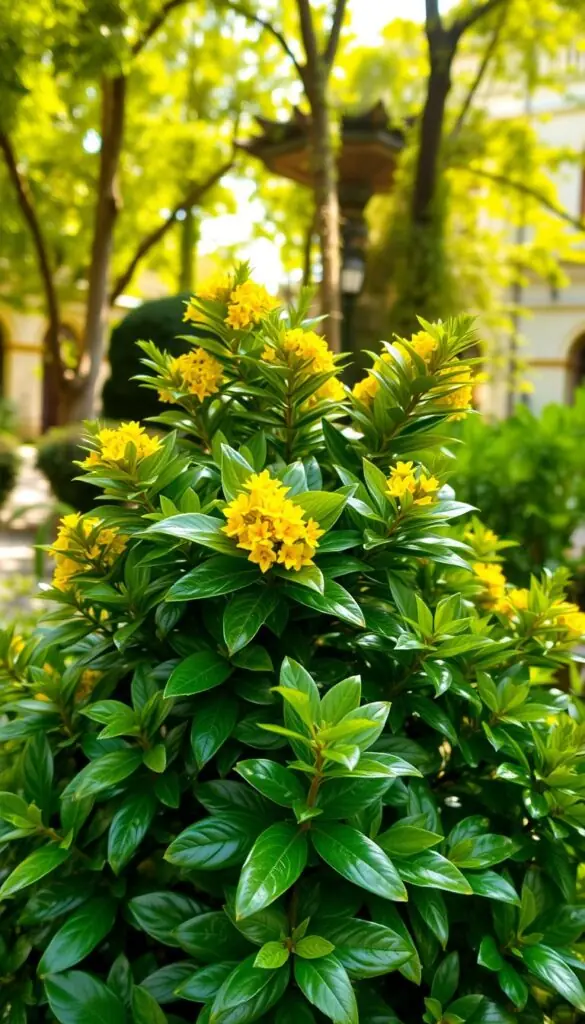
Mahonia offers holly-like leaves and bold yellow clusters in late winter to early spring. It thrives in part to full sun and fits zones 5–9.
After the blooms, blue berries form and attract birds. Use mahonia for structure; the glossy, spiny leaves carry the bed when other plants rest.
Rhododendron—glossy green leaves and late-spring color
Rhododendron brings larger, glossy green leaves and spring blooms that often appear later than other bulbs. Best in zones 4–8, it prefers partial shade, or full sun in cooler spots.
Many varieties grow several feet tall, so check mature size before planting near walkways or windows.
- Set rhododendrons where filtered light keeps leaves glossy and buds safe from harsh afternoon sun.
- Test soil; both prefer well-drained, slightly acidic conditions for steady blooms and healthy foliage.
- Water consistently the first season and mulch to keep roots cool in summer and winter.
- Prune lightly after bloom—deadhead and tidy to preserve next year’s flower buds.
- Mix with early bulbs and ferns to soften the look around these sturdy plants.
"Evergreen structure means your garden reads as cared-for, even before the first spring color arrives."
Classic workhorses: Shrub roses for color from early summer to frost
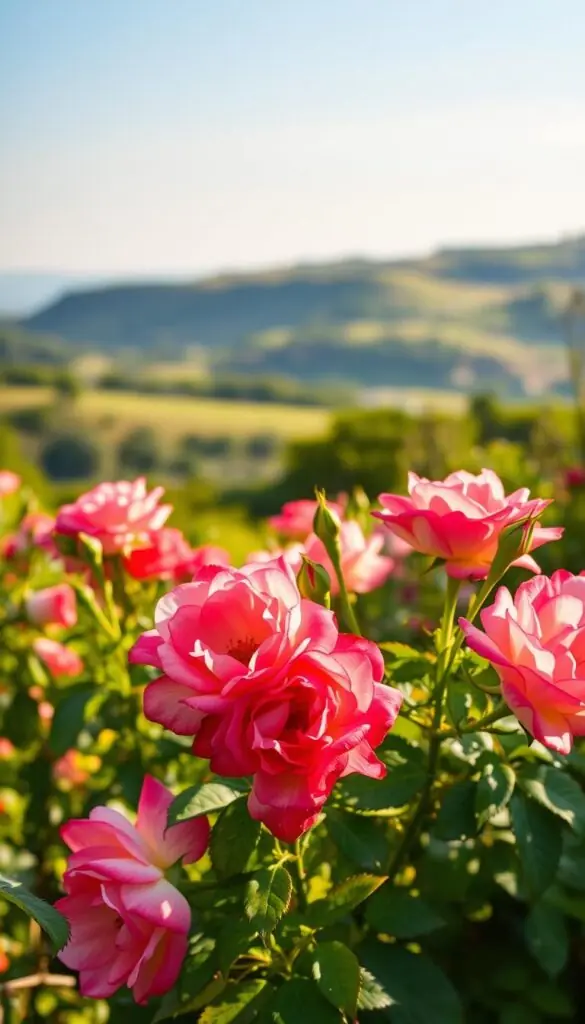
Shrub roses bring steady color from early summer and keep going until frost. They are garden workhorses that pair well with borders, paths, and containers. Pick hardy, disease-resistant varieties and plant them where you’ll enjoy the view every day.
Why they thrive
Shrub roses do best in full sun and tolerate a range of hardiness zones, commonly from Zones 4–9 (some cultivars reach Zones 11).
Sizes vary from about 1–4 feet tall, so you can choose compact types for tight spaces or larger forms for a bold hedge. Most bloom from early summer through fall and rebound quickly after pruning.
- Choose modern varieties bred for disease resistance to reduce sprays and maintenance.
- Give each plant room—match spacing to the expected feet tall and wide of the cultivar.
- Water at the base with a wand and mulch 2–3 inches to keep foliage dry and roots cool.
- Prune in early spring: remove dead canes, shape lightly, and feed in spring and midsummer.
"Tuck a rose near a path or patio so the blooms become part of everyday moments."
| Feature | Performance | Care tip |
|---|---|---|
| Bloom time | Early summer → fall | Deadhead for extended blooms |
| Best light | Full sun | 6+ hours of sun daily |
| Size | 1–4 feet tall | Space to mature spread |
| Zones | 4–9 (some up to 11) | Pick cultivars for your zone |
Compact and tough: Potentilla (cinquefoil) for nonstop summer color
For a low-fuss splash of color, consider potentilla in sunny spots. This small shrub produces steady blooms from early summer into fall and is perfect if you want easy, reliable color.
Why beginners love it: Potentilla combines winter hardiness and drought tolerance, so it asks little once established. Many compact varieties reach about 2–3 feet tall and wide, making them ideal for borders, foundation plantings, or containers.
Plant in full sun for the heaviest bloom. Water regularly the first season, then ease off as roots deepen. Light pruning in early spring keeps the size neat and encourages fresh flowering wood.
Colors range from yellow to pink, orange, or white. Mix varieties along a path for playful contrast without complex care. Avoid heavy feeding—potentilla blooms well without it.
| Feature | Details | Tip |
|---|---|---|
| Zones | 2–7 | Choose hardy varieties for your area |
| Hardiness | Winter-hardy, drought-tolerant | Water first season, then reduce |
| Bloom season | June–September | Full sun for heaviest blooms |
| Size | Typically 2–3 feet tall and wide | Great for small beds and edging |
| Care | Low-maintenance; light spring pruning | Avoid overfertilizing |
"Pick potentilla when you want a rugged, cheerful plant that stays busy all summer."
- Choose it for low-care landscapes and sunny borders.
- Mix colors for a lively walkway edge.
- Expect strong drought tolerance and easy upkeep.
Shade-friendly blooms: Summersweet and sweetspire
For shady corners that need life, pick plants that scent the air and stand up to low light. These two easy picks bring summer fragrance and fall color to spots that see little sun.
Summersweet produces fragrant white spikes in mid to late summer. It thrives in part shade and likes moist soil, so tuck it near a rain garden or downspout for best results. The scent is strong and worth placing near a path or bench.
Sweetspire blooms in late spring and early summer with arching sprays of white flowers. It then rewards you with vivid fall foliage. Sweetspire adapts to sun or shade and is often deer resistant, making it a low-worry option for many yards.
Pair both with ferns and hostas for a layered, lush border. Prune lightly right after bloom—both set flowers on last season’s wood—so you don’t remove next year’s buds.
| Feature | Summersweet | Sweetspire |
|---|---|---|
| Zones | 4–9 | 5–9 |
| Best siting | Part shade; moist soil | Sun or shade; adaptable |
| Season highlights | Fragrant white spikes in summer | Late spring flowers → brilliant fall foliage |
| Placement tip | Near paths, benches, or rain gardens | Woodland edges, north-facing beds |
- Space to mature so air moves and leaves dry after rain.
- Mulch to keep roots cool through summer heat.
- These flowering shrubs give scent, texture, and seasonal interest to a shady garden.
Designing with flowering shrubs by season, size, and sun
Good design lets each plant shine while the bed stays balanced through every season. Start by mapping your light and noting where you want spring, summer, or winter interest.
Layering heights: feet tall and feet wide considerations
Place tallest plants at the back, mid-height pieces in the center, and compact bloomers up front. Read each tag for mature size and give every plant its full feet of width to avoid crowding and extra pruning later.
Full sun vs. part shade placements and companion plants
Map your sun: save full sun for heavy bloomers and color-rich foliage. Use part shade for rhododendron, camellia, and summersweet where blooms and leaf color fare better.
- Repeat two or three varieties across a bed to create rhythm without clutter.
- Pair with ornamental grasses for texture, perennials for color threads, and evergreens for winter bones.
- Note pruning timing: new-wood bloomers (panicle and smooth hydrangeas) prune in late winter; old-wood bloomers (mock orange, viburnum, sweetspire) prune after flowering.
"Step back every 10–15 minutes on planting day to adjust sightlines from your porch and windows."
| Design need | Action | Why it helps |
|---|---|---|
| Structure | Layer tall → mid → low | Keeps sightlines clear and shows all colors |
| Spacing | Allow full mature feet of width | Reduces crowding and pruning |
| Light mapping | Match sun vs. part shade | Improves bloom and foliage color |
Planting and care: simple steps for success across zones
A few careful steps at planting time set up healthy growth and heavier blooms for years. Use a small set of tools and a clear routine to make each planting day calm and confident.
Tools and materials
Gather these:
- spade and bypass pruners
- mulch (2–3 inches), soil test kit, and a watering wand
- measuring tape to space plants by mature feet of width
Timing for best results
Plant during cool, calm weather to cut stress and reduce watering time. Late winter, early spring, and early fall are ideal windows across many zones.
These times let roots grow before hot summer or hard winter arrives. Forsythia and quince prefer full sun, while camellia likes part shade—match siting to each plant.
Step-by-step planting and quick tips
- Test your soil first. It guides fertilizer and helps you match shrubs to your yard.
- Dig a hole 2–3 times as wide as the root ball but only as deep; set the crown at or slightly above grade.
- Backfill with native soil, water with a wand to settle, and mulch 2–3 inches—keep mulch off stems.
- Water deeply the first growing season, then taper as roots establish.
- Measure feet between plants by their mature width to avoid crowding.
"Prune new-wood bloomers in late winter; prune old-wood types right after flowers fade to protect next year’s buds."
Quick pruning rule: panicle and smooth hydrangeas and other new-wood bloomers can be cut in late winter to early spring. Hold off on heavy pruning for old-wood bloomers until after they finish flowering.
Avoid these common mistakes with flowering shrubs
A few simple checks at planting can prevent the most common garden disappointments. Take a moment before you dig and you’ll save time and keep colors and blooms strong across each season.
Planting depth, soil, and feeding—easy fixes
Don’t plant too deep. Keep the top of the root ball level with the soil to prevent root suffocation.
Always run a soil test before you feed. Overfertilizing can burn roots and cut back flowers and blooms.
- Match sun needs: full-sun types sulk in shade; shade lovers scorch in hot afternoon sun.
- Check hardiness: pick varieties rated for your zone so winter won’t kill buds or stems.
- Prune at the right time: late winter for new-wood bloomers; right after flowering for old-wood types.
- Give each plant enough feet of space to reduce disease and keep colors vivid.
- Water deeply but not constantly: soggy soil starves roots of oxygen.
Quick tip: if leaves or blooms fade midseason, reassess light, water, and feeding before replacing the plant.
Conclusion
Conclusion
Ready for a simple plan that turns one bed into a season-long show? You now have a handy shortlist of flowering shrubs to keep your garden lively year long. Start small: pair early bright yellow forsythia with summer hydrangea clusters and finish with berry or foliage accents.
Choose by sun and hardiness, double-check mature feet of spread, and give each plant room to breathe. Keep a small toolkit—spade, pruners, mulch, a soil test kit, and a watering wand—and follow pruning timing for new-wood versus old-wood bloomers.
Plant with scent and pollinators in mind, tuck fragrant types near doors, and place nectar favorites where you can watch them work. With a few thoughtful choices, your shrubs will flower, thrive, and make every step outside feel welcoming. Here’s to more color, calm, and time savoring your beautiful garden.
FAQ
What shrubs bloom in late winter and early spring for cold climates?
Witch hazel and camellia are excellent choices. Witch hazel offers fragrant, spidery blooms on bare branches in Zones 3–8 and tolerates part to full sun. Camellia gives rose-like flowers and glossy evergreen foliage in Zones 7–10, thriving in partial shade and blooming from late fall into spring depending on variety.
Which plants give the earliest bright color in spring?
Forsythia and flowering quince are top picks. Forsythia produces vivid yellow arching branches in early spring and prefers full sun, while flowering quince shows red, orange, coral, pink, or white blooms from late winter to early spring and is low maintenance.
What options add fragrant blooms in spring?
Korean spice viburnum and mock orange are fragrant favorites. Viburnum has a spice-cake scent with pink-to-white clusters and does well in Zones 4–8 in part to full sun. Mock orange offers citrusy, pineapple-kissed white flowers in Zones 4–9 from late spring into early summer.
Which shrubs provide reliable summer color and long-lasting flower clusters?
Hydrangeas, especially panicle and smooth types, bloom on new wood and keep interest through summer into fall. They suit Zones 3–9 and perform well in sun to part shade with large, showy clusters.
What attracts hummingbirds from late spring through fall?
Weigela and abelia draw hummingbirds with tubular and nectar-rich blooms. Weigela blooms late spring to summer in full sun and some cultivars rebloom. Abelia blooms fragrant white to pink flowers and prefers full sun to part shade, extending color into late summer and early fall.
Which plants support pollinators in late summer?
Bluebeard (Caryopteris) and buttonbush are excellent. Bluebeard has true-blue flowers and aromatic foliage in Zones 5–9, blooming late summer to early fall. Buttonbush offers pincushion blooms that attract native pollinators and grows in Zones 4–9 in sun to part shade.
What shrubs offer multi-season interest with berries or striking foliage?
Beautyberry and smokebush stand out. Beautyberry produces vivid purple berry clusters that persist into winter after late spring to summer flowers in full sun. Smokebush brings billowy “smoke” panicles and bold foliage from late spring through early fall.
Are there evergreen shrubs that also flower?
Yes—Mahonia and rhododendron provide structure and seasonal blooms. Mahonia bears bright yellow clusters, blue berries, and spiny leaves in Zones 5–9, blooming late winter to early spring. Rhododendron offers glossy green foliage and late spring color in Zones 4–8, preferring part sun.
Why are shrub roses considered classic workhorses?
Shrub roses reliably produce color from early summer to frost. They thrive in full sun, come in varied sizes (about 1–4 feet tall), and perform across many zones (typically Zones 4–11) when given well-drained soil and regular care.
What compact, tough options give nonstop summer color?
Potentilla (cinquefoil) is a compact, durable choice that blooms heavily through summer. It’s low maintenance, tolerates poor soils, and suits sunny spots for continuous color.
Which shrubs work best in shade or part shade?
Summersweet and sweetspire do well in lower light. Summersweet offers fragrant white spikes in mid to late summer and suits Zones 4–9. Sweetspire blooms in late spring and delivers brilliant fall foliage in Zones 5–9, adapting to sun or shade.
How should I choose shrubs by season, size, and sun exposure?
Layer plants by mature height and spread—consider feet-tall and feet-wide proportions for front, middle, and back beds. Match each variety to full sun, part shade, or shade positions and pair companions with complementary bloom times and foliage to maintain continuous interest.
What tools and timing are best for planting and care?
Keep a spade, sharp pruners, mulch, a soil test kit, and a watering wand handy. Plant in late winter, early spring, or early fall windows. Follow quick tips: prune new-wood bloomers after flowering and prune old-wood bloomers right after bloom to avoid cutting off next season’s flowers.
What common mistakes should I avoid when planting these shrubs?
Don’t plant too deep, skip soil tests, or overfertilize. Also avoid crowding plants—allow room for mature size—and place sun-loving varieties in bright locations while reserving shadier spots for tolerant types.