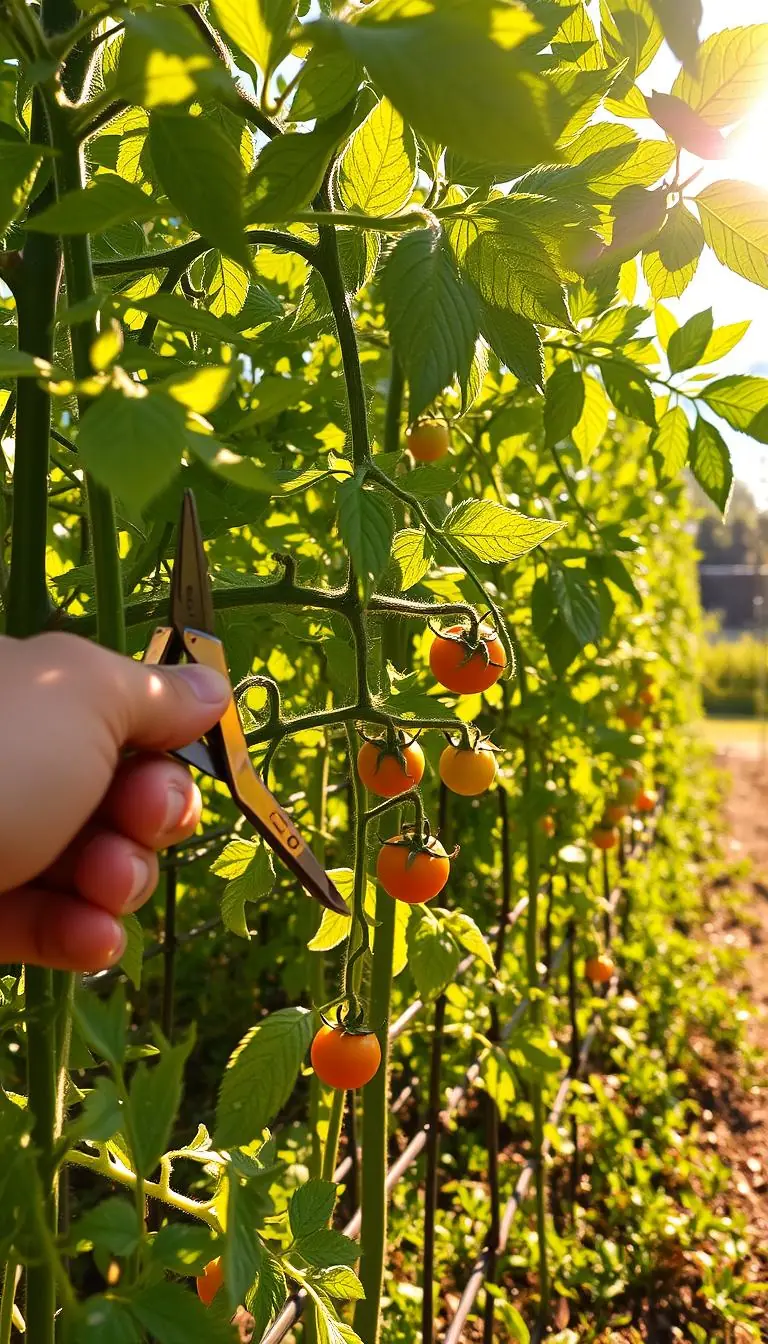
You step outside and the air smells faintly honeyed; a violet spike brushes your hand. Have you ever wished your yard felt more alive and easier to care for?
In this guide, we promise clear, step-by-step information to help you create a lush, sustainable space. You’ll learn how native plants stitch your yard into a larger living web and bring more pollinators and birds close to home.
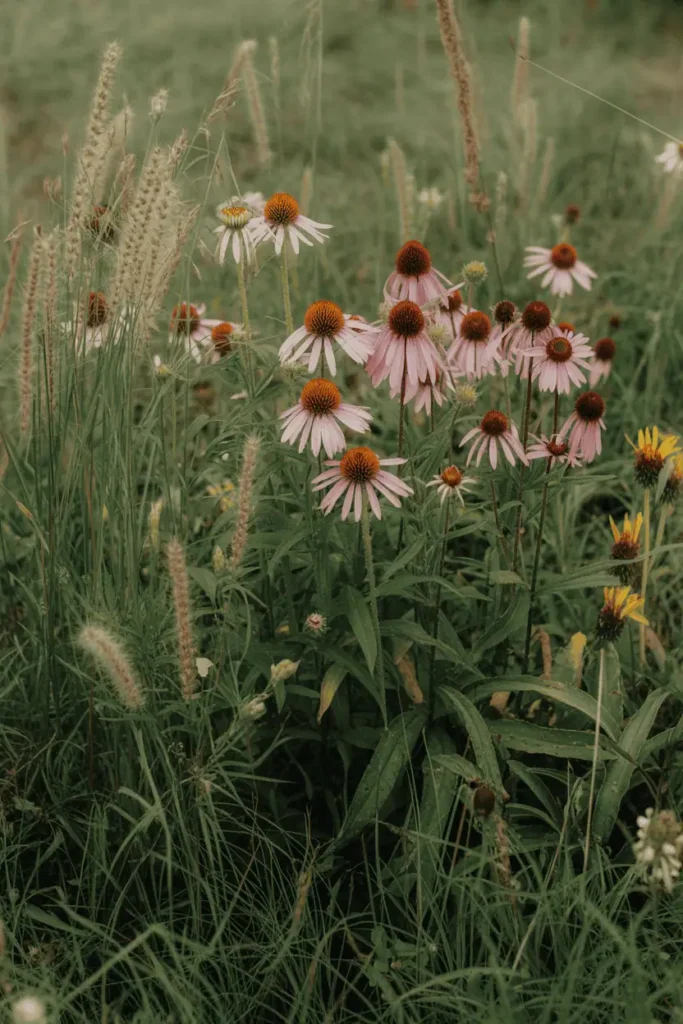
A study shows these choices can matter: local flora produce four times more insect biomass than exotics, and 96% of terrestrial birds eat insects at some point. In Georgia, for example, the number of available species tops 3,600 across mountains, flatlands, and coast.
We’ll walk you through planning beds, matching sun and soil, and choosing tools like sturdy planters, drip lines, compost bins, and neat mulch. Expect sensory delights—sunlit foliage, rustling grasses—and practical tips to avoid common errors.
Key Takeaways
- Use simple steps to plan beds and spacing for lasting beauty.
- Choose native plants for more wildlife and resilience.
- Pick tools—drip lines, compost bins, path lights—that make care easy.
- Follow short seasonal checklists to stay on track year-round.
- Small soil improvements deliver big gains in bloom and health.
Why Native Plants Matter for Biodiversity, Pollinators, and Easy-Care Gardens
Gardens that mirror local ecosystems feed more life and need less fuss from you. Silvery grasses, spicy leaf scents, and nectar-laced blooms create a living chain: leaves host caterpillars; caterpillars feed fledgling songbirds; those birds keep pests in check.
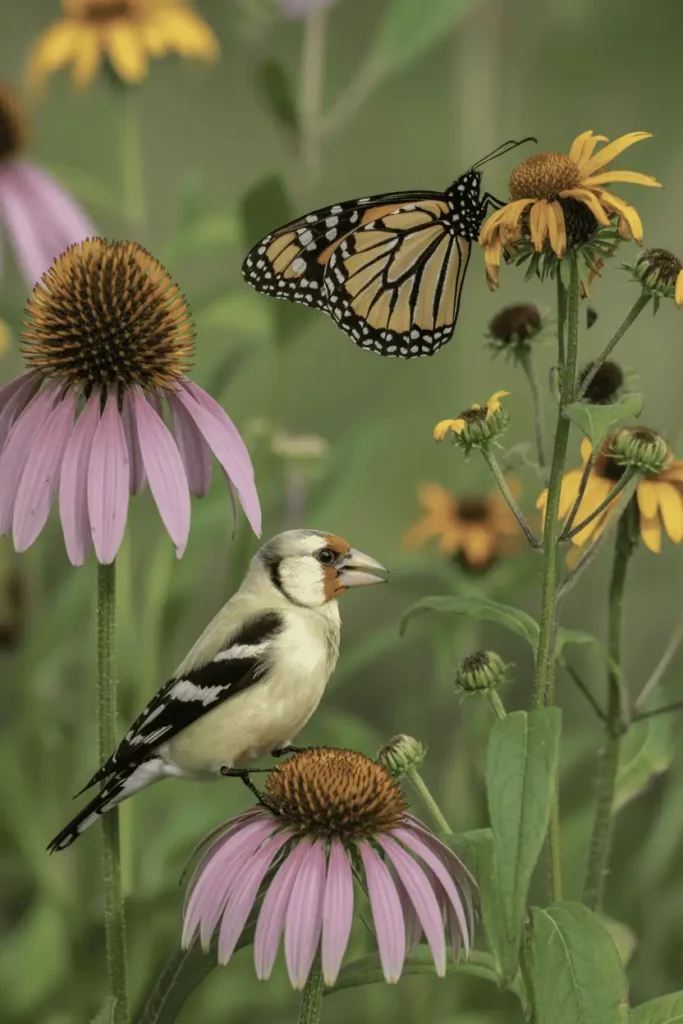
Key science: local selections produce about four times more insect biomass than exotics, and roughly 96% of terrestrial birds eat insects at some point. That number explains why adding the right species matters.
- Choose summer anchors like purple coneflower (Echinacea) and blazing star (Liatris) for open, nectar-rich flowers that draw butterflies and native pollinators.
- Plant butterfly weed (Asclepias tuberosa) as a host for monarch caterpillars and a nectar source for hummingbirds.
- Add oakleaf hydrangea at the back of beds for structure, white panicles in early summer, and fall color.
Simple steps boost diversity: layer heights, use a hose timer for deep, infrequent watering, and keep a mulch fork handy. Avoid broad-spectrum pesticides, sterile cultivars that offer little nectar, and “volcano” mulching.
Tip: add a shallow water dish with pebbles and snap weekly photos to track butterflies, bees, and other visitors. Each plant becomes part of a larger, thriving tapestry.
Plan a Native Garden That Blends Beauty and Function
A small planning session—measure beds, test sun, and note drainage—saves you time and fuss later. Use these clear steps to match each plant to its best spot and build a layout that works year-round.
Match plant to place
Start a simple site audit: mark areas with 6+ hours (full sun), 3–5 hours (part sun), and under 3 hours (shade). Take a handful of soil; gritty means sand, smooth is silt, sticky is clay.
Do a drainage check: dig a 6-inch hole, fill with water, and time the drain. If it sits over two hours, pick wetter-tolerant species or mound the bed 6–8 inches.
Design moves
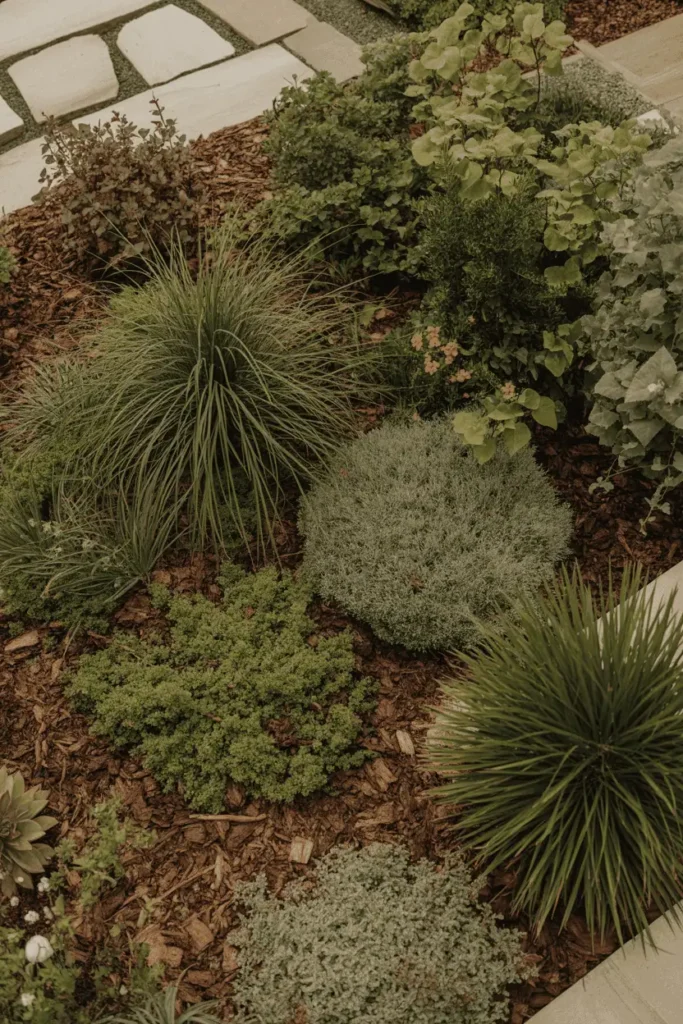
Build layers: 6–8 foot shrubs like oakleaf hydrangea at the back, 2–4 foot perennials such as Echinacea and Liatris in the middle, and low groundcover like Sporobolus or Heuchera up front.
Space by mature width—often 18–24 inches for midsize perennials—to avoid overcrowding and reduce disease.
Sensory cues and tools
Choose fine-textured grasses that shimmer at dusk and nectar-rich flowers near seating for scent. Work compost into the top 2–3 inches, add 2 inches of shredded bark mulch, and keep mulch off stems.
- Tools: 50–75 ft hose with timer, 1/2" drip line, mulch fork, compost bin, and low-voltage path lights.
- Containers: 12–18" planters with drainage for small patios or a home balcony.
Seasonal How-To: Planting and Care Through Spring, Summer, and Fall
A clear seasonal plan helps you time planting, watering, and seed collecting with confidence. Use these quick, measured steps to set new beds and keep them thriving across the year.
Spring starts
Edge beds 30–36 inches deep for front borders. Mix 1–2 inches of compost into the topsoil.
Space perennials 18–24 inches apart. When you plant, water each hole with 1–2 gallons to settle roots and remove air pockets.
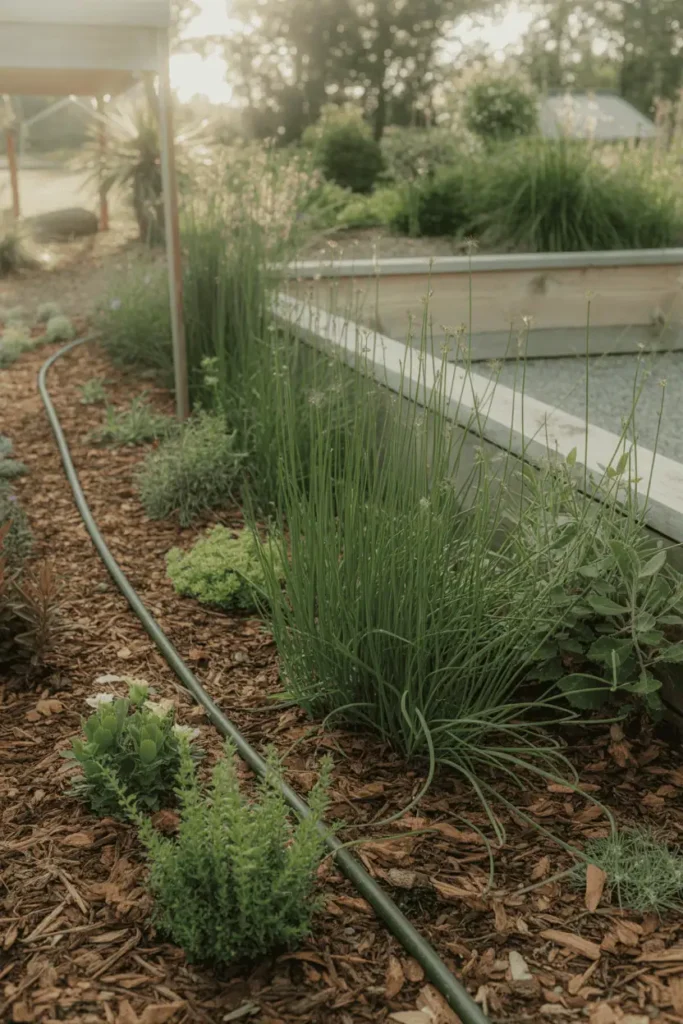
Install a drip loop with an emitter at each spot. Add 2 inches of mulch and leave a 2–3 inch gap around stems to prevent rot.
Summer stewardship
Water deeply once or twice weekly, aiming for about 1 inch total. Use a rain gauge or a tuna can to measure.
In heat waves, water new transplants first and do so in the morning to cut evaporation. After storms, fluff or top up mulch to keep soil cool.
Lightly stake tall blooms and pinch spent flowers selectively—leave some seedheads for birds and winter interest.
Fall focus
Divide crowded clumps every 3–4 years and replant with roughly 18-inch spacing. Collect dry seeds on clear afternoons and store in labeled paper envelopes.
Plant new perennials and shrubs 6–8 weeks before the first frost so roots can establish. Water weekly until soil cools; fall is the gentlest season for transplants.
Simple maintenance calendar
- April: planting, mulch, install drip lines
- June: deep-watering checks
- August: light pruning and staking
- October: divisions and new installs
- November: final deep watering before freeze
| Season | Key Tasks | Measurements & Timing |
|---|---|---|
| Spring | Prep beds, space, mulch, install drip | 30–36" beds; compost 1–2"; spacing 18–24"; water 1–2 gal/plant |
| Summer | Deep watering, mulch maintenance, staking | 1" water/week; morning watering; top mulch as needed |
| Fall | Divide, seed collect, transplant roots | Divide every 3–4 yrs; plant 6–8 weeks before frost; weekly water |
Avoid overhead evening sprinklers, piling mulch against stems, and skipping first-year watering. The rewards are sensory: cool, mulched soil underfoot, evening floral hints, and seedheads that rattle in fall breezes.
Regional Picks and Real-World Examples: A U.S. List with a Georgia Native Spotlight
A well-chosen local list helps you match flowers and grasses to sun, soil, and the pollinators that visit.
Wildlife magnets and quick specs
Butterfly weed (Asclepias tuberosa) — 1–2.5 ft, Zones 3–9, early summer orange blooms; host for monarchs and nectar for butterflies and hummingbirds.
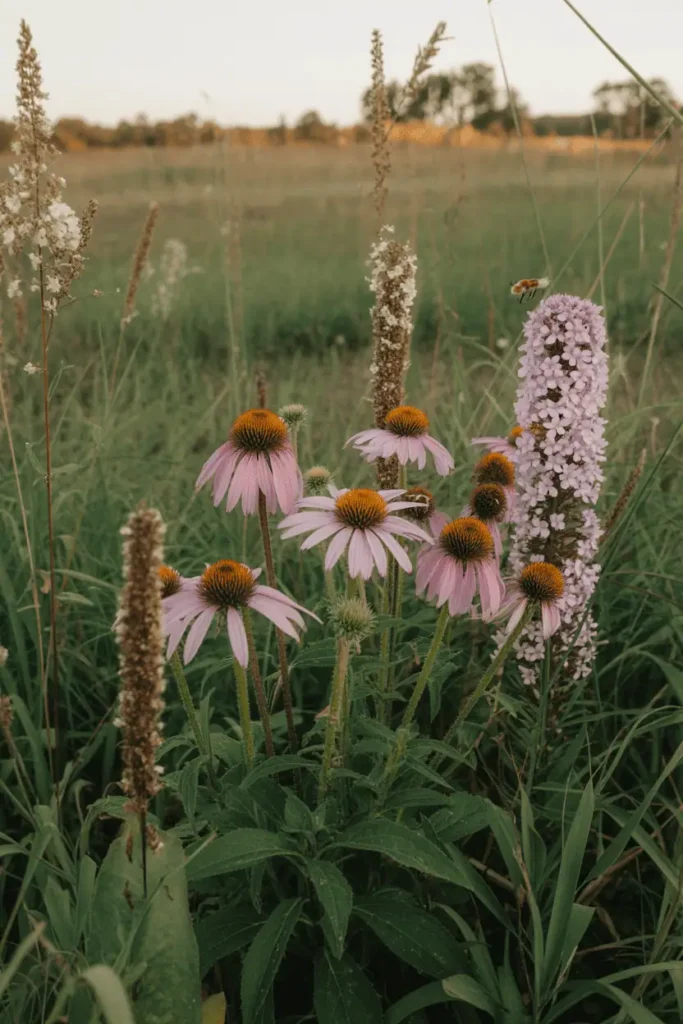
Coneflower (Echinacea purpurea) — 2–4 ft, Zones 3–9, summer pink-purple daisies; seeds feed finches and add structure.
Blazing star (Liatris spicata) — 2–4 ft, Zones 3–9, mid to late summer violet spikes; fragrant nectar draws many insects.
Oakleaf hydrangea (Hydrangea quercifolia) — 6–8 ft, Zones 5–9, early summer white panicles aging to rose; strong fall color and woody cover for birds.
Regional variety and garden-ready groups
Georgia hosts over 3,600 georgia native species across mountains, forests, and coast. You’ll find orchids (Cypripedium), grasses (Schizachyrium, Panicum), ferns (Osmunda), carnivores (Sarracenia), and woodland spring ephemerals.
Mix-and-match by site
- Dry sun: Schizachyrium + Asclepias for texture and steady nectar.
- Average sun: Echinacea + Liatris with little bluestem for movement.
- Part shade/woodland: Heuchera + Trillium + Osmunda for layered spring interest.
- Moist areas: Sarracenia in a bog or lined container for dramatic form.
| Condition | Example | Height | Zones | Bloom / Wildlife |
|---|---|---|---|---|
| Dry, sunny | Butterfly weed | 1–2.5 ft | 3–9 | Early summer; monarch host, nectar for butterflies |
| Average sun | Coneflower | 2–4 ft | 3–9 | Summer; seeds for finches, nectar for insects |
| Part shade | Oakleaf hydrangea | 6–8 ft | 5–9 | Early summer; structure, shelter and berries for birds |
Pollinator pathway tip: plant drifts of 5–7 individuals per species and stagger bloom times. That steady nectar and food keeps butterflies, insects, and hummingbirds moving through your yard all season.
Finding and Buying Native Plants: Sources, Seasons, and Smart Shopping
Seek out reputable sellers, seasonal sales, and clear propagation info before you buy. Start with a state list from your local native plant society, then compare nearby nurseries and community sales. Many groups publish supplier lists; use those as a starting point, but verify each company before ordering.
Where to shop and when
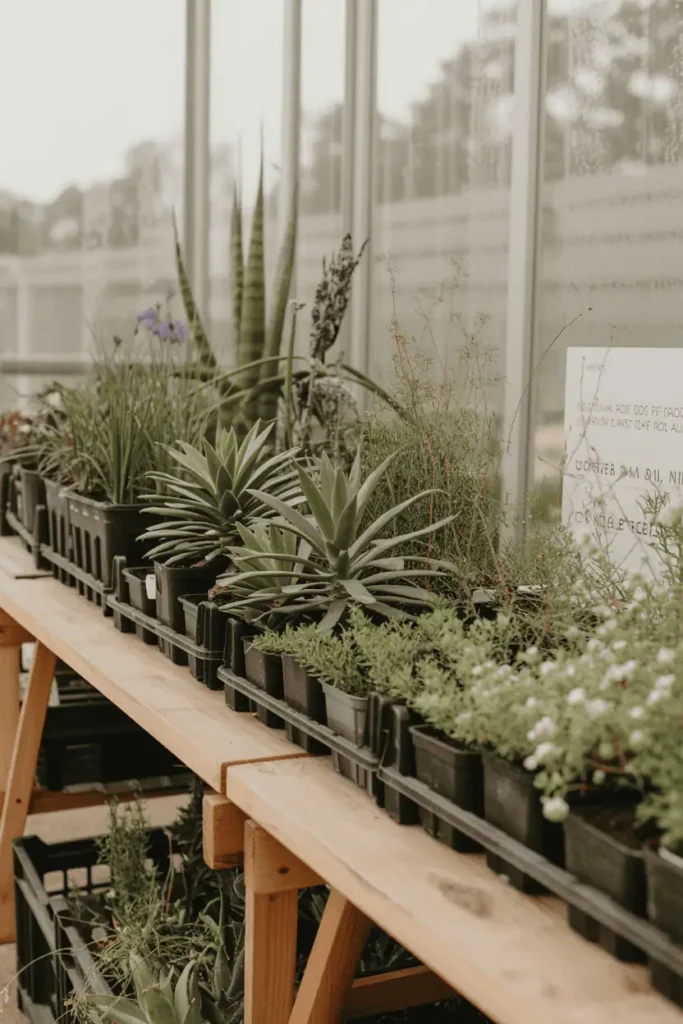
Shop peak seasons: spring for the broadest choice, fall for gentle establishment, and limited summer runs from some growers. Local groups like Coastal WildScapes, Chattahoochee Nature Center, and Trees Atlanta often hold spring and fall sales—sign up for their newsletters.
Quality, ethics, and questions to ask
Ask direct questions: Is this nursery-propagated? What is the parent provenance? Were systemic insecticides used? Ethical growers will answer clearly.
"Avoid wild-dug stock—it can harm wild populations and transplant poorly."
- Inspect roots: firm and white, not circling.
- Check foliage: fresh with no sticky residue.
- Soil in the pot should be moist but not waterlogged.
- Buy in groups of 3–7 to help native pollinators find food.
| Source | Best season | What to verify |
|---|---|---|
| Local nursery | Spring, fall | Propagation method; pesticide history |
| State society list | Year-round (use for leads) | Reputation of listed company; member reviews |
| Community sales (nonprofits) | Spring, fall events | Pre-order options; provenance and handling |
Bring a short shopping kit: your plant list, tape measure, vented crates, and a notebook to track the number and date of additions. Pick up early, keep pots shaded, and install or water lightly soon after arrival. These steps make buying easier and kinder to wild populations while setting your garden up for success.
Conclusion
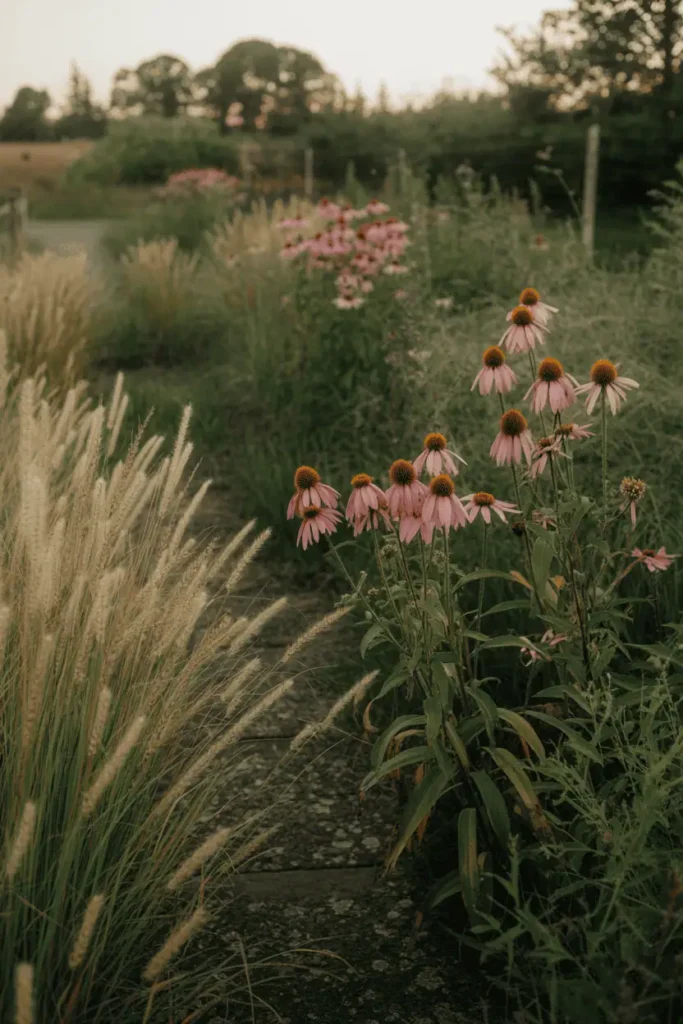
Begin with one confident choice and let your yard quietly become a refuge for wildlife.
Start small—a sunny bed, a trio of perennials, or a single shrub near your home. Plant in fall for strong roots, add compost and mulch in spring, and enjoy summer blooms that invite butterflies and pollinators.
Blend beauty and purpose with favorites like coneflower, blazing star, butterfly weed, and oakleaf hydrangea. Each offers nectar, cover, or seed as food for insects and birds.
Keep tools simple: a hose timer, a mulch fork, and a compost bin will do most of the work. If you live in Georgia, explore georgia native lists to match soil and climate.
Take steady, small steps. Over time you’ll notice more blooms, more wingbeats, and calmer evenings in your gardens.
FAQ
What are the biggest benefits of using native plants in my yard?
They support local wildlife, require less water and fertilization once established, and create resilient, low‑care beds. By matching species to your climate and soil, you get more blooms, more insects for birds and butterflies, and a garden that feels naturally balanced.
How do I choose the right species for sun, shade, or wet areas?
Start by observing the spot through a full day to note light and moisture. Use USDA hardiness zones and soil texture as guides, then pick varieties labeled for those conditions. Layering tall, medium, and groundcover selections helps each plant thrive in its best microclimate.
When is the best time to plant for strong root establishment?
Early spring and fall are ideal. Cooler temperatures and seasonal rains reduce stress, letting roots grow before hot or freezing extremes. In summer, transplant only with frequent deep watering and added mulch to conserve moisture.
How often should I water new plantings versus established beds?
Water new transplants deeply and regularly for the first 6–12 weeks to set roots. Once established, water less frequently and more deeply—this encourages deeper roots and drought resilience. Mulch helps keep soil evenly moist and cuts down on chores.
Will using these species attract pests or too many insects?
You’ll attract pollinators and beneficial insects, which is a good sign of ecosystem health. Predatory insects and birds usually keep pest populations in check. Use tolerant species and avoid broad‑spectrum insecticides that harm helpful wildlife.
Where can I buy quality stock without harming wild populations?
Choose reputable native plant nurseries, native plant societies, or state extension service lists. Ask sellers if their stock is nursery‑grown (not wild‑dug) and about provenance. Spring and fall plant sales at botanical gardens are good ethical sources.
How do I design for four‑season interest and pollinator food all year?
Include a mix of early, mid, and late bloomers plus seed‑heads and berries for winter interest. Combine grasses, shrubs, and perennials so something blooms or provides structure in every season. Think nectar, pollen, and foliage value when you choose.
Can I use these species in containers or small urban yards?
Yes. Pick compact varieties or use grasses, ferns, and flowering perennials suited to pots. Ensure good drainage, enough soil volume, and regular feeding. Containers are a great way to bring wildlife value to decks and balconies.
How do I handle maintenance like pruning, dividing, or collecting seed?
Prune lightly after bloom for shape, divide crowded perennials in early spring or fall, and collect seed when pods dry for propagation. Leave some stems through winter to shelter insects, then tidy in late winter if you prefer a neater look.
What are easy, pollinator‑friendly picks for Georgia gardens?
Look for coneflower (Echinacea), butterfly weed (Asclepias tuberosa), oakleaf hydrangea, and blazing star (Liatris). These provide nectar and host resources across habitats. Match species to your mountain, piedmont, or coastal plain site for best results.
How can I make my garden a safe corridor for hummingbirds and butterflies?
Plant nectar‑rich flowers in layers and ensure continuous bloom from spring through fall. Include host plants for caterpillars, a freshwater source, and avoid pesticides. Groupings of tubular and brightly colored flowers draw hummingbirds effectively.
What basic tools and materials should every gardener have for these beds?
Keep a hand trowel, pruning shears, a digging spade, mulch, compost, and a soaker hose or drip system. Path lights and simple edging help define beds and keep maintenance manageable while enhancing the garden’s beauty.