Imagine the soft plumes of grass brushing your fingertips as a warm breeze moves through a sunlit corner by the porch.
Have you noticed your bed feels flat from the street or that your flowers hide behind low borders? You can change that with a few simple moves.
We’ll walk you through calm, doable steps: picking a bed location that frames the view, choosing tall-through-short plants, and using raised beds for comfort and ease.
A bit of structure—small shrubs, trellised vines, or a narrow tree—adds quick visual layers. Match plants to sun, wind, and soil so your choices stand firm through summer storms.
Expect friendly, practical tips and real plant examples for U.S. yards. By the end, you’ll have a clear plan that makes tending easier and your landscape feel fuller without crowding walkways.
Key Takeaways
- Use taller structure and layered plants to guide the eye and boost curb appeal.
- Place a bed to frame views and complement your existing landscape.
- Choose plant types by sun, wind, and soil for long-term success.
- Raised beds reduce bending and make weeding more comfortable.
- Secure vertical pieces and avoid crowding the back row for steady growth.
See the Possibilities: Why Adding Height Transforms a Garden Bed
A few well-placed vertical pieces can turn a flat border into a layered view you enjoy from morning coffee to sunset. The change is both useful and beautiful: more bloom faces at eye level, softer paths, and clearer sightlines from the porch.

Beauty and function: more blooms, better views, and smart use of space
Layering taller at the back and shorter up front brightens the whole plot. You get blooms that read from a distance and room to tuck in more plants without crowding the middle.
Calm cues: airy plumes, layered color, and four-season texture
Think of vertical accents—trellises, a climbing rose, or a small tree—as a gentle frame. Airy plumes and seed heads catch light at golden hour and add winter silhouettes that keep the area interesting over time.
- Quick example: pair purple fountain grass with black-eyed Susans and coneflowers for lively late-summer contrast.
- Layering also helps soil and plant health by shading roots and reducing heat stress.
Plan Your Space and Measure for Success
Good planning keeps tall pieces from blocking views and helps plants thrive. Start with a quick map of the plot and note where light, wind, and sightlines land from the porch, street, and kitchen window.

Map sun, wind, and sightlines
Watch the front, side, and back for a full day. Mark morning shade and hot afternoon sun so you match plants to light.
Stake the outline, run a string line, and stand at viewing spots to check that tall pieces won’t block favorite views.
Right plant, right place: match mature sizes in feet
Sketch each plant with its mature size in feet next to the name. Put the tallest at the back, medium in the middle, and low at the front.
Tools you’ll use
- Tape measure and stakes to set widths under 4 feet so you can reach the center.
- String line for clean edges and a post level to keep trellises straight.
- Check soil depth: aim for 18–24 inches for most plantings; allow more for deep-rooted crops.
Quick note: Leave 3-foot paths for easy access and jot a simple map with plant names, mature size, and bloom time. This makes future tweaks simple and steady.
The Layered Look: Arrange Plants by Height for Easy Texture
Start by picturing three simple strips: tall structure at the back, color in the middle, and a soft edge up front. This layout keeps your beds tidy and makes each plant read clearly from the path.
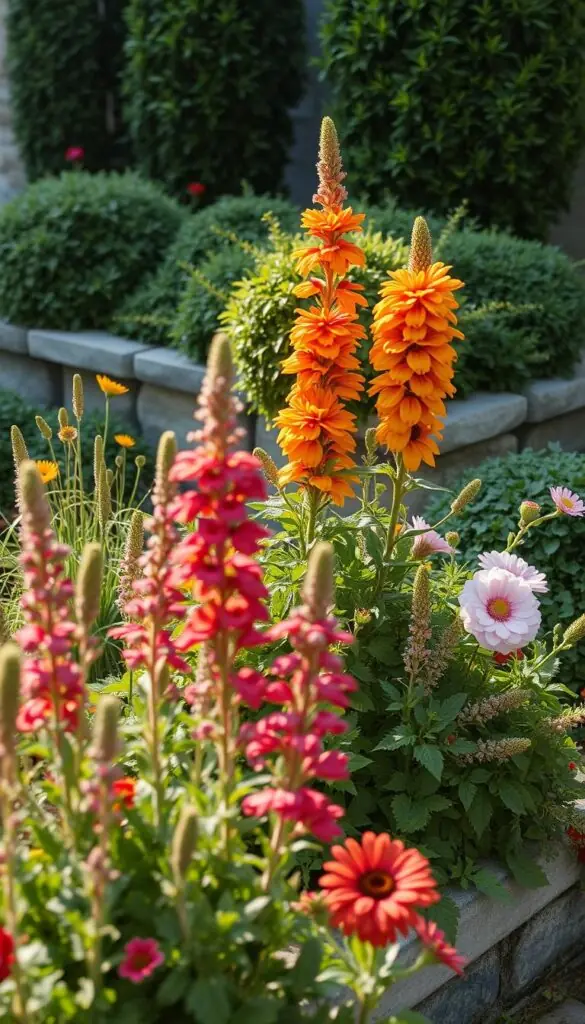
Back layer — sturdy structure
Choose oakleaf hydrangea, Joe Pye weed, ironweed, and ornamental grasses like purple fountain or muhly. These plants form a steady line and add movement with airy plumes.
Middle layer — color and pollinators
Plant coneflowers, yarrow (‘Moonshine’, ‘Cerise Queen’), catmint ‘Walker’s Low’, and bee balm ‘Jacob Cline’. Repeat pairs so the eye flows from one clump to the next and pollinators find food easily.
Front layer — a soft, living edge
Creeping phlox (Phlox subulata), creeping thyme, and low sedum knit soil and suppress weeds. Trim phlox after spring bloom to encourage a second flush.
- Keep beloved flowers like coneflowers near the path for easy cutting and quick deadheading.
- Leave a small step-in gap every few feet so you can tend the middle without trampling roots.
- Think in gentle waves rather than a strict wall; let a tall accent peek through for a natural feel.
| Layer | Example Plants | Key Benefit |
|---|---|---|
| Back | Oakleaf hydrangea, Joe Pye weed, ironweed, purple fountain grass | Structure and winter silhouette |
| Middle | Coneflowers, yarrow, catmint, bee balm | Long bloom, pollinators, fragrance |
| Front | Creeping phlox, creeping thyme, low sedum | Weed suppression and soft border |
Raised Beds That Work: Choosing Heights, Depths, and Widths
A well-built raised bed makes daily tasks easier and kinder to your back. You’ll get clear numbers you can build to so the space fits your routine.
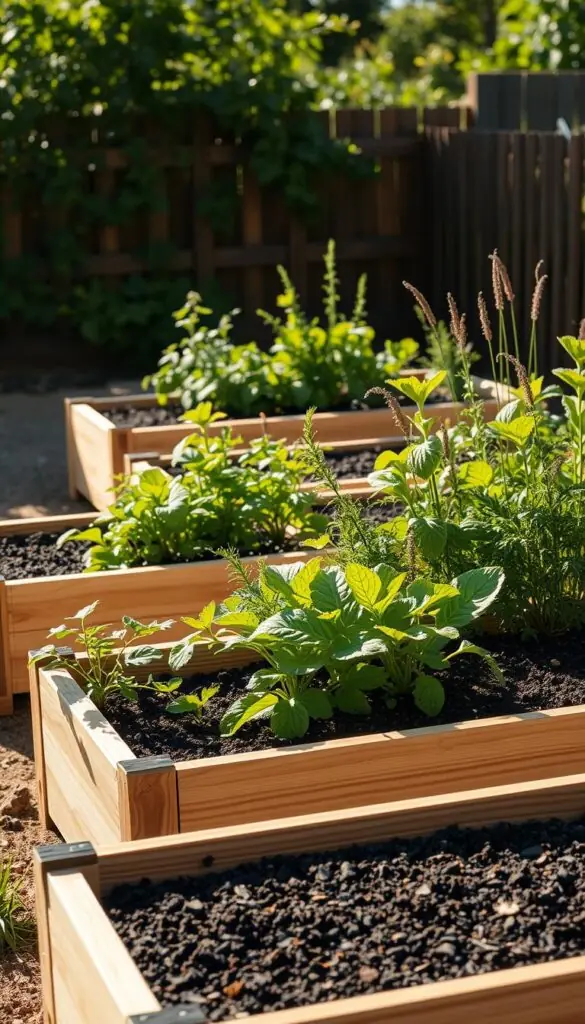
Comfort first
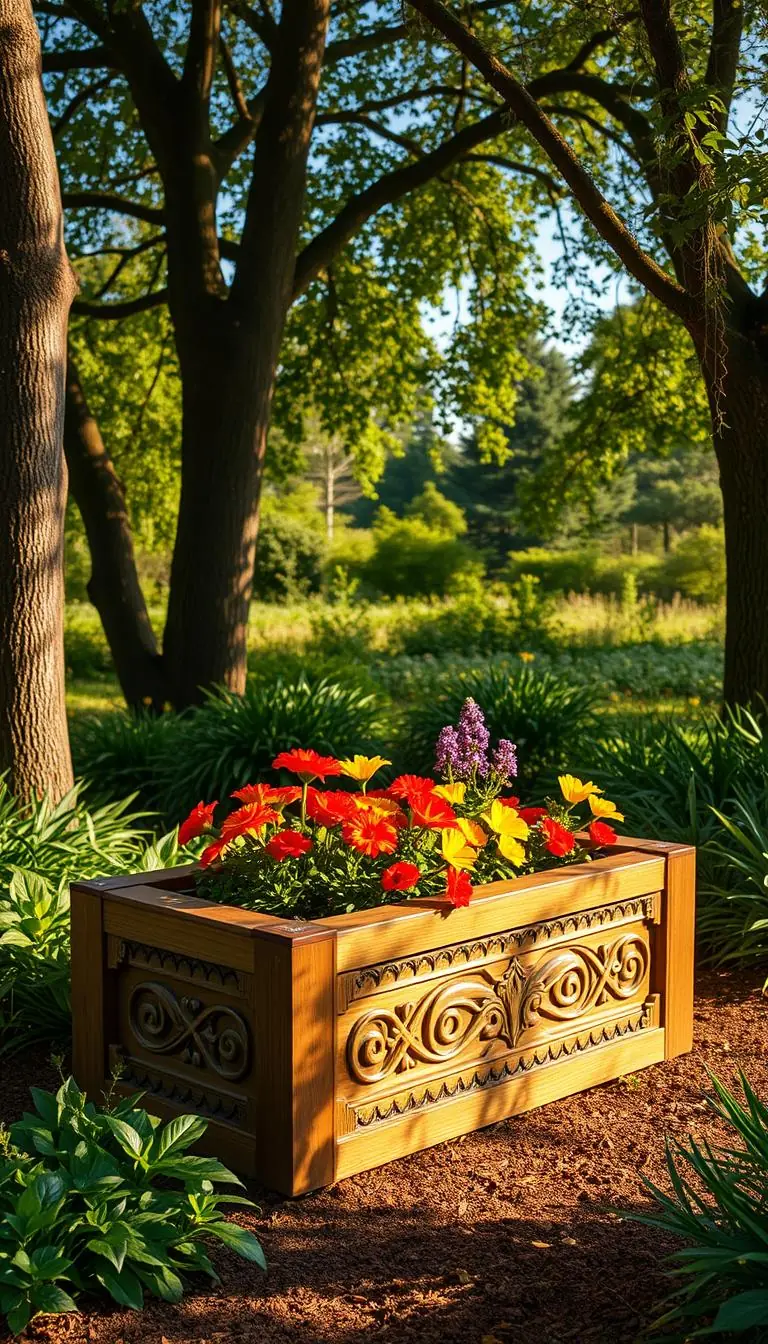
Most gardeners find 24–30 inches tall frames reduce bending and make long sessions gentler. For general plantings, 18–24 inches of good soil works well.
Match soil depth to roots
Keep root needs in mind: lettuce needs about 6 inches, many perennials 12+ inches, melons around 24 inches, and asparagus near 36 inches.
Width and access
Keep a bed under 4 feet wide so you can reach the middle without stepping on the ground. Leave paths about 3 feet wide for easy tool and wheelbarrow access.
- Level the site before building so water drains evenly.
- Pick a durable material and add a liner or hardware cloth if pests are a concern.
- Group plants by water needs and place taller pieces to the north or back edge to avoid shading.
| Dimension | Standard | Why it matters |
|---|---|---|
| Soil depth | 18–24 inches | Supports most plants without excess fill |
| Frame height | 24–30 inches (up to 36 for accessibility) | Reduces bending; helps gardeners with mobility |
| Bed width / Paths | <4 feet / ~3 feet paths | Easy reach and tool access; avoids soil compaction |
Material Matters: Wood, Metal, Brick, and Composites in U.S. Climates
Material choice makes a big difference in how long raised beds last and how your plants perform. Pick a frame that fits the weather where you live and the look you want for your landscape.
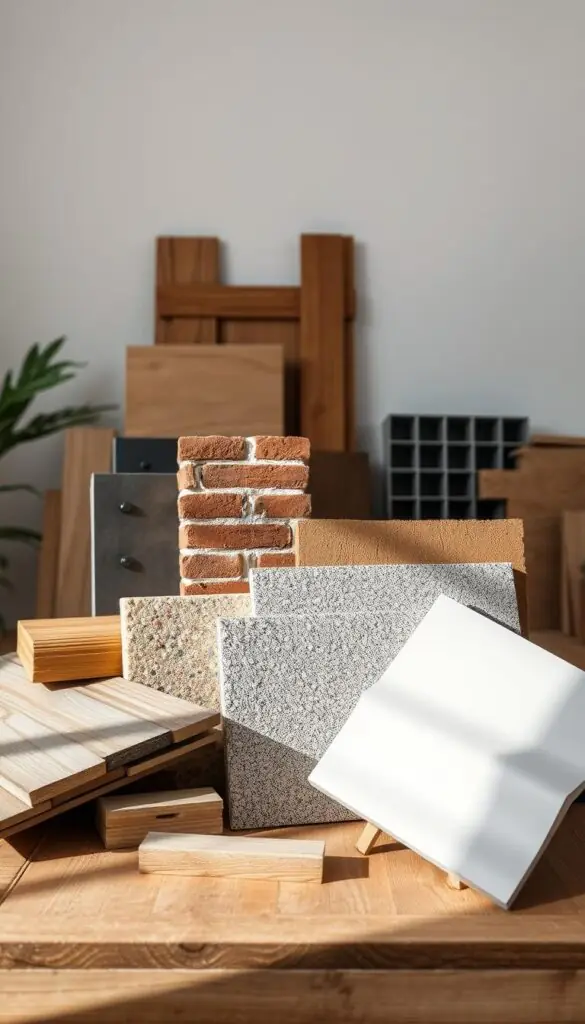
Choose by climate and style
In wet areas, rot-resistant cedar or composite boards hold up well. In hot, dry lots, galvanized metal resists warping and adds strength.
Soil and water management
Add a thin drainage layer of gravel or crushed rock so excess water moves away from roots after storms. Use a light, well-draining soil mix—topsoil, compost, and some coarse material—for a living, airy blend.
Avoid stepping in the beds when filling; compaction hurts root growth and reduces air pockets.
Practical tips for long-term success
- Check fasteners for corrosion where wet soil may touch metal.
- Run an overflow away from patios to protect hardscape and lawn areas.
- Line with hardware cloth if burrowing pests are common in your area.
- Give new beds a good soak and let them settle a day before planting.
Vertical Features: Trellises, Arches, and Small Trees that Add Instant Height
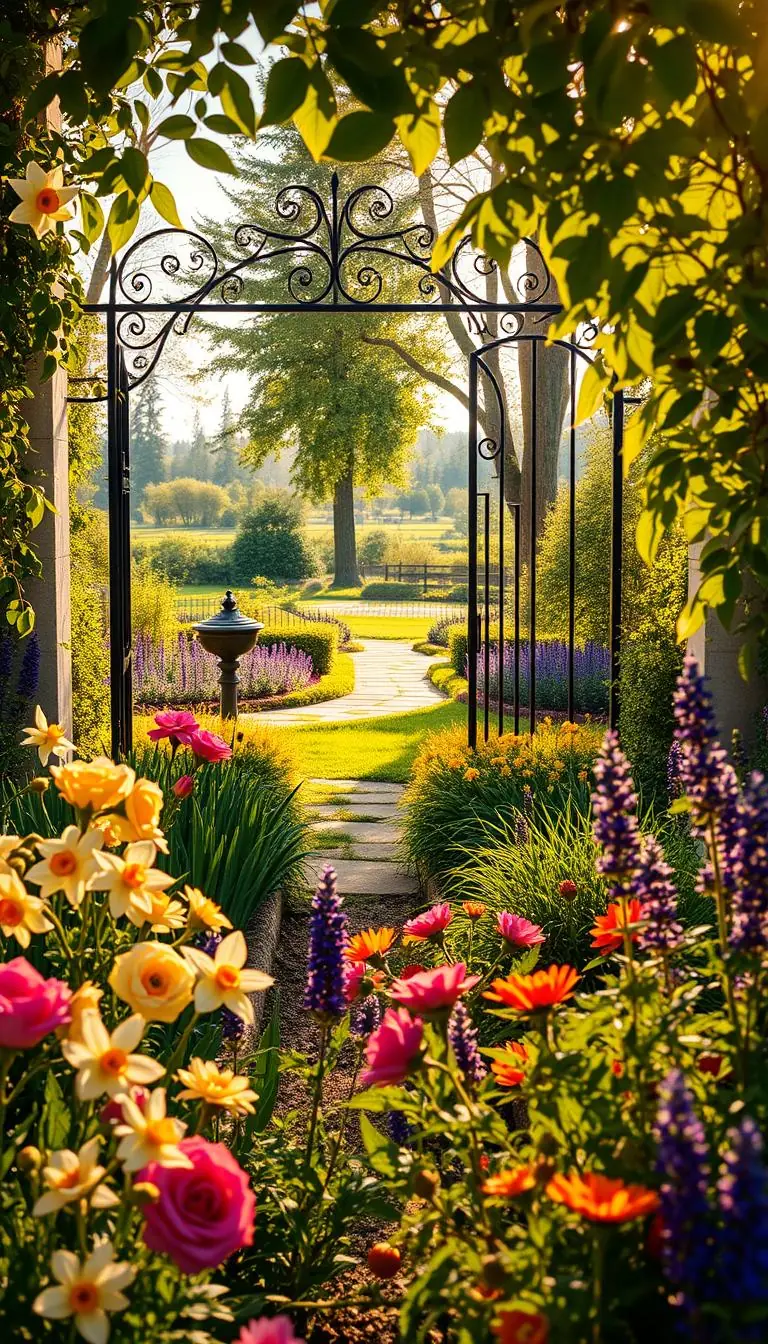
A slim trellis or stacked planters can lift a modest bed into a layered, welcoming scene. You’ll see easy options to add vertical interest right away—trellises you can install in an afternoon, containers you can stack, and wall planters that draw the eye up.
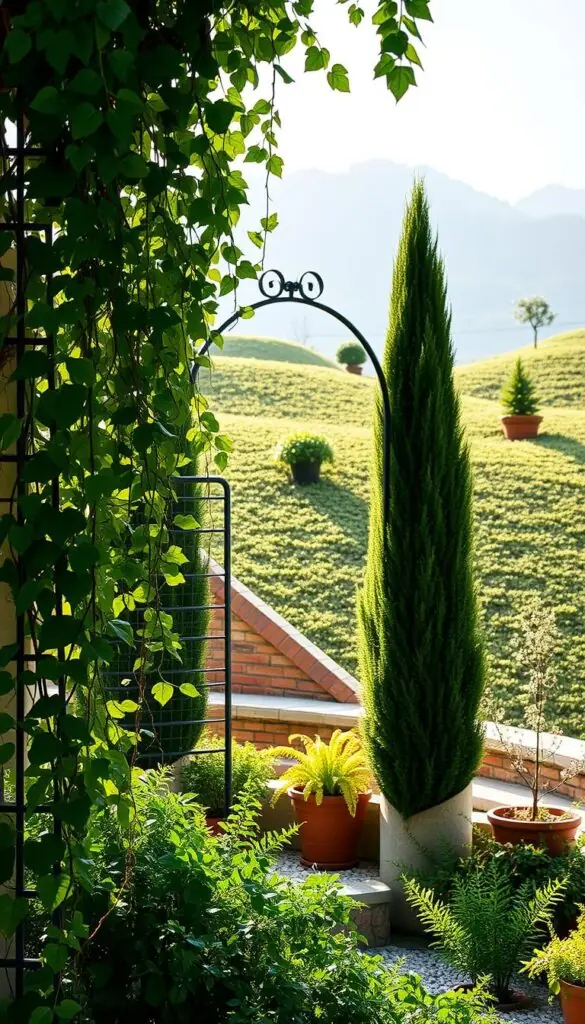
Trellised vines you can trust
Pick friendly climbers: Amethyst Falls American wisteria is more controlled than older types, coral honeysuckle brings 15–25 feet of color for hummingbirds, and Zephirine Drouhin is a thorn-free climbing rose ideal for entries.
Install a slim trellis at the back or side of the bed so vines lift without stealing room from the middle layer. Set posts deeply and use a post level for a steady base.
Portable height: containers, stands, and wall planters
Group containers at staggered levels or use wall-mounted planters to build vertical interest without taking ground space. Plant trailing herbs or flowers so scent and color rise to eye level.
- Train vines with soft ties and guide new shoots gently.
- Leave room around small trees so lower branches can sway and filter light.
- After the first storm, tighten ties and recheck posts so verticals stay true.
“Place a scented climber near a seat; evening air carries fragrance while leaves whisper above.”
Seasonal Planting Recipes by Height and Texture
Choose one simple recipe for each season and you’ll see how a few well-placed pieces change a bed through the year. These combos give texture, scent, and repeated color so the view stays lively from spring to winter.
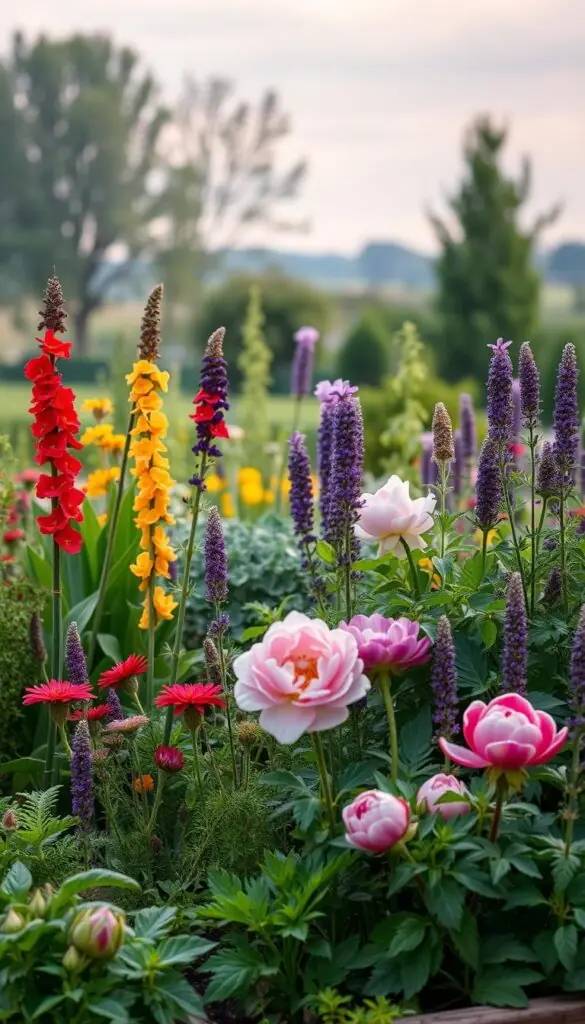
Spring lift
Set a white dogwood as a soft backdrop. Tuck woodland phlox and lady fern along the front edge for cool blues and lacy green fronds.
- Space the dogwood every 8–12 feet as an anchor.
- Plant phlox in drifts and place ferns in partial shade.
Summer drama
Cluster purple fountain grass in small groups and weave black-eyed Susans and coneflowers around it. The mix gives bold faces and airy plumes for long summer interest.
- Repeat mid-size plants every 3–4 feet to tie the bed together.
Autumn glow
Add muhly grass for a cotton-candy haze. Pair with asters and hardy chrysanthemum mounds so the bed warms up at sunset.
- Give grasses extra room to sway in wind-prone lots.
Winter bones
Lean on oakleaf hydrangea’s seed heads, winterberry’s red fruit, and buttonbush for winter structure. A few evergreens blend in so the plot keeps shape after frost.
- Place tall accents every few feet and refresh soil with compost at planting time.
| Season | Key plants | Sensory & spacing cue |
|---|---|---|
| Spring | Dogwood, woodland phlox, lady fern | Soft bracts, cool colors; dogwood 8–12 feet apart |
| Summer | Purple fountain grass, black-eyed Susans, coneflowers | Warm tones and plumes; repeat mid-plants every 3–4 feet |
| Autumn | Muhly grass, asters, chrysanthemums | Rosy haze at dusk; allow extra sway room |
| Winter | Oakleaf hydrangea, winterberry, buttonbush | Strong silhouettes and fruit; add evergreens for backbone |
Use each recipe as a flexible example. Adjust for sun and soil, mulch lightly, and check ties mid-season. A bit of care keeps small raised beds and larger beds both looking steady through the year.
Water, Soil, and Care: Keep Tall Plantings Healthy
A short, regular routine keeps tall stems strong and soil lively through the year. Follow simple steps and you’ll spend less time fixing problems and more time enjoying the view.
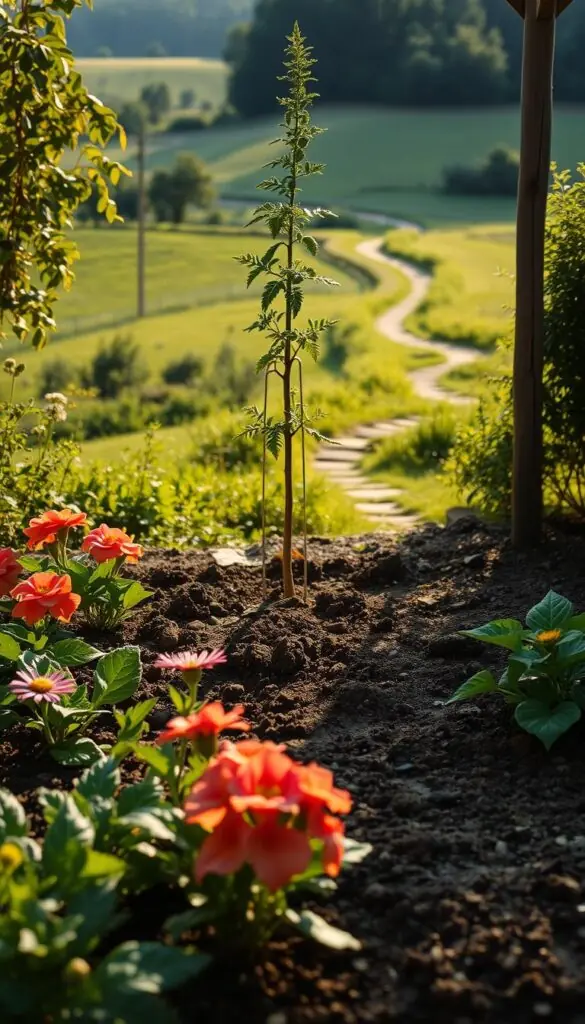
Deep watering first: lay a soaker hose along the garden bed and cover it with mulch. Slow, steady water soaks the root zone and encourages deep roots that anchor taller plants.
Water less often but more deeply. Check soil a few inches down with your finger or a small trowel. If it’s dry there, it’s time to water.
Feeding and light trims
Top up with compost in spring and again lightly in midsummer. This feeds soil life and supports steady growth without forcing leggy stems.
Trim spent flower stalks and shape tall stems midseason. Gentle pruning keeps a tidy look and controls how far plants reach.
- Keep beds mulched 2–3 inches to save water and reduce compaction.
- Ensure drainage even in deeper beds (18–24 inches) so roots don’t sit wet after storms.
- Give climbing vines a tie check after storms to prevent rub and breakage.
"A tiny routine each morning or evening saves time and keeps plants calm and steady."
| Care Step | Why it helps | Quick tip |
|---|---|---|
| Soaker hose + mulch | Encourages deep roots and even moisture | Cover hose with 2–3 inches of organic mulch |
| Seasonal compost | Feeds soil life and steady blooms | Top-dress in spring and light refresh midsummer |
| Deep check & water | Prevents stress during heat | Probe a few inches down before watering |
Quick Tips to Avoid Common Garden Height Mistakes
Spend ten minutes now on a few simple checks and you’ll avoid most of the common headaches that come with taller plantings.
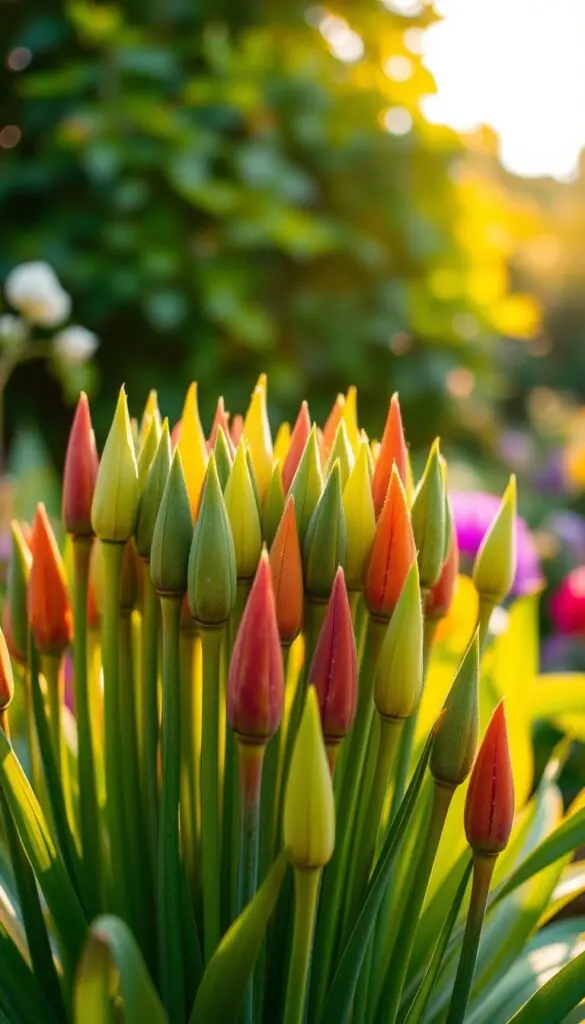
Read labels for mature heights and spread. Give tall growers the feet they need so stems don’t lean into the path. This keeps the middle layer bright and healthy.
Don’t crowd the back row. Tight spacing forces stems forward and shades the middle. Leave room to breathe so each plant can show its best form.
- Set trellis and arch posts deep and check with a level; firm posts handle wind without wobble.
- Leave a side access gap so you can step in to tie vines or trim without compressing soil.
- Keep raised beds under 4 feet wide and paths near 3 feet for easy reach.
- Avoid staking into saturated ground; reset posts after heavy rain when the ground firms.
- Use plant stands or wall planters when the bed is shallow or the lot is tight.
Drainage matters. Deeper beds hold moisture but still need drainage. Soggy soil makes tall plants top-heavy and weak at the roots.
Quick final tip: before a storm, add an extra tie to tall vines. Five minutes now saves hours of repair later.
"Smart spacing and solid posts stop wind and crowding from undoing your best plant choices."
Conclusion
A simple plan and steady care will help your beds read beautifully from every view.
Start with layered plantings, a few steady supports, and one or two favorite perennials like purple fountain grass or phlox. Keep raised beds near 24–30 inches for comfort and easy access to soil and roots.
Match plants to light and tuck tall accents at the back, color in the middle, and soft edges up front. Leave paths clear so gardening stays peaceful and small routines become habits.
Enjoy the process. Watch textures shift with sun and breeze, mix a seasonal variety of flowers, and let the landscape evolve as you learn. With gentle care you’ll find the best way to grow a calm, thriving garden.
FAQ
How tall should I make raised beds for comfort and plant health?
Aim for 18–24 inches deep for everyday planting and about 24–30 inches tall if you want easier access without bending. That depth gives most perennials and vegetables room for roots while keeping beds narrow enough to reach across from paths about 3 feet wide.
How do I plan layers so taller plants don’t shade everything behind them?
Map sun angles and sightlines first, then place the tallest plants at the back or center of an island bed. Use a staggered layout: tall structural plants, medium bloomers, and low groundcover at the front. Measure mature sizes in feet and leave space so air and light reach lower layers.
What materials hold up best in U.S. climates for building beds and edging?
Quality cedar and redwood resist rot and look warm; powder-coated steel and corten steel give a modern edge and last decades; brick and concrete block suit formal styles and sun-baked zones. For composites, pick brands with UV warranties. Always add a drainage layer and well-draining soil mix to protect materials and roots.
Which tools should I have when measuring and building raised beds?
Keep a tape measure, stakes, string line, post level, shovel, and wheelbarrow handy. Those simple tools help you mark straight edges, keep bed widths under 4 feet for reach, and set posts squarely so structures withstand wind and wear.
How do I water tall plantings without drowning the low plants?
Use soaker hoses or drip lines placed near root zones and mulch to retain moisture. Water deeply and less often so deep roots develop. For mixed-height beds, zone irrigation by plant needs—deeper soak for shrubs and lighter, more frequent water for shallow-rooted annuals.
What are good trellising choices for instant vertical interest?
Choose sturdy wood or powder-coated metal trellises for climbing roses, American wisteria, and coral honeysuckle. For mobility, use freestanding arches or staggered container stands. Secure posts with concrete footings if you expect heavy vines or high winds.
Can I use containers and stands to add height instead of building structures?
Yes. Staggered containers, plant stands, and wall-mounted planters let you layer plants vertically without major construction. They’re great on small lots and patios and allow seasonal swaps for fresh texture and color.
What low plants work well as a soft, weed-suppressing edge?
Creeping phlox, low thyme, and hardy sedums form a tidy, low-maintenance edge. They fill gaps, reduce weed pressure, and provide a soft foreground so taller plants read clearly in the composition.
How deep do common crops and perennials need?
Roots vary: lettuce about 6 inches, many perennials 12+ inches, melons around 24 inches, and asparagus up to 36 inches. Match bed depth to the deepest roots you plan to grow, and loosen soil to prevent compaction.
How can I keep tall plantings stable in windy spots?
Use sturdy posts, stake young stems, and choose wind-tolerant varieties like ornamental grasses and shrub forms of hydrangea. Place heavier plants closer to the windbreak side and tie canes loosely so they can move without snapping.
What seasonal plant combos work for layered interest by height?
Spring: small dogwood at the back with woodland phlox and lady fern in front. Summer: purple fountain grass with black-eyed Susans and coneflowers midlayer. Autumn: muhly grass with asters and chrysanthemum mounds; winter: oakleaf hydrangea and winterberry for structure.
How often should I refresh soil and feed tall plantings?
Top up with compost in spring and again in fall if needed. Light seasonal feeding—balanced granular or slow-release fertilizer—supports long bloomers. Mulch annually to maintain moisture and reduce weeds.
What mistakes should I avoid when creating layered beds?
Don’t crowd plants at installation, underestimate mature spread, or ignore root depth. Keep beds narrow enough to reach across, plan paths for access, and secure posts and structures against the wind to prevent failures.