Imagine stepping into a sunlit patch of your yard and noticing soft cups of color opening where you planted last fall.
Do you want plants that come back each year without guesswork? Start with a clear, simple baseline: the USDA hardiness zone tells you what will shrug off winter where you live in the United States.
This guide gives calm, practical steps so you pick with confidence. We use the USDA map as a compass and pair it with frost timing. That way you plant bulbs like tulips after the first frost and wait until after your last frost for tender bulbs like dahlias.
Expect friendly examples, quick seasonal tips, and easy tools — mulch, a soil knife, or a moisture meter — when they help. We promise short checklists and clear actions so your choices fit your zone and your garden life.
Key Takeaways
- Find your hardiness zone on the USDA map to set realistic expectations.
- Use last spring and first fall frost dates to time planting and lifting bulbs.
- Match plant hardiness to your local zone for winter survival.
- Simple tools and mulch make seasonal care easier.
- Small, steady steps create a thriving, low-stress garden.
Start Here: Why Flower Zones Matter for a Beautiful, Low-Stress Garden
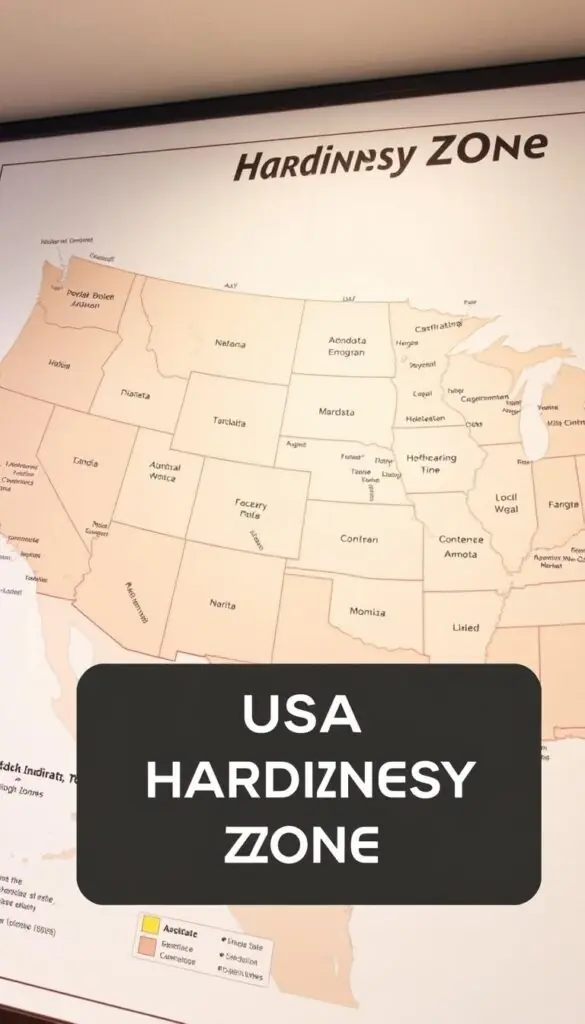
Start with the map that tells you what winter will really do to your garden. The USDA guidance gives a clear baseline: it shows average annual extreme minimums so you can match a plant’s listed range to your local conditions.
Think of zones as your winter safety net
Your zone is not a rulebook. It is a safety net that helps you avoid losing favorites to a surprise freeze. When you match a plant’s listing to a zone map, you cut guesswork and save time and money.
Maps are helpful but imperfect. Microclimates, soil, and wind can change what thrives in your area. Lean on local clues—what neighbors grow, sun on a brick wall, or a protected courtyard.
- Choose plants proven for your hardiness first.
- Fine-tune with sun, soil texture, and moisture.
- Experiment small and expect better results.
| Guide | What it tells you | How to use it |
|---|---|---|
| hardiness zone map | Average extreme minimum temperature | Pick plants rated for your zone |
| Local clues | Microclimate effects like heat pockets | Adjust choices, add protection |
| Nursery advice | Proven plant performance nearby | Confirm before buying |
"A simple baseline makes planting calm and predictable."
What Are USDA Hardiness Zones? A Calm, Clear Explanation
A hardiness map gives you a simple way to read your local winter risk and pick plants that stand up to cold.
Based on average annual extreme minimum winter temperatures
USDA hardiness groups divide the country by long-term average annual coldest readings. Each band shows the typical extreme minimum your garden might face in winter.
Understanding numbers and a/b subzones from the latest map
Zones run from 0 to 13; higher numbers mean milder winters. Each number splits into “a” and “b” to mark 5°F steps. For example, Zone 3 ranges from −40°F to −30°F. Zone 10 runs from 30°F to 40°F.
- Think of the plant hardiness zone as a quick filter to match cold tolerance.
- The 2023 update (1991–2020 data) nudged many areas north as winters warmed.
- Use the map as a starting point, then check local frost dates and microclimates.
| Feature | What it shows | How to use it |
|---|---|---|
| Number (0–13) | Long-term minimum winter temperature band | Choose plants rated for your number |
| Subzone (a/b) | 5°F colder or warmer half-step | Fine-tune choices for borderline species |
| Updated map | 1991–2020 averages reflect recent shifts | Re-check plants if your map moved |
"A clear, simple map reduces guesswork and helps you plant with quiet confidence."
How to Find Your Zone on the USDA Hardiness Zone Map
A quick ZIP code check gives you a reliable starting point for choosing hardy plants.
Use a ZIP code finder and confirm locally
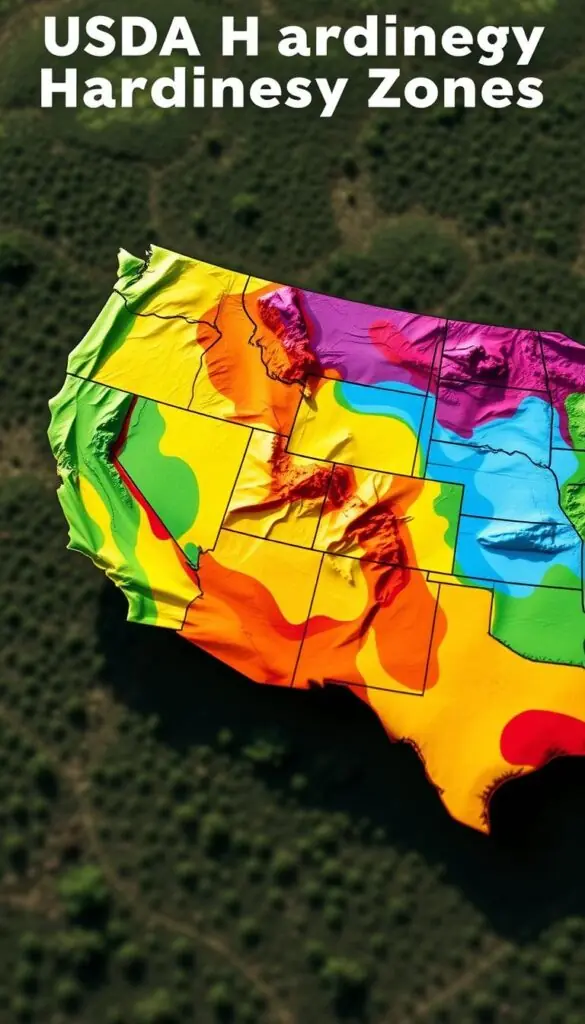
Enter your zip code on the interactive hardiness zone map to see your number and the a/b subzone in seconds. The USDA Plant Hardiness Zone Map includes a ZIP code tool and reflects recent climate data.
- Write down your zone and save it in a notes app.
- Check the USDA website, then call or visit a trusted local nursery to confirm what thrives in your location.
Cross-check the map with what grows on your block
Walk the neighborhood and note consistent successes. Repeating, healthy plants are the best real-world information.
- Look for warm walls, low spots, and breezy corners that change microclimate effects.
- Check multiple zone maps or nursery resources if you live near a boundary or varied region.
- When in doubt, start small with a few proven picks and expand as you learn your site.
| Tool | What it gives | How to use it |
|---|---|---|
| USDA ZIP finder | Exact zone number and subzone | Enter zip code, note the result |
| Local nursery | Practical plant advice for your site | Confirm selections before buying |
| Neighborhood clues | Real-world performance | Match what repeats well nearby |
"Use the map for a clear starting point, then let local experience guide your choices."
Flower Zones and Frost Dates: When to Plant Without Guesswork
Pin down your last cold night and first crisp morning—those two dates guide every planting decision. They set the safe window for starting tender starts, planting bulbs, and lifting tubers.
Know your last spring frost and first fall frost
Mark both dates on a calendar and treat them as your seasonal checkpoints. A quick local lookup or nursery call will give you the right frost dates for your area.
Planting windows by zone at a glance (Zones 3-10)
| Zone | Last Spring Frost | First Fall Frost |
|---|---|---|
| 3 | May 16 | Mid‑September |
| 5 | April 30 | Mid‑October |
| 8 | March 28 | November |
Real examples: dahlias, tulips, and caladiums timed to your dates
- Dahlias: start indoors 4–6 weeks before your last frost; set out when nights stay above 40°F; lift before first fall frost.
- Tulips: plant bulbs after your first fall frost when soil cools.
- Caladiums: wait until warm soil after the last frost; lift and store before the first frost in a dry spot.
"Mark two dates, and you remove most guesswork from the growing year."
Plants That Feel at Home: Examples by Climate Bands
Think in climate bands: each one has reliable picks that save time and worry. Below are clear examples that match common weather and care needs. Use them as starting points and adjust for your own sunny, shady, or wind-exposed spots.
Cold climates (Zones 3–5)
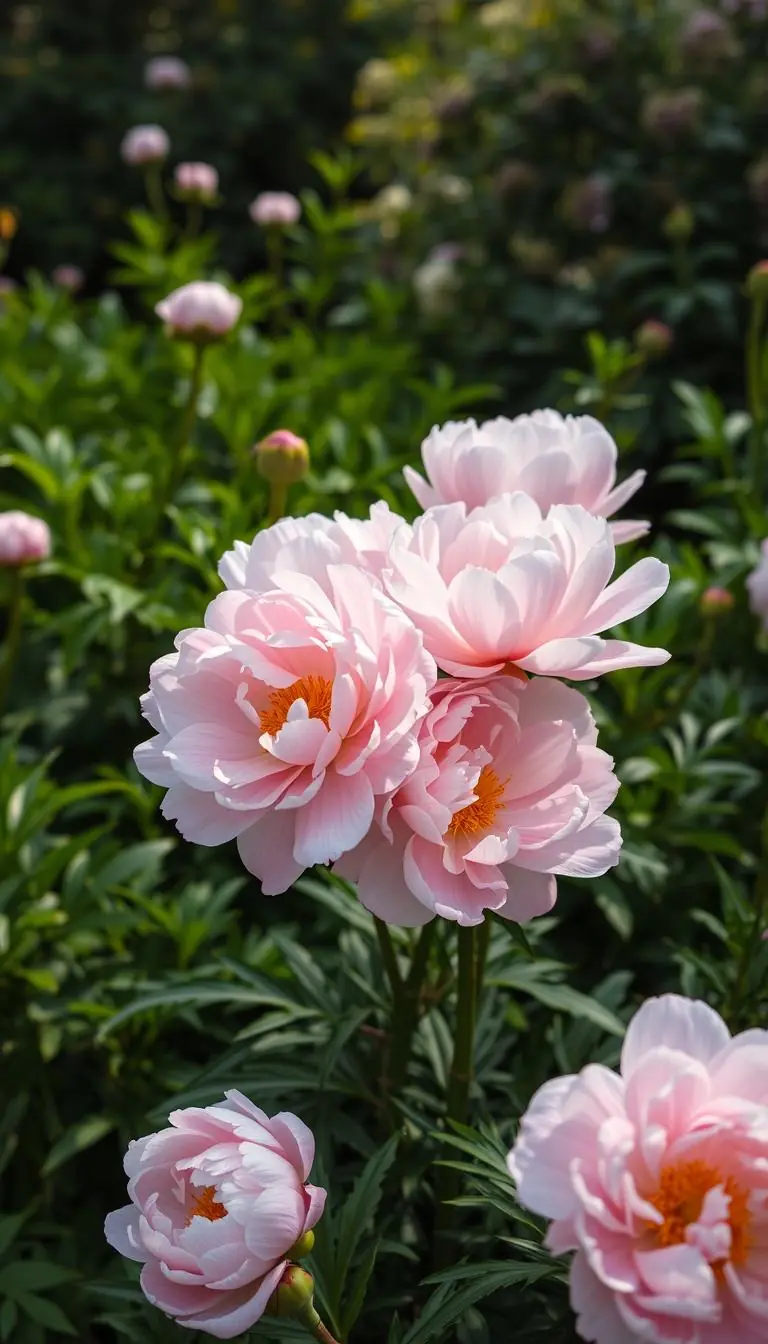
Choose sturdy perennials that survive deep freezes and return with strong color. Peonies bring big, scented blooms and robust foliage. Echinacea adds long-lasting, papery petals and wildlife value. Daylilies offer hardy, sunlit ribbons of color with little fuss.
Care note: mulch crowns before deep freezes to protect roots and keep soil moisture steady. Lift tender tubers if your zone drops severely low.
Temperate climates (Zones 6–7)
These regions suit classic bulbs and dependable long-bloomers. Daffodils, tulips, and hyacinths give clear spring perfume and bright color. Black-eyed Susan and salvias fill summer beds, and small trees like serviceberry or dogwood add spring punctuation and bird song.
Care note: mix bulbs, perennials, and trees for color from early spring through fall.
Warm climates (Zones 8–10+)
Lean into lush foliage and heat-smart blooms. Caladiums and cannas give dramatic leaves; zinnias and vinca stand up to summer heat with cheerful color. Many tropical-style plants like these thrive in humid weather.
Care note: water in the cool morning and consider a moisture meter to avoid overwatering in muggy periods. For classic bulbs, pre-chill tulips or hyacinths for 8–12 weeks before planting.
| Climate band | Top picks | Why they fit |
|---|---|---|
| Cold (3–5) | Peony, Echinacea, Daylily, Juniper | Hardy roots, wind-tough shrubs, low winter dieback |
| Temperate (6–7) | Daffodil, Tulip, Salvia, Serviceberry | Strong spring bulbs, long bloom season, small trees for structure |
| Warm (8–10+) | Caladium, Canna, Zinnia, Vinca | Tropical foliage, heat tolerance, moisture-friendly choices |
"Match plants to your band, then tweak for sun, soil, and microclimate."
Tip: always pick varieties proven in your growing zones and ask a local nursery for region-specific advice. This keeps choices simple and satisfying.
Beyond the Zone Map: Soil, Moisture, Wind, and Microclimates
Small features in your yard change what the map predicts. A south-facing wall, a sheltered courtyard, or an evergreen windbreak can make a spot feel a few degrees milder. That extra warmth helps borderline plants keep growing when the general zone would say they might not.
Sunny walls, courtyards, and windbreaks that change the game
A brick wall radiates heat after sunset and can protect buds from late cold snaps. Courtyards and fences cut gusts, keeping soil moisture steadier and plants less stressed.
Evergreen hedges act as gentle wind barriers. Less wind means less desiccation and better cold tolerance for foliage and buds.
Soil drainage, summer heat, and why two Zone 8 gardens differ
Good soil and proper drainage are simple game-changers. Plants with "wet feet" suffer in winter even if their hardiness looks right on paper.
Two gardens in the same zone can behave very differently. One might overheat on a west slope while another enjoys cool afternoon shade. Notice frost pockets and plant tender varieties uphill or nearer warm walls.
- Map sun paths and breezy corners in your location.
- Amend compacted soil with compost to improve drainage.
- Watch where snow lingers or thaws early to learn local weather patterns.
| Micro-site | Effect | Simple fix |
|---|---|---|
| South-facing wall | Warmer nights, fewer hard freezes | Plant borderline species nearby |
| Low frost pocket | Colder, later thaw | Place hardier plants or raise beds |
| Poor drainage | Winter root rot despite good hardiness | Amend soil; redirect downspouts |
| Open, windy exposure | Desiccation, bud damage | Add windbreaks or shelter during cold snaps |
"Learn your little weather, and you’ll match plants to the right spots with calm confidence."
Your Seasonal Plan and Toolkit for Confident Planting
A calm seasonal plan turns uncertain planting into a steady habit you can trust. Use your ZIP code and the USDA plant hardiness finder to lock in last and first frost dates. Those dates set the reliable rhythm for the year.
Simple calendar: prep, planting, mulching, lifting, and storing
Late winter: confirm your zone and frost dates by ZIP code. Gather a soil knife, mulch, row cover, labels, and breathable storage bags.
Early spring: work beds when soil crumbles, not when it sticks. Add compost until it smells earthy and feels light in your hand.
After last frost: plant tender starts and summer bulbs. Keep a row cover on hand for surprise chilly nights.
Early fall: set hardy bulbs after first frost so roots can settle into cool, damp soil.
Late fall: lift tender bulbs about six weeks after flowering ends. Label, dry, and store in a cool, dark place.
Helpful tools and materials
- Soil knife — cut roots, divide, and check soil texture.
- Mulch (2–3 in.) — conserves moisture and keeps roots cool in summer.
- Row cover — saves tender plants on unexpected cold nights.
- Moisture meter — prevents over- and under-watering.
Quick tips to avoid common mistakes
Prep beds at the right moisture level to avoid compaction. Plant tender bulbs only after your last frost date.
Mulch too thin and soil dries; mulch too thick and crowns can rot. Deadhead and feed lightly in summer to keep plants blooming and healthy.
"Keep a small notebook of dates, odd weather, and standout plants — each year gets easier."
| Tool | Primary use | Timing |
|---|---|---|
| Soil knife | Dividing, planting checks | Late winter–spring |
| Row cover | Frost protection | After planting tender plants |
| Moisture meter | Smart watering | Spring–summer |
Conclusion
A clear plan based on temperature, timing, and site gives you steady success in the garden.
The USDA Plant Hardiness Zone Map organizes the United States by average annual minimum winter temperature so you can match plant hardiness to real conditions. The 2023 update reflects warming trends, but local soil, wind, and microclimate still matter most.
Use your plant hardiness zone and a reliable zone map, check frost dates, and time planting with calm steps. Simple examples help: tulips after first frost, dahlias after last frost, and caladiums before the first fall chill.
With a few tools and steady habits, you’ll enjoy a thriving, low-stress garden. Step outside, learn your site, and watch your yard become a peaceful, living place.
FAQ
What is a USDA hardiness zone and why does it matter?
A USDA hardiness zone is a map-based system that groups areas by their average annual extreme minimum winter temperature. It helps you pick plants that can survive your coldest nights so your garden is more likely to thrive with less fuss. Use it as a starting point—soil, moisture, and wind also shape success.
How do I find my plant hardiness zone?
Enter your ZIP code in a USDA plant hardiness map or zone finder online, then confirm with your local nursery. ZIP-based tools are handy, but check what actually grows well on your block to account for microclimates and urban heat effects.
What do zone numbers and “a/b” subzones mean?
Zone numbers reflect the average minimum winter temperature bands; lower numbers are colder. The a and b subzones split each zone into 5°F increments. This helps you refine choices—plants rated for your exact subzone match winter extremes more closely.
Can I rely on the hardiness map alone for planting decisions?
No. The map is a useful baseline, but local conditions like soil type, drainage, summer heat, and prevailing wind change what will actually thrive. Consider microclimates such as sunny walls, sheltered courtyards, and nearby trees when planning.
What are frost dates and how do they affect planting?
Frost dates mark average last spring and first fall frosts. They define your planting window: when tender plants go in and when to lift bulbs or protect perennials. Knowing your dates prevents losses and helps time bulbs, tubers, and annuals confidently.
How do I choose bulbs and tubers like dahlias or tulips for my zone?
Match the plant’s hardiness rating to your zone and adjust timing to your frost dates. Tulips and hardy bulbs often handle colder zones with fall planting. Tender tubers such as dahlias may need lifting in colder zones or treating as annuals—check specific care for each plant.
What plants suit cold, temperate, and warm climate bands?
Cold climates (Zones 3–5) favor hardy perennials, tough shrubs, and native selections. Temperate areas (Zones 6–7) do well with classic bulbs, long-blooming perennials, and easy trees. Warm climates (Zones 8–10+) allow tropicals, moisture-loving plants, and heat-smart choices that might not survive inland freezes.
How do soil and moisture affect what I can grow in my zone?
Soil drainage and moisture can make two gardens in the same zone behave differently. Heavy clay holds cold and wet; sandy soil warms fast but drains quickly. Amend soil, use mulch, and choose plants suited to your moisture level to improve survival and bloom.
What tools and materials should I keep on hand for seasonal care?
A simple toolkit includes a soil knife, moisture meter, quality mulch, row covers, and frost cloth. These help with planting, protecting tender plants from late frosts, and managing moisture during hot spells—small items that reduce big worries.
How can I use microclimates to expand my plant choices?
Identify warm spots like south-facing walls, sheltered courtyards, or heat-reflecting pavement to grow marginally tender plants. Create windbreaks with evergreens and improve soil to buffer extremes. Microclimates let you enjoy a wider palette than your zone alone suggests.
Are online hardiness zone maps updated for climate change?
The USDA updates its map periodically based on long-term temperature records. Many garden websites also offer near-term refinements. Still, keep an eye on local weather trends and neighborly observations—your own block often reveals the clearest picture.
What common mistakes should I avoid when planning by hardiness zone?
Avoid assuming the map is the whole story, overwatering without checking drainage, and planting tender species too early. Also don’t skip checking frost dates or ignoring summer heat—both can be as decisive as winter cold for plant survival.
How do I test whether a plant rated for my zone will truly thrive here?
Start small: try a few specimens in different spots, note which locations protect or expose plants, and ask local gardeners or nurseries about their experiences. Observing plants on your street is one of the best, practical ways to learn what will flourish.