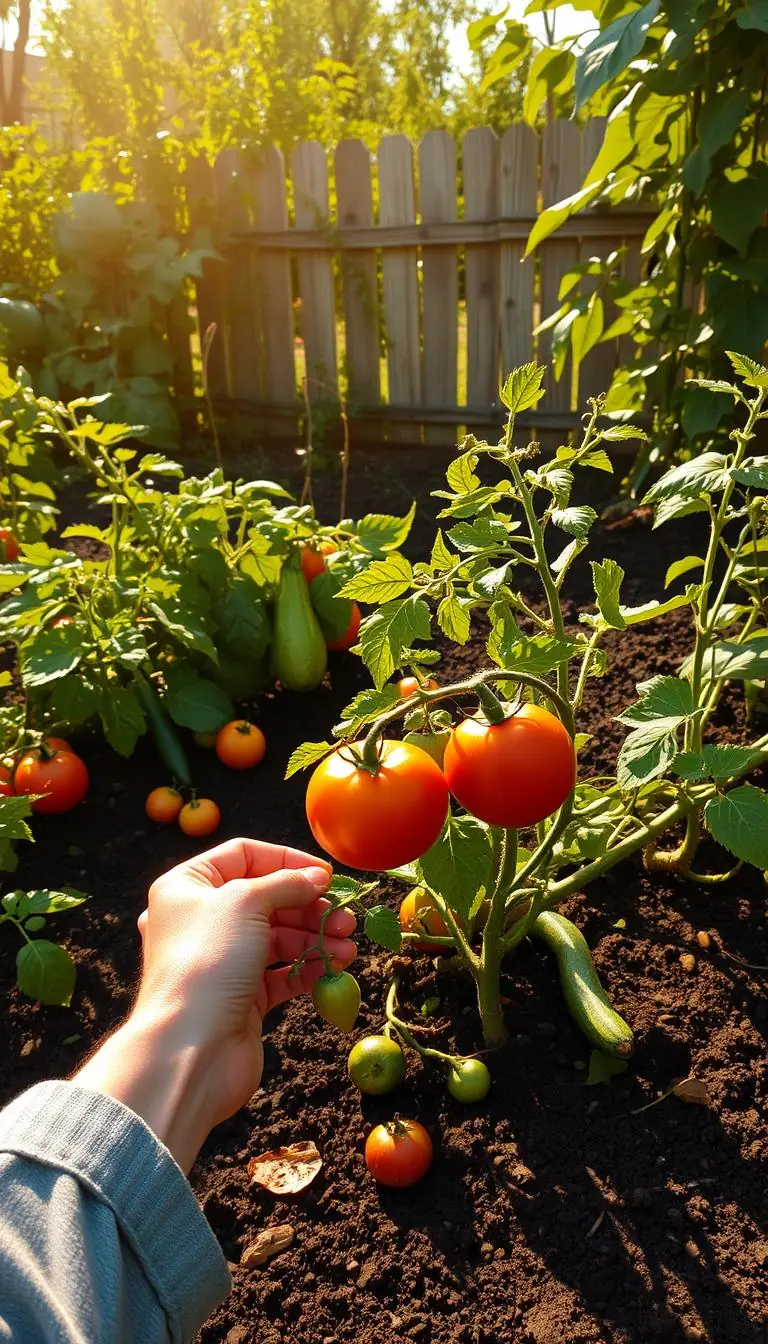
Sun-warmed soil and the quiet hum of bees are often the first things you notice when you step outside. Do you ever spot a holey leaf or a lone caterpillar and wonder what to do next?
You can handle most problems with a small, steady plan. Start by watching your plants each week. Use a hand lens for close looks, an insect netting for protection, and sticky traps for early signs.
Most insects are not harmful. Ladybugs, lacewings, and tiny parasitic wasps help keep trouble in check. Plant a few daisy- and dill-family blooms and set a shallow water dish to attract beneficial insects.
Think seasonal: a spring setup, summer scouting, and fall cleanup. Avoid common mistakes like spraying too soon at dusk. With simple tools and gentle choices — Bt for caterpillars, neem for soft bodies, row covers for early protection — you keep life in the soil healthy and your vegetables productive.
Key Takeaways
- Observe first, act with simple, targeted steps.
- Most insects are helpful; attract them with blooms and water.
- Keep basic tools on hand: hand lens, netting, sticky traps.
- Use seasonal moves: spring setup, summer scans, fall cleanup.
- Choose gentle controls only when needed to protect pollinators.
Start Here: A neighborly plan to keep your garden thriving, naturally
A five-minute check at daybreak helps you catch small problems while they are easy to fix. Walk slowly. Feel the dew and look for new holes, curled tips, or sticky residue before breakfast.
Quick checklist you can do today:
- Set priorities: protect seedlings and salad greens first, then hardy summer crops.
- Stage helpers nearby: a bucket with soapy water, pruners, and a hand lens for under-leaf checks.
- Water at the soil line early in the day to keep foliage dry and reduce disease.
- Plant a small patch of daisy- or dill-family flowers and a shallow water dish to invite beneficial insects.
- Use row covers after planting to stop beetles and moths; lift covers at bloom for pollination.
If you see an insect but no damage, wait and watch. Handpick caterpillars when you spot them. Use soaps or oils only when populations build. Finish with tidy sanitation—remove chewed leaves and dropped fruit.
| Action | Tool | Best time |
|---|---|---|
| Morning scouting | Hand lens, notebook | Daybreak |
| Handpick caterpillars | Gloves, bucket | Any time you spot damage |
| Apply row covers | Light fabric covers | Right after planting |
| Soaps/oils for soft-bodied bugs | Insecticidal soap or horticultural oil | When populations rise |
How to quickly identify what’s eating your plants
Start by reading plant signs like a detective — tiny clues tell you who's feeding on your crops. Walk the beds slowly and let your eyes and fingers gather evidence. Look at leaves, stems, and the soil line for clear hints before you reach for a spray.
Read the clues: jagged or neat holes, green frass, wilted tips, or clipped stems each point to different culprits. Feel for sticky honeydew on the underside of leaves; that often signals aphids. Large bites with droppings usually mean caterpillars.
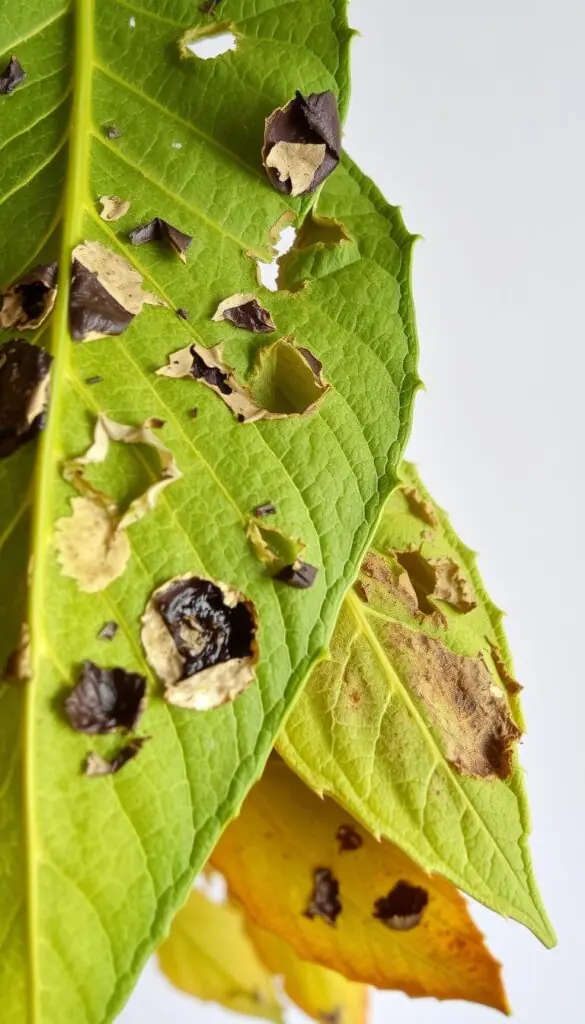
Day vs. night scouting
Scout once in daylight and once at night with a headlamp or small flashlight. Many earwigs, slugs, and some caterpillars feed after dark. Use a hand lens to catch tiny insects and mites tucked into curls or along the midrib.
Match damage to likely culprits
- Shotgun-style tiny holes = flea beetles.
- Large holes plus pepper-like frass = caterpillars or hornworms.
- Seedlings clipped at the base = cutworms or earwigs hiding in the soil.
- Puckered, sticky leaves = aphids; fine stippling or webbing = mites.
"Pause before you act — correct ID saves time and keeps helpful insects working for you."
Keep a quick log and a phone photo of the damage. If you spot an insect but no visible harm, wait and watch. That patient way protects pollinators and solves the problem with the least disruption to your garden.
Encourage beneficial insects to balance garden pests
Make space for beneficial visitors by tucking in daisy-like blooms and a pebble-lined dish. These small moves draw ladybugs, lacewings, and parasitic wasps to your beds.
Why it helps: Nectar and pollen feed adult helpers, and nearby plants supply habitat for their larvae. They hunt aphids, whiteflies, mites, and young caterpillars, cutting outbreaks before they spread.
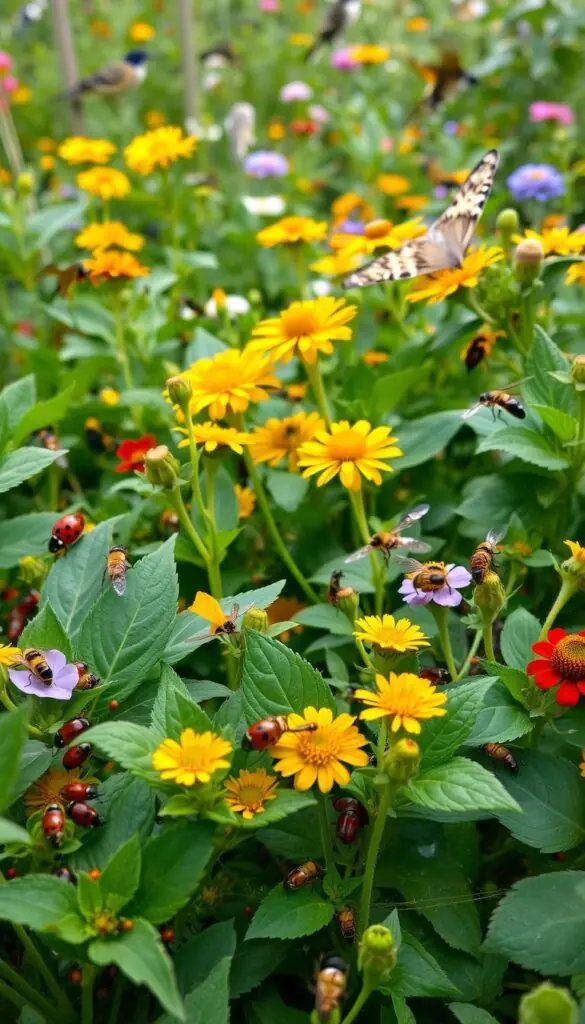
Invite the helpers
- Tuck a strip of daisies, dill, or fennel near crops; their airy umbels lure lacewings and wasps.
- Set a shallow dish with pebbles and fresh water so tiny allies can sip safely.
- Let a corner grow a bit wild for shelter and overwintering habitat.
| Ally | Attractors | What they eat |
|---|---|---|
| Ladybugs | Daisies, aphid-bearing sacrificial plant | Aphids, small soft-bodied insects |
| Lacewings | Dill, fennel, nectar-rich flowers | Eggs and young caterpillars, aphids |
| Parasitic wasps | Umbel flowers, herbs that go to seed | Whiteflies, caterpillars, scale insects |
Prevention first: simple cultural practices that stop problems early
A little planning in winter and spring cuts trouble later in the year. Start with a clear map of beds and note last year’s crops. Rotate by plant family so tomatoes and potatoes don’t follow each other on the same soil. This breaks life cycles and reduces buildup of specialized pests and diseases.
Use light, breathable netting and row covers right after planting spring seedlings to block beetles and egg-laying moths. Remove covers at bloom so pollinators can do their work—leaving them on is a common mistake.
Keep beds tidy all season. Pick up dropped fruit, pull yellowed leaves, and clear spent vines so nothing overwinters nearby. In fall, clear plants, weed, and add a thin compost layer to reset the bed for spring.
- Mulch bare soil to cut splash and stress on plants.
- Space crops for airflow and water at the base in the morning.
- Check row edges after windy days and wipe tools clean between beds.
- Mark your crop rotation on a simple map each winter to save time at planting.
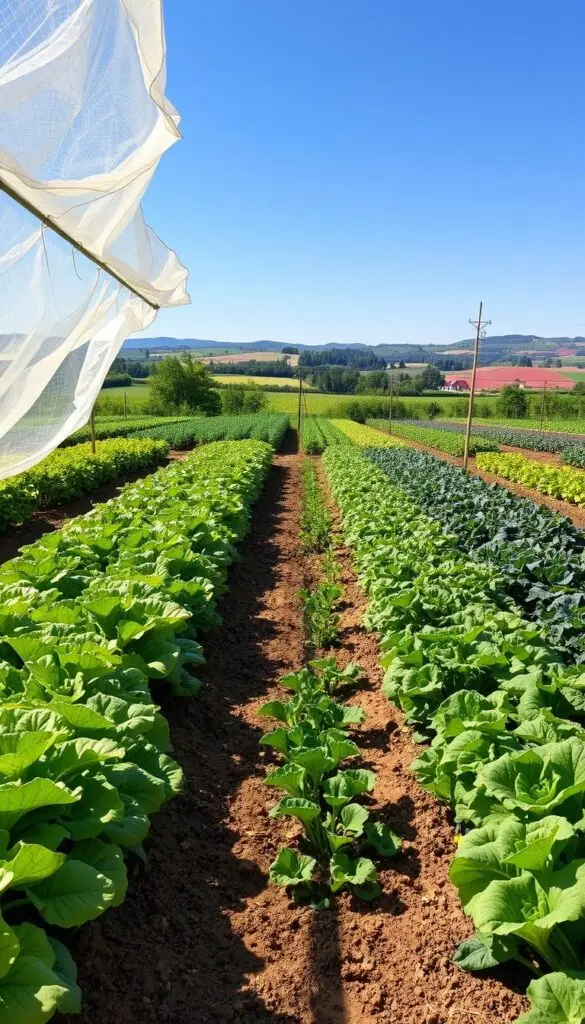
Targeted, natural controls for common insect groups
Targeted, gentle steps deliver big wins when certain insects start nibbling your leaves. Pick the right method for the problem and treat the smallest area needed. This keeps your plants healthy and helpful insects working for you.
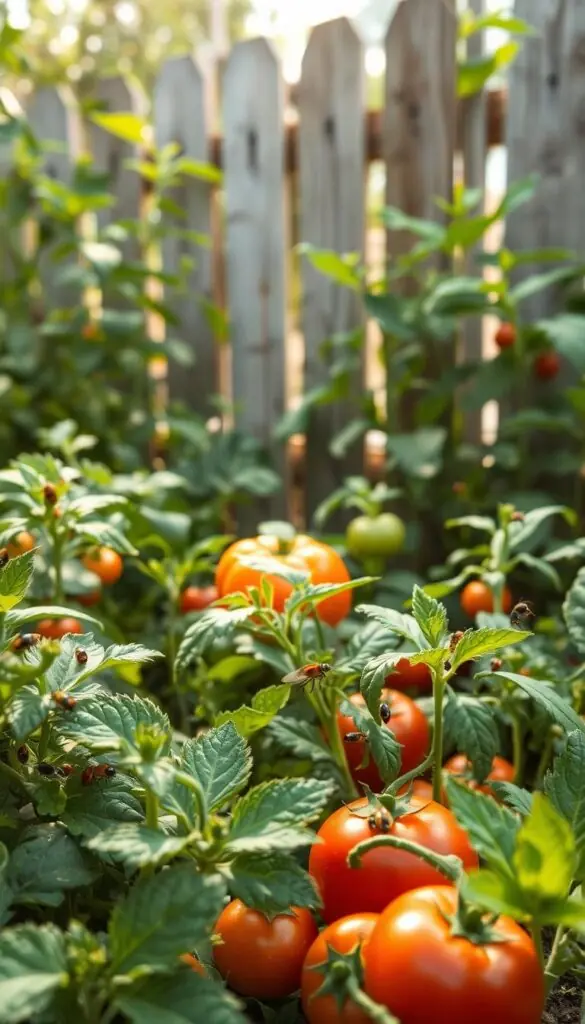
Aphids, mites, whiteflies, and thrips
Start soft: blast aphids and dusting insects with a firm water spray. Follow up with insecticidal soap if they return in a few days.
Tip: Insecticidal soaps smell faintly soapy and leave mild soap suds on leaves. Use horticultural oils in cool hours and avoid spraying in high heat or full sun.
Caterpillars on cabbage and tomatoes
Sprinkle Bt on fresh-chewed leaves when you see frass; Bt targets caterpillars only. Handpick larger hornworms at dusk and drop them into soapy water.
Leave caterpillars with rice-like cocoons—those are parasitized and help you later.
Beetles on beans, cucumbers, and potatoes
Dust a light band of diatomaceous earth (clay-like, dry dust) around seedlings to deter crawling beetles. Reapply after rain and avoid blooms.
Use neem in the evening and set simple traps where beetles congregate.
Borers and soil larvae
Exclude vine borers with fine mesh until flowering and time planting to miss peak egg-laying. Apply beneficial nematodes to moist soil at dusk to attack soil-dwelling larvae.
| Insect Group | Control | Note |
|---|---|---|
| Soft-bodied (aphids) | Water spray, soap, oil | Mild suds; avoid heat |
| Caterpillars (cabbage) | Bt, handpicking | Bt only for larvae; safe for bees |
| Soil larvae | Nematodes, barriers | Apply in moist soil at evening |
Quick mistakes to avoid: don’t use oils in blazing sun, and reserve Bt for caterpillars. Treat a small area and reassess in two to three days.
Companion planting and birds: living allies for gentle pest control
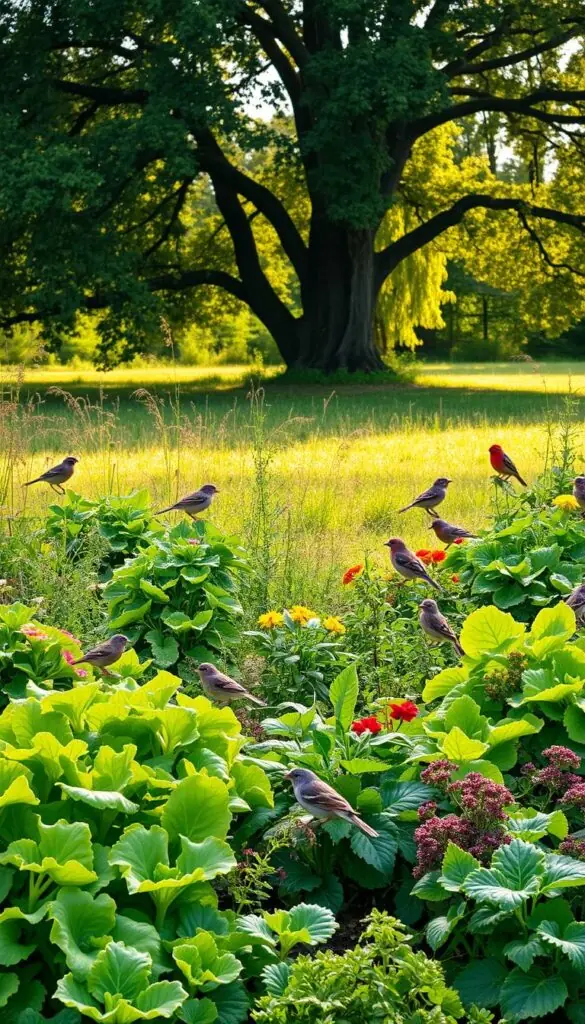
A circle of herbs and songbirds can become your quiet line of defense each season. Plant with scent, color, and shelter in mind. Basil’s warm, peppery perfume lifts the air and sits happily beside tomatoes. Marigold’s bright petals and dill’s lacy umbels lure small hunters that nibble at aphids and other bugs.
Herbs and flowers that help
Try basil, marigolds, lavender, mint, rosemary, and chrysanthemums. Lavender adds scent and attracts pollinators. Mint and rosemary can break cycles of chewing insects when placed near vulnerable plants.
Attracting backyard birds
Chickadees, nuthatches, and titmice eat many caterpillars and beetles each day. Set a low birdbath with a flat stone and refresh the water often. Hang a simple nesting box and add native shrubs with berries for food and shelter.
- Stagger blooms across the family beds so nectar is steady for beneficial insects.
- Keep some seedheads and stems through winter as insect shelter and bird forage.
- Avoid harsh sprays near blooms or water to protect birds and pollinators.
| Ally | What to plant | Quick benefit |
|---|---|---|
| Basil | Basil near tomatoes | Fragrant border that can deter some pests |
| Marigold & Dill | Interplant with greens | Draws predators that eat aphids and small caterpillars |
| Lavender | Edge plant | Attracts pollinators and small hunters |
| Birds | Bath, box, native shrubs | Daily insect control and cheerful morning song |
"Enjoy the morning chorus as local birds make their rounds; their routines become part of your bugs garden strategy."
Diagnose by damage: quick visual guides you can trust
Notice the pattern of holes and you can pin down the culprit in minutes. A few simple cues—shape of the chew, droppings, and where the damage starts—tell you what to do next.
Large holes with pepper-like frass on fresh green leaves usually mean caterpillars. Scan stems and leaf undersides at dusk. Handpick large larvae or apply Bt to the active feeding zone.
Shotgun-patterned tiny holes in spring point to flea beetles. Use a row cover at first and, on dry mornings, dust a thin band of diatomaceous earth or apply neem near young seedlings.
Skeletonized or papery, lacy foliage
That texture often comes from beetles or late-season grasshoppers. Handpick when you can, set a light trap, and keep weeds down around bed edges to cut hiding spots.
Seedlings cut at the soil line
Cutworms or earwigs hide in soil and strike young stems. Press a cardboard collar around the stem, set simple traps, or apply beneficial nematodes to the soil if larvae persist.
- Scrape off tiny orange or yellow eggs from leaf undersides to break the next wave.
- Trace fresh chews from new growth downward—the wet frass marks active feeding zones.
- Check soil at dusk; many larvae and beetle grubs hide where stem meets soil.
- Remove badly chewed leaves and bin them so they don’t attract more feeders to the bed or fruit.
"Simple observation and a few tools—hand lens, gloves, and a jar—solve most early problems."
| Sign | Likely culprit | Immediate fix |
|---|---|---|
| Big bites + pepper-like frass | Caterpillars (larvae) | Handpick or treat with Bt |
| Tiny, shotgun holes | Flea beetles | Row cover, DE, neem |
| Skeletonized leaves | Beetles / grasshoppers | Handpick, traps, weed control |
| Seedlings cut at base | Cutworms / earwigs | Cardboard collars, traps, nematodes |
Vegetable-by-vegetable tips for tomatoes, squash, cabbage, and beans
Focus on each vegetable in turn—small, specific steps beat broad sprays. Below are precise, seasonal actions with quick sensory cues so you can act fast and keep harvests healthy.
Tomatoes: hornworms, stink bugs, and mites
Scan tomato foliage at dawn for bright green hornworms. Handpick large larvae or spot-treat feeding zones with Bt. Leave any caterpillars with rice-like cocoons—they are parasitized and help later.
Clear weeds around beds to reduce stink bug hiding spots. Target nymphs with insecticidal soap on leaf undersides. In hot spells, look for fine stippling from mites; rinse leaves and apply oil in cool evening hours.
Squash and cucumbers: vine borers, squash bugs, and pickleworms
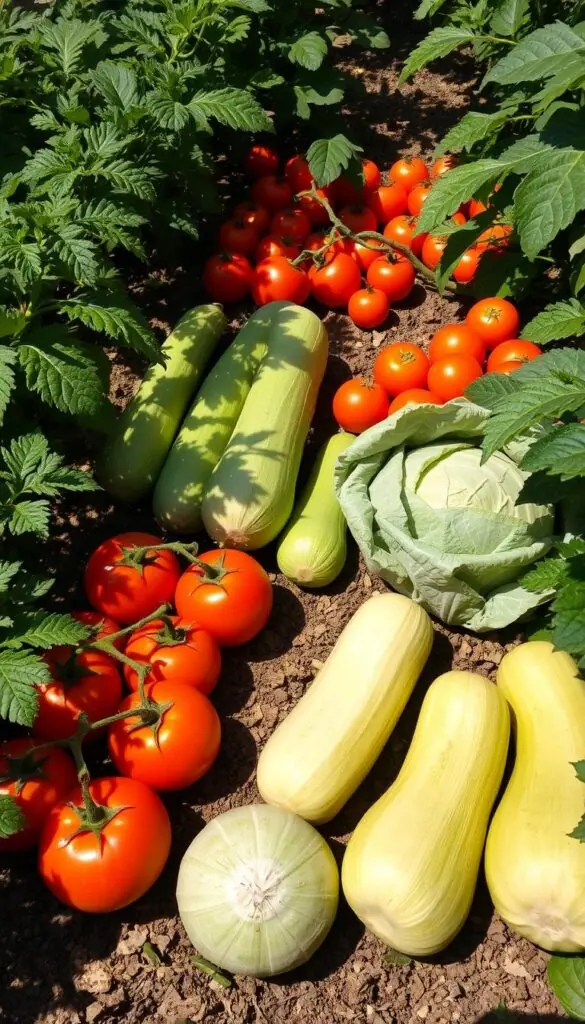
Prevent vine borers by covering young vines until flowering. Watch the stem base for sawdust-like frass and act quickly if you spot it. Butternut varieties often show more resistance—time plantings to avoid peak egg-laying.
Scrape bronze-colored eggs from leaf undersides and dunk early nymphs in soapy water. For pickleworm feeding, apply Bt at dusk and shift planting dates when local pressure is high.
Cabbage family crops and beans
Cover seedlings with mesh to block moths. Use Bt at the first chews and handpick loopers from inner leaves. Check heads often so larvae don’t hide in cool shade.
For beans, knock adult beetles into a jar and harvest fruits promptly. Remove damaged fruit so trouble won’t linger. These simple controls keep yields steady and your beds inviting to helpful insects.
Seasonal timing across U.S. zones: what to watch in spring, summer, fall
As planting time arrives in your zone, a short routine of covers and quick scouts saves weeks of work later. Use simple, timed checks and small habits that match each season. These rhythms keep your vegetables healthy and reduce the need for stronger controls.
Spring setup: row covers, early scouting, and soil prep
As soil warms, drape light row covers over new transplants to stop early egg-laying. Lift covers weekly to scout with a hand lens and let pollinators in when blooms begin.
Work compost into beds to build vigor; healthy plants tolerate minor nibbling better. Check seedlings every day or two for clipped stems or fresh holes.
Summer surge: grasshoppers, beetles, and consistent watering
Late-summer hum often signals a surge of grasshoppers and beetles. Trim tall weeds and edges to cut hiding spots and reduce pressure on your beds.
Water early so foliage dries by midday sun; steady moisture reduces stress and helps plants resist diseases. Handpick in cool morning light and, if needed, spot-apply neem or soap at dusk to spare pollinators.
Fall cleanup: remove residues, rotate crops, and protect soil life
Clear spent plants and dropped produce to cut overwintering sites for pests and diseases. Rotate crops by family when you plan next year’s layout to break cycles.
Top beds with a thin compost blanket to nourish soil life through winter. Store clean row covers and tools dry so spring setup is quick and calm. Keep simple notes on first sightings and weather—timing repeats, and your records make each season smoother.

| Season | Key actions | Why it helps |
|---|---|---|
| Spring | Install row covers, daily scouting, work compost | Blocks egg-laying, catches early signs, builds vigor |
| Summer | Trim edges, water early, handpick at dawn | Reduces beetle and grasshopper pressure; lowers stress |
| Fall | Remove residues, rotate by family, compost top-dress | Cuts overwintering sites and reduces future diseases |
"Small, seasonal routines save time and keep life in the soil thriving."
Tools and materials that make natural pest control easier
A compact toolkit helps you act quickly and gently when insects appear. Keep essentials within reach so small problems stay small. Start with easy items and add one or two new tools each season as you learn.
Hands-on basics:
- Keep a 10x hand lens in your pocket to spot tiny insects and eggs on leaf undersides in seconds.
- Set yellow sticky traps in sheltered spots to monitor whiteflies and thrips; check them weekly to guide your next moves.
- Drape fine insect netting over hoops for a soft, breathable barrier; secure edges snugly along the row with pins or boards.
- Pull on garden gloves for handpicking sessions and keep a small bucket of soapy water nearby to finish the job tidy and quick.
When to use common organic treatments
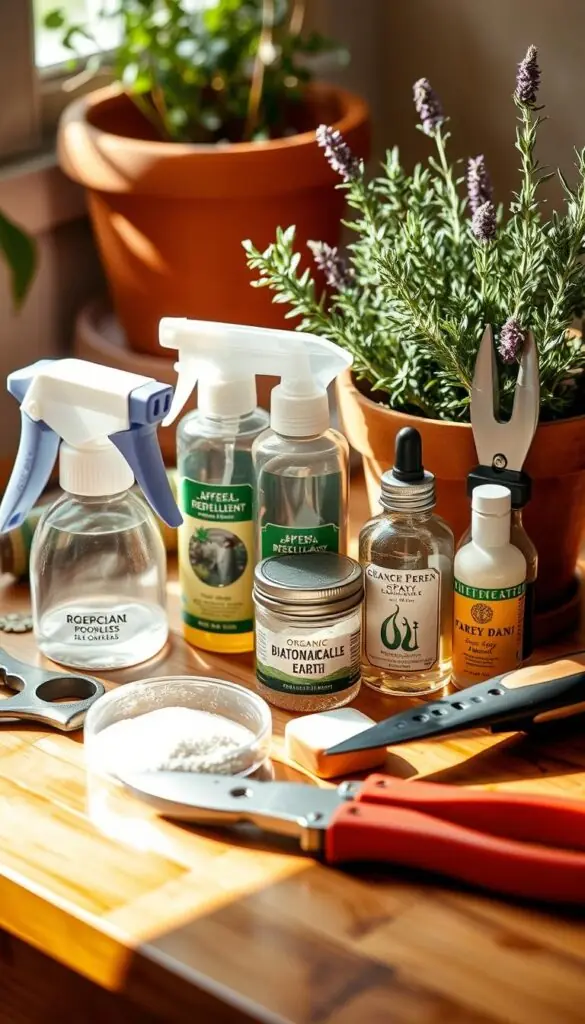
Use neem oil in the evening on soft-bodied insects and some beetles; coat leaf undersides lightly and repeat as needed. Sprinkle Bt where fresh caterpillar feeding appears—Bt targets caterpillars without harming bees.
Dust a thin band of diatomaceous earth on dry mornings; its chalky texture deters crawlers. Avoid dusting flowers to protect pollinators. Apply beneficial nematodes to moist soil at dusk and follow with gentle water so they move into root zones.
Choose insecticidal soap for aphids and mites on tender plants; test a leaf first and avoid hot, sunny hours. Label and store all products out of sun and heat so they stay effective and ready when you need them.
| Item | Use | Safety note |
|---|---|---|
| Hand lens | ID eggs and tiny insects | Keep in coat pocket for daily checks |
| Sticky traps | Monitor small flying insect levels | Place away from blooms |
| Neem / Bt / DE / Nematodes | Target specific insect groups | Follow label; use at recommended times (evening/dusk) |
Conclusion
A calm routine of watering, scanning, and small tasks protects your plants and your time.
Most insects are not pests; they keep life in your beds balanced. Invite beneficial insects with flowers and water, tidy up spent growth, rotate crops, and use focused treatments only when needed.
You have what it takes to control garden challenges the gentle way—steady observation, a few tools, and trust in nature’s helpers. Match signs to solutions, act precisely, and return to the pleasure of colors, scent, and birdsong.
Keep planting, keep noticing, and keep it simple. May your paths be tidy, your baskets full, and your heart light each time you step outside.
FAQ
What are the first steps to control pests naturally in vegetable beds?
Start by learning to identify the damage—holes, frass, wilt, or chewed stems. Use cultural practices first: rotate crops by plant family, remove spent plants and dropped fruit, and set up row covers early in the season. Scouting twice a week lets you catch problems when handpicking, water sprays, or targeted treatments like insecticidal soap are still effective.
How can I tell which insect is causing the damage?
Read the clues. Large chewed leaves with frass point to caterpillars; tiny, shotgun-pattern holes often mean flea beetles; skeletonized foliage suggests beetles or grasshoppers; seedlings cut at the soil line are likely cutworms or earwigs. Night scouting with a flashlight and a hand lens helps you spot active culprits that hide by day.
When should I leave an insect alone because it’s beneficial?
If you see predators or parasitoids—ladybugs, lacewings, parasitic wasps, or predatory mites—pause. Beneficial insects often reduce aphids, whiteflies, and other small bugs naturally. Confirm that no heavy damage is occurring before removing them; a few feeders now may mean fewer outbreaks later.
What plants attract helpful insects and birds to aid control?
Plant nectar- and pollen-rich species like dill, fennel, calendula, marigold, and daisies. Herbs such as basil and lavender bring beneficials and pollinators. Also keep a shallow water source and a bit of untidy edge—brush or native flowers—to invite birds that eat insects and caterpillars.
Which low-toxicity products work for aphids, mites, whiteflies, and thrips?
Start with a strong water spray to dislodge soft-bodied insects. Insecticidal soaps and horticultural oils work well when applied thoroughly to undersides of leaves. Rotate treatments and use neem oil sparingly to avoid harming beneficials. For heavy infestations, pair these with consistent monitoring and habitat support.
How do I manage caterpillars on cabbages and tomatoes without harsh chemicals?
Handpick visible caterpillars and remove egg clusters. Use Bacillus thuringiensis (Bt) on young caterpillars—it's safe for most beneficials. Row covers protect seedlings and young plants early in the season, and timely planting/harvest can reduce pressure from multiple generations.
What are safe options for beetles attacking beans, cucumbers, and potatoes?
Try cultural controls first: trap cropping, regular handpicking, and floating row covers. Diatomaceous earth applied dry in dry weather can reduce soft-bodied beetles. Neem oil disrupts feeding and reproduction for many beetles; use it in early morning or late evening to protect pollinators.
How do I handle soil pests and borers without synthetic pesticides?
Practice crop rotation and avoid planting the same family in the same bed year after year to break life cycles. Use physical barriers like collars for stem borers and time planting to avoid peak egg-laying. Beneficial nematodes applied to soil can suppress grubs and other larvae when used according to label directions.
Can companion planting reduce insect damage on vegetables?
Yes. Interplanting basil near tomatoes, marigolds near squash, and dill near brassicas can deter some pests and attract beneficials. Companion planting works best combined with other tactics—sanitation, rotation, and attracting predators—to create a balanced, thriving patch.
What simple diagnostic steps help me decide on control methods?
Inspect damage pattern, check for frass or webbing, look beneath leaves and at stems, and note time of day when damage appears. Match those signs to likely culprits—aphids, beetles, caterpillars, mites—and choose the least disruptive control: hand removal, water spray, soaps/oils, Bt, or barriers.
How should I protect tomatoes, squash, and cabbage at different times of year?
In spring, use row covers and start scouting early. During summer, maintain consistent watering and check for grasshoppers, beetles, and hornworms; handpick and treat target pests promptly. In fall, remove residues, rotate crops, and protect soil life with mulch and cover crops to lower next year’s pressure.
What tools and materials make natural insect control easier?
Keep a hand lens, sticky traps, insect netting, and sturdy gloves on hand. Stock targeted products like neem oil, Bt, insecticidal soap, and diatomaceous earth for spot treatments. A flashlight for night scouting and a journal to record observations help you act at the right time.