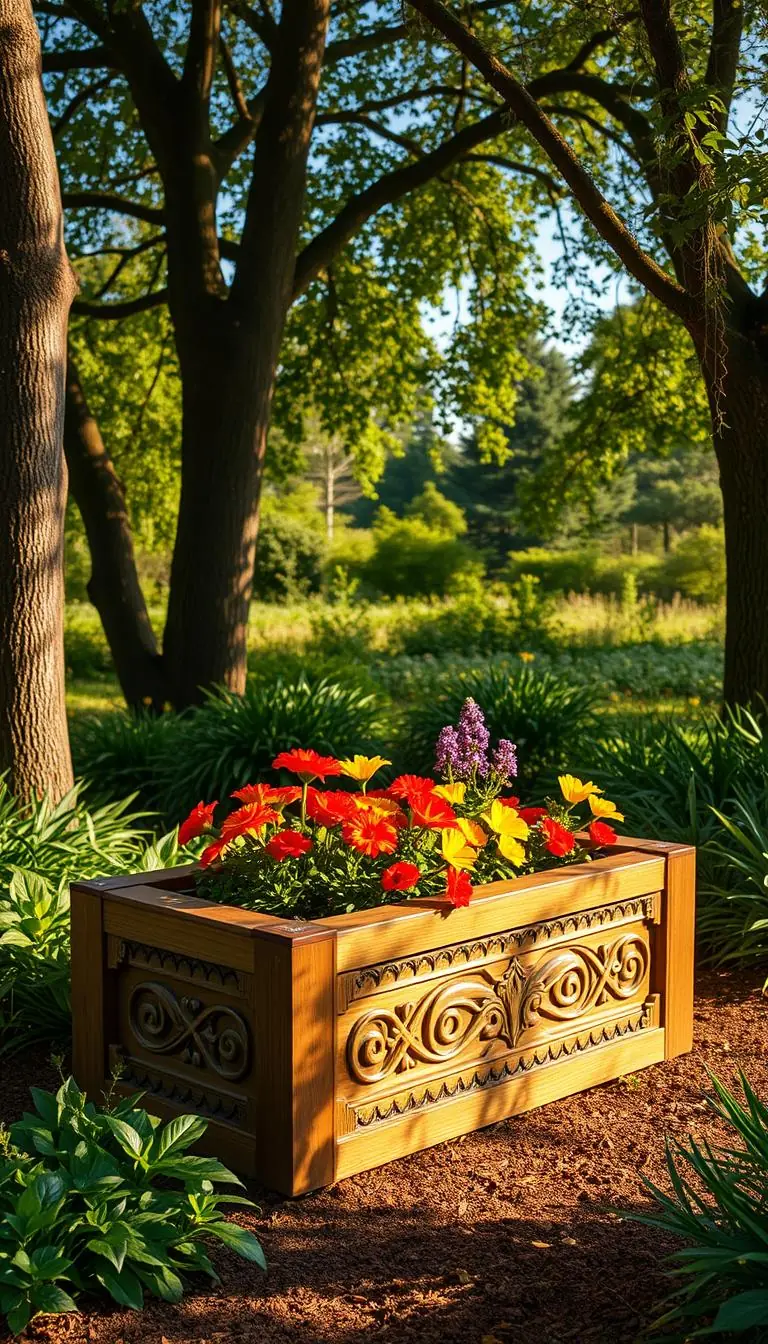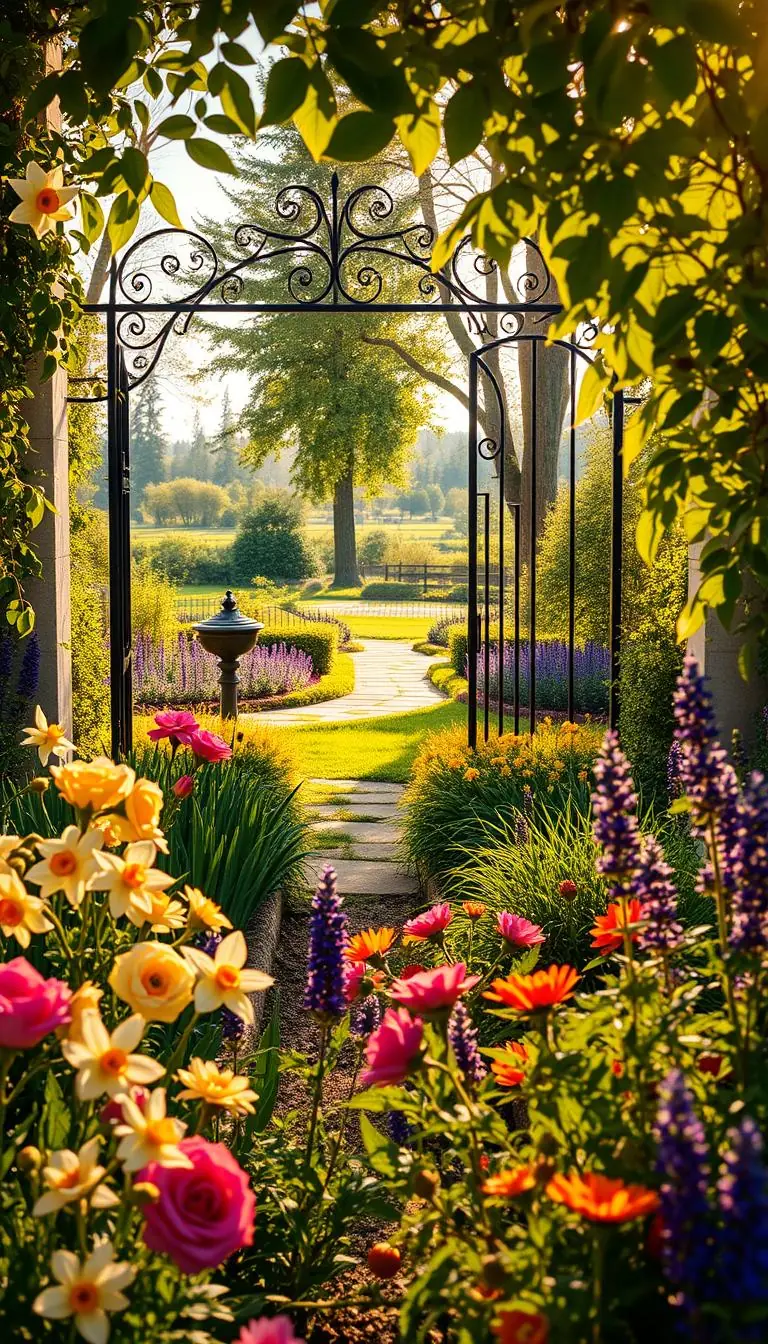
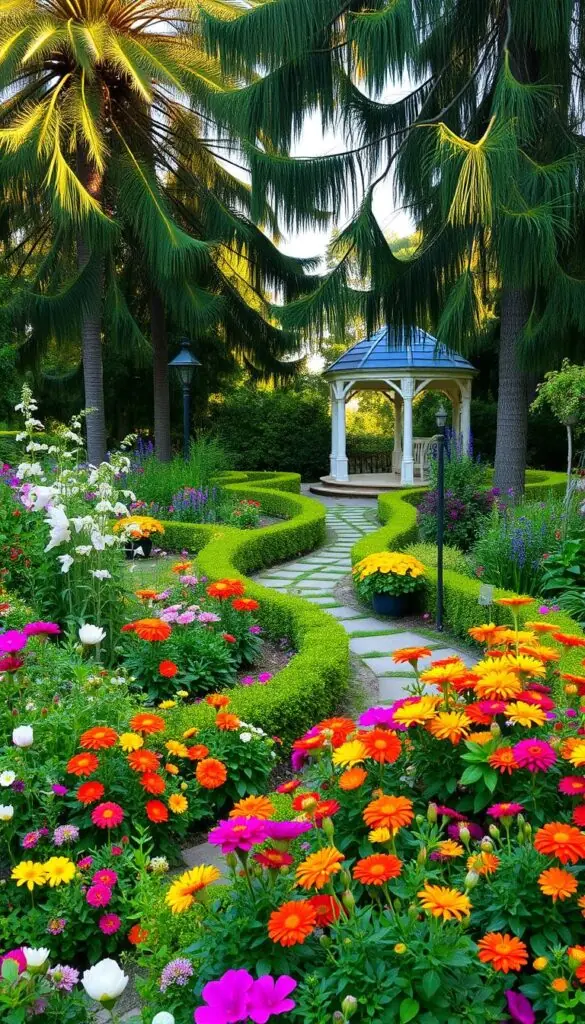
Imagine stepping out to a sunlit patch of zinnias and marigolds, the air warm and a bee humming nearby. Have you ever wished your garden looked like that every week of the season?
This short guide helps you build a simple plan to keep your flower garden colorful from spring through fall. We blend reliable perennials like echinacea with cheerful annuals such as petunias and cosmos so you always have something in bloom.
You’ll learn easy timing tips, basic tools, and small chores—deadheading, light pruning, mulch—that make a big difference. We name real plants like tulips, hydrangeas, and zinnias so you can choose with confidence.
With a few thoughtful layers of plants and a little planning, your space can keep steady, cheerful color all year. By the end, you’ll feel ready to tend a lush, inviting garden that’s simple to maintain and joyful to come home to.
Key Takeaways
- Layer perennials, annuals, bulbs, and shrubs to stretch flowering through each season.
- Choose a mix of plants—zinnias, hydrangeas, tulips—for reliable color and structure.
- Use small tools and habits like deadheading and mulch to extend bloom time.
- Visit local centers or public gardens to see what flowers thrive in your area.
- Plan planting times to avoid frost and give your garden a steady, cheerful show.
Plan Your Summer Color: Zones, Sun, and Simple Steps
Knowing your USDA zone and garden microclimates is the first small step toward a bright summer.
Start by looking up your USDA zone and writing it at the top of your notebook. That helps every plant choice fit your winter lows and hot summer weather. A zone check saves time and replanting later.
Walk the space three times a day—morning, midday, late afternoon—to map sun and shade. Note hours of direct sun and where shade falls. Use a phone compass or a simple watch to track times.
Do a quick soil check: scoop a handful, rub it, and feel gritty (sandy), silky (loam), or sticky (clay). Add compost to improve structure and drainage where bulbs and perennials will sit. A moisture meter or basic soil test kit gives fast, useful data.
Group plants by water needs so drought-tough choices aren’t tied to thirsty ones. Check a 10-day forecast before planting to avoid early spring cold snaps, and keep a row cover ready for late frost.
| Soil Type | Feel | Quick Fix |
|---|---|---|
| Sandy | Gritty, drains fast | Add compost to hold moisture |
| Loam | Silky, balanced | Maintain with mulch and compost |
| Clay | Sticky, holds water | Improve drainage with grit and organic matter |
Build a Bloom Framework: Perennials, Annuals, Bulbs, and Flowering Shrubs
A few reliable plant choices form the backbone of a long-season garden. Start by picking perennials that return each year so you have steady anchors in the landscape.
Perennials as the backbone
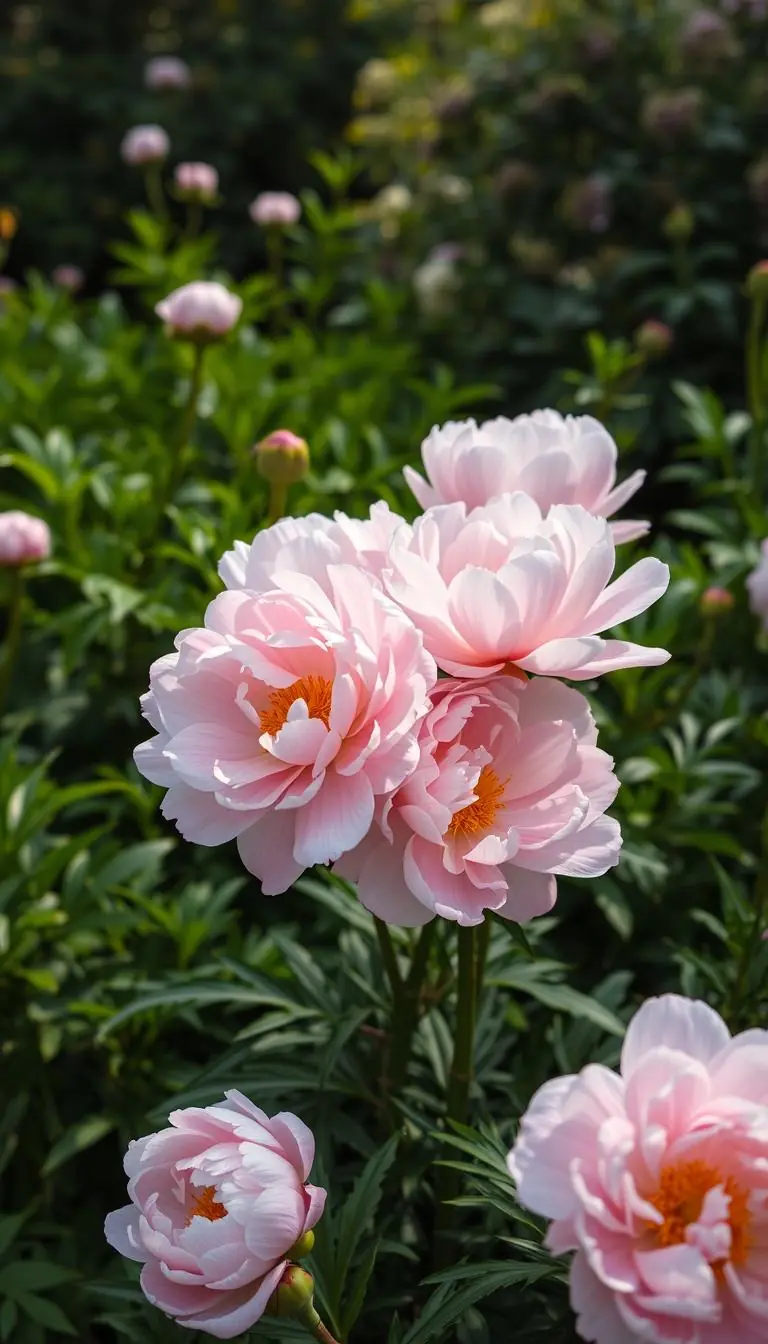
Choose long-blooming perennials like echinacea (bristly cones and bold petals), black-eyed Susan, yarrow, and asters. These plants offer steady color and attract pollinators. They cut down on replanting and give predictable structure for years.
Annuals to fill gaps
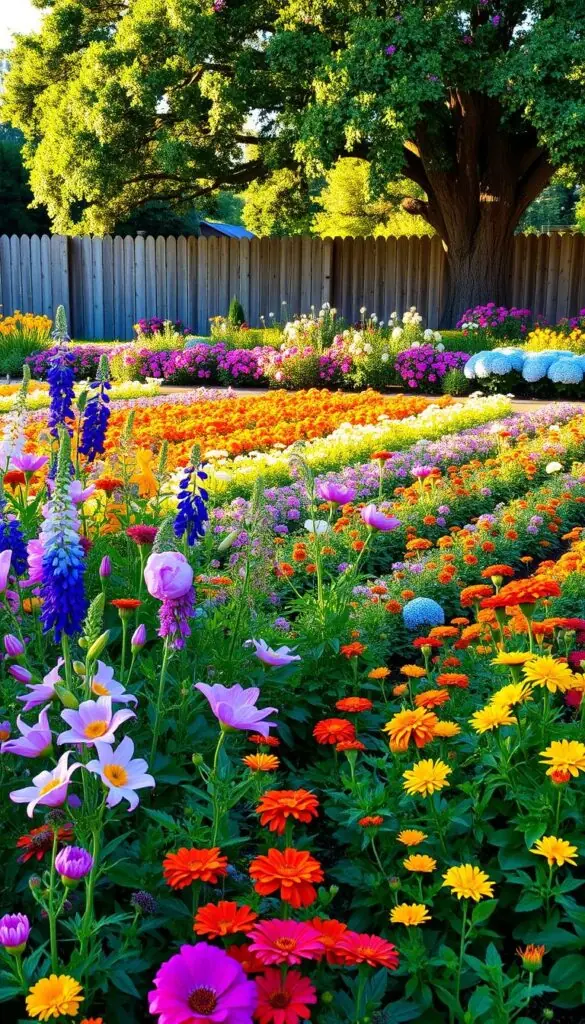
Tuck annuals—zinnias, cosmos, petunias—into open pockets to fill short gaps during hot summer days. They bloom from planting until frost and add quick, bright color.
Bulbs, shrubs, and structure
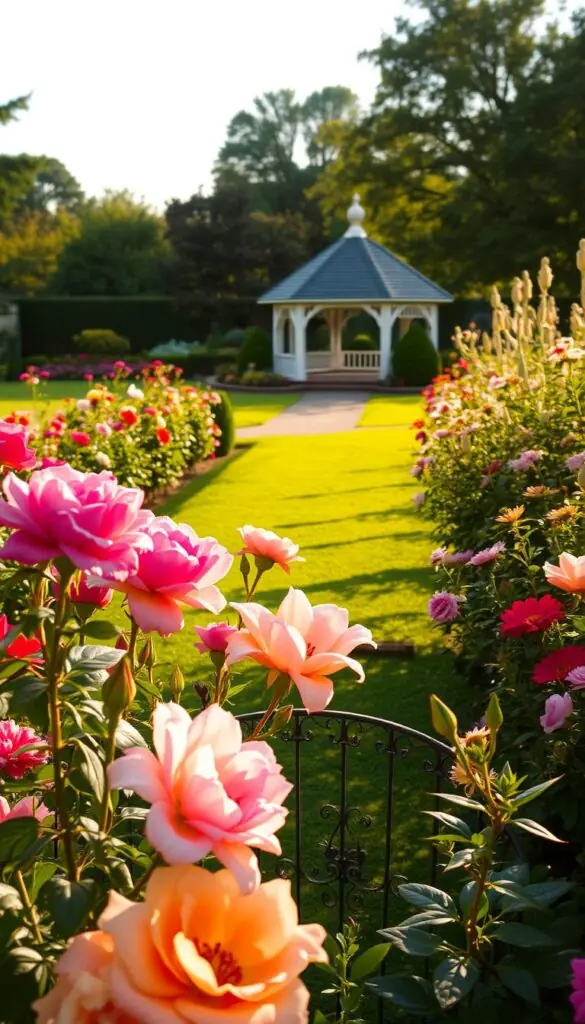
Plant bulbs in fall—daffodils and tulips at 5–6 inches deep; saffron crocus for a fall surprise. Add flowering shrubs like hydrangeas (cloudlike heads) and lilacs for height and scent. Mix in a compact evergreen for winter texture and year-round form.
| Type | Examples | Purpose | Easy Tip |
|---|---|---|---|
| Perennials | Echinacea, Black-eyed Susan, Asters | Backbone, pollinator-friendly | Use slow-release fertilizer at planting |
| Annuals | Zinnias, Cosmos, Petunias | Fill gaps, instant color | Plant in front or pockets; deadhead weekly |
| Bulbs & Shrubs | Tulips, Daffodils, Hydrangea, Lilac | Spring highlights, summer mopheads, scent | Layer shrubs back, bulbs in fall, stake tall plants |
Simple pairing idea: shrubs at the back, perennials mid-border, and annuals at the front. With a few varieties and basic tools—sturdy stakes and compost—you’ll enjoy richer color and easier care all season.
Season-by-Season Guide to Continuous Blooms
Plan a rolling schedule of plantings so your beds pass the baton of color from spring into fall. A clear timeline helps you plant bulbs, start seedlings, and stagger sowings to avoid empty patches.
Early spring to late spring
Early spring wakes with daffodils and tulips you planted last fall. Plant bulbs 5–6 inches deep in well-drained soil so they pop up as the soil warms.
The honeyed scent of hyacinths lifts cool mornings. Start snapdragons indoors 8–10 weeks before last frost and nigella 4–6 weeks. Pinch young snapdragons to encourage branching and longer flowering.
Summer showstoppers
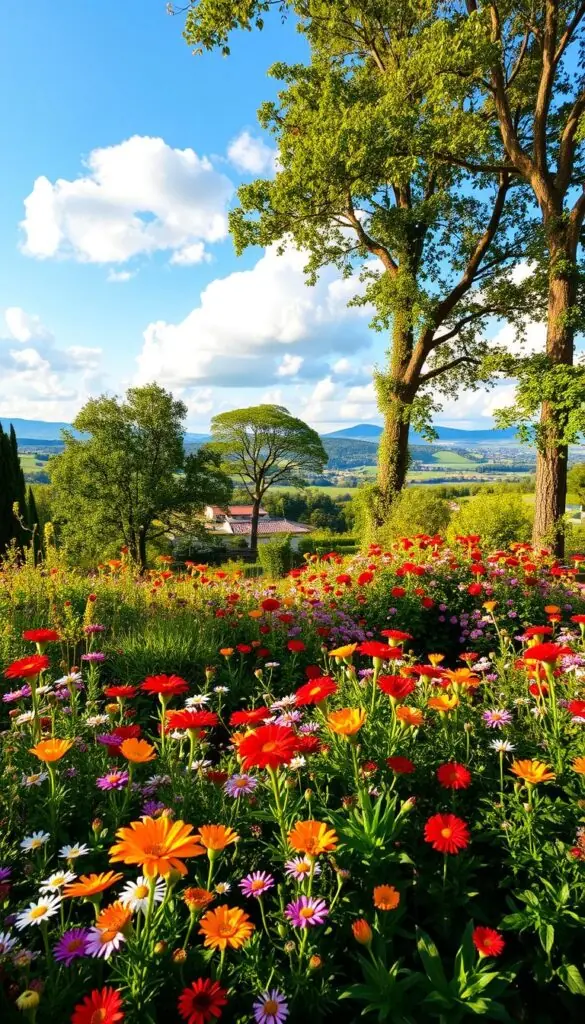
As the season heats, set out zinnias, celosia, cosmos, and sunflowers. Celosia brings velvety plumes; cosmos sway in a light breeze.
Start these 3–8 weeks before last frost and transplant after danger of cold has passed. Deadhead zinnias and pinch cosmos to spur more flower production through long summer days.
Early fall color carryover
In early fall, dahlias and marigolds shine. Calendula and goldenrod extend the color season while temperatures cool.
Bridging with foliage and structure
Weave in coleus, ornamental grasses, berrying shrubs, and dogwoods with bright bark. These elements keep your garden lively between flower waves and into winter.
- Quick tips: stagger plantings of zinnias and sunflowers in two rounds; deadhead weekly; use compact perennials to smooth transitions.
Maintenance That Extends Bloom Time
A few small habits each week will keep your beds full of color for more days.
Deadhead and prune on a regular schedule. Snip faded flowers on zinnias, cosmos, and marigolds as soon as petals wilt. Do this weekly to redirect energy into new buds and more blooms.
Midseason, give shrubs and perennials a light tidy. Use clean bypass pruners or garden scissors to make neat cuts. Stake tall sunflowers and delphiniums early with slim stakes or rings so wind won’t topple them.
Care for soil and water smartly. Scratch in compost each spring and apply 2–3 inches of mulch to cool the soil and hold moisture. Water deeply but less often with a soaker hose at the base. In containers, check the top inch and avoid overwatering on humid days.
Watch frost dates and protect tender plants. Keep breathable row covers or a cold frame on hand around first and last frost days. A quick cover on a cold night saves young planting and stretches flowering into shoulder seasons.
- Feed with a slow-release fertilizer for steady nutrients.
- Note which plants rebloom each year and add more of those in future planning.
- Avoid common mistakes: overwatering pots during hot days and late heavy pruning that cuts next season’s buds.
Shop Smart at Garden Centers Across the Season
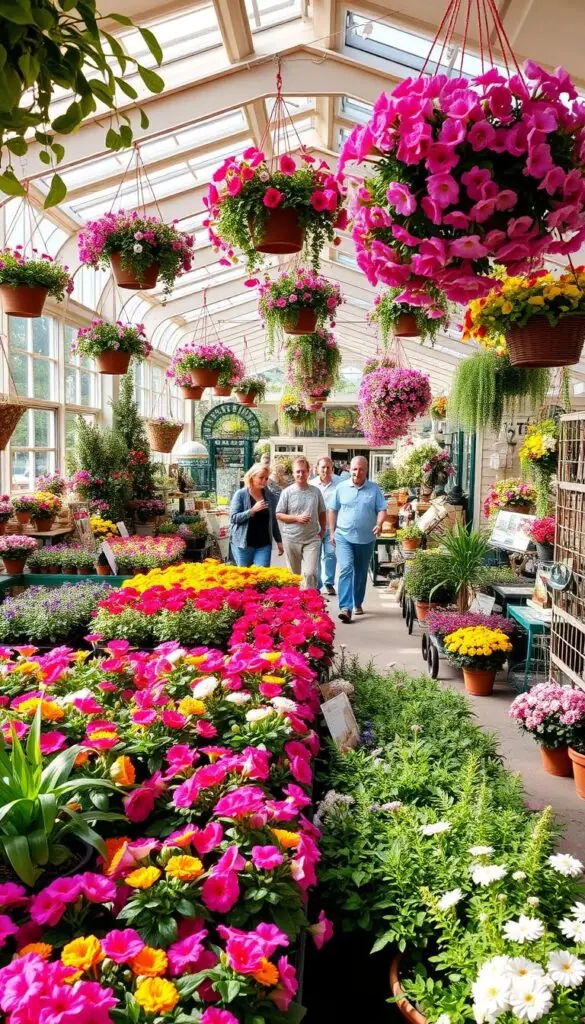
Plan a few short visits to local garden centers so you can see what thrives in each season.
Visit centers in spring, summer, and early fall to spot real flowers and plants in bloom. Short trips show what fills gaps and where each variety fits in your yard.
Visit in spring, summer, and early fall to spot what’s blooming when
Drop by in different times of the season. Early spring shows bulbs like daffodils and planted offers for fall bulbs. Summer benches reveal annuals that keep color through hot days. Early fall highlights late-flowering shrubs and compact varieties that carry color into cooler weeks.
- Snap photos of tags and beds you like, then plan where those plants will go at home.
- Choose plants with firm stems and fresh leaves; avoid root-bound pots.
- Ask staff about compact shrubs and multi-season performers for small spaces.
- Use public gardens as live catalogs to learn mature size and color season timing.
| Visit Time | What to Look For | Why It Helps Your Plan |
|---|---|---|
| Early spring | Daffodils, bulbs, trade bargains | Buy bulbs for fall planting; note how fading foliage will be hidden |
| Summer | Annuals, heat-tolerant plants | See which annuals hold color on hot days; pick varieties for sunny spots |
| Early fall | Shrubs, late-season perennials | Choose multi-season shrubs and plants that add color into autumn |
Small Spaces and Containers: Big Color, Simple Care
You don’t need a large yard to enjoy vibrant summer color—containers bring big impact in tight spaces.
Use the thriller, filler, spiller formula for instant appeal. Pick a tall thriller like a dwarf sunflower or purple fountain grass. Add fillers such as coral zinnias or peach petunias. Finish with a trailing spiller like lime sweet potato vine.
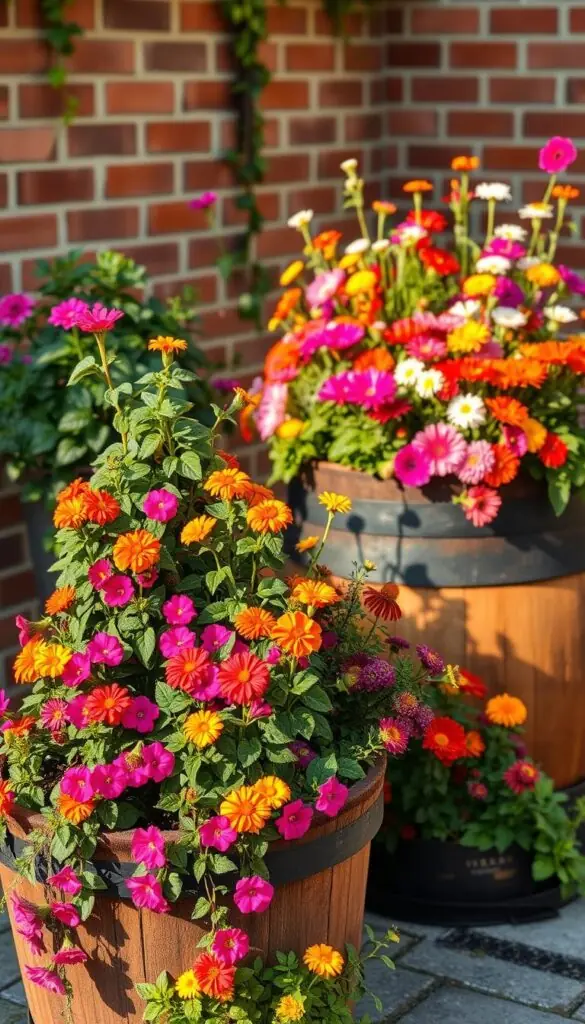
Container combos for sun and shade
Sunny pots: coral zinnia (thriller), peach petunia (fillers), lime sweet potato vine (spiller). These colors glow in sun and flower for months.
Bright shade: dwarf hydrangea or coleus as the thriller, impatiens for steady color, and trailing ivy to soften edges.
Tools and quick tips
Choose lightweight potting soil and a container with good drainage. Mix in slow-release fertilizer at planting for low upkeep.
Water deeply when the top inch of soil is dry. A self-watering insert or saucer and a watering can with a rose make this easy on hot days.
- Rotate pots to chase light and balance performance.
- Mix foliage varieties—coleus, caladium, heuchera—for texture between flowers.
- Keep snips on hand; five minutes a week encourages continuous color at your home entry or patio.
Conclusion
A few small choices and steady habits will keep your garden bright all season long.
Lean on perennials for reliable return, add annuals for a long summer show, and tuck in bulbs and flowering shrubs to mark special moments from early spring to early fall.
Shop garden centers at different times of year, match plants to your sun and soil, and keep basic tools close. Deadhead as you stroll, water deeply when needed, and protect tender plants from frost—tiny routines that save bloom time.
With layered planting and simple care, your landscape offers welcoming color into winter. Try new plants if one fails; gardening is gentle and creative, and each season gives you a fresh chance to refine your home garden.
May your flowers hum with bees, your paths smell of rain, and your garden become a peaceful place you love to step into, day after day.
FAQ
How do I keep flowers blooming all summer?
Choose a mix of perennials, annuals, bulbs, and flowering shrubs so you always have something flowering. Deadhead spent flowers, water deeply but infrequently, and feed with a balanced fertilizer every 4–6 weeks. Match each plant to its preferred sun exposure and soil, and mulch to retain moisture and suppress weeds.
How do I plan summer color for my USDA zone and microclimate?
Start by checking your USDA zone and observe sun patterns in your yard. Pick varieties known to perform in your zone — for example, echinacea and asters for cooler zones, zinnias and cosmos for hot, sunny spots. Map out full sun, part shade, and shade areas, then place plants where they’ll get the right light and drainage.
Which perennials should form the backbone of my flower garden?
Use reliable perennials like echinacea (coneflower), Rudbeckia (black-eyed Susan), yarrow, and asters for steady summer and fall color. They return each year, provide structure, and pair well with annuals and bulbs to extend the season.
What annuals are best to fill bloom gaps?
Choose zinnias, cosmos, and petunias for nonstop color through summer. They establish quickly, tolerate heat, and are great for containers or beds. Replanting or succession-sowing can keep color fresh all season.
Which bulbs give spring and fall highlights?
Plant daffodils, tulips, and hyacinths for spring impact. For early fall accents, consider fall-blooming crocus (saffron crocus) and certain colchicums. Bulbs offer bright, early-season color and are excellent when layered with perennials.
How can flowering shrubs add interest year-round?
Flowering shrubs like hydrangeas, rhododendrons, and viburnums give large-season blooms and structure. Evergreens and shrubs with attractive bark or berries extend visual interest into winter and help bridge seasonal transitions.
What plants are best from early spring through late spring?
For early to late spring, rely on daffodils, tulips, hyacinths, snapdragons, and nigella. These give layered color and scent as the garden wakes up, and they pair nicely with emerging perennials.
Which plants are summer showstoppers?
Zinnias, celosia, cosmos, sunflowers, and hydrangeas shine in summer heat. Combine tall and low forms for depth, and use drought-tolerant types in hot, sunny sites to reduce watering needs.
What carries color into early fall?
Dahlias, marigolds, calendula, and goldenrod keep beds bright as temperatures cool. Add ornamental grasses and late-blooming asters to extend texture and movement into the season.
How do I bridge color with foliage, berries, bark, and stems?
Include plants with decorative foliage (like Heuchera), shrubs with berries (like holly or pyracantha), and trees with interesting bark (like birch). These elements provide shape, contrast, and winter interest when flowers fade.
What maintenance extends bloom time the most?
Deadheading spent flowers, light pruning, and staking tall plants promote repeat flowering and tidy beds. Regular soil care, adding compost, and mulching improve vigor and root health. Adjust watering during heat waves to reduce stress.
How should I water and mulch during heat waves?
Water deeply in the morning so roots get moisture before midday heat. Use a 2–3 inch layer of organic mulch to keep soil cool and retain water. Consider drip irrigation or soaker hoses for consistent moisture and less evaporation.
How do I protect plants from frost and know timing for first/last frost?
Monitor local frost dates and use row covers, frost cloth, or temporary cloches for vulnerable plants. Move containers indoors or to a sheltered spot on cold nights. Planting schedules should respect your area’s average last spring frost and first fall frost.
When should I visit garden centers to find the best plants?
Visit garden centers in spring for the widest selection of annuals and perennials, in summer to see what performs in your area, and in early fall for hardy perennials, bulbs, and clearance deals. Staff can also advise on local varieties and bloom times.
How can I get big color in small spaces or containers?
Use container combos with “thrillers” (tall focal plants), “fillers” (midsize bloomers), and “spillers” (trailing plants). Lightweight potting mix, slow-release fertilizer, and consistent watering keep containers thriving. Pick varieties suited to sun or shade based on your space.
What tools and quick tips make container care easier?
Use a good quality potting soil, a watering wand or soaker hose for even moisture, and a balanced slow-release feed. Lift containers when very hot to protect roots, and deadhead regularly to encourage more flowering.
How do I plan a garden that gives color year after year?
Start with a bloom framework of perennials, annuals, bulbs, and shrubs. Stagger bloom times, choose plants suited to your soil and light, and layer for texture and height. Regular maintenance—feeding, mulching, and watering—keeps the plan reliable season after season.