Feel the crisp air and hear leaves crunch underfoot. If you want a calm, tidy yard that wakes up lush in spring, a little weekend work now saves a lot of hassle later.
You’ll spend short, clear sessions harvesting tender vegetables before the first frost, adding about two inches of compost before the ground hardens, and protecting young trees and shrubs with burlap or chicken wire when needed.
Avoid heavy pruning late in the year. Instead, lift tender bulbs like dahlias to a cool, humid spot and plant hardneck garlic in fall for next summer’s crop.
Turn off irrigation, drain hoses before hard freezes, and clean and oil tools so they last. Mow late into the season and shred leaves for mulch. Stop fertilizing roses about six weeks before the first fall frost, remove dead canes, and mulch crowns after that frost.
Key Takeaways
- Do short, weekend tasks: harvest, compost, and protect plants.
- Add two inches of compost before the ground freezes.
- Lift tender bulbs and plant garlic in fall.
- Protect young trees and roses; avoid late pruning.
- Turn off irrigation, drain hoses, and oil tools to prevent damage.
- Shred leaves for mulch and cover compost before snow.
Start Smart: Timing, Zones, and a Simple Weekend Plan
Right timing saves work. Check your USDA zone and average first frost date so you pace chores before consistent freezes arrive. A clear two‑weekend cadence keeps tasks small and calm.
Know your frost date and zone
Find your typical first frost and watch upcoming nighttime temperatures. Two or three nights near 32°F are your cue to finish sensitive jobs.
A two‑weekend checklist to avoid last‑minute scrambles
- Weekend One: Harvest tender crops before a predicted frost, flag diseased plants, and clear beds for compost.
- Weekend Two: Add two inches of compost, mulch roots, and set wind protection for shrubs if early snow is likely.
- Zones 5–6: Expect several cold months; plan tool care and drain hoses early so you’re not out in a biting wind.
- Zones 7–8: Frost may come late; stagger tasks and keep cool greens under light row cover a bit longer.
- Keep a simple list on the fridge and note ideas for next year—new beds or bulbs make spring easier.
Quick nudge: Skip pruning trees and shrubs now. That new growth won’t survive the cold, and pruning is better in late winter or early spring.
Clear the Clutter: Tidy Beds to Prevent Pests and Disease
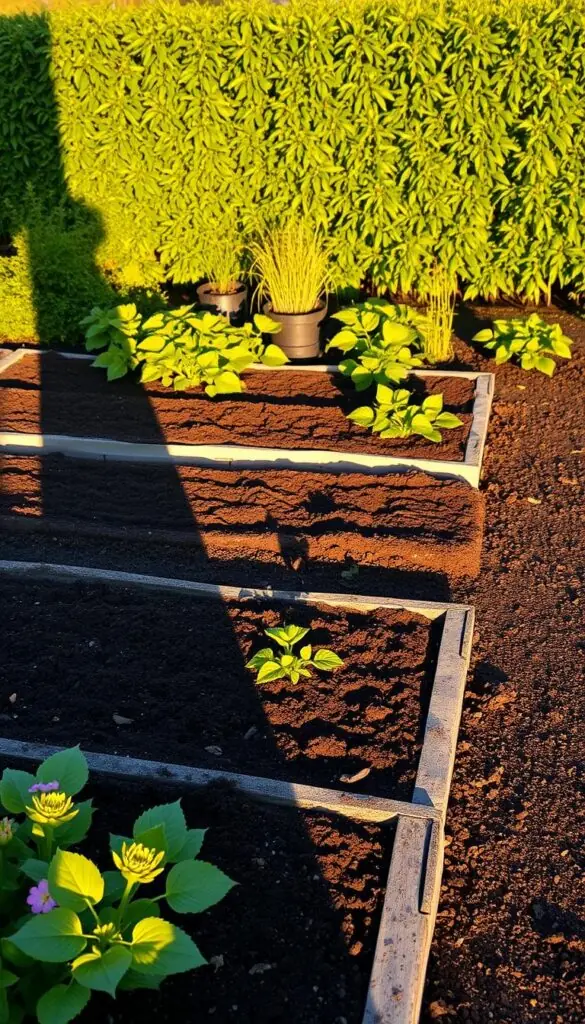
Start by walking each bed slowly, feeling for crisp stems and noting where pests or rot hide. Take a bucket and pruners. Work in short passes so the job feels calm and steady.
What to chop-and-drop versus remove and burn. Cut disease-free plants at the base and lay the pieces as a thin, earthy mulch. Leave healthy roots in place; they feed soil life.
- Uproot and trash blight-infected tomatoes or potatoes so spores do not linger.
- If you see powdery mildew or rust, play it safe and keep that material out of your compost.
- Rake soggy leaves from crowns; they trap moisture and invite damage.
- Pull cages, stakes, and netting; coil and label for easy spring setup.
| Material | Action | Why |
|---|---|---|
| Disease-free stems | Chop-and-drop | Provides thin mulch and feeds soil microbes |
| Blight-infected plants | Trash or burn | Prevents overwintering spores and future damage |
| Powdery mildew / rust | Avoid compost | May survive in cool, damp piles; compost hot or discard |
Do a final weed sweep; even small weeds set seed. Gather fallen fruit and move it to hot compost or discard. Step back. Your beds look tidy, restful, and ready for the next step this fall and into winter.
Feed and Cover the Soil: Compost, Mulch, and Cover Crops
Think of this as tucking the soil in: add compost, lay mulch, and sow a cover crop so beds wake up richer in spring.
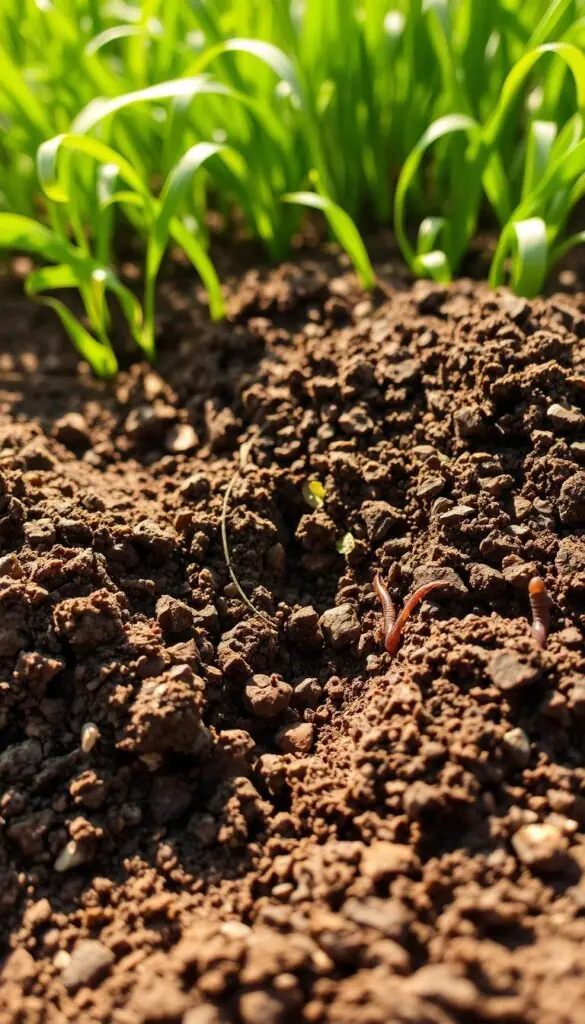
Lay 2 inches of compost before the ground freezes. Spread a dark, crumbly layer across your garden beds now so microbes can work through cooler days.
Mulch like a blanket
Use shredded leaves, straw, or fine wood chips. Aim for 4 to 6 inches around roots, but keep mulch a few inches away from crowns and trunks to avoid rot.
Smother weeds with cardboard or black plastic
Tuck clean cardboard over bare areas and weigh it down with stones so wind won’t lift it. Black plastic works too for a quick cap that stops sprouting weeds.
Seed a cover crop
Sow winter rye or clover on vacant beds to hold soil, add organic matter, and feed roots. If the weather is dry, water lightly so seeds can germinate.
- Spread two inches of compost so soil life keeps working.
- Mulch 4–6 inches, but never smother crowns.
- Weigh down cardboard and water cover crops if dry.
Quick tip: On slopes, add mulch in thinner lifts to stop sliding; add more once it settles. A tidy, dark layer of soil showing at the edges looks like a well-made bed and helps protect roots through the season.
Vegetables and Herbs: What Stays, What Goes, What Gets Covered
Now is the time to decide which edibles stay in place and which need a last harvest and cozy storage. A quick walk through your beds will make choices simple and calm.
Quick, neighborly rules
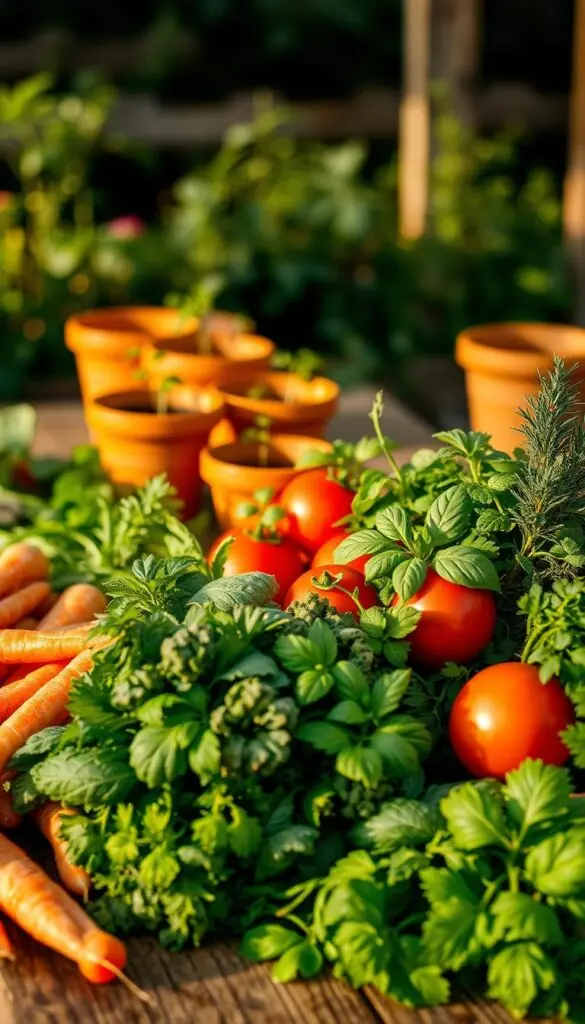
- Tender: Pick tomatoes, beans, squash, and pumpkins before a hard frost. If foliage looks diseased, don’t add it to compost.
- Semi-hardy: Cabbage, chard, arugula, leeks, peas, and kohlrabi last longer under a row cover or a simple cold frame.
- Root crops: Carrots and beets can sit with light cover; dig potatoes before the ground freezes and cure them in a warm, dry spot for two weeks.
Herb-by-herb tips
Rosemary often needs indoor shelter in colder zones; sage and thyme are hardy. Oregano likes straw mulch; parsley tolerates light frost, and chives come back quickly. Basil won’t survive the first cold snap—harvest and use it fresh or dry it.
Plant garlic now
Plant garlic in October or November—pointy end up, a few inches deep—for a robust summer harvest next spring. Watch nighttime temperatures and add a row cover if a frost is forecast.
Perennials, Bulbs, and Roses: Gentle Cutbacks and Cozy Mulch
Soft gold seedheads and quiet stems tell you which perennials should stay as winter food for birds and which need a tidy cutback.

Keep standing seedheads on sturdy perennials like coneflowers and rudbeckia. Birds eat the seeds and the stalks give lovely silhouettes in low light.
Cut back clumps that often carry disease—bee balm, phlox, and hostas—leaving a few inches so you can find crowns in spring.
Lift and store tender bulbs
After frost blackens foliage, lift dahlias, gladiolus, and cannas. Let bulbs dry on newspaper, then tuck them into dry peat or shredded paper at 40–50°F.
Label each crate so you know which roots go where. Clear labels save time and avoid guesswork come planting season.
Rose care that keeps crowns safe
Stop fertilizing roses about six weeks before frost and snip out dead or diseased canes now. Hold off heavy pruning until the worst cold has passed.
Mound a few inches of compost or leaves above the graft union after the first hard cold. In harsher spots, set a chicken wire collar and fill it with dry leaves for extra cushion.
"Think snug, not smothered — brush mulch away from stems so roots stay warm without inviting rot."
| Task | Timing | Why it matters |
|---|---|---|
| Leave seedheads | Now through winter | Feeds birds and adds winter structure |
| Cut disease-prone foliage | After first cold settles | Reduces overwintering pathogens |
| Lift tender bulbs | After frost blackens tops | Prevents rotting and preserves tubers |
| Mulch rose crowns | After first frost | Insulates roots and protects grafts |
- Step lightly on beds so you do not compact soil around sleeping roots.
- Keep mulch a few inches away from stems to avoid rot near wood and crown tissue.
- Let muted fall colors remain—they give your garden quiet beauty even in cold months.
Trees and Shrubs: Wraps, Windbreaks, and Winter Sun Protection
When overnight temperatures dip and winds pick up, a few quick covers protect trunks and shrubs from stress. You don’t need fancy gear—simple materials and small actions keep plants safe and tidy.
Why you shouldn’t prune now—and when to prune instead
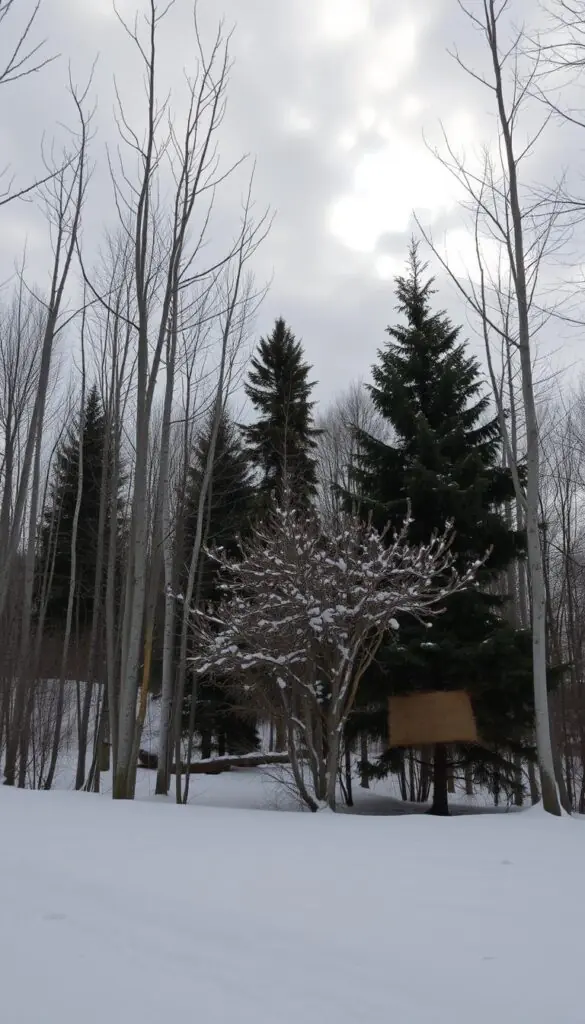
Skip pruning now. Fresh cuts invite new growth that cold will kill and can lead to extra damage. Hold major pruning until late winter when plants are fully dormant.
Burlap, chicken wire, and leaf fill to shield from snow and wind
Drive a few wood stakes and wrap breathable burlap to make a windbreak that lets stems breathe. For small trees, build a chicken wire cylinder and fill it with dry leaves or straw to buffer heavy snow.
Trunk wraps for young fruit trees to prevent gnawing and sunscald
Wrap young fruit tree trunks with pest-proof tree wrap to stop mice and voles from nibbling. Give extra protection to south- and southwest-facing bark to avoid sunscald cracks.
- Water deeply before the ground hardens if autumn was dry so roots go into cold with moisture.
- Check wraps after storms and retie anything loose to avoid rubbing the bark.
- Keep mulch a few inches from trunks—insulate roots without inviting rot.
"Use what you have—burlap, twine, and a few stakes go a long way for quiet protection."
winter garden prep: Water, Tools, and Safe Storage
Take an hour to secure hoses, clean tools, and shelter containers so nothing surprises you later.
Turn off irrigation and protect spigots
Shut off exterior spigots and drain hoses well before a hard freeze so lines do not split. In colder zones, blow out irrigation lines or remove timers and store small parts inside.
Unhook filters and keep them in a labeled container so you find them when spring watering begins.

Rescue, sharpen, and oil your tools
Walk the yard for any “lost” trowels or pruners. Brush soil off, sharpen blades, and add a thin coat of oil to stop rust.
Disassemble favorite pruners for a deeper clean; vegetable oil works fine and leaves a pleasant, metallic scent.
Cover compost, store containers, and tidy the shed
Cover compost with plastic or a straw layer to keep nutrients from washing away. Stack empty containers upside down under cover to avoid cracking.
Sweep the shed and make a short repair list for spring. Drain or stabilize mower fuel per the manual so engines start easily.
| Task | When | Why |
|---|---|---|
| Shut off spigots | Before hard freeze | Prevents split pipes and costly repairs |
| Sharpen & oil tools | Now, before storage | Stops rust and keeps blades ready |
| Cover compost | Before snow or heavy rain | Preserves nutrients and structure |
"A little care now frees you to enjoy the first warm day without a long chores list."
Containers, Raised Beds, and Lawn: Avoid Cracks and Spring Headaches
Take an hour to shelter or empty outdoor containers so they survive the cold months intact.
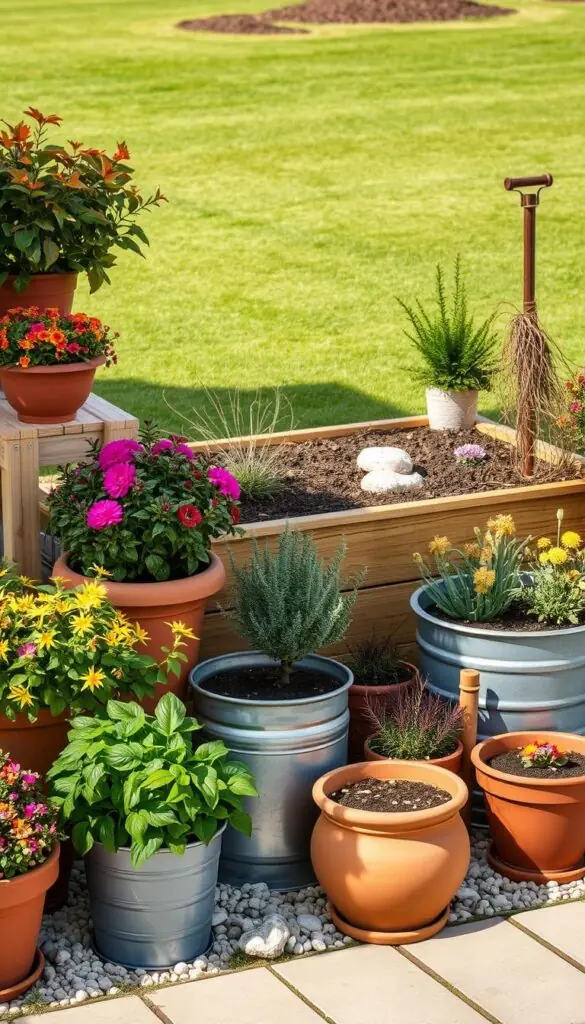
Move clay and ceramic containers to a dry, sheltered spot or empty them. Expanding ice can split pots and cause costly damage. Store saucers and small pots nested for a tidy stack.
Raised beds and a moisture caveat
Most raised beds do fine uncovered after a compost top-up. If you use waterproof covers, check soil moisture occasionally.
Dry soil can become hydrophobic under sealed covers. Add a little water if the top seems dusty so roots won’t struggle come spring.
Lawn care, leaves, and wood
Mow the lawn short one last time so grass won’t mat under snow. Rake loose leaves or run the mower over them to shred into useful mulch.
Shredded leaves make soft bed mulch or great compost browns. Store spare boards and trellis wood dry; a small stack under cover lasts months.
| Task | When | Why |
|---|---|---|
| Move fragile containers | Before hard freeze | Prevents cracking and damage |
| Cover raised beds | As needed | Check soil and water occasionally to avoid hydrophobic soil |
| Final mow & leaf shred | Late fall | Keeps lawn healthy and yields mulch for beds |
| Store wood and tighten beds | Now | Prevents rot and keeps beds sturdy for spring |
"A small hour of care now saves you weeks of repairs when the thaw arrives."
Plan Ahead: New Beds, Bulbs, Berries, and Simple Wildlife Support
Small acts now mean a brighter, easier spring. Convert spare patches into rich beds with a simple lasagna method. This DIY approach tucks cardboard, a thin layer of compost, and shredded leaves into a slow, living blanket that improves soil and cuts weeds.
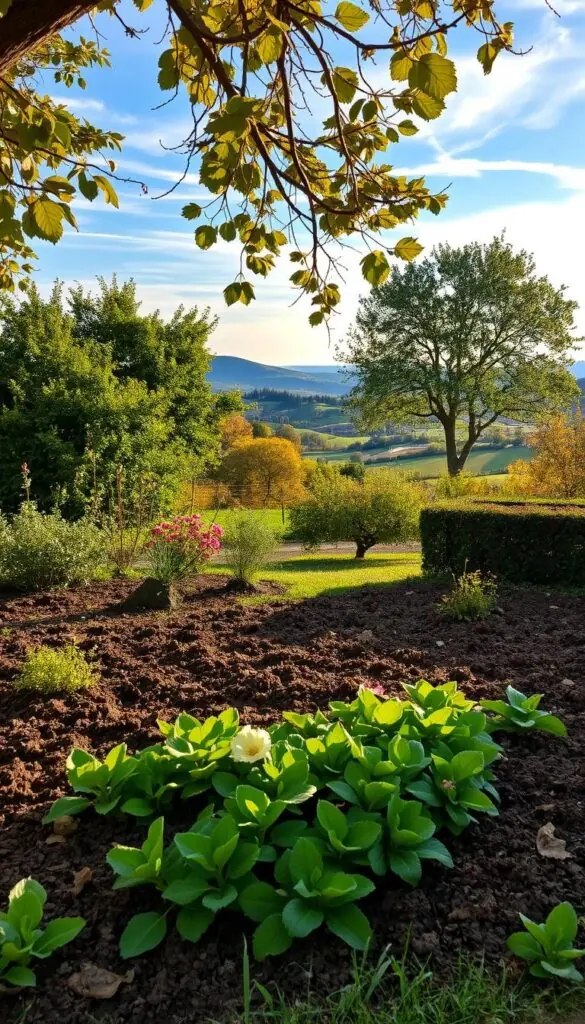
Lasagna beds and easy planting
Lay down cardboard where you want a new bed, add compost, then top with shredded leaves. Over the cold months the layers break down.
This method saves time and gives the soil a head start for spring planting next year.
Bulbs, garlic, and berries
Tuck fall bulbs and hardneck garlic into beds now for a cheerful return in spring. Refresh berry patches with a light mulch and prune raspberries by type so next year’s crops stay strong.
Leaf mold, suet, and small wildlife care
Pile leaves to make leaf mold — a dark, crumbly soil conditioner that boosts soil health. Hang suet feeders when the air turns sharp; clean feeders regularly so songbirds stay healthy.
"A little cardboard and a pile of leaves set the stage for a lively spring."
- Note bed ideas and berry moves in a small notebook for the next year.
- If weeds persist, add extra compost over cardboard to keep light out all season.
Conclusion
Take a last slow walk through your beds and notice the small wins—tidy soil, stacked tools, and bulbs tucked in for spring.
With tidy beds, two inches of compost added before the ground hardens, and mulch set where needed, your plot enters winter calm and ready.
You drained hoses, cleaned and oiled garden tools, lifted tender bulbs, and mulched roses after that first frost. Young trees are wrapped, perennials stand for birds or were cut back, and garlic is in the ground for next year’s harvest.
Leaves became leaf mold or shredded mulch, covered compost will keep working, and the ground rests under a simple layer while you rest too. When warm temperatures return, you’ll spend less time fixing and more time enjoying new shoots and a fresh growing season.
FAQ
How do I know the best timing for my fall tasks?
Know your USDA zone and last-frost date; plan major chores a few weeks before that date. That timing helps you sow cover crops, plant fall bulbs, and mulch beds before hard freezes set in.
What should I tackle on a two-weekend plan?
Weekend one: clear spent annuals, pull weeds, chop diseased foliage, and lay 2 inches of compost. Weekend two: mulch roots with 4–6 inches of leaves or wood chips, plant garlic and fall bulbs, and shelter tender containers.
Which plants can I leave standing and which should I remove?
Leave sturdy seedheads and native perennials for birds and pollinators. Remove and dispose of plants with blight, rust, or severe powdery mildew instead of composting to avoid spreading disease.
How do I decide what to compost versus what to trash or burn?
Compost healthy cuttings and leaf debris. Do not compost material with active fungal diseases or insect infestations — bag and discard or burn if local rules allow.
How thick should my compost and mulch layers be?
Spread about 2 inches of finished compost over beds before the ground freezes. Then add 4–6 inches of mulch — leaves, straw, or wood chips — around crowns and roots to insulate soil and conserve moisture.
Can I use cardboard or black plastic in beds?
Yes. Cardboard suppresses weeds and breaks down into organic matter. Black plastic smothers weeds but can trap moisture and heat; add compost on top and remove in spring if you want faster soil life recovery.
Are cover crops worth planting in fall?
Absolutely. Winter rye and clover protect soil from erosion, suppress weeds, and add organic matter. Sow them early enough for establishment before the cold sets in.
What should I do with vegetables and herbs as temperatures drop?
Harvest tender crops before frost and cure or store properly. Protect semi-hardy greens with row covers or cold frames. Move potted herbs inside or mulch perennials like rosemary and sage for extra protection.
Any herb-specific tips for cool weather?
Rosemary, sage, thyme, and oregano usually tolerate cool temps with mulch. Parsley and chives often survive light freezes. Bring basil indoors or harvest it all; it won’t tolerate frost.
When should I plant garlic?
Plant hardneck or softneck garlic in fall, a few weeks before the ground freezes. Mulch after planting to keep soil temperature steady and reduce heaving in spring.
What should I leave on perennials for wildlife, and what should I cut back?
Leave seedheads like coneflowers and rudbeckia for birds. Cut back plants showing disease and remove dead foliage to reduce overwintering pests and pathogens.
How do I handle tender bulbs like dahlias and gladiolus?
Lift and store tender bulbs in a cool, dry place after foliage dies back. Clean off soil, allow them to dry, then pack in peat or vermiculite and check periodically for rot.
How should I care for roses heading into colder months?
Stop fertilizing after midsummer, prune out dead canes, and mulch crowns after the first hard frost to protect roots. Delay major pruning until late winter or early spring.
Should I prune trees and shrubs now?
Generally, avoid heavy pruning in the colder months; it can stimulate vulnerable new growth. Prune dead or dangerous limbs, and save shaping and major cuts for late winter or early spring.
How can I protect young fruit trees from rodents and sunscald?
Wrap trunks with commercial tree wrap or use strips of burlap. Surround young trees with chicken wire if rodents are a problem, and mulch around the base to discourage gnawing.
What winter tasks should I do with irrigation and hoses?
Turn off irrigation systems, drain hoses, and protect outdoor spigots to prevent pipes from freezing and bursting. Store hoses in a shed or garage if possible.
How do I care for garden tools before storage?
Clean soil from blades, sharpen pruners, oil moving parts to prevent rust, and store tools in a dry shed or garage. This saves time and extends tool life for spring.
What should I do with compost and the shed?
Cover active compost to reduce moisture loss and protect from heavy rains. Tidy the shed, note repairs, and label seed packets so you’re ready for a smoother start in spring.
How do I protect containers and raised beds from freeze damage?
Empty or move clay and ceramic pots indoors to avoid cracking. Mulch or wrap raised beds; be cautious with hydrophobic soils — work to improve structure in spring with compost.
When should I mow and what about leaves on the lawn?
Mow slightly shorter before extended snow cover, then stop. Shred leaves with a mower or run them through a chipper — use the shredded material as mulch or add to the compost pile for nutrient-rich leaf mold.
How can I set up new beds for spring with minimal work?
Try a lasagna-bed method: layer cardboard, compost, and organic matter now. It suppresses weeds, builds soil, and gives a ready-to-plant bed by spring with little digging.
What small steps help wildlife over the colder months?
Leave leaf piles in tucked spots for insects, set out suet or seed for birds, and keep a patch of native plants or brush for shelter. These simple acts support soil health and local songbirds.