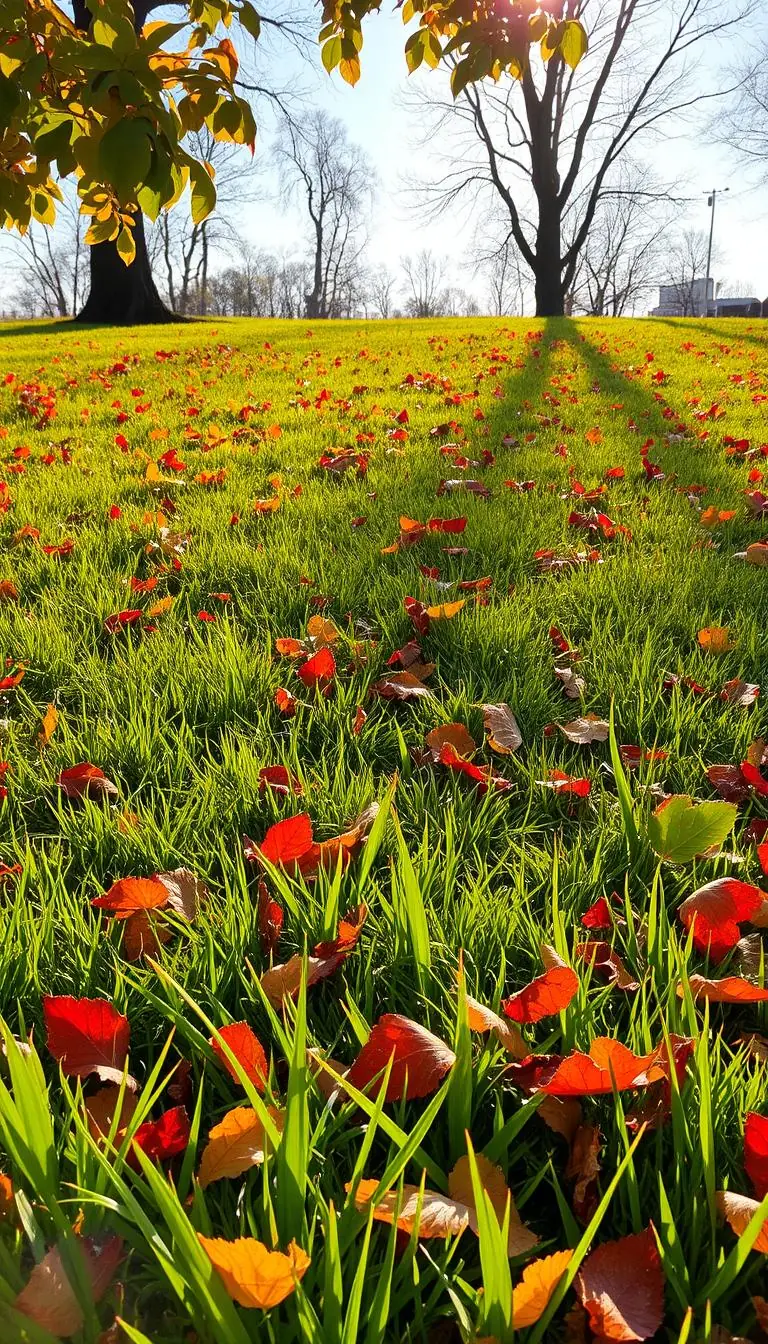
Early morning air feels sharp, and the lawn sparkles like tiny glass beads. Have you noticed that cool hush in autumn when nights start to bite? It’s the cue to give your yard a little extra care before colder nights arrive.
We’ll walk you through simple steps to help your lawn weather the shift from fall into winter. Learn how light evening watering, setting your mower a bit higher, and using a breathable frost cloth on tender spots can make a real difference.
Small tools—a hose with a sprinkler head, a wide leaf rake, and a mower set high—are often enough to help. You’ll also get timing tips by region so you know when to act as temperatures dip.
Think of this as friendly, practical help to reduce damage to blades and roots, protect new plantings, and keep your garden looking inviting when the sun returns.
Key Takeaways
- Take quick, calm actions in late fall to reduce lawn damage from cold nights.
- Use a higher mower setting and light evening watering to buffer canopy temperatures.
- Cover young or shallow-rooted patches with breathable cloth on cold nights.
- Avoid walking on frozen turf to prevent snapped blades and tracks.
- Adjust timing by region—frequent early frosts in the North, rare snaps in warmer zones.
Why Frost Damages Grass and How to Recognize It
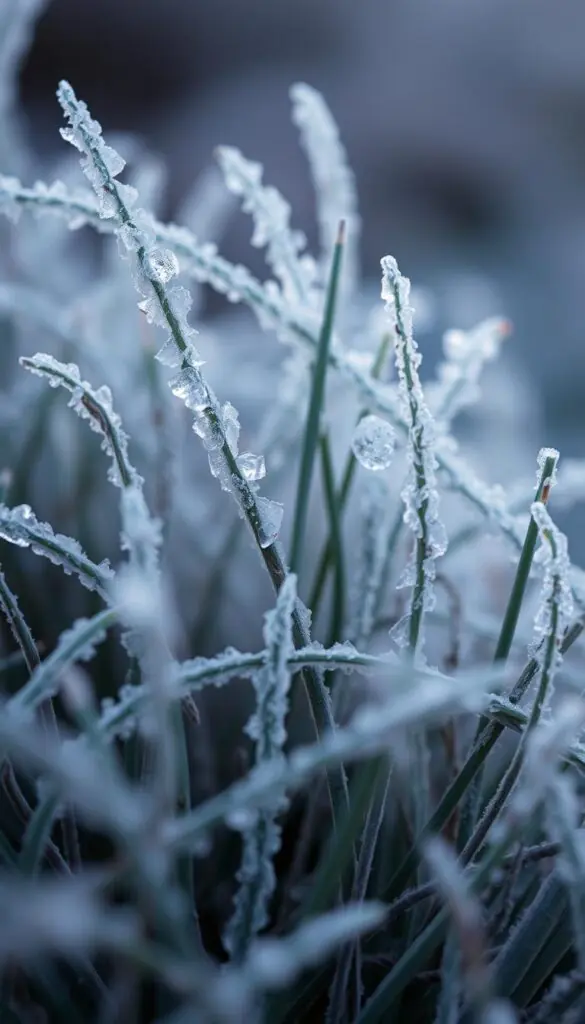
A clear, silvered lawn at dawn tells you more about winter risk than any weather app. That glassy sheen is a visual cue: moisture on the surface turned to ice overnight, and tiny crystals have begun to change plant tissues.
What happens at the blade and root level
Water inside each blade freezes and expands. Cells near the leaf surface split, making tissue brittle. A single step can snap blades and leave dark footprints that linger after thaw.
Shallow roots and crowns struggle to repair torn leaves. New seedlings with small root systems are especially vulnerable. Repeated freezing temperatures slow nutrient and moisture movement, so growth thins.
Early signs of stress you can check at dawn
- Glassy, silver surface and a stiff, crumbling texture when touched.
- Persistent brown or yellow patches that don’t recover by afternoon.
- Species hints: Bermuda browns quickly; St. Augustine may show brown, yellow, or purple blotches.
Quick test: after thaw, pinch a blade. If it bends and recovers, it likely survived. If it snaps or powders, the tissue suffered damage. Check soil at bed edges—crusted topsoil or lingering ice crystals means the event was stronger.
Pre-Frost Lawn Prep: Simple Steps Before Temperatures Drop
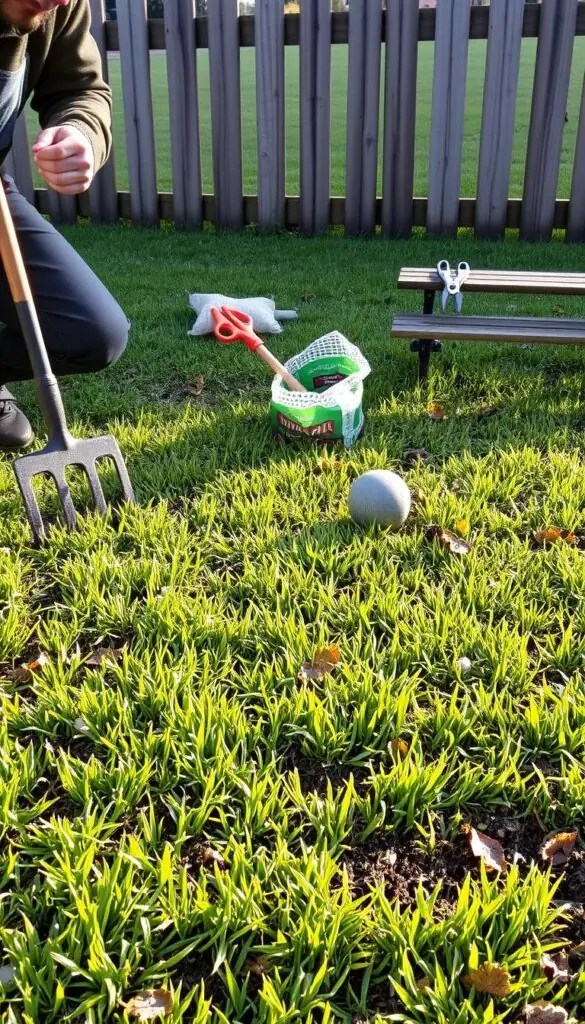
Before the chill really sets in, a few simple chores can make your lawn more resilient. These tasks focus on roots, soil, and timing so your yard weathers late fall and early cold weather with less damage.
Set mower height and timing
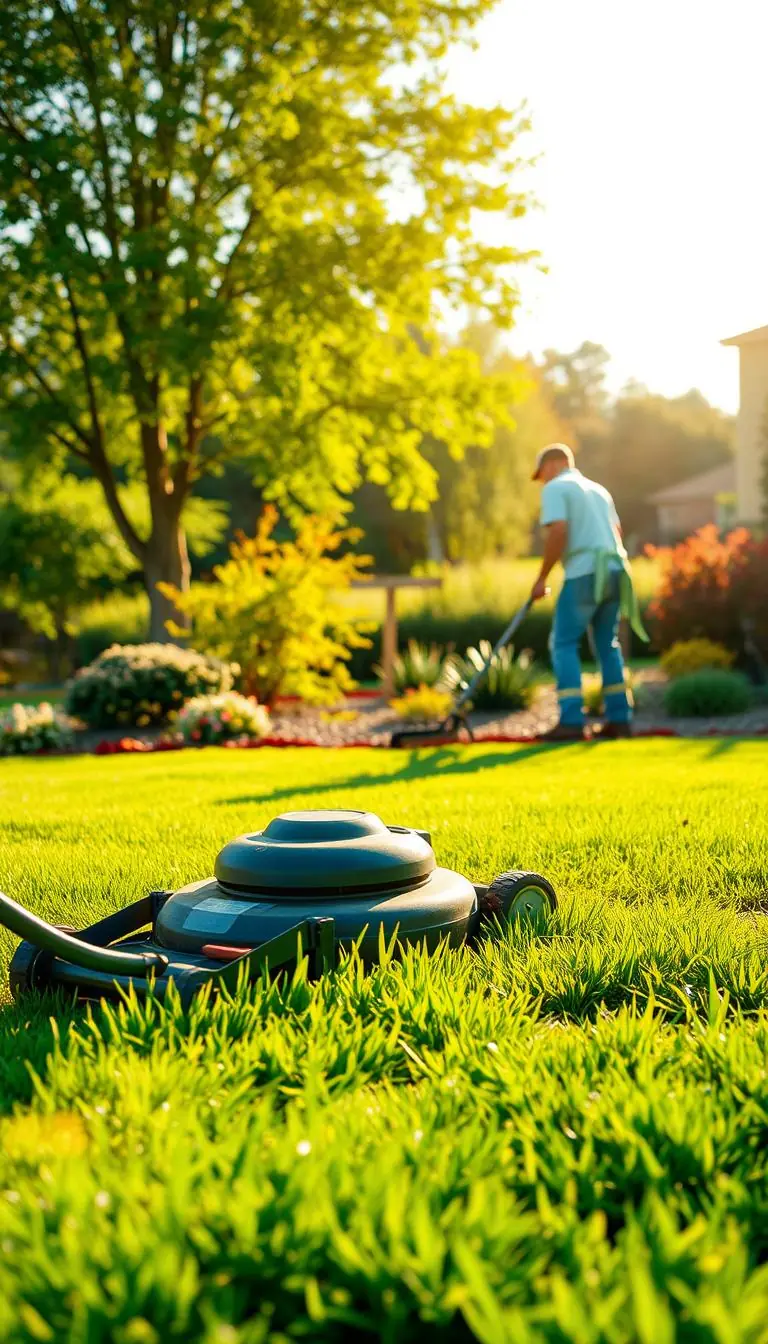
Lower the deck gradually as fall approaches, but don’t scalp. The hum of a mower and the fresh-cut scent tell you the job is done right. Aim for a final trim when days remain mild so crowns stay cushioned against sudden freezing temperatures.
Hydration strategy
Water deeply in the morning before cold fronts so moisture sinks to the root zone. If a light frost is forecast and soil is dry, do a brief evening run with a hose and oscillating sprinkler. Never water during freezing conditions.
Fertilizer, aeration, and overseeding
Apply a late fall potassium feed to boost nutrient stores for roots. Core aerate to open soil so air, water, and nutrients reach deeper. Overseed in early fall with a spreader so new seedlings establish before repeated cold snaps.
Protective covers for small areas
Cover tender patches and new seedlings with a breathable frost cloth or burlap. Secure with garden staples and keep the fabric slightly above blades to avoid contact burn.
"A sharp blade, a good sprinkler, and steady timing do more to protect lawn health than expensive fixes."
| Task | Best Time | Tools | Benefit |
|---|---|---|---|
| Mow gradually lower | Late fall | Mower, sharp blade | Prevents matting; sheds frost |
| Water deeply | Morning before cold front | Hose, oscillating sprinkler | Settles moisture into soil for roots |
| Aerate & overseed | Early fall | Core aerator, seed spreader | Builds deeper roots and thicker turf |
| Cover tender spots | Night before freeze | Frost cloth, garden staples | Shields new plants without suffocation |
- Quick tip: don’t fertilize right before a deep freeze.
- Walk the yard at dusk to check temps and set covers if needed.
- Keep it simple: one good mower, a bag of seed, and steady timing go far in lawn care.
Frost-Night and Morning Care: What to Do—and What to Avoid
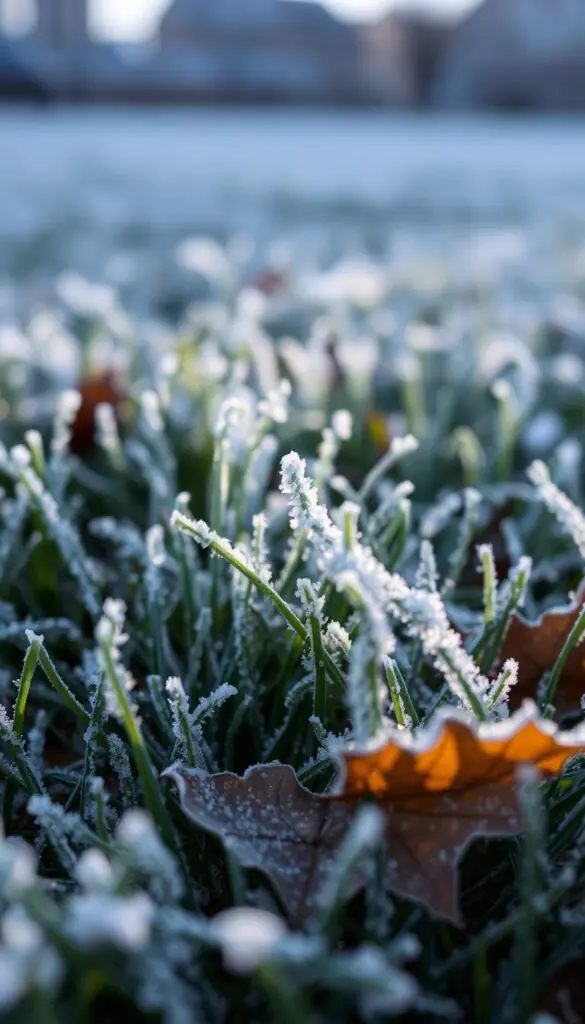
A chilly dawn calls for calm, practical steps to keep your lawn intact until the sun warms the day. Start by pausing. When blades crunch underfoot, they are brittle and can snap easily.
Stay off the yard. Keep pets and deliveries on paths. Even a few steps can press lasting patterns into the surface and cause visible damage.
Safe thawing and when to act
If temperatures are easing above freezing, a brief, gentle sprinkler mist can speed a light thaw. Stop immediately if you see ice forming.
Never hose the lawn during active freezing. Excess water can glaze blades and make injury worse.
Simple morning rules
- Let sun and a soft breeze do most work; a slow thaw is kinder to tender tissue.
- Don’t rake while frozen—bristles break brittle blades much like footsteps do.
- After thaw, touch a blade: if it bends, it likely recovered; if it snaps, note the spot and avoid heavy traffic there.
"A few patient minutes at dawn protect weeks of green."
| Action | When to Do It | Why It Helps |
|---|---|---|
| Avoid walking | While surface is frozen | Prevents snapped blades and lasting footprints |
| Gentle sprinkler mist | When temps are above freezing and thawing | Speeds thaw without adding ice |
| Wait for sun | Calm mornings with rising temperatures | Natural thaw preserves tissue and reduces damage |
| Inspect after thaw | Late morning | Identifies true damage and guides next steps |
Frost Protection Grass Across Regions and Species
Different lawns respond to cold nights in their own ways, so a regional plan helps you act at the right time.
Warm-season lawns such as Bermuda, Zoysia, and St. Augustine tend to bronze or brown after a cold snap. In Austin, occasional freezes (20–32°F, mainly Dec–Feb) can cause quick discoloration. Mow a bit shorter (~2 inches) before a forecasted chill, but don’t scalp. Use a breathable frost cloth for small, tender spots and remove covers once mornings warm.
Cool-season lawns like fescue stay greener longer in colder areas. They show slower growth and a softer feel underfoot as winter sets in. In New England, repeated early frosts mean you should aerate and overseed by early fall so seedlings root before long freezes arrive.
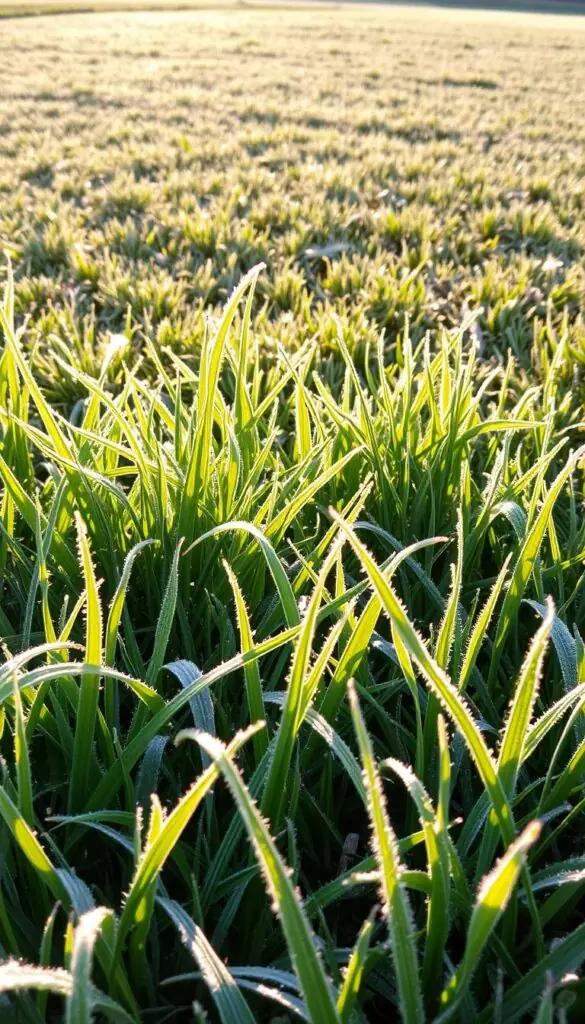
Read the yard’s cues. Straw coloring with firm crowns signals dormancy, while mushy, smudged patches point to damage that waits for spring repair. Time major fixes for spring when soil warms (often above 60°F for warm-season reseeding). Small, steady actions by zone keep growth on track through the colder months.
"Watch color and texture — they tell you when to cover, wait, or plan repairs."
If Frost Damage Happens: Recovery and Long-Term Lawn Care
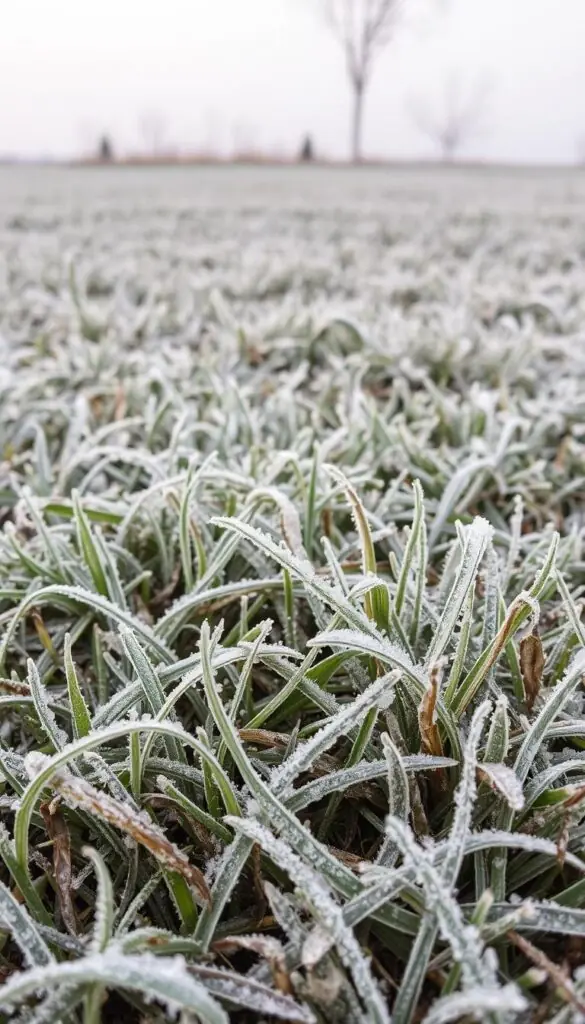
If your lawn shows signs of winter injury, start slow and steady. Wait until the soil and blades have fully thawed before touching the area. This prevents extra tearing and lets you see true damage.
Clean-up and gentle raking: Use a soft, wide leaf rake to lift matted blades. Open the canopy so sunlight and air reach crowns and soil. Remove loose, dead tissue but avoid aggressive scraping that harms roots.
Spring feeding, water, and reseeding: Once frost risk passes, apply a balanced or slightly nitrogen-forward fertilizer to support new growth. Water lightly and regularly to move nutrients into the root zone.
Reseed thin areas when soil is workable. Scratch the surface, spread seed with a seed spreader, and keep moisture steady until new shoots appear.
Watch for common winter issues: Look for cottony, musty patches of snow mold, salt-burn along driveways from deicers, and faint vole tracks through matted turf. Flush salt-damaged edges with water and topdress with compost to help soil life recover.
"A gentle hand in spring saves hours of repair later."
| Step | Tool | When to Do It | Why It Helps |
|---|---|---|---|
| Gently rake matted areas | Leaf rake | After full thaw | Opens canopy; lets sun and air reach crowns |
| Limit traffic | Signs, temporary paths | Until recovery | Prevents bruising and further damage |
| Fertilize lightly | Broadcast spreader, fertilizer | Early spring after frost risk ends | Supplies nutrients for steady growth |
| Reseed thin spots | Seed spreader, hose/sprinkler | When soil is workable | Restores density and root cover |
Conclusion
With calm routines and a little attention, your yard will reward you as temperatures rise. A few simple steps—smart mowing, light pre-frost watering, late-fall potassium, and overseeding—make a real difference for your lawn and the season ahead.
Stay gentle at the right time: avoid walking on frozen turf, give covers to tender spots, and wait for a slow thaw before stepping in. These actions limit damage and help the ground recover naturally.
Trust steady lawn care over last-minute fixes. As freezing temperatures ease, your grass will push fresh green threads and your garden will feel alive again. You’ve got this—tend with patience and enjoy the quiet beauty of cold mornings.
FAQ
How should I prepare my lawn for freezing temperatures?
Start by raising mower height for late fall so blades are longer and roots better insulated. Water moderately in the days before a cold snap if soil is dry—wet soil holds heat better than dry soil. Apply a balanced late-season feed with extra potassium about four to six weeks before regular freezes to strengthen cell walls. Aerate compacted areas and overseed thin spots earlier in fall to encourage deeper roots before winter. Cover tender patches or new seedlings with breathable fabric on nights when temperatures dip below freezing.
Why does freezing weather damage turf and how can I tell?
When temperatures drop below freezing, water inside leaf tissue and near roots can form ice crystals, rupturing cells and cutting off nutrient flow. Early signs include a dull, grayish or pale tone, blades that snap when bent, and thinning or bare patches as plants weaken. If you see footprints or wheel marks that stay impressioned after thawing, that indicates elevated stress and possible long-term injury.
What happens to the blade and root system during a hard freeze?
At the blade level, ice formation ruptures cell membranes, making leaves brittle and discolored. At the root level, prolonged cold and frozen soil reduce water uptake and slow root metabolism, which limits recovery. Strong root reserves and good soil structure help plants survive by maintaining moisture and nutrients through the cold period.
How high should I set the mower before winter arrives?
For most lawns, leave grass slightly taller than your summer setting—about 1/2 to 1 inch higher than usual. That extra blade length offers insulation and shades crowns, reducing desiccation and temperature swings. Avoid scalping; very short turf loses protective leaf area that helps it cope with cold.
When and how should I water before a cold night?
Water deeply the afternoon before an expected hard freeze if the soil is dry. Moist soil stores more heat and protects root zones. Avoid watering at night because wet blades can freeze and become brittle. Stop supplemental irrigation when nights regularly fall below the low- to mid-20s°F in your area.
Should I fertilize before winter, and what type helps most?
A late-season, low-nitrogen fertilizer with higher potassium supports cell strength and stress tolerance. Apply roughly four to six weeks before average first hard freeze for your region so nutrients are absorbed before dormancy. Avoid high nitrogen late applications that promote tender top growth vulnerable to cold.
Is aeration and overseeding worth doing before the cold season?
Yes. Aeration relieves compaction, improves drainage and oxygen flow, and helps roots grow deeper. Overseeding in early fall gives seedlings time to establish before temperatures drop. Both practices contribute to a thicker, more resilient turf that recovers faster in spring.
What can I use to cover vulnerable patches and new seedlings?
Use breathable row cover fabric, frost cloth, or horticultural fleece to trap a little ground heat while allowing air and moisture to pass. Avoid plastic directly on blades—traps moisture and can cause more harm. Remove covers during warm afternoons to prevent overheating and excess moisture buildup.
What should I avoid doing on frozen turf during a freeze or the morning after?
Stay off frozen lawn surfaces—walking or driving can crack brittle blades and compress crowns, leaving permanent footprints. Resist using de-icing salts on nearby hardscapes that can migrate and burn turf. Don’t attempt heavy raking or repairs until the grass thaws and softens.
How should I melt light surface ice safely?
Let it thaw naturally when temperatures rise. For persistent clear ice on small areas, gently sprinkle sand for traction rather than chemical melts. If you must use a commercial deicer, choose one labeled safe for lawns and follow instructions carefully to avoid salt damage.
How do care needs differ between warm-season lawns like Bermuda, Zoysia, and St. Augustine and cool-season lawns?
Warm-season varieties go dormant and brown sooner; protect crowns and reduce fall fertility to avoid late growth. Cool-season grasses remain active later and benefit from fall feeding and overseeding. Timing of mowing, watering and treatments depends on whether your turf enters dormancy early or stays green into colder months.
Can you give local timing examples for common regions?
In New England, hard freezes can start in October, so finish major lawn work by early fall. In Austin and similar Texas climates, cold snaps are less predictable and can occur late—keep protective materials handy and delay final fertilizing until you know typical first freeze dates. Adjust actions to your USDA zone and local forecast.
If damage occurs, what recovery steps should I take?
After thaw, gently rake dead material to open the canopy and improve air flow. Avoid aggressive dethatching until you see what survives. In spring, apply a starter-type fertilizer, water deeply but infrequently to encourage root growth, and overseed or sod thin spots. Address compaction or drainage problems that magnified damage.
What common winter problems should I watch for besides cold injury?
Look for snow mold in areas with prolonged snow cover and poor airflow, chemical burn from road or sidewalk deicers, and vole or rodent feeding that creates tunnels and dieback. Each issue has specific fixes—improve drainage and airflow for mold, remove contaminated soil for salt, and use humane rodent control methods for voles.