You step outside at dawn and the grass smells fresh, the ground still cool under your shoes. Have you ever wondered why some yards look effortlessly lush while others thin out by midsummer?
Think of this as a calm, neighborly chat. We’ll walk through an easy, year-long rhythm so you stop guessing and start doing the right tasks at the right time.
Simple steps—like testing soil, sharpening mower blades, and watering in the cool morning—make a big difference. You’ll learn when to raise mowing height in spring and summer, how to time grub prevention, and why mulching fall leaves into dime-size pieces helps the soil.
Expect practical tool suggestions (rain gauge, core aerator, dethatching rake) and a gentle schedule you can follow all year. By the end, you’ll feel confident tending your grass through spring, summer, fall, and winter without stress.
Key Takeaways
- Follow a simple seasonal schedule to avoid common mistakes and reduce guesswork.
- Mow higher in spring and summer and sharpen blades for cleaner cuts.
- Water about 1 inch per week in the early morning and use a rain gauge to confirm.
- Mulch fall leaves into small pieces and shorten the final mow before snow.
- Avoid rock salt near turf in winter; choose lawn-safe ice melt instead.
- Use soil tests, slow-release feeding, and timed pre-emergent to prevent weeds.
Start Smart: Common Year-Round Missteps That Set Lawns Back
A tiny guess about soil or a dull blade can change how your grass looks all season. Those two mistakes are easy to fix and yield quick wins. Start with a clear plan, one small task at a time, and you’ll see steady improvement.
Skipping soil tests and guessing on fertilizer
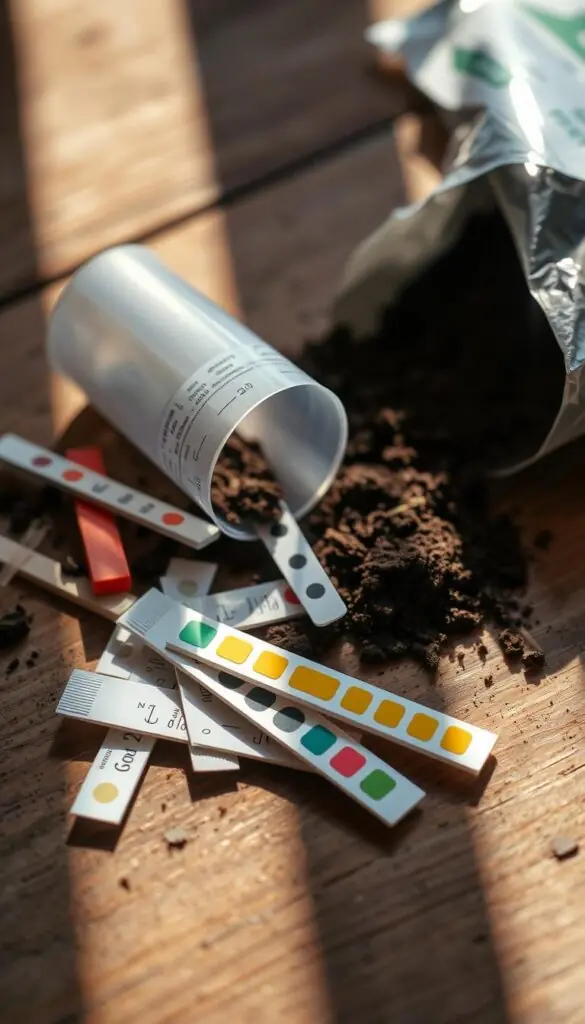
Send a soil sample to your county cooperative extension this week. A lab report tells you pH and nutrient needs so you don’t overfeed or underfeed.
Use slow-release or organic fertilizer and follow label rates. Spread it evenly with a hand or broadcast spreader to avoid scorch and runoff.
Using dull mower blades and cutting more than one-third
Sharpen or swap mower blades each season. Clean cuts keep grass tips green, reduce moisture loss, and lower disease risk.
Raise your mower deck and honor the one-third rule: never remove more than one-third of a blade at once. This helps roots and photosynthesis.
- Time pre-emergent by soil temperature (around 58°F) to control crabgrass.
- Water early in the morning to cut evaporation and disease pressure.
- Keep a simple mower checklist: blades, oil, and air filter.
Spring Lawn Care Mistakes: Set the Stage Without Stress
When grass first stirs in spring, a careful cleanup makes all the difference. Rake away tan thatch, twigs, and soggy debris so tender shoots get light and air. Use a leaf rake first, then a dethatching rake where mats persist.
Raise your mower deck and mow high. Taller grass builds deeper root growth and shades out weed seedlings. Keep mower blades sharp so cuts are clean and green.
Time your fertilizer by grass type: feed cool-season grass in early spring and delay warm-season feeding until mid-to-late spring. Apply pre-emergent when soil temps hover near 58°F to stop crabgrass before it starts.
Check for thatch thicker than 1/2 inch by slicing a small patch. If it’s spongy, dethatch. For compacted turf, use a core aerator after a soaking rain—remove 2–3 inch plugs and leave them to break down. Water as growth resumes, aiming for about 1 inch per week.
- Bag or finely mulch light layers of leaves; heavy mats smother new grass.
- Use a core aerator, dethatching rake, and leaf rake for these early spring tasks.
Summer Lawn Slip-Ups: Heat, Water, and Mower Habits
When temperatures climb, small habits decide whether your grass thrives or fades. Summer is not the time for guesswork. Heat, sporadic watering, and a tired mower add up fast.
Water deeply at dawn: Aim for about 1 inch of water per week, delivered between 6–10 a.m. Use a rain gauge and a hose timer to track irrigation so you don’t overdo short, daily sprinkles that encourage shallow roots.
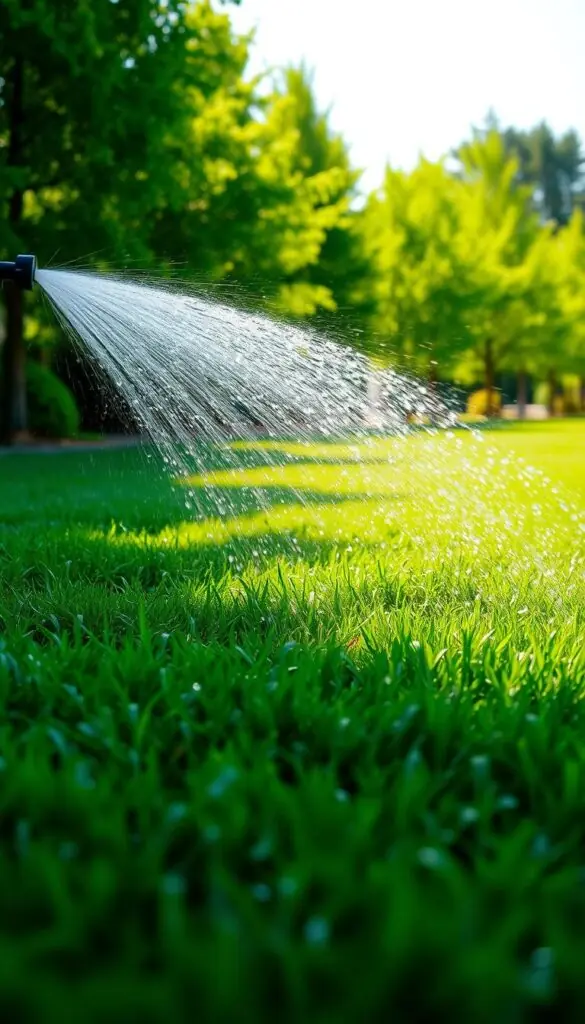
Keep mower blades sharp and set the deck high. Mow often enough that you never cut more than one-third of the grass height. Tall blades shade soil, help grass withstand hot conditions, and reduce moisture loss.
- Avoid heavy fertilizer on cool-season turf during peak heat; overfeeding can scorch and invite disease.
- Treat for grubs early—warm-season grass often needs control in early summer to stop root-feeding damage before brown patches spread.
- Spot-treat weeds with selective products and follow the label directions carefully to protect nearby grass.
- Keep the lawn mower deck clean and sharpen blades at least once a season for clean cuts and healthier grass.
Simple tools—rain gauge, hose timer, and a blade sharpener—make hot-weather care lighter and more reliable. Little, steady actions now save you from big repairs later.
Fall Focus: Avoiding Missed Opportunities for Root Growth
When fall arrives, a few timely choices set your grass up for winter success.
Feed smart by grass type. Cool-season grass benefits from two fall feedings — one in early fall and another 6–8 weeks later to boost root growth and winter reserves.
Warm-season grass usually stops feeding by early fall. Calibrate your spreader and follow label rates to avoid burning turf.
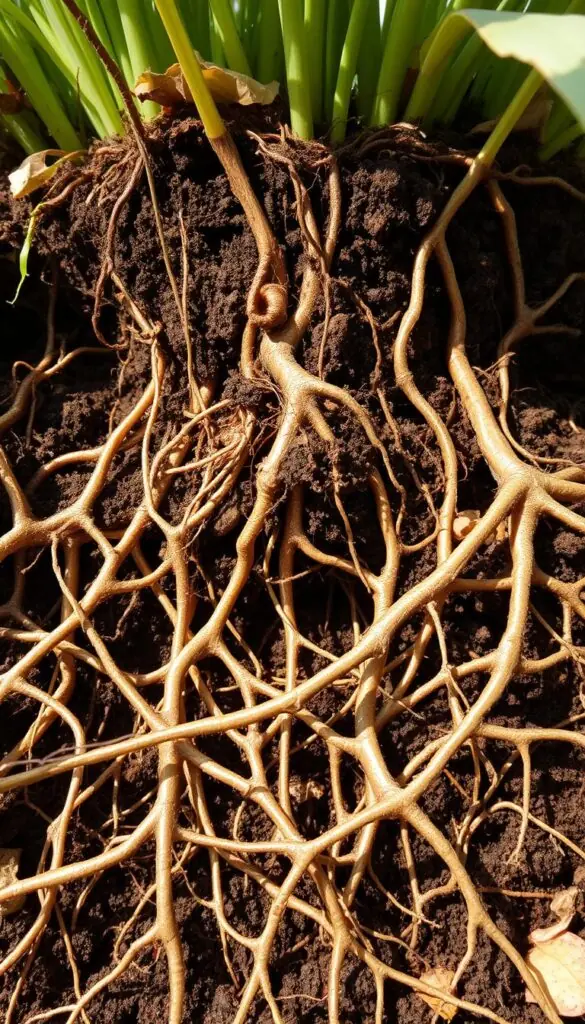
Overseeding and topdressing
Lightly rake thin areas, spread quality seed, then add a thin, crumbly compost topdressing for good seed-to-soil contact.
Keep new seed moist with gentle water until sprouts reach about an inch, then shift to deeper, less frequent watering.
Leaves and final mow
Mulch dry leaves into dime-size pieces so they sift between blades and decompose. Avoid piled drifts that trap moisture and invite snow mold.
Make the final mow about 1–2 inches shorter than your summer height to reduce snow mold where snow lingers.
| Action | Cool-Season | Warm-Season |
|---|---|---|
| Fertilizer | Early fall + 6–8 weeks later | Stop by early fall |
| Overseed | Yes — rake & topdress | Generally not needed |
| Leaf care | Mulch to dime-size pieces | Mulch or remove heavy drifts |
Quick tips: choose seed matched to sun or shade, rake off heavy leaf drifts from seeded spots, and enjoy the smell of compost as you finish these fall tasks.
Winter Months: Quiet Season, Lasting Consequences
Winter asks for gentle choices that protect your sleeping grass and soil. Treat this time as a protective pause. Little actions now prevent compaction, crown injury, and thaw-time surprises.
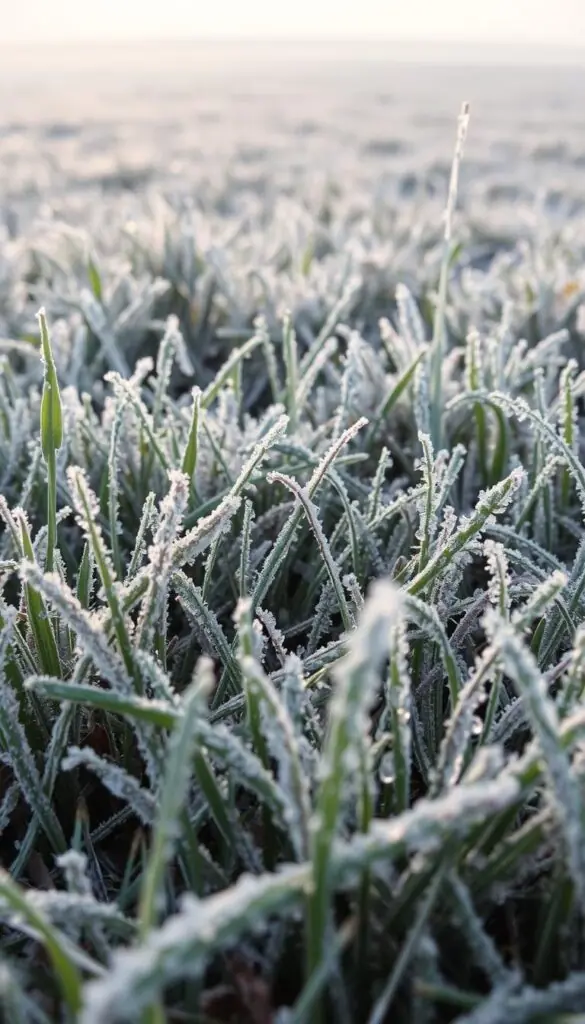
Foot traffic and parked vehicles on dormant turf
Give your lawn a quiet winter—limit footsteps across frosted blades and keep vehicles off the grass to prevent compaction.
Reroute regular paths with a temporary strip of sand, mulch, or stepping stones so family and pets avoid fragile areas.
Pick up heavy items like woodpiles, planters, and toys so they don’t leave flattened, bare patches by spring.
Using rock salt near lawns instead of lawn-friendly ice melt
Rock salt can burn roots and degrade soil along driveways and walkways. Choose lawn-safe ice melt instead to protect grass and nearby areas.
Brush or blow drifted snow gently from high-traffic edges each storm so icy mats don’t form and suffocate turf.
- Watch downspout splash zones; a temporary extension can stop pooling and freeze damage.
- Use the quiet months for tool care—sharpen blades and check filters so spring start-up is easy.
Small, calm steps in these winter months pay off with healthier turf and simpler spring care.
Seasonal Lawn Maintenance by Region: Cool- vs. Warm-Season Grasses
Watch soil warmth and growth cues—those tell you when to act more than dates do. Match tasks to temperature ranges so each grass gets care when it truly needs it.
Early spring vs. midsummer growth: timing tasks by temperature
Cool-season grasses like Kentucky bluegrass and tall fescue wake early when soils reach about 40–75°F. That makes spring and fall the best time for feeding and aeration.
Warm-season varieties such as Bermuda and zoysia surge between roughly 60–95°F. They grow fastest in midsummer and usually go dormant in winter.
Plan fertilizer, aeration, and overseeding during each grass’s active window rather than by the calendar months. Watch soil temps and new growth flushes as your cue.
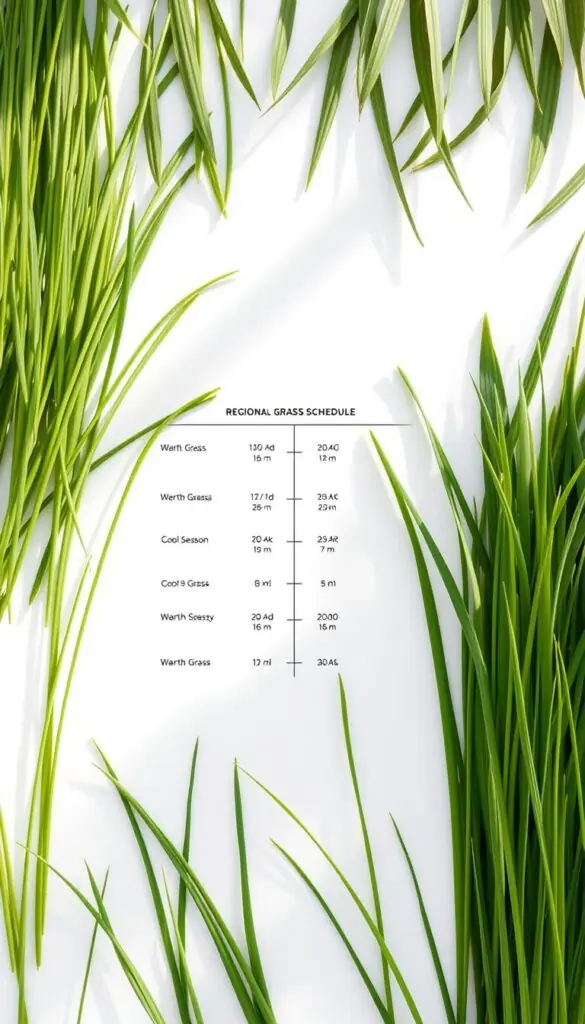
Transition zone tips when your yard mixes grass types
If your yard combines cool and warm grasses, split tasks. Give each area care on its own schedule.
- Keep a two-line schedule: one for cool-season patches, one for warm-season sections.
- Expect color and texture shifts through the year and let cooler areas rest in hot, dry conditions.
- Choose overseed mixes that match light and south/north exposures to keep turf even.
Mowing, Watering, and Feeding: The Everyday Habits That Make or Break Your Lawn
Small, regular chores make the biggest difference: consistent mowing height, measured watering, and careful feeding. These simple routines create visible change over weeks, not months.

Mow for deep roots and clean cuts
Set your mower higher in hot months and a touch lower when growth slows. Never cut more than one-third of the blade at once.
Sharpen blades at least once per season and rinse the deck after use. A tuned mower hums smoothly and leaves crisp, healthy edges.
Water deeply, not daily
Aim for about 1 inch of water per week. Use a rain gauge or a few tuna cans to measure runoff across the yard.
Water early in the morning so soil soaks in and grass dries after sunrise. Dark, moist soil after a deep soak signals success.
Feed slowly and follow the label
Choose slow-release or organic fertilizers to encourage steady green-up. Space applications by the product's directions to avoid burn.
Calibrate your spreader and walk at a steady pace for even application. Overseed thin spots when grass is actively growing and rake lightly for good seed-to-soil contact.
- Set mowing height by season and keep blades sharp.
- Confirm 1 inch of water per week with a rain gauge.
- Favor slow-release fertilizers and space each application.
- Rinse the lawn mower deck and check blades regularly.
- Topdress with compost occasionally to improve soil texture and moisture.
| Task | Simple Rule | Tool |
|---|---|---|
| Mowing | Raise height in heat; don’t remove >1/3 | Mower, lawn mower blade sharpener |
| Watering | About 1 inch per week; morning only | Rain gauge, cans, hose timer |
| Feeding | Use slow-release/organic; follow label | Spreader, compost, soil test |
Conclusion
You don’t need big projects; gentle, regular actions give grass the best chance to thrive.
Simple habits—mow high, water about 1 inch per week in the morning, and feed by grass type—build steady growth through spring, summer, fall, and winter.
Let temperatures guide your schedule: cool-season grasses show most activity in spring and fall, while warm-season grasses peak in summer. Mulch leaves into dime-size pieces, shorten the final mow before snow, and protect quiet winter turf from heavy footsteps.
Keep a light, monthly schedule you can actually follow. Small tasks on time beat big jobs done late. Picture soft, sunlit blades underfoot and enjoy your garden—one calm season at a time.
FAQ
What common year-round mistakes harm my grass?
Skipping a soil test and guessing fertilizer needs can burn roots or leave deficiencies. Using dull mower blades or removing more than one-third of blade height stresses turf. Both reduce resilience to pests, drought, and temperature swings.
How often should I test my soil and adjust fertilizer?
Test every 2–3 years or when problems appear. A test tells you pH and nutrient levels so you choose the right fertilizer and lime. Apply nutrients based on soil results and your grass type to avoid overfeeding.
Why are sharp mower blades important and what height should I set?
Sharp blades give clean cuts that heal quickly and resist disease. Follow the “mow high” rule: raise cutting height in spring and summer for deeper roots, and only lower slightly for a final fall cut. Never remove more than one-third of the blade at once.
What should I do after winter to prepare my yard for spring growth?
Rake or dethatch to remove debris that smothers new shoots. Check for compacted areas and core-aerate if needed. Time pre-emergent herbicides and starter fertilizers for your grass type and local soil temps.
When should I apply pre-emergent and spring fertilizer?
Apply pre-emergent before soil temperatures reach the germination point for summer annual weeds (usually early spring). Delay heavy spring fertilizer until you see active growth to avoid pushing weak shoots.
How do I know when to dethatch or core aerate?
Dethatch if the thatch layer exceeds about 1/2 inch. Core aerate in compacted areas or heavy clay soils, typically in early fall for cool-season grasses and late spring for warm-season types.
What's the best watering practice during hot months?
Water deeply and infrequently — aim for about one inch per week, measured with a rain gauge or a straight-sided container. Water early morning to reduce evaporation and fungal risk.
Can I fertilize in summer, and how often?
Be cautious. Avoid heavy feeding during heat for cool-season grasses; it can stress turf. Warm-season grasses tolerate moderate feeding in summer. Prefer slow-release or organic fertilizers and space applications to reduce burn risk.
How do I prevent and control grub damage in summer?
Monitor for brown patches and spongy turf. Treat early with appropriate grub control products if populations are high. Healthy turf (proper mowing, water, and feeding) resists grub pressure better.
What are common fall mistakes that limit root growth?
Stopping care too early, missing a properly timed fall fertilization, overseeding at the wrong time, and leaving large leaf piles can all reduce root development. Mulch leaves to small pieces to avoid smothering grass and prevent snow mold.
When is the right time to overseed and topdress?
For cool-season grasses, overseed in early fall when soil is warm but air temps cool. Topdress with a thin layer of compost or screened topsoil to improve seed contact and conserve moisture. Avoid overseeding just before frost or in midsummer heat.
How should I mow before winter and first snow?
Gradually lower mowing height for a final cut, but don’t scalpel the turf. A slightly shorter last mow reduces matting under snow while preserving enough leaf for energy storage.
What winter habits damage dormant grass?
Excess foot traffic and parking vehicles compact and bruise dormant blades. Avoid repeated travel over the yard and use walkways when possible. Also, avoid rock salt near sensitive turf; choose lawn-friendly ice melt instead.
How do care tasks differ between cool- and warm-season grasses?
Timing shifts with temperature. Cool-season grasses grow most in spring and fall, so focus seeding and fertilizing then. Warm-season grasses peak in midsummer; plan aeration and heavier feeding for late spring to summer. In transition zones, split tasks by species and local climate.
What daily habits have the biggest impact on a healthy yard?
Consistent mowing height, sharp blades, and proper watering (about one inch weekly) are the foundation. Choose slow-release or organic fertilizers and space applications. Regularly remove debris and check soil health for long-term success.