Morning air feels cool and the soil smells earthy as you step outside. Have you noticed patches that need attention or dreamed of a lush, tidy yard visible from your kitchen window?
This friendly how-to guide walks you through simple, steady steps so you feel confident moving from the warm glow of late summer into crisp fall.
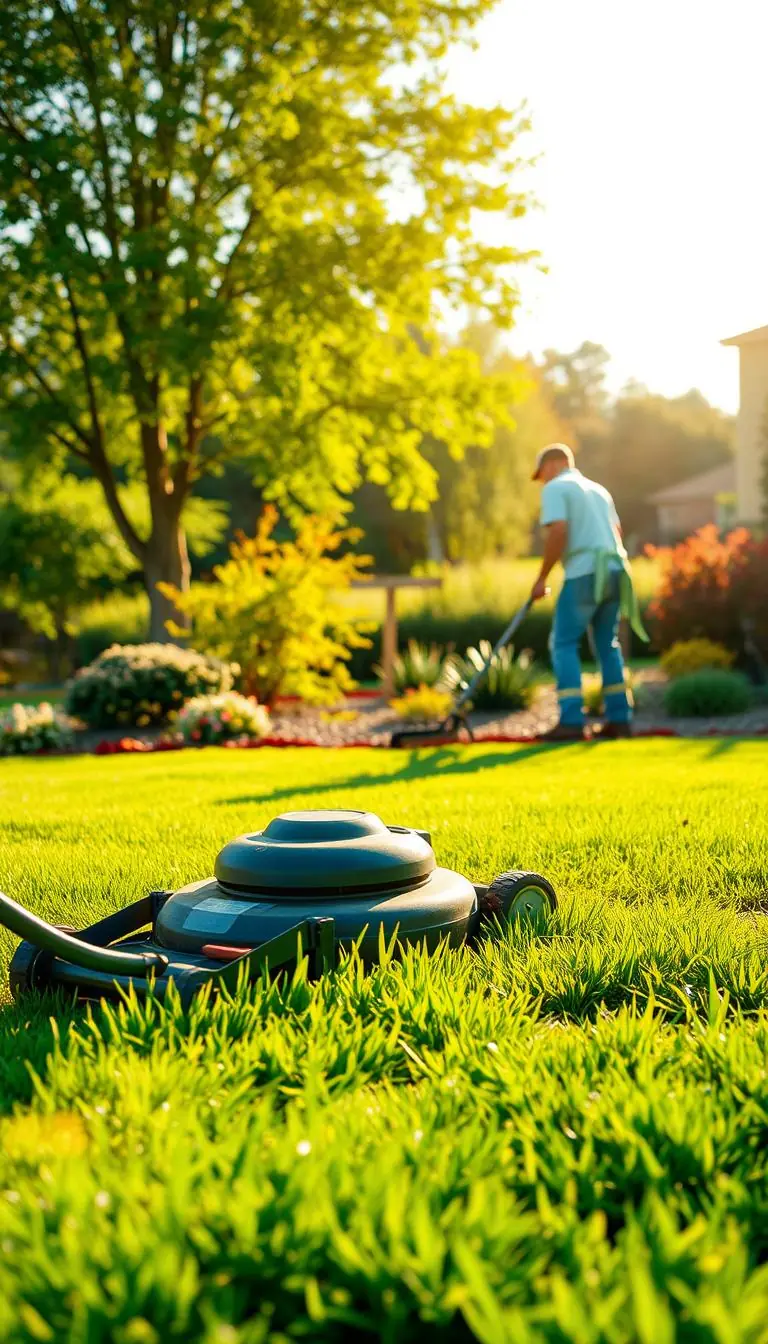
We keep tools basic: your mower with a sharp blade, a rake, a hand trowel, and a spreader sized to your property. Start with a calm walk-through and early morning checks when the grass feels slightly dewy underfoot.
Quick timing notes: for cool-season grass, apply fall fertilizer around Labor Day and again 6–8 weeks later; warm-season varieties usually need one early-fall feeding. Mulch leaves into dime-size pieces with your mower and make a final late-fall cut 1–2 inches shorter to help prevent mold.
Small, steady steps—adjusting mowing, watering about 1 inch per week, and matching actions to your grass type—lead to a lush, beautiful yard you can enjoy at home.
Key Takeaways
- Move at an easy pace and set aside a little time each week.
- Use simple tools: mower, rake, hand trowel, and the right spreader for your yard.
- Fertilize cool-season grass around Labor Day and again in 6–8 weeks; warm-season needs one early-fall feed.
- Mulch leaves into small pieces so they decompose without smothering turf.
- Water in the early morning and aim for about 1 inch per week.
Take Stock After Summer Heat: What Your Lawn Is Telling You Right Now
Step outside at sunrise and let a calm walk tell you what your yard needs. The soft light and cool air reduce glare and make color shifts easy to see. Walk slowly and scan for thin patches, browned tips, or areas where heat stressed the grass.

Bring a hand trowel and collect small soil plugs from several spots. Check the top 3–4 inches to feel soil moisture and look for a dry, spongy thatch layer. Press your heel into compacted areas; firm ground means those spots may need aeration later.
Lightly rake scattered debris to improve air flow and reduce matting. Note differences between sunny and shady conditions—each area can tell a different story. If you find weeds, snap a photo for ID so you can pick the right treatment.
Quick checklist for your early morning walk
- Scan color and texture along edges and traffic paths.
- Use a trowel to check soil and thatch depth.
- Mark compacted areas and thin spots for later fixes.
- Rake light debris to help airflow and recovery.
- Confirm your grass type—cool-season grasses respond differently as nights cool.
| Sign | What to Check | Quick Action |
|---|---|---|
| Brown or thin patches | Top 3–4 inches of soil moisture and thatch | Collect plugs; mark for overseed or spot repair |
| Firm, compacted spots | Soil resists heel pressure | Schedule aeration for those areas |
| Debris or matted thatch | Piled leaves, sticks, or dry mat | Light rake to improve air and water flow |
Reset the Basics: Mowing and Watering as Days Shorten
When days grow shorter, a clear plan for mowing and watering keeps growth steady and stress low. Small tweaks now help grass store energy and face cooler nights with resilience.
Adjust mower height and blades
Set your mower higher at first to shade soil and protect crowns. A taller cut reduces moisture loss and cools roots.
Keep blades sharp. Clean, sharp blades slice grass cleanly and cut down on frayed tips that lose water. Follow the one‑third rule: never remove more than a third of the blade at once.
Plan one gentle height drop in late fall. Make that change slowly so you avoid scalping or shocking the turf. In colder areas, a final cut 1–2 inches shorter helps prevent mold under snow.
Shift to early morning watering
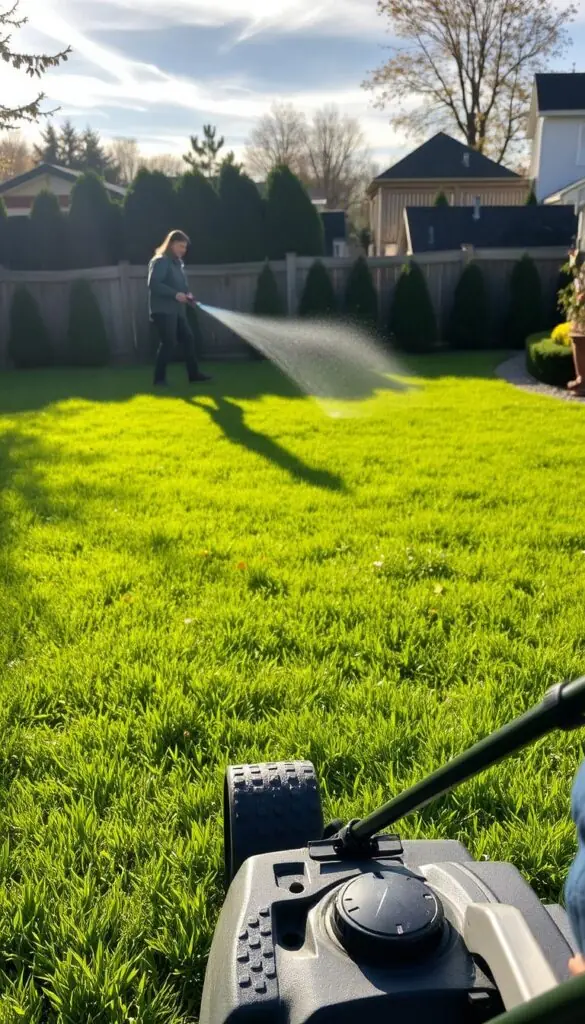
Water in the early morning, roughly 6–10 a.m., when air is calm and cool. You’ll notice the light scent of damp soil as water soaks in instead of evaporating in afternoon heat.
Aim for deep, infrequent watering so roots grow downward. Track totals each week; between rain and irrigation aim for about 1 inch per week during this shoulder period.
Avoid common mistakes
Avoid evening irrigation — wet blades overnight invite disease. Don’t mow wet turf; it tears and looks ragged.
Avoid scalping by dropping height gradually. Adjust your schedule earlier as daylight shrinks, and keep a simple, steady plan you can follow each week.
| Topic | Target | Why it matters |
|---|---|---|
| Mowing height | Higher now; 1–2" shorter late fall | Shades soil, protects crowns, reduces stress |
| Blades | Sharpen before each season of heavy use | Clean cuts reduce moisture loss and disease |
| Watering time | Early morning (6–10 a.m.) | Less evaporation; limits nighttime disease |
| Weekly water | About 1 inch/week | Encourages deep roots and drought resilience |
Nourish Roots for Cooler Temperatures: Fall Fertilization and Soil Care
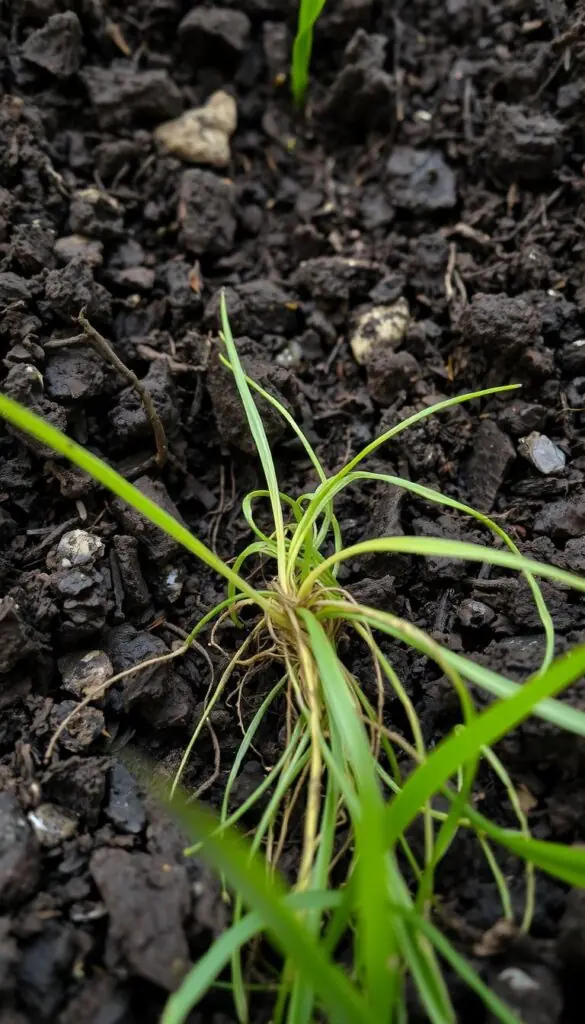
Now is the time to give your soil and roots gentle, steady support so grass can thrive later. Start with a simple soil test kit to learn nutrient needs before you buy anything. Knowing pH and nutrient levels saves money and prevents overapplication.
Time your feedings
For cool-season grasses, apply a fall fertilizer around Labor Day, then schedule a second feed 6–8 weeks later. For warm-season grass, one early-fall application is enough. Mark those months on your calendar so you don’t miss the second pass.
Pick the right products
Choose a slow-release nitrogen formula and a balanced mix of nutrients to steady growth without pushing lush top growth. Follow label rates and water in per instructions to move nutrients into the soil safely.
Aeration and tools
Aerate compacted areas so air, water, and nutrients reach the root zone. You’ll feel crumbly soil and see the plugs where compaction eased.
- Small yards: hand-powered spreader.
- Medium to large: Edgeguard-style broadcast spreader.
- Extra-large: Elite commercial spreader.
Final notes
Keep a steady walking pace when spreading so application clicks evenly. Focus on root strength now—deep roots mean healthier growth next spring. Treat fertilization as calm, thoughtful care that helps your patch recover after summer heat.
Smart Weed and Pest Moves Before Winter
Early fall is one of the best times to spot broadleaf weeds and deal with them while grass still grows. Treating weeds now helps herbicides move into active roots so results come faster.
Walk your yard and spot-treat problem areas rather than broadcasting over everything. Spot applications protect beneficial insects and reduce chemical use.
Watch for grubs and other damage
Check suspicious patches by tugging gently—if the turf lifts like a loose carpet, grubs may be present. Inspect and follow product schedule recommendations before applying treatment.
"Apply treatments only within the product's temperature range and water in as directed."
- Treat broadleaf weeds in early fall while the grass still moves nutrients.
- Spot-target weeds to protect the rest of your turf and soil life.
- If summer left thin spots, remove weeds before repair seeding so new grass won't compete.
- Use calm, mild days for applications and follow label directions exactly.
| Issue | Signs | Action |
|---|---|---|
| Broadleaf weeds | Different leaf shapes, patches of growth | Spot-treat in early fall; consider weed-and-feed for cool-season grass |
| Grubs | Spongy turf that lifts, birds digging | Inspect in early fall; follow product timing and applied rates |
| Overuse risk | Runoff, stressed grass, harmed insects | Targeted application and follow label; water in only when directed |
Keep care calm and light-handed. A few thoughtful steps now reduce spring surprises and help your grass face colder temperatures with less stress.
Seed, Patch, and Protect Traffic Paths
Plan your overseeding on a calm day so you can feel the soil and picture seed tucked into place. In the North, early fall is ideal for overseeding cool-season grasses because the soil stays warm while nights cool.
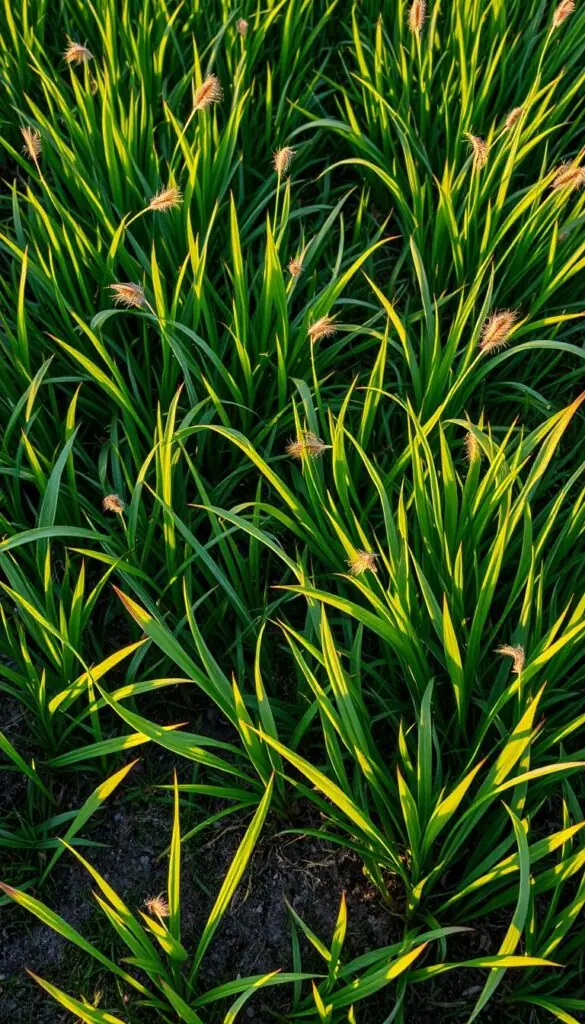
- Rake lightly to loosen the top inch of soil, then broadcast seed with a spreader for even coverage.
- Sift a thin layer of fine compost through your fingers so seed nestles and stays moist.
- Water lightly 1–2 times daily at first to keep the surface consistently moist; after the first week shift to deeper, less frequent waterings.
For bare patches, rough up the area, add seed, and top-dress with a thin compost blanket so new growth has contact with soil and nutrients.
Reduce foot traffic on fragile areas. Lay simple boards or create temporary paths to spread weight and protect seedlings. Mark zones and remind family and pets to skirt around them until roots take hold.
| Step | Why | When |
|---|---|---|
| Overseed cool-season grasses | Best germination and root growth | Early fall (months with warm soil) |
| Keep surface moist | Supports germination | First week: 1–2x daily, then taper |
| Protect high foot traffic areas | Prevents compaction and seed loss | Until seedlings establish |
Leaves, Debris, and the Final Cuts: Clearing the Way for Winter Lawn Care
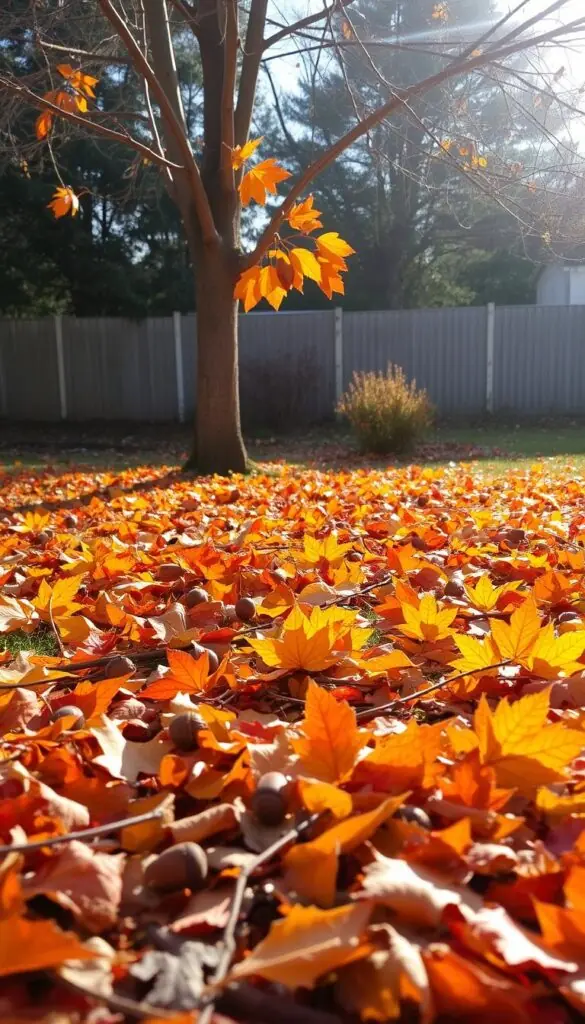
A few focused passes with your mower now will turn piles of leaves into invisible mulch. That tidy look helps the grass breathe and reduces problems when cold temperatures arrive.
Mulch, clear, and sharpen for clean air and even cuts
Roll the mower over fallen leaves and watch them shred into dime-size flecks that sink between blades. This mulch breaks down quickly and won't smother the lawn.
Pick up sticks and larger debris before you mow. Clear ground gives you safer passes and a more even cut. Keep blades sharp so each final pass leaves a neat, healthy edge.
Make quick weekly mowing runs during peak drop so leaves don't mat and block air at the surface. Avoid mowing wet leaves—wait for a dry window so pieces mulch finely instead of clumping.
"A calm hour outdoors—soft hum of the mower and clear edges—sets your yard up for a healthier winter."
| Task | Why it matters | When to do it |
|---|---|---|
| Mulch leaves into small pieces | Decomposes without smothering grass | Weekly during peak fall drop |
| Remove sticks and debris | Improves airflow and safe mowing | Before each mowing pass |
| Sharpen blades and lower height | Cleaner cuts; reduces matting under snow | One final adjustment in late fall |
| Keep mower deck clean | Prevents clumps and spreads mulch evenly | Between runs |
Lawn Seasonal Transition Conclusion
A few steady actions this fall set up months of healthier growth and easier care. Small tasks—clean mowing, early morning watering, and mulching leaves into dime-size pieces—save you time and reduce stress on soil and roots.
Keep fertilization simple: one early fall feeding for warm-season lawns and two for cool-season grasses, spaced a few months apart. Watch for weeds or pests and treat spots calmly so you don’t undo progress.
Think in seasons: summer heat fades, fall steadies, winter rests, and spring wakes. With basic tools and a steady rhythm you’ll enjoy tidy edges, stronger root growth, and a yard that welcomes you each year.
FAQ
How do I know whether my grass needs fall care after a hot summer?
Walk your yard early in the morning and look for color changes, thinning, bare spots, weeds, and compacted soil. Use a hand trowel to check soil moisture and thatch depth — healthy turf has damp soil a few inches down and minimal thatch. Match your observations to your grass type: cool-season grasses and warm-season grasses show stress differently and need different timing for feeding, seeding, and watering.
When should I adjust my mower height for fall?
Raise your mower blades now to keep grass a bit taller as temperatures cool; this helps shade roots and conserve moisture. As late fall approaches and growth slows, lower the deck slightly for the final cut to reduce disease over winter. Always sharpen blades for clean cuts and avoid scalping stressed turf.
What’s the best watering schedule as days shorten?
Water in the early morning to reduce evaporation and fungal risk. Aim for deep, infrequent soakings that wet the root zone rather than daily shallow sprays. Adjust frequency based on soil type, air temperature, and rainfall — sandy soils need more frequent watering than clay.
How and when should I fertilize going into cooler months?
For cool-season grasses, apply a slow-release nitrogen fertilizer in early fall and consider a late-fall boost to support roots. Choose balanced formulas with micronutrients and follow label rates. Warm-season grasses benefit from reduced feeding in fall; feed them mainly in late spring through summer.
Do I need to aerate, and when is it best to do so?
Yes — aeration helps oxygen, water, and nutrients reach roots in compacted areas. Core aerate in early fall for cool-season turf when roots are actively growing. Use a core aerator on high-traffic or clay-heavy spots, then overseed if needed to fill thin areas.
When should I overseed or repair bare patches?
Overseed cool-season grasses in early fall when soil is warm enough for germination and temperatures are milder. Repair bare spots by loosening soil, adding quality seed and light compost, keeping the area moist until seedlings establish. For warm-season turf, postpone major reseeding until late spring.
How do I handle weeds and pests before winter?
Treat broadleaf weeds in early fall while grass is actively growing so herbicides work well. Scout for grubs and other pests; apply treatments on schedule if you see evidence of damage. Healthy roots from proper feeding and watering make turf less vulnerable to insects and disease.
What should I do about leaves and debris in fall?
Mulch leaves with your mower into dime-sized pieces to return nutrients and maintain airflow. Remove sticks and large debris that block sunlight or trap moisture. Keep paths clear and rake only when necessary to prevent smothering grass.
Any tips for protecting high-traffic areas during cooler months?
Reduce foot traffic on thin or newly seeded spots. Use boards, temporary paths, or mulch to spread weight. Repair wear with seed and light compost, and water consistently until the turf regains strength.
What tools make fall lawn care easier and more effective?
Useful tools include a sharp mower, broadcast spreader for even fertilizer and seed application, core aerator for compacted soil, and a soil test kit to guide nutrient choices. A leaf mulcher or good rake helps manage debris and keeps air flowing through the turf.