Imagine the cool air on your face as you kneel on soft, sunlit grass, the scent of fresh soil rising with each handful. Do you want a simple, reliable plan that helps your yard look lush next spring without fuss?
We offer a calm roadmap you can trust. Short, doable steps will guide you: light raking, smart watering, gentle fertilization, and overseeding where grass is thin.
You’ll use tools you likely already have—a rake, hose, spreader—and maybe a rented core aerator for better seed-to-soil contact. Follow easy timing cues like cooler evenings and steady moisture to strengthen roots before winter.
This season’s care builds thicker turf, fewer weeds, and stronger spring growth. We’ll point out quick wins and common mistakes so you feel confident and enjoy a healthier yard.
Key Takeaways
- Follow a short, clear plan to boost root growth and spring color.
- Keep grass at about 2.5–3 inches and water roughly 1 inch weekly.
- Aerate before overseeding for better seed-to-soil contact.
- Apply slow-release fertilizer in late October to early November and water it in.
- Remove or mulch leaves so grass can breathe and the soil stays healthy.
Start Smart: Why Fall Sets Your Lawn Up for a Thriving Spring
This season quietly shifts energy below the surface, where roots get stronger. Cool nights and warm soil send grass into root-building mode. You’ll see less top growth and more steady development underground.
The cool-season advantage
Warm soil and cool air create steady moisture and slow, healthy growth. This helps roots draw up nutrients and store energy for winter.
What success looks like
Thicker turf, stronger roots, and fewer weeds are the signs you did it right. Watch for footprints that bounce back quickly—it's a simple water test.
- Keep mowing until frost, about 2.5–3 inches high.
- Water about 1 inch per week, including rainfall.
- Remove leaves so light and air reach the grass canopy.
- Apply a late-season fertilizer to help roots store nutrients.
| Sign | What it Means | Action |
|---|---|---|
| Slow top growth | Grass is sending energy to roots | Reduce mowing frequency |
| Footprints stay | Soil needs moisture | Water deeply to 1 inch weekly |
| Thin patches | Summer stress left bare spots | Overseed in warm soil for faster germination |
| Leaf cover | Blocks light and traps moisture | Rake or mulch leaves regularly |
Soil First: Simple Fall Lawn Prep That Pays Off
Start with the ground beneath your feet — good soil makes nearly every task easier. Take a quick soil test so you know pH and which nutrients your yard actually needs. A professional test removes guesswork and helps you spend less on products.

Test and tune
If the test shows acidity is high, apply lime; if it’s too alkaline, add sulfur. Spread either with a handheld or broadcast spreader and follow label rates.
Boost structure
Work compost or peat moss into the top 6 inches. Aim for at least 4–6 inches of good soil where you repair thin areas. The mix should feel crumbly and springy underfoot.
Quick tools list
- Hand rake for final smoothing
- Core sampler to check compaction depth
- Wheelbarrow for moving compost
- Garden fork to loosen tight spots
Step-by-step tip: loosen the top 2–3 inches on bare areas, blend in compost, seed, and keep steady moisture. Proper soil work improves seed-to-soil contact and, when combined with aeration, gives you the best results.
Lightly apply a slow-release fertilizer after amendments to feed microbes and early roots. Healthy soil leads to thicker turf, fewer weeds, and less water over time.
Relieve Compaction: Aeration for Better Air, Water, and Nutrients
A single afternoon with a core aerator can change how your grass drinks, breathes, and grows. Aim for early to mid-fall when the soil is moist but not soggy — a day after gentle rain is ideal.
Best timing and conditions
Cool evenings and warm ground give seeds and roots a head start. Moist soil lets tines penetrate without tearing or clogging.
Core beats spike
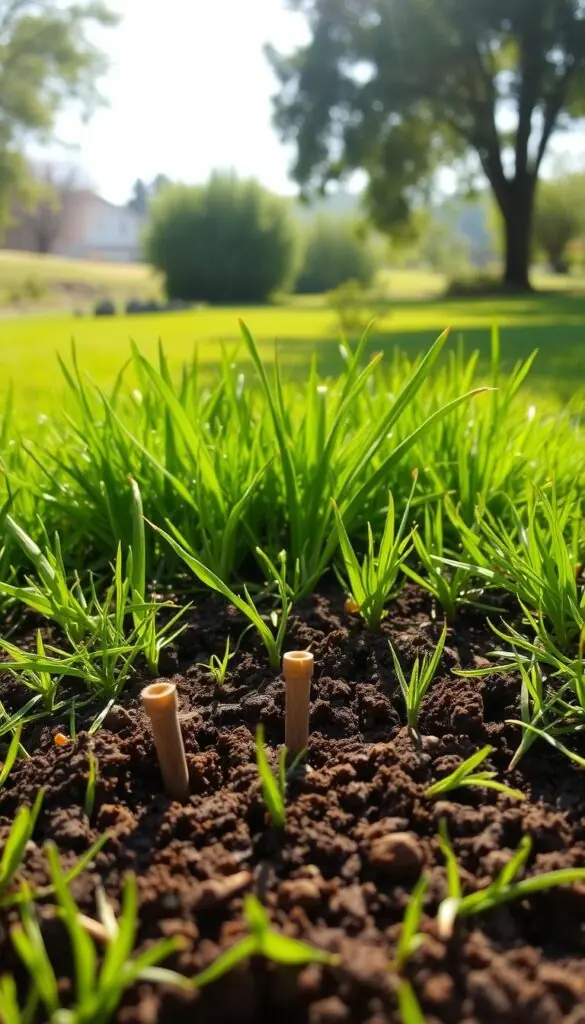
Use a core aerator that removes plugs about 3/4 inch wide and 3 inches long. Target 20–40 holes per square foot by making multiple passes in different directions.
DIY vs. pro and safety
Rent a machine for small yards; pros are useful for large lawns or stubborn soil compaction. Walk slowly, overlap rows, and read controls before starting.
"You’ll notice soft plugs on the surface, the earthy scent after rain, and a springier feel underfoot."
- Focus on compacted areas near sidewalks, driveways, and play areas with heavy foot traffic.
- Leave plugs to dry, then drag a mat or fencing to crumble them back in.
- Aeration pairs best with overseeding and a late nutrient boost.
| Step | Why | Result |
|---|---|---|
| Time it right | Soil moist, air cool | Better tine penetration and seed germination |
| Use core aerator | Removes plugs, reduces compaction | Improved drainage and oxygen for roots |
| Target high-traffic areas | Concentrated compaction | Thicker, healthier grass over time |
Overseed Like a Pro: Fill Thin Spots and Crowd Out Weeds
Add seed where your grass is thin and watch new roots quietly build strength through winter. Choose seed that matches your region and existing turf: Kentucky bluegrass for a fine look, fescue for shade and drought, and rye for quick cover.
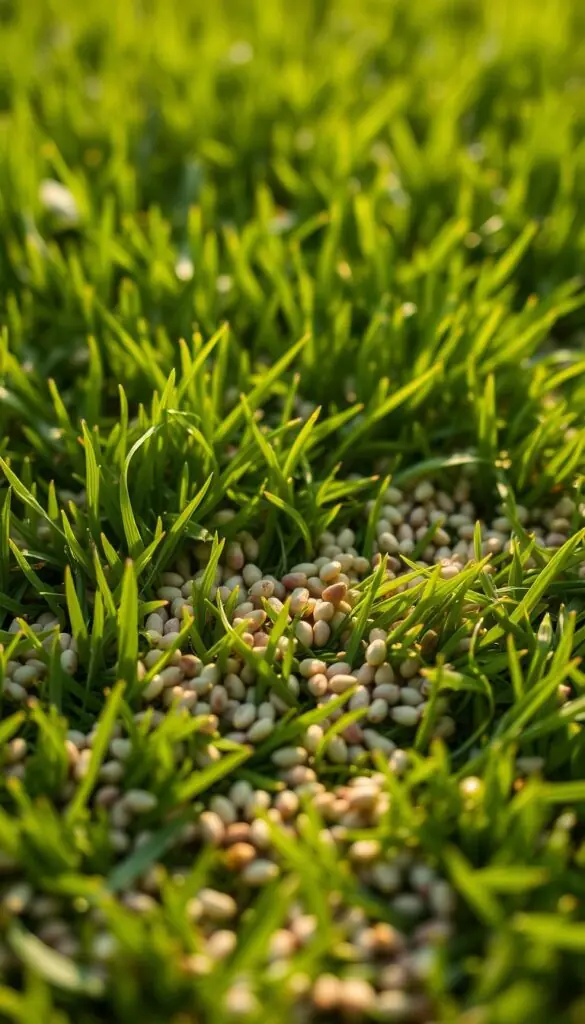
Timing and technique matter. For best results, overseed immediately after aeration so plugs give the seed natural pockets for soil contact. Mow to about 2 inches first, rake away debris, and use a broadcast spreader for even coverage.
Simple steps for quick germination
- Lightly rake to cover seed 1/8–1/4 inch; a gentle roll presses seed into the soil without burying it.
- Keep the top inch of soil consistently damp — water 1–2 times daily until sprouts appear (7–21 days).
- Mark thin spots and pathways so you can avoid heavy foot traffic while seedlings establish.
Spot-seed pet paths and mailbox corners to thicken turf and push out future weeds. Pair overseeding with a light, slow-release feeding to support roots without forcing weak top growth.
"A soft haze of green usually shows in a few weeks — your patience now pays off with stronger growth come spring."
Fertilize for Roots: Fall Nutrients for Winter Strength
Late-season nutrients quietly armor your grass for winter and a strong spring start.
Choose the right analysis: pick a slow-release granular fertilizer around 24-0-10 for cool-season turf. That high potassium, low phosphorus mix helps roots store energy without forcing soft top growth.
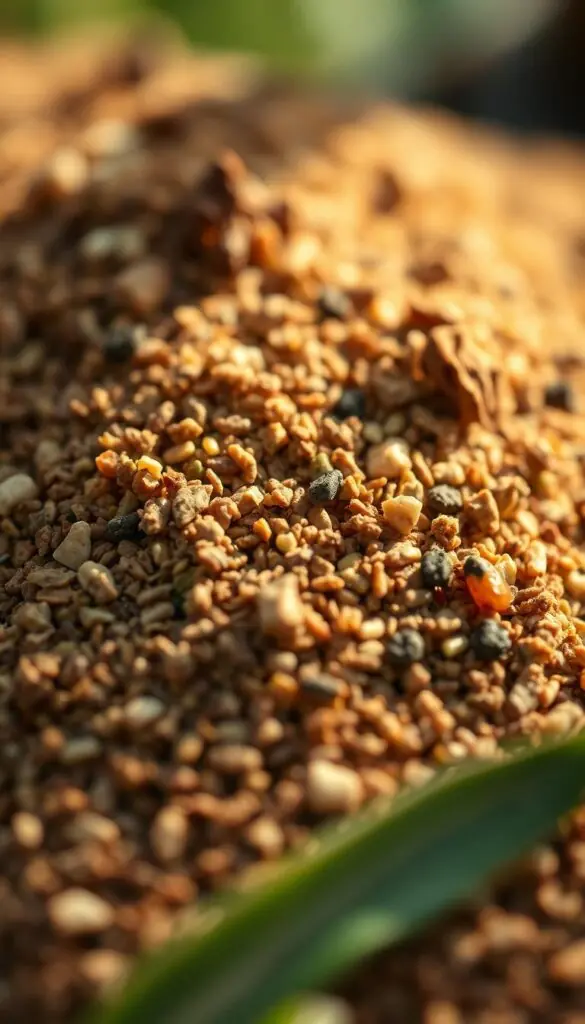
When and how to apply
Apply in mid- to late fall, roughly 3–4 weeks before your first expected frost. The goal is steady root feeding while top growth slows.
Calibrate your broadcast spreader to the label rate, make slow, overlapping passes, then water thoroughly so nutrients move into the soil and reach roots.
Common mistakes to avoid
- Do not over-fertilize — more causes runoff and weak spring shoots.
- Avoid spreading near storm drains, sidewalks, or driveways to protect waterways.
- Skip a second dose; one well-timed application is enough for the season.
"There’s a simple comfort in the smell of fresh granules and the quiet rhythm of the spreader on a cool afternoon."
| Product | Timing | Rate (per 1,000 sq ft) | Benefit |
|---|---|---|---|
| Slow-release 24-0-10 | 3–4 weeks pre-frost | 1.0–1.5 lb N | Stronger roots, steady spring green-up |
| Low-phosphorus blend | Late season | Follow label | Protects waterways, supports root health |
| Light soil amendment + feed | After aeration | As directed | Improves seed-to-soil contact and nutrient uptake |
Water Wisely as Temperatures Drop
As temperatures drop, a steady, simple watering routine keeps roots healthy and resilient. Aim for about one inch of water per week, counting rainfall. That quiet balance supports deep roots without inviting disease.
Use a rain gauge or a tuna can to measure how much your sprinkler gives. Water deeply in one or two sessions each week so moisture reaches several inches into the soil.
Weekly target and timing
Keep your weekly target near one inch, including rain. Morning watering helps blades dry and reduces fungal risk in cool, damp weather.
Simple checks and adjustments
Try the footprints test: if your steps linger, it's time to water; if blades spring back, you’re set. For new seed, keep the top inch consistently moist until sprouts appear, then switch to deeper soaks.
- Avoid overwatering compacted areas—if puddles form, consider aeration.
- Store and drain hoses and nozzles after each use to protect them from cold snaps.
- Balance is the goal: enough moisture to sustain roots without encouraging fungus.
"Listen to the soft patter of a sprinkler and watch how footprints rebound—those small signs tell you when to give your grass what it needs."
Mowing in Fall: Height, Frequency, and Healthy Mulching
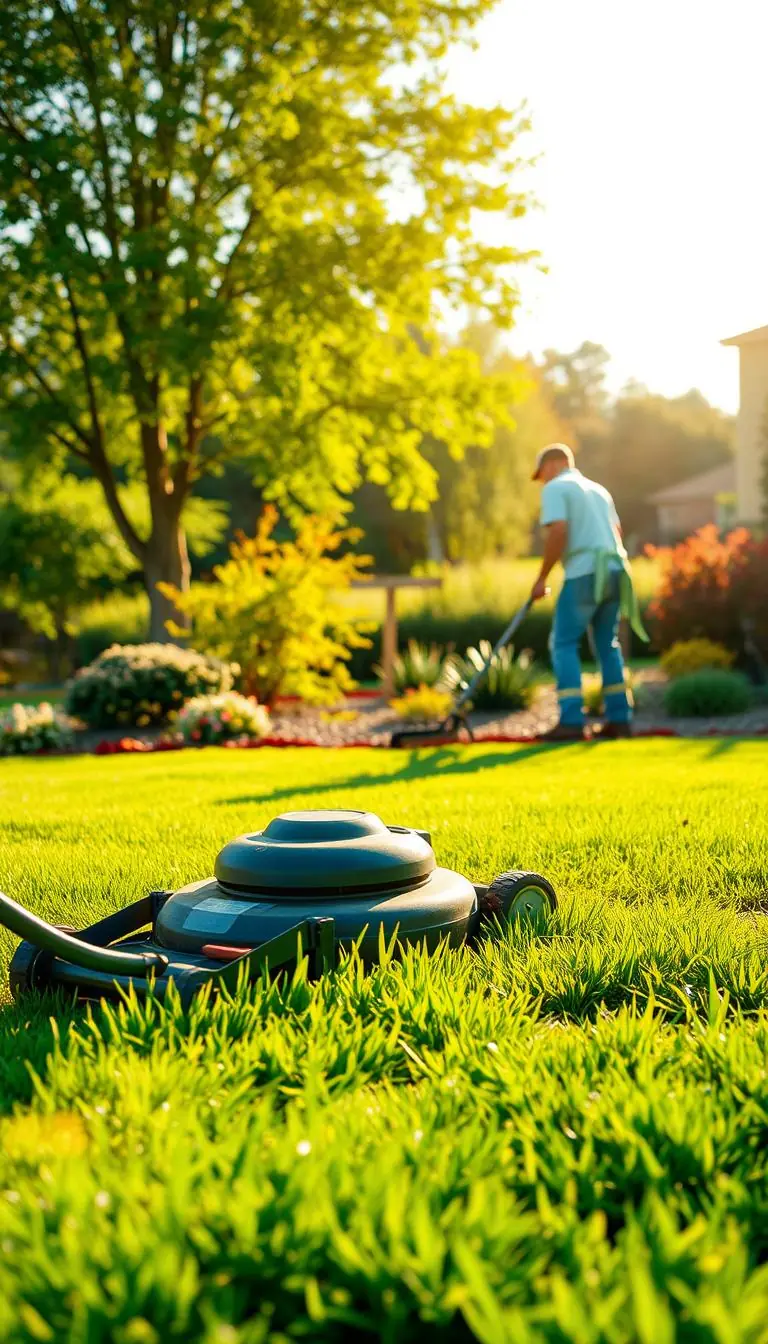
The steady hum of your mower on a cool afternoon marks a simple, satisfying task: keep grass tidy as temperatures drop. A few careful choices now help crowns stay strong and roots store energy.
Ideal height: set your mower to 2.5–3 inches and stick with it. Never remove more than one-third of the blade in a single pass — scalping weakens roots and invites winter weeds.
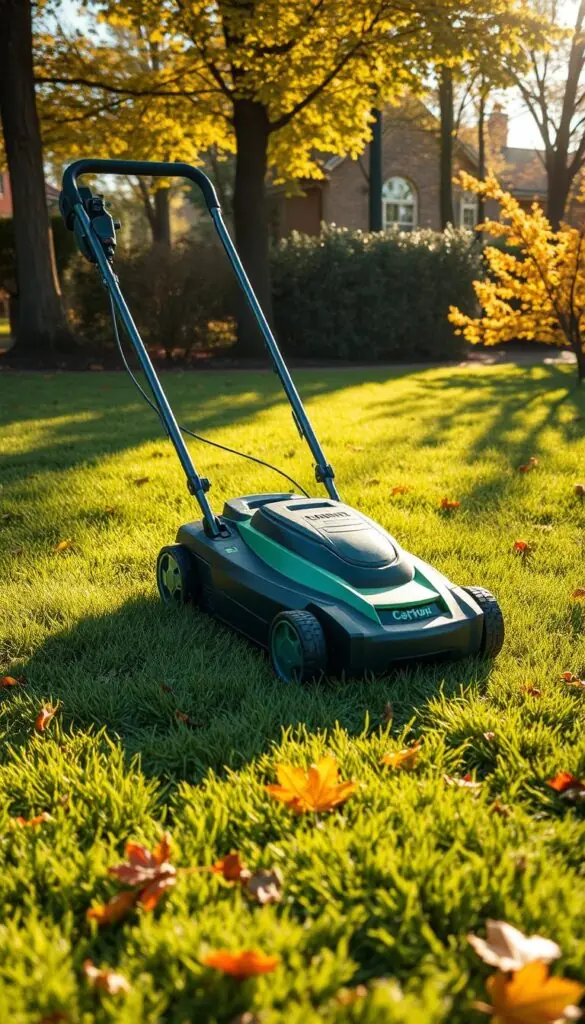
Frequency and finish
Mow weekly or as needed until daytime highs sit consistently near 50°F and growth slows. Mow dry grass for an even cut and to prevent clumping.
Keep blades sharp for clean cuts that reduce disease and browning. Alternate mowing patterns to limit wheel tracks and soil compaction.
Smart mulching and leaf care
Mulch thin, dry leaf layers into dime-sized pieces so they sift between blades and feed the soil. If leaves are thick or wet, rake or blow them first to avoid smothering the turf.
- Set your mower to 2.5–3 inches to protect crowns and photosynthesis.
- Take off no more than one-third of the blade each cut.
- Sharpen the blade and adjust height gradually as growth slows.
"A clean cut leaves grass upright and soft, and the sweet, earthy scent of mulched leaves is a small reward for steady care."
Leaves, Color, and Clarity: Manage Debris Without Smothering Grass
A tidy sweep of leaves does more than look neat; it helps water and light reach the soil where roots grow. Gold and russet leaves drifting across your yard are beautiful. Left in thick mats, they block sunlight and trap moisture, which can harm grass and invite weeds.
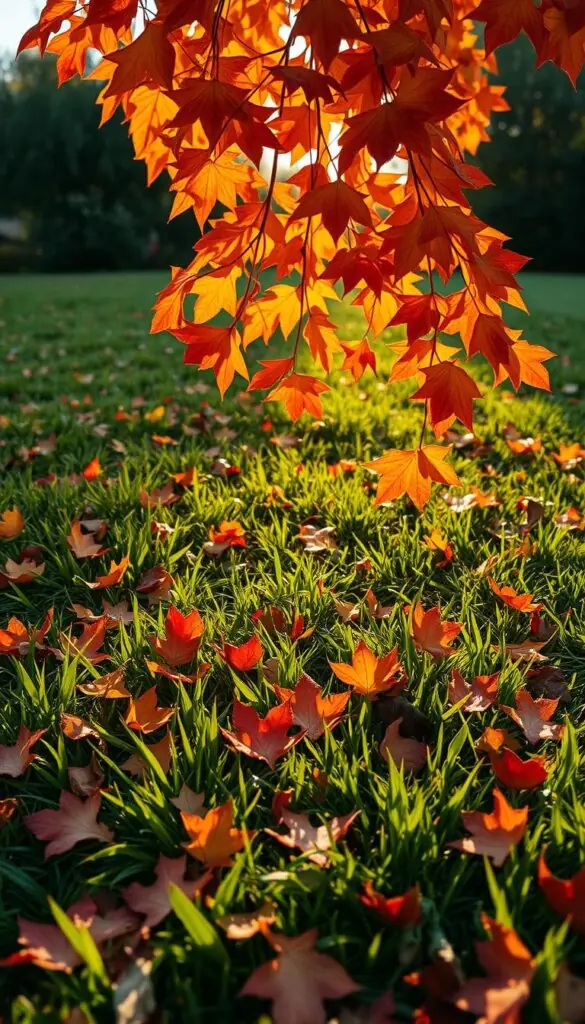
Rake, blow, or mulch: when each method shines
Choose the method that fits your time and tools. Rakes work well for weekly cleanup during peak drop. Leaf blowers speed large areas but watch the wind and neighbors.
- Rake: gentle, flexible tines are kind to the turf; do it weekly in peak fall.
- Blow: gather piles quickly; start near the house and work with the wind.
- Mulch with a mower: chop thin, dry layers so pieces fall between blades; remove heavy or wet layers.
- Compost clean leaves or add them as brown material in beds to feed soil and cut waste.
"Tackle high-visibility spots first if you are short on time; rotate through the rest over a few sessions."
Clearing leaves keeps your lawn healthy into spring and reduces disease risk. A neat yard also lets water reach roots and helps prevent winter damage.
Weed and Pest Control Before Winter
Before cold sets in, spot treatments and close observation save time and help new seed thrive. Address broadleaf weeds now when they move sugars into roots. Treating at this time gives herbicides the best chance to reach root systems.
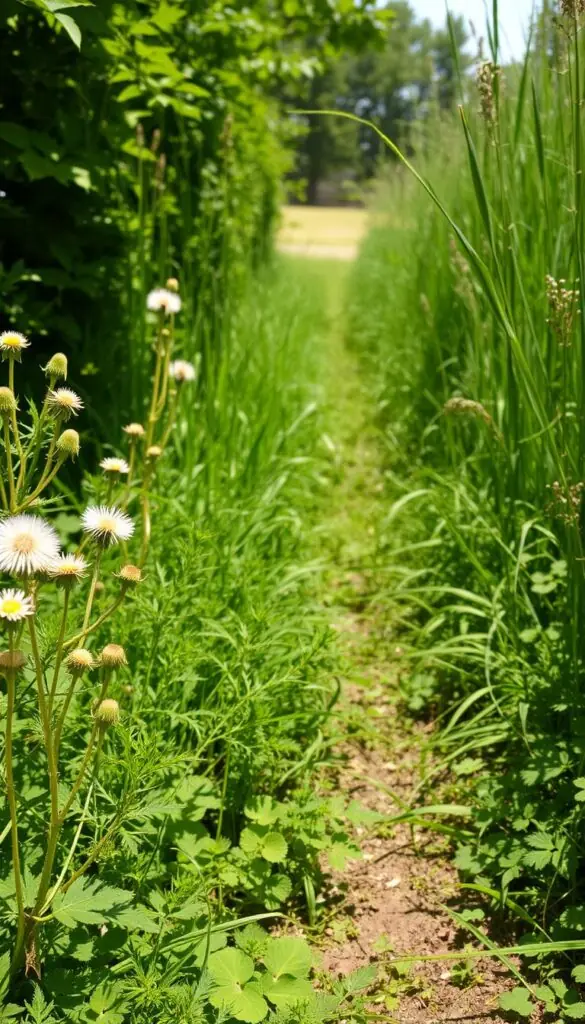
Spot-treat common targets: dandelion, clover, and chickweed respond well to selective mixes containing 2,4‑D, MCPP, dicamba, or triclopyr. Apply only where needed and follow the label exactly.
Watch for grub and armyworm signs
Look for birds pecking, spongy turf, or sudden brown patches. If you see these, act before the hard freeze and check local rules on permitted products.
- Spot-treat problem plants; pull small weeds by hand after rain when soil is soft.
- Avoid herbicides on newly seeded areas until grass is well established.
- Use selective products that spare grass and protect beneficial soil life.
- Water lightly after granular applications only if the label calls for it to avoid runoff.
"Treat only what you need, follow labels, and keep notes on what worked so you can refine your approach next season."
Protect High-Traffic Areas and Prevent Soil Compaction
Where people walk most, small changes protect soil and reward you with greener turf.
Compaction often shows up near paths and play zones. Heavy foot use squeezes soil, reducing air and water for roots. Focus on these areas first and use gentle fixes that fit your yard and routine.
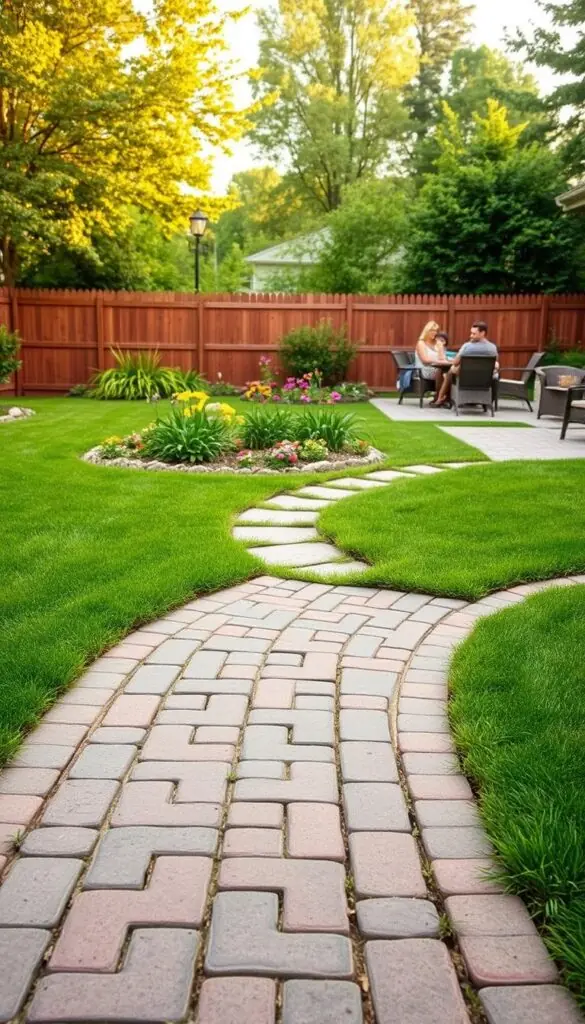
Paths and play zones: stepping stones, temporary fencing, and reseeding bare spots
Add stepping stones or mulch paths where people naturally walk. They look tidy and guide foot traffic to protect grass and soil.
Use a light rope barrier or plant markers to steer kids and pets away from newly seeded areas. Move games and furniture so the same square feet aren't pounded all season.
- Reseed bare spots after a light rake and a thin compost topdressing; keep the soil moist until sprouts appear.
- Schedule core aeration for compacted lanes and corners to open soil for air and water.
- In narrow side strips, consider a decorative gravel path to cut upkeep and avoid heavy wear.
"Guide footsteps gently and your yard will reward you with steadier color and thicker grass."
| Problem Area | Simple Fix | Expected Result |
|---|---|---|
| Pet paths and entrances | Stepping stones or mulch | Reduced soil compaction and clearer routes |
| Play corners and high-use strips | Temporary fencing, shift activities | Protected new seedlings and faster recovery |
| Thin or bare spots | Light raking, compost topdress, reseed | Denser grass and fewer future weeds |
Keep a small bucket of seed handy to touch up new scuffs. Avoid heavy use when soil is saturated to prevent ruts and puddling.
With a little care—stepping stones, gentle barriers, and timely aeration—you'll reduce soil compaction and keep your lawn comfortable and welcoming all season.
Regional Timing, Simple Calendar, and Tools Wrap-Up
Small, timely steps now save work and give better results come spring. Use this short calendar to spread tasks across weekends and keep your yard steady.
Sample calendar: September → November checkpoints
September: test soil, tune pH, topdress thin spots, lower mower to 2.5–3 inches, and apply a light fertilizer (about 1 lb N per 1,000 sq ft).
Early–Mid October: perform core aeration and overseed cool-season grass; keep watering so new seed stays moist and protected.
Late October: apply a potassium-rich fall fertilizer and water in; watch night temperatures and slow mowing as growth eases.
November: finish leaf cleanup, spot-treat stubborn weeds, plan your final mow, and prepare gear for winter storage.
Winterize gear and simple tool tasks
Clean and sharpen mower blades, change oil, and stabilize or drain fuel so your equipment rests ready. Drain hoses and sprinklers and store them dry to avoid damage from freezing temperatures.
- Track watering with a rain gauge and adjust for seasonal rainfall and temperatures.
- Keep a fridge checklist so tasks stay on time without stress.
- Spread work over weekends for steady, satisfying progress.
Finish the season with tidy edges, clean tools, and the quiet confidence that means greener results next spring.
Conclusion
Simple weekend tasks build a quiet, steady foundation for a vibrant spring.
Do the small, right things now — mow at 2.5–3 inches, manage leaves weekly, water about 1 inch, aerate, overseed, and apply a late fertilizer. These steps give your roots time to strengthen in cooler temperatures and let soil hold the right balance of air and moisture.
With steady lawn care, your grass and turf will show thicker blades, fewer thin spots, and measurable growth come spring. If summer stressed your yard, this season’s work resets the stage for strong recovery through winter and into spring sunlight.
Keep short notes on what you did and when. Take pride in tidy edges, simple tools, and the soft, earthy scent outside. Enjoy the quiet beauty of your yard — you’ve set it up for great results with calm, thoughtful care.
FAQ
When is the best time to overseed and fertilize for strongest spring results?
Aim for early to mid-autumn when soil is still warm but air temps have cooled. That window gives seed good soil contact and steady moisture for germination, while fertilizer supports root growth before winter dormancy.
How do I know if my soil needs lime or sulfur?
Start with a soil test from your county extension or a lab. Results show pH and nutrient levels. Add lime if pH is too low (acidic) or sulfur if it’s too high. Adjusting pH helps roots access nutrients and improves overseeding success.
Do I have to aerate before overseeding?
Aeration is very helpful, especially on compacted or high-traffic yards. Core aeration creates holes that improve air, water, and seed-to-soil contact. If your soil is loose and turf is thick, you can seed without aerating but results may be slower.
What kind of seed should I use for cool-season turf?
Choose grasses suited to your region: Kentucky bluegrass for a dense, lush look; tall or fine fescue for shade and drought tolerance; perennial ryegrass for quick germination. Use a blend that matches your existing turf and foot-traffic needs.
How do I ensure good seed-to-soil contact?
After spreading seed, gently rake to bury seeds slightly or use a slit seeder. Roll lightly with a lawn roller to press seed into the soil. Good contact improves germination and reduces seed washout from rain or watering.
What watering schedule helps new seed germinate without causing disease?
Keep the surface consistently moist. Light, frequent waterings several times a day for the first 2–3 weeks usually work, then gradually switch to deeper, less frequent watering as roots develop. Aim for about one inch per week total including rain.
How much fertilizer should I apply and when?
Use a slow-release fertilizer with higher potassium and moderate nitrogen in mid- to late fall. Follow label rates for your spreader. Avoid high-phosphorus blends unless your soil test shows a deficiency. Water in lightly after application.
Can I overseed areas with heavy foot traffic?
High-traffic spots need extra care. Reduce compaction first—add stepping stones, temporary fencing, or reroute traffic. Aerate, choose a durable seed mix, and protect the area with netting or signs until the turf is established.
How low should I mow during this season and should I mulch leaves?
Keep grass around 2.5–3 inches; never scalp. Continue mowing until growth stops. Light layers of mulched leaves are beneficial—chop them with a mulching blade so they don’t smother grass and add organic matter instead of removing it.
What are common mistakes to avoid with autumn care?
Don’t over-fertilize, which stresses roots and harms nearby waterways. Avoid seeding into very wet or frozen soil. Don’t skip soil testing or ignore compaction. And limit heavy foot traffic on seeded or newly fertilized areas until they’re established.
How do I handle broadleaf weeds and grub problems before winter?
Spot-treat broadleaf weeds with a targeted herbicide in early fall when they’re actively moving nutrients to roots. For grubs, look for brown patches or spongy turf; treat according to local guidelines in late summer to early fall when larvae are small and vulnerable.
What tools should I have on hand for a successful autumn program?
Keep a core aerator (rental is fine), spreader, rake, wheelbarrow, garden fork, soil test kit, lawn mower with a sharp blade, and a rain gauge. These help you test, loosen, seed, fertilize, and monitor moisture for best results.
How does regional timing affect the schedule from September through November?
Cooler northern zones start earlier—late August to early September is common—while milder regions can seed into October. Check local extension recommendations and follow a simple calendar: test and aerate early, seed mid-period, and fertilize later in the season.