Imagine the cool morning air on your face and the soft spring of turf underfoot as you step outside before the sun climbs high.
You notice a few pale patches and wonder what to do. You want a lush lawn that stays green through long, hot days without wasting water or time.
These simple steps give you a calm routine: quick morning checks, smart watering in cool hours, and small tools like a screwdriver to test soil depth and a hose timer to save water.
We cover when to raise your mower, why sharp blades matter, and how to spot underwatering (bluish‑gray blades) versus overwatering (puddles, musty smells).
You’ll learn easy feeding with slow‑release fertilizer and iron, plus gentle core aeration and dethatching when nights stay warm enough.
By the end you’ll have a clear, confident plan to care for your lawn through the heat and enjoy a sunlit, green space outside your door.
Key Takeaways
- Check soil moisture with a screwdriver and water early to encourage deep roots.
- Mow higher and follow the one‑third rule with sharp blades for better color and softness.
- Water no more than every three days and aim for 6–10 inches of root-zone moisture.
- Use slow‑release fertilizer with iron every 4–8 weeks and water it in after application.
- Prefer core aeration over spiking and dethatch when nights are consistently warm.
Start Smart: Set Your Summer Lawn Up for Success
Step into the cool air just after dawn and let the yard speak to you through touch and sound. The damp blades underfoot, light bird song, and stillness tell you more than a checklist ever will.
What to look for on that walk:
- Feel the turf—note scratchy or soft spots that hint at shallow roots or uneven watering.
- Press a flat-head screwdriver into the soil in several spots; it should slide in a few inches. If it resists, your lawn needs deeper water or aeration.
- Listen for sprinklers. Hissing or spitting heads mean clogged nozzles or misaligned spray that waste time and water.

Gather the right tools
Lay out gloves, a screwdriver, small pliers, extra nozzles, a broadcast spreader, and four tuna cans for a quick sprinkler distribution test.
"Do your checks early. Cooler hours cut evaporation and give you a clear picture before heat hides problems."
Quick tips: Make sure your mower is clean, the blade is sharp, and the deck is set higher for warm weather. Check soil temperatures—if warm‑season grass hasn't started growing, hold off on heavy fertilizer or dethatching for a few days.
Watering That Works in High Heat
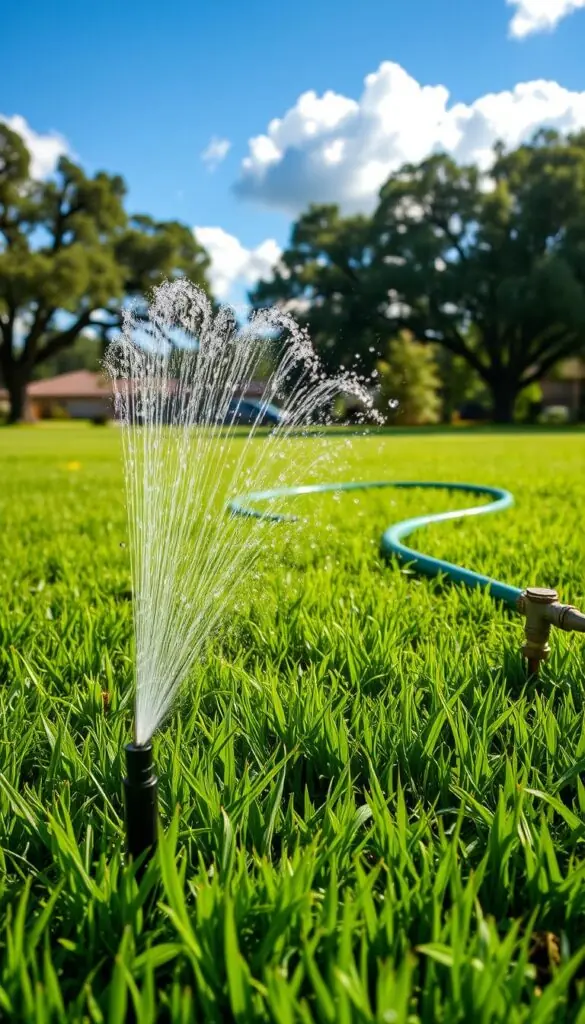
When the air is quiet and the lawn is cool, you get the most from every drop. Watering at dawn—around 5–6 a.m.—lets moisture sink in before the day warms. This simple timing reduces evaporation and helps roots drink deeply.
The depth test you can do right now
Aim to wet soil 6 to 10 inches. Push a screwdriver into the ground after a run; it should slide in to at least 6 inches. Use tuna cans to measure how much your sprinklers apply and where coverage skips.
Rhythm: every three days, not every day
Watering every three days trains roots to seek moisture deeper in the soil. That makes the lawn tougher through hot months and saves you time and water.
Split sessions for clay and slopes
On clay or sloped areas, run sprinklers twice with a 15–30 minute pause. That prevents runoff and improves absorption.
Quick checks for trouble
- Underwatered: bluish-gray tint, slow spring-back, turf still warm at night.
- Overwatered: puddles, musty odor, mushy spots, or mushrooms.
- Shade areas: cut run times ~30% to avoid soggy soil.
| Soil Type | Typical Run Time | Split Sessions | Notes |
|---|---|---|---|
| Sandy | 20–30 minutes | No | Drains fast; fewer minutes more often |
| Loam | 30–45 minutes | Optional | Balanced absorption and retention |
| Clay | 40–60 minutes | Yes, 2 runs (15–30 min gap) | Prevent runoff; allow soak-in |
| Sloped | Shorter runs, repeat | Yes | Use multiple short cycles |
"Set your controller to dawn; the cool, still air makes every drop count."
Mow Higher, Stress Less
Raise your mower deck and let taller blades do the hard work of shading soil and calming heat stress.
Longer blades shade the ground, slow evaporation, and help roots stay cool under the sun. A small change in height protects the lawn and keeps color steady through hot days.
Set height by type
Adjust by grass type:
- Bermudagrass: 0.5–2.5 inches (use the higher end when heat rises)
- St. Augustine: 3.5–4 inches
- Zoysia: 1–2 inches
- Buffalograss: 2–3 inches
The one‑third rule and blade care
Never remove more than one third of blade height at once. If turf got tall, step down over two or three mows to avoid scalping.
Keep the mower blade sharp. A clean cut heals fast and keeps color rich.
"Change your mowing pattern each week — it prevents ruts and keeps roots from compacting."
| Action | Why it helps | Quick tip |
|---|---|---|
| Raise deck | Shades soil, protects roots | Use higher end for heat |
| Follow one‑third rule | Reduces shock and ragged cuts | Step down if lawn is overgrown |
| Sharp blade | Cleaner cuts, faster recovery | Sharpen twice per season |
| Alternate patterns | Prevents compaction and ruts | Rotate direction weekly |
Feed for Color and Calm Growth
Keep feeding simple: small, measured doses that strengthen roots and steady color. Use a slow‑release, nitrogen‑forward fertilizer with iron for established turf to deepen green without forcing frantic growth.
How much and how often: apply about 0.5 lb nitrogen per 1,000 sq ft every four to eight weeks. Adjust by how the lawn looks week to week. If blades turn pale and thin, a light feed helps. If growth surges and thatch rises, hold off.
Tools: a broadcast spreader, gloves, and a hose. Load the spreader and sweep stray granules back onto turf—keep product off sidewalks and driveways.

- Apply in the cool of morning or evening, then water thoroughly; you’ll notice a fresh, earthy scent as nutrients soak into the soil.
- Broadcast half north–south, the rest east–west for even coverage.
- If your soil runs alkaline, consider a foliar iron spray to boost color without extra nitrogen.
"A steady, light feeding keeps roots happy and prevents thirsty, shaggy growth."
Pair feeding with a slightly higher mow and keep your watering rhythm—well‑fed turf drinks efficiently on an every‑three‑days schedule. This gentle routine gives you good color and calmer, deeper roots all summer.
Aerate and Dethatch to Help Roots Breathe
Once nights stay in the mid‑60s and your lawn is growing, it’s the right time to open the soil and relieve compaction. Core aeration pulls plugs a couple of inches deep and creates channels for water, air, and fertilizer to reach the root zone.
Core versus spike, and safe dethatch settings
Rent a core aerator instead of using a spike. Spikes compact around holes; cores remove plugs and work well in clay soils. Aim for plugs about 2 inches deep.
If thatch feels springy and measures over 1/2–3/4 inches, use a power rake. Set blades roughly a quarter inch above the soil so you lift old debris without gouging crowns or roots.
- Plan aeration once warm nights settle in so recovery happens quickly.
- Rake up loosened plugs and mow once to tidy the surface.
- Dethatch before you apply fertilizer so nutrients soak into the soil evenly.
- Water after aeration to settle soil and encourage root growth into the new channels.
"A light pass with the right product and timing helps the lawn green and thicken over the following weeks."
If compacted spots stay hard between waterings, mark them and plan a second pass in a few months. This steady care keeps grass resilient and the lawn breathing well.
summer grass maintenance for Warm‑Season Lawns
Knowing each turf's quirks helps you spend less time fussing and more time enjoying the yard.
Warm-season grasses like Bermuda, Zoysia, and St. Augustine behave differently in Phoenix, Mesa, or Tucson. Pay attention to the type of lawn you have and to local weather so you can fine‑tune care without guesswork.
Adjusting care by turf type
- Bermudagrass: raise the mow height, water deeply on your every three days rhythm, and feed lightly for steady color.
- Zoysia: watch soil pH and add iron if it dulls. Keep heights higher and follow the three‑day watering routine.
- St. Augustine: use gentler fertilizer rates—about half the nitrogen of Bermuda—and consider potassium and magnesium blends.
- Blue grama & Buffalograss: native, low‑input options. Mow higher and water sparingly to enjoy soft texture with less fuss.
If you overseed with rye, plan an April–May transition back to warm-season growth and delay heavy work until new shoots are strong.
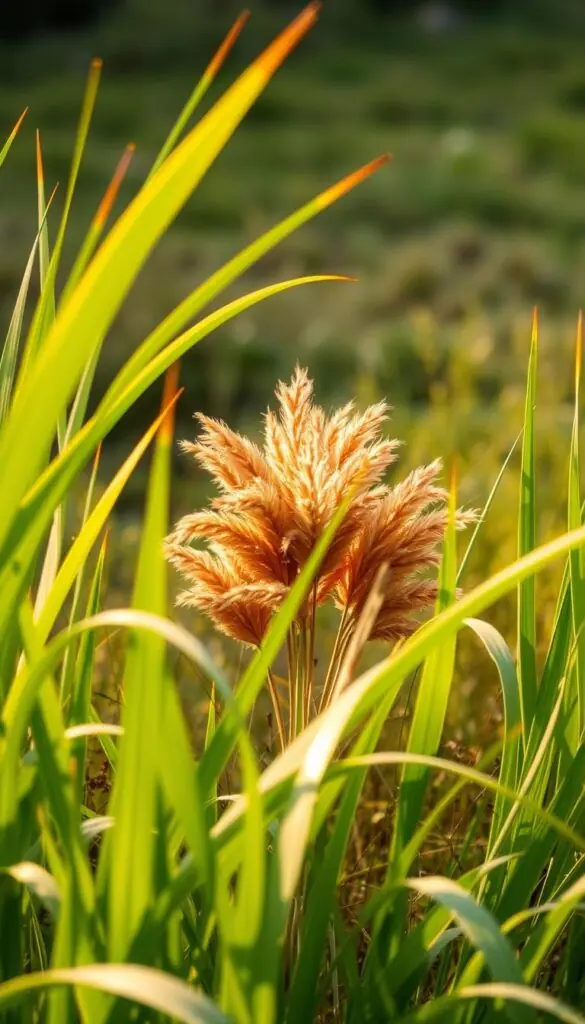
"Consider a small, shapely turf area where you spend time — it saves water and keeps a green retreat."
Keep Irrigation Efficient and Even
A quick walk with tuna cans and an eye for spray direction saves water and stress later. Small fixes now keep your system even and your lawn healthier through hot, sunny days.
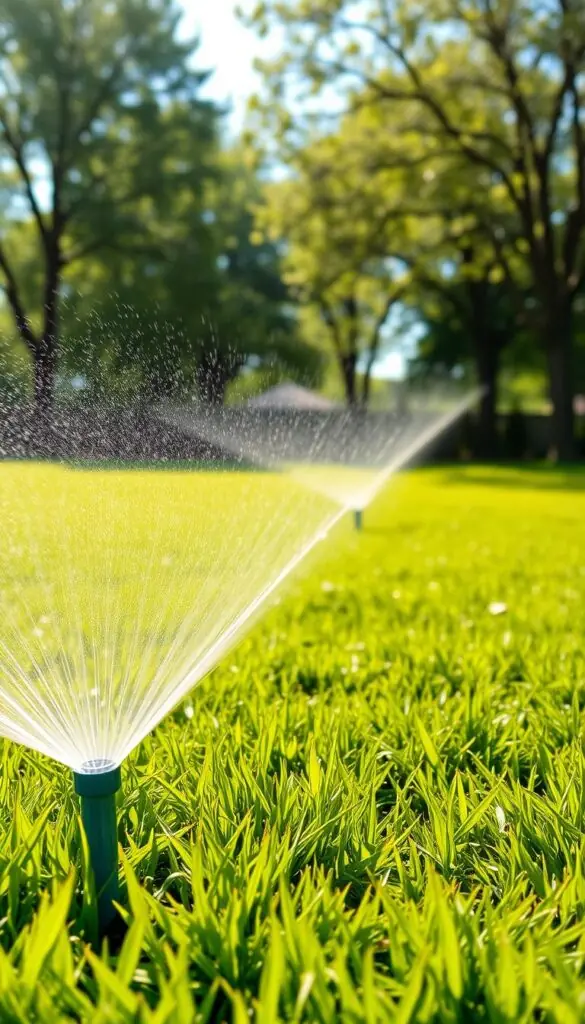
Follow these friendly, actionable tips to tune zones so each patch gets what it needs.
Sprinkler coverage, matched nozzles, and quick fixes
- Make sure three heads overlap each area so you get true head‑to‑head coverage and no dry rings.
- Use the same nozzle type and size across a zone; mismatched parts create soggy pockets and bare spots.
- Turn heads to aim spray at turf, not sidewalks or walls, to keep water on the lawn and reduce staining.
- Replace broken or missing heads quickly — a missing head can waste 12+ gallons per minute and lower pressure elsewhere.
- If one corner stays pale, add a head instead of lengthening run times on the whole zone.
Shade, wind, and rainy‑day pauses
Reduce run times about 30% where shade keeps soil moist. On windy days, water earlier when air is calm so droplets land where you want them.
Pause irrigation after a good rain and split cycles on clay: run two shorter sessions back‑to‑back so water soaks in instead of running off.
"Walk zones monthly with a screwdriver and tuna cans — small tweaks keep color even and the surface cool under the sun."
Weed and Patch Care Without the Hassle
A dense, slightly taller canopy is your easiest defense against patches and fast‑sprouting weeds. Let the turf do the heavy lifting by shading soil and blocking light that many weeds need to start.
Simple pre‑emergent timing: apply in early spring when soil warms to the mid‑50s°F to stop summer weeds before they appear. Use this spring window and avoid runoff onto beds or gravel where it can fuel weeds later.
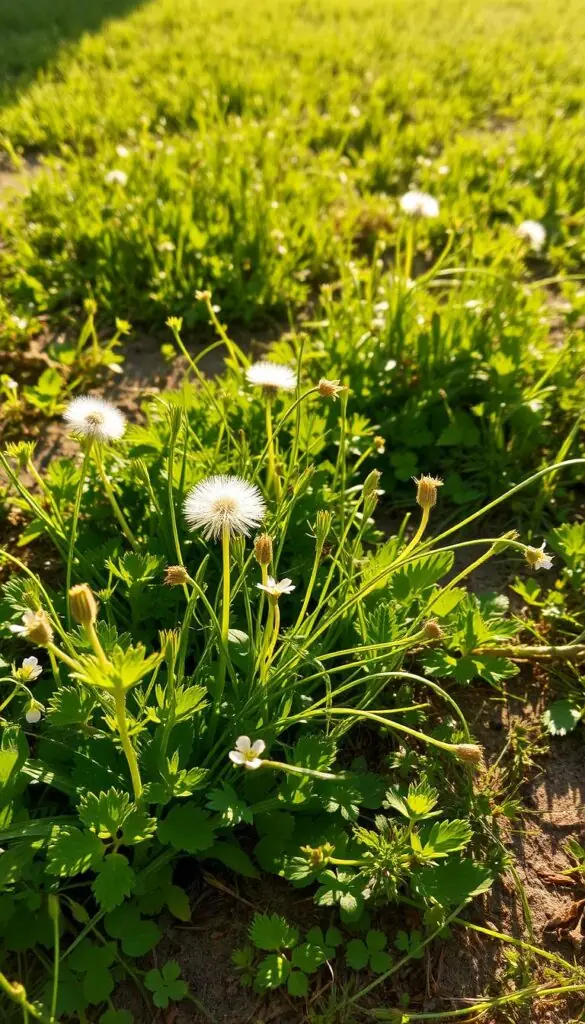
When to seed small patches
For tiny bare spots, roughen the surface, sprinkle the proper seed for your lawn type, and press seed into good contact. Lightly cover with a thin layer of soil or compost to hold moisture.
In hot weather, mist new seeds several short times each day until sprouts show. After germination, cut back to 1–2 light waterings daily, then move toward every three days as roots deepen.
- Keep the canopy a bit taller to shade soil and reduce weed emergence.
- Feed thin areas lightly—too much fertilizer opens room for weeds.
- Pull visible weeds early or use small spot treatments to stop seed spread into fall.
- Avoid runoff; steady, even moisture at the surface protects seeds and prevents weeds in borders.
"Thicker turf is the low‑work pre‑emergent: it shades seeds out and saves you time later."
Conclusion
A brief, steady routine is the easiest path to a yard that stays healthy and calm.
Keep it simple: water lawn at dawn no more than every three days, raise mowing heights by type, and feed with a slow‑release formula with iron every 4–8 weeks.
Aerate lawn and lightly dethatch when nights reach the mid‑60s°F so roots can breathe and spread. Match cut heights to your warm‑season grasses and follow the one‑third rule with a sharp blade.
If you miss a beat, don’t worry — lawns forgive. Step outside, feel the cool, green turf underfoot, and adjust time, water, or height with a calm hand. You’ll keep lawn care simple and the yard inviting all season.
FAQ
How often should I water my lawn in high heat?
Water deeply but infrequently — aim for a thorough soak every three days for most warm-season lawns. Deep watering trains roots to grow downward, improving drought resilience. Adjust frequency for heavy clay or very sandy soils and for newly seeded patches.
What’s the best time of day to water?
Water in cool, still mornings. Early hours reduce evaporation and fungal risk, and allow the soil to absorb moisture before midday heat. Avoid evening watering that leaves blades wet overnight.
How do I check if I’ve watered deeply enough?
Use a screwdriver or a simple can test. Insert a screwdriver into the soil — moisture should reach roughly 6 to 10 inches for established turf. For a can test, measure runoff timing and adjust session length until water soaks in without running off.
Should I split watering sessions on slopes or clay soils?
Yes. On slopes and dense clay, split watering into two short sessions a few hours apart to let water soak between cycles. This prevents runoff and ensures deeper infiltration.
How high should I set the mower during hot months?
Mow slightly higher than in cooler months. Recommended heights depend on turf type — for example, Bermuda prefers shorter cuts than Zoysia or St. Augustine. Taller grass shades soil, reduces stress, and helps retain moisture. Always follow the one‑third rule: never remove more than one‑third of blade length at once.
How often should I sharpen mower blades and why?
Sharpen blades at least once per season, or sooner if you notice ragged cuts. Sharp blades make clean cuts that heal faster, reducing stress and disease risk during hot spells.
When is it safe to apply fertilizer in warm weather?
Use slow‑release formulas with iron and apply during periods of moderate temperatures, usually early morning. Avoid heavy feeding during extreme heat spikes. Light, measured applications help color and steady growth without forcing weak, water‑hungry surge growth.
Can I aerate or dethatch during warm months?
You can core aerate and dethatch once warm nights arrive and turf is actively growing. Aeration reduces compaction and helps water and oxygen reach roots. Use core aerators rather than spike tools for best results, and avoid major disruption during heatwaves.
How should care differ for warm‑season varieties like Bermuda or Zoysia?
Tailor height, watering, and mowing to each species. Bermuda tolerates lower cuts and more frequent traffic; Zoysia prefers slightly higher mowing and steady moisture. Buffalograss and Blue grama need less water and lower fertility, making them good choices for limited‑turf areas.
What irrigation checks keep my system efficient?
Ensure head‑to‑head coverage, matched nozzles, and correct sprinkler alignment. Test zones for even soak times and fix clogged heads. Adjust runtimes for shady spots, windy days, and pause schedules on rainy days to save water.
How do I control weeds without harming established turf?
Dense, taller turf is your best pre‑emergent defense. Hand‑pull or spot‑treat weeds when small, using selective herbicides labeled for your turf type. Avoid broad applications during heat stress and follow product directions closely.
When should I overseed or spot‑seed thin patches in warm weather?
Avoid main warm months for overseeding. For spot repairs, seed during cooler windows or transition periods with consistent moisture. Keep new seed moist with light, frequent waterings until seedlings establish, then shift to deeper cycles.
How can I tell if I’m overwatering or underwatering at a glance?
Underwatered turf looks dull, with blades folding or footprints that don’t bounce back. Overwatered areas may be spongy, show fungal patches, or have surface runoff. Check soil moisture with a screwdriver to confirm.
Are there quick summer care tools I should have on hand?
Keep a reliable mower, a screwdriver for moisture checks, a spreader, sprinkler tune‑up tools, and gloves. These simple items help you monitor, feed, and irrigate efficiently so your yard stays lush and healthy.