
On a cool, sunlit morning you step outside and smell fresh mulch and cut grass. Do you want a simple, calm plan to get your yard ready for the season?
You’ll get friendly, step‑by‑step guidance that builds confidence. We show the right time for raking, mowing, seeding, and watering so tasks feel easy and clear.
Start small: tune your mower, use a flexible rake, and keep a sharp blade. Aim to mow high (3–4 inches) and never cut more than one‑third at once.
We also cover soil pH tests, light amendments, and practical water targets (about 1 to 1½ inches per week). Follow gentle timing cues—early, mid, and late—and use simple tools like a spreader or hose to make work smoother.
By the end of this short guide, you’ll have a calm routine that helps your lawn look lush now and through the year.
Key Takeaways
- Mow high (3–4") and avoid removing more than one‑third at once.
- Tune your mower before the first cut and rake after the grass greens up.
- Test soil pH; lime raises pH, compost or sulfur can lower it.
- Water about 1–1½ inches per week in spring, increasing later.
- Use pre‑emergent early if not seeding; spot‑treat visible weeds otherwise.
- Late spring is the typical time for optional grub control if needed.
Welcoming spring: what to do first for a calm, confident start
Begin with simple wins that make the yard look cared for and give you momentum. Walk slowly and listen for the snap of dry twigs underfoot. That single walk sets a calm pace and reveals easy tasks.
Pick up twigs, small branches, gravel, and any windblown trash. Scoop pet waste so your mower stays protected and your space looks tidy.
While soil is soft, edge beds with a half‑moon edger or sharp spade. Cut a 2–3 inch V‑shaped trench for a clean, peaceful line that instantly looks intentional.

Hold off on raking until the turf begins to green. Waiting helps young shoots avoid damage.
- Note soggy spots, thin patches, or matted areas so you can fix them later.
- Keep a flexible rake, spade, gloves, and a bucket nearby for quick work bursts.
- Write a short plan: cleanup now, mower tune‑up next, then soil checks.
Small, steady steps let the season guide your time. Enjoy the clean edges, soft soil, and the gentle scent of earth as you welcome the new season.
Early spring reset: tidy, rake, and assess your lawn’s winter wear
Begin with a slow, quiet sweep to clear winter's leftovers and make tasks feel simple. Walk the yard and pick up small branches, stray gravel, and obvious debris. The soft clack of bits hitting a bin tells you progress is happening.

Quick clean-up: branches, gravel, and debris to protect your mower
Make one gentle pass to remove hazards. This keeps blades safe and stops rocks from chipping paint or windows.
Rake when the lawn greens up: gentle dethatching under 1/2 inch
Wait until grass shows a hint of green so blades are firmly rooted. Use a flexible leaf rake and lift surface thatch only when it exceeds a half inch.
Spot snow mold and matted blades: loosen so new growth can push through
If you find pale, matted patches from snow, gently tease them apart so light and air reach the shoots. This helps grass recover faster.
Define edges and refresh mulch once soil warms
Edge beds with a 2–3 inch V-shaped trench for a crisp line. Apply 2–3 inches of shredded mulch to planting areas to retain moisture and hide weeds.
- Keep the rake touch light—early grass is tender.
- Note thin areas and small bare patches now so you can seed later.
- A tidy surface makes the first mow smoother and safer.
| Task | Timing | Why it matters |
|---|---|---|
| Debris sweep | Early, before first mow | Protects mower and speeds cleanup |
| Light raking | Once grass shows green | Removes thatch >½" without harming shoots |
| Snow mold loosening | As soon as you spot pale patches | Improves air flow and recovery |
| Edge & mulch | After soil warms | Sharp beds and moisture retention |
Small, steady steps and these friendly tips help your grass ease out of winter. Take time, work gently, and you’ll set a calm rhythm for the season ahead.
Tune up your mower and nail the first mow for healthy growth
Start by tuning tools so the first cut feels smooth and sure. A little prep makes mowing calm and rewarding. You’ll hear the sun‑warmed engine settle and feel the crisp snip of a sharp blade.

Quick tune: oil, filter, spark, and a sharp blade
Before the first cut, give your mower 30–60 minutes of attention. Change the oil, swap or clean the air filter, and check the spark plug. A sharp blade severs grass cleanly instead of tearing it.
If the engine is stubborn on a cool morning, set the mower in the sun for an hour or two. The warm tank and oil make the first start easier; remove any cover before starting.
Mow high, dry, and steady for strong roots
Plan your first mowing on a dry day. Wet clippings clump, block light, and strain the machine.
- Follow the one‑third rule: never cut more than one‑third of the blade length at once to protect roots.
- Most grass does best at 3–4 inches; adjust by type—Bermuda and bentgrass like shorter cuts.
- Walk a steady pace with overlapping passes so the surface looks even and calm.
- Leave short clippings when possible; they return light nutrients and simplify work through the week.
Listen for a smooth engine tone. If it surges or stalls, pause and check the filter or fuel cap. Small checks now give confident, simple results and help your outdoor space thrive with gentle, neighborly care.
Soil, fertilizer, and weed game plan for spring lawn care
A quick soil test saves time and helps you choose the right fertilizer and treatments.
Start with soil. Send a sample to your local extension for a pH report. That short lab note tells you if lime or a soil amendment is needed so your turf can thicken and hold color.
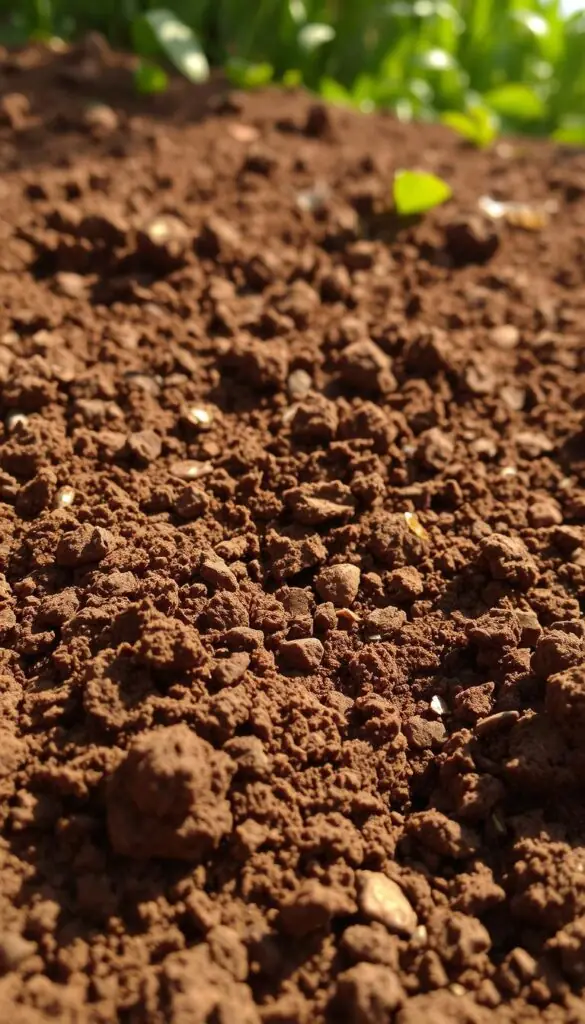
Test pH and amend simply
If the report shows acidity, apply lime with a drop spreader to raise pH slowly. If soil is alkaline, top‑dress with compost or add elemental sulfur to nudge pH down. Small, measured moves work best.
Feed lightly and on schedule
Plan one light fertilizer application around your first mowing, then wait 6–8 weeks before a second. Use a slow‑release formula so nutrients arrive gently and encourage steady growth.
Pick the right weed approach
Use pre‑emergent only where you will not seed. For existing weeds, choose post‑emergent and favor spot‑spraying with a hand sprayer. This protects beds and keeps treatments minimal.
"Light, well‑timed nutrients and a pH check often beat heavy inputs."
- Keep tools simple: a clean spreader and a small sprayer make work neat.
- Avoid pre‑emergent if you plan to seed—seedlings need open soil to take root.
- Read labels and match products to your grass type and climate.
| Focus | Action | Timing | Why |
|---|---|---|---|
| Soil test | Send sample to extension | Early season | Guides lime or compost choices |
| pH amendment | Lime or sulfur/compost | After test, when soil workable | Balances nutrients and root health |
| Fertilizer | Light, slow‑release via spreader | Around first mow; repeat 6–8 wks | Steady feed reduces weeds |
| Weed control | Pre‑emergent vs post‑emergent; spot spray | Match to seeding plan | Targets weeds, limits chemicals |
Seed smart: repair bare spots, overseed thin areas, and water right
A few simple steps—mow a touch shorter, add dark topsoil, and sow evenly—bring quick rewards.

Prep and seed
Trim your grass a notch lower and bag clippings so seed meets soil. Lightly rough the surface with a rake so seeds can settle into contact with dark topsoil.
Sprinkle a thin layer of topsoil over bare patches, then sow evenly. A small hand spreader works well for tight areas and gives a neat finish.
Starter nutrition and moisture
Apply a gentle starter with slow‑release nitrogen to help new grass establish without forcing too-fast growth.
Keep the seedbed evenly moist with light, frequent misting each morning. That steady moisture helps tiny roots form and keeps seeds from drying out.
Watering targets
Aim for about 1 to 1½ inches of water per week while seedlings appear. Track rainfall with a can so you hit weekly targets without guesswork.
Once seedlings sprout, move to deeper, less frequent watering to encourage strong roots. As days warm, add an extra water day and protect young areas from heavy foot traffic.
- Protect new grass from traffic; mark spots with stakes and twine.
- Mow around seedlings until they reach a safe height; then cut high and gentle.
"A little prep and steady watering give the best odds for lush, lasting growth."
Address compaction, pests, and diseases without inviting more weeds
Start by watching where people and pets walk; those paths often tell you where problems begin.
Check high‑traffic paths and play areas. If the soil feels hard or water pools, compaction is likely and thin grass follows.
Aerate only when you must. Postpone major aeration to fall when possible. Spring aeration can open the surface and let weeds take hold. If the compaction is severe, target late spring near Memorial Day and monitor for new weeds afterward.
Lift a small sod square to look for white, C‑shaped grubs near the roots. If you find active grubs, treat in late spring with a focused product aimed at those larvae.
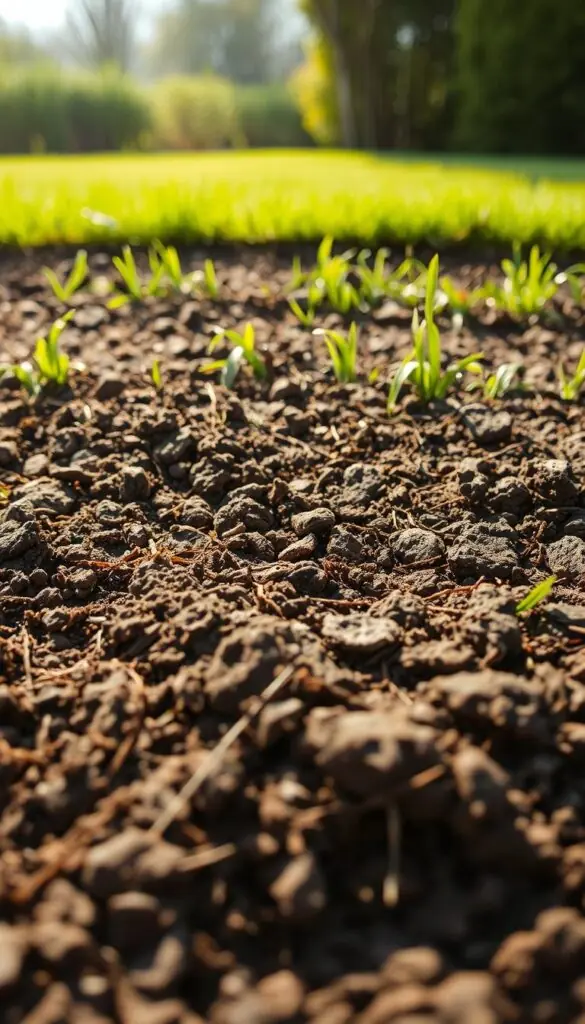
Quick, focused steps
- Spot‑treat disease patches with a targeted fungicide and improve airflow by trimming nearby plants.
- Raise mowing height a touch to reduce stress and help grass resist pests and weed pressure.
- Water deeper but less often as weather warms to strengthen roots and cut competition.
| Issue | Threshold for action | Timing |
|---|---|---|
| Compaction | Hard soil, standing water, thin turf | Postpone aeration to fall; late spring only if severe |
| Grubs | White, C‑shaped larvae under sod | Treat in late spring |
| Disease | Distinct patches, discoloration | Spot fungicide now; improve airflow and mowing height |
"Small, targeted fixes in the right season keep problems small and your lawn resilient."
Seasonal cadence: early, mid, and late spring checkpoints
Set a gentle tempo for the season with a few simple checkpoints you can follow week by week.
Early spring—tidy debris, wait to rake until grass shows green, and tune up the mower so the first cut is clean and easy.

Early milestones
Walk the yard and remove sticks and trash. Rake lightly once shoots appear. Give the mower a quick tune—blade, oil, and filter—before you cut.
Mid-season checks
In the North, apply pre‑emergent only if you aren’t seeding. In the South, a weed‑and‑feed can be a simple option.
Plan a light application of fertilizer around your first mow and respect label spacing: about 6–8 weeks between feeds.
Late spring tasks
Patch bare spots and overseed thin areas. If you saw grub damage last year, consider targeted grub control now.
- Use a small spreader for even coverage and spot‑spray visible weeds instead of treating everything.
- Keep a short calendar: check weekly, adjust every few weeks, and review monthly to stay ahead.
- Mow high to support stronger grass and reduce weed pressure as temperatures rise.
Tip: A steady, simple cadence turns chores into a calm routine that carries your yard into summer.
Conclusion
A few calm steps each week will keep your yard healthy and let you enjoy the view more.
Keep it simple: tidy debris, tune the mower, mow high, and do light feeding. These steady moves support even growth and deep roots.
Water about 1–1½ inches per week while temperatures stay cool, then add a bit more as summer heats up. Treat only visible weeds and repair small bare patches with seed and topsoil so new grass blends in fast.
Save heavy fixes like aeration for fall unless compaction or pests demand action. Step back often to notice the neat edges, rich color, and quiet pride your work creates.
FAQ
How soon can I start cleaning up my yard after winter?
As soon as the ground thaws and grass begins to green, walk the yard and remove branches, gravel, and debris. A gentle rake for surface thatch under 1/2 inch helps new shoots break through. Avoid heavy work while soil is soggy to prevent compaction.
When should I sharpen and tune my mower?
Tune your mower before the first cut: sharpen the blade, change oil and filter, and check the spark plug. Let a cold mower warm in the sun briefly before starting. A sharp blade makes cleaner cuts and reduces stress on turf.
What mowing height should I use for the first cut?
Mow high and dry and follow the one‑third rule—never remove more than one third of blade length. Adjust height for your grass type: cool‑season grasses a bit lower than warm‑season. Avoid scalping; it slows recovery.
Should I test my soil, and how do I amend it?
Yes—test pH and nutrient levels. Use lime for acidic soil or sulfur/compost to lower pH if alkaline. Amendments based on a test are gentler and more effective than blanket treatments.
When is the right time to fertilize in spring?
Feed lightly around the first mowing and space follow‑ups 6–8 weeks apart. Use slow‑release nitrogen to encourage steady growth without spiking weed pressure. Match timing to your grass type and regional climate.
Pre‑emergent or post‑emergent: which should I choose?
Use pre‑emergent to block crabgrass before it sprouts, but avoid it where you plan to overseed. Use post‑emergent spot‑treating for active broadleaf weeds. Favor targeted applications to protect new grass and soil life.
How do I repair bare patches and overseed thin areas?
Prep by mowing slightly shorter and removing clippings from the area. Loosen soil, add a thin layer of topsoil or compost, spread appropriate seed for your region, and press seed gently into contact. Keep the area consistently moist until seedlings establish.
What starter fertilizer and watering routine should I use for new seed?
Use a starter mix with slow‑release nitrogen and phosphorus suited for seedlings. Water lightly several times daily to keep the seedbed moist, aiming for a total of about 1 to 1½ inches per week as seedlings mature; adjust upward when temperatures rise.
When should I aerate or dethatch my yard?
Aerate only if your soil is severely compacted—otherwise save it for fall. Light dethatching (under 1/2 inch) in early growth helps air and water reach roots; avoid aggressive dethatching when grass is weak from recent weather stress.
How can I spot and treat grub or disease problems early?
Look for brown, spongy patches and birds pulling at turf—signs of grubs. Treat in late spring when grubs are small. For diseases, remove matted areas, improve air circulation, and apply targeted fungicides if needed. Early action limits spread.
How do regional differences affect my seasonal to‑do list?
Cool‑season grasses green earlier and benefit from early cleanup and light feeding; warm‑season turf waits longer to break dormancy. Northern areas may use pre‑emergents, while southern regions lean toward weed‑and‑feed timing—adjust tasks to your local climate and soil.
How often should I water established turf in late spring and summer?
Aim for 1 to 1½ inches per week, delivered deeply and infrequently. Water early in the morning to reduce disease risk. Increase frequency during heat waves or for new seed until roots are well‑developed.
Can I overseed when using pre‑emergent products?
Generally no—pre‑emergents prevent seed germination. If you need both, pick a product labeled safe for overseeding or delay pre‑emergent until after seedlings establish. Plan timing to avoid conflicts between weed control and seeding.
What are simple tips to reduce weeds without heavy chemicals?
Improve mowing practices, feed appropriately, and spot‑spray weeds instead of blanket applications. Maintain good soil health with compost and correct pH. Healthy, dense turf naturally resists many invaders.