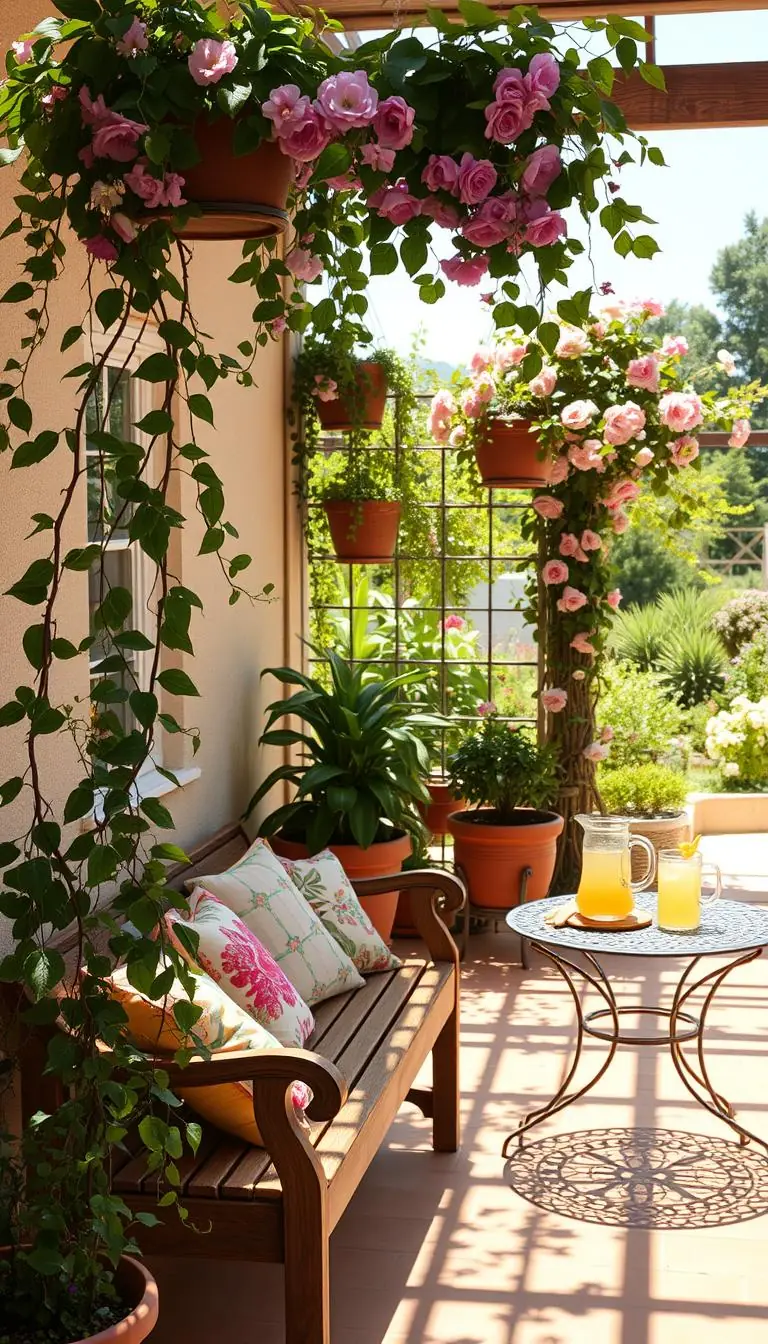
Imagine warm boards under your feet and the faint scent of cedar in the evening air. Have you pictured a quiet spot off the kitchen where morning coffee feels like a small retreat?
This friendly guide helps you choose the right materials so your outdoor space becomes a natural extension of your living room. We keep advice simple and hands-on — from quick timing notes by season to tools like spacers and joist tape.
We’ll compare wood, composite, PVC, aluminum, and stone in clear, practical terms. You’ll learn which options suit different climates and daily life, and how colors and textures affect curb appeal.
Expect sensory cues — sunlit grain, cool stone after rain — plus short checklists to avoid common mistakes like poor drainage. By the end, you’ll feel confident moving from idea to first cup on the finished deck.
Key Takeaways
- Wood gives warmth and natural color; some species resist rot naturally.
- Composite and PVC cut maintenance while keeping a clean look.
- Aluminum and stone offer high durability for harsh weather.
- Interlocking tiles provide easy DIY refreshes over many surfaces.
- Match material choice to climate, budget, and the look you want.
- Keep basic tools and seasonal care tips ready to protect colors and appeal.
How to Choose Deck Flooring with Confidence
Picking the right surface begins with your local weather and how you plan to live in the space. This small guide helps you match materials to climate and daily use so decisions feel simple.
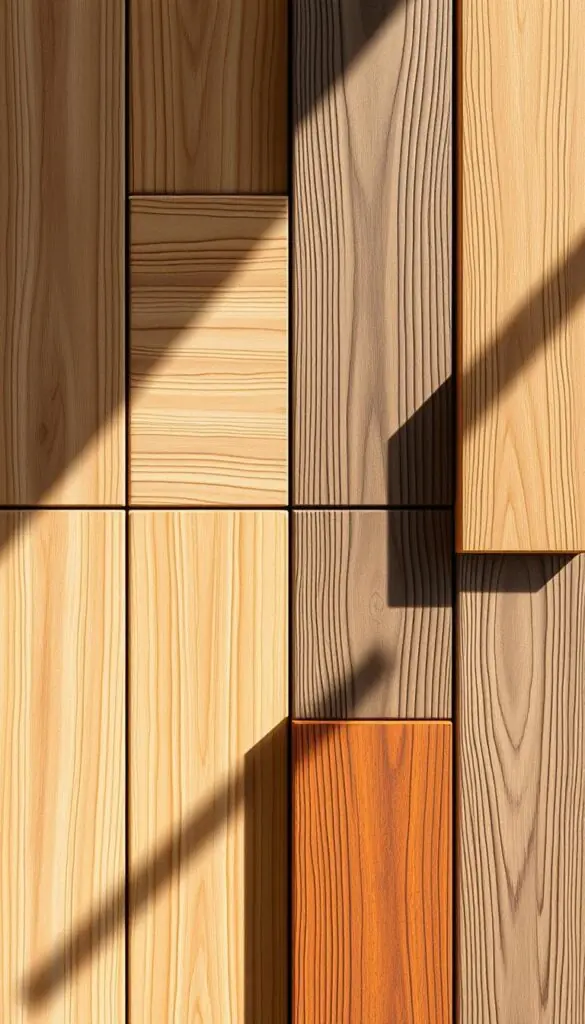
Match climate and weather
Start with your USDA zone and local freeze-thaw cycles. In humid or coastal areas, PVC and composite resist mold and salt best.
In cold regions choose materials with stable expansion to prevent warped gaps and faded colors.
Plan how you’ll use the space
List how you spend time outdoors: dining, pool play, or quiet mornings. Hard-wearing decking suits high-traffic areas. Slip-resistant tiles work by pools. Warm woods make cozy nooks feel inviting.
Balance budget, style, and maintenance
Weigh first cost against long-term care. Composite needs little upkeep; cedar or redwood reward you with rich grain but require sealing. Make a short decision list: weather, use, upkeep, budget.
- Test drainage with a hose before buying.
- Hold samples in different light to check colors.
- Keep traction and pet-friendly surfaces in mind.
Practical tools: a moisture meter, a hose for drainage tests, and simple timing tips like sealing wood in late spring.
Best Deck Flooring Options for Your Outdoor Space
Start with how you live outdoors—this makes picking materials clear and stress-free. Below are easy snapshots so you can match look, feel, and care to your spot.
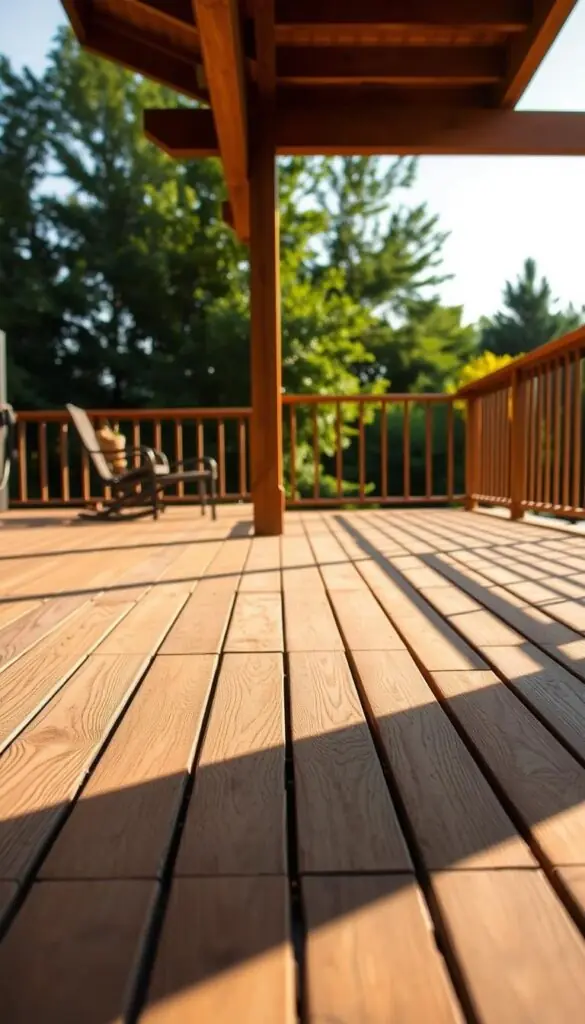
Wood choices that feel warm and lived-in
Cedar and redwood bring rich color and natural rot resistance. They smell nice and warm a sunlit breakfast nook.
Pressure-treated pine is the budget option; it needs staining now and then. For long life, Black Locust is a dense hardwood that stands up to insects and decay.
Low-maintenance composites and PVC
Composite blends wood fibers and recycled plastic for wood-look appeal without yearly staining. It fits busy grill or dining areas well.
PVC is full-plastic, immune to mold and mildew, lightweight, and easy to install—great for wet edges like a kiddie pool.
Metal, stone, and modular tiles
Aluminum gives a sleek, modern surface that resists weather and fire—ideal for rooftops and windy places.
Stone and porcelain tile are elegant and cool underfoot; they need a solid base but last for years. Interlocking tiles (PVC, rigid plastic, rubber, or outdoor carpet) snap over wood, concrete, or even grass to refresh an area fast.
Where each option shines
- Rubber or PVC tiles at pool edges for grip and comfort.
- Composite along high-traffic paths for low upkeep.
- Aluminum or porcelain on rooftops for durability in extreme weather.
Choose warm wood tones for cozy corners, cool metallics for a modern edge, or stone grays to make garden greens pop. Small care routines will keep your chosen surface looking its best.
Installation, Sizing, and Care: Getting the Most from Your Deck
Smart ordering and a dry fit save time, cut waste, and keep the final lines looking crisp.
Choose outdoor-rated decking, not indoor boards. Outdoor products resist sun, rain, and freeze-thaw cycles. Order common 5/4 x 6 boards in 8-, 10-, or 12-foot lengths to match 16-inch on-center framing. That reduces cuts and wasted material.
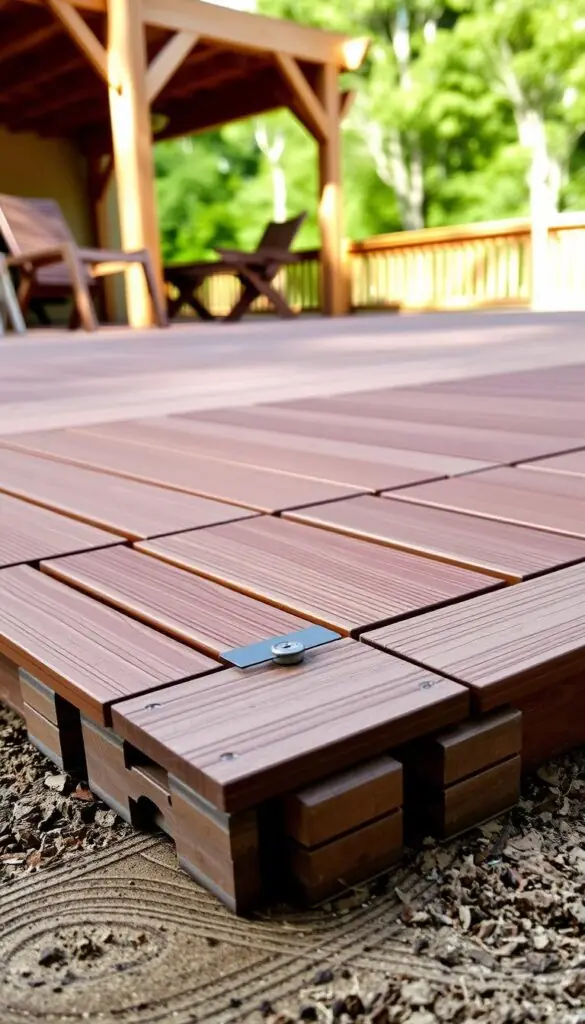
Substructure, tiles, and easy-install systems
Build a flat, well-draining base for stone or porcelain tile so grout stays true. Interlocking tiles snap together for a fast refresh over wood, concrete, or grass. Many click-together systems need no underlayment and offer rubber or rigid plastic options with long warranties.
Tools, prep, and seasonal care
- Confirm framing at 16-inch centers and dry-fit the first two rows to check colors and seams.
- Lay out spacers, hidden fasteners, joist tape, and a square before you cut.
- Seal wood in late spring, rinse composite and PVC after pollen season, and clear leaves in fall.
Common mistakes to avoid
Don’t use indoor boards outside, skip joist protection, or ignore drainage. Mixing mismatched lengths creates waste and uneven lines. A small planning step now avoids big fixes later and keeps your patio deck looking tidy for years.
Conclusion
This short guide helps you turn choices into a simple plan for your outdoor space.
Pick what fits your life: composite or PVC if you want low-fuss care, cedar or Black Locust for natural warmth, aluminum for tough weather, and stone or porcelain where steady, elegant surfaces matter.
Tiles add grip near water and quick DIY options snap into place. Try two or three samples in your area at different times of day to see how the colors play with your home.
Measure once, note framing, and choose common 8–10–12 ft boards or a click-together tile to start this weekend. Small habits — quick rinses, lifted planters, a light seal on wood — add years of enjoyment to your decking, deck, and flooring choices.
Final nudge: trust the option that feels right for morning coffee, family time, and seasons ahead. You’ll have a welcoming, low-stress outdoor space to enjoy for years.
FAQ
What are the best materials for outdoor flooring?
The best choices depend on style and use. Natural woods like cedar, redwood, and Black Locust offer warm grain and charm. Composite boards give wood-like looks with low upkeep. PVC and aluminum resist moisture and fading, while porcelain tile and natural stone bring an elegant, durable surface. Interlocking PVC or rubber tiles work well for quick installs and high-traffic zones.
How do I choose outdoor flooring that suits my climate?
Match material to weather. In humid or rainy areas, rot-resistant species or composites and PVC are smart. Cold, snowy climates benefit from stable, low-expansion options like aluminum or porcelain. For pool edges, pick slip-resistant, quick-draining surfaces. Think long-term: freeze-thaw cycles, sun exposure, and local humidity shape the best choice.
What should I consider when planning use of the space?
Ask how you’ll use the area: dining needs a smooth, stable surface for chairs; poolside calls for slip resistance and quick drying; rooftop terraces need lightweight, weatherproof materials. High-traffic entertaining zones need durable, low-maintenance options. Match material performance with your daily activities.
How do I balance budget, style, and durability?
Start with a lifespan target. Natural wood gives timeless beauty but needs maintenance; composites cost more upfront but save time and maintenance. PVC and aluminum often last decades with minimal care. Factor installation costs: tile and stone often require a stronger substructure. Choose a mix—accent with premium materials where you see most use.
How much maintenance does each material require?
Wood usually needs sealing or staining every few years and regular cleaning. Composite and PVC require simple washing and occasional mold removal. Aluminum and porcelain need very little beyond occasional rinsing. Interlocking tiles can be lifted for cleaning or replacement, making upkeep quick and easy.
Can I install outdoor flooring myself?
Many systems are DIY-friendly. Click-together interlocking tiles and some PVC boards are designed for easy install over wood, concrete, or grass. Larger projects—stone, porcelain, or heavy timber—often require pros for proper substructure, drainage, and fasteners. Know local codes and load limits before starting.
What board sizes and support structure should I plan for?
Common deck-style boards come in 5/4 x 6 profiles and lengths like 8, 10, and 12 feet; composites follow similar sizing. For tile or stone, you’ll need a solid, well-drained substructure and possibly a mortar bed or pedestal system. Use joist tape, proper spacers, and hidden fasteners for long-lasting performance.
Are there quick-install systems for renters or temporary spaces?
Yes. Interlocking PVC, rigid plastic, rubber tiles, and outdoor carpet are ideal for temporary or rental patios. They snap together, sit over existing surfaces, and can be removed without damage. These options give instant style and improved comfort underfoot.
How do I prevent slipping around pools and wet areas?
Choose slip-resistant textures and materials rated for wet environments. Look for grooved or embossed surfaces, non-slip additives in composites, and textured porcelain or natural stone with rough finishes. Proper drainage and surface slope also reduce standing water and slip risk.
What common installation mistakes should I avoid?
Don’t use indoor boards outdoors, avoid poor drainage, and don’t mix incompatible lengths or fasteners. Skip inadequate substructure for heavy tile. Allow for expansion gaps on synthetic materials, and follow manufacturer spacing and fastening guidelines to prevent warping and premature failure.
How should I prepare my outdoor surface for winter?
Clean debris and rinse surfaces to prevent staining and mold. Seal wood before the first freeze and store loose furniture and cushions. Avoid metal shovels on softer surfaces; use plastic snow tools. For composites and PVC, remove heavy snow with a broom to prevent ice buildup that could cause surface abrasion.
Which materials are best for high-traffic commercial or rental properties?
Durable, low-maintenance choices like composite, PVC, aluminum, and high-grade porcelain perform well under heavy use. They resist staining, fading, and mechanical wear. Choose slip-resistant finishes and consider modular tiles for quick repairs and replacements between tenants.