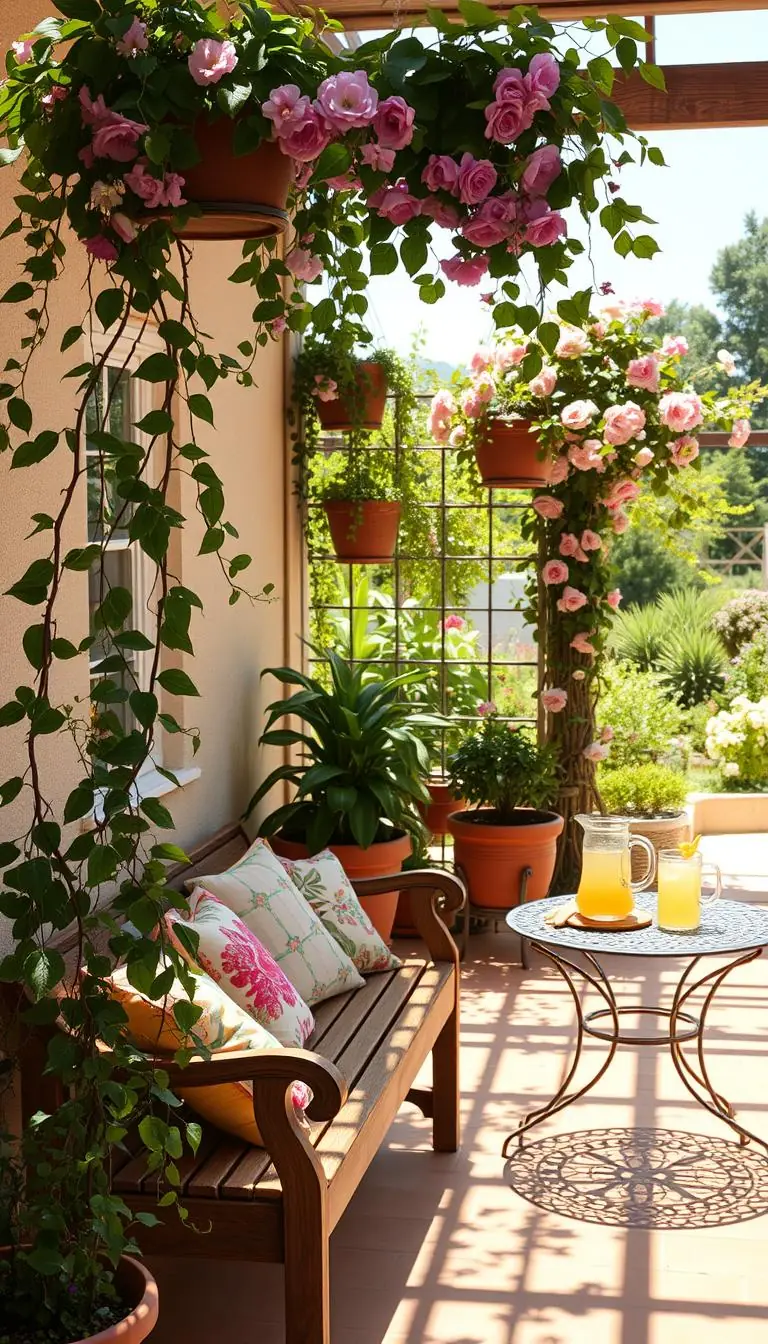
Imagine warm stone underfoot and a soft lavender breeze as you step out for morning coffee. You might notice a few hairline cracks in a paver or dream of a low-key patio that welcomes bare feet. This guide helps you imagine and build that calm, lived-in feel.
You’ll learn simple, practical steps to layer surfaces and finishes so your space has visual interest without clutter. Think of a rough path, a medium-grip patio, and a smooth accent that catches light — a small palette that guides design and style choices for your home exterior.
We cover materials like natural stone, pavers, brushed concrete, brick, and gravel, and explain the benefits of each. You’ll see how to pick the right texture and match exterior paint or texture paint, avoid common mistakes like small cracks, and maintain a cohesive appearance for long-term enjoyment.
Key Takeaways
- Start by picturing how you want your space to feel — soft, sun-warmed, and welcoming.
- Layer three levels of surface grip to balance safety and style.
- Choose materials that fit your budget, climate, and home exterior.
- Use simple tools for weekend upgrades and prevent small cracks early.
- Small changes — a brushed concrete landing or stucco accent — can transform the look.
Start with the feeling: layering outdoor texture for warmth, comfort, and easy living
Start with a simple mood: warmth underfoot, quiet colors, and fabrics that invite touch.
Set your sensory goals
Pick three clear aims: soft underfoot, warm hues, and a mix of matte and sheen. Add rugs or low-pile turf to lounging areas for a softer touch.
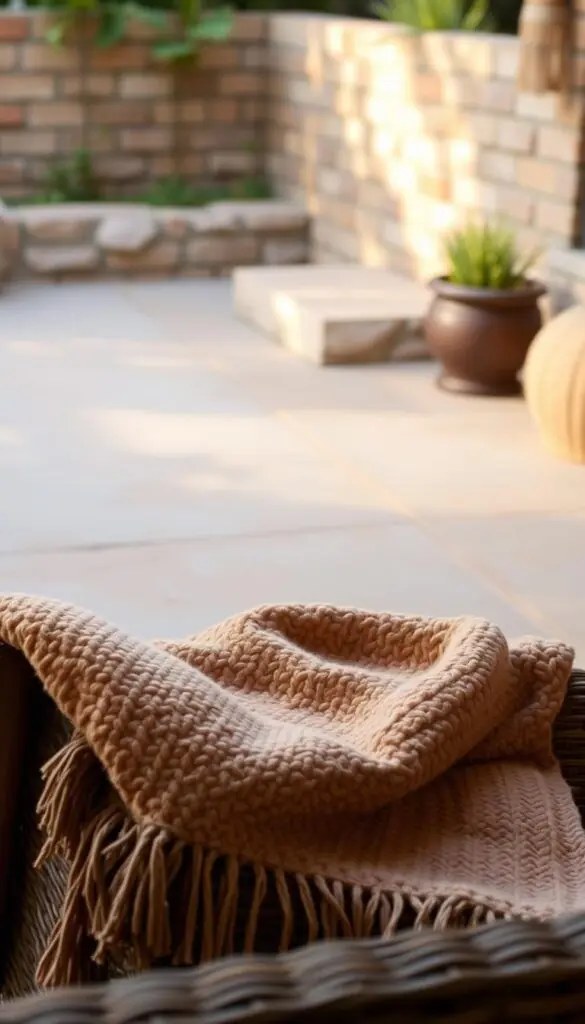
Use color and small accents — terracotta pots, sand-colored pavers, and honeyed cedar bring a cozy look that pairs with silvery foliage.
Build a simple palette
Layer three types: rough (crushed gravel or brushed concrete), medium (tumbled pavers), and smooth (sealed wood bench). This balance keeps the style calm and intentional.
Plan people-first zones
Map where you relax, dine, and walk. Choose a finish that fits each use: matte for low glare, light-sheen accents to bounce evening light.
- Plant picks: creeping thyme (Zones 5–9) and blue fescue (Zones 4–8) between pavers for scent and softness.
- Test samples on small boards to feel the surface and compare appearance in sun and shade.
- Fix minor cracks early with polymeric sand or masonry filler to protect the long-term benefits of your choices.
"Design from feeling — we help you make simple choices that welcome everyday use."
Hardscape textures that set the mood: stone, pavers, concrete, brick, and gravel
Hardscape choices set the tone for every gathering and quiet moment on your patio.
Natural stone gives a timeless look. Bluestone brings cool blue notes, limestone adds creamy warmth, sandstone adds gritty traction, and granite reads as solid and modern. Natural stone shows unique patterns and strong durability, but it often needs regular sealing to resist stains and weather.
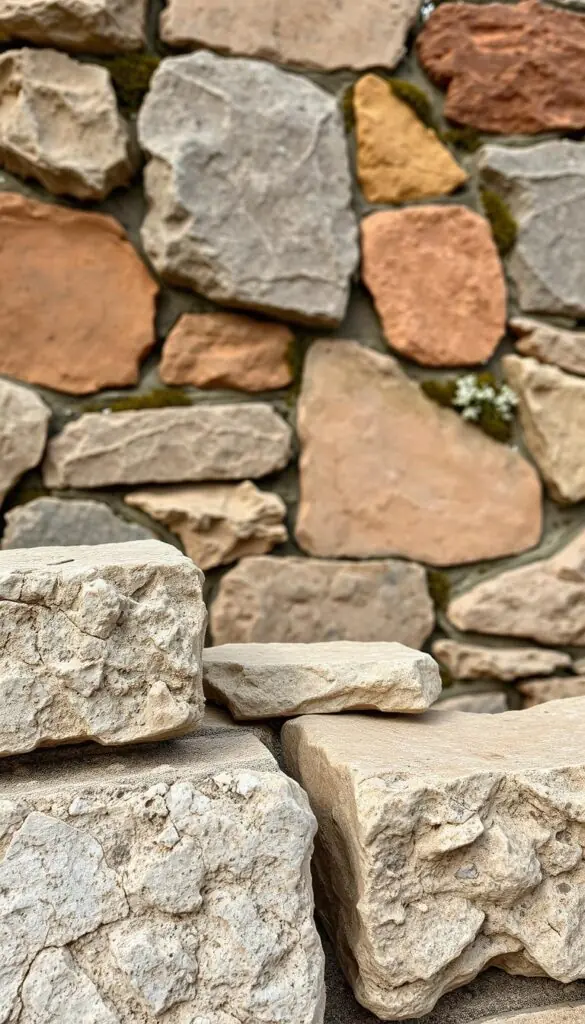
Pavers and patterns
Interlocking pavers are a family-friendly choice. Tumbled edges feel relaxed, embossed or etched finishes add grip, and you can lift one unit to repair a spot. Keep joints filled with polymeric sand to cut weeds and stabilize the area.
Concrete, brick, and gravel options
Concrete is flexible and budget-friendly. Brushed concrete and exposed aggregate boost slip resistance; stamped concrete mimics brick or wood for style. Brick offers classic appeal but can grow moss in shady, moist areas — clean and seal as needed.
Gravel is affordable and drains well. It creates a pleasing crunch but may shift and needs raking. For seating zones, add a stable pad under furniture legs to avoid wobble.
"Prioritize medium-to-rough finishes in high-traffic areas so everyone feels secure."
Exterior texture paint and textured finishes for walls that invite you in
A well-chosen exterior finish can make your walls feel alive and welcoming.
Popular styles—sand finish, knockdown, dash, and skip trowel—each give a different character to your facade. Sand finish feels refined and subtle. Knockdown reads modern with soft highlights. Dash creates a rustic, dappled face. Skip trowel adds hand-worked swirls for a bespoke look.
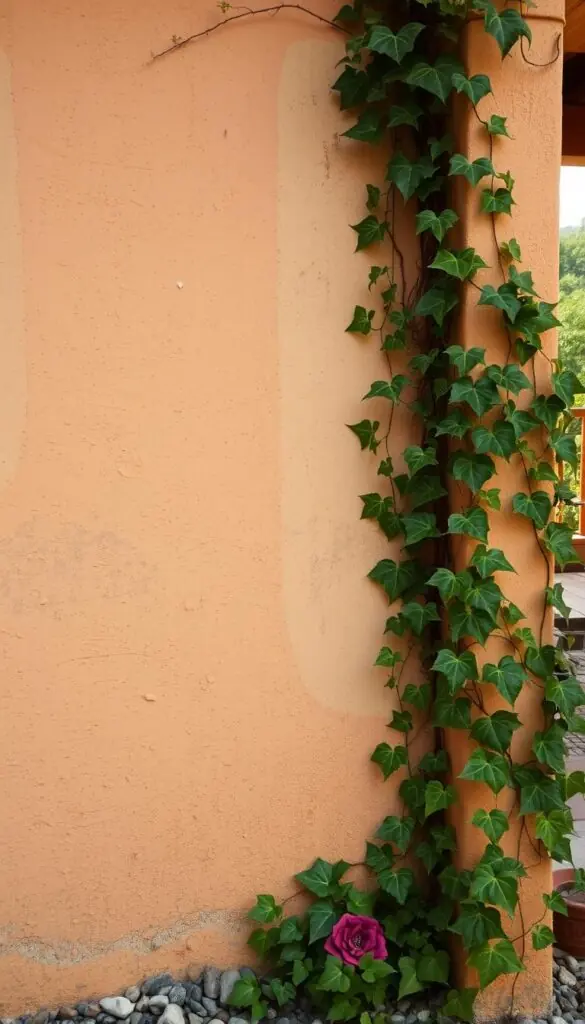
Right tools, right finish
Match tools to the pattern you want. A spray gun covers large panels quickly. A thick-nap roller gives even granularity. Trowels craft tailored sweeps and stucco methods add long-term durability. Use a sponge for small, soft stipple accents.
Surface preparation made simple
Start by washing the wall, then repair cracks and loose material. Prime glossy or patched areas so your coat bonds well. Good surface preparation helps paint last and improves overall appearance and durability.
- Durability: quality paints and careful application typically last 5–10 years.
- Maintenance: wash gently with mild soap and a soft brush; avoid harsh chemicals.
- Touch-ups: keep primer and a quart for quick repairs after storms or wear.
"A steady, unhurried pace during application yields the most even finish."
| Finish | Look | Best Tools | Substrates |
|---|---|---|---|
| Sand finish | Fine-grain, refined | Thick-nap roller, spray | Stucco, concrete, wood |
| Knockdown | Modern, partly smoothed | Trowel, roller | Stucco, brick, metal |
| Dash | Rustic, irregular | Sprayer, stucco methods | Concrete, brick, stucco |
| Skip trowel | Soft, hand-worked swirls | Trowel, sponge | Wood, stucco, plaster |
outdoor texture combinations that work: mix surfaces, finishes, and patterns
A few smart pairings—stone, warm wood, and woven fabrics—turn a simple patio into a cozy haven.
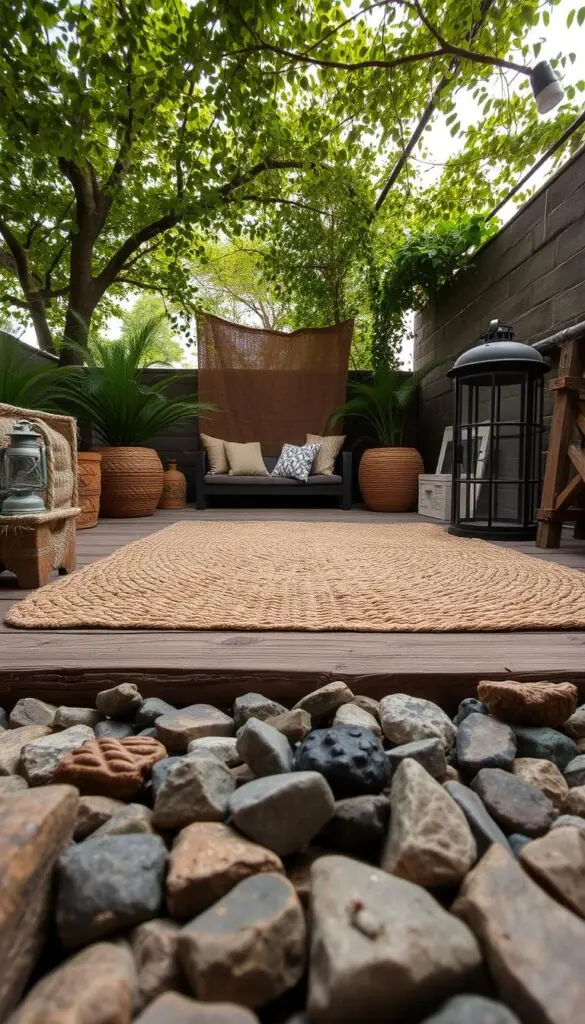
Pairings that sing
Try a stone patio with a stucco exterior wall, a cedar bench, and cotton throws. This quartet reads calm and inviting.
For a budget pop, apply a stone effect accent panel or textured paint on a short wall to echo the patio below.
Small spaces, big coziness
Narrow paths with paver insets guide the eye. Add a slim vertical garden and a small bistro set for intimacy.
Use a single strong pattern—chevron or herringbone stencil—on a small panel. Pair it with plain cushions and a simple rug so the look stays balanced.
- Plants: lavender (Zones 5–9) in sun, heuchera (Zones 4–9) in shade.
- Keep your finish language consistent: matte paving, low-sheen walls.
- Repeat the exterior theme on planters with texture paint for cohesion.
"Choose one warm wood accent to bring elegance and soften hard edges."
| Pairing | Why it works | Quick tip |
|---|---|---|
| Flagstone + stucco wall + cedar bench | Contrasts rough and smooth for depth | Seal flagstone; use low-VOC paint on walls |
| Gravel path + paver insets + vertical plants | Guides movement and adds green layers | Use stable insets under seating |
| Stone effect accent + woven textiles + slatted screen | Ties materials without major work | Stencil small panels for bold patterns |
Seasonal timing in the United States: when to install, paint, and maintain
Timing matters more than a perfect product. Plan work around steady days so materials cure well and resist damage from sudden weather swings.
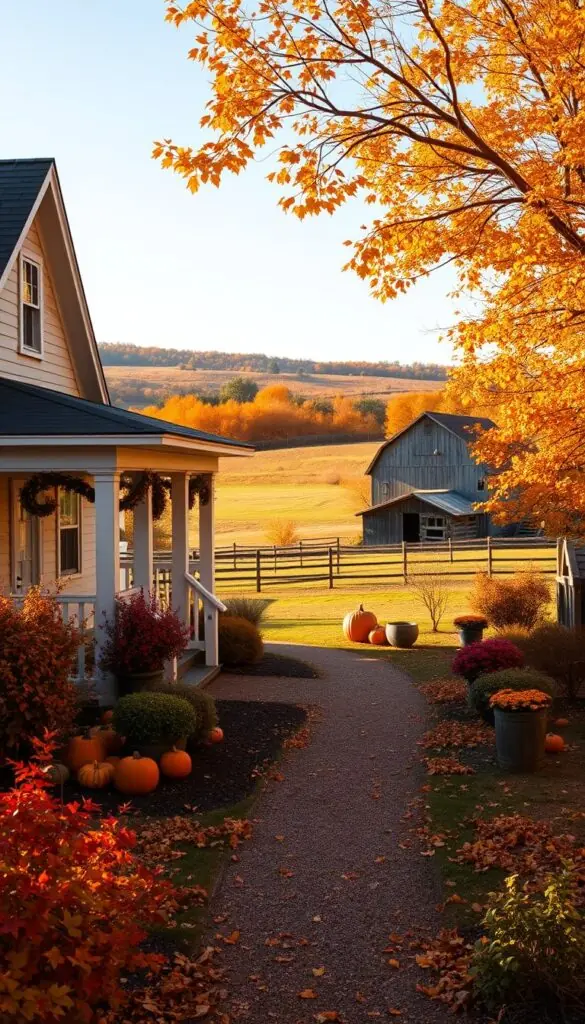
Quick seasonal checklist
- Spring: Inspect for cracks, frost heave, and loose joints. Sweep in polymeric sand for pavers and spot-repair mortar so surfaces feel solid again.
- Wash walls: Gently clean exterior walls with a soft brush and mild soap to maintain appearance before painting or sealing.
- Early summer: Apply texture paint and paints when days are dry and nights stay above 50°F for proper cure and long-term durability.
- Mid–late summer: Refresh gravel paths, rake level, and top off where storms may strip material; choose products with good resistance to heavy rain.
- Fall: Seal stone, brick, or concrete before consistent cold to reduce moisture-related damage; pick a clear, low-wind weekend.
- Winter: Protect furniture feet, lift rugs after storms, and brush snow off rather than scraping to avoid scuffs.
In rainy regions, schedule painting between systems; in dry zones, avoid hottest midday sun to prevent flash drying. Keep a small kit—joint sand, masonry filler, painter’s tape, and a quart of your paint—so quick fixes are easy.
Commercial properties should plan maintenance during shoulder seasons to limit disruptions and extend surface durability.
"A short seasonal check keeps surfaces safe and looking cared-for with less effort."
Avoid common texture mistakes: traction, maintenance, and color balance
When you balance traction, maintenance, and palette, surfaces stay beautiful longer. Small choices make a big difference in safety and upkeep. Use simple guardrails so your space feels steady and calm.
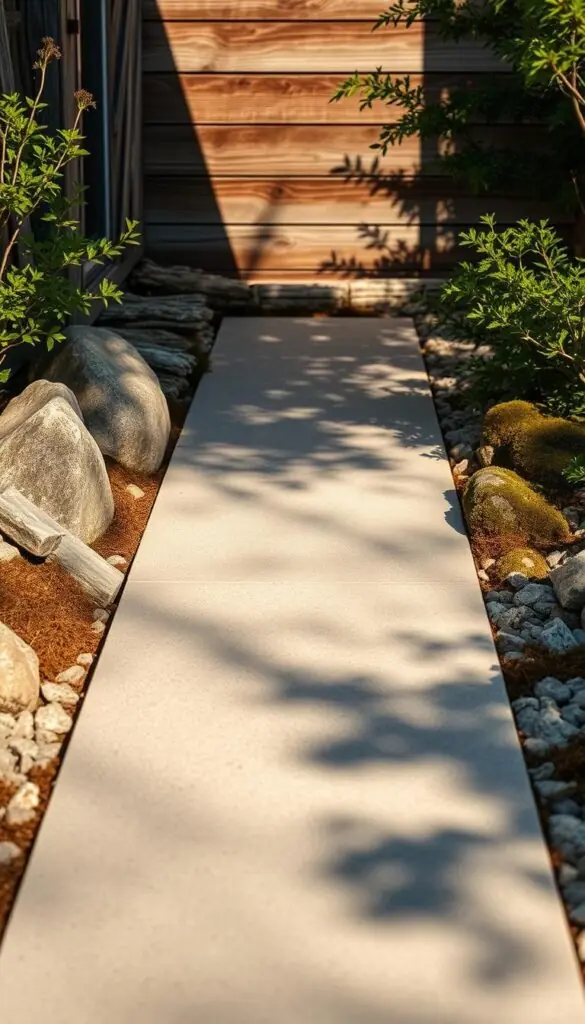
Think safety first
Near pools, spas, and sloped entries, prioritize traction. Brushed concrete, gritty pavers, or textured stone help prevent slips. Test a wet sample underfoot before you commit — the right texture feels steady even barefoot.
Plan for weather and wear
Seal stone and brick on a schedule that fits your climate to slow wear and reduce cracks. Refill paver joints annually to deter weeds and stabilize edges.
- Use a hand tamper and a stiff broom for most walk and wall touch-ups.
- Clean shady walls with a soft-bristle deck brush before moss sets.
- Keep a small kit: polymeric sand, masonry filler, and a quart of paint for quick fixes.
Color and pattern discipline
Keep your palette tight: two to three main tones and one bold accent. Limit large patterns to a single panel so the eye can rest.
For walls, test paints in sun and shade on small patches and watch them for a week. Repeat a textured exterior finish subtly — on a planter, mailbox wall, or short seat wall — to tie the scheme together.
"Simple, durable choices cut maintenance calls and keep spaces inviting — whether for homes or commercial properties."
Conclusion
Small, smart choices in stone, paint, and finish give your garden a lasting sense of ease.
When you layer thoughtfully—rough path, steady patio, smooth accent—these textures bring quiet elegance and clear visual interest to your home. A natural stone or a good stone effect on a feature wall echoes the patio and ties surfaces together.
Keep a consistent finish language (mostly matte with soft highlights) and do light surface preparation before you paint. A weekend with the right paint or texture paint can refresh walls, planters, and a short seat wall.
The benefits are simple: safer footing, easier care, and better durability. Note small cracks early, wash gently each spring, and reseal on schedule to maintain appearance. Trust your taste—step outside, feel the path, and enjoy the calm look you made for your home.
FAQ
How do I layer surfaces to create a cozy outdoor look?
Start by deciding the feeling you want — warm, relaxed, and inviting. Choose three surface types: rough (stone or pavers), medium (brick or stamped concrete), and smooth (sealed wood or polished concrete). Arrange them so the highest-traffic areas have the most durable, slip-resistant finish, while lounging zones get softer, more tactile materials like woven rugs and wood seating. Keep colors in a tight, warm palette to unify the space.
What sensory goals should I set before choosing materials?
Think about how the space will feel underfoot, look in different light, and respond to touch. Prioritize grip for paths, warmer tones for seating areas, and a mix of matte and subtle sheen to add depth without glare. Set simple goals like “soft underfoot near seating” and “textured, non-slip paths” to guide choices.
Which hardscape materials work best together?
Natural stone, pavers, concrete, brick, and gravel each bring a distinct character. Combine a stone patio for elegance, stamped or brushed concrete for affordable durability, and gravel for drainage areas. Use pavers to create neat patterns or borders. Balance heavier materials with wood or textiles to soften the scene.
How do I choose the right natural stone for my project?
Match stone to your climate and maintenance willingness. Bluestone and limestone give a refined look but may need sealing. Sandstone is warm and textured; granite is extremely durable and low-maintenance. Consider traction, sealing needs, and how the color will age with weather.
What exterior paint or finishes give walls inviting character?
Popular choices include sand, knockdown, dash, and skip-trowel finishes; each adds depth and hides minor imperfections. Textured exterior paint can boost visual interest and durability. Choose a finish that complements hardscape materials and pick a high-quality exterior primer and paint designed for your climate.
What tools work best for applying textured wall finishes?
Use the right tool for the effect: a hopper sprayer for dash textures, trowels for stucco or knockdown, rollers for sand finishes, and sponges for subtle stipple. Proper technique and consistent application make the finish read as intentional rather than sloppy.
How should I prepare my walls before applying a textured finish?
Clean thoroughly, repair any cracks, remove loose material, and apply a compatible primer. A stable, dry surface improves adhesion and prevents future peeling. Proper prep is the most important step for lasting results.
Which combinations of materials create the most cohesive designs?
Try proven pairings like a stone patio with a stucco wall, woven textiles, and wood accents. Use a consistent color family across materials and vary scale: large stone slabs, medium brick or pavers, and fine-grain textiles. Keep one unifying element—color, finish sheen, or repeating material—to tie it all together.
How can I make a small yard feel cozy using surfaces?
Focus on vertical interest and compact, layered elements. Narrow paths of textured pavers, a vertical planted wall, and built-in seating with warm wood finishes create intimacy. Use rugs and cushions for softness and pick lighter colors on walls to visually expand the space.
When is the best time in the U.S. to install or paint exterior surfaces?
Aim for mild, dry weather. Spring and early fall are ideal for most installations and painting because temperatures are stable and humidity is lower. Summer works for sealing and some hardscape work if you avoid the hottest midday hours. Winter is best for planning and prep unless you’re in a warm region.
What seasonal maintenance should I plan for different materials?
Spring: clean surfaces, inspect and repair cracks, and re-seal stone if needed. Summer: perform paint touch-ups and keep drainage clear. Fall: seal porous surfaces and refill paver joints. Winter: protect delicate materials from freeze-thaw cycles and store textiles.
How do I avoid common mistakes like poor traction or visual clutter?
Prioritize safety by choosing slip-resistant finishes near water and on slopes. Seal and maintain stone and brick to reduce moss and erosion. For color and pattern, limit yourself to a cohesive palette and repeat one or two textures rather than many competing patterns. Plan for long-term wear when selecting materials.
What simple steps keep stone and paver surfaces durable?
Regularly sweep and wash surfaces, remove weeds from joints, and reseal porous stone every few years. Refill paver joints with polymeric sand if they erode. Address drainage issues promptly to prevent undermining and freeze damage.