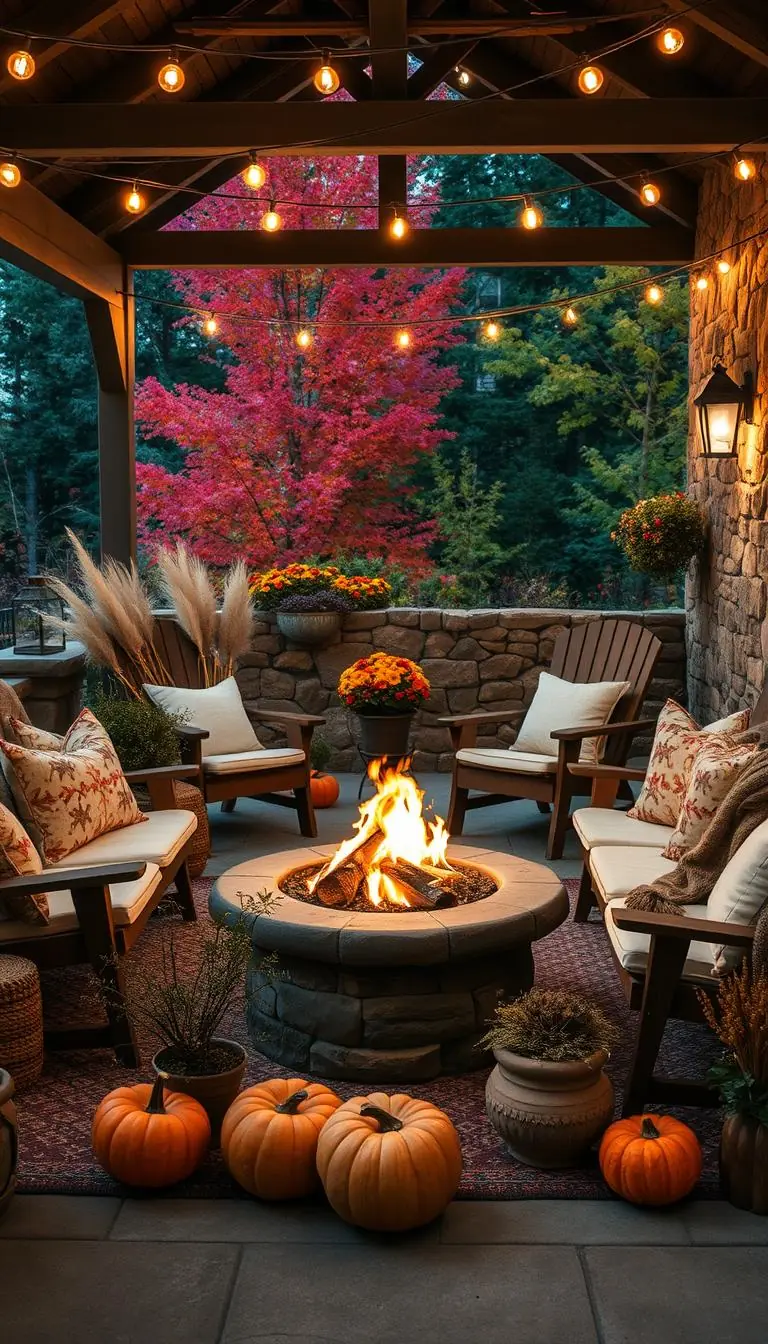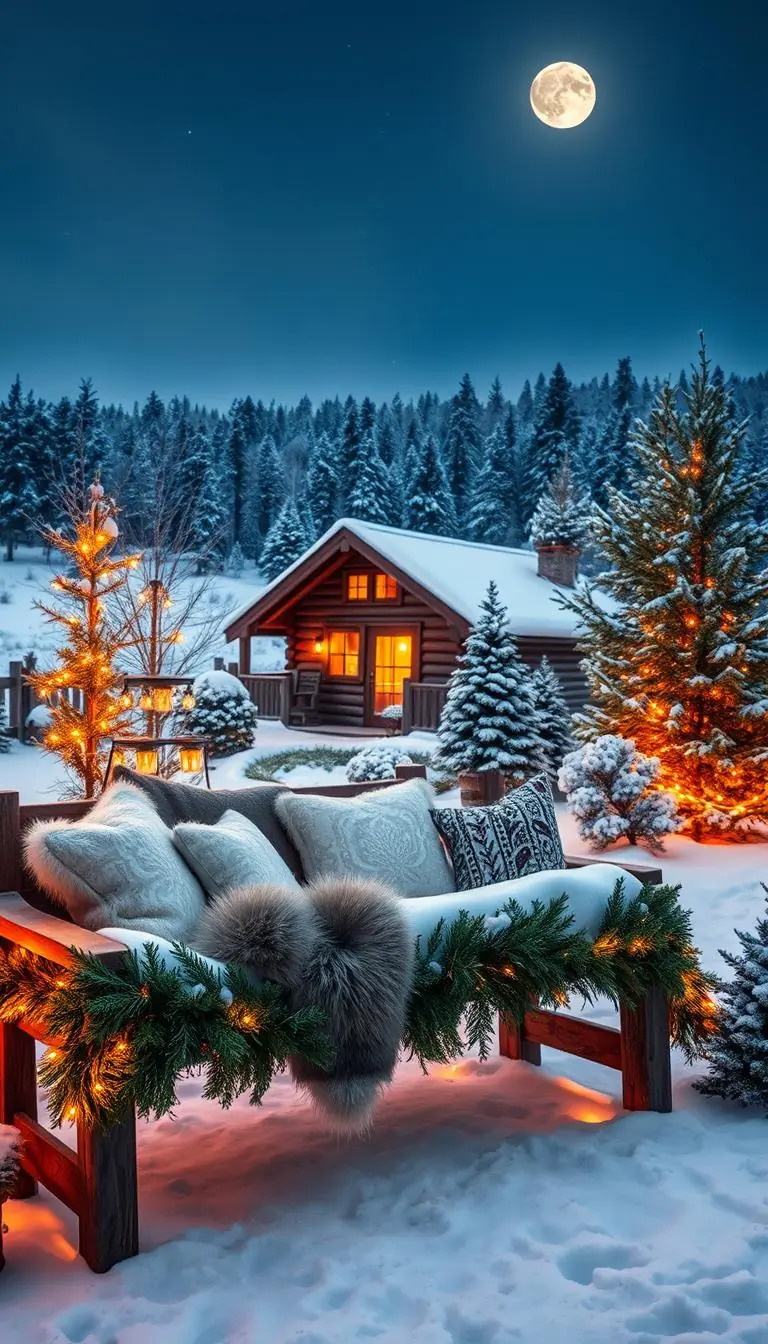
Sun warms the floorboards and you notice a few mossy patches and dull furniture cushions. Have you thought about a quick reset that leaves your outdoor space feeling sunlit and calm?
You’ll get calm, step-by-step guidance you can actually use. We’ll cover safe cleaning for each surface, when to stain or reseal, and how to spot small repairs before they become big problems.
Start with a focused clean: lift grime, treat moss with an outdoor-safe product on a dry day, and avoid blasting joints with a pressure washer. Test lighting and check for loose pavers or splinters so your home feels safe and ready for company.
We share simple ideas for texture, storage, and one-day swaps—like rugs and pillows—that change the look with little time or fuss. By planning now, you’ll enjoy a welcoming space all summer long.
Key Takeaways
- Begin with a targeted clean that matches your surface to avoid damage.
- Check for loose pavers, splinters, and lighting issues early.
- Use staining or sealing on dry, warm days and follow product guidance.
- Small swaps—rugs, cushions, plants—refresh the look fast.
- Plan upgrades in spring so your outdoor space is ready by summer.
Start fresh after winter: clean, check, and protect your patio
A single dry, calm day is enough to reset outdoor spaces after winter. Begin by gathering tools: a soft-bristle broom, bucket, outdoor cleaner, safety glasses, and gloves. Choose a warm, still day so surfaces dry thoroughly after cleaning.
Deep clean the surface the right way (stone vs. wood, moss, and grime)
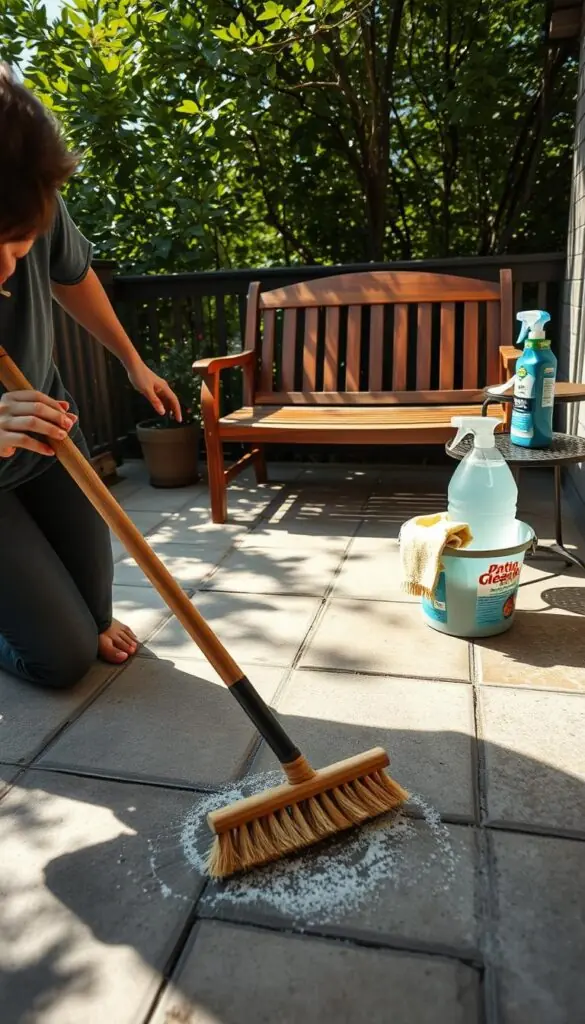
Sweep first so grit won’t scratch. On stone, use a pH-neutral outdoor cleaner; on wood, pick a wood-safe wash. Test a small hidden spot before you clean the whole area.
For moss or green film, apply an outdoor-safe remover like Green Gobbler on a wind-free day. Brush debris away first so the solution reaches the surface.
Repair winter wear and protect decking
Walk edges and steps looking for loose pavers, popped nails, splinters, and wobbly rails. Tighten fasteners, sand rough spots, and re-bed pavers with polymeric sand. Call a contractor for structural movement.
After wood dries, stain or oil on a warm late-spring day with a product matched to your local weather. This helps waterproof and preserve appearance for the year.
Light it up: quick lighting checks
Test fixtures on a GFCI circuit, swap to exterior-rated LEDs, and add low-voltage path lights for a warm evening glow. Replace cloudy lenses and damaged wiring promptly for safe use.
| Task | Tools | Best time | Quick mistakes to avoid |
|---|---|---|---|
| Sweep & rinse | Soft-bristle broom, bucket | Dry, calm day | Rinsing before sweeping (grit scratches) |
| Moss removal | Outdoor-safe remover, brush | Wind-free, dry day | Using wrong product for surface |
| Pressure wash | Pressure washer, safety glasses | Dry day; test area | Blasting joints; hold |
| Lighting & fixes | Exterior bulbs, screwdriver | Afternoon or early evening | Ignoring GFCI checks or bulb ratings |
Bundle small fixes into one afternoon—tightening rails, swapping bulbs, and patching joints gives you back a safe, welcoming area right away. Keep a small kit by the back door for quick touch-ups all year.
Design a calm, inviting outdoor space you’ll actually use
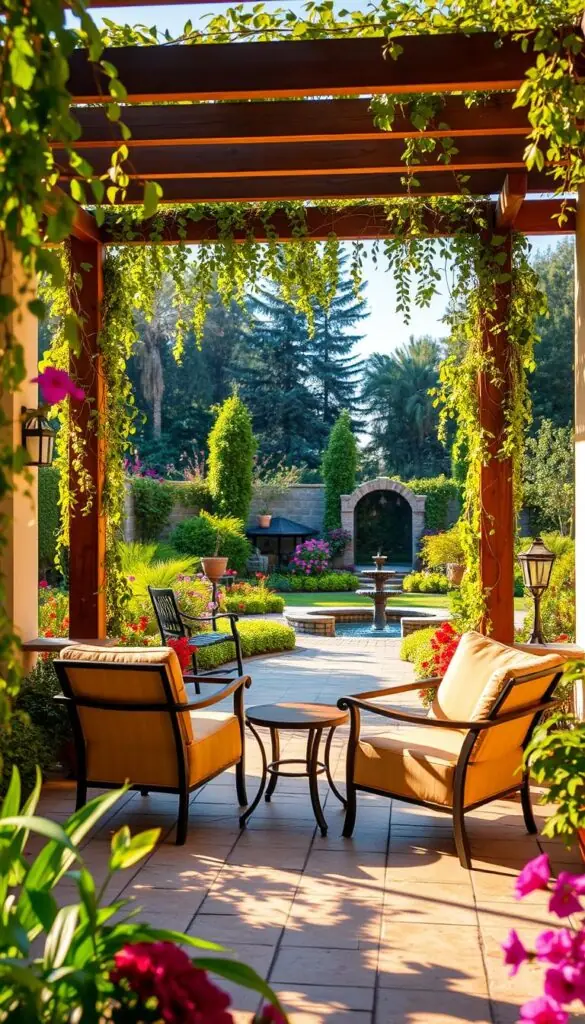
Small, durable pieces make an outdoor room feel lived-in and easy to use. Start by choosing a clear focal spot—a loveseat or table—and plan seating around clear paths so movement feels natural.
Choose durable furniture and smart storage that stands up to weather
Pick pieces made for the elements: powder-coated metal frames, resin wicker, and teak or acacia with a proper finish stay sturdy and age well.
Use a rust-resistant coffee table or bench with hidden storage to keep blankets and pillows dry and within reach. Look for solution-dyed cushions that zip off for washing and recycled, weather-resistant fills for easy care.
Mix textures for warmth: wicker, metal, wood, and soft neutrals
Layer materials to add visual interest. Pair a wicker loveseat with a metal side table and a teak tray for natural balance.
Keep the palette calm—soft neutrals with one color accent—and add texture with a hose-cleanable rug, a woven lantern, and a few tactile pillows for immediate warmth.
- Avoid indoor-only fabrics and storage without drainage.
- Choose planters with drainage holes and saucers to protect roots.
- Leave breathing room at edges so the area reads as open and relaxed.
These simple ideas help you build a practical, beautiful patio that feels cozy and easy to maintain.
Planting ideas that bring life, color, and scent to your patio
A few well-chosen pots can turn a hard surface into a lively, fragrant corner.
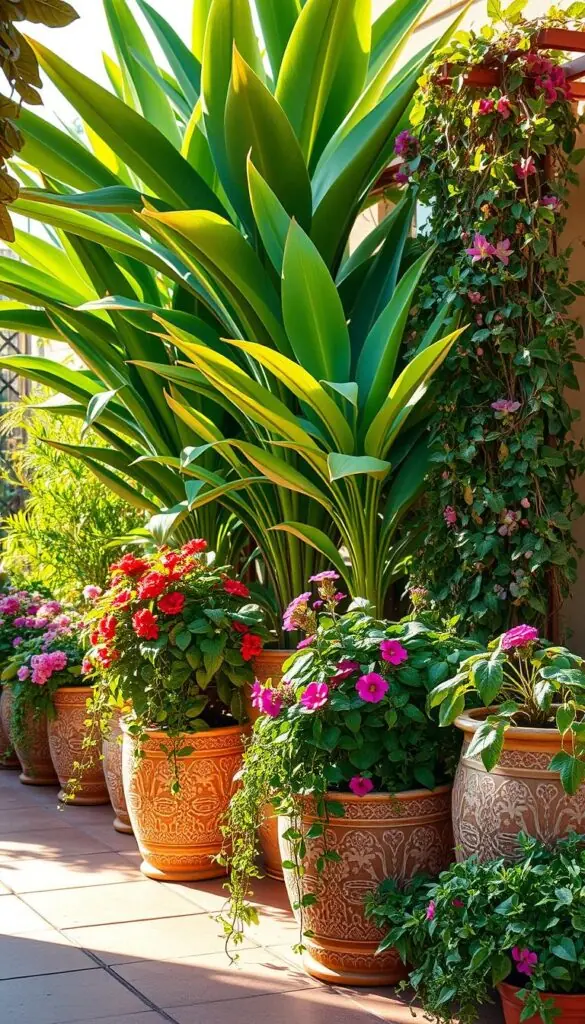
Sun, shade, and zones: match plants to your microclimate
Start by mapping where sun lingers and where shade settles through the day. Place sun-loving lavender, calibrachoa, or thyme in bright spots and keep ferns or impatiens where mornings are cool and shaded.
Easy container combos: thriller, fillers, and spillers
Use a tall focal plant like spike dracaena or dwarf fountain grass as the “thriller.”
Add calibrachoa or nemesia as mid-level fillers, and let sweet potato vine or trailing lobelia spill over the edge for movement and color.
Fern magic and a wildflower bowl
Big Boston or Kimberly Queen ferns add instant lushness in bright shade and bring soft scent and texture to seating areas.
Create a wildflower bowl in a wide clay planter: center a taller bloom, then tuck mixed wildflower starts around it for a carefree, fragrant display that sings through spring and into the season.
Tools and timing: potting mix, drainage, watering, and late‑spring checks
Use a lightweight potting mix, a slow-release fertilizer, a trowel, and a watering can. Ensure every container has a drainage hole and a saucer.
Plant after your last frost for your USDA zone, water deeply when the top inch is dry, and check containers in late spring—pinch leggy growth and refresh the topsoil with compost.
Common mistakes: don’t use garden soil in pots and avoid overwatering; both harm roots and weight down containers.
spring patio upgrades you can do in a day
Make a noticeable update in just a single day with a few focused swaps. Start with a short plan: define the seating, pick a tight color palette, and gather materials before you begin.
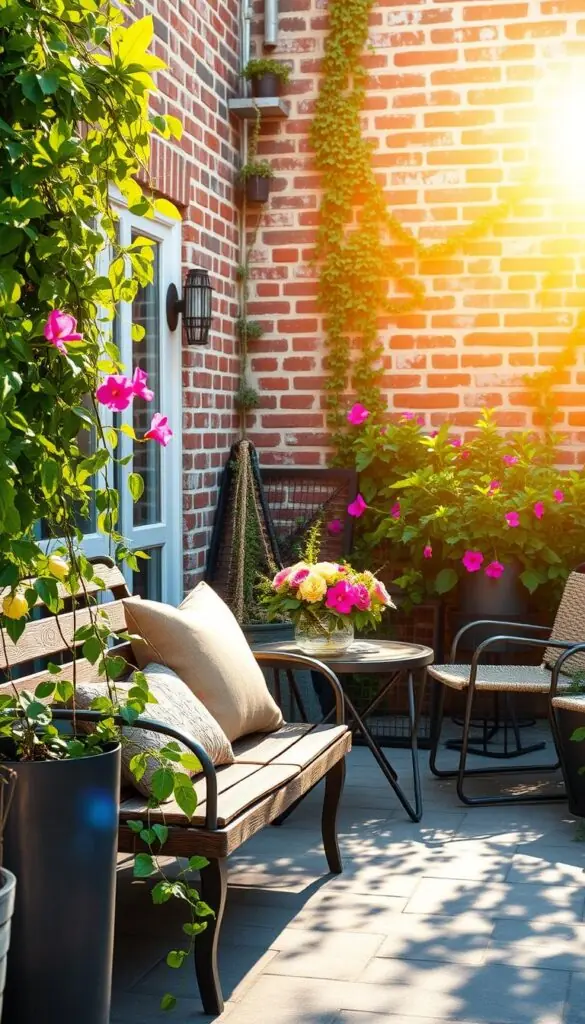
Swap in outdoor rugs, pillows, and throws for instant color and comfort
Roll out an outdoor rug to define the seating area in minutes. Choose a pattern that lifts the look and hose it clean when life happens.
Refresh cushions with weather-ready pillows and covers. Two solids plus one subtle pattern feels pulled together and calm.
Add a machine-washable throw for cool evenings. Draped over a chair, it reads cozy and gives you instant comfort without heavy layers.
Add ambiance: string lights, lanterns, and a shade umbrella for sunny days
Hang UL-listed string lights on a GFCI circuit using proper outdoor hooks. The warm glow makes small gatherings feel special and extends your evening.
Place a couple of LED lanterns on tables or steps for flicker without fuss. They work when outlets are limited and are safer than open flame near textiles.
Pop up a sturdy umbrella with a weighted base to make midday seating usable. Consider a solar-lit model for shade by day and soft light at night.
- Quick safety: Use GFCI outlets, manage cords along railings or under an outdoor rug, and secure the umbrella with a weighted base.
- Layer small planters with drainage near seating to soften edges and add fresh scent with herbs like mint or thyme.
- Edit at the end of the day: remove one extra piece so the space breathes and the look feels intentional.
Plan ahead so your patio shines from spring to fall
Plan small, realistic upgrades now so your outdoor space feels ready for long summer evenings.
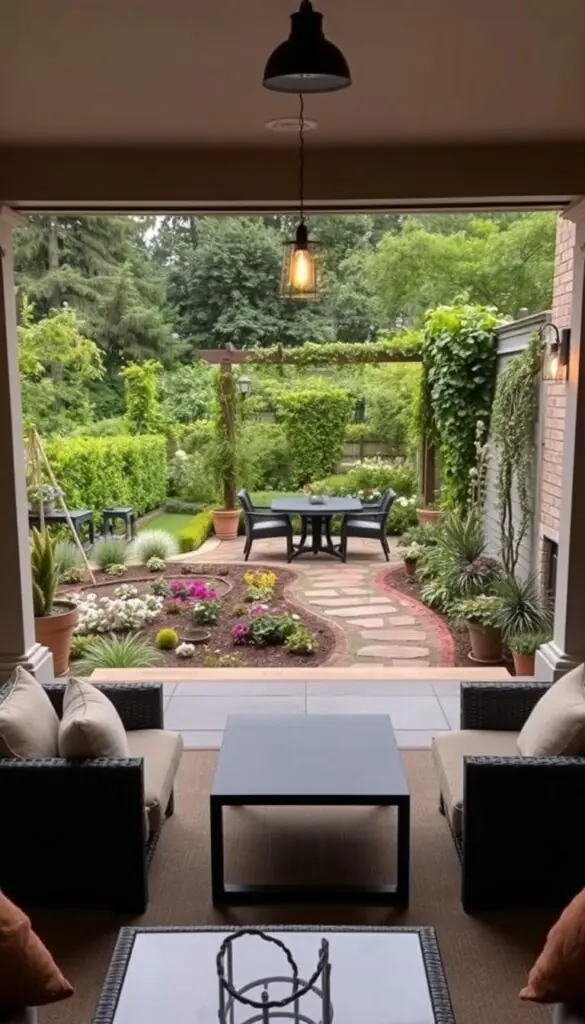
Small projects now, big enjoyment by summer: fire pits, seating, and zones
Sketch three simple zones this month: a lounge corner, a dining spot, and a grill nook. That map helps choices feel intentional and keeps work small.
Easy additions you can do on a weekend: a portable fire pit with safe clearances, a second seating cluster of two chairs and a side table, a storage bench for cushions, and low-voltage path lights you install in an afternoon.
If you want built-ins—retaining walls, a set fire pit, or an outdoor kitchen—start designs in spring so lead times line up and you’re hosting by midsummer. Check local permits and clearances before you dig.
Seasonal touch-ups: quick fall tidy and when to reseal every few years
Do a quick check at the end of each warm month: tighten hardware, sweep joints, and rinse rugs. These minutes save big time later in the year.
- Early fall: clean surfaces, store delicate textiles, trim plants.
- Before winter: cover furniture and grill; stash cushions indoors.
- Every 3–5 years: reseal decking or stone; inspect annually for loose pavers or weathering.
Conclusion
With small, steady steps you can keep this outdoor room ready all season.
Spend a few focused hours this spring to clean, fix, and stage your space. A clean floor, soft pillows, and clear paths make evenings easy and safe.
Lean on durable furniture, smart storage, and simple lighting to extend use into summer and fall. Add planters with good drainage and a couple of ferns or herbs for instant life and scent.
Reseal wood every 3–5 years, do a quick fall tidy, and cover fragile items for winter. Remember umbrella anchors, storage spots, and working lights—those small elements keep things pleasant and low-effort.
Step outside, pour something cold, and enjoy the warmth and birdsong. You’ve refreshed your porch and backyard in a way that fits your home and your time.
FAQ
How do I deep clean different patio surfaces after winter?
For stone or concrete, sweep first, then use a stiff broom with a mild detergent solution; a pressure washer on a low setting can lift stubborn grime. For wood decking, sweep and wash with a wood-safe cleaner, avoid high-pressure settings that cause splinters, and remove moss with a brush and diluted vinegar. Always rinse thoroughly and let surfaces dry completely before sealing or placing furniture.
What quick repairs should I check for right away?
Walk the space and look for loose pavers, uneven stones, wobbly railings, and raised nails or splinters in wood. Tighten screws, reset shifted pavers with sand or gravel, and replace damaged boards. Fixing small hazards now prevents bigger safety issues later.
When should I seal, stain, or oil my decking?
If the wood looks faded, feels rough, or absorbs water instead of beading, it’s time. Clean first, let it dry for at least 48 hours, then apply a sealer, stain, or oil designed for exterior decking. Generally plan to reseal every 2–3 years, depending on sun and moisture exposure.
How can I update furniture and storage so it lasts through the season?
Choose weather-resistant materials like powder-coated metal, teak, or all-weather wicker and add storage benches or deck boxes to protect cushions and tools. Elevate cushions off wet ground, and use breathable covers to avoid mildew. Smart storage makes the space usable and tidy.
What are easy ways to mix textures for a cozy look?
Layer a durable outdoor rug, a woven wicker chair, a wooden side table, and soft cushions in neutral tones. Add a metal lantern or a ceramic planter for contrast. Varying textures—hard, soft, and natural—creates warmth without clutter.
How do I choose plants that suit my patio’s conditions?
Observe how much sun and wind your space gets across the day, then pick plants that match. Full-sun areas suit lavender, coneflower, and rosemary. Shadier spots thrive with ferns, hostas, and impatiens. Group plants with similar water needs to simplify care.
What’s an easy container planting formula that always looks good?
Use the “thriller, filler, spiller” method: a tall focal plant (thriller), a couple medium-height blooms or foliage (fillers), and a trailing plant that spills over the edge (spiller). This combo gives instant structure and movement with minimal effort.
Which low-effort plants add scent and charm?
Choose fragrant, low-maintenance picks like lavender, rosemary, scented geraniums, or small flowering shrubs such as dwarf lilac. A bowl of mixed wildflowers in a sunny container also brings effortless color and pollinators.
What tools and supplies should I have on hand for potting and planting?
A lightweight trowel, pruning shears, a watering can or hose with a gentle nozzle, quality potting mix with good drainage, and gravel or broken pottery for bottom drainage. Check containers in late spring for root crowding and refresh topsoil as needed.
What quick swaps make the biggest one-day impact?
Replace faded cushions and add an outdoor rug and a couple of new pillows for instant color and comfort. Position a shade umbrella or add a few lanterns or string lights to change mood and usability in minutes.
How do I safely add lighting that lasts through the season?
Inspect existing fixtures and replace weather-damaged bulbs with LED, which save energy and run cooler. Add solar path lights or low-voltage string lights for soft evening glow, and use outdoor-rated cords and timers for safety and convenience.
Which upgrades can I finish in a weekend that pay off all summer?
Install a small fire pit area, create defined seating zones with rugs and planters, or build a simple bench with storage. These projects increase comfort and make the space feel intentional without a big time investment.
How often should I perform seasonal touch-ups?
Do a light tidy each month—sweep, remove debris, and check plants. Deep clean and inspect furniture and finishes in early spring and again in mid-fall. Reseal wood as needed every few years based on wear.
How can I prepare the space to enjoy it from spring through fall?
Plan layered lighting, durable textiles, and flexible seating you can rearrange for gatherings. Add planters that can be rotated by season and store cushions during heavy rain. Small seasonal projects now give you more relaxed, usable days all summer and into autumn.