Peonies arrive later than most spring flowers, and somehow that timing makes them feel even more special. By the time they bloom, the garden is already awake — leaves are full, light lingers longer, and the air feels softer. Then peonies open, and suddenly everything feels finished.
They’re not background flowers. They’re punctuation. One peony in bloom can carry an entire garden, even if it lasts only a few short weeks.
This guide is about using peonies with intention — not forcing them, not overstyling them, but letting their natural presence do what it does best.
Why Peonies Feel So Emotional in the Garden
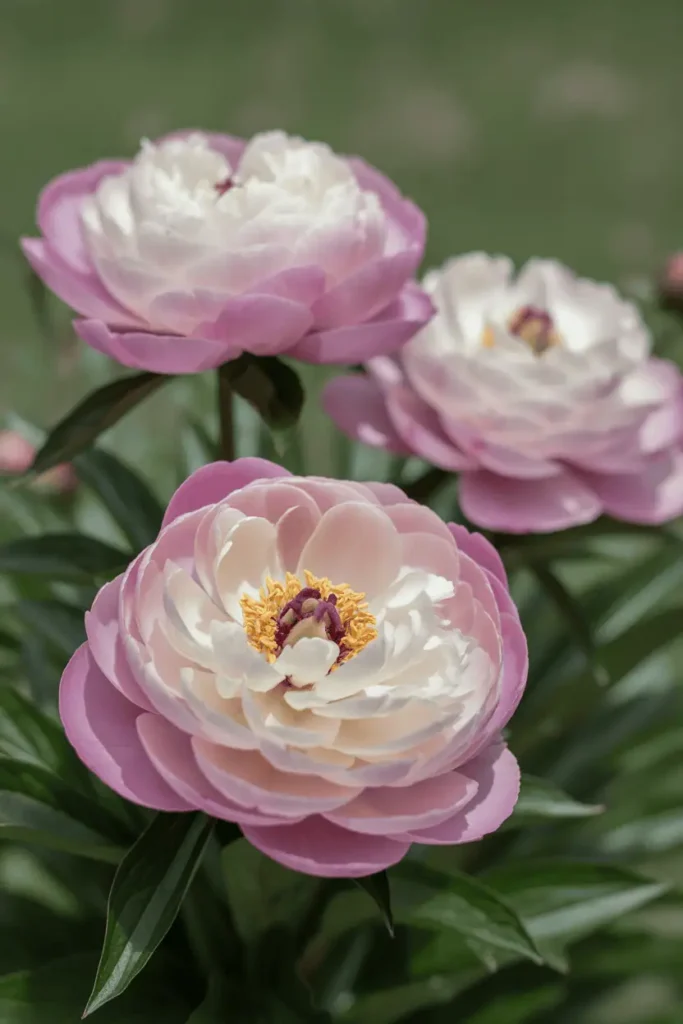
Peonies don’t bloom quietly. They take their time, then open fully, generously, without restraint. Their petals are layered, heavy, and almost architectural — yet they still feel soft and nostalgic.
People are drawn to peonies because:
- They feel romantic without trying
- They bloom at the turning point of spring
- They look beautiful even when imperfect
On Pinterest, peonies aren’t just flowers — they’re a mood. They represent fullness, abundance, and the moment spring tips toward summer.
Understanding How Peonies Want to Live
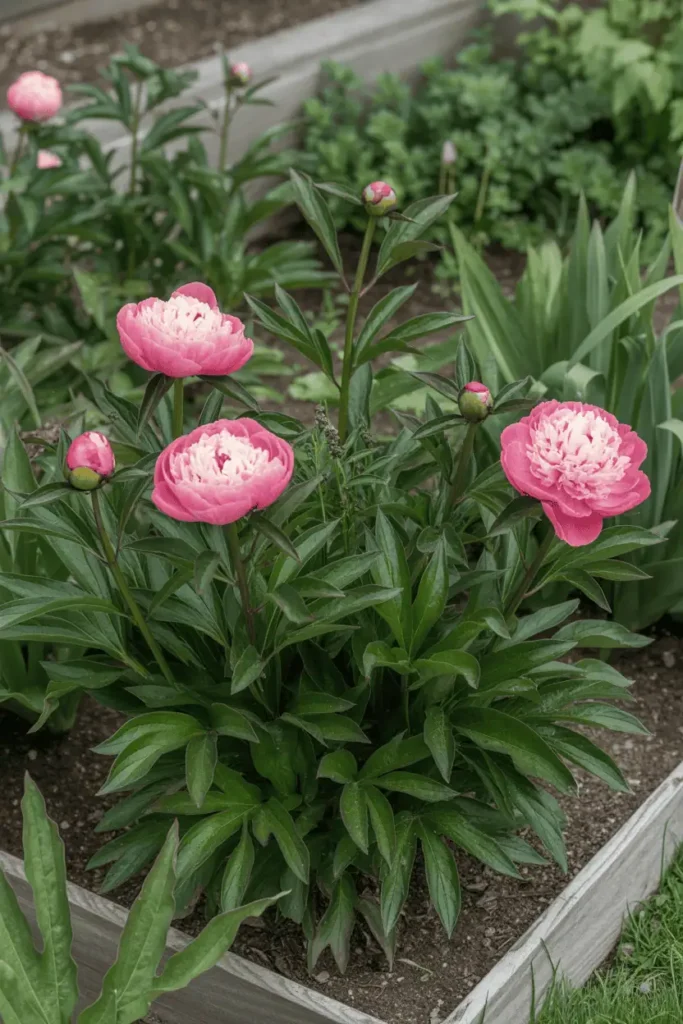
Peonies are long-term plants. Once they’re happy, they stay — often for decades. They don’t like being moved, and they don’t rush their growth.
This means they’re best treated as anchors, not fillers.
You’ll notice peonies look most natural when:
- They have space around them
- They’re planted where they won’t need rearranging
- Other plants gently support them, not compete
They don’t want a crowded stage. They want room to open.
Peony Types (Without the Overwhelm)
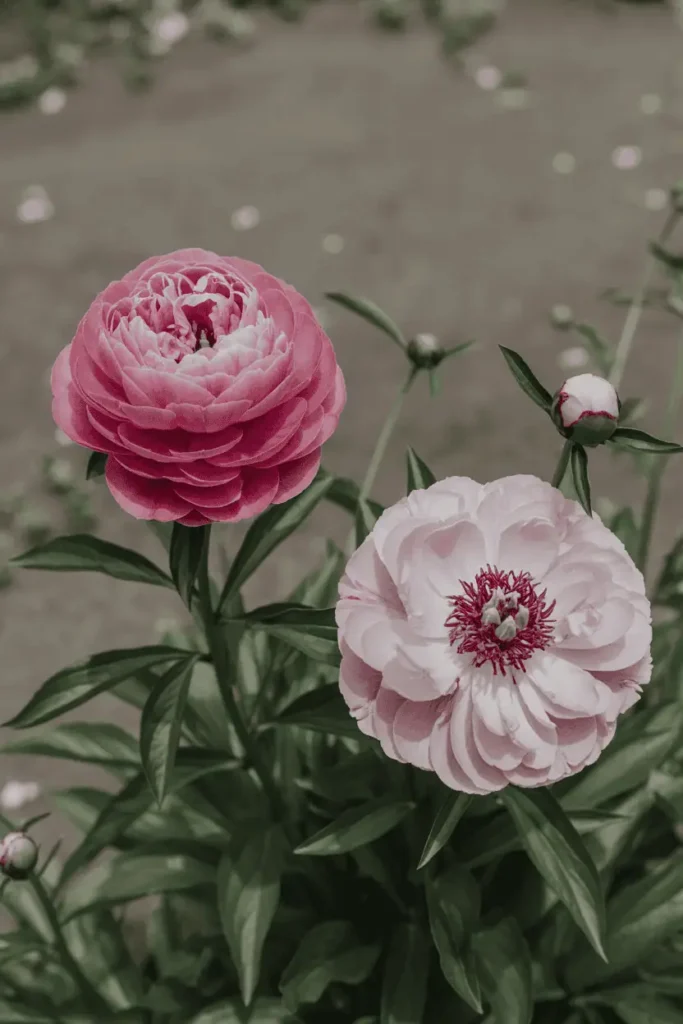
You don’t need to memorize names to work with peonies well. What matters is how they behave in the garden.
Soft, Full Peonies
These are the lush, many-petaled blooms most people picture. They feel romantic and abundant.
Best for:
- Cottage gardens
- Flower beds where they can be admired up close
Simpler, Open Peonies
With fewer petals and visible centers, these feel lighter and more natural.
Best for:
- Relaxed gardens
- Pairing with grasses or airy plants
Color: Let the Flower Lead
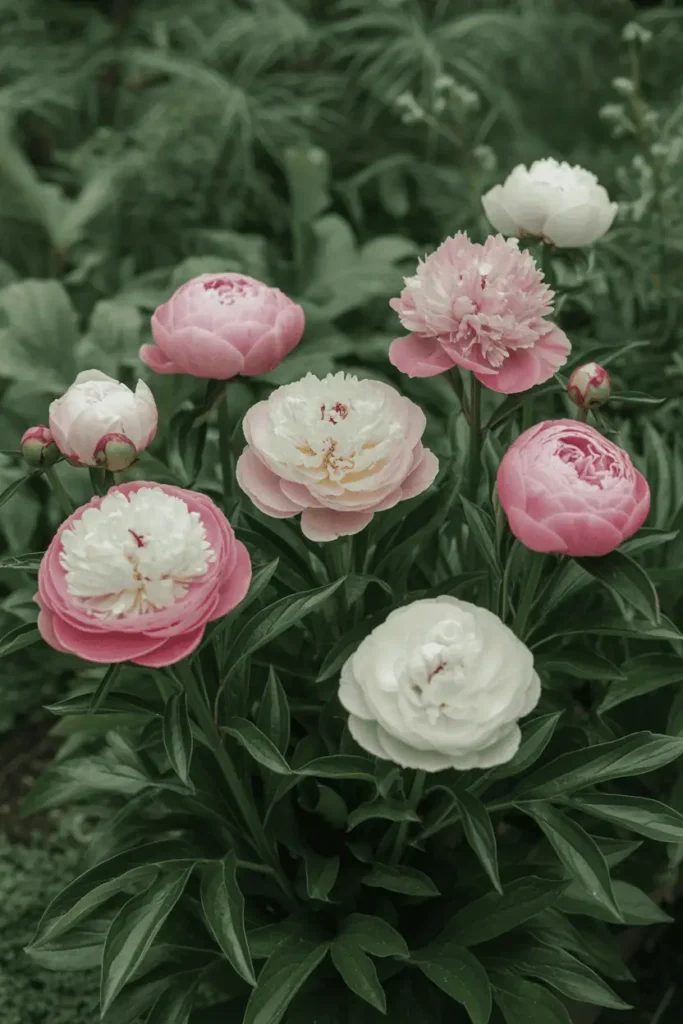
Peonies don’t need bold color contrast to stand out. Their shape already does the work.
Pinterest-favorite palettes include:
- Soft blush and cream
- White with pale green foliage
- Dusty pinks paired with muted purples
Too many colors around peonies can actually dull their impact. Simplicity makes them feel luxurious.
Using Peonies in Garden Design
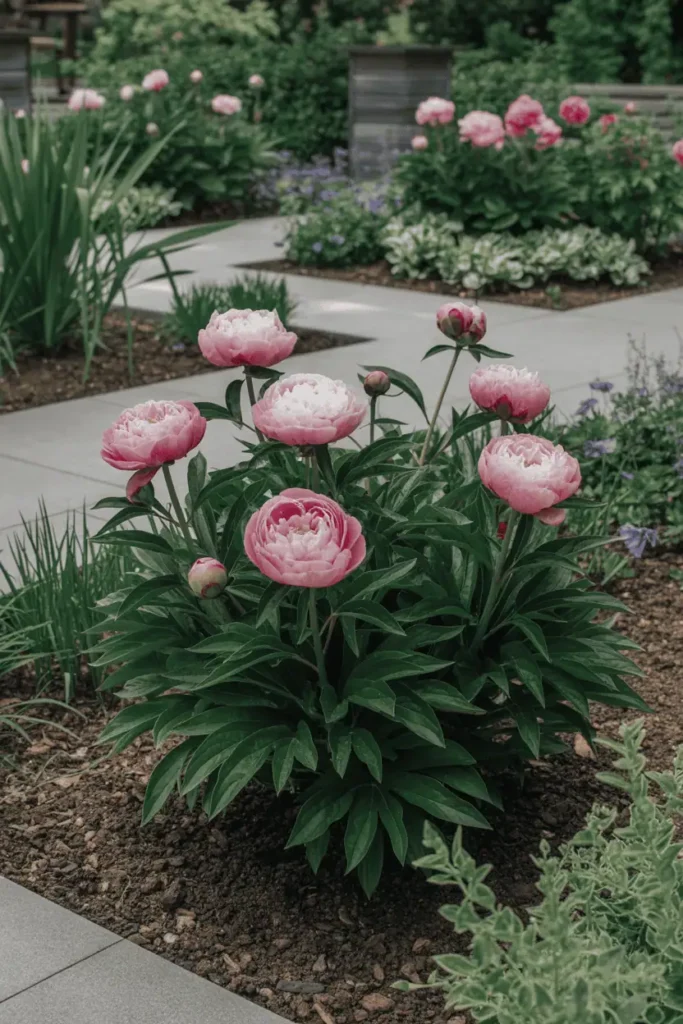
Peonies work best when they’re placed where you naturally pause.
In Flower Beds
Plant peonies toward the middle or back, where their height and fullness can rise naturally through the season.
Near Paths or Seating
This is where peonies shine. Being able to see them closely — even briefly — makes the short bloom feel meaningful.
With Supporting Plants
After peonies finish blooming, their foliage remains. Pair them with plants that take over gently, like salvias or ornamental grasses.
Peonies in Smaller Gardens
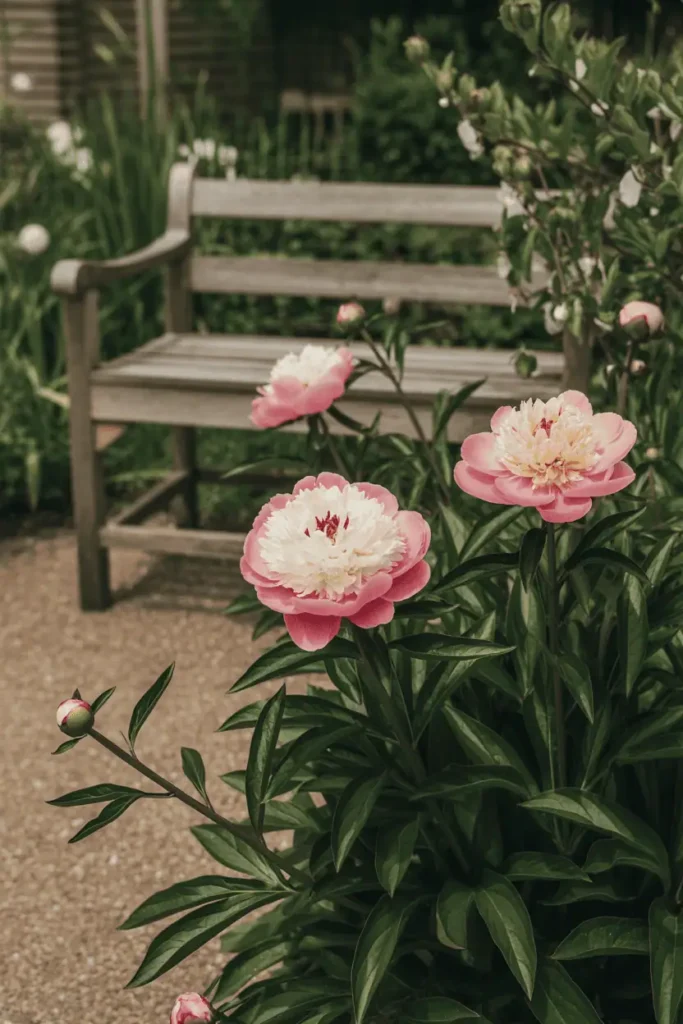
Peonies can absolutely work in small spaces — they just need thoughtful placement.
What helps:
- One peony is often enough
- Let it be the focal point
- Avoid surrounding it with busy textures
In small gardens, restraint is what makes peonies feel intentional instead of overwhelming.
Living With Peonies (The Reality)
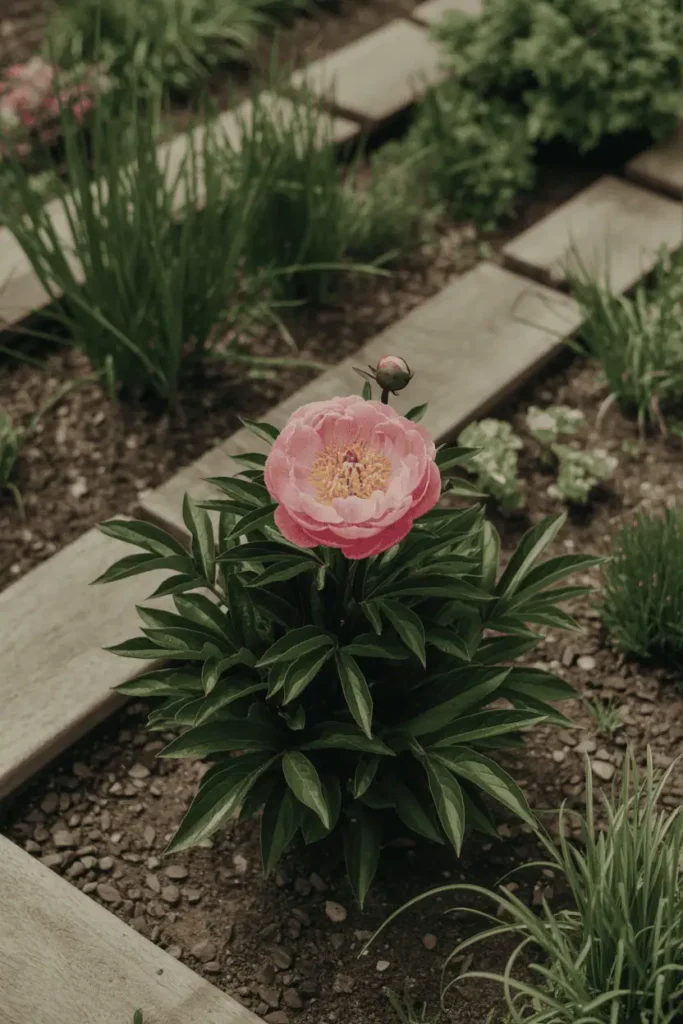
Peonies are not “set it and forget it,” but they’re not difficult either.
A few truths worth accepting:
- They bloom briefly
- Weather can affect their flowers
- Some years are better than others
But when they bloom well, they more than make up for the wait.
A Quiet Design Truth
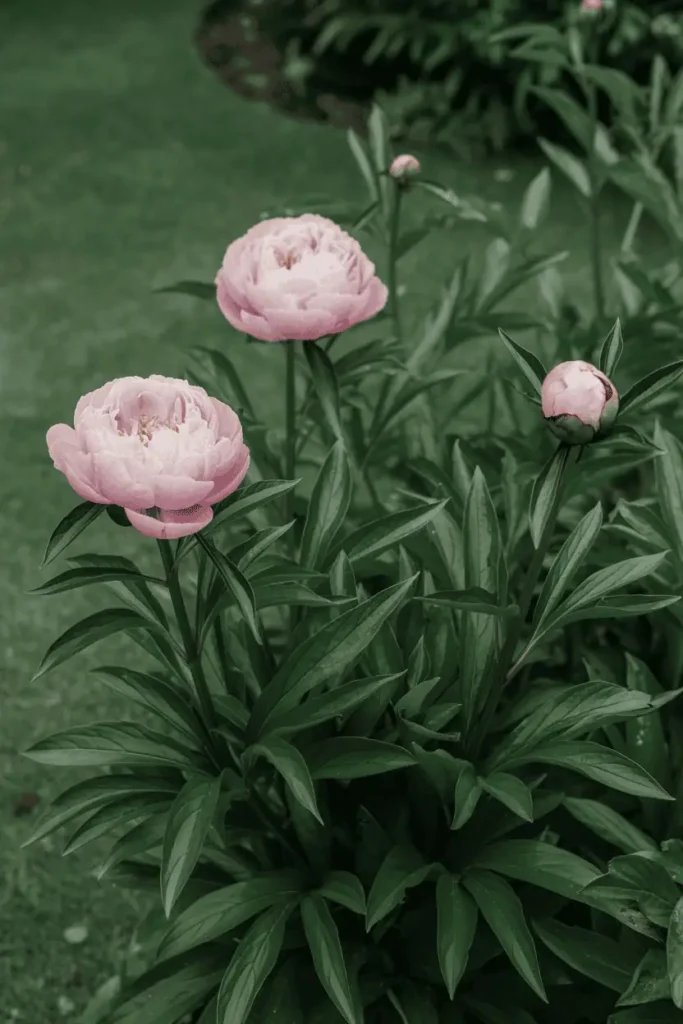
Peonies don’t need help being impressive. They just need space, patience, and a little trust.
When you stop trying to make them perform, they usually give you more than you expected.
Final Thoughts: Why Peonies Stay With Us
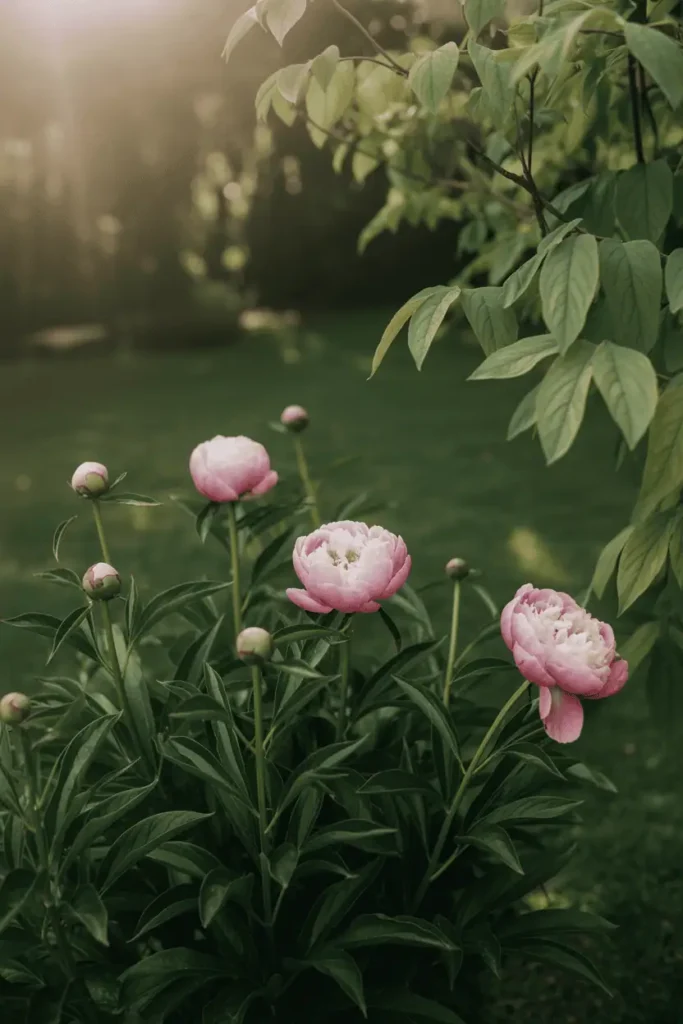
Peonies aren’t about constant color or long seasons. They’re about timing — the moment when the garden feels whole, even if only for a little while.
And maybe that’s why they’re so loved. They remind us that beauty doesn’t need to last forever to matter 🌸