You step outside with your morning coffee and notice a sticky sheen on a rose leaf and the faint scent of basil. That small, annoying sign can lead you to a simple routine that keeps your beds thriving all year.
We’ll walk you through calm, step-by-step guidance so you can spot early signs in spring and act with confidence. Short checks on roses, tomatoes, cabbage, and young trees stop tiny problems before they spread.
You’ll favor natural methods first: gentle sprays, pruning, and choices that invite beneficial insects to your garden. When needed, safe treatments and smart timing help you avoid harm to pollinators.
By the end, you’ll have a simple plan for plant checks, common tools to use, and easy habits to repeat each season. The result? Lush, resilient plants and a peaceful outdoor space you enjoy each morning.
Key Takeaways
- Do quick spring checks on tender growth to catch early signs.
- Use nonchemical basics first to protect beneficial insects.
- Learn where to look on roses, tomatoes, cabbage, and young trees.
- Keep common tools handy: hose nozzle, pruners, sprayer bottle, sticky traps.
- Avoid overfertilizing and choose slow-release options to reduce soft growth.
Spot the signs early: aphids, honeydew, and sooty mold on leaves and stems
A quick, cool-morning scan of new growth is the best way to spot trouble early.
What to look for:
- Curled or puckered leaves and misshapen buds—fresh growth that twists often means feeding damage.
- Sticky honeydew on leaves or nearby surfaces; that tacky film is a top early clue.
- Black, velvety sooty mold growing where honeydew collects; trace it back to the source.
Check undersides of leaves and along stems, where clusters hide and pale shed skins collect.
Follow ant trails up trunks and stems; ants often lead you straight to colonies because they farm honeydew.
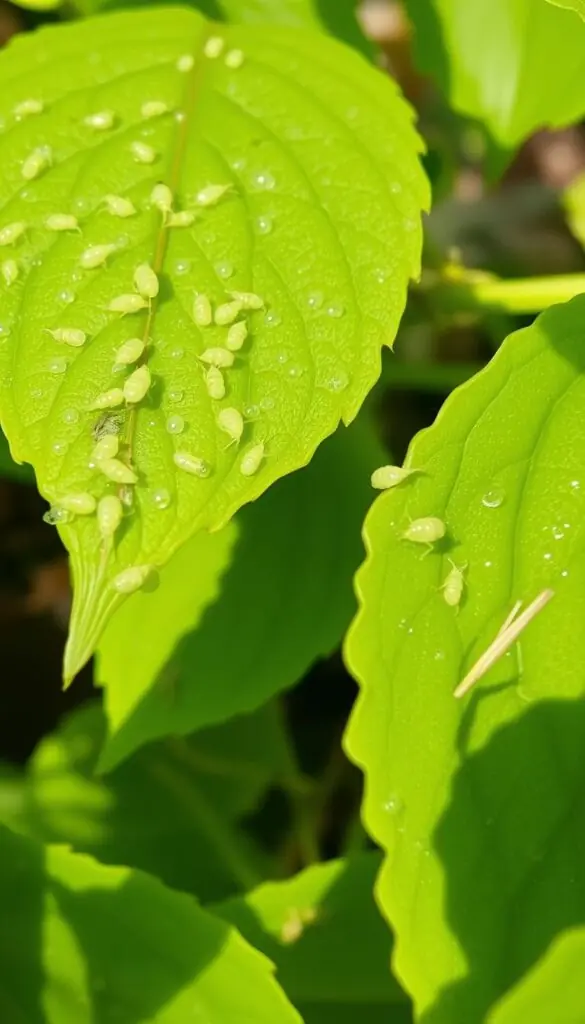
Look often at roses, tomato starts, cabbage heads, and young trees. Different species show varied color—green, yellow, black, or pink—so a small hand lens helps. Some aphids can spread plant viruses, so early discovery reduces risk.
Prevent problems with smart garden design and steady plant care
Good design and simple habits reduce sticky mess and give beneficial insects room to work. Place high-risk trees away from patios and parked cars; OSU Extension warns that linden and similar species can drip honeydew and leave a black film on surfaces.
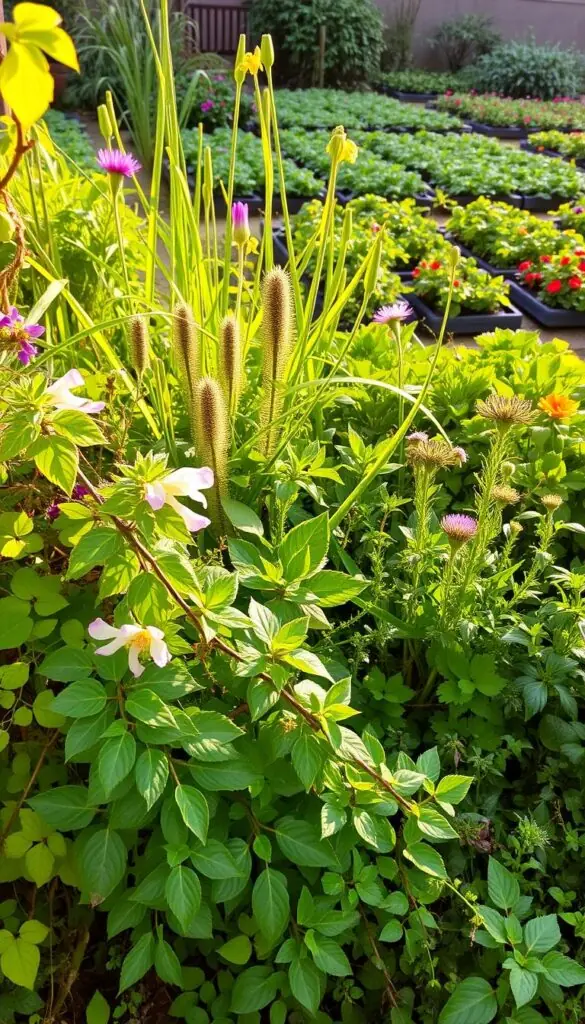
Landscape choices to limit drip and mess
Keep trees like linden well away from decks and driveways. Group thirsty host plants together so you can water them evenly and avoid soft, sappy growth that pests prefer.
Grow healthy—but not soft—growth
Aim for steady, sturdy growth with full, proper light and deep, infrequent watering. Use slow-release or organic fertilizers to avoid fast flushes of tender sap-rich shoots.
Use companion plants wisely
Thread attractors—yarrow, dill, and fennel—through beds to invite ladybugs, lacewings, and helpful flies. Plant repellents like garlic, chives, and catnip near vulnerable beds; their aroma is pleasant and practical.
Trap plants and ant break steps
Edge beds with nasturtium, mustard, or zinnias as decoys you can monitor first. Keep mulch tidy and remove debris so predators thrive.
"Design your space so nature does the patrolling for you."
- Prune ant bridges and use sticky barriers on trunks to interrupt honeydew farming.
- Group cabbage and other brassicas for consistent care and easier monitoring.
These small moves set the stage for balanced predator activity and make long-term pest control feel easy and low-maintenance.
aphid control with gentle, natural methods first
Begin simply—use your hose, a pair of pruners, and a few well-placed traps to keep pests in check. Start with the least invasive moves and only step up if needed. These neighborly steps protect pollinators and keep beds looking lush.
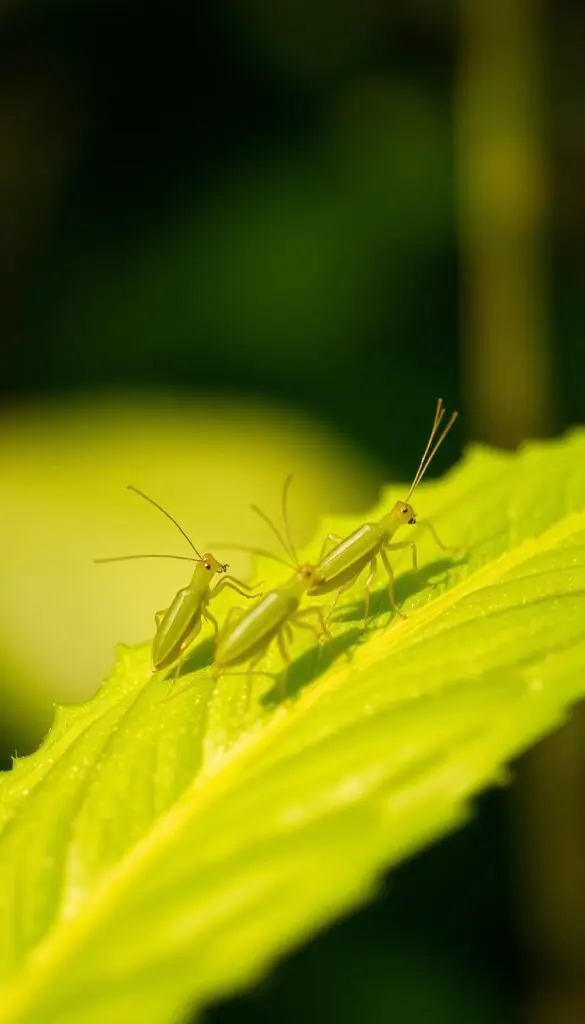
Nonchemical basics
Use water first: a firm, directed spray in the cool morning dislodges aphids from tender shoots without harming plants. A single strong spray or two often fixes small clusters.
Snip out the worst growth with clean pruners and bag or dunk cuttings in soapy water so you don’t spread pests. Hang yellow sticky traps to catch winged migrants before they settle.
If a houseplant is affected, isolate it, wipe leaves gently, and keep it out of hot sun until dry.
Welcome natural helpers
Invite steady predators by planting nectar-rich flowers and leaving brush piles for birds. Ladybugs and their larvae, green lacewings (released as eggs or larvae), and hoverflies patrol leaves and eat many pests.
- Provide small nest boxes and shrubby cover for wrens and chickadees.
- Remember ladybug larvae do most of the eating—leave them be.
"Let small populations persist when plants are healthy; nature often balances itself."
Hands-on treatment options: soaps, oils, and other effective sprays
When plants need help, a few careful sprays and gentle removals get you back to healthy leaves fast.
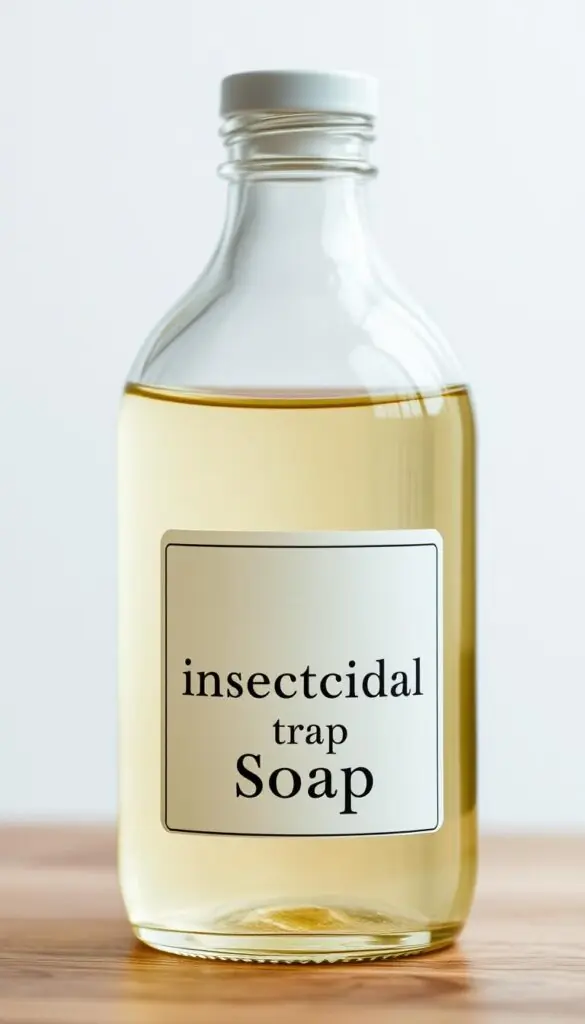
Water and hand removal are the easiest first steps. In cool morning air, use a firm hose spray to send pests off tender tips. Repeat every few days until numbers drop.
Wear gloves and knock clusters into a bucket with a squirt of plain soap and water. This quick, hands-on method targets adults and small nymphs where they hide.
Reliable insecticidal soap
Choose commercial insecticidal soap for consistent results. These soaps work on contact and dry to low toxicity.
Spray to the point of dripping, coating the undersides of leaves where eggs and tiny larvae linger. Reapply as new infestations appear and avoid hot midday sun to prevent leaf burn.
Neem oil choices and timing
Neem comes as cold-pressed (with azadirachtin) or as a clarified hydrophobic extract. Cold-pressed disrupts feeding and molts; clarified forms act on contact.
Mix per label, add a few drops of mild soap only if the product permits, and spray at dusk to protect pollinators and reduce the risk of scorch.
Essential oils with care
Peppermint, clove, rosemary, and thyme can become a light contact spray. Test a single leaf and wait 24–48 hours before full use. The minty scent makes the task pleasant and memorable.
Soil resilience: worm castings
Sprinkle worm castings around the base of plants and water in. This improves vigor and often reduces pest pressure without harming helpful insects.
"Start simple, test gently, and pick the option that keeps your garden thriving."
| Option | Best for | How to apply | Notes |
|---|---|---|---|
| Water + hand removal | Small clusters on tips | Hose in morning; knock into soapy bucket | Fast, safe for plants and predators |
| Insecticidal soap | Soft-bodied pests, eggs | Spray to drip, focus under leaves | Commercial brands tested for plant safety |
| Neem oil | Heavy infestations, molts | Mix per label; apply at dusk | Cold-pressed affects feeding; clarified is contact action |
| Essential oil spray | Light touch-ups, scent preference | Test 1 leaf; dilute and spray | Plant-sensitive—always test first |
Targeted scenarios: roses, tomatoes, indoor starts, trees, and root aphids
Learn simple, case-by-case steps so you can protect buds, seedlings, and roots with minimal fuss.
Roses and tomatoes
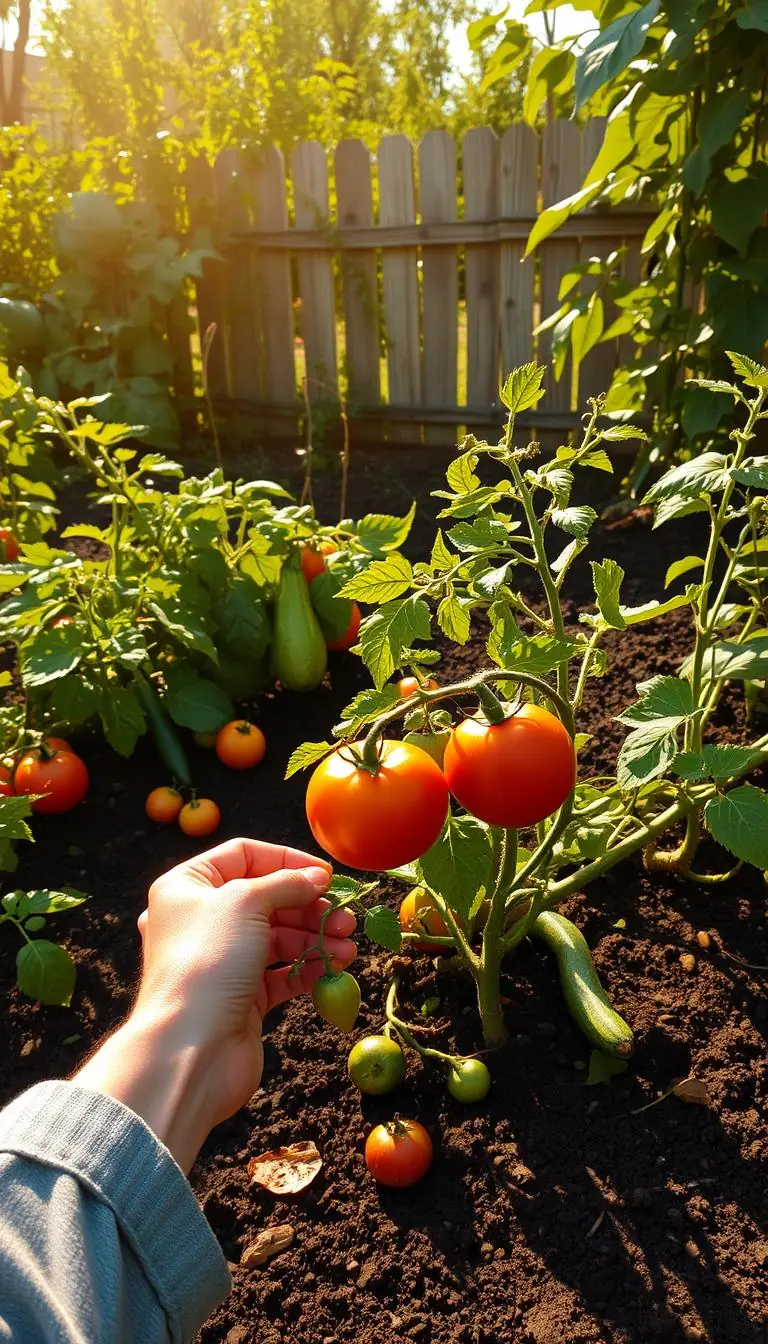
Run a fingertip over spring buds. If they feel sticky or rough, peek into the bud cups and under nearby leaves.
Tuck marigold, basil, and lavender near tomato and rose beds. Their scents and color help keep tender shoots less attractive to pests.
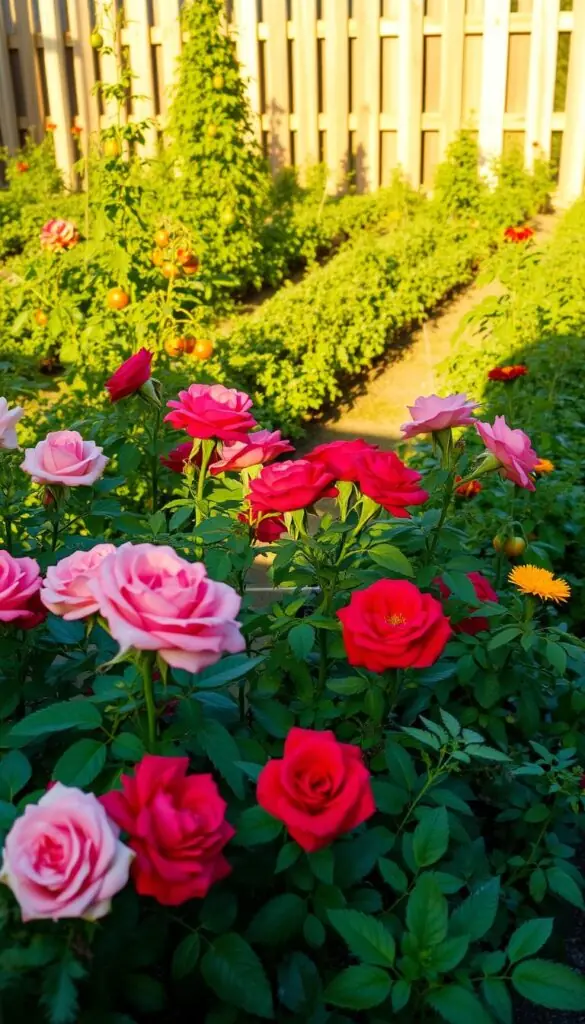
Houseplants and seedlings
At first sign, isolate affected trays and add yellow sticky traps. Use a light mist of insecticidal soap, then keep plants out of bright light for a day.
For heavier indoor problems, a gentle neem oil spray at dusk can help. Wipe off excess after a few hours if leaves show sensitivity.
Root issues and trees
Wilting or stunted growth despite moist soil often means root pests. Slip the pot and look for poor root vigor before repotting.
Apply beneficial nematodes to moist soil per label timing; they target soil hosts without harming earthworms. Bag and discard infested soil, and clean tools to avoid spread.
"A few careful checks every few days keeps small problems from becoming large ones."
- If you see a few adult or winged migrants on tender shoots of trees, rinse with water or spot-treat and repeat after a couple of days.
- Pause sprays where you find ladybugs and their larvae so they can eat eggs and young larvae naturally.
Conclusion
Gentle routines in spring and summer turn your garden into a resilient, welcoming place. Walk beds often, check buds and leaves, and act early with the lightest touch that works.
Favor a living balance: invite ladybugs and lacewings, leave small pockets for predators, and use options like a hose rinse, a dash of soap, or a well-timed neem spray when needed. Break ant trails and tidy trunks to cut honeydew and mold.
Keep a short toolbox—hose nozzle, pruners, sprayer, sticky traps—so you can respond in minutes. Trust what you see and feel: sunlit, non-sticky foliage, open buds, and the soft buzz of helpful insects mean your plants are thriving.
FAQ
What early signs should I watch for on leaves and stems?
Look for curled or distorted leaves, a sticky residue called honeydew, and black sooty mold on surfaces. Check the undersides of leaves and tender spring growth, buds, and new stems where insects and their eggs like to hide.
Where are problem hotspots in the garden?
Inspect roses, tomatoes, cabbage, young trees and shrubs, and new transplants. Follow ant trails — ants often farm sap-sucking insects for honeydew — which leads you straight to trouble spots.
How can landscape choices reduce pest pressure?
Avoid planting species known to attract sap feeders near high-use areas, like linden close to decks or cars. Choose diverse plantings and site plants where they get the right light and soil so they grow resilient, not overly soft and attractive to pests.
What everyday care prevents outbreaks?
Water deeply but less frequently, use slow-release fertilizer, and prune to improve airflow. Healthy, steady growth is less appealing to sap feeders than lush, rapidly growing shoots produced by excess nitrogen.
Which companion plants help manage insects naturally?
Use attractors like yarrow, dill, and fennel to bring predators; repellents such as garlic, chives, and catnip to deter pests; and trap plants like nasturtium, mustard, or zinnias to lure them away from prized vegetables.
How do I break the honeydew–ant–mold cycle?
Reduce ants with physical barriers and by locating nests, then remove sticky honeydew by rinsing leaves. Managing ants prevents them from protecting sap feeders, which helps natural predators and reduces sooty mold growth.
What nonchemical steps work right away?
Use a strong jet of water to dislodge insects, prune infested shoots, set yellow sticky traps, and isolate indoor plants. These simple actions often stop small problems before they spread.
Which beneficial insects should I encourage or introduce?
Ladybugs, green lacewings, hoverflies (syrphid flies), and many small wasps prey on sap-sucking pests. Plant nectar- and pollen-rich flowers like alyssum and dill to support these helpful species.
How do I use water and hand removal safely?
Spray in the cool morning to avoid leaf burn. For heavy infestations, wear gloves and knock insects into a bucket of soapy water. Repeat every few days until numbers drop.
Should I use insecticidal soap or horticultural oil?
Yes — commercial insecticidal soaps are effective on soft-bodied insects and are safer for beneficials when used properly. Apply thoroughly to undersides of leaves and reapply after rain. Oils smother eggs and nymphs; follow label instructions and avoid spraying in hot midday sun.
What about neem oil — which type works best?
Cold-pressed neem products with azadirachtin offer both contact and systemic activity, while clarified hydrophobic extracts act mainly as contact treatments. Use dilute mixes, test on a small area first, and apply when temperatures are moderate to protect plants and pollinators.
Are essential oil sprays effective and safe for plants?
Some blends with peppermint, clove, rosemary, or thyme can repel or kill on contact, but they can stress sensitive plants. Always dilute, test one plant first, and avoid spraying during heat or direct sun.
Can soil amendments help long-term resilience?
Adding worm castings improves soil structure and nutrition, supporting stronger root systems without harming beneficial insects. Healthier plants recover faster and resist pests more effectively.
How do I protect roses and tomatoes specifically?
Check buds and growing tips often in spring, interplant marigold, basil, or lavender, and remove heavily infested growth early. Regular monitoring and quick action keep blooms and fruit healthy.
What should I do for houseplants and seedlings?
Isolate new arrivals, use yellow sticky traps, and apply gentle soap sprays if needed. Avoid bright light immediately after spraying to reduce leaf stress and repeat treatments on a schedule until you see improvement.
How can I spot and manage root infestations?
Symptoms include stunted growth, wilting despite moist soil, and sticky soil surfaces. Treat soil with beneficial nematodes outdoors, and carefully dispose of heavily infested potting mix to prevent spread indoors.
When is it okay to use stronger chemical options?
Reserve synthetic insecticides for severe, persistent outbreaks after trying cultural, physical, and biological methods. Choose targeted products, follow label directions, and apply when pollinators are not active.
How often should I inspect plants during the season?
Weekly checks during spring and early summer catch problems early. Increase frequency during new growth flushes and after heavy rains, which can hide or spread pests.